
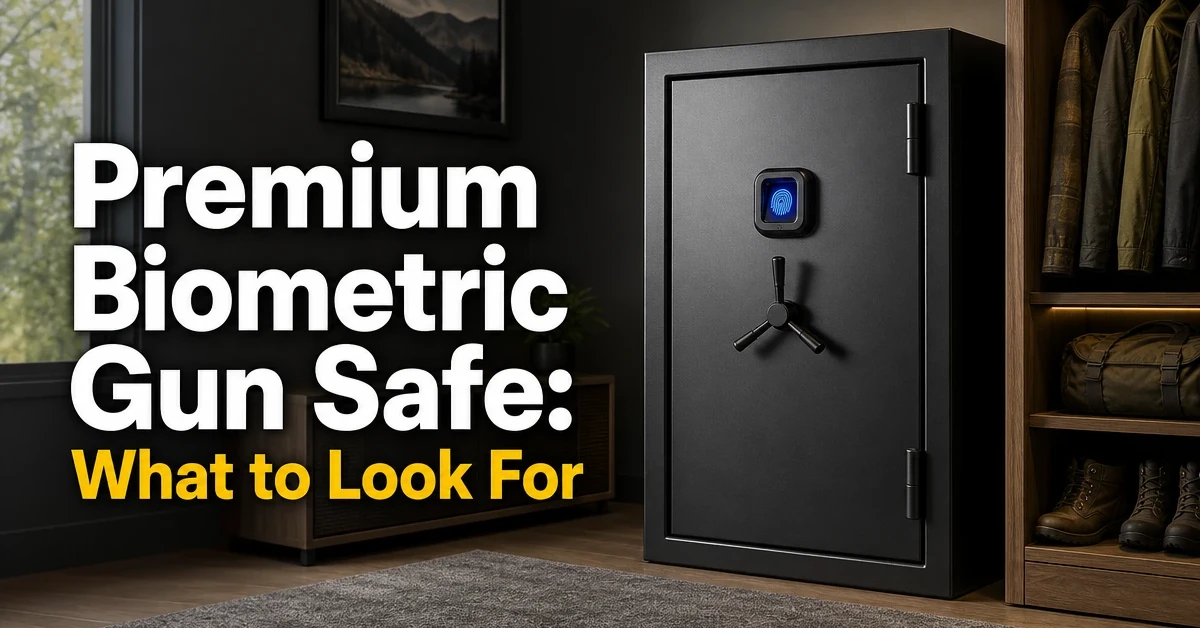
A premium biometric gun safe combines fingerprint access with stronger construction, dependable backup entry, and responsible firearm storage. The best choice is not simply the most expensive model; it should fit your firearm, resist unauthorized access, work reliably in its intended location, and follow the manufacturer’s instructions and local storage laws.
What Makes a Biometric Gun Safe “Premium”?
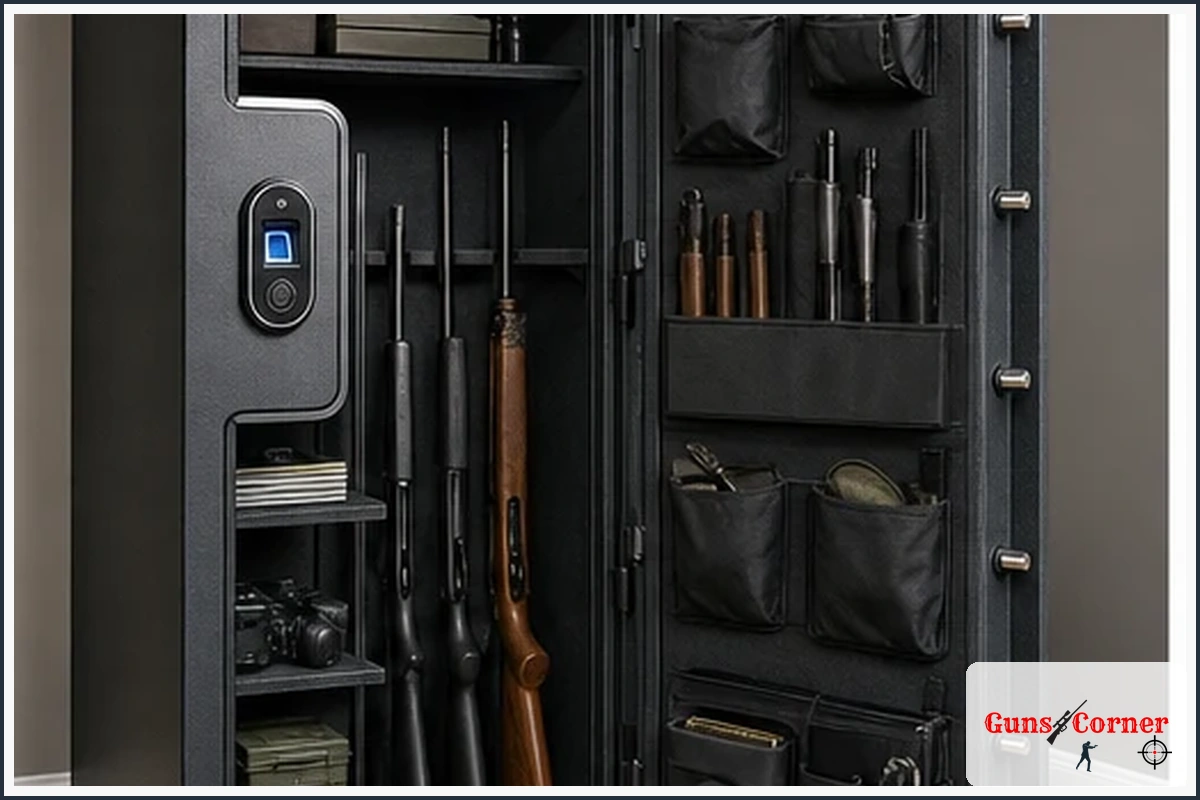
A premium safe should provide more than a fingerprint scanner. Evaluate the complete storage system, including its lock, construction, mounting options, power system, interior fit, and backup access method.
| Feature | What to Evaluate | Why It Matters |
|---|---|---|
| Biometric reader | Consistent recognition, enrollment process, and user capacity | Fingerprint access is useful only when it works reliably |
| Construction | Steel body, protected hinges, pry resistance, and secure door fit | Helps resist unauthorized access and tampering |
| Backup entry | Keypad or mechanical key system with secure key storage | Provides an alternative if batteries or the scanner fail |
| Mounting | Pre-drilled holes, included hardware, and compatible mounting surface | A portable safe can be stolen if it is not secured appropriately |
| Interior | Padding, usable dimensions, and clearance for the unloaded firearm | Protects the firearm and prevents forcing it into a tight compartment |
How Biometric Gun Safes Work
The scanner reads characteristics of an enrolled fingerprint and compares them with stored biometric data. If the reading meets the lock’s programmed requirements, the safe releases its locking mechanism.
Fingerprint systems can be affected by dirt, moisture, cuts, cold hands, dry skin, or a poor enrollment. For that reason, biometric access should be treated as one part of a storage system rather than a guarantee of instant entry.
Use Backup Access Responsibly
Choose a safe with a backup method that you can use safely and legally. Keep override keys or backup credentials secured from unauthorized users. Do not leave a key beside the safe, in an obvious drawer, or in a location accessible to children or visitors.
Choosing the Right Size and Format
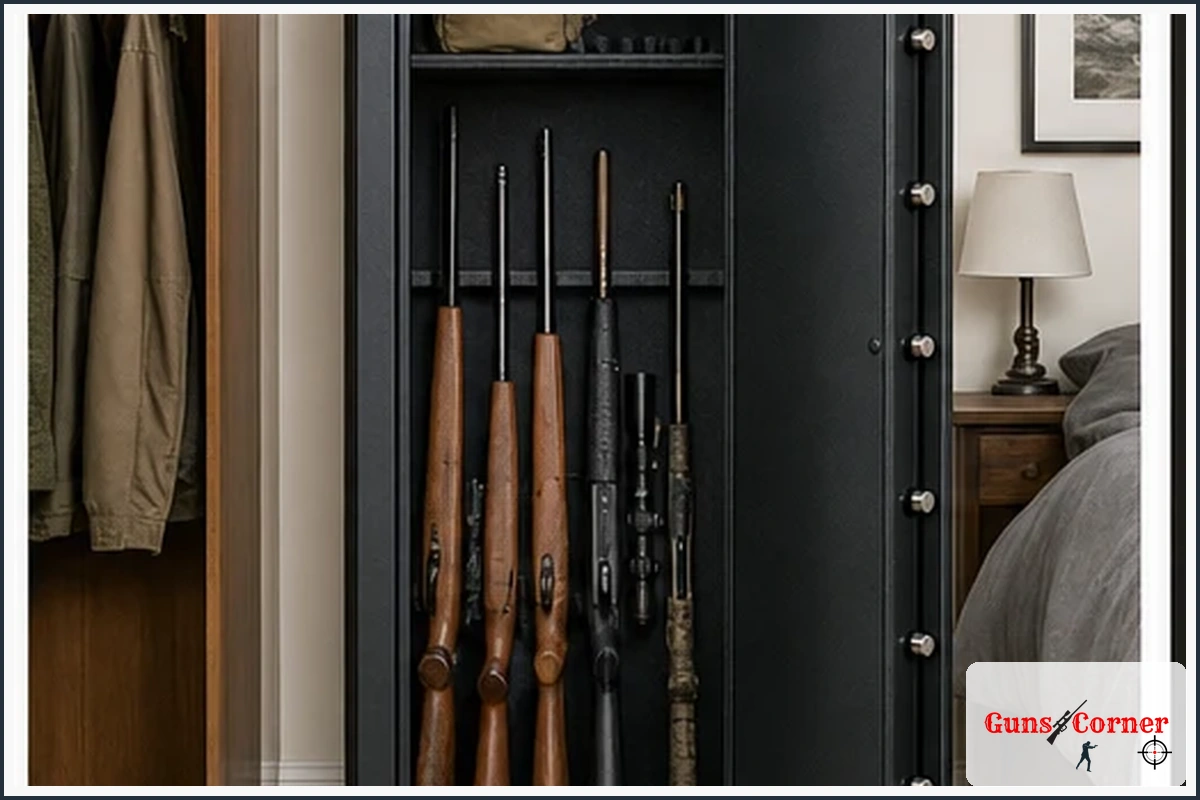
Start with the firearm and storage location, not the safe’s external appearance. Confirm the manufacturer’s internal dimensions and allow enough room to store the unloaded firearm without scraping the finish or pressing against the lock mechanism.
- Portable pistol safes: Suitable for compact storage but generally limited in capacity.
- Vehicle or travel safes: Must be secured and transported according to current law and manufacturer guidance.
- Bedside safes: Designed for convenient access while remaining locked when unattended.
- Larger biometric cabinets: Provide more room but may require stronger mounting and more careful placement.
Do not assume that a safe marketed for one handgun will accommodate a handgun with an optic, mounted light, extended magazine, or other accessory. Check the actual interior clearance.
Security Features That Matter Most
Locking Mechanism
Look for a lock that prevents the door from opening when the safe is closed and that does not depend solely on a smartphone, internet connection, or disposable electronic feature. Read the owner’s manual before relying on any security claim.
Construction and Tamper Resistance
Consider the body material, door overlap, hinge protection, lock protection, and resistance to prying. No small portable safe should be treated as an impenetrable vault. Its purpose is to prevent unauthorized access and provide responsible storage, not to defeat every determined attack.
Anchoring
If the model supports anchoring, use only compatible hardware and follow the manufacturer’s instructions. Confirm that drilling will not damage wiring, plumbing, structural components, or the safe itself. A qualified professional can help when the mounting surface is uncertain.
Biometric Reliability and Maintenance
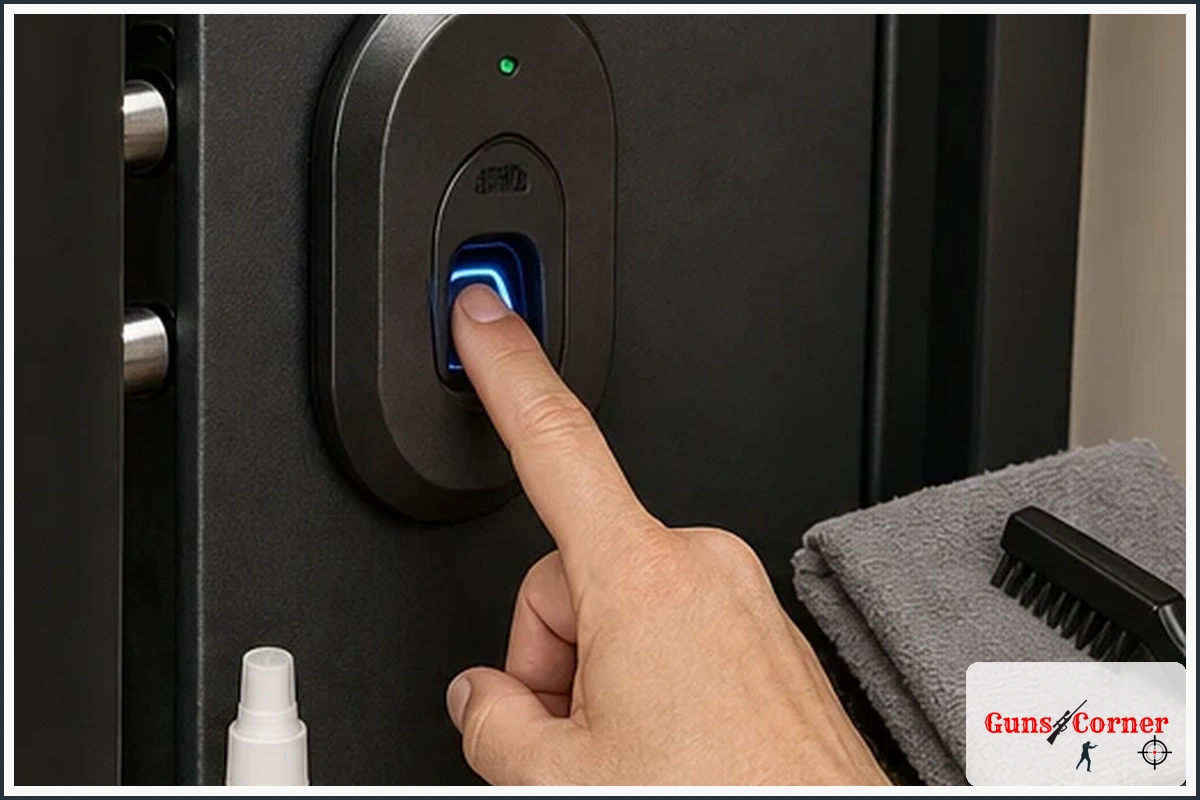
Before storing a firearm, enroll the fingerprint according to the manual and test the reader under normal conditions. If the system allows multiple enrolled fingerprints for one authorized user, registering more than one finger may improve usability, but only authorized users should be enrolled.
- Keep the scanner clean and dry.
- Replace batteries according to the manufacturer’s schedule or warning indicators.
- Test biometric and backup access periodically without leaving the firearm unsecured.
- Do not modify the lock, wiring, housing, or safety mechanism.
- Inspect hinges, fasteners, mounting points, and the door seal when applicable.
Follow the current owner’s manual for battery type, reset procedures, fingerprint enrollment, and troubleshooting. The supplied product material should be treated as the controlling source for model-specific operation.
Four Firearm Safety Rules Still Apply
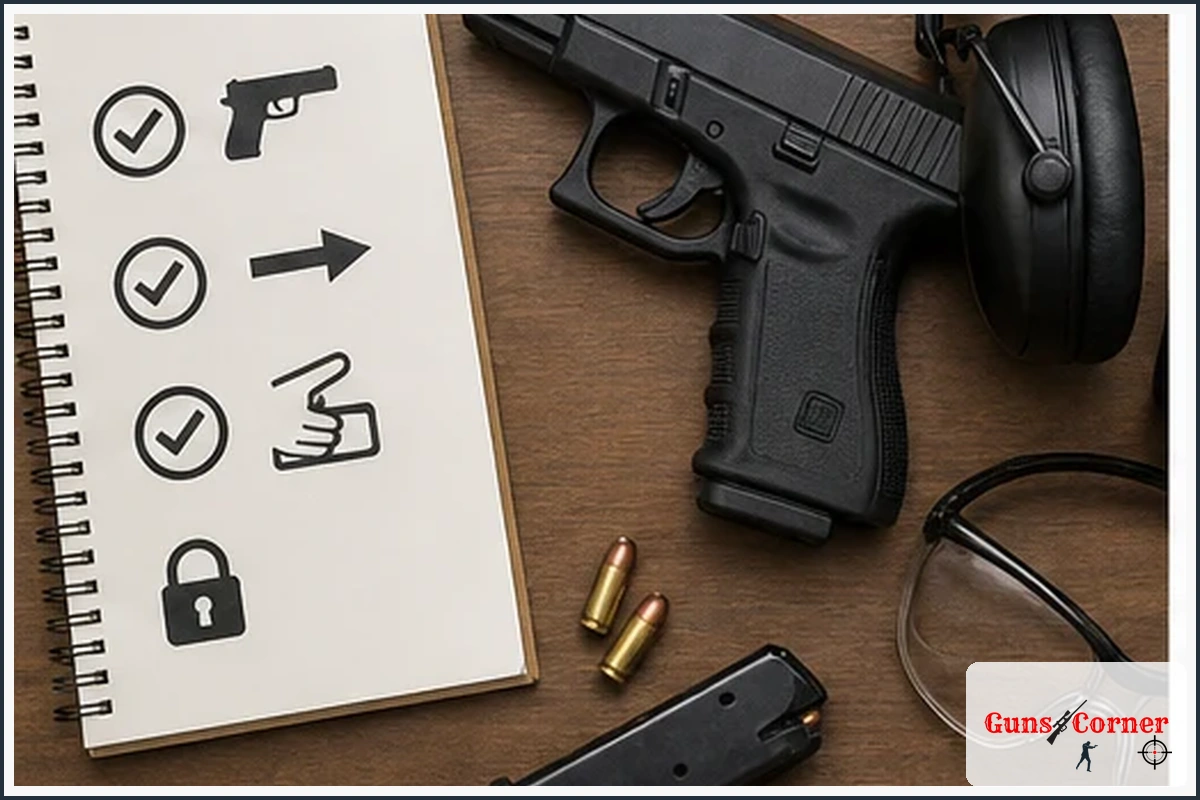
A locked safe supports firearm safety but does not replace it. Always:
- Treat every firearm as if it is loaded.
- Keep the muzzle pointed in a safe direction.
- Keep your finger outside the trigger guard until ready to shoot.
- Be certain of the target and what is beyond it.
When placing a firearm into storage, follow the firearm manufacturer’s instructions for unloading and clearing it. Keep ammunition stored securely and separately when required by law or recommended by the manufacturer. Never rely on a mechanical safety as a substitute for safe handling.
Common Buying Mistakes
- Choosing a safe based only on fingerprint access.
- Ignoring backup entry and battery failure procedures.
- Buying a safe that is too small for the firearm and accessories.
- Leaving an override key in an obvious location.
- Failing to secure a portable safe against theft where appropriate.
- Assuming a product’s marketing term proves a particular security certification.
- Storing the firearm before testing the lock and confirming correct operation.
- Assuming storage requirements are identical in every state or household.
Legal and Household Considerations

Firearm-storage laws vary by jurisdiction and may depend on the presence of children, prohibited persons, transportation, location, and the type of firearm. Check current state and local requirements before purchasing or installing a safe. Official regulations override general online guidance.
Consider everyone who may enter the home, including children, guests, contractors, and temporary caregivers. Store the firearm so unauthorized people cannot access it, and teach household members appropriate firearm-safety behavior through qualified instruction.
What to Check Before Buying
- Will the firearm fit with its unloaded condition and installed accessories?
- Is the biometric reader suitable for the intended environment?
- What happens if the battery is depleted?
- How are backup keys or credentials secured?
- Can the safe be mounted appropriately?
- Does the interior protect the firearm from scratches and moisture?
- Are the warranty and support terms clearly documented?
- Does the safe meet current local storage requirements?
FAQs
1. Is a premium biometric gun safe better than a keyed safe?
Not automatically. Biometric access can be convenient, but reliability depends on the scanner, power supply, user enrollment, and maintenance. A quality keyed or combination safe may be preferable for some storage situations.
2. Can a biometric gun safe fail?
Yes. Batteries, electronics, fingerprints, contamination, and mechanical problems can affect operation. Maintain a secure backup-entry method and follow the manufacturer’s testing instructions.
3. Should a biometric gun safe be bolted down?
If the model is designed for anchoring, securing it may reduce the risk of unauthorized removal. Use only compatible mounting methods and verify the surface before drilling.
4. Is a fingerprint safe suitable for every household?
No single storage method suits every household. Consider children, visitors, access needs, local law, emergency planning, and whether authorized users can operate the system reliably.
5. Should ammunition be stored in the same safe?
Follow applicable law and manufacturer guidance. Ammunition should be secured from unauthorized access and stored in a clean, dry environment appropriate for the ammunition.
Final Answer
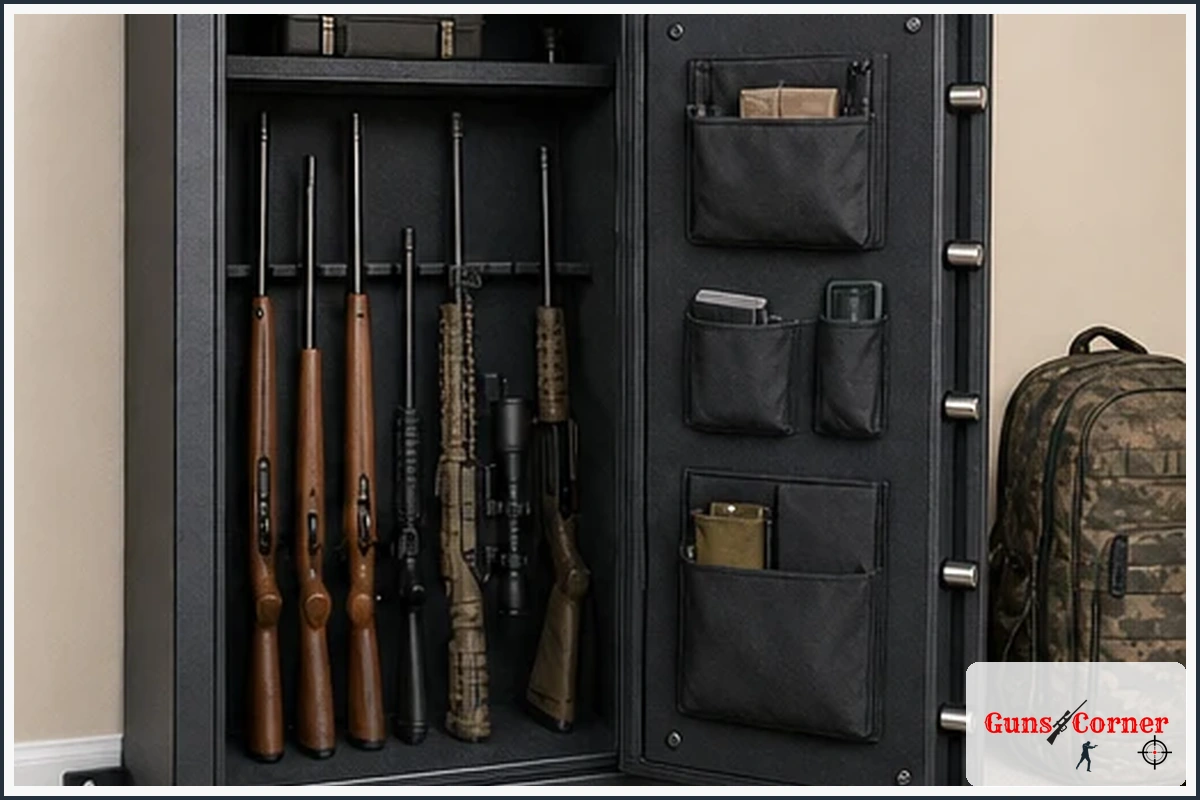
The best premium biometric gun safe combines dependable fingerprint access, strong construction, secure backup entry, suitable interior space, and appropriate mounting. Before buying, verify the firearm fit, test the lock, maintain the batteries, secure override access, and check current local storage requirements. Safe storage works together with the four firearm-safety rules, proper training, and responsible household planning.
Related posts:

How to Install Gun Safe in a Closet: Safe Beginner Guide

5 Best Gun Safe Dehumidifier Picks for Rust-Free Firearm Storage

10 Best Gun Safe for Apartment Living: Compact & Renter-Friendly Picks

5 Best Car Gun Safes for Travel and Daily Carry Storage

Fireproof Gun Safe Reviews: What to Look For