
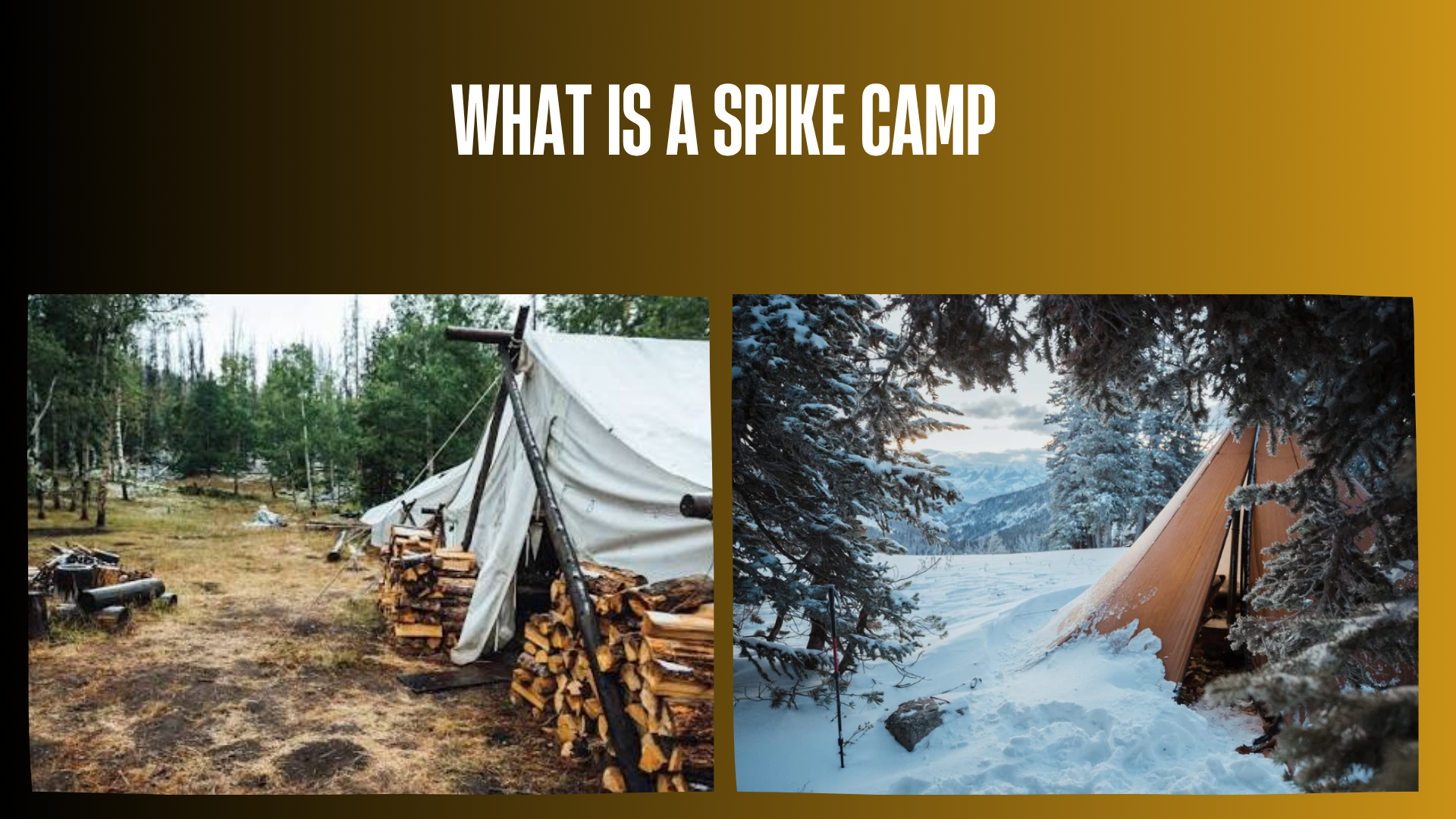

For many backcountry hunters, especially those pursuing elk, mule deer, sheep, mountain goats, or other remote-country game, understanding what is a spike camp can make the difference between a difficult hunt and a more efficient adventure. A spike camp allows hunters to move closer to productive hunting areas instead of returning to a distant base camp every night.
A well-planned spike camp is not simply a place to sleep. It is a temporary field camp designed around mobility, safety, weather protection, and responsible hunting practices. This guide explains how spike camps work, why hunters use them, what equipment they need, and what beginners should consider before spending multiple nights in the backcountry.
Quick Answer: What Is a Spike Camp?
A spike camp is a small, temporary hunting camp established away from a main base camp to help hunters stay closer to remote hunting areas. Hunters typically use spike camps during multi-day backcountry hunts when traveling back and forth from a primary camp would waste time and energy.
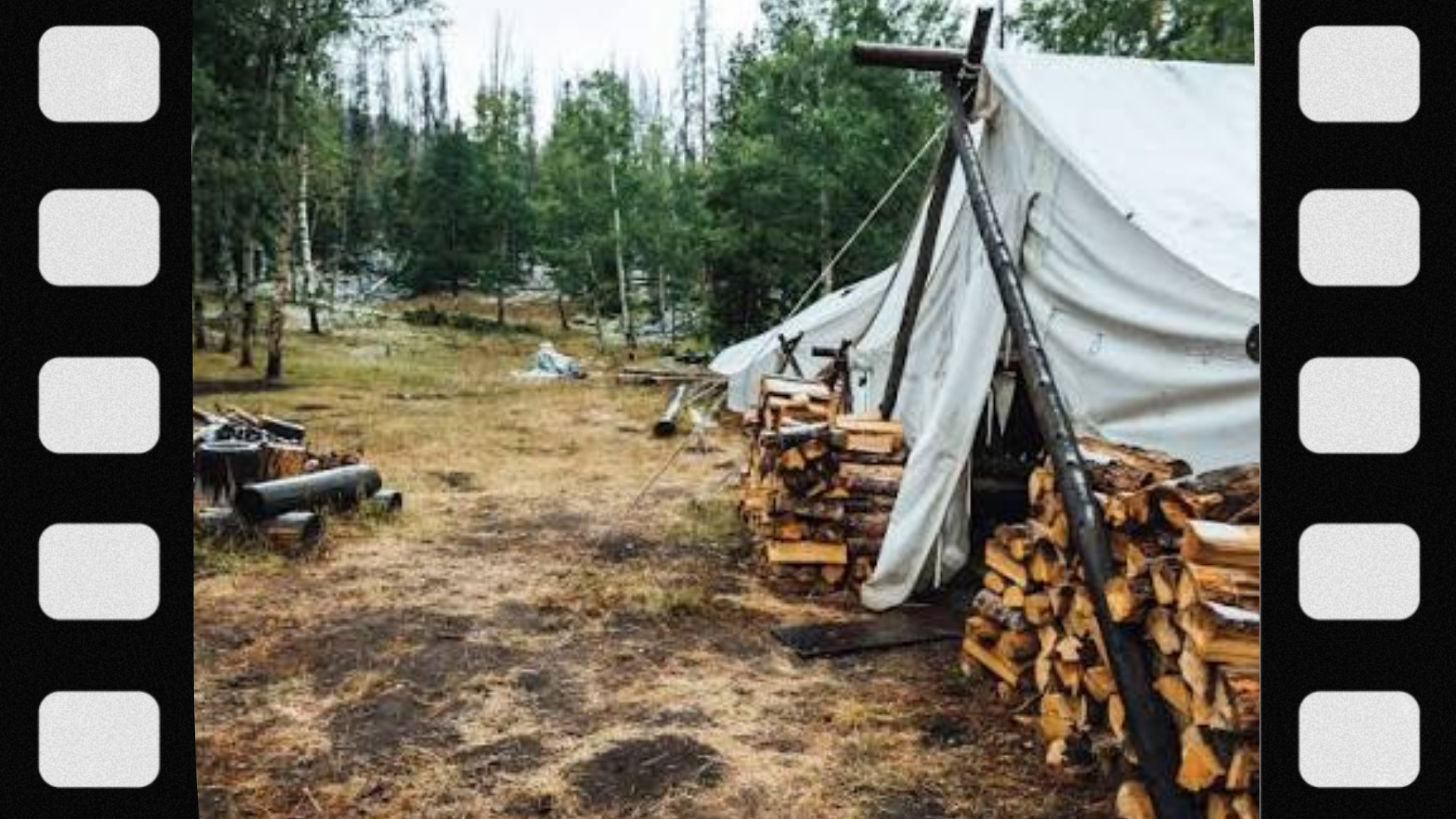
Unlike a full base camp, a spike camp is usually lightweight and focused on essential shelter, food, water, navigation, and safety equipment. It is commonly used during elk hunting and other wilderness hunts where terrain, distance, and elevation make daily travel challenging.
| Feature | Spike Camp | Base Camp |
|---|---|---|
| Purpose | Move closer to hunting areas | Main operating location |
| Size | Small and lightweight | Usually larger and more comfortable |
| Location | Near remote hunting zones | Often near roads, trails, or established access points |
| Duration | Usually short-term | Can support longer stays |
| Gear Priority | Weight savings and essentials | Comfort and additional supplies |
How Does a Spike Camp Work?
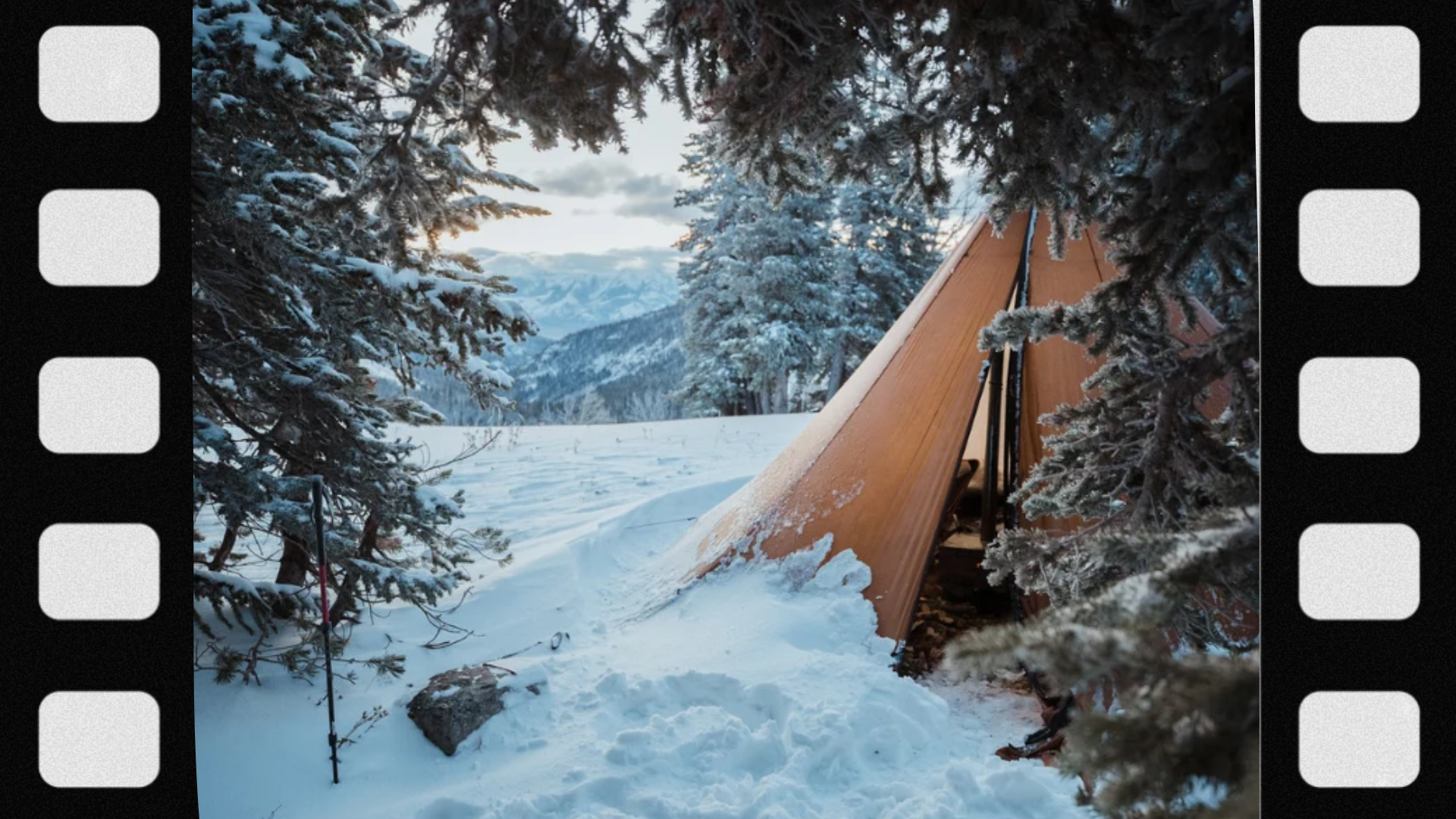
A spike camp works as a secondary camp that extends a hunter’s reach into areas that are difficult to access from a traditional camp. Instead of hiking several hours back to a main camp after each hunting day, hunters remain closer to their planned hunting areas.
For example, an elk hunter may establish a spike camp several miles from a trailhead or main camp. This allows more time for scouting, glassing, tracking, and adjusting to animal movement patterns.
The exact setup depends on:
- The species being hunted
- The terrain and elevation
- Weather conditions
- Distance from water sources
- Available shelter options
- Local land regulations
- The hunter’s experience level
Why Do Hunters Use Spike Camps?
1. Spend More Time in Productive Hunting Areas
The biggest advantage of a spike camp is reducing unnecessary travel. Remote animals often live in areas far from roads and easy access points. Staying closer can give hunters more time to observe habitat, identify movement patterns, and make responsible hunting decisions.
2. Reduce Daily Hiking Distance
Mountain hunting can require significant physical effort. A spike camp can reduce repeated climbs and long walks between a base camp and hunting locations.
3. Increase Flexibility
Conditions in the backcountry change quickly. A spike camp allows hunters to adjust their position based on weather, animal activity, or scouting information.
4. Experience More Remote Hunting Opportunities
Some wilderness areas receive less hunting pressure because they require more effort to reach. A spike camp can help prepared hunters responsibly access these locations while following land-use rules.
What Animals Are Spike Camps Commonly Used For?
Spike camps are especially common in western-style backcountry hunting, including:
- Elk hunting: One of the most common uses because elk often inhabit large mountain landscapes.
- Mule deer hunting: Useful when hunting remote basins, ridges, and high-country areas.
- Sheep and mountain goat hunting: Often necessary due to steep terrain and long distances.
- Moose hunting: Sometimes used in remote regions where access is limited.
- Bear hunting: May be used depending on terrain, regulations, and hunting style.
The effectiveness of a spike camp depends on local conditions. Wildlife behavior is influenced by habitat, weather, food availability, hunting pressure, and seasonal changes.
What Gear Do You Need for a Spike Camp?
A spike camp requires careful balance. Carrying too much creates unnecessary weight, while carrying too little can create safety problems.
| Category | Essential Items |
|---|---|
| Shelter | Lightweight tent, sleeping system, shelter repair items |
| Sleeping | Sleeping bag rated for conditions, sleeping pad |
| Food | Lightweight meals, snacks, cooking equipment |
| Water | Water containers, filtration or purification system |
| Navigation | Map, compass, GPS device, offline mapping tools |
| Safety | First-aid kit, emergency communication method, headlamp |
| Clothing | Weather layers, rain protection, gloves, extra socks |
| Hunting Equipment | Species-appropriate legal equipment and required licenses |
How Is a Spike Camp Different From a Backpacking Camp?
Spike camps and backpacking camps share many similarities because both require lightweight equipment and careful planning. However, a spike camp is specifically connected to hunting activities.
- A backpacking camp may focus primarily on travel or recreation.
- A spike camp is designed around hunting access, scouting, and field efficiency.
- A spike camp may require additional hunting equipment, meat-care supplies, and legal documentation.
How Long Do Hunters Stay in a Spike Camp?
The length of a spike camp stay varies widely. Some hunters use a spike camp for one or two nights, while others may stay longer during extended backcountry hunts.
The appropriate duration depends on:
- Weather conditions
- Food and water availability
- Physical conditioning
- Emergency planning
- Local regulations
- Ability to resupply
Hunters should avoid staying longer than their preparation, supplies, and safety plans allow.
Spike Camp Safety Considerations
Remote hunting requires careful preparation. A spike camp places hunters farther from immediate assistance, making safety planning essential.
Important Safety Practices
- Tell someone your planned route and expected return date.
- Carry navigation tools and know how to use them.
- Prepare for changing weather conditions.
- Carry appropriate emergency supplies.
- Know your physical limits and avoid unnecessary risks.
- Follow all firearm or archery safety rules.
- Identify your target positively before taking any shot.
- Respect property boundaries and land regulations.
Firearm and Hunting Safety in a Spike Camp
When firearms are involved, hunters should always follow basic firearm safety principles:
- Treat every firearm as if it is loaded.
- Keep the muzzle pointed in a safe direction.
- Keep your finger outside the trigger guard until ready to shoot.
- Be certain of your target and what is beyond it.
A firearm’s mechanical safety does not replace responsible handling. Hunters should also follow manufacturer instructions and complete appropriate hunter education before hunting.
Common Spike Camp Mistakes Beginners Make
1. Carrying Too Much Gear
Many beginners underestimate how difficult long-distance hiking becomes with a heavy pack. Focus on essential equipment and choose lightweight options when possible.
2. Ignoring Weather Changes
Mountain and wilderness weather can change quickly. A forecast should not be the only preparation. Proper clothing and shelter are essential.
3. Poor Water Planning
Water sources may not always be available or safe. Hunters should plan how they will obtain and treat water.
4. Failing to Practice With Equipment
New gear should be tested before a hunt. Hunters should know how their shelter, navigation tools, clothing, and hunting equipment work before entering remote areas.
What Should You Consider Before Building a Spike Camp?
- Is camping allowed in the chosen area?
- Are there restrictions on fires, food storage, or waste?
- How far is the camp from hunting areas?
- Are water sources available?
- Can you safely leave the area if conditions become dangerous?
- Do you have the physical ability for the terrain?
- Do you understand current hunting regulations?
Always verify current requirements with the appropriate land-management agency and wildlife authority before hunting.
What Not to Do When Using a Spike Camp
- Do not ignore weather warnings or dangerous conditions.
- Do not hunt without required licenses, permits, or tags.
- Do not trespass or cross property boundaries without permission.
- Do not leave food or waste improperly stored.
- Do not rely on expensive equipment as a replacement for preparation.
- Do not take unsafe shots beyond your proven ability.
- Do not assume online advice replaces official regulations.
Final Answer: What Is a Spike Camp?
A spike camp is a lightweight temporary hunting camp placed away from a main camp to help hunters stay closer to remote hunting areas. It is commonly used during elk, mule deer, sheep, mountain goat, and other backcountry hunts where distance and terrain make daily travel difficult.
A successful spike camp depends on preparation, appropriate gear, physical readiness, navigation skills, safety awareness, and compliance with hunting regulations. The goal is not simply getting farther into the wilderness, but doing so responsibly and ethically.
FAQs
1. What is a spike camp in hunting?
A spike camp is a small temporary hunting camp located away from a main camp to reduce travel time and improve access to remote hunting areas.
2. Why is it called a spike camp?
The term comes from the idea of a smaller forward camp that extends a hunter’s reach into the field, similar to a temporary outpost.
3. Are spike camps only used for elk hunting?
No. Elk hunters commonly use them, but spike camps can also support other backcountry hunting activities.
4. How far away is a spike camp from base camp?
The distance varies depending on terrain, access, regulations, and hunting strategy.
5. Is a spike camp the same as a base camp?
No. A base camp is usually larger and more permanent, while a spike camp is smaller and designed for mobility.
6. What is the minimum gear needed for a spike camp?
Essential gear usually includes shelter, sleeping equipment, food, water supplies, navigation tools, safety equipment, and legal hunting equipment.
7. Can beginners use a spike camp?
Yes, but beginners should prepare carefully, understand wilderness safety, and gain experience before attempting difficult remote hunts.
8. Do spike camps require special permits?
Requirements depend on the location and land-management rules. Hunters should check official regulations before camping.
9. Are spike camps legal everywhere?
No. Camping rules vary by land type, agency, and location.
10. What animals are commonly hunted from spike camps?
Common examples include elk, mule deer, sheep, mountain goats, moose, and some bear hunts.
11. How much does a spike camp setup cost?
The cost depends on equipment choices. Hunters can often start with basic reliable gear instead of purchasing the most expensive options.
12. What is the biggest advantage of a spike camp?
The biggest advantage is reducing travel time so hunters can spend more time closer to hunting areas.
13. What is the biggest challenge of a spike camp?
The biggest challenges are weight management, weather, isolation, and proper preparation.
14. Do spike camps need a tent?
Most hunters use some form of shelter appropriate for the weather and environment.
15. How do hunters get water at spike camps?
Hunters typically use natural water sources when available and treat water according to safe outdoor practices.
16. Can you cook at a spike camp?
Yes, but cooking methods should follow local fire restrictions and safe food-storage practices.
17. Should you use a spike camp alone?
Solo backcountry hunting requires additional preparation because assistance may be farther away.
18. What skills help with spike camping?
Navigation, weather awareness, camping skills, physical conditioning, and first-aid knowledge are valuable.
19. Is a spike camp better than a base camp?
Neither is universally better. The right choice depends on terrain, hunting goals, experience, and conditions.
20. Does a spike camp guarantee hunting success?
No. A spike camp improves access and efficiency, but wildlife behavior depends on many unpredictable factors.
Read more: