
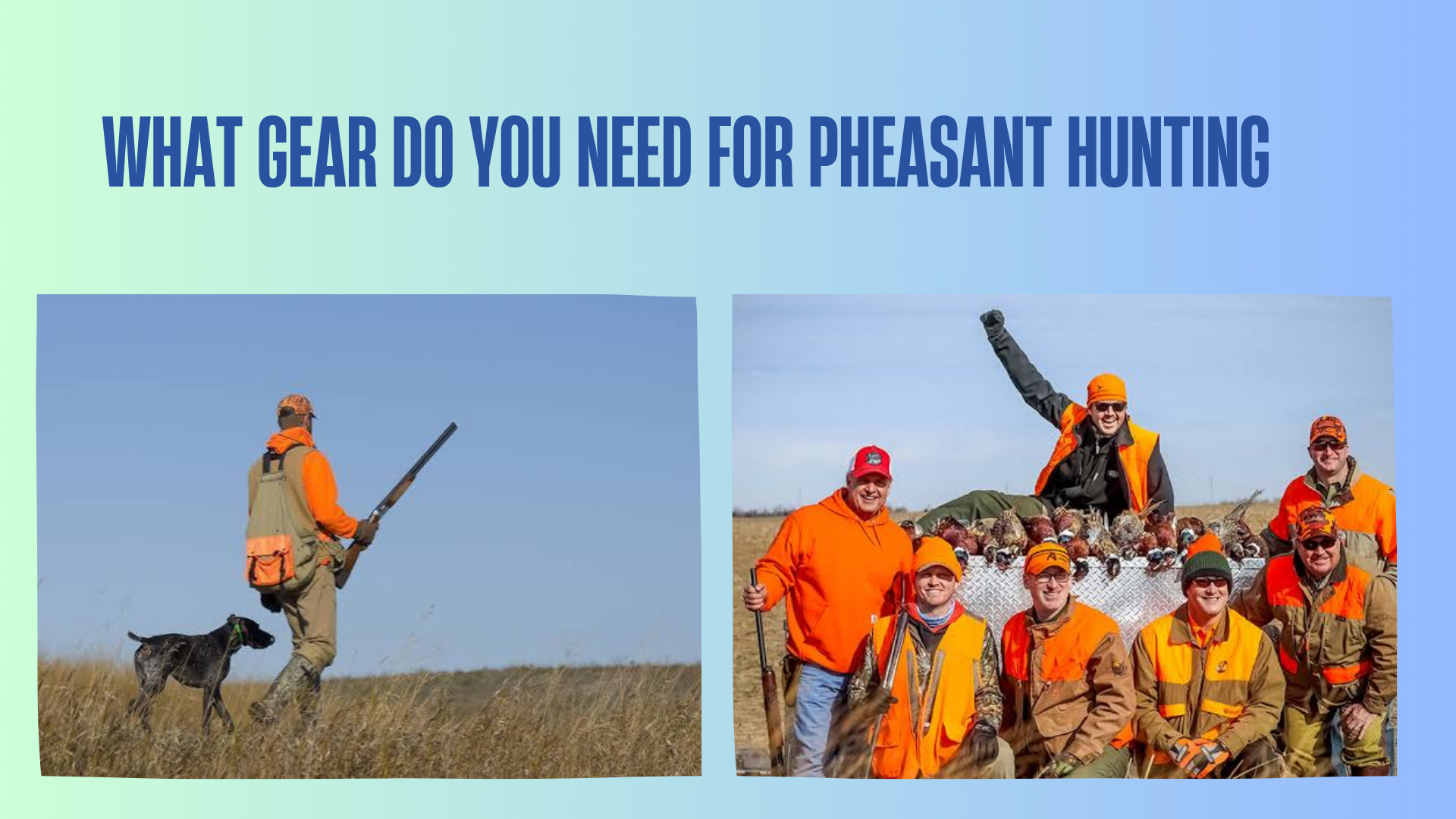

Pheasant hunting usually involves walking several miles through tall grass, crop edges, cattails, brush, and uneven ground. The right equipment must protect you from vegetation and weather while helping you handle your firearm, harvested birds, and any hunting dog safely.
A basic setup includes a legal shotgun, lawful shells, blaze-orange clothing, an upland vest, brush-resistant pants, supportive boots, hearing and eye protection, water, navigation, a first-aid kit, and the required license or permits. Your exact equipment must also match the weather, habitat, regulations, and rules for the land you plan to hunt.
Important: Hunting laws vary by state, province, country, season, and property. Verify seasons, legal shooting hours, bag limits, blaze-orange requirements, allowable firearms, magazine restrictions, ammunition rules, hunter-education requirements, and land-access conditions through the appropriate wildlife agency before hunting.
Quick Answer
For pheasant hunting, you need a lawful shotgun and compatible legal ammunition, required licenses and permits, blaze-orange clothing, an upland vest with a game bag, brush pants, broken-in boots, eye and hearing protection, water, navigation, and basic emergency supplies. Add weather layers, gloves, gaiters, and dog equipment according to local conditions. If you plan to keep harvested birds, bring disposable gloves, clean processing tools, and a cooler so the meat can be chilled promptly. A dog is helpful but not required for every pheasant hunt.
Pheasant Hunting Gear Checklist
| Gear | Priority | Main Purpose |
|---|---|---|
| Hunting license, permits, and hunter-education proof | Required where applicable | Legal compliance |
| Legal shotgun | Essential | Lawful harvest of pheasants |
| Compatible legal shotgun shells | Essential | Reliable and lawful field use |
| Blaze-orange hat and vest or jacket | Required or strongly recommended | Visibility to other hunters |
| Upland hunting vest with game bag | Essential | Carries shells, water, supplies, and birds |
| Brush-resistant pants or chaps | Essential in heavy cover | Protection from thorns, burrs, and stiff vegetation |
| Broken-in waterproof or water-resistant boots | Essential | Traction, support, and foot protection |
| Moisture-managing socks | Essential | Comfort and blister reduction |
| Eye protection | Strongly recommended | Protection from branches, debris, and ejected material |
| Hearing protection | Essential | Reduces exposure to firearm noise |
| Weather-appropriate layers | Essential | Temperature and moisture management |
| Gloves | Useful | Hand protection and warmth |
| Water and trail food | Essential | Hydration and energy |
| Map, compass, or offline GPS | Essential | Navigation and boundary awareness |
| First-aid and emergency kit | Essential | Response to minor injuries or unexpected delays |
| Bird-handling kit and cooler | Essential after harvest | Hygienic handling and prompt chilling |
| Dog supplies | Essential when hunting with a dog | Hydration, control, visibility, and first aid |
1. Valid License, Permits, and Regulation Information
Before buying equipment or entering the field, confirm which documents you must carry. Depending on the location and hunter, this may include:
- A current small-game or hunting license
- A pheasant, upland-game, habitat, or access permit
- Proof of hunter-education completion
- A reservation or controlled-hunt permit
- Permission to enter private property
- A refuge or public-land permit
The U.S. Fish and Wildlife Service hunting guidance explains that hunters generally need a license from the state where they hunt. State rules and individual public properties may impose additional requirements.
Download the current regulations before leaving home and save any digital license where it remains accessible without cellular service. Official rules override general online advice.
2. A Legal, Properly Fitted Shotgun
A legal shotgun that fits the hunter comfortably is central to pheasant hunting. Common gauges vary, and several can be appropriate when used within local regulations and the hunter’s skill level. A larger gauge is not automatically the right choice for every person.
Fit matters because an excessively long, short, heavy, or poorly balanced firearm may be difficult to mount and control safely. New hunters should receive qualified instruction and practice with their intended setup at an authorized range before entering the field.
Carry the shotgun unloaded and cased during transport as required by law. Keep the muzzle pointed in a safe direction, keep your finger outside the trigger guard until ready to shoot, and positively identify the bird, background, other hunters, dogs, roads, buildings, and property boundaries before considering any shot.
3. Compatible and Lawful Shotgun Shells
Use ammunition of the correct gauge and chamber length for the firearm, following the markings and manufacturer instructions. Never assume that a shell is compatible because it physically fits part of the chamber.
The allowable shot material and shell quantity may depend on the hunting area. Lead shot may be legal in some upland areas but prohibited on certain state properties, national wildlife refuges, and other managed lands. Some areas require approved non-toxic shot for pheasant hunting.
Carry only what the property permits and keep different gauges separated to prevent a dangerous ammunition mix-up. If you are uncertain about shell or choke compatibility, consult the firearm and ammunition manufacturers or a qualified gunsmith.
4. Blaze-Orange Clothing
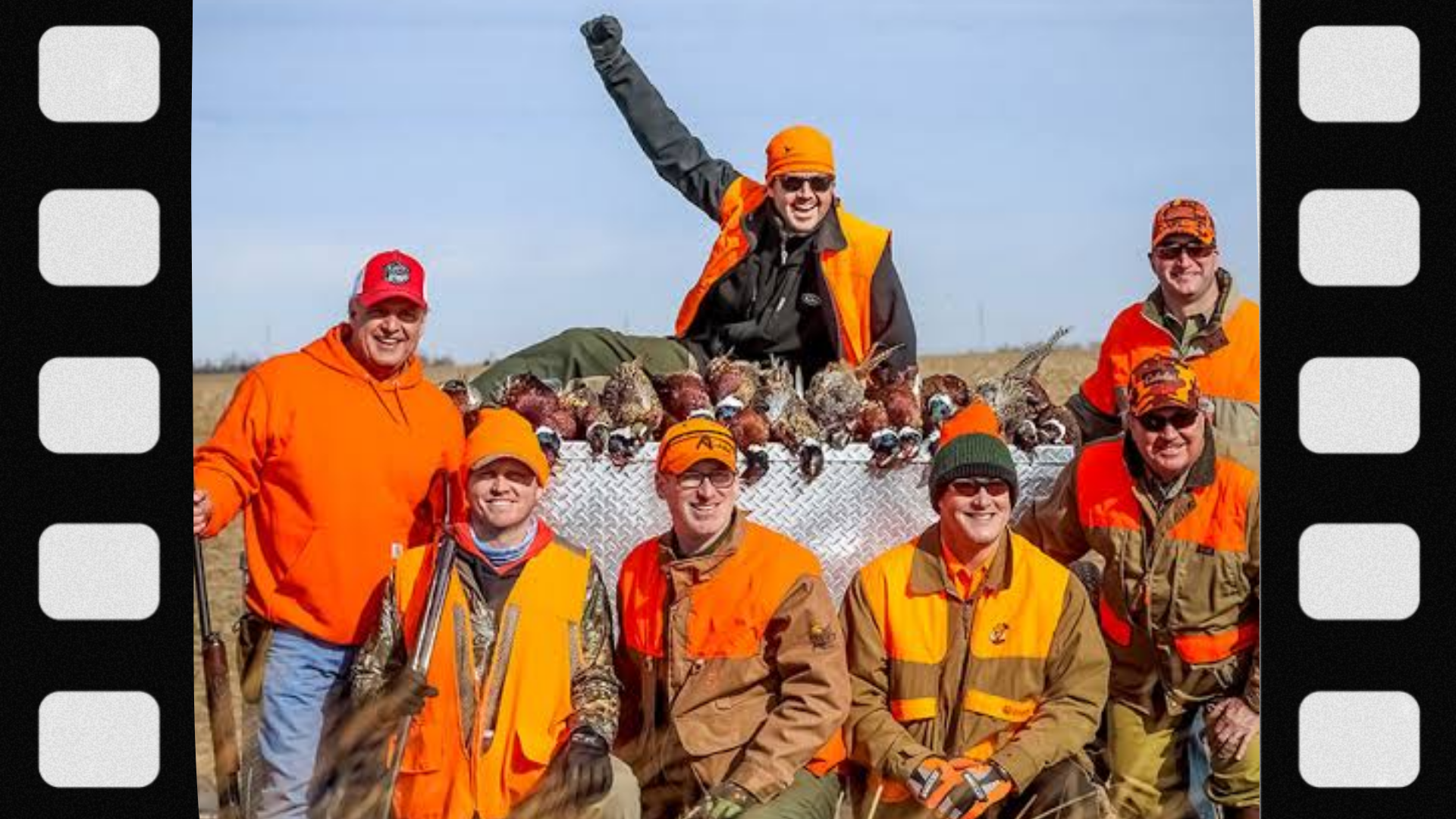
A blaze-orange hat, vest, jacket, or combination makes hunters more visible in grass and brush. The required color, garment type, and minimum coverage vary by jurisdiction.
Even where blaze orange is not legally required for a particular season, highly visible clothing is a sensible safety measure when several hunters may be moving through the same cover. Dogs can also benefit from a visible vest or collar.
Do not rely on a small orange accessory if local rules require a defined amount of visible material. Check whether an orange camouflage pattern qualifies and whether the garment must remain visible from every direction.
5. Upland Hunting Vest With a Game Bag
An upland vest organizes equipment and provides a ventilated rear compartment for harvested birds. A useful vest may include:
- Accessible shell pockets
- A lined or washable game bag
- Water-bottle storage
- Bright safety panels
- Secure pockets for a license, phone, and keys
- Adjustable straps for layering
Do not overload the vest. Excessive weight increases fatigue and may interfere with comfortable firearm handling. Arrange equipment consistently so first-aid supplies, water, and navigation tools remain easy to reach.
6. Brush Pants or Protective Chaps
Pheasants often occupy dense grass, brush, cattails, shelterbelts, and crop edges. Ordinary lightweight pants may snag or allow thorns and stiff stems to reach the skin.
Brush pants use tougher fabric or reinforced front panels to protect the legs. Brush chaps provide similar protection and can be worn over other trousers. Choose a design that permits a full walking stride without dragging on the ground or catching around boots.
Inspect for ticks, burrs, and seeds after leaving the field. Clean invasive plant material from clothing and footwear before moving between hunting areas.
7. Supportive, Broken-In Boots
Pheasant hunting often requires extended walking over uneven fields, mud, shallow water, frozen ground, or snow. Choose boots according to the habitat rather than appearance alone.
Useful characteristics may include:
- Secure traction for wet grass and uneven soil
- Enough ankle support for the terrain
- A toe box that does not compress the toes on descents
- Water resistance or waterproof construction for wet cover
- Insulation appropriate to the temperature
- A fit that accommodates suitable socks without restricting circulation
Break boots in before the hunt. New footwear can create blisters and pressure points during a long day. Pack blister treatment in your first-aid kit.
8. Moisture-Managing Socks
Wool-blend or synthetic hiking socks generally manage moisture more effectively than thick cotton socks. Choose a weight that matches the boot volume and expected temperature.
Socks that are too thick can make boots tight and reduce circulation. Carrying a dry spare pair is useful when crossing wet vegetation, marshy ground, or snow.
9. Eye Protection
Protective shooting glasses can help shield the eyes from branches, grass seeds, dust, and debris as well as hazards associated with shooting. Select lenses that remain clear enough to identify birds and surroundings correctly.
Clear or high-light-transmission lenses can work in dim cover, while tinted lenses may reduce glare in bright conditions. Avoid lenses that significantly distort color or reduce visibility around other hunters.
10. Hearing Protection
Shotgun noise can damage hearing. Use hearing protection appropriate for shooting while maintaining enough situational awareness to communicate with hunting partners.
Options include conventional earplugs, earmuffs, and electronic hearing protection designed to reduce harmful impulse noise while allowing ordinary sounds to remain more audible. Make sure the selected protection does not interfere with mounting the firearm.
11. A Practical Layering System
Pheasant hunters may begin in cold morning conditions and become warm after walking through heavy cover. Dress in layers that can be added or removed before perspiration soaks the clothing.
- Base layer: Moves perspiration away from the skin.
- Insulating layer: Provides warmth when temperatures drop.
- Outer layer: Protects against wind, light moisture, or vegetation.
- Rain shell: Provides dedicated protection when meaningful rain is possible.
Avoid depending on heavy cotton in cold or wet conditions because it retains moisture. Keep blaze-orange coverage visible when adding or removing outer layers.
12. Gloves
Gloves protect against cold, abrasive vegetation, and minor scratches. They must still allow safe firearm control without material entering the trigger guard or catching on controls.
Choose close-fitting shooting gloves for mild conditions and insulated models for colder weather. Practice all safe handling procedures with the gloves before the hunt. Replace gloves that become excessively bulky, slippery, or damaged.
13. Water and Trail Food
Walking through dense cover can require more effort than the distance suggests. Carry enough water for yourself and additional water for a dog. Do not assume that ponds, ditches, or agricultural water sources are safe to drink.
Compact food such as sandwiches, fruit, nuts, or energy snacks can support longer outings. Account for temperature, trip duration, group size, and the possibility of an unexpected delay.
14. Navigation and Communication Gear
A charged phone is helpful but should not be your only navigation tool. Cellular coverage may be unreliable in rural hunting areas.
Useful navigation and communication equipment includes:
- A printed property map
- A compass
- An offline map or GPS device
- A portable power bank
- A whistle
- A two-way radio where its use is lawful and practical
Know property boundaries, closed areas, roads, houses, livestock locations, and safety zones. Tell a responsible person where you are going and when you expect to return.
15. First-Aid and Emergency Supplies
Your first-aid kit should address common field problems without becoming unnecessarily heavy. Consider carrying:
- Adhesive bandages and sterile dressings
- Blister treatment
- Medical tape
- An elastic wrap
- Disposable gloves
- Personal medication
- Tick-removal tweezers
- An emergency blanket
- A small flashlight or headlamp
- A whistle and fire-starting supplies where appropriate
A first-aid kit does not replace training. Learn basic first aid, recognize hypothermia and heat illness, and carry a method of summoning help appropriate to the remoteness of the hunt.
16. Bird-Handling Supplies and a Cooler
Bring disposable gloves, clean game shears or another lawful processing tool, sealable bags or clean containers, paper towels, hand-cleaning supplies, and a cooler with sufficient ice or cold packs.
The CDC guidance for hunters handling wild birds recommends avoiding unprotected contact with birds that appear sick or were found dead. It also advises protective equipment during processing and thorough handwashing afterward.
Keep harvested birds clean and chill them promptly. Follow local tagging, transport, sex-identification, evidence-of-species, and possession requirements before removing feathers or processing a bird in the field.
17. Dog Gear When Hunting With a Bird Dog
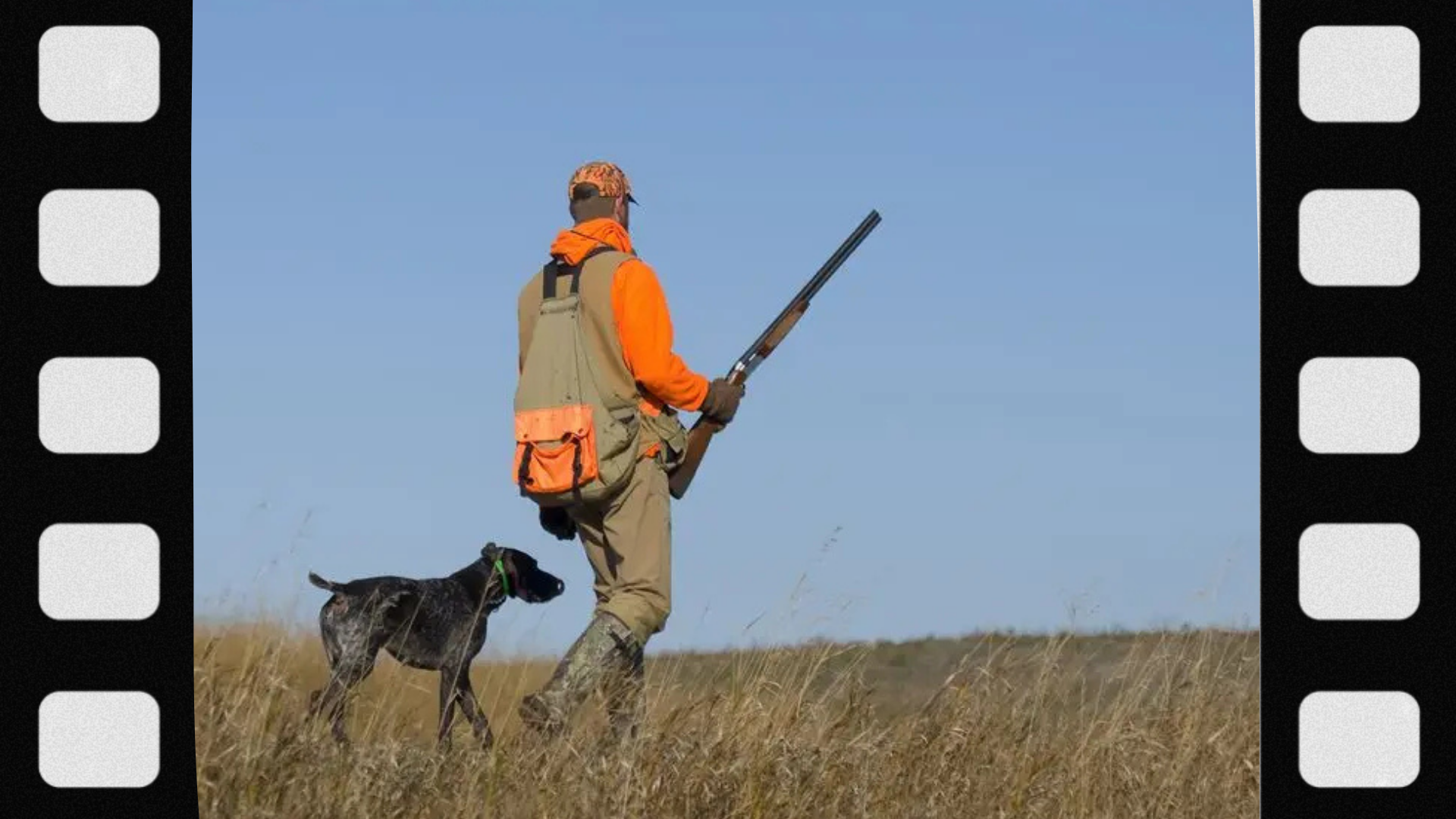
A trained pointing or flushing dog can locate birds, work cover, and retrieve downed pheasants, but the dog needs its own equipment and safety plan.
- High-visibility vest or collar
- Identification tag
- Water and a collapsible bowl
- Leash or lead
- Dog-specific first-aid supplies
- Tick-removal tool
- Paw protection when conditions require it
- Towel and insulated transport bedding
- Tracking or location collar where lawful
Keep the dog under control and within a range suitable for the cover and group. Never shoot at a low bird when a dog, hunter, road, livestock animal, or building could be in the line of fire.
Essential, Useful, and Optional Pheasant Gear
| Category | Examples | Decision Rule |
|---|---|---|
| Legally required | License, permits, hunter-education proof, blaze orange, legal ammunition | Verify through the current official regulations for the location. |
| Safety essential | Properly fitted firearm, hearing and eye protection, water, navigation, first aid | Carry these even on short hunts. |
| Habitat essential | Brush pants, boots, layers, upland vest | Adapt them to vegetation, terrain, and weather. |
| Harvest essential | Gloves, clean tools, cooler, cold packs | Needed when birds will be retained for food. |
| Useful additions | Gaiters, binoculars, shooting gloves, offline GPS, power bank | Add when they solve a specific terrain or trip problem. |
| Optional | Dog, advanced tracking collar, specialized technical clothing | Helpful in certain situations but not required for every hunt. |
What to Carry in an Upland Vest
A balanced day-hunt load might include:
- Only the lawful quantity of compatible shells
- Hunting license and permits in a protected pocket
- Water for the hunter and dog
- Compact food
- Phone, offline map, compass, and power bank
- Small first-aid kit
- Disposable gloves
- Whistle
- Headlamp
- Dog lead and basic dog supplies
Keep the game bag clean and separate harvested birds from dirty tools, leaking containers, and dog equipment. Do not carry more weight than you can manage safely over the planned distance.
Do You Need a Dog for Pheasant Hunting?
No. Pheasants can be hunted without a dog, especially where hunters work together to cover narrow strips, field edges, or other manageable habitat. However, pheasants can run through cover and a downed bird may be difficult to locate.
A trained dog can improve bird location and recovery, but an untrained or uncontrolled dog may create safety and wildlife-disturbance problems. Follow property rules governing dogs and prioritize responsible recovery of every bird.
Gear Changes by Weather and Habitat
| Conditions | Prioritize | Avoid |
|---|---|---|
| Warm, dry grassland | Breathable layers, water, sun protection, tick precautions | Excess insulation |
| Wet grass or cattails | Waterproof boots, gaiters, rain shell, dry socks | Absorbent cotton layers |
| Thick brush | Brush pants, eye protection, gloves | Delicate fabric and unsecured equipment |
| Cold or windy fields | Moisture-managing base layer, insulation, wind protection | Overdressing before strenuous walking |
| Snow or frozen ground | Insulated boots, traction, spare gloves, emergency layers | Footwear without adequate grip |
Firearm Safety in a Pheasant Hunting Group
- Treat every firearm as if it is loaded.
- Keep the muzzle pointed in a safe direction.
- Keep your finger outside the trigger guard until a lawful shot is being taken.
- Know the target and everything around and beyond it.
- Agree on each hunter’s position and safe shooting zone before entering cover.
- Do not swing a muzzle through another hunter’s zone.
- Never shoot at movement, sound, or an unidentified shape.
- Do not take a low shot near a dog or another hunter.
- Unload before crossing obstacles, entering vehicles, or handling situations required by local rules.
- Stop immediately if the group loses track of a person or dog.
Common Gear Mistakes to Avoid
- Wearing new boots: Break them in before walking several miles through uneven cover.
- Ignoring blaze-orange rules: Confirm the exact garment and coverage requirements.
- Assuming all public land has the same rules: Refuges and managed areas may have separate ammunition and access restrictions.
- Bringing the wrong shells: Verify gauge, chamber compatibility, shot material, and property restrictions.
- Skipping hearing protection: Repeated shotgun noise can permanently affect hearing.
- Overloading the hunting vest: Excess weight increases fatigue and makes movement less controlled.
- Depending entirely on a phone: Carry offline navigation and know the boundaries before starting.
- Underestimating water needs: Dense vegetation and warm weather can make a short route physically demanding.
- Forgetting dog water and first aid: A working dog can overheat, become cut, or collect grass awns and burrs.
- Delaying meat cooling: Carry a realistic plan for clean handling and prompt chilling.
Final Answer
For pheasant hunting, begin with the legal essentials: the correct license and permits, hunter-education documentation when required, a lawful shotgun, compatible legal shells, and compliant blaze-orange clothing. Add an upland vest, brush pants, broken-in boots, suitable layers, eye and hearing protection, water, navigation, and a first-aid kit. Bring clean bird-handling supplies and a cooler if you harvest a pheasant, plus dedicated equipment for any dog accompanying you. Check current wildlife-agency and property regulations before every trip because ammunition, orange clothing, shooting hours, limits, and access rules can change.
FAQs
1. What is the most essential gear for pheasant hunting?
The essentials are legal documents, a lawful and properly fitted shotgun, compatible legal shells, blaze-orange clothing, supportive boots, an upland vest, eye and hearing protection, water, navigation, and first-aid supplies.
2. What type of shotgun is used for pheasant hunting?
Hunters use several legal shotgun types and gauges. Choose one permitted by local law that fits you correctly and that you can operate safely after receiving appropriate instruction and range practice.
3. What gauge shotgun is best for a beginner pheasant hunter?
There is no universal best gauge. Recoil tolerance, firearm weight, fit, ammunition availability, and local rules all matter. A qualified instructor can help a beginner evaluate an appropriate setup.
4. What shells do you need for pheasant hunting?
Use shells that match the shotgun’s gauge and chamber specifications and meet current local rules for shot material, size, and shell capacity. Consult the firearm manual and official regulations.
5. Is non-toxic shot required for pheasant hunting?
It depends on the location. Some national wildlife refuges and state-managed properties require approved non-toxic shot for upland hunting even where lead remains legal elsewhere.
6. Do you need blaze orange for pheasant hunting?
Many jurisdictions require blaze orange or blaze pink, but coverage rules vary. Even when optional, highly visible clothing is an important group-hunting safety measure.
7. Is a blaze-orange hat enough?
Not necessarily. Some regulations specify a garment type or minimum amount of visible material. Check the current rule rather than assuming one hat satisfies it.
8. Do you need a hunting vest for pheasants?
A specialized vest may not be legally required, but it is highly useful for carrying shells, water, safety equipment, and harvested birds. Choose one with adequate visibility and a cleanable game bag.
9. What pants should you wear pheasant hunting?
Brush-resistant pants or chaps are practical in tall grass, thorny cover, and cattails. Lightweight hunting pants may be sufficient on open, dry ground.
10. Can you wear jeans pheasant hunting?
Jeans may work for a short hunt in dry, mild conditions, but they absorb moisture, dry slowly, and provide limited protection from heavy brush. Purpose-built brush pants are usually more practical.
11. What boots are best for pheasant hunting?
Choose broken-in boots with secure traction, appropriate ankle support, and weather protection suited to the habitat. Waterproof footwear is helpful in wet grass and marshy areas.
12. Do you need waterproof boots?
Not for every location, but they are valuable where dew, snow, mud, shallow water, or wet cattails are expected. Breathability may be more important on hot, dry hunts.
13. Should pheasant hunting boots be insulated?
Insulation depends on the temperature and activity level. Excessively warm boots can trap perspiration, while insufficient insulation can make cold-weather hunting unsafe.
14. What socks should you wear?
Wear properly fitted wool-blend or synthetic socks that manage moisture. Make sure the combined sock and boot fit does not restrict circulation.
15. Do you need shooting glasses?
Eye protection is strongly recommended. It helps protect against vegetation, debris, and shooting-related hazards while walking through dense cover.
16. Should you wear hearing protection while pheasant hunting?
Yes. Use shooting-rated hearing protection that reduces exposure to firearm noise while allowing safe communication and awareness of the group.
17. What should be carried in a pheasant vest?
Carry lawful ammunition, licenses, water, food, navigation, communication equipment, first aid, disposable gloves, and compact emergency supplies without overloading the vest.
18. How many shotgun shells should you carry?
Carry a reasonable quantity within any property-specific possession limit. Some managed hunting areas restrict how many shells a hunter may possess in the field.
19. Do you need a dog to hunt pheasants?
No, but a trained dog can help locate, flush or point, and recover birds. Hunters without dogs should plan their coverage carefully and make every reasonable effort to recover downed game.
20. What breed of dog is used for pheasant hunting?
Pointing, flushing, and retrieving breeds are commonly used. Training, physical condition, control, and suitability for the habitat matter more than choosing a breed solely by reputation.
21. What gear does a pheasant-hunting dog need?
Bring a visible collar or vest, identification, water, bowl, lead, first-aid supplies, tick-removal tool, and safe transport equipment. A location collar may be useful where lawful.
22. Should a hunting dog wear blaze orange?
A bright vest or collar can make a dog easier to see in heavy cover. The garment must fit correctly and should not create a snagging or overheating hazard.
23. Are gaiters useful for pheasant hunting?
Yes. Gaiters can keep seeds, burrs, snow, and moisture from entering the top of the boots, particularly in tall grass and cattails.
24. Do you need binoculars?
Binoculars are optional. They may help scout habitat or identify distant features, but they should never be used as a substitute for positively identifying a bird before a shot.
25. Do you need camouflage?
Camouflage is generally less important than visibility and safe group coordination. Blaze orange may be legally required and should not be covered by camouflage clothing.
26. What should you wear in warm weather?
Use breathable, moisture-managing layers, brush protection, sun protection, and blaze-orange garments. Carry more water and monitor yourself and any dog for heat stress.
27. What should you wear in cold weather?
Use a moisture-managing base layer, adjustable insulation, wind protection, warm gloves, and weather-appropriate boots. Avoid becoming soaked with perspiration while walking.
28. What rain gear is appropriate?
Choose packable rainwear that does not restrict movement or cover legally required orange. Extremely loose garments can interfere with safe firearm handling.
29. Do you need a first-aid kit for a short hunt?
Yes. Cuts, blisters, falls, insect bites, and unexpected delays can happen close to a vehicle. Carry a compact kit and know how to use it.
30. What navigation gear should you bring?
Carry a property map, compass, and offline GPS or mapping application. A phone and power bank are useful, but cellular service should not be assumed.
31. How do you carry harvested pheasants?
Use a ventilated, cleanable game bag while following possession and identification rules. Transfer birds to appropriate cold storage as soon as reasonably possible.
32. Do you need gloves to clean pheasants?
Disposable gloves are recommended when handling harvested wild birds. Avoid handling birds that appear sick, wash your hands afterward, and disinfect reusable equipment.
33. Why should you bring a cooler?
A cooler helps chill harvested birds promptly and limits time in unsafe temperatures. Keep raw game separate from ready-to-eat food and clean water containers.
34. Can a beginner go pheasant hunting alone?
A beginner is generally better served by completing hunter education and hunting with a responsible, experienced mentor. Some apprentice or youth licenses legally require direct supervision.
35. What regulations should you check before hunting?
Verify the season, legal shooting hours, open areas, bag and possession limits, legal birds, firearm and ammunition rules, magazine restrictions, blaze-orange requirements, dog rules, access permits, and field-processing requirements.
Read more: