

Predator hunting requires more than a firearm and a call. You need equipment that matches the target species, terrain, weather, legal shooting hours, hunting method, and rules governing calls, lights, optics, bait, vehicles, and firearms.
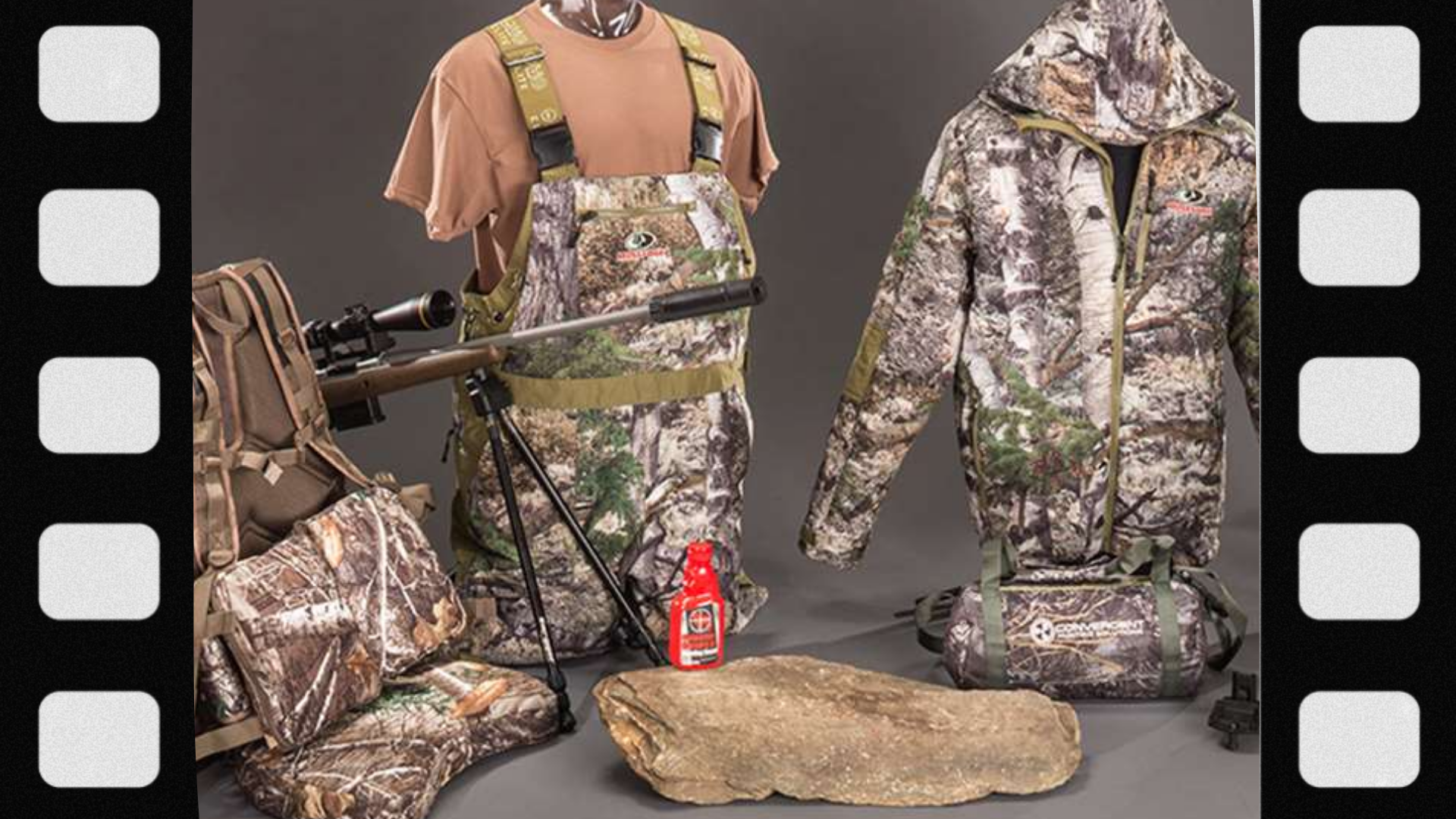
A practical setup includes a lawful hunting implement and compatible ammunition, current licenses, species-appropriate calls, stable shooting support, binoculars, range verification, wind detection, concealment, weather-resistant clothing, navigation, first aid, hearing and eye protection, and game-handling supplies. Night-vision, thermal, electronic-call, and artificial-light equipment should only be added after confirming that each device and method is legal at the exact hunting location.
Legal reminder: “Predator” is not one legal wildlife category everywhere. Coyotes, foxes, bobcats, raccoons, mountain lions, and other species may have different seasons, permits, methods, tagging requirements, and possession limits. Current wildlife-agency and property rules always override general online guidance.
Quick Answer
For predator hunting, carry the required license and permits, a lawful and properly fitted firearm or bow, compatible legal ammunition, a predator call, a stable shooting rest, binoculars, a rangefinder when useful, wind indicator, concealment, supportive boots, weather layers, eye and hearing protection, navigation, water, first aid, and game-handling equipment. Add an electronic caller, decoy, thermal device, night-vision device, or hunting light only where its use is expressly legal. Before every trip, check the rules for the exact species, date, time, weapon, land unit, and technology you intend to use.
Predator Hunting Gear Checklist
| Item | Priority | Primary Purpose |
|---|---|---|
| License, permits, tags, and current regulations | Legally essential | Confirms lawful species, methods, dates, and locations |
| Lawful firearm, shotgun, or bow | Essential | Provides an appropriate, legal means of take |
| Compatible legal ammunition or archery equipment | Essential | Supports reliable and lawful use |
| Predator call | Core calling equipment | Produces species-appropriate sounds |
| Shooting sticks, bipod, or another stable rest | Strongly recommended | Improves field stability |
| Binoculars | Strongly recommended | Scans and identifies wildlife without pointing a firearm |
| Rangefinder | Useful | Helps verify distance in open or unfamiliar terrain |
| Wind indicator | Useful | Shows current wind direction |
| Camouflage or terrain-appropriate concealment | Useful | Reduces visible movement and outline |
| Portable seat or cushion | Useful | Supports quiet, stable waiting |
| Weather-appropriate layers | Essential | Manages temperature, wind, and moisture |
| Supportive boots and gloves | Essential | Protects hands and feet in field conditions |
| Eye and hearing protection | Essential for firearm use | Reduces exposure to shooting-related hazards |
| Map, compass, or offline GPS | Essential | Supports navigation and boundary awareness |
| Water, food, and emergency supplies | Essential | Supports hydration and unexpected delays |
| First-aid kit | Essential | Addresses minor injuries and immediate field needs |
| Game-recovery and handling kit | Essential after harvest | Supports lawful recovery, tagging, and clean handling |
| Night-hunting equipment | Optional and regulation-dependent | Supports lawful nighttime observation and hunting |
Start With the Species and Regulations
The correct equipment cannot be selected until you know which predator you are legally pursuing. A coyote hunt may allow equipment that is prohibited for bobcats, foxes, or other regulated furbearers.
Confirm the following through the responsible wildlife agency and land manager:
- Whether the species is legally classified as game, furbearer, nongame wildlife, or unprotected wildlife
- Open dates and legal shooting hours
- License, permit, stamp, tag, and reporting requirements
- Bag and possession limits
- Permitted firearms, archery equipment, calibers, gauges, or ammunition
- Whether electronic calls are allowed
- Whether decoys or bait are permitted
- Whether artificial lights, night vision, or thermal devices are legal
- Vehicle, roadway, dwelling, and discharge restrictions
- Public-land or wildlife-refuge rules that differ from statewide regulations
Rules can differ even within the same state. For example, a method allowed on private property may be prohibited on a wildlife management area or national wildlife refuge.
1. License, Permits, Tags, and Regulation Information
Carry the current license and every permit or tag required for the target species. Some predators may have open seasons with few restrictions, while others may require a furbearer license, special tag, harvest report, pelt tag, or proof of hunter education.
Download or print the regulations before leaving home. Save property maps and digital documents offline because rural cellular coverage may be unreliable.
The U.S. Fish and Wildlife Service Learn to Hunt resources provide general guidance, but hunters must still consult the state, tribal, federal, or provincial authority governing the hunting location.
2. A Lawful and Properly Fitted Hunting Implement
Predator hunters may use a rifle, shotgun, bow, or another method where legally permitted. The suitable choice depends on the species, terrain, expected distance, surrounding land use, and applicable regulations.
Whatever method you choose should fit you correctly and be one you can handle safely and accurately. Complete hunter education and practice from realistic field positions at an authorized range before hunting.
Do not select equipment solely because it offers maximum power or distance. Ethical equipment selection should support accurate shot placement within your demonstrated ability while accounting for the background, nearby property, roads, buildings, livestock, and other people.
3. Compatible and Legal Ammunition or Archery Equipment
Use only ammunition compatible with the firearm’s exact gauge, caliber, and chamber specifications. For archery equipment, confirm that the bow, arrow, and broadhead combination satisfies current legal requirements.
Some public lands restrict lead ammunition or specify allowable firearm categories. Regulations may also change when a predator season overlaps with a big-game season.
Never mix ammunition of different calibers or gauges in the same pocket. Inspect equipment before the hunt and follow the manufacturers’ instructions for storage, transport, and use.
4. Mouth Call or Hand Call
A compact mouth-operated or hand-operated predator call does not require batteries and can serve as either a primary caller or a backup. Depending on the design, it may imitate prey distress, predator vocalizations, or other sounds.
Manual calls require practice. Learn to operate the call before entering the field so you can control volume and avoid unnecessary movement. Confirm that the sound type is appropriate and legal for the target species.
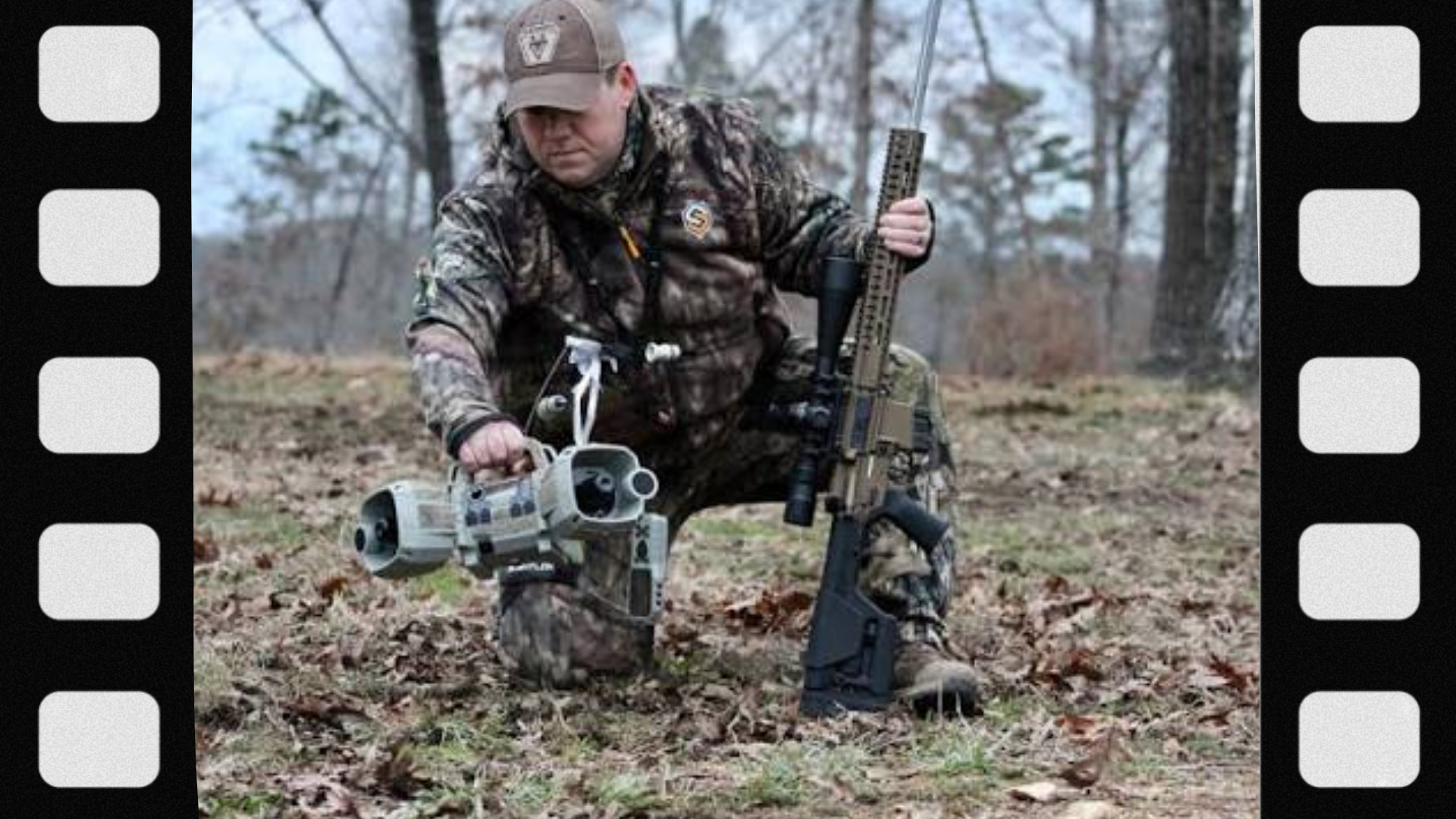
5. Electronic Predator Caller
An electronic caller can place the sound away from the hunter and may offer multiple recorded sounds, volume control, and remote operation. Separation between the sound and the hunter can direct an approaching animal’s attention away from the shooting position.
Electronic calls are not legal for every species or on every property. Some areas allow them for coyotes but prohibit them for other wildlife. Carry spare batteries and a manual call if electronic calling is legal and central to your setup.
6. Predator Decoy
A small motion or stationary decoy may provide a visible point of interest near the caller. It is optional rather than essential, and its legality varies.
Place any lawful decoy where it can be clearly distinguished from a real animal by other hunters. Never set up in a location where someone could shoot toward you, a road, a trail, livestock, a building, or another occupied area.
7. Shooting Sticks, Bipod, or Stable Field Rest
Predator hunting often involves waiting in seated, kneeling, or prone positions. A stable rest can reduce movement and provide a more controlled shooting position.
Choose support that matches the habitat:
- Tall shooting sticks for seated positions in grass or brush
- A compact bipod for prone positions in open terrain
- A tripod or adjustable support for uneven ground
- A quiet pack or natural rest where lawful and safe
Practice setting up the support without sweeping the muzzle across unsafe areas. A rest does not extend your ethical distance beyond what you can reliably manage.
8. Binoculars
Binoculars allow you to scan fields, tree lines, ridges, and cover without using a firearm-mounted optic as an observation tool. Never point a firearm at something merely to identify it.
Select a size that balances image quality and carry weight. Use a harness or secured strap to keep binoculars accessible and prevent swinging while walking.
9. Rangefinder
A rangefinder can be useful in open country where distance is difficult to estimate. It may be less important in dense cover where visibility is naturally limited.
Range terrain features when setting up instead of waiting until an animal appears. This reduces movement and gives you reference points. Confirm that electronic rangefinders are permitted for the hunt and property.
10. Wind Indicator
Predators often rely strongly on scent and may approach from a direction that allows them to evaluate the wind. A simple wind indicator helps the hunter understand current air movement.
Wind can shift around hills, vegetation, buildings, and ravines. Check it throughout the stand rather than assuming the direction remains constant. Use only lawful and environmentally responsible indicator material.
11. Concealment and Movement Control
Camouflage can help break up the hunter’s outline, but remaining still and selecting a suitable background are often more important than owning an elaborate pattern.
Choose colors that match the terrain and season. Cover bright or reflective equipment and avoid unnecessary movement while scanning. Where blaze orange is required, wear it exactly as the regulations specify rather than hiding it beneath camouflage.
12. Portable Seat or Cushion
A lightweight seat or cushion can make it easier to remain still on cold, wet, rocky, or uneven ground. It also provides insulation between your body and the ground.
The seat should be quiet, easy to carry, and low enough to work with your selected shooting support. Avoid placing it where it blocks a trail or creates an unstable shooting position.
13. Weather-Appropriate Clothing
Predator hunting often includes periods of little movement, which can feel much colder than active walking. Use a flexible layering system:
- Base layer: Helps manage perspiration next to the skin.
- Insulating layer: Retains warmth during stationary periods.
- Outer layer: Provides wind and light-weather protection.
- Rain shell: Adds dedicated protection when meaningful rain is possible.
Choose quiet outer materials when movement noise matters. Carry additional insulation for the coldest realistic conditions, but avoid becoming soaked with perspiration while walking to the stand.
14. Boots, Gloves, and Head Protection
Supportive boots should match the surface, temperature, and moisture level. Insulated boots may help during cold stationary hunts, while lighter footwear can reduce overheating during long walks.
Gloves should provide warmth without interfering with safe firearm or bow handling. A warm hat, neck covering, and hand warmer can improve comfort, but loose fabric must not obstruct vision or enter moving equipment.
15. Eye and Hearing Protection
Shooting-rated eye protection can help protect against debris, branches, gas, and ejected material. Hearing protection reduces exposure to damaging firearm noise.
Electronic hearing protection may help preserve awareness of conversation and environmental sounds while reducing impulse noise. Test it before hunting and make sure it does not interfere with mounting the firearm.
16. Navigation and Boundary Tools
Carry a printed map, compass, offline mapping application, or dedicated GPS. Mark boundaries, roads, houses, livestock areas, closed units, and your vehicle before starting.
A charged phone and power bank are useful, but they should not be your only navigation plan. Tell a responsible person where you will be and when you expect to return.
17. First Aid, Water, and Emergency Equipment
A compact field kit should address the environment and distance from help. Useful contents include:
- Water and compact food
- Basic wound dressings and medical tape
- Blister treatment
- Disposable gloves
- Personal medication
- Emergency blanket
- Headlamp with spare power
- Whistle
- Fire-starting equipment where appropriate and lawful
- Communication or emergency-signaling device for remote areas
Carry the kit even when the planned stand is close to a vehicle. Weather changes, injuries, and navigation errors can turn a short outing into an extended one.
18. Game-Recovery and Handling Equipment
Plan for recovery before hunting. Depending on the species and legal requirements, you may need:
- Required tags or harvest-reporting information
- Disposable gloves
- A clean, sharp field knife
- Game bags or lawful transport containers
- Cleaning supplies
- Cooler and ice or cold packs
- A drag, pack, or retrieval system appropriate to the animal
Do not handle wildlife that appears sick, behaves abnormally, or was found dead. Follow wildlife-agency health advisories, wear gloves, wash your hands, prevent cross-contamination, and comply with all transport and tagging rules.
Daytime and Nighttime Predator Hunting Gear
| Consideration | Daytime Hunt | Nighttime Hunt |
|---|---|---|
| Observation | Binoculars and lawful daylight optics | Only legal lights, night vision, or thermal observation devices |
| Navigation | Map, compass, offline GPS | Map, offline GPS, headlamp, backup light, spare power |
| Identification | Good natural visibility remains essential | Positive species and background identification can be more difficult |
| Visibility to others | Follow current blaze-orange rules | Coordinate lights and positions without violating concealment or hunting laws |
| Legal complexity | Species, season, land, and equipment rules apply | Additional rules may govern hours, lights, vehicles, optics, and property registration |
| Risk management | Confirm the background and nearby activity | Use additional caution around roads, homes, livestock, and unidentified movement |
Night-Hunting Equipment Requires Extra Legal Checks
Do not purchase or carry specialized night equipment until you confirm its legality. Depending on the jurisdiction and property, restricted items may include:
- Artificial hunting lights
- Spotlights
- Vehicle-mounted lights
- Thermal observation devices
- Thermal weapon sights
- Night-vision devices
- Infrared illuminators
- Electronic calls
- Laser aiming devices
Legal rules can be highly specific. For example, an equipment combination may be allowed during one portion of the year but prohibited during another season. Public land may prohibit night hunting even when nearby private-land hunting is permitted.
The South Carolina Department of Natural Resources coyote information illustrates why local verification matters: the state provides specific rules concerning electronic calls and night hunting, while wildlife management areas can operate under different restrictions.
Equipment by Hunting Environment
| Environment | Prioritize | Main Concern |
|---|---|---|
| Open prairie or farmland | Binoculars, rangefinder, stable rest, wind protection | Distance estimation and exposure |
| Woodland or brush | Compact equipment, eye protection, quiet clothing | Limited visibility and obstructed backgrounds |
| Desert terrain | Water, sun protection, navigation, snake awareness | Heat, dehydration, and sparse shade |
| Snow-covered ground | Insulation, traction, white or terrain-matching concealment where lawful | Cold exposure and visibility |
| Mountain terrain | Weather layers, navigation, emergency communication, lightweight gear | Rapid weather changes and difficult recovery |
| Agricultural property | Property map, landowner permission, livestock awareness | Buildings, workers, roads, and property boundaries |
What to Carry in a Predator Hunting Pack
- License, permits, tags, and regulation summary
- Manual call and legal electronic caller when used
- Shooting support
- Binoculars and rangefinder
- Wind indicator
- Additional clothing and rain protection
- Water and food
- First-aid kit
- Map, compass, phone, and backup power
- Headlamp and spare batteries
- Disposable gloves and game-handling tools
- Emergency signaling equipment
Pack according to distance and environmental risk. Do not carry every available gadget if the extra weight makes walking, balance, and safe equipment handling more difficult.
Firearm Safety During a Calling Stand
- Treat every firearm as if it is loaded.
- Keep the muzzle pointed in a safe direction.
- Keep your finger outside the trigger guard until a lawful shot is being taken.
- Identify the species and everything around and beyond it.
- Use binoculars rather than a firearm-mounted optic to scan unidentified objects.
- Establish safe shooting zones when hunting with a partner.
- Never shoot toward a caller or decoy without knowing where every person is positioned.
- Do not shoot at eyeshine, sound, movement, or a silhouette alone.
- Account for roads, buildings, livestock, equipment, and land boundaries.
- Unload the firearm before entering a vehicle or whenever required by law and safe practice.
Common Predator Hunting Gear Mistakes
- Buying night equipment before checking the law: Device restrictions may vary by species, season, land type, and time.
- Treating all predators as legally identical: A method allowed for coyotes may be prohibited for foxes or bobcats.
- Using a scope for general observation: Scan with binoculars so the firearm is never pointed at an unidentified object.
- Carrying only an electronic caller: A manual backup prevents a battery failure from ending the outing.
- Ignoring wind changes: Wind may shift after the hunter settles into position.
- Using an unstable shooting position: Practice with the same support and body position planned for the hunt.
- Overpacking: Heavy equipment can increase fatigue and make repositioning difficult.
- Failing to identify the background: Concealment and low light can hide buildings, livestock, people, or roads.
- Forgetting game-recovery equipment: Ethical hunting includes a realistic recovery and handling plan.
- Assuming public and private lands share the same rules: Property-specific restrictions may be more stringent than statewide law.
Final Answer
The essential predator hunting setup includes legal documents, an appropriate and lawful hunting implement, compatible ammunition or archery equipment, a predator call, stable shooting support, binoculars, wind detection, concealment, suitable clothing, boots, eye and hearing protection, navigation, first aid, water, and game-recovery equipment. A rangefinder, decoy, electronic caller, thermal device, night vision, or hunting light may be useful, but only when legal for the exact species, date, land unit, and hunting method. Practice with your equipment before hunting, identify every target and background positively, and stay within your demonstrated abilities. Verify current regulations before every trip because predator-hunting rules can change and may differ substantially between nearby properties.
FAQs
1. What is considered predator hunting?
Predator hunting generally means pursuing carnivorous wildlife such as coyotes, foxes, or bobcats. The legal classification and included species differ by jurisdiction.
2. What is the most important predator hunting gear?
The most important items are current legal documents, a lawful hunting implement, compatible equipment, binoculars, a call, stable support, safety gear, navigation, and emergency supplies.
3. What weapon is used for predator hunting?
Legal options may include rifles, shotguns, bows, or other approved methods. The correct choice depends on the species, terrain, local law, and the hunter’s training.
4. What caliber is best for predator hunting?
No caliber is best for every predator or location. Select a legal option appropriate to the species and conditions that you can operate safely and accurately.
5. Can you hunt predators with a shotgun?
Shotguns may be legal and practical in closer cover. Confirm allowable gauges, ammunition, shot material, and season-specific restrictions.
6. Can you hunt predators with a bow?
Some jurisdictions allow archery hunting for selected predators. Check equipment specifications, season rules, tagging requirements, and your realistic effective range.
7. Do you need a license to hunt coyotes?
Requirements vary. A license may be required even where coyotes have long seasons or no general bag limit. Land-specific permits may also apply.
8. Do you need a special permit for bobcats?
Many jurisdictions regulate bobcats more closely than coyotes and may require a furbearer license, tag, registration, or harvest report. Verify current official rules.
9. Are electronic predator calls legal?
Electronic calls are legal for certain species and locations but prohibited for others. Check both statewide regulations and rules for the specific property.
10. Do predator calls really work?
Calls can attract or prompt a response from predators, but results vary with species behavior, hunting pressure, season, wind, habitat, and caller placement.
11. Is a mouth call better than an electronic caller?
A mouth call is compact and battery-free, while an electronic caller can place sound away from the hunter. Many hunters carry both where legal.
12. Do you need a predator decoy?
No. A decoy may give an approaching animal a visual focus, but it adds weight and movement and may be restricted on some lands.
13. Are shooting sticks necessary?
They are not always mandatory, but stable support can improve control from seated or kneeling positions. Practice using the support safely before the hunt.
14. Do you need a rangefinder?
A rangefinder is useful in open or unfamiliar terrain. It is less important at close distances where landmarks provide reliable references.
15. Why should predator hunters carry binoculars?
Binoculars allow safe observation and identification without pointing a firearm at wildlife, people, livestock, vehicles, or unidentified objects.
16. Is camouflage required?
Camouflage is rarely a universal legal requirement. Remaining still, using a suitable background, and controlling reflective equipment can be equally important.
17. Should predator hunters wear blaze orange?
Wear it whenever required and consider it during overlapping firearm seasons. The amount and permitted colors vary by jurisdiction.
18. What boots are best for predator hunting?
Choose boots suited to the terrain, moisture, temperature, and walking distance. Traction and correct fit matter more than a particular style.
19. What clothing is best for sitting in cold weather?
Use moisture-managing base layers, adjustable insulation, wind protection, warm footwear, and additional layers that allow safe equipment handling.
20. Do you need hearing protection while predator hunting?
Yes, when firearms are used. Shooting-rated plugs or muffs reduce exposure to impulse noise, and electronic models may preserve better situational awareness.
21. Can you hunt predators at night?
Night hunting is legal in some jurisdictions and prohibited or restricted in others. Rules may depend on species, season, property registration, equipment, and distance from buildings.
22. Are thermal scopes legal for predator hunting?
Thermal devices are not universally legal. Some locations allow them under specific conditions, while others prohibit thermal weapon sights or all night-hunting optics.
23. Are night-vision scopes legal?
Legality varies by species, season, property, and jurisdiction. Check current wildlife laws and any additional firearm or local ordinances.
24. Can you use artificial lights for predator hunting?
Some locations allow specified lights, while others prohibit shining wildlife or using artificial illumination with hunting equipment. Never assume general night hunting makes every light legal.
25. Can you hunt predators from a vehicle?
Hunting or shooting from, on, or across a vehicle or public roadway is widely restricted and often illegal. Mobility accommodations require official authorization where available.
26. Can you use bait for predator hunting?
Bait rules vary significantly. It may be permitted for one predator, prohibited for another, or banned on public land even when legal on private property.
27. How far should an electronic caller be from the hunter?
There is no universal distance. Placement should preserve a safe field of fire, remain within lawful control, and prevent another hunter from shooting toward your position.
28. What wind is best for predator hunting?
A predictable wind can help with setup planning, but local terrain may create swirls and shifts. Monitor conditions throughout the stand.
29. What should be in a predator hunting backpack?
Carry legal documents, calls, optics, support, water, food, layers, first aid, navigation, lighting, backup power, emergency signaling, and game-handling supplies.
30. Do you need a hunting partner?
Not always, but a partner may improve communication and emergency support. Establish positions and safe shooting zones before beginning a calling sequence.
31. How do you hunt predators safely with a partner?
Agree on positions, fields of fire, caller placement, signals, and procedures before loading. Stop immediately if either person’s location becomes uncertain.
32. What should a beginner practice before predator hunting?
Practice safe handling, equipment operation, field positions, target identification, distance judgment, communication, navigation, and shot placement at an authorized range.
33. Do you need game-handling supplies for coyotes or foxes?
Yes, if the animal will be recovered. Bring gloves, required tags, clean tools, lawful transport equipment, and supplies suited to your intended use.
34. Should you handle a predator that appears sick?
Avoid unnecessary contact with wildlife displaying abnormal behavior or obvious illness. Contact the responsible wildlife agency and follow its instructions.
35. What regulations must be checked before a predator hunt?
Verify species classification, season, hours, licenses, tags, limits, weapons, ammunition, calls, decoys, bait, dogs, lights, optics, vehicles, land access, retrieval, and reporting requirements.
Read more: