

Understanding how much a hunting lease costs is essential before committing to private hunting land. Prices can vary widely based on location, acreage, wildlife quality, exclusivity, improvements, access, and local demand. This guide explains how to estimate the total cost, compare properties, inspect a lease, and hunt responsibly once you have access.
A hunting lease commonly costs anywhere from a few dollars to several dozen dollars per acre each year, but there is no universal rate. A 100-acre property might cost roughly $1,000 to $3,000 annually in many ordinary markets, while highly desirable or improved land may cost considerably more. Before signing, verify what is included, confirm legal access, inspect the habitat, understand lease rules, and budget for insurance, travel, equipment, and habitat work.
Important Legal and Safety Notice Before You Lease

Hunting lease prices and regulations vary by country, state, province, county, species, season, weapon, and land type. Before hunting, contact the official wildlife agency for current license, permit, tag, season, bag limit, legal-hours, weapon, reporting, and transport requirements.
- Confirm every hunter has the required license, permits, and tags.
- Verify legal seasons, hunting hours, weapons, ammunition, and harvest limits.
- Obtain clear written permission and review the property boundaries.
- Ask whether the lease includes exclusive hunting rights or shared access.
- Understand insurance, liability, guest, camping, vehicle, and gate rules.
- Follow firearm and bow safety practices at all times.
- Use required visibility clothing where applicable.
- Plan navigation, weather protection, communication, hydration, and first aid.
What Determines the Cost of a Hunting Lease?
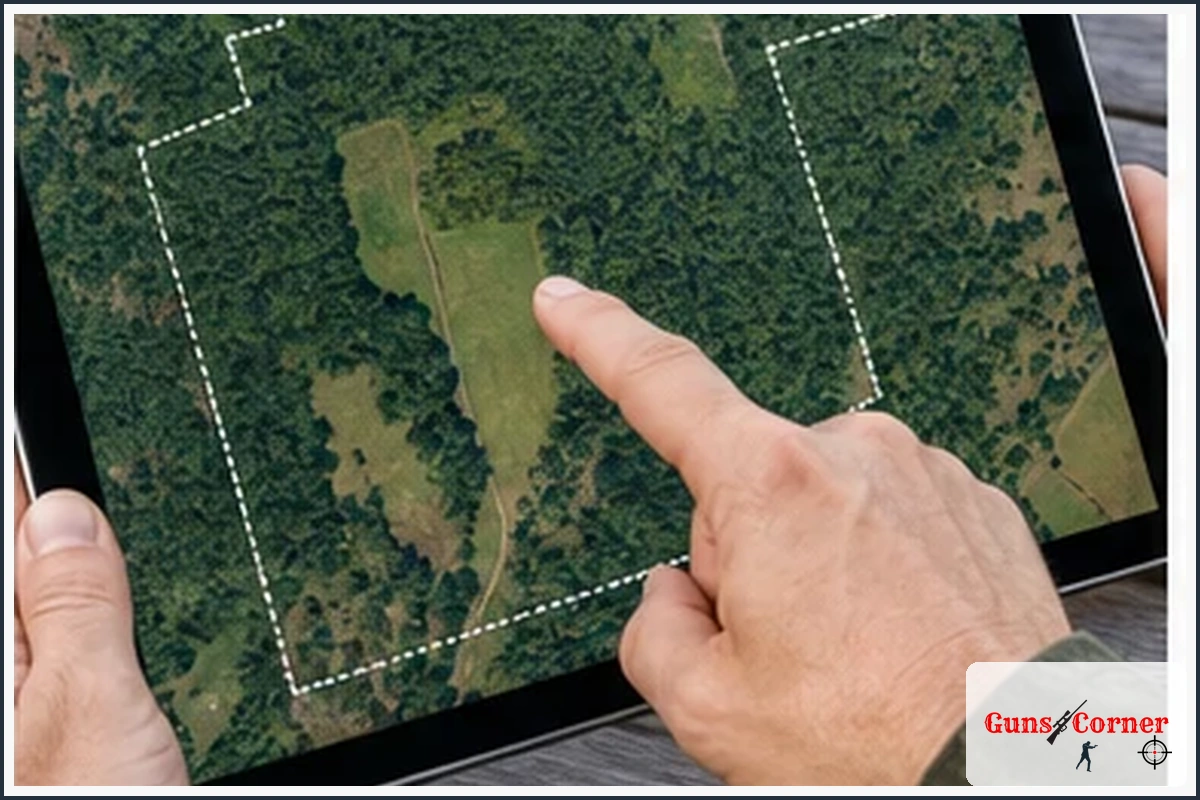
The price per acre is only one part of the financial picture. Two properties of the same size can have very different values because of habitat, access, wildlife, and competition from other hunters.
Location and Local Demand

Land near major cities, popular deer regions, well-known public hunting areas, or strong agricultural country often commands higher prices. Remote land may cost less, although travel, fuel, lodging, and time can make it more expensive overall.
Species and Hunting Opportunity
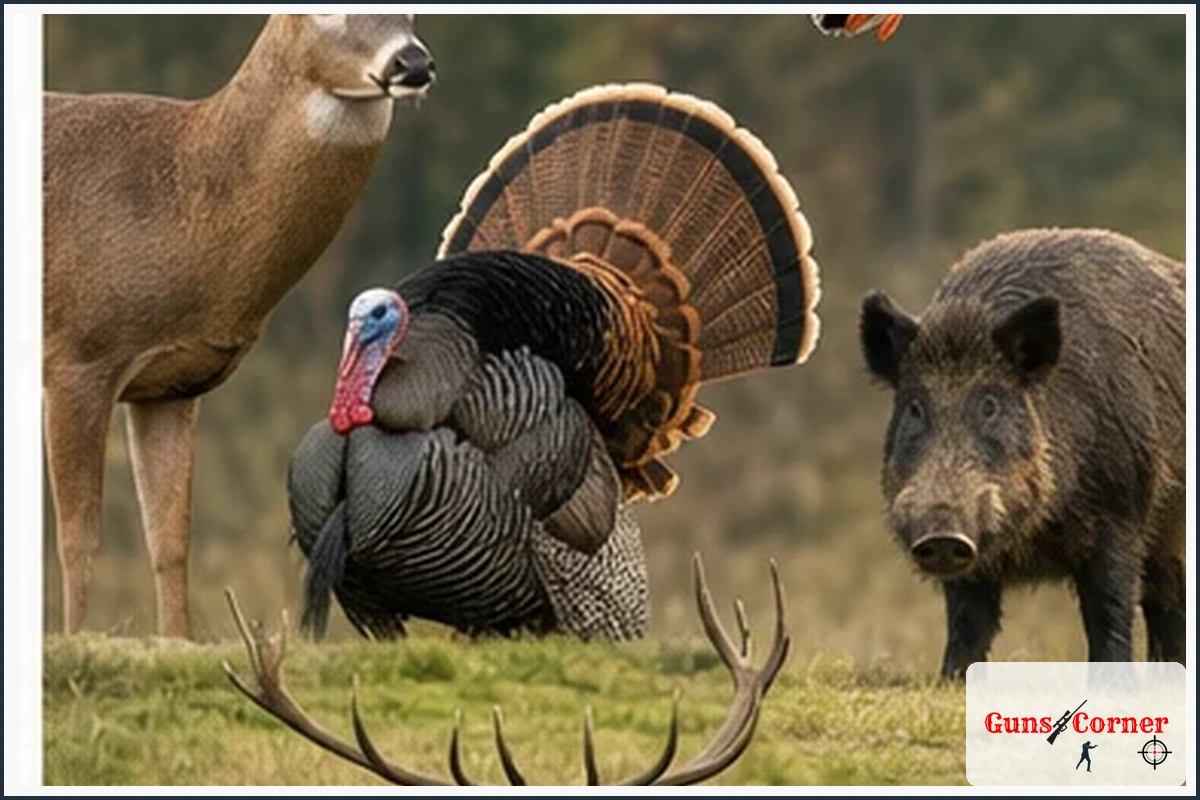
A property suitable for several legal game species may be more valuable than land offering only limited opportunity. Deer, turkey, waterfowl, hog, elk, and small-game leases each have different markets, and local demand can change rapidly.
Acreage and Exclusivity
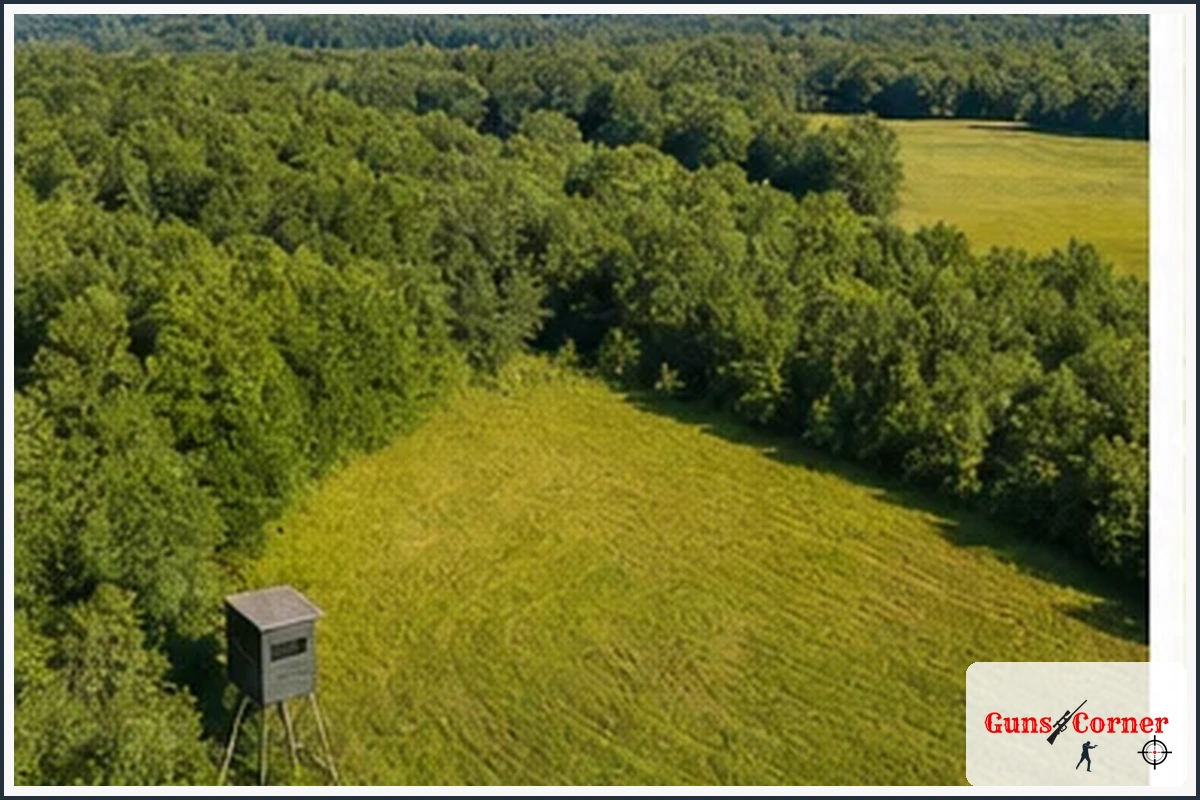
Large leases may have a lower per-acre rate but a higher total price. A smaller property with exclusive access can still be valuable if it has good habitat and is located close to home. Always determine whether the lease is exclusive or shared with other hunters.
Habitat Quality
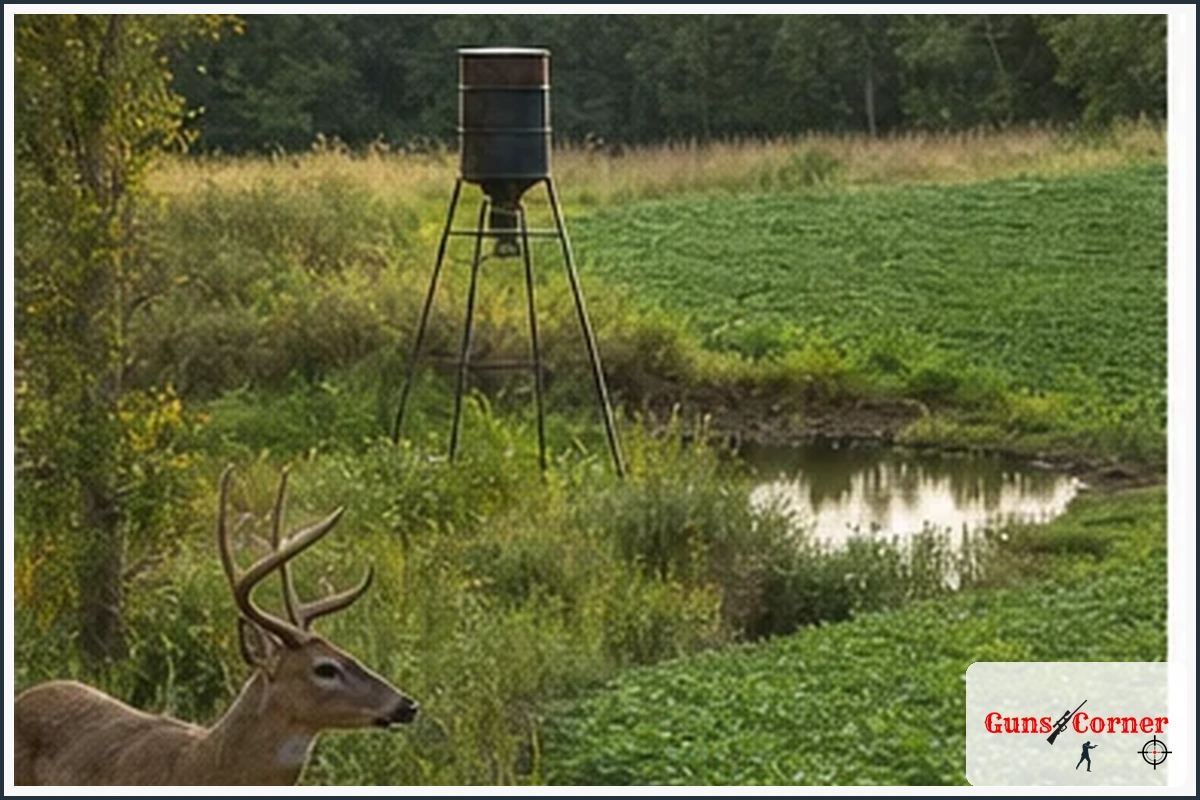
Food sources, water, cover, timber, wetlands, agricultural fields, travel corridors, and limited disturbance can increase lease value. Food plots, maintained roads, blinds, stands, ponds, or established habitat projects may also raise the asking price.
Access and Amenities
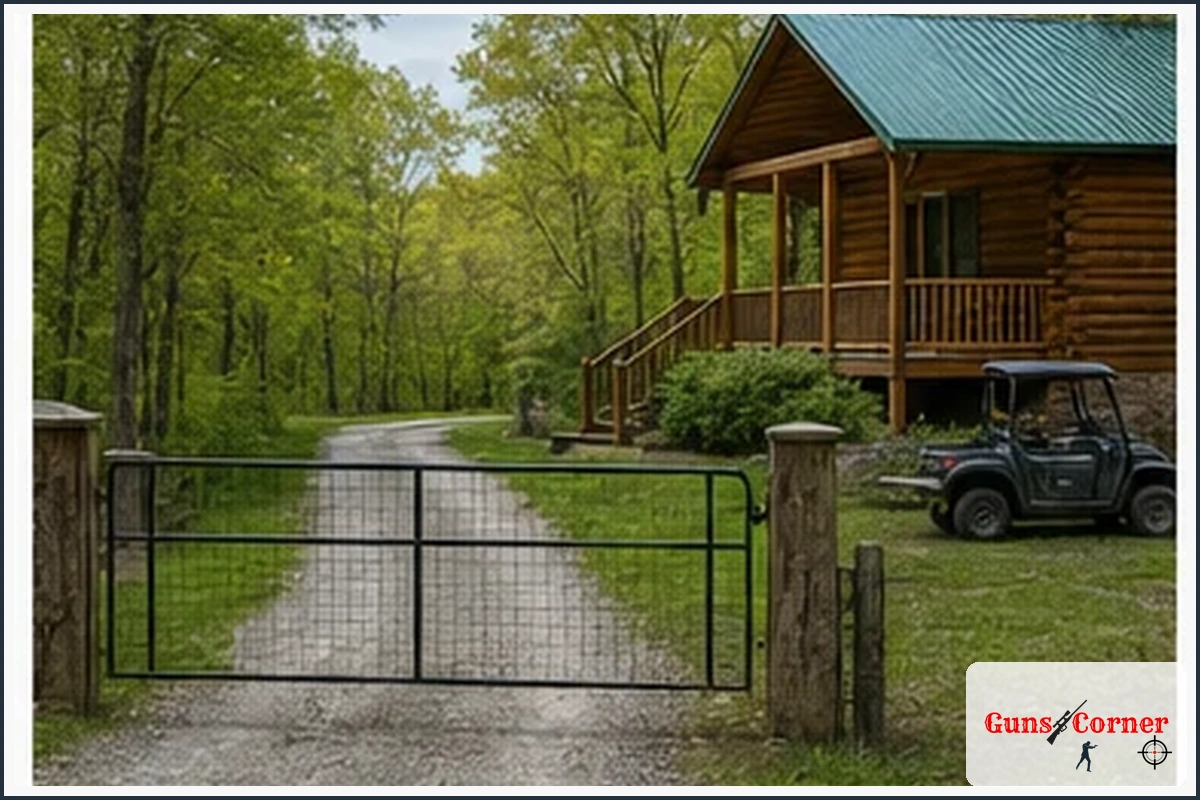
Reliable road access, parking, gates, camping areas, storage, electricity, cabins, and maintained trails can affect both price and convenience. Ask whether access is available throughout the season or limited by weather and land-use activities.
Management Rules
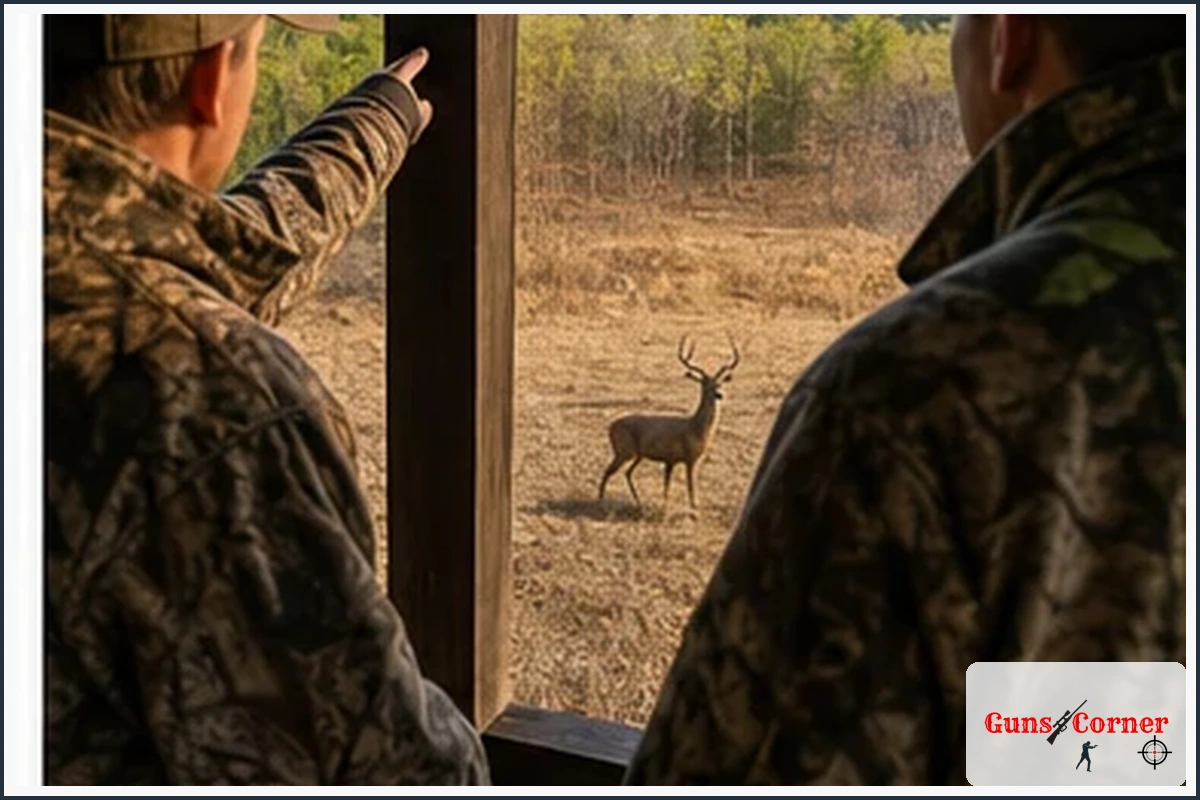
Some leases are designed for quality deer management, selective harvest, limited hunter numbers, or habitat improvement. Strict rules may increase the value of the opportunity but also limit how and when you can hunt.
Typical Hunting Lease Cost Ranges
Exact prices must be verified locally because no national price applies to every property. As a broad budgeting framework, many ordinary hunting leases fall somewhere between approximately $5 and $50 per acre per year. Some properties cost less, while premium land can cost substantially more.
| Example Annual Rate | 100-Acre Lease | What It May Represent |
|---|---|---|
| $5 per acre | $500 | Basic or remote access with limited improvements |
| $10 per acre | $1,000 | Moderate access and ordinary hunting opportunity |
| $25 per acre | $2,500 | Better habitat, location, access, or management |
| $50 per acre | $5,000 | High-demand, improved, or highly exclusive property |
These examples are for budgeting only, not guaranteed market rates. Always compare several local properties and clarify whether the quoted amount is per acre, per hunter, per season, or for the entire property.
How to Calculate the Real Cost
Use this simple formula:
Total lease cost = annual lease price + membership or management fees + travel + equipment + insurance + habitat costs + processing and reporting expenses.
Example Budget
- Annual lease payment: $2,000
- Fuel and travel: $600
- Basic habitat or maintenance contribution: $300
- Safety, navigation, and field supplies: $250
- Meat processing and transportation: $400
- Estimated total: $3,550
Your actual expenses may be lower or higher. Ask the landowner which costs are included before comparing prices.
How to Evaluate a Hunting Lease Step by Step
Step 1: Define Your Hunting Goals
Decide whether you want access for deer, turkey, waterfowl, hogs, small game, bowhunting, firearm hunting, or several species. Consider whether your priority is meat, family time, limited pressure, learning, trophy potential, or convenience.
Step 2: Set a Complete Budget
Determine the maximum annual amount you can afford without relying on an uncertain harvest. Include fuel, licenses, tags, equipment, travel, food, lodging, habitat work, processing, and emergency expenses.
Step 3: Research Local Prices
Compare lease listings, local land managers, conservation groups, reputable hunting clubs, and nearby landowners. Ask hunters in the same region what similar properties cost, but treat informal opinions as estimates rather than official pricing.
Step 4: Confirm the Legal Access
Verify the landowner’s authority to grant access and review a current map showing boundaries, roads, easements, waterways, and neighboring properties. Do not assume that a verbal statement provides sufficient permission.
Step 5: Inspect the Property
Walk the land when possible. Look for animal tracks, trails, droppings, rubs, scrapes, feeding areas, bedding cover, water, roosting habitat, wallows, and signs of human pressure. Also inspect roads, gates, steep terrain, hazards, and safe parking areas.
Step 6: Ask About Other Users
Find out whether livestock operations, timber crews, farmers, hikers, guests, outfitters, or other hunters use the property. Shared use can affect safety, scheduling, wildlife movement, and the value of the lease.
Step 7: Review the Written Lease
Read every term before paying. The agreement should identify the property, lease dates, payment schedule, permitted activities, species, number of hunters, guest rules, access times, camping rules, equipment placement, habitat responsibilities, liability, cancellation terms, and renewal process.
Step 8: Clarify What You May Install
Ask whether you may place blinds, tree stands, trail cameras, feeders, food plots, mineral products, gates, or storage containers. These activities may require landowner approval or may be restricted by local law.
Step 9: Plan Your Hunting Setup
Use maps and scouting observations to plan safe access routes, stand or blind locations, glassing points, recovery routes, and emergency exits. Account for wind direction, prevailing weather, terrain, and neighboring hunters.
Step 10: Confirm Regulations Before Hunting
Check current wildlife regulations for licenses, tags, legal weapons, seasons, bag limits, reporting, baiting, transportation, and species-specific restrictions. The lease does not replace a hunting license or authorize activities prohibited by law.
Step 11: Hunt Safely and Ethically
Identify the target clearly and know what lies beyond it. Never shoot toward roads, homes, livestock, people, vehicles, trails, or unclear movement. Take only a legal shot within your practiced ability, and pass when the opportunity is unsafe or uncertain.
Step 12: Manage the Property Responsibly
Close gates, avoid damaging roads, respect crops and livestock, remove trash, report hazards, and follow all landowner instructions. A clean, respectful lease relationship can be as valuable as the hunting opportunity itself.
Questions to Ask Before Signing
- Is access exclusive or shared?
- How many hunters are included?
- Are guests allowed?
- Which species may be hunted?
- Are blinds, stands, bait, food plots, or trail cameras allowed?
- Who maintains roads, gates, and fences?
- Can vehicles be used during wet conditions?
- Are camping, parking, and overnight stays allowed?
- Are livestock, farming, timber, or recreational activities scheduled?
- What happens if the property is sold or access becomes unavailable?
- Are there refund, renewal, or cancellation provisions?
- Does the lease require insurance or a liability waiver?
Public Land Versus a Hunting Lease
A lease may provide more predictable access and fewer competing hunters, but public land can be much less expensive. Public land also requires careful boundary research, parking etiquette, map reading, and awareness of other users.
A lease is not automatically better. Compare the total yearly cost, travel distance, habitat quality, legal opportunity, hunter density, and reliability of access. In some cases, a combination of public land and limited private access provides the best value.
Scouting a Leased Property
Scout without creating unnecessary disturbance. Start with maps and aerial imagery, then confirm important features on foot. Look for:
- Game trails connecting food, water, and cover
- Tracks, droppings, rubs, scrapes, rooting, wallows, or roosting areas
- Travel corridors between bedding and feeding areas
- Wind-safe locations for blinds or tree stands
- Quiet entry and exit routes
- Fresh human activity and heavily pressured areas
- Safe backstops and clear shooting lanes
Use trail cameras only where lawful and permitted by the lease. Avoid placing equipment where it could interfere with livestock, neighbors, roads, or other hunters.
Safety on a Hunting Lease
- Tell a trusted person where you will be and when you plan to return.
- Carry a map, compass or GPS, charged communication device, water, and first aid supplies.
- Keep firearms unloaded until you are in a safe, legal hunting position, and follow manufacturer instructions.
- Keep bows pointed in a safe direction and use broadheads only as appropriate for lawful hunting conditions.
- Use a full-body safety harness whenever hunting from a tree stand.
- Inspect stands, ladders, ropes, bridges, and vehicles before use.
- Wear required visibility clothing and avoid confusing movement with game.
- Monitor storms, flooding, heat, cold, and changing road conditions.
Helpful Tips for Better Lease Decisions
- Compare total annual cost rather than price per acre alone.
- Visit the property before paying whenever possible.
- Request a map showing exact boundaries and access points.
- Ask why the property is available and how it has been hunted previously.
- Prefer clear written terms over informal promises.
- Confirm whether the lease includes habitat work or only access.
- Calculate fuel and travel costs before choosing remote land.
- Do not pay for trophy claims without independently evaluating the habitat.
- Start with a manageable property and a realistic number of hunters.
- Maintain a written record of dates, weather, sign, pressure, and observations.
Common Mistakes to Avoid
- Assuming a lease guarantees game or hunting success
- Paying before confirming boundaries and written terms
- Ignoring license, tag, season, or weapon requirements
- Failing to ask about other hunters and land users
- Underestimating travel, fuel, equipment, and processing costs
- Placing stands or cameras without permission
- Ignoring wind direction and safe shooting angles
- Leaving gates open, trash behind, or vehicles in unauthorized areas
- Taking an unsafe shot because the lease was expensive
- Assuming verbal permission covers guests or additional species
Troubleshooting Common Problems
| Problem | Possible Cause | What to Do |
|---|---|---|
| The lease seems overpriced | High demand, premium habitat, improvements, or unclear comparison properties | Compare similar local properties and calculate the full cost per hunter. |
| You cannot verify the boundaries | Old maps, unclear descriptions, or missing access information | Request a current map and confirm boundaries with the landowner before signing. |
| You are not seeing game | Poor scouting, seasonal movement, pressure, weather, or limited habitat | Review sign, adjust legal access routes, and keep realistic expectations. |
| Other hunters create conflicts | Shared access or unclear scheduling rules | Use a written calendar, establish communication rules, and follow the lease terms. |
| Roads become unusable | Rain, snow, flooding, or poor maintenance | Ask about seasonal access and use approved parking or walking routes. |
| You are unsure whether an activity is legal | Local regulations differ by species, season, and location | Contact the official wildlife agency before acting. |
Ethical Hunting and Conservation
A hunting lease gives access, not ownership of wildlife. Follow all seasons, limits, reporting rules, and landowner requirements. Practice before hunting, pass on unsafe opportunities, avoid waste, and use harvested game responsibly.
Respect neighboring properties, other hunters, livestock, crops, roads, and non-hunting visitors. Licenses and lawful hunting participation help support wildlife management, habitat protection, and conservation programs.
When to Get More Training or Professional Guidance
Seek help from an official hunter education program, certified instructor, experienced mentor, conservation organization, or reputable hunting club if you are unfamiliar with firearms, bows, navigation, local laws, tracking, tree stands, or field recovery.
Additional guidance is especially valuable when leasing unfamiliar terrain, hunting around livestock or other users, managing a large group, or planning habitat improvements.
After the Hunt: Gear Care and Lease Responsibilities
- Unload and store firearms and bows safely.
- Inspect and dry clothing, boots, stands, blinds, and navigation equipment.
- Remove trash, temporary markers, and permitted equipment when required.
- Complete harvest reporting and tagging obligations promptly.
- Cool, transport, and process meat according to safe food-handling practices.
- Record weather, animal sign, access problems, and successful strategies.
- Report damaged fences, gates, roads, or hazardous conditions to the landowner.
Recommended Hunting Lease Tools to Consider
You do not need expensive equipment to evaluate or hunt leased land responsibly. Choose tools based on local regulations, terrain, weather, hunting method, experience, and budget.
- Current property map and boundary information
- Compass, GPS, or reliable navigation app
- Binoculars for safe observation
- Weather-appropriate clothing and required visibility gear
- First aid kit, water, food, and emergency communication
- Legal hunting equipment appropriate for the species
- Field notebook or digital scouting record
- Gloves, game bags, cooler, and meat-care supplies when relevant
Final Thoughts
How much does a hunting lease cost? The answer depends on local demand, acreage, habitat, access, exclusivity, improvements, and management rules. Compare the full cost—not just the advertised per-acre rate—then confirm the written agreement, inspect the property, check current regulations, and plan a safe and ethical hunt. A lease can provide valuable access, but preparation, patience, respect for wildlife, and responsible land stewardship determine whether it is truly worth the investment.
Frequently Asked Questions
How much does a hunting lease cost per acre?
Rates vary widely, but many ordinary leases may fall within roughly $5 to $50 per acre annually. Local demand, habitat, access, species, and exclusivity can move the price outside that range.
How much does a 100-acre hunting lease cost?
A 100-acre lease might cost about $500 to $5,000 annually using broad example rates, although actual local prices may be lower or much higher.
Is a hunting lease usually priced per acre?
Often, but not always. Some leases charge per hunter, per season, or a flat price for the property. Confirm the pricing method in writing.
Does a higher price guarantee better hunting?
No. Higher prices may reflect location, improvements, or demand, but they cannot guarantee wildlife presence or harvest success.
What is included in a hunting lease?
Some leases include access only. Others may include exclusive rights, roads, stands, blinds, camping, habitat work, or limited equipment use. Never assume extras are included.
Are hunting leases exclusive?
Some are exclusive and others are shared. Ask how many hunters, guests, landowners, guides, or other users may access the property.
Do I still need a hunting license on leased land?
Yes. A private lease generally does not replace required licenses, tags, permits, seasons, or reporting obligations.
Can I hunt any species on leased land?
No. You may hunt only species and methods allowed by local law and the written lease.
Can I put up a tree stand on leased property?
Only if the landowner and lease terms allow it. Check rules for placement, removal, marking, and damage to trees.
Can I use trail cameras on a hunting lease?
Only with landowner permission and where permitted by current wildlife regulations. Follow rules concerning public visibility, bait, data, and equipment removal.
Does a lease include permission for guests?
Not necessarily. Guest access should be specifically addressed in the written agreement.
What should I inspect before signing?
Inspect habitat, sign, roads, gates, boundaries, safety hazards, parking, water, cover, neighboring activity, and access during likely hunting conditions.
How can I find a hunting lease?
Look through reputable lease marketplaces, local land managers, hunting clubs, conservation groups, agricultural contacts, and personal networking. Verify every listing independently.
Should I lease land close to home?
Convenience can be valuable because it allows more scouting and hunting time. Compare distance, habitat quality, total travel expense, and access reliability.
Is public land cheaper than a hunting lease?
Public land usually has lower direct access costs, but it may involve more pressure, competition, travel, and boundary research.
What is a fair price for a deer lease?
There is no universal fair price. Compare similar local deer properties by habitat, acreage, hunter numbers, access, management rules, and total annual cost.
Do hunting leases cover liability?
Not automatically. Review insurance and liability language carefully, and ask whether the lease requires individual or group coverage.
Can a landowner cancel a hunting lease?
Cancellation rights depend on the written agreement and applicable law. Review refund, sale, termination, and renewal clauses before paying.
Should I sign a multi-year lease?
A multi-year lease may provide stability, but only sign one after understanding price changes, access risks, cancellation terms, and land-use changes.
Can I camp on leased hunting land?
Camping rules vary. Obtain explicit written permission and confirm fire, sanitation, vehicle, and seasonal restrictions.
What are the hidden costs of a hunting lease?
Common additional costs include fuel, licenses, tags, insurance, equipment, travel, lodging, habitat work, processing, food, and emergency supplies.
How many hunters should share a lease?
The appropriate number depends on acreage, species, habitat, safety, and management goals. Too many hunters can increase pressure and conflict.
How do I divide a lease among a hunting group?
Use a written group agreement covering payments, dates, guests, equipment, harvest rules, responsibilities, and what happens if someone leaves.
What should a hunting lease agreement include?
It should identify the property, dates, price, payment terms, permitted activities, species, hunter limit, access rules, guest rules, equipment, liability, maintenance, and termination terms.
Can I hunt near livestock on leased land?
Only with careful permission and a safe plan. Know livestock locations, keep firearms pointed away from animals and buildings, and follow landowner instructions.
How important is wind direction on leased land?
Wind direction helps control scent and influences where a blind or stand can be used safely. Plan entry and exit routes around changing wind conditions.
What signs should I look for while scouting?
Look for tracks, trails, droppings, feeding areas, bedding cover, rubs, scrapes, wallows, rooting, water, and repeated movement corridors.
Can a hunting lease guarantee access during the entire season?
Not always. Farming, timber, weather, road conditions, livestock, or lease restrictions may limit access. Clarify this before signing.
What should I do if boundaries are unclear?
Stop and verify them with the landowner, current maps, and official property information. Do not cross onto neighboring land without permission.
What if other hunters enter my leased property?
Do not confront anyone in a dangerous manner. Move to a safe location, document the issue if appropriate, and contact the landowner or relevant authorities.
Can I hunt from a vehicle on leased land?
Vehicle-based hunting and shooting rules vary and may be prohibited. Check current regulations and never shoot from or toward a vehicle unless expressly lawful and safe.
What should I do if the weather becomes dangerous?
Stop hunting when conditions create unreasonable risk. Follow your communication plan, leave by a safe route, and avoid flooded roads, lightning, extreme heat, or dangerous cold.
Do I need hunter education before using a hunting lease?
Many jurisdictions require or strongly encourage hunter education. Even where it is not mandatory, training is valuable for beginners.
Should beginners lease hunting land?
They can, but beginners should consider starting with an experienced mentor, a manageable property, and clear rules rather than signing an expensive lease immediately.
What happens after harvesting game on leased land?
Follow local tagging, reporting, transport, cooling, and meat-care requirements. Also follow lease rules for recovery routes, vehicles, and cleanup.
Can lease money support conservation?
Responsible lease income may encourage land stewardship, habitat maintenance, and wildlife management, but outcomes depend on the landowner and lease terms.
How can I make a hunting lease worthwhile?
Scout consistently, use the property respectfully, follow regulations, maintain good communication, keep records, practice safe shooting, and avoid expecting guaranteed results.
Read more: