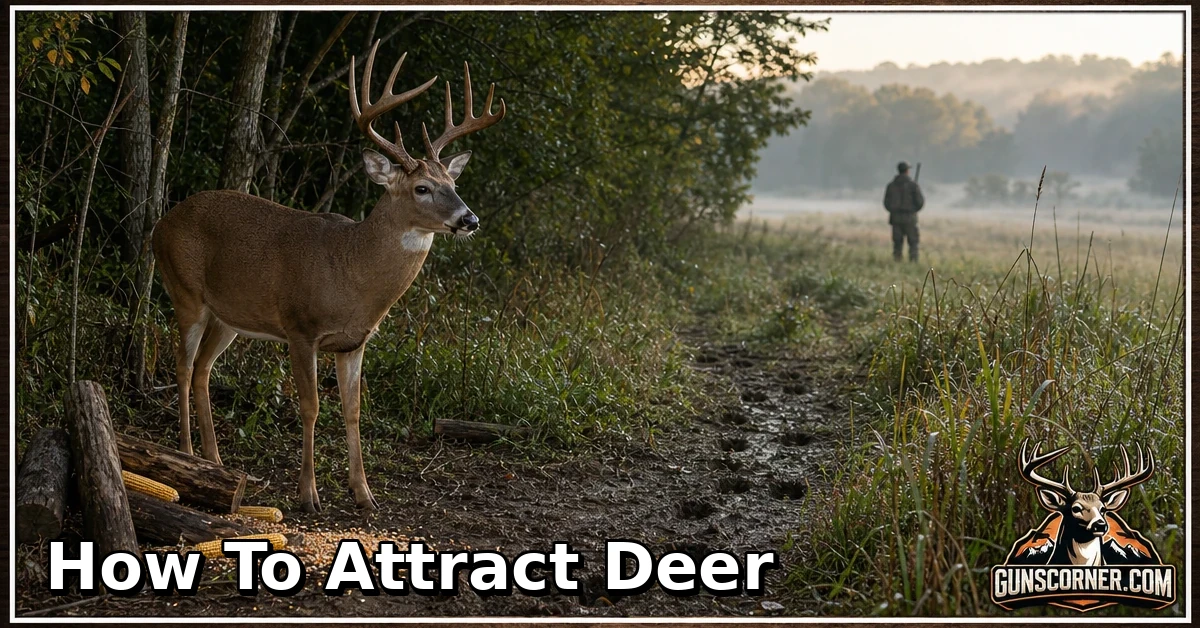
Learning how to attract deer can improve your scouting, help you understand local movement patterns, and make legal hunting setups more productive. The safest approach is not to rely on a single attractant, but to combine habitat knowledge, food and water sources, travel corridors, wind awareness, and careful scouting. Always check current wildlife regulations before using bait, minerals, scents, calls, or supplemental food.
To attract deer for hunting, identify natural food, water, cover, and travel routes, then improve or observe those areas only where local law allows. Use legal habitat practices, minimize disturbance, and position yourself downwind with a safe backstop and a clear view. Never assume bait, feeding, mineral products, or deer scents are legal in your area. Consistent scouting and patience usually matter more than any single attractant.
Important Legal and Safety Notice Before You Hunt
Deer-attracting methods vary widely by state, province, county, season, land type, and weapon category. Before hunting, consult your official wildlife agency and verify all current rules.
- Confirm your hunting license, permits, tags, and hunter education requirements.
- Check whether bait, feeding, mineral sites, food plots, scents, calls, or attractants are legal.
- Verify season dates, legal hunting hours, bag limits, weapon restrictions, and harvest reporting rules.
- Obtain written permission for private land and confirm boundaries before entering.
- Use only legal public land access points and respect posted restrictions.
- Wear required hunter-orange or other visibility clothing.
- Identify your target and what lies beyond it before taking a shot.
- Never shoot toward roads, homes, livestock, people, vehicles, or unclear movement.
- Use a full-body safety harness in a tree stand and maintain three points of contact while climbing.
- Plan for weather, navigation, hydration, first aid, and emergency communication.
What Attracts Deer Naturally?
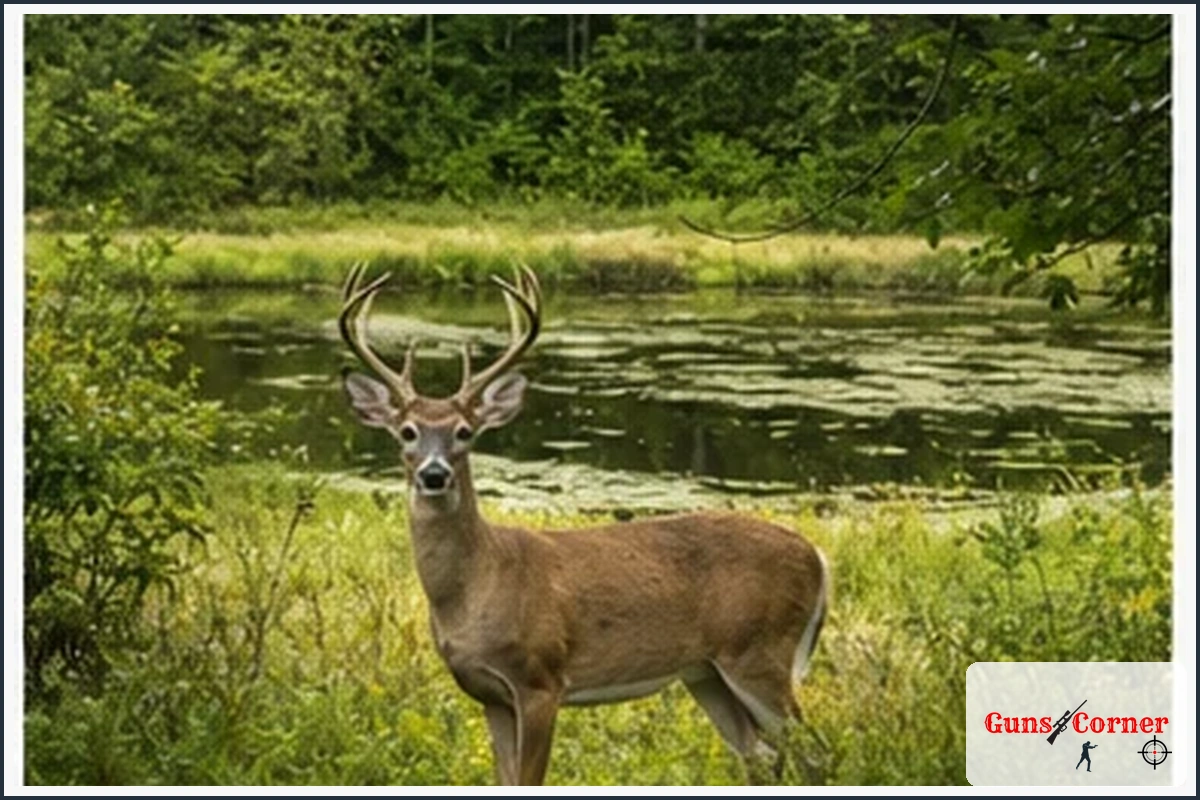
Deer generally choose areas that provide food, water, security cover, and dependable travel routes. A productive hunting area often contains several of these features close together.
Food
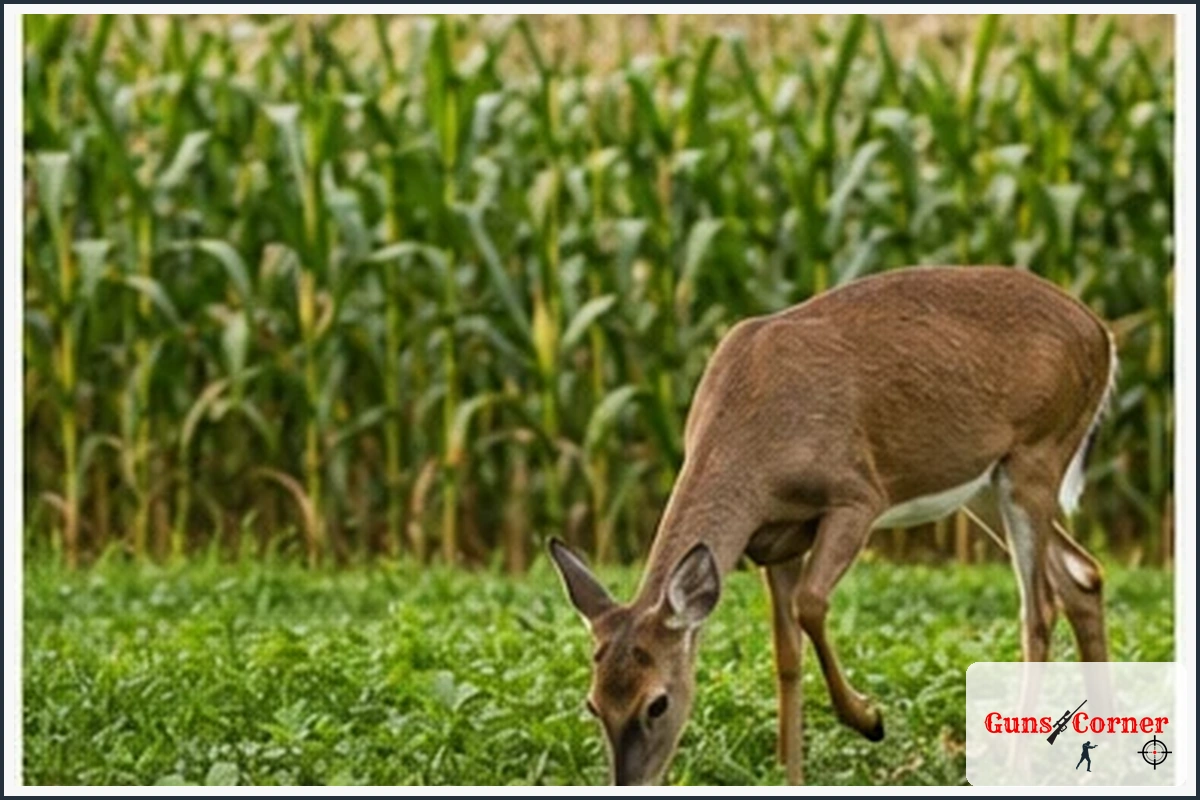
Depending on the region and season, deer may use agricultural crops, mast-producing trees, browse, shrubs, grasses, and other native vegetation. Rather than focusing only on planted attractants, learn which natural foods are available and when they mature or become scarce.
Water
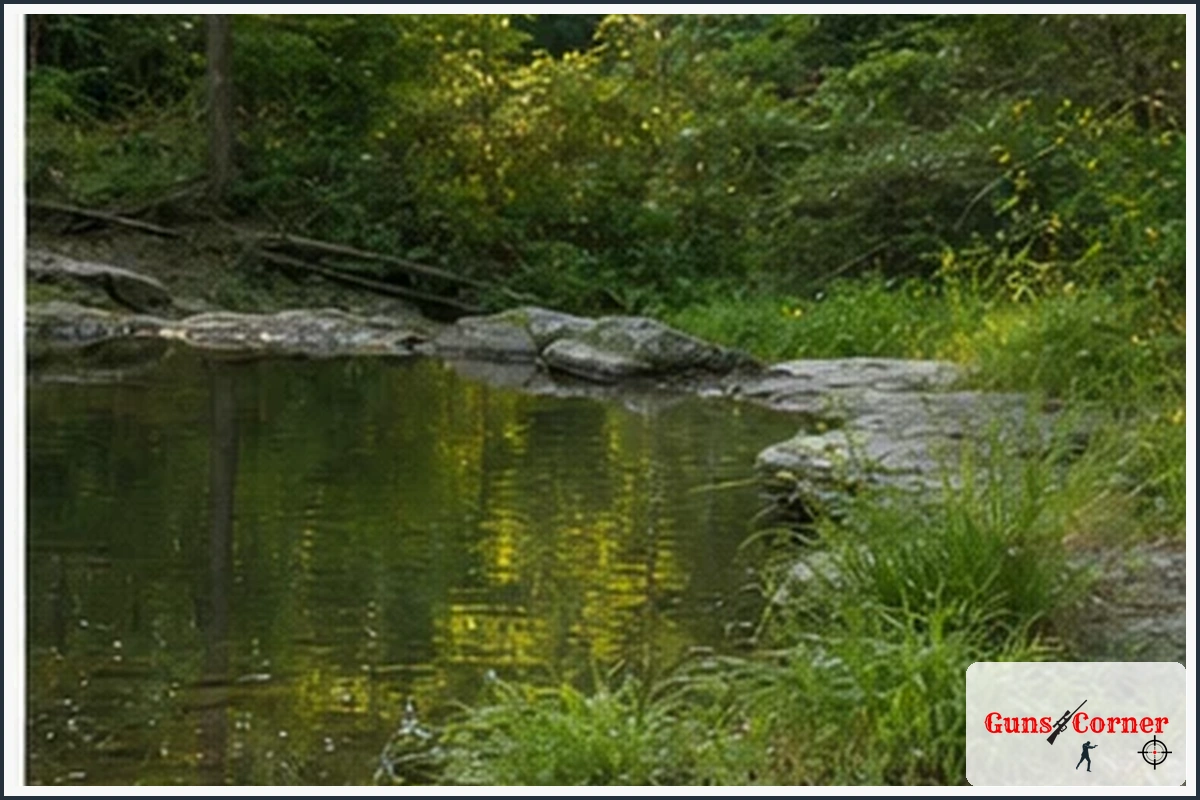
Creeks, ponds, springs, wetlands, and small natural water sources can influence deer movement, especially during warm or dry periods. Water is most useful as part of a larger habitat pattern, not as a guaranteed stand location.
Security Cover
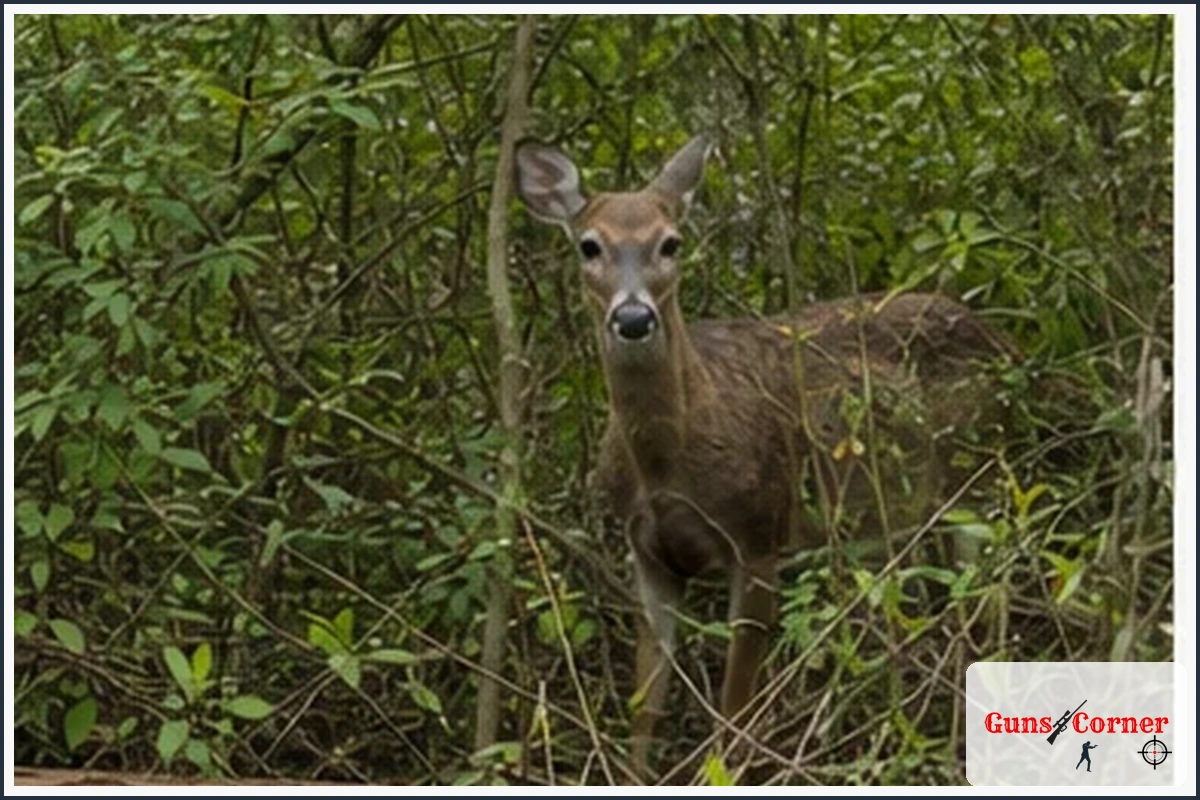
Dense vegetation, young forest, brush, and undisturbed bedding cover give deer places to rest and feel secure. A location with food but no nearby cover may receive less consistent daytime activity.
Travel Corridors
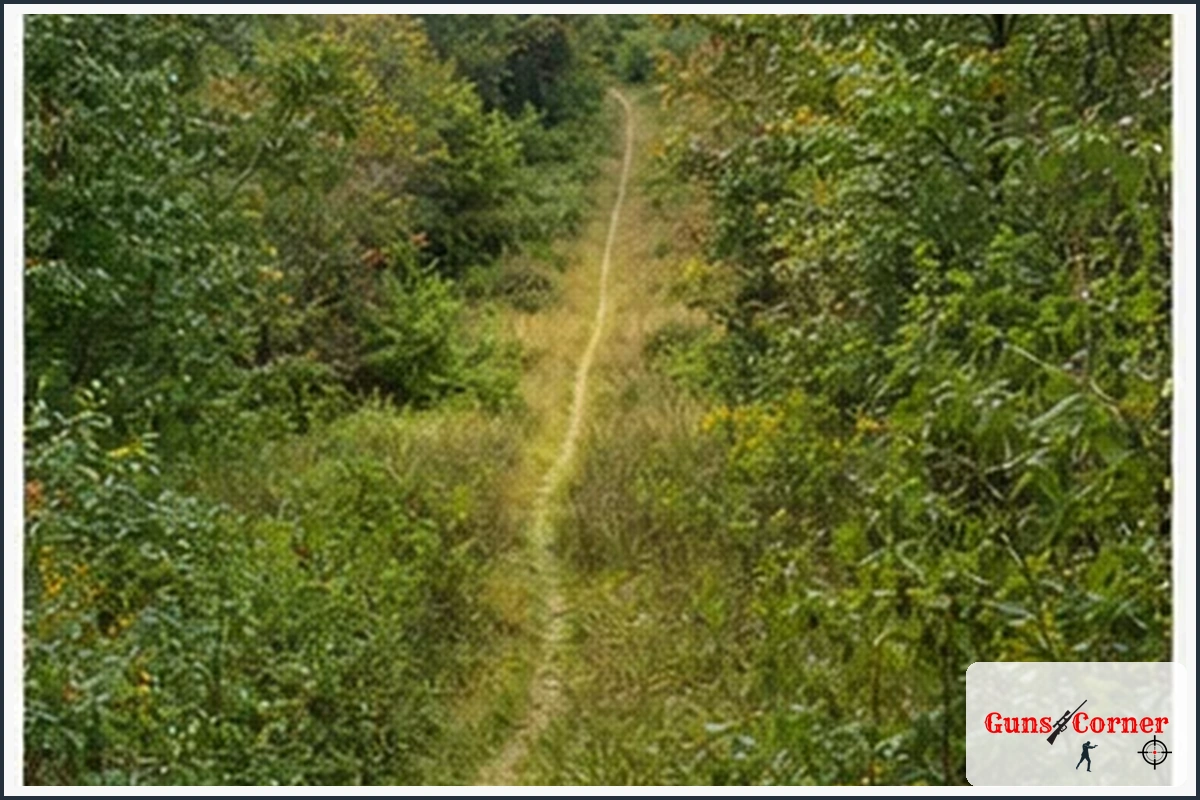
Deer often use ridges, saddles, creek crossings, field edges, funnels, and gaps in thick vegetation. Tracks, trails, droppings, rubs, and other sign can help confirm whether a corridor is active.
Legal Ways to Attract Deer for Hunting
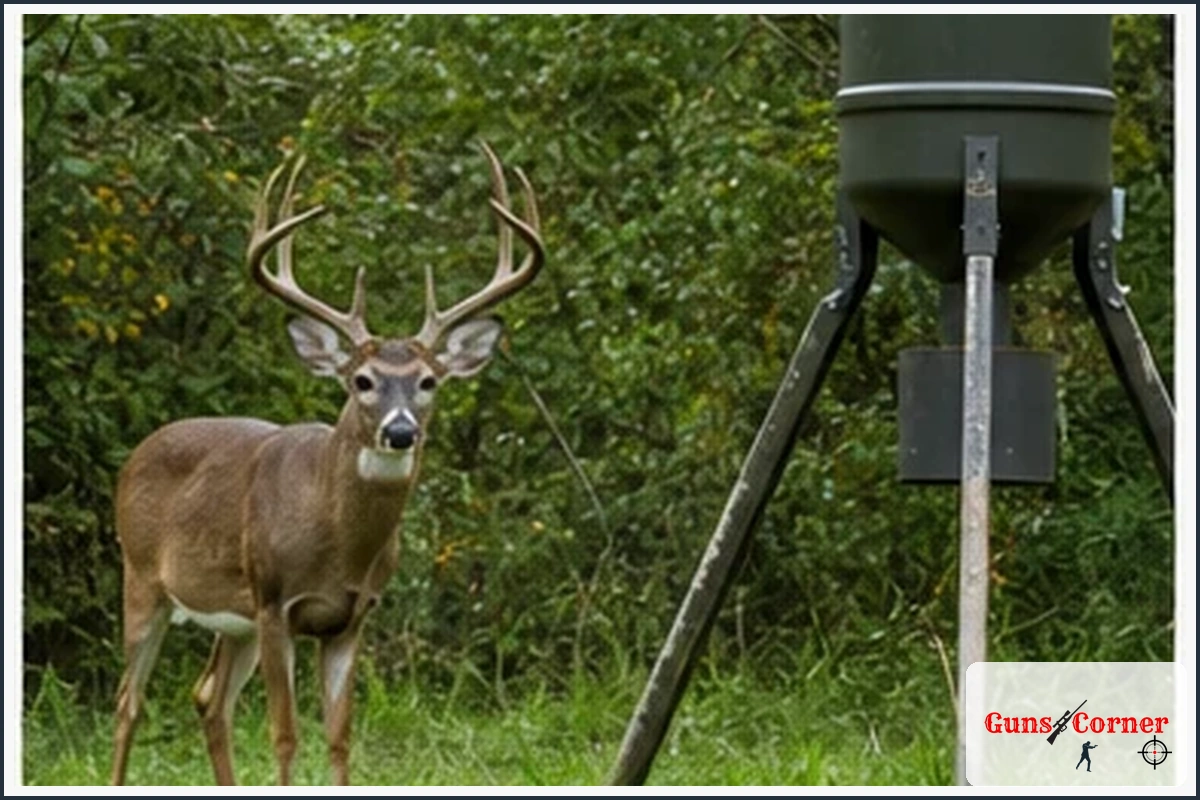
Improve Existing Habitat
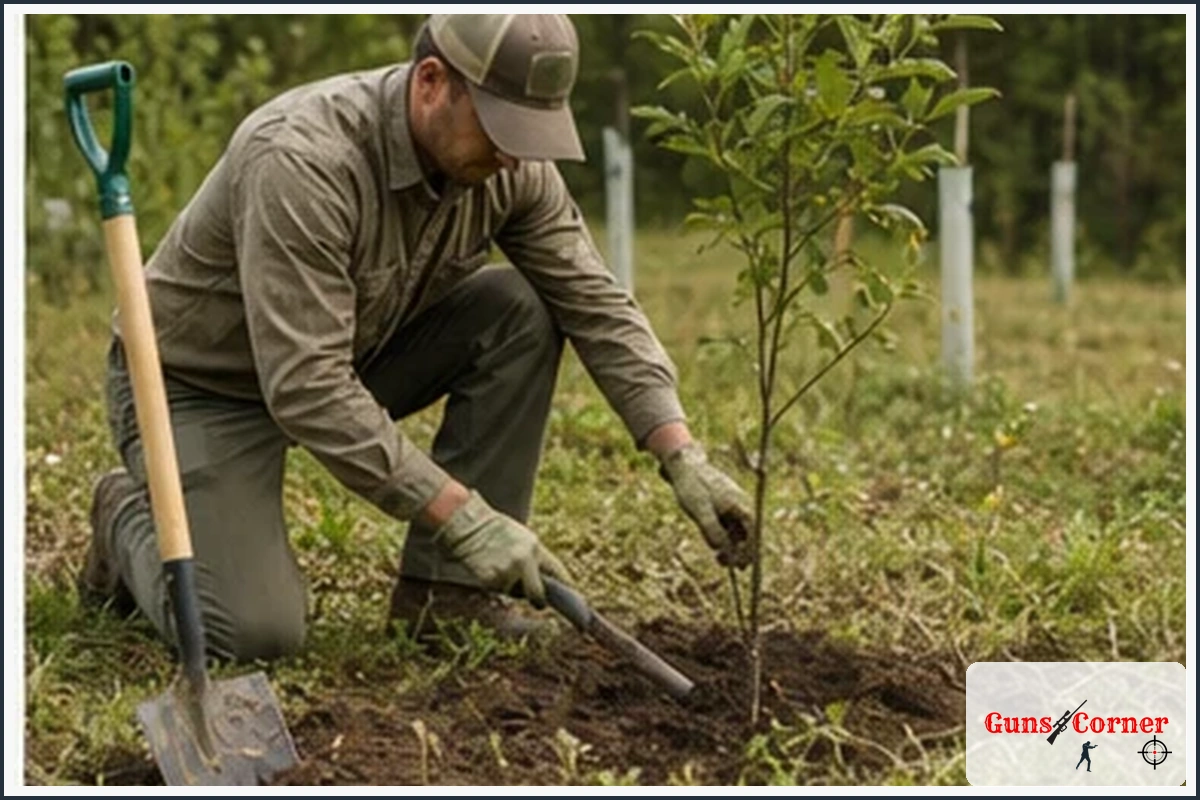
Habitat improvement can be more reliable and more sustainable than placing a temporary attractant. Where permitted, land managers may improve native browse, protect cover, maintain edge habitat, or establish legal food plots. Follow local agricultural, wildlife, and land-management rules before altering vegetation.
Use Legal Food Plots
Food plots can provide seasonal forage and make habitat more diverse. Choose plantings suited to your soil, climate, available sunlight, and local deer pressure. A food plot should support a broader habitat plan rather than serve as an excuse to ignore scouting and wind direction.
Observe Natural Food Sources
Fresh feeding sign near acorns, crops, browse, or native plants can reveal where deer are spending time. Avoid repeatedly walking through feeding and bedding areas, because excessive disturbance can reduce daytime activity.
Consider Scent or Calls Only If Legal
Some areas regulate or prohibit natural and synthetic scents, urine products, calls, or attractants. If a product is legal, follow its label and avoid spreading contamination between properties or wildlife areas. No scent or call can compensate for poor wind or excessive movement.
How to Attract Deer: Step-by-Step Hunting Preparation
Step 1: Check Regulations Before Changing the Area
Start with your official wildlife agency. Determine whether baiting, feeding, minerals, food plots, scents, calls, and habitat work are allowed during the intended season and on the specific land type. Also check restrictions related to distance from roads, buildings, property lines, and water sources.
Step 2: Choose Legal Land
For public land, study official maps, boundaries, access points, parking rules, and seasonal closures. For private land, get clear permission before scouting, placing cameras, improving habitat, or hunting. Do not cross private property simply because it appears to offer a shorter route.
Step 3: Scout From a Distance First
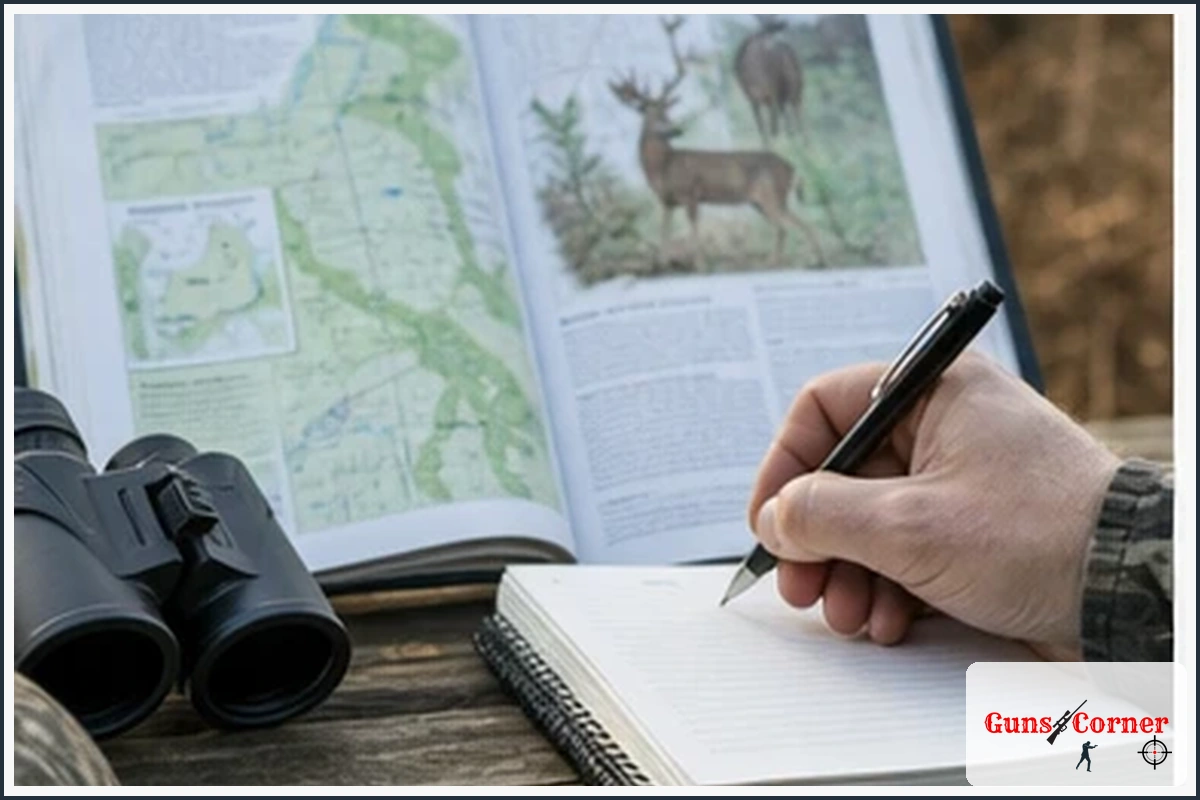
Use maps, aerial imagery, binoculars, and existing trails to identify likely habitat. Look for food, water, cover, tracks, droppings, rubs, scrapes, and travel corridors before making a close approach.
Step 4: Identify the Main Attraction
Determine whether deer are using the area because of food, water, bedding cover, escape cover, or a travel funnel. Understanding the reason deer are present helps you choose a better setup and avoid relying on an artificial attractant.
Step 5: Minimize Disturbance
Approach quietly, avoid bedding areas, and limit unnecessary visits. Human scent, noise, bright lights, and repeated activity can change deer movement. Check cameras and scouting locations only when conditions and access routes are favorable.
Step 6: Plan Around Wind Direction
Choose an observation or hunting position that keeps your scent away from likely deer travel routes. Wind can shift during the day, so consider thermals, terrain, changing weather, and your entry and exit routes.
Step 7: Set Up Safely
Place a blind or stand where you have a stable position, a clear field of view, and a safe shooting direction. Keep firearms unloaded until appropriate and pointed safely. For archery, carry arrows securely and use broadheads only when your equipment is handled in a controlled hunting setting.
Step 8: Watch Deer Behavior
Observe how deer approach the area, where they pause, and which routes they use. Pay attention to wind, weather, hunting pressure, and time of day. Avoid assuming that an attractant will cause deer to appear on a predictable schedule.
Step 9: Wait for an Ethical Opportunity
Only take a shot when you have clearly identified a legal deer, confirmed what lies beyond it, and are within your practiced ability. If the angle, visibility, distance, or background is uncertain, do not shoot.
Step 10: Follow Recovery and Reporting Rules
After a legal harvest, follow your jurisdiction’s tagging, reporting, transport, and recovery requirements. If you are uncertain about the next step, consult official regulations or an experienced mentor before moving the animal.
Step 11: Handle the Harvest Responsibly
Plan ahead for gloves, clean tools, cooling, transport, and meat care. Keep the harvest clean and cool, follow local transport rules, and use the meat responsibly. Avoid wasting edible portions.
Best Places and Conditions for Attracting Deer
The best hunting location is usually not the place with the most obvious bait or food. Look for the intersection of food, cover, water, and secure travel.
- Field edges: Productive when adjacent to cover and natural travel routes.
- Funnels: Narrow passages between obstacles can concentrate movement.
- Water near cover: Useful during warm or dry weather.
- Oak or mast areas: Can be important when natural food is available.
- Transition zones: Edges between mature timber, brush, crops, and young growth often attract deer.
- Low-pressure areas: Deer may use less-accessible cover when nearby land receives heavy hunting pressure.
Helpful Tips for Better Results
- Prioritize legal habitat improvement over unverified attractant products.
- Scout fresh sign rather than relying only on old tracks or trail-camera images.
- Use the wind as a deciding factor when choosing a stand or blind.
- Plan a quiet entry and exit route before hunting.
- Keep your setup away from bedding areas whenever possible.
- Practice with your firearm or bow before the season begins.
- Use trail cameras only where permitted and check them with minimal disturbance.
- Record weather, wind, deer sightings, and sign in a hunting journal.
- Expect deer movement to change with food availability and hunting pressure.
- Pass on any shot that is unsafe, uncertain, or beyond your practiced range.
Common Mistakes to Avoid
- Assuming bait, salt, minerals, or feeding are legal without checking current regulations.
- Using attractants close to roads, homes, property lines, or prohibited areas.
- Ignoring wind direction and allowing scent to reach bedding cover.
- Entering an area too often and disturbing deer.
- Choosing a setup based only on food while ignoring cover and escape routes.
- Hunting private land without clear permission.
- Failing to verify public land boundaries.
- Taking a shot through thick vegetation or without a safe backstop.
- Using a tree stand without a full-body harness.
- Waiting until after a harvest to consider cooling, transport, and reporting.
Troubleshooting Common Problems
| Problem | Possible Cause | What to Do |
|---|---|---|
| No deer are appearing | Poor timing, weak sign, high pressure, or unsuitable habitat | Recheck food, cover, water, fresh tracks, and legal access routes. |
| Deer appear only after dark | Hunting pressure, nearby disturbance, or an unsuitable daytime setup | Reduce disturbance and scout nearby cover, travel corridors, and lower-pressure areas. |
| Deer detect you before reaching the setup | Poor wind, noisy entry, or visible movement | Change the access route, hunt a different wind, and improve concealment. |
| An attractant is not working | The product may be illegal, unnecessary, poorly placed, or less important than habitat | Confirm the law and return to scouting natural food, cover, water, and travel routes. |
| Property boundaries are unclear | Outdated maps, missing signs, or confusing parcels | Stop and verify ownership with official maps or the landowner before proceeding. |
| Weather changes suddenly | Wind shifts, rain, heat, or approaching storms | Reassess safety, visibility, scent direction, clothing, and whether leaving is necessary. |
| You are unsure about a shot | Unclear target, unsafe background, poor angle, or excessive distance | Do not shoot. Wait for a clearly ethical opportunity or end the hunt. |
Ethical Hunting and Conservation
Responsible deer hunting depends on respect for wildlife, landowners, other hunters, and the habitat that supports future seasons. Follow legal seasons and harvest limits, avoid waste, and pass on unsafe or uncertain shots. Licenses and lawful participation support wildlife management, while careful scouting and low-impact behavior help reduce unnecessary disturbance.
Leave public and private land cleaner than you found it. Remove trash, respect gates and livestock, and avoid damaging vegetation or infrastructure. Do not feed deer for close contact or attempt to approach them by hand; wild animals can cause injury and may carry parasites or disease.
When to Get More Training or Professional Guidance
Seek additional instruction if you have never safely handled a firearm or bow, have not completed hunter education, are uncertain about local regulations, or do not understand property boundaries. An official hunter education course, certified instructor, experienced ethical mentor, wildlife agency, or conservation organization can help you prepare properly.
After the Hunt: Gear Care and Learning
- Unload, clean, and store firearms or bows according to manufacturer guidance.
- Dry boots, clothing, blinds, and safety equipment before storage.
- Record wind, weather, deer sign, sightings, and setup locations.
- Complete required tagging and harvest reporting promptly.
- Review which attractants, habitat features, and access routes were legal and useful.
- Prepare a better plan for the next hunt without increasing disturbance.
Recommended Hunting Gear and Tools to Consider
You do not need expensive equipment to attract or hunt deer responsibly. Choose gear based on local regulations, terrain, weather, hunting method, skill level, and safety needs.
- Legal firearm or archery equipment approved for your area
- Weather-appropriate clothing and required visibility gear
- Durable boots suited to the terrain
- Binoculars for safe observation
- Map, compass, GPS, or a reliable hunting app
- First aid kit, water, food, and emergency communication
- Full-body tree-stand harness when hunting from an elevated position
- Gloves, clean tools, game bags, cooler, and meat-care supplies
- Notebook or phone app for recording scouting observations
Final Thoughts
Learning how to attract deer starts with understanding habitat, confirming local laws, and scouting carefully. Natural food, water, cover, and travel corridors usually provide more dependable information than any single attractant. Hunt with patience, respect private and public land, practice before the season, and take only safe, legal, ethical opportunities.
Frequently Asked Questions
What is the best way to attract deer for hunting?
The best approach is to identify and protect natural food, water, cover, and travel routes. Legal habitat improvement can be more reliable than a temporary attractant.
Are deer bait and feeding legal everywhere?
No. Baiting and feeding rules vary by location, season, land type, and species. Check your official wildlife agency before using them.
Can I use salt or mineral blocks to attract deer?
Only where specifically legal. Mineral sites may be regulated or prohibited, and they should never be used without checking current rules.
Do deer prefer food plots or natural food?
Deer may use both, depending on availability and season. Natural food, cover, hunting pressure, and local habitat often influence movement more than a single food source.
How do I find where deer are feeding?
Look for fresh browse, tracks, droppings, feeding disturbances, mast, crop edges, and trails connecting food to cover.
How do I find deer travel routes?
Study maps and terrain, then confirm likely routes with tracks, trails, rubs, scrapes, creek crossings, saddles, and funnels.
Should I place an attractant near a bedding area?
Do not disturb bedding cover unnecessarily. If an attractant is legal, choose a location that does not force excessive traffic through secure bedding habitat.
Does water attract deer?
Water can influence movement, especially during warm or dry conditions, but it works best when combined with nearby cover and travel routes.
What time of day is best for attracting deer?
Deer movement varies with season, weather, hunting pressure, and local conditions. Follow legal hunting hours and focus on fresh sign rather than assuming one universal time.
Does weather affect deer movement?
Yes. Temperature, wind, precipitation, storms, and changing pressure can influence movement and scent conditions. Always put personal safety first.
How important is wind direction?
Wind direction is critical because deer can detect human scent. Select an access route and setup that keep your scent away from likely deer travel.
Can deer smell attractant products?
Deer may detect unfamiliar or familiar odors, but scent products are not guaranteed. They are also subject to local restrictions.
Are deer calls useful for attracting deer?
Calls may work in some situations, but their legality and effectiveness vary. Use them only when allowed and avoid excessive calling that increases disturbance.
Can I attract deer on public land?
Only if the specific land and jurisdiction allow the method. Verify baiting, feeding, mineral, food plot, camera, and access rules before acting.
Can I attract deer on private land?
Yes, where legal and with landowner permission. Confirm boundaries, gates, livestock concerns, and any written conditions before scouting or hunting.
How far should an attractant be from a road?
There is no universal distance. Follow your local regulations and avoid any placement that creates an unsafe shooting direction or violates access rules.
Should I use a trail camera?
A trail camera can help document movement where legal. Place and check it with minimal disturbance, and follow landowner and public-land requirements.
Why are deer visiting only at night?
Possible causes include hunting pressure, nearby disturbance, warm weather, or an unsuitable daytime setup. Scout secure cover and travel routes nearby.
Why did deer stop using my attractant?
Food availability, hunting pressure, weather, disturbance, and seasonal changes may have shifted movement. Recheck the broader habitat instead of adding more attractant.
How can I attract deer without bait?
Improve legal habitat, protect cover, identify natural food and water, and hunt along low-disturbance travel corridors.
Is planting a food plot legal?
Food plots may be legal in some areas but restricted in others. Check wildlife, land-use, agricultural, and season-specific rules before planting.
What plants attract deer?
Suitable plants vary by region, soil, climate, and season. Consult local wildlife or agricultural guidance and avoid introducing invasive species.
Should I feed deer in my yard?
Feeding wild deer can create disease, property damage, vehicle-collision, and human-safety concerns. Check local ordinances and wildlife guidance before feeding.
Can I approach deer after attracting them?
No. Wild deer should not be approached or hand-fed. Observe from a safe distance and avoid habituating them to people.
What safety gear should I carry?
Carry navigation tools, water, first aid, communication equipment, weather-appropriate clothing, and required visibility gear. Add a full-body harness for tree-stand hunting.
How do I choose a safe hunting setup?
Choose a stable location with a clear view, safe shooting lanes, a secure backstop, legal access, and wind conditions that do not carry your scent toward deer.
What should I do if I am unsure whether a product is legal?
Do not use it until you confirm the rule with your official wildlife agency or a conservation officer.
Can attractants guarantee hunting success?
No. Success depends on regulations, habitat, weather, pressure, scouting, skill, patience, and ethical decision-making.
What should I do if another hunter is nearby?
Unload or keep your weapon safely controlled, identify yourself calmly, and maintain distance. Never move or shoot toward an unknown person.
How do I avoid trespassing while scouting?
Use official maps, confirm boundaries, respect signs and gates, and obtain landowner permission before entering private property.
What should I do after harvesting a deer?
Follow local tagging, reporting, transport, recovery, and meat-care rules. Cool the meat promptly and use the harvest responsibly.
Should I hunt over an attractant if the wind is wrong?
No. A poor wind can alert deer and create an unsafe or unproductive setup. Wait for a better wind or choose another legal location.
How can beginners practice before hunting season?
Complete hunter education, practice with your legal firearm or bow, learn navigation, study regulations, and scout with an experienced mentor when possible.
What is the most common beginner mistake?
Many beginners focus on products instead of habitat, wind, access, and safety. Careful scouting and legal preparation are usually more valuable.
How does deer attraction support conservation?
Legal hunting licenses, ethical harvests, habitat stewardship, and accurate reporting support wildlife management and long-term conservation.
Read more: