
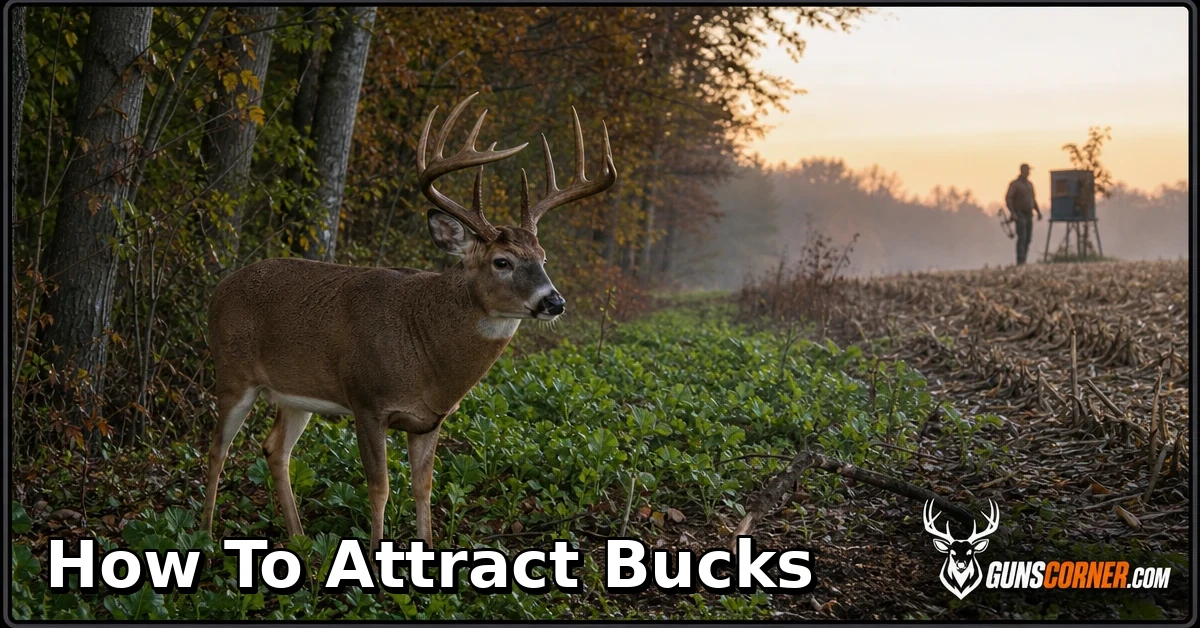

Learning how to attract bucks is less about a single lure or shortcut and more about improving habitat, understanding whitetail behavior, and creating a safe, legal reason for deer to use an area. This guide explains practical methods for attracting bucks without relying on reckless tactics, illegal baiting, or guaranteed-success claims.
To attract bucks, provide suitable food, cover, water, and low-pressure travel routes while scouting for fresh sign such as rubs, scrapes, tracks, and trails. Use only attractants, bait, calls, and hunting methods permitted by your local wildlife agency, and always verify land-access rules. Place a legal hunting setup downwind of likely movement areas without disturbing bedding cover. Results depend on habitat, season, weather, hunting pressure, and patience.
Important Legal and Safety Notice Before You Hunt
Deer-attraction rules vary widely by state, province, county, season, land type, and weapon. Before hunting, check your official wildlife agency for current requirements.
- Confirm your hunting license, deer tag, permits, and harvest-reporting obligations.
- Verify season dates, legal hunting hours, bag limits, and antler restrictions.
- Check whether bait, mineral sites, food plots, scents, deer calls, or supplemental feeding are legal.
- Use only legal weapons, ammunition, and hunting equipment.
- Confirm public-land boundaries or obtain permission before entering private property.
- Follow required hunter-orange or visibility-clothing rules.
- Identify the deer and what lies beyond it before taking a shot.
- Never shoot toward roads, homes, livestock, people, vehicles, or unclear movement.
- Use a full-body harness when hunting from a tree stand.
- Plan for weather, navigation, hydration, first aid, and emergency communication.
What Attracts Bucks?
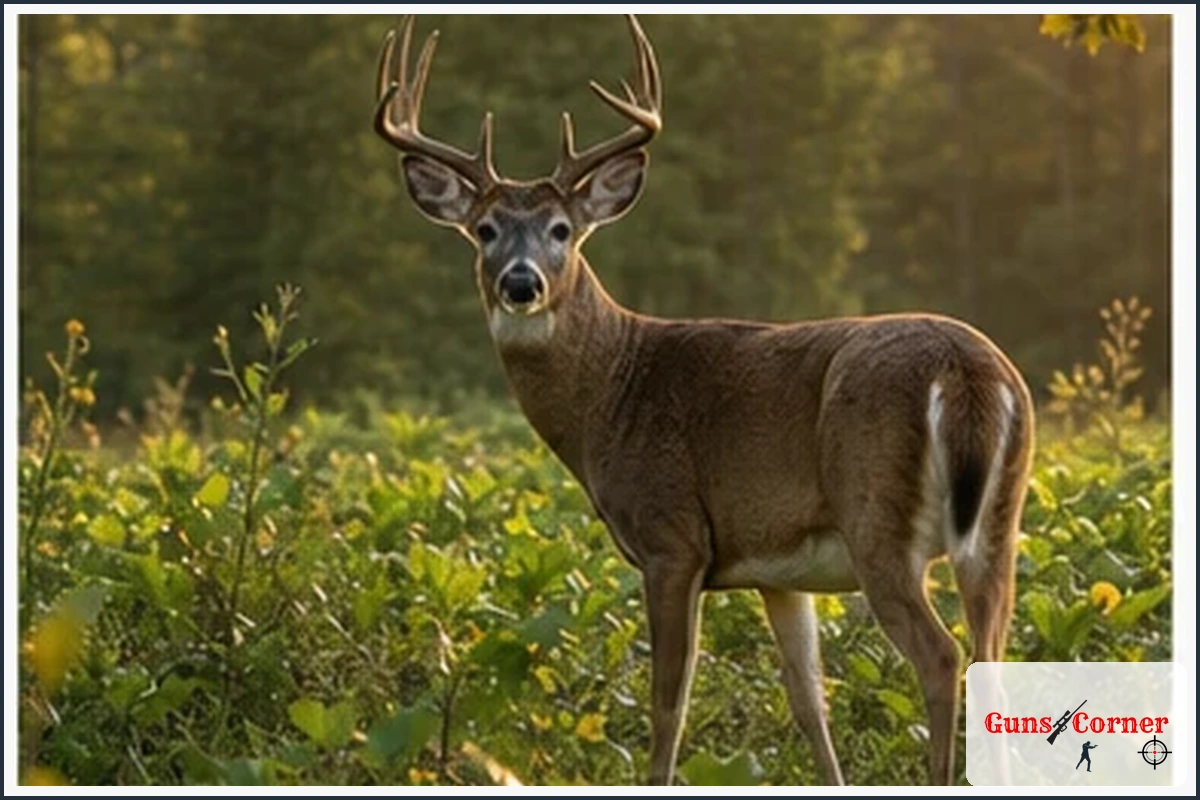
Bucks are attracted to the same basic needs as other deer: food, water, security cover, social interaction, and suitable travel routes. Their behavior changes throughout the year, so an effective strategy during summer may be less useful during the pre-rut or rut.
Rather than trying to force deer into an unfamiliar location, focus on improving or identifying areas they already prefer. Mature bucks often use cover, terrain, wind, and low-pressure routes to move between bedding, feeding, and doe-use areas.
Understand the Main Attraction Factors
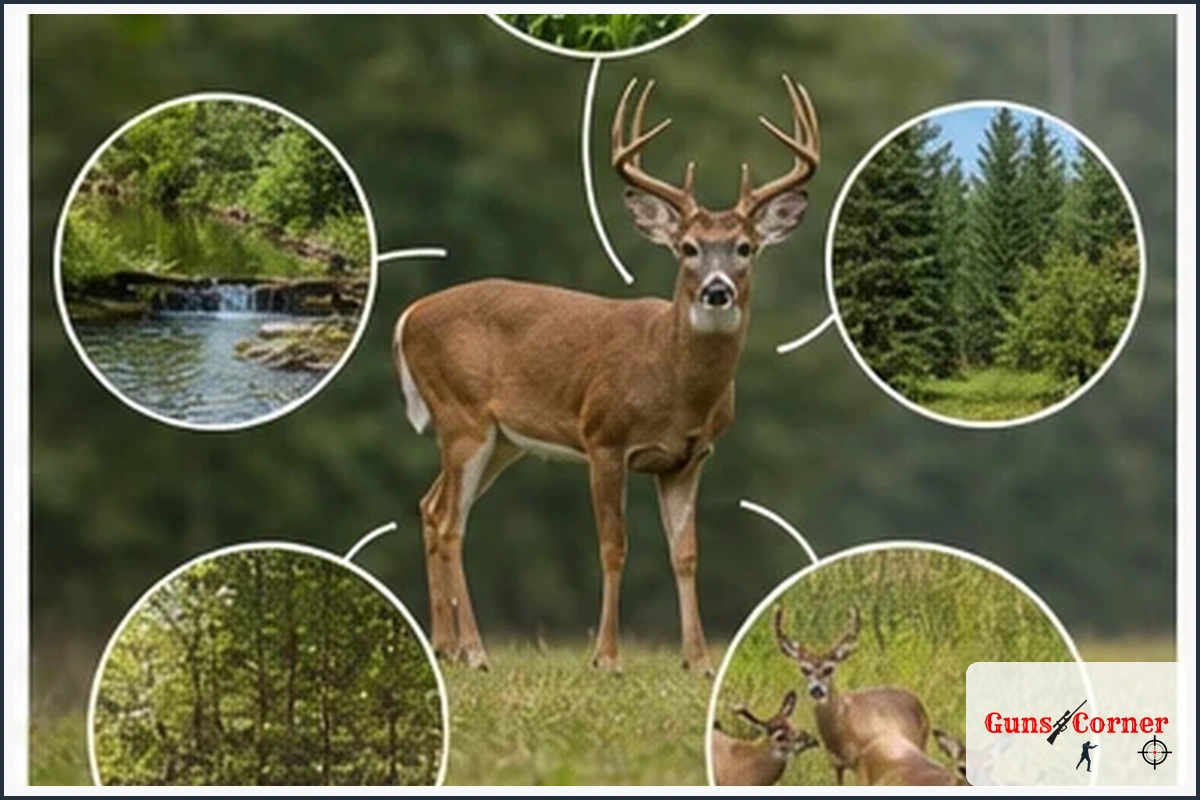
Food
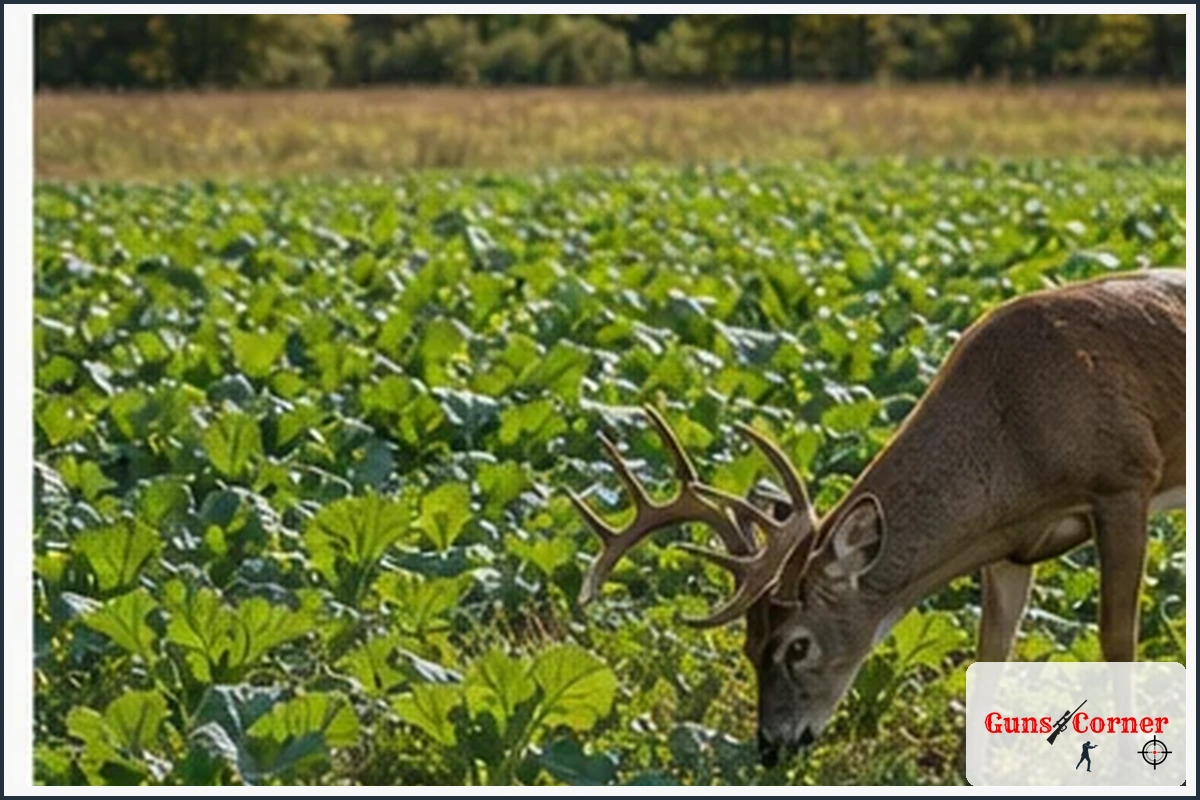
Natural browse, agricultural fields, mast, shrubs, and legal food plots can influence deer movement. Food sources are most useful when they are close to secure cover and connected by practical travel routes.
Cover
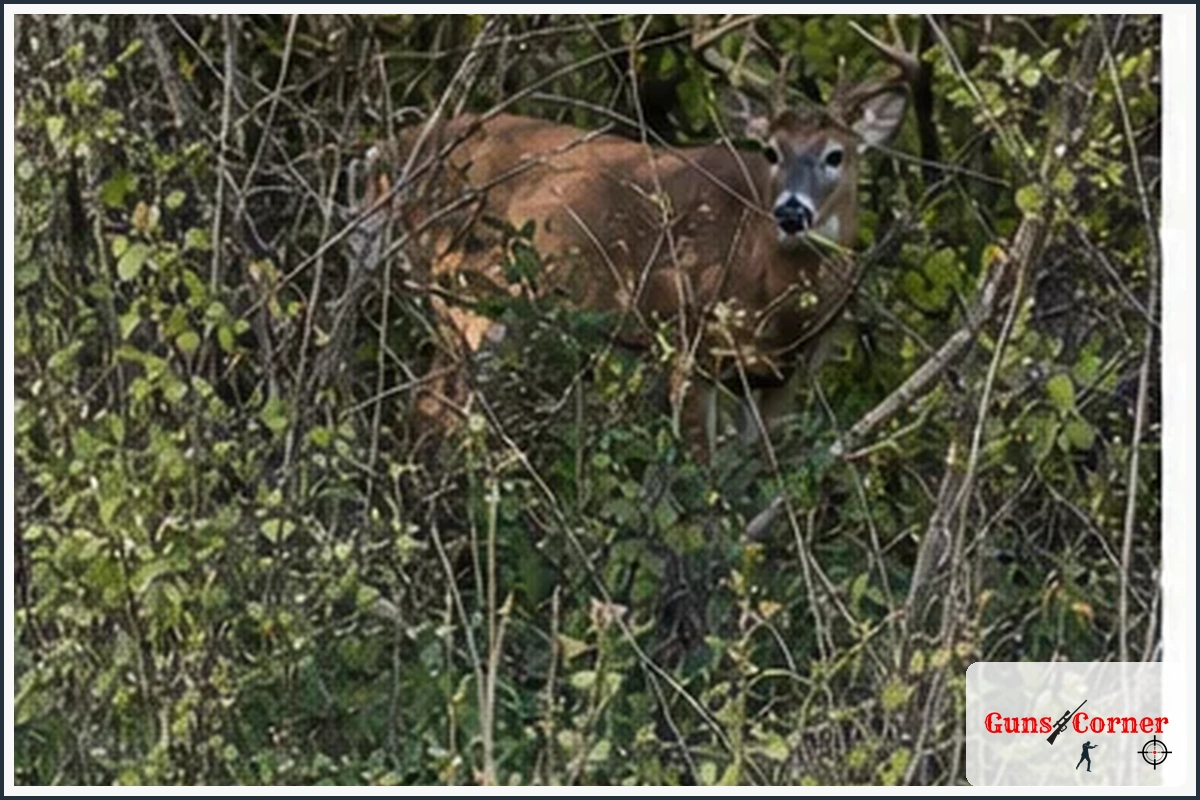
Thick vegetation, brush, young forest, and undisturbed bedding cover give deer security. Avoid entering bedding areas repeatedly, because excessive intrusion can push deer onto neighboring properties or change their daylight movement.
Water
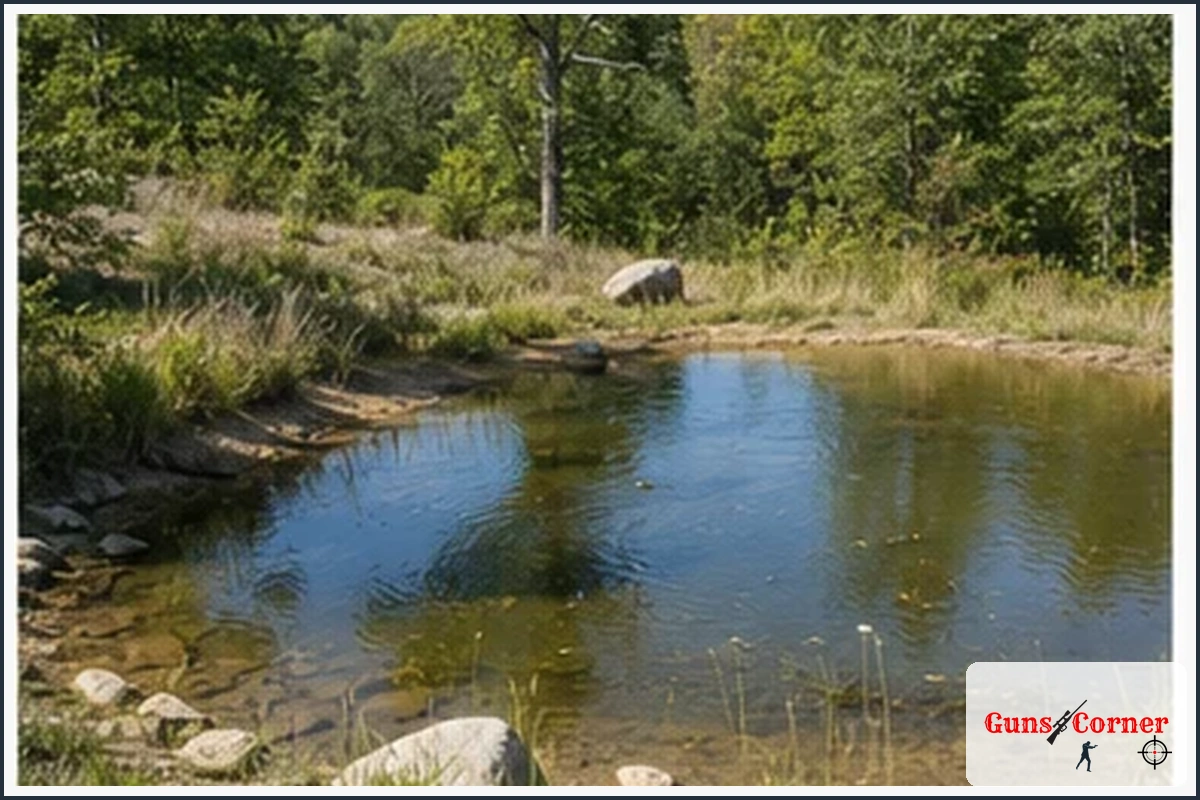
Water can become more important during hot, dry conditions. Small ponds, creeks, springs, and legal water improvements may help deer use an area, but water alone does not guarantee buck activity.
Minerals and Supplemental Feed
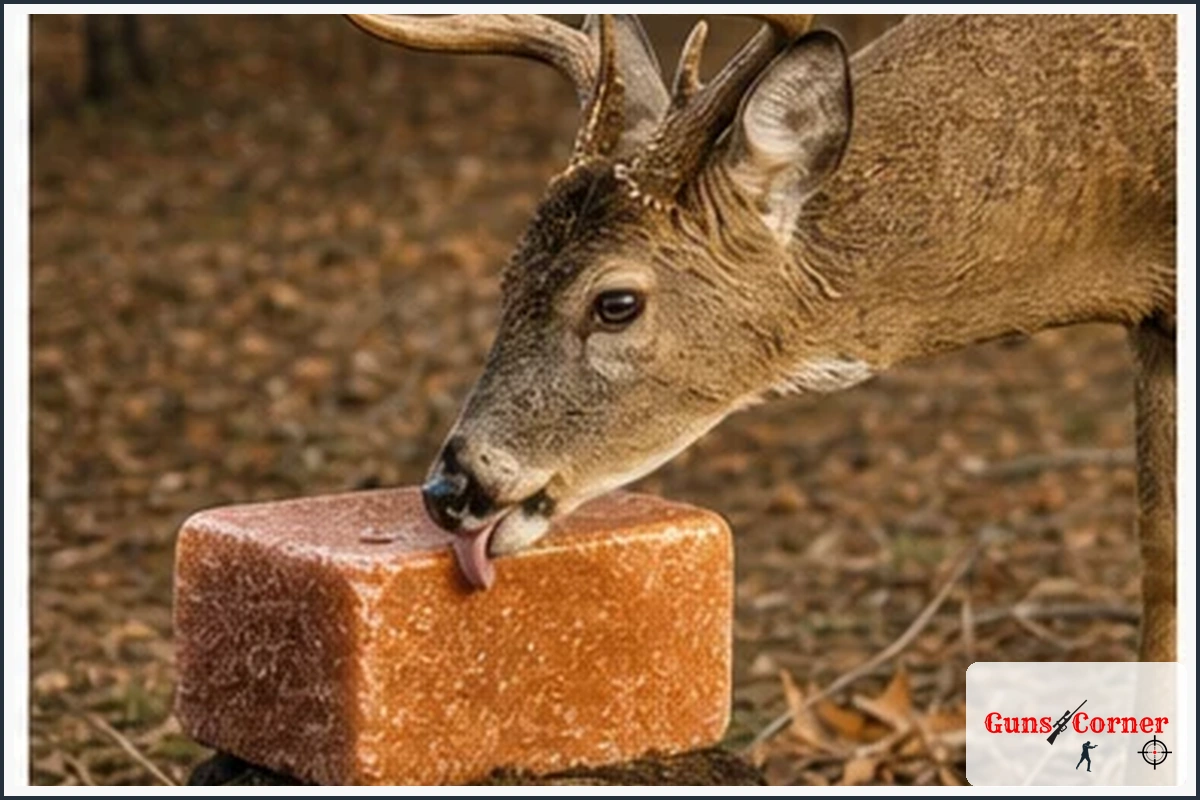
Mineral sites and supplemental feed are regulated differently across jurisdictions and may be prohibited during hunting seasons or entirely. Never assume that a product is legal because it is sold commercially. Check current regulations before placing anything on the ground.
Social and Breeding Activity
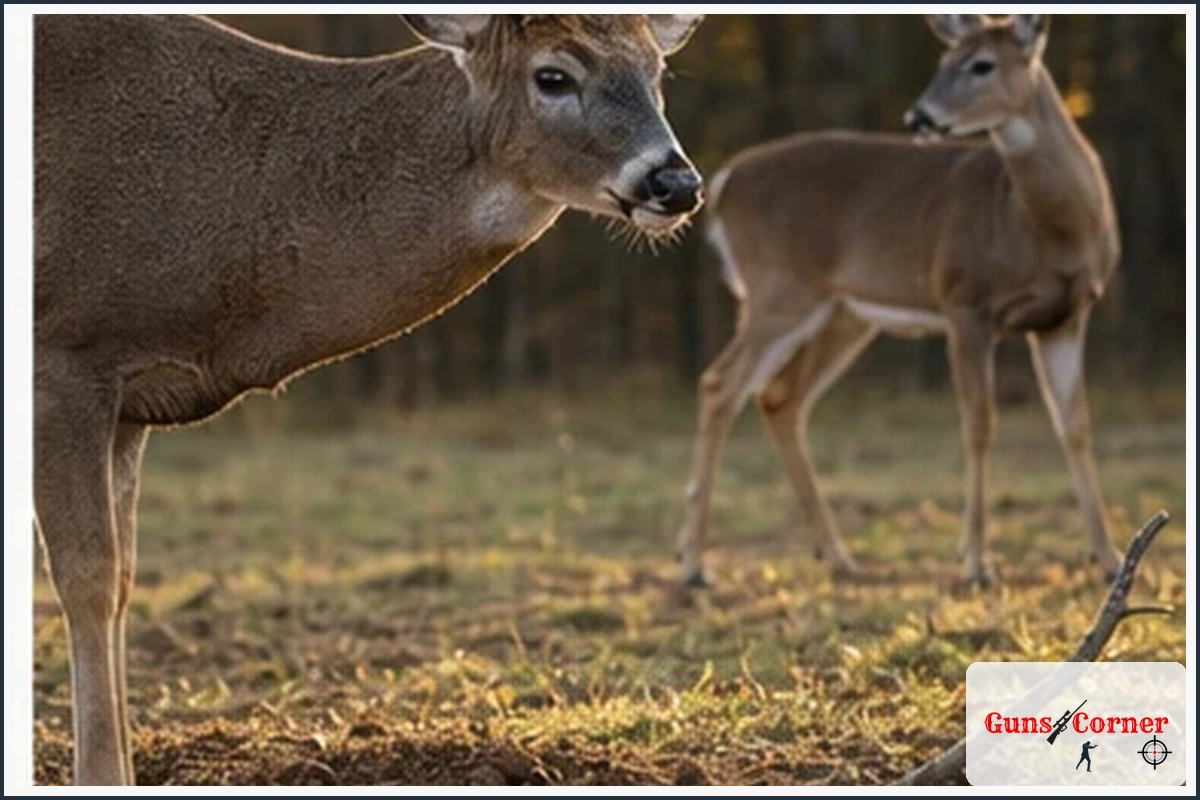
During the pre-rut and rut, bucks may travel more while checking doe groups, scrapes, and travel corridors. Deer calls, scents, or mock scrapes may sometimes create curiosity or suggest deer activity, but they should be used only when legal and sparingly.
How to Attract Bucks Step by Step
Step 1: Check Local Regulations
Start with your official wildlife agency’s current regulations. Confirm rules for baiting, feeding, minerals, scents, calls, food plots, trail cameras, public land, private land, and harvest reporting. If the language is unclear, contact the agency directly before setting up an attraction site.
Step 2: Choose Legal, Suitable Land
On private land, obtain clear permission and learn the property boundaries, gates, livestock areas, and landowner expectations. On public land, use current maps to verify access, legal boundaries, parking rules, and neighboring private parcels.
Step 3: Scout Existing Deer Sign
Look for fresh tracks, droppings, rubs, scrapes, feeding areas, bedding cover, trails, crossings, and tracks entering or leaving thick cover. Fresh sign is usually more valuable than old sign because it shows where deer are currently spending time.
Step 4: Identify the Best Attraction Point
Select an area that connects food, water, and security cover without forcing deer into open or unsafe ground. A natural funnel, field edge, brushy travel corridor, or legal food source may be more effective than an isolated attractant.
Step 5: Improve Habitat Carefully
Where permitted, habitat work can include maintaining native browse, creating varied cover, protecting water sources, or establishing legal food plots. Make changes gradually and avoid destroying mature cover that deer already use.
Step 6: Minimize Human Pressure
Attraction works best when deer feel secure. Limit unnecessary visits, avoid walking through bedding areas, park away from likely travel routes, and plan entry and exit routes that keep your scent and noise away from deer.
Step 7: Use Wind Direction to Your Advantage
Place a blind or stand where prevailing wind carries your scent away from expected deer movement. Check wind direction before every hunt because changing wind can make an otherwise excellent location unsuitable.
Step 8: Consider Legal Scents, Calls, or Mock Scrapes
If legal in your area, a small mock scrape or carefully placed deer scent may add curiosity near an existing travel route. Use minimal disturbance and avoid placing scents where they could create unsafe shot angles or conflict with other hunters.
Step 9: Set Up for a Safe Shot
Choose a position that provides a clear view, a safe backstop, and a practical recovery route. Bowhunters should remain within their practiced effective range. Firearm hunters must identify the target and what lies beyond it before considering a shot.
Step 10: Observe Before Acting
Watch how deer use the area over several outings. Note time of day, wind, weather, pressure, and the direction deer approach. If the site attracts deer only after dark, changing the location or reducing pressure may be more useful than adding another attractant.
Step 11: Take Only an Ethical Opportunity
Harvest only a legal deer when you are confident in the shot, the background is safe, and the animal is within your ability. Passing on an uncertain opportunity is an important part of ethical hunting.
Step 12: Recover, Report, and Care for the Harvest Responsibly
Follow local tagging, reporting, transport, and meat-handling requirements. Recover the deer carefully, cool the meat promptly when practical, and use the harvest respectfully. Avoid wasting edible meat and follow any local disease-testing guidance.
Scouting for Buck Attraction Areas
Scouting should answer three questions: Where are bucks spending time, how are they traveling, and where can you hunt without alerting them?
- Rubs: Look for fresh rubs along travel routes and near cover transitions.
- Scrapes: Active scrapes can indicate communication and seasonal movement.
- Tracks: Track size and direction can help reveal routes, but tracks alone do not prove a buck is nearby.
- Trails: Focus on trails connecting cover, food, and water.
- Bedding areas: Observe from a distance and avoid unnecessary entry.
- Terrain funnels: Saddles, points, creek crossings, and narrow openings can concentrate movement.
Best Time, Place, and Conditions for Attracting Bucks
There is no universal best time because deer behavior varies by region, weather, habitat, hunting pressure, and breeding timing. Bucks may be more visible during the pre-rut and rut, while food and security cover can be more influential during other parts of the season.
- Use cool, stable weather as an opportunity to observe movement.
- Pay attention to wind direction before entering or hunting an area.
- Look for fresh sign after weather changes or periods of reduced pressure.
- Focus on cover transitions, food sources, water, and travel corridors.
- Use public land respectfully and avoid interfering with other hunters.
- Do not assume a property will hold deer simply because it contains food.
Gear and Preparation Checklist
- Valid license, tag, permits, and regulation information
- Legal firearm or bow that you have practiced with
- Required hunter-orange or visibility clothing
- Weather-appropriate clothing and sturdy boots
- Binoculars or appropriate optics
- Map, compass, GPS, or reliable navigation app
- Wind indicator and scent-control basics
- First aid kit, water, snacks, and emergency communication
- Full-body tree-stand harness if applicable
- Gloves, game bags, cooler, and meat-care supplies
- Flashlight or headlamp for safe legal navigation
Helpful Tips for Better Results
- Improve habitat before relying on attractants.
- Place attraction sites near existing deer movement rather than in random locations.
- Protect bedding cover and avoid excessive disturbance.
- Use trail cameras only where legal and in a way that respects neighboring hunters.
- Keep a simple log of wind, weather, deer sign, and observed movement.
- Practice with your firearm or bow before the season.
- Plan your entry and exit route before hunting.
- Use only the amount of scent or calling needed for the situation.
- Leave questionable shots for another opportunity.
Common Mistakes to Avoid
- Assuming bait or minerals are legal everywhere
- Hunting over an attraction site without checking legal distance or season rules
- Walking through bedding areas
- Ignoring wind direction
- Creating too much noise during setup
- Using strong scents repeatedly until deer avoid the area
- Overdeveloping a property and removing natural cover
- Hunting too close to neighboring hunters or property lines
- Failing to plan for meat care and recovery
- Taking a shot beyond your practiced ability
Troubleshooting Common Problems
| Problem | Possible Cause | What to Do |
|---|---|---|
| No bucks are appearing | The site lacks security cover, fresh food, or a natural travel route. | Scout again and reposition near fresh sign, cover, food, or water. |
| Deer appear only after dark | Hunting pressure, poor wind, or excessive disturbance. | Reduce visits, improve entry routes, and check whether the setup is legal and downwind. |
| Deer avoid the attraction site | Too much scent, noise, artificial disturbance, or an unfamiliar object. | Remove unnecessary disturbance and allow the area to settle. |
| Wind keeps changing | Terrain and weather are creating unpredictable airflow. | Choose a more consistent location or do not hunt that setup. |
| You are unsure whether bait is legal | Rules differ by location, season, and land type. | Contact the official wildlife agency before placing any food or attractant. |
| Property boundaries are unclear | Old maps, missing signs, or irregular parcels. | Verify boundaries with current maps and landowner permission before entering. |
| You find a deer but cannot make a safe shot | Obstructed view, unsafe background, poor angle, or excessive distance. | Pass on the opportunity and wait for a safe, ethical shot. |
Ethical Hunting and Conservation
Ethical deer hunting means following the law, respecting wildlife, and accepting that not every hunt should end with a harvest. Use attraction methods to improve observation and opportunity, not to eliminate fair-chase principles or encourage unsafe shooting.
- Obey seasons, bag limits, tagging rules, and access regulations.
- Respect landowners, other hunters, hikers, and local communities.
- Pass on unsafe, uncertain, or low-percentage shots.
- Recover game promptly and avoid wasting edible meat.
- Remove trash, wire, and unused materials from the property.
- Support conservation through licenses, habitat work, and responsible participation.
When to Get More Training or Professional Guidance
Seek additional instruction if you are new to hunting, uncertain about firearm or bow safety, unfamiliar with local regulations, or unsure how to identify legal access and safe shot opportunities.
Helpful resources include official hunter education courses, wildlife agencies, certified shooting or archery instructors, experienced ethical mentors, and local conservation organizations.
After the Hunt: Gear Care and Learning
Clean and dry equipment, inspect firearms or bows according to manufacturer guidance, recharge communication devices, and replace used first-aid supplies. Record what you learned about wind, weather, deer sign, access routes, and hunting pressure. These notes can improve future scouting without requiring unnecessary disturbance.
Recommended Hunting Gear and Tools to Consider
You do not need expensive equipment to hunt responsibly. Choose gear based on local laws, terrain, weather, hunting method, safety needs, and experience level.
- Legal firearm or bow suited to your training
- Reliable boots and weather-appropriate clothing
- Required visibility clothing
- Binoculars and a wind indicator
- Map, compass, GPS, or hunting app
- First aid kit and emergency communication
- Full-body harness for tree-stand hunting
- Gloves, game bags, cooler, and meat-care supplies
Final Thoughts
Knowing how to attract bucks starts with legal preparation, habitat awareness, scouting, wind management, and low-pressure hunting. Food, cover, water, social activity, and natural travel routes can all influence buck movement, but none guarantees success. Hunt patiently, practice your equipment, respect wildlife and property boundaries, and take only safe, ethical opportunities.
Frequently Asked Questions
What is the best way to attract bucks?
The most dependable approach is to provide or identify suitable food, security cover, water, and low-pressure travel routes. Always follow local regulations.
Can you attract bucks without bait?
Yes. Habitat improvement, natural food, cover, water, legal mock scrapes, careful scouting, and reduced disturbance can all influence deer use.
Is baiting legal for deer hunting?
It depends on your location, season, land type, and current regulations. Verify the rules with your official wildlife agency before using bait.
Are mineral blocks legal for attracting bucks?
Mineral regulations vary. A commercially sold product is not automatically legal for hunting use, so check current local rules.
Do food plots attract bucks?
Legal food plots can provide forage and may influence deer movement, especially when connected to cover. They do not guarantee that mature bucks will appear during daylight.
What foods attract bucks?
Natural browse, mast, agricultural crops, shrubs, and other local forage may attract deer. The legal use of supplemental feed varies by location.
Does water attract bucks?
Water can be useful, especially during hot or dry periods, but deer usually choose water in combination with food, cover, and safe travel routes.
Do mock scrapes attract bucks?
A legal mock scrape may encourage investigation when placed near existing deer travel. Use minimal disturbance and confirm that mock scrapes and scent use are allowed.
Do deer calls attract bucks?
Calls may create curiosity or imitate social sounds, particularly during certain seasonal periods. Use only legal calls and avoid excessive calling.
Does doe urine attract bucks?
Some hunters use doe-based scents during the pre-rut or rut, but results vary. Check scent regulations and use products responsibly.
What is the best time of year to attract bucks?
The best period depends on regional breeding timing, habitat, weather, and hunting pressure. Pre-rut and rut activity can increase buck movement, but local conditions matter.
What time of day are bucks easiest to attract?
Movement often occurs around transitions between bedding and feeding areas, but daylight activity varies with pressure, weather, season, and human disturbance.
Where should you place a buck attraction site?
Choose a legal location near existing sign, secure cover, food, water, and a practical travel route. Keep your hunting position downwind and maintain a safe shooting background.
How do I know if bucks are using an area?
Look for fresh rubs, scrapes, tracks, droppings, trail activity, and camera observations where legal. Fresh sign is generally more useful than old sign.
How important is wind direction?
Wind is critical because deer may detect human scent before you see them. Avoid hunting a setup when your scent is likely to blow toward bedding or travel routes.
Can too much scent hurt a hunting area?
Repeated human intrusion and strong artificial scents can make deer cautious. Minimize disturbance and allow the area to settle.
Will attracting bucks make them move during daylight?
Not necessarily. Hunting pressure, cover, weather, breeding activity, and human disturbance often determine whether deer move during legal shooting hours.
How can I attract bucks on a small property?
Protect bedding cover, improve legal forage, provide security, limit intrusion, and focus on travel routes. A small property may attract deer without holding them throughout the year.
Can I attract bucks on public land?
Only if the method is legal on that public land and under current regulations. Verify boundaries, baiting rules, access, and any agency-specific restrictions.
Do I need landowner permission to attract deer?
Yes, you need permission before entering or altering private property. Discuss food plots, minerals, cameras, stands, gates, and cleanup with the landowner.
What gear do I need to hunt over an attraction site?
You need legal hunting equipment, suitable clothing, navigation tools, safety gear, optics when useful, and supplies for emergency planning and responsible game care.
Should I use a blind or tree stand?
Either can work when legal and positioned safely. Tree-stand hunters should use a full-body harness, maintain three points of contact while climbing, and follow manufacturer instructions.
How far should I shoot at a buck?
Stay within the distance you can consistently and ethically handle through practice. Bowhunters and firearm hunters should never exceed their safe effective range.
What should I do if a buck approaches from an unsafe direction?
Do not force the opportunity. Wait for a safe background and clear target, or pass on the shot.
What if I see a buck outside legal shooting hours?
Do not shoot. Follow the legal hunting hours for your location and record the observation for future planning.
Why are bucks avoiding my property?
Possible causes include poor cover, heavy pressure, unsuitable wind, human disturbance, neighboring property activity, or changing seasonal behavior.
Should I enter bedding cover to set up an attraction site?
Usually avoid unnecessary entry into bedding areas. Scout from a distance and use travel routes or property edges when possible.
How often should I check a buck attraction site?
Check it only as often as necessary and when legal. Frequent visits can add scent and pressure, especially on smaller properties.
Can trail cameras help attract bucks?
Trail cameras do not attract deer by themselves, but they can help document movement where legal. Use them without excessive visits or disturbance.
What should I do if regulations are unclear?
Stop and contact your official wildlife agency or a conservation officer before using the method. Do not rely only on product labels or online comments.
How can I attract bucks safely around livestock?
Keep hunting areas, attractants, and equipment away from livestock and follow landowner instructions. Never shoot toward livestock or occupied areas.
Should I use a deer decoy?
Decoys may be legal and useful in some situations, but regulations vary. Use them only where permitted and maintain safe visibility and shot angles.
Can human scent completely ruin a hunting area?
One mistake does not always ruin an area, but repeated intrusion can change deer behavior. Reduce visits and improve wind and entry-route planning.
What should I do after harvesting a buck?
Follow local tagging, reporting, transport, disease-testing, and meat-handling requirements. Recover the deer responsibly and cool the meat as soon as practical.
How can I improve after an unsuccessful hunt?
Review your scouting notes, wind, weather, access route, deer sign, and timing. Change one factor at a time so you can learn what influenced the result.
Is attracting bucks ethical?
It can be ethical when legal, carefully managed, and consistent with fair-chase principles. The hunter remains responsible for safe decisions, respect for wildlife, and avoiding waste.
Should beginners hunt with a mentor?
Yes. An experienced, ethical mentor can help with regulations, safe equipment handling, scouting, shot decisions, recovery, and local field conditions.
Where can I learn more about deer hunting rules?
Use your state or provincial wildlife agency, official hunter education program, and local conservation organizations as primary authorities.
Read more: