
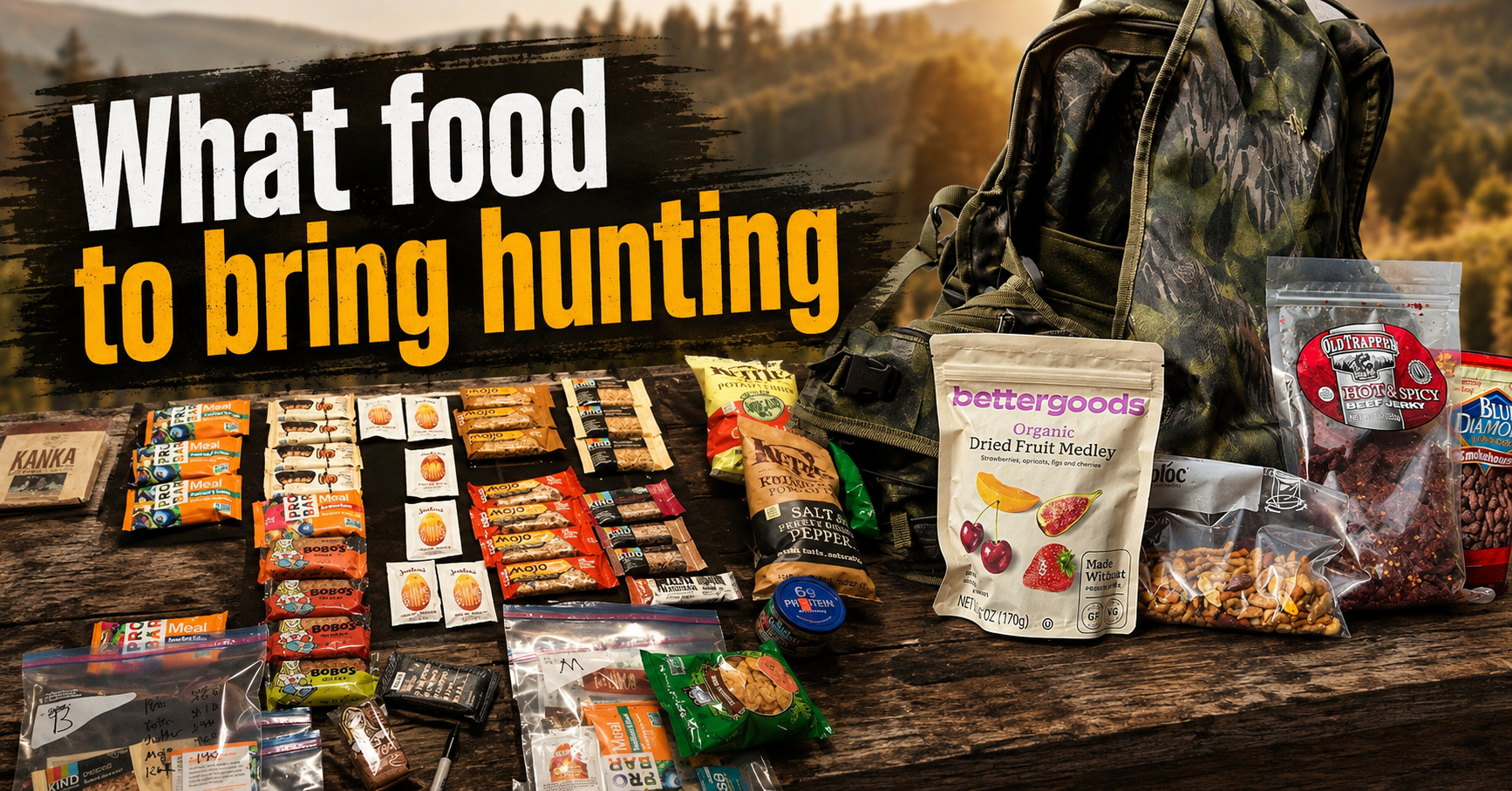

Knowing what food to bring hunting is mostly a planning problem: the food must fit the trip length, workload, weather, water supply, cooking setup, food-storage rules, and your own dietary needs. A quiet half-day stand hunt needs a different menu from a seven-day backcountry elk hunt, and a cooler-based camp can safely carry foods that do not belong unrefrigerated in a day pack.
This guide is for new and experienced hunters packing food for themselves. It does not cover bait or food placed for wildlife. The goal is a simple menu that you will actually eat, that supplies a practical mix of carbohydrates, protein, and fat, and that stays safe from the kitchen to the last mile.
Quick Answer: What Food to Bring Hunting
For most day hunts, bring water plus two or three familiar shelf-stable snacks such as trail mix, jerky, a nut or seed butter packet, dried fruit, and an energy bar, then add a tortilla-based lunch for a full day. For an overnight or backcountry hunt, include instant oatmeal, tuna or chicken pouches, dehydrated meals, quick-cooking starches, drink mix, and one sealed emergency food portion. Use a cooler and cold source for perishable sandwiches, dairy, cooked meat, or fresh camp meals. Check allergen labels, pack out every scrap, treat uncertain water, and follow current bear-resistant food-storage and fire restrictions.
Hunting Food Plan by Trip Type
| Hunt Type | Food Priority | Practical Examples | Storage Method | Main Mistake to Avoid |
|---|---|---|---|---|
| Half-day stand or blind hunt | Quiet, simple, no cooking | Soft bar, nut butter packet, jerky, dried fruit | Small resealable pouch kept within reach | Taking noisy wrappers or foods that crumble |
| Full-day mobile hunt | Balanced lunch plus repeatable snacks | Tortilla wrap, tuna pouch, trail mix, fruit, backup bar | Shelf-stable pack or insulated bag for perishables | Eating the emergency portion early |
| Cold all-day hunt | Foods that remain chewable and a warm option | Oatmeal, soft bars, jerky, soup, hot drink | Insulated bottle and protected food pouch | Letting water freeze or packing rock-hard snacks |
| Hot-weather early season | Water, familiar foods, manageable sodium, cooling plan | Crackers, nut butter, dried fruit, pouch meal, electrolyte mix when appropriate | Water reservoir plus shaded or insulated food storage | Relying on food while underpacking water |
| Overnight backcountry hunt | Low weight, low bulk, shelf stability | Oatmeal, tortillas, jerky, nuts, dehydrated dinner | Approved animal-resistant storage where required | Forgetting stove fuel, water needs, or cooking instructions |
| Vehicle or cabin base camp | Variety and safe cold storage | Eggs, sandwiches, fresh produce, cooked meals, shelf-stable backup | Cold cooler, refrigerator, or freezer as appropriate | Cross-contaminating ready-to-eat food with raw meat or harvested game |
Safety Before Menu Planning
The USDA Food Safety and Inspection Service recommends planning meals in advance, keeping perishable food cold with a suitable cold source, separating raw food from ready-to-eat food, and cleaning hands before food handling. If reliable refrigeration is not available, choose foods whose current label says they are shelf-stable.
Water planning is as important as food planning. Start with enough safe water for the route, conditions, and an unexpected delay. Do not assume a clear stream is safe. The CDC advises boiling uncertain water or filtering and then disinfecting it, following the directions for the treatment system.
Food is also a wildlife attractant. Bear-country rules differ by park, forest, wilderness, and season. A specific area may require an approved bear-resistant container, food locker, vehicle storage, or another method. The National Park Service treats food, trash, toiletries, and many scented items as part of the storage system. Read the current land-manager order before packing; do not assume a soft cooler, food hang, or ordinary dry bag is accepted.
Make any firearm or bow safe before opening the pack, cooking, or eating. Treat every firearm as loaded, keep the muzzle pointed in a safe direction, keep the finger outside the trigger guard until ready to shoot, and be certain of the target and what is beyond it. Store food so reaching for a snack never requires unsafe handling or loss of muzzle control.
17 Smart Foods to Bring Hunting
1. Trail Mix
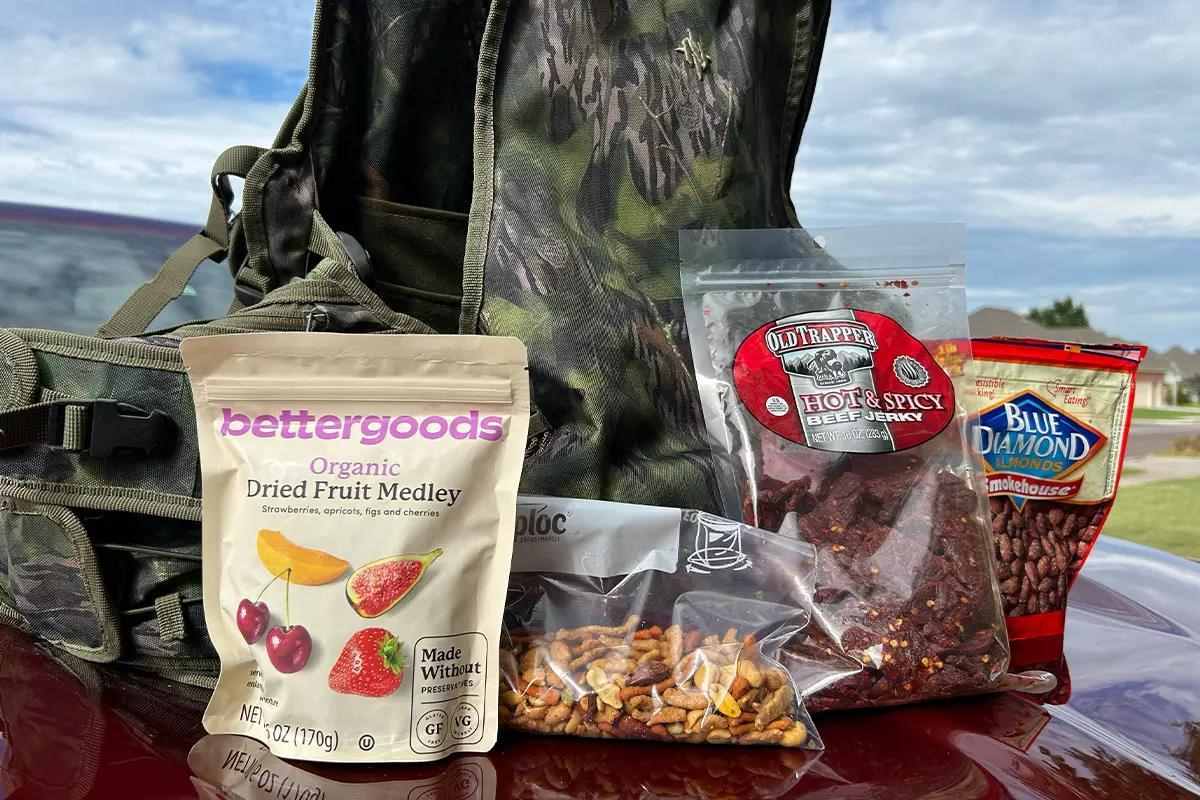
Trail mix combines shelf-stable ingredients in a small space and can be eaten without cooking. Nuts or seeds, dried fruit, cereal pieces, and a modest sweet component provide variety. Build it around foods you already tolerate, not an unfamiliar mix first tried miles from the trailhead.
Portion it before the hunt so the entire supply is not exposed each time. In hot weather, chocolate pieces may melt; in cold weather, large candy pieces can become hard.
2. Nuts and Seeds
Almonds, peanuts, cashews, sunflower seeds, pumpkin seeds, and similar choices pack easily and require no preparation. Unsalted or lightly salted options allow more control over thirst and sodium, while individual needs vary with diet and sweating.
Nut allergies can be severe. Use seed-based alternatives when needed, check cross-contact warnings, and never share unverified food with a hunting partner who has an allergy.
3. Nut or Seed Butter Packets
Single-serving peanut, almond, sunflower-seed, or other butter packets are compact and easy to pair with tortillas, crackers, oatmeal, or dried fruit. Packets reduce the mess of carrying a full jar.
Inspect seals before packing and contain oily packets in a secondary pouch. Very cold temperatures can make them stiff, so keep the day’s packet in an inner pocket without overheating it.
4. Jerky and Shelf-Stable Meat Sticks
Commercial jerky and meat sticks can add protein without a cooler when the unopened label confirms shelf stability. Choose a texture you can chew quietly and a flavor you know will not upset your stomach.
Homemade wild-game jerky requires a validated food-safety method, careful drying, clean handling, and proper storage. Do not assume all smoked or dried meat is shelf-stable.
5. Energy or Protein Bars
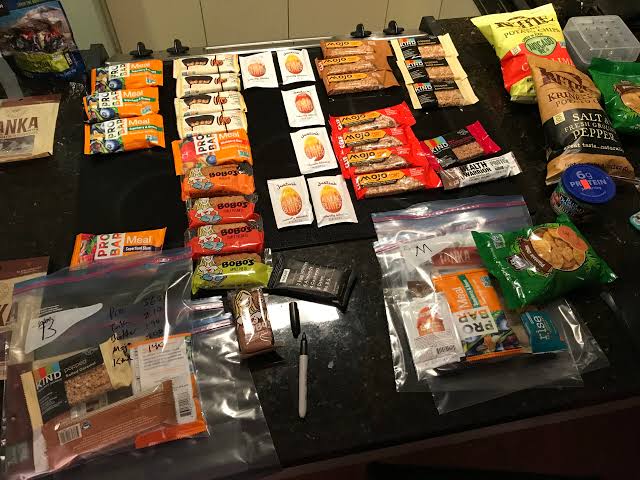
Bars are easy to count, distribute, and keep as a reserve. Read the ingredient and allergen label, and choose a bar that balances taste with the amount of carbohydrate, protein, fat, and fiber that works for you.
Test the bar at the temperature of the hunt. Some become brittle or nearly unchewable in the cold, while coated bars can melt in a warm pocket.
6. Dried Fruit
Raisins, dates, apricots, cranberries, mango, and other dried fruit provide a compact carbohydrate source. They combine well with nuts and oatmeal and do not bruise like fresh fruit.
Dried fruit is concentrated and can be sticky. Portion it, drink water with it, and choose unsweetened versions when that better fits your needs.
7. Durable Fresh Fruit
Apples, oranges, or other firm fruit can add moisture and a change from dry pack food on a day hunt. Protect fruit from crushing and treat peels, cores, and seeds as trash to pack out.
Fresh fruit adds water weight and may freeze. It is better for a short hunt or base camp than an extended trip where every ounce and bear-canister space matters.
8. Tortillas and Flatbread
Tortillas resist crushing better than many loaves and can hold nut butter, tuna, chicken, shelf-stable cheese products, or a cold-stored filling. They also work as a quick starch alongside soup or a dehydrated dinner.
Check the package storage instructions after opening. Do not combine tortillas with perishable meat, dairy, or spreads unless the complete meal remains safely cold.
9. Tuna, Salmon, or Chicken Pouches
Unopened shelf-stable pouches provide a compact lunch component without the weight and sharp edges of many cans. They can be eaten with tortillas or crackers and require little cleanup.
Read the label because products and storage directions vary. Once opened, eat promptly and pack out the oily pouch in a sealed trash bag; never rinse food residue into a stream.
10. Shelf-Stable Cheese or Properly Chilled Cheese
Some individually packaged cheese products are labeled shelf-stable, while ordinary cheese and cheese-filled sandwiches may require refrigeration. Use the current label rather than assuming a hard texture makes a product safe in every temperature.
For a cooler-based hunt, chilled cheese pairs well with tortillas and crackers. Keep it separated from raw meat and return it to the cold source promptly.
11. Crackers and Pretzels
Crackers and pretzels are easy carbohydrates that pair with nut butter, pouch meat, or cheese. Choose sturdy shapes and pack them in a rigid or semi-rigid container to reduce crumbs.
Dry, salty snacks increase the need for water. They should accompany a hydration plan rather than replace a balanced meal.
12. Instant Oatmeal
Oatmeal is a compact breakfast for camp or a warm midday option in cold weather. Add dried fruit, powdered milk, nuts, seeds, or nut butter to increase variety.
It requires safe hot water, a container, fuel, and cleanup. If fires or stoves are restricted, use a no-cook breakfast instead of assuming you can heat water.
13. Granola or Dry Cereal
Granola and dry cereal can be eaten alone, mixed with powdered milk prepared using safe water, or added to trail mix. Pre-portioning makes breakfast faster and reduces excess packaging.
High-fiber products may be uncomfortable for some hunters during strenuous activity. Test your choice during training hikes.
14. Instant Rice, Potatoes, Noodles, or Soup
Quick-cooking starches provide a warm camp meal without the long fuel demand of conventional dry beans or whole grains. Look for products that match the available pot, stove, safe water, and fuel.
Some instant meals are high in sodium and may not provide enough protein or variety by themselves. Read the label and combine thoughtfully rather than relying on one product for the whole trip.
15. Freeze-Dried or Dehydrated Meals
Commercial freeze-dried meals and properly dehydrated homemade meals reduce water weight in the pack. They are useful when safe water and a legal stove are available at camp.
Check serving size, allergens, preparation time, water quantity, package disposal, and whether the food can be prepared without pouring greasy wastewater on the ground. Homemade dehydration requires reliable food-safety procedures; fat and residual moisture can shorten storage life.
16. A Small Quick-Carbohydrate Option
A few chews, hard candies, fruit snacks, or a small chocolate portion can provide a convenient food when appetite drops or a climb takes longer than planned. This is a supplement, not the foundation of the menu.
Heat can melt chocolate and cold can harden candy. Keep sugary foods sealed, account for any medical dietary restrictions, and pack every wrapper out.
17. A Sealed Emergency Food Portion
Reserve one compact, shelf-stable portion for an unexpected night, navigation delay, injury, weather hold, or longer game recovery. A bar, nut butter, trail mix, or other familiar food can fill this role.
Label it as emergency food and keep it separate from normal snacks. Food does not replace shelter, first aid, navigation, communication, lighting, or the judgment to turn around before conditions become unsafe.
Water and Electrolytes Belong in the Food Plan
Do not choose food first and hope that a small bottle will be enough. Water need changes with temperature, humidity, altitude, body size, clothing, pack weight, workload, and trip duration. Start hydrated, carry a route-specific amount with a reserve, identify reliable refill points, and know whether those sources are flowing before departure.
During prolonged sweating, a balanced electrolyte drink may be useful. The CDC’s heat-stress guidance supports water for moderate work and balanced electrolyte drinks when sweating continues for several hours. Too much plain water or concentrated electrolyte mix can also create problems, so follow product directions and seek medical guidance for fluid restrictions, kidney disease, heart disease, diabetes, or other relevant conditions.
Carry a backup treatment method on remote hunts. Filters have different capabilities, and not every filter removes viruses, bacteria, and parasites. Practice at home, maintain the device, prevent freezing damage where applicable, and follow the manufacturer’s treatment time and replacement schedule.
How Much Food Should You Pack?
There is no safe universal calorie number for every hunter. Needs vary with body size, age, fitness, health, altitude, cold, heat, distance, pack load, and whether the day is mostly sitting or climbing. Use previous training days to learn what you actually eat and tolerate.
- Write the trip timeline. Count breakfasts, trail snacks, lunches, dinners, hot drinks, and the emergency reserve.
- Match food to effort. Put easy-to-eat food where the route is strenuous and fuller meals where a safe stop is realistic.
- Check every label. Confirm servings, allergens, storage, preparation, water needs, and use-by dates.
- Weigh a complete day. Include packaging, stove fuel, water needed for cooking, bear storage, and trash capacity.
- Test it in training. Take the menu on a hike with similar distance and weather before relying on it during a hunt.
- Add one controlled reserve. Plan for a delay without turning every trip into an unnecessarily heavy food carry.
Sample Full-Day Hunting Menu
| Time | Example | Why It Fits | Alternative |
|---|---|---|---|
| Before departure | Oatmeal with dried fruit and nut butter | Familiar mixed breakfast before the pack is loaded | Egg-and-tortilla breakfast kept safely hot or cold |
| Morning snack | Trail mix | Fast, portionable, no cooking | Seed mix for a nut-free diet |
| Lunch | Tuna pouch and tortillas | Shelf-stable before opening and resistant to crushing | Nut butter tortilla or a safely chilled sandwich |
| Afternoon snack | Jerky and dried fruit | Mix of savory protein and carbohydrate | Energy bar and crackers |
| Emergency reserve | Sealed bar or nut butter packet | Remains untouched unless the day runs long | Small labeled bag of trail mix |
| Throughout the day | Safe water; electrolyte mix if conditions and personal needs warrant | Hydration planned alongside food | Treated refill water with a backup method |
This is an example, not a medical diet or a fixed ration. Adjust it for allergies, cultural preferences, health conditions, weather, exertion, and trip length. A registered dietitian or clinician can help with diabetes, kidney or heart conditions, severe allergies, gastrointestinal disease, or other medical needs that complicate backcountry nutrition.
Cold-Weather, Hot-Weather, and Altitude Adjustments
Cold Weather
Pack foods that remain chewable below freezing, insulate water, and keep a no-cook meal available in case a stove fails. Cold can reduce thirst and appetite even while the body is working. A warm drink or meal can improve comfort, but never depend on a fire where fire restrictions, wet fuel, wind, or treeless terrain make it unavailable.
Hot Weather
Food must tolerate pack heat or remain cold. Favor familiar, easy-to-eat portions and schedule shade and cooling breaks. Water and heat planning take priority over carrying an elaborate lunch. Stop activity and seek appropriate help for confusion, fainting, severe weakness, or other signs of heat illness.
Altitude
Appetite, digestion, and hydration can change at elevation. Ascend conservatively, choose tested foods, drink appropriately, and do not interpret severe headache, confusion, poor coordination, breathing difficulty at rest, or rapidly worsening symptoms as simple hunger. Descend and seek medical help when altitude illness is suspected.
Food Storage in Bear and Wildlife Country
Storage requirements are location-specific. For example, Grand Teton National Park requires food, trash, toiletries, and other odorous items to be stored in an approved bear canister in applicable backcountry settings. Another land unit may provide lockers, approve a different method, or require a specific canister model. Follow the rule for the exact trip rather than copying a technique from another state.
- Keep food, trash, cooking residue, and scented items secured whenever they are not in active use.
- Do not sleep with food or scented products in the tent.
- Keep cooking and storage areas separated from the sleeping area as the land manager directs.
- Never leave a pack containing food unattended.
- Pack out scraps, grease, wrappers, tea bags, fruit peels, and uneaten food.
- Do not burn trash or bury food waste.
- Do not assume a vehicle is approved overnight storage; some parks require lockers because bears enter vehicles.
- Carry bear spray only where lawful, keep it accessible, and obtain instruction; it does not replace correct food storage.
Food Safety at a Vehicle or Cabin Camp
A vehicle-access camp permits more fresh food, but a cooler is not automatically cold enough. Start with chilled or frozen food, use a sufficient cold source, limit how often the lid opens, keep the cooler shaded, and use a thermometer when practical. Discard perishable food when safe temperature control has been lost.
Separate raw meat and poultry from ready-to-eat items, preferably in different coolers. Keep harvested game meat and its drainage away from lunch food, beverages, utensils, and clean ice. Wash hands with soap and safe water when available; otherwise use an appropriate sanitizer until proper washing is possible.
If cooking raw meat, use a clean food thermometer and current USDA guidance rather than color or guesswork. Check fire restrictions before operating a stove, stabilize it on a suitable surface, ventilate appropriately, and keep combustion appliances outside tents and enclosed sleeping spaces unless the equipment and shelter are specifically designed and approved for that use.
Common Hunting-Food Mistakes
- Packing only protein: Jerky alone becomes monotonous and does not replace carbohydrates, fats, water, or a varied diet.
- Taking untested food: New supplements, spicy meals, or high-fiber bars can cause stomach trouble at the worst time.
- Forgetting preparation water: Dehydrated meals reduce carried food weight but increase water and fuel needs.
- Counting on a stove: Mechanical failure, wind, cold, or fire restrictions can remove the only cooking method.
- Using ordinary sandwiches without cold control: Many fillings are perishable even when the bread appears fine.
- Eating the reserve early: Keep emergency food separate and labeled.
- Ignoring wrapper noise and crumbs: Repackage responsibly while preserving labels and pack out every piece.
- Underestimating scent storage: Sealed commercial packaging is not automatically bear-resistant.
- Mixing food with harvested game: Blood, hair, dirt, and raw tissue can contaminate ready-to-eat items.
- Replacing water with caffeine or alcohol: Carry safe water as the foundation of the hydration plan and avoid alcohol while hunting.
Pre-Hunt Food Checklist
- Menu matches the number of meals, expected effort, and trip duration.
- Every product is within date and its package is intact.
- Allergens and medical dietary needs have been checked.
- Perishable food has a reliable cold source and safe storage plan.
- Water quantity, refill points, treatment, and backup treatment are confirmed.
- Stove, fuel, ignition, pot, utensil, and fire restrictions are accounted for.
- Approved bear or wildlife storage has enough volume for food, trash, and scented items.
- One sealed emergency portion remains separate.
- Trash and leak bags are packed.
- Food can be reached without unsafe firearm or bow handling.
- A trip plan and turnaround time have been shared with a responsible person.
Final Answer: What Food to Bring Hunting
What food to bring hunting comes down to familiar, safe, compact foods that match the duration and conditions. A day hunter can combine trail mix, jerky, dried fruit, nut or seed butter, a bar, a tortilla lunch, and a sealed reserve. An overnight hunter can add oatmeal, pouch meat, quick-cooking starches, and dehydrated dinners, provided safe water, fuel, and legal food storage are available.
Water, refrigeration, wildlife storage, fire restrictions, and medical needs can change the menu more than taste does. Test the plan before the season, keep perishables cold, treat uncertain water, separate ready-to-eat food from raw game, pack out all waste, and make equipment safe before eating or cooking.
FAQs
1. What is the best food to bring hunting?
The best choice is familiar, shelf-stable food that fits the trip. Trail mix, jerky, nut or seed butter, dried fruit, bars, tortillas, and pouch meat cover many day hunts without cooking.
2. What should I bring for a half-day hunt?
Bring safe water, one or two small snacks, and a compact emergency portion. A soft bar, trail mix, or nut butter packet is usually simpler than a full meal.
3. What should I bring for an all-day deer hunt?
Pack water, two or three snacks, a lunch, and one reserve portion. A tortilla with shelf-stable filling, jerky, dried fruit, trail mix, and a bar is a practical no-cook combination.
4. What should I eat before hunting?
Choose a familiar balanced meal that you know digests comfortably, such as oatmeal with nuts or eggs with a tortilla. Avoid experimenting with unusually rich or spicy food before a strenuous day.
5. What food is best for a backcountry hunt?
Use low-bulk shelf-stable food such as oats, tortillas, nuts, nut butter, jerky, pouch meat, dried fruit, and dehydrated meals. Include the water, fuel, packaging, and required bear storage in the weight calculation.
6. How much food should I pack per day?
No single amount fits everyone. Build a meal-and-snack timeline, test it during similar training days, then add a controlled reserve for delay or extra effort.
7. Are sandwiches safe in a hunting pack?
It depends on the filling and temperature control. Perishable meat, dairy, eggs, and prepared salads need safe cold storage; use an insulated bag with a cold source or choose shelf-stable ingredients.
8. Is jerky good hunting food?
Commercial shelf-stable jerky is compact and convenient, but it should be one part of a varied menu. Homemade jerky is safe only when prepared and stored using a validated method.
9. Can I bring cheese without a cooler?
Only when the specific unopened product label confirms shelf stability. Ordinary cheese and cheese sandwiches may require refrigeration, regardless of how firm the cheese feels.
10. What are quiet snacks for a tree stand?
Soft bars, jerky strips, nut butter packets, dried fruit, and soft tortillas are relatively quiet. Repackage carefully before the hunt while retaining ingredient and allergen information.
11. Will food odor scare deer?
Deer can detect many odors, but their response varies with familiarity, wind, pressure, and individual behavior. Keep food sealed, control crumbs and trash, and avoid claiming any snack is completely scent-free.
12. Is fresh fruit worth carrying?
It can be pleasant on a day hunt, but it adds water weight, bruises, freezes, and uses storage volume. Pack every peel, core, and seed out.
13. Are nuts good for cold-weather hunting?
Nuts remain compact and shelf-stable, though some become harder in deep cold. Test them at the expected temperature and use a seed alternative for allergies.
14. Should I bring chocolate hunting?
A small portion can be a useful quick-carbohydrate or morale food. It melts in heat and hardens in cold, so package it for the conditions and do not make it the main meal.
15. Are energy gels necessary?
No. Some hunters like them during strenuous climbs, while others prefer ordinary food. Use only products already tested during training and take them with water as the label directs.
16. Should I bring electrolyte tablets?
They may help during prolonged sweating, heat, or heavy exertion, but needs vary. Follow the label, continue drinking appropriate water, and seek medical guidance if you have fluid or electrolyte restrictions.
17. How much water should I bring hunting?
Base the amount on heat, humidity, altitude, exertion, clothing, route length, refill reliability, and an emergency delay. Local park guidance may provide a minimum for its climate, but no nationwide number fits every hunt.
18. Can I drink directly from a clear stream?
No. Clear natural water can still contain pathogens. Boil it or use an appropriate filter-and-disinfection method according to current CDC and manufacturer guidance.
19. Do I need a water filter for a day hunt?
Not if you carry enough safe water for the route and delay margin. A filter or backup treatment becomes more important when refilling is part of the plan.
20. Can I keep food in my tent?
Not in bear country or anywhere local rules prohibit it. Food, trash, toiletries, and other scented items often require an approved container or locker away from the sleeping area.
21. Is a normal cooler bear-resistant?
Usually not. Some land managers expressly reject ordinary coolers as approved bear storage. Use the exact container or locker required for the area.
22. Should I hang food from a tree?
Only where the land manager allows hanging and you can meet its method. Some areas require hard-sided canisters or lockers and prohibit or discourage food hangs.
23. What should I do with food wrappers?
Seal them with all crumbs, grease, peels, and scraps, store them like food in wildlife country, and pack them out. Do not burn or bury trash.
24. How should I separate lunch from harvested game meat?
Use separate sealed containers or coolers and prevent drainage, hair, dirt, raw tissue, knives, or gloves from contacting ready-to-eat food and clean ice.
25. What emergency food should stay in my pack?
Choose one compact, familiar, shelf-stable portion such as a sealed bar, nut butter packet, or trail mix. Replace it when damaged, expired, or eaten.
Read more: