
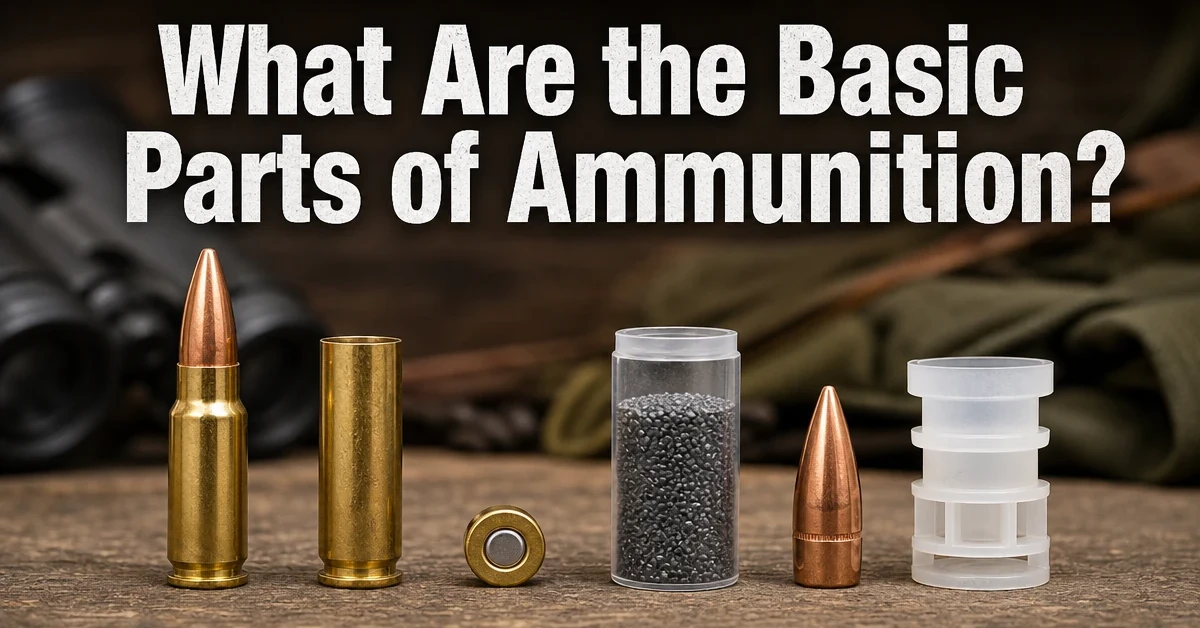

What are the basic parts of ammunition? Most modern ammunition has four primary components: the case, primer, propellant, and projectile. Shotshells also use a wad, which separates the propellant from the shot or slug. Understanding these parts helps hunters identify ammunition correctly, follow firearm manuals, and handle cartridges safely.
The Four Basic Parts of Ammunition
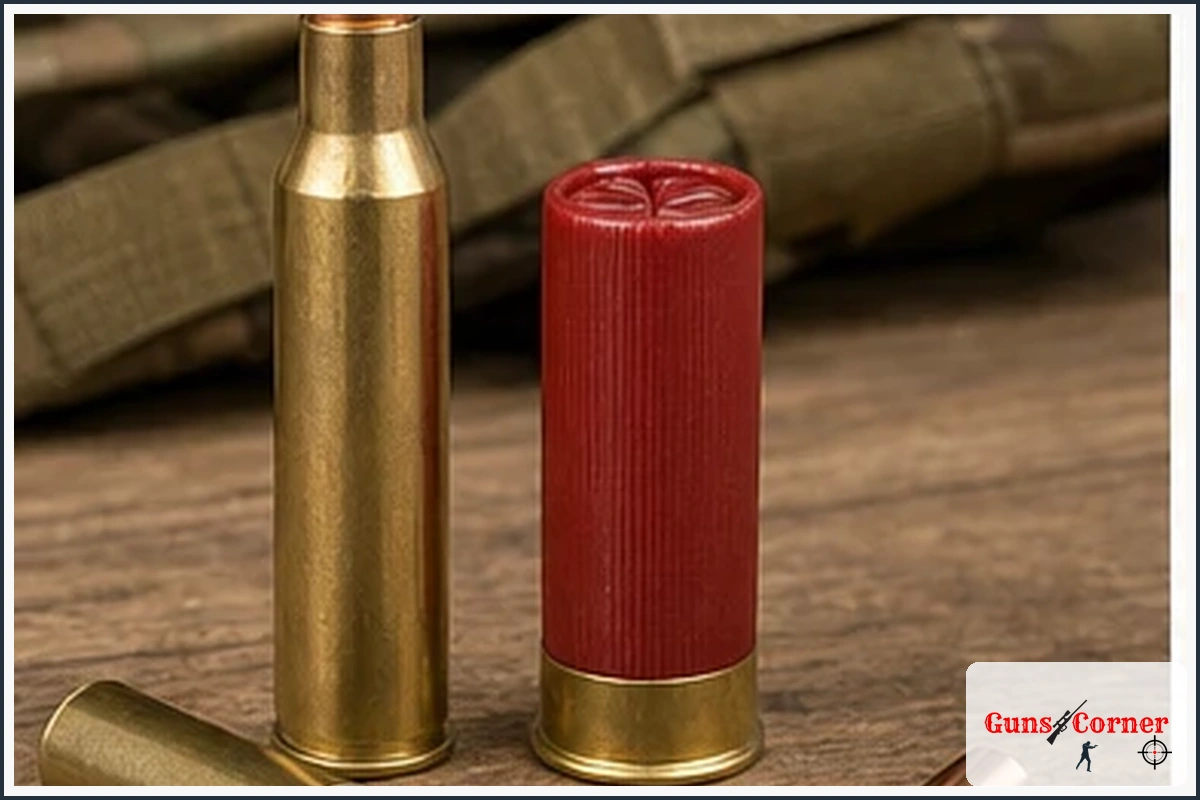
| Part | Primary purpose | Where it is found |
|---|---|---|
| Case | Holds and supports the other components | Outer body of a cartridge or shotshell |
| Primer | Starts ignition when struck by the firing mechanism | Usually in the center or rim of the case head |
| Propellant | Burns rapidly and produces expanding gas | Inside the case, behind the projectile |
| Projectile | Leaves the barrel toward the intended target | Seated at the front of the cartridge or shell |
1. The Case
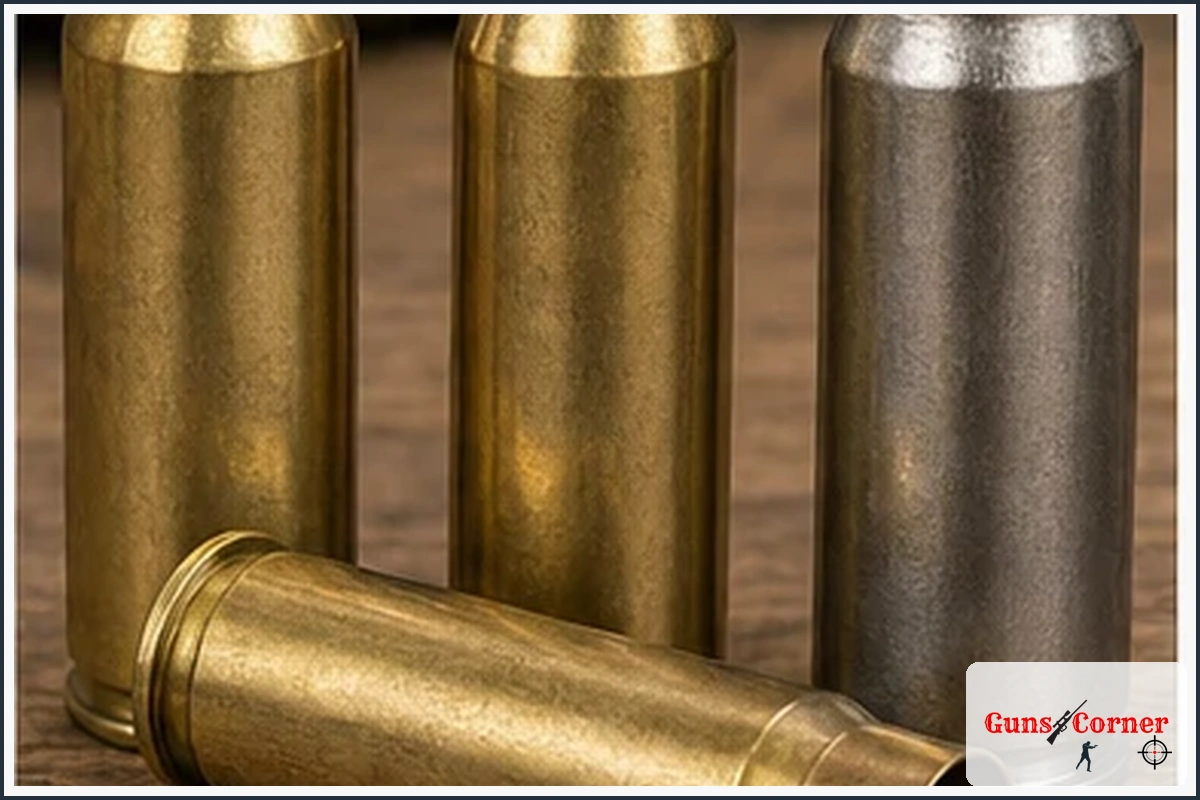
The case is the container that holds the primer, propellant, and projectile together. In metallic cartridges, cases are commonly made from brass, steel, or other suitable metals. Shotshells typically use a plastic hull with a metal base.
The case also helps seal the chamber when the firearm is fired. This seal directs expanding gas forward through the barrel instead of allowing excessive gas to escape around the cartridge.
Rimfire and centerfire cases
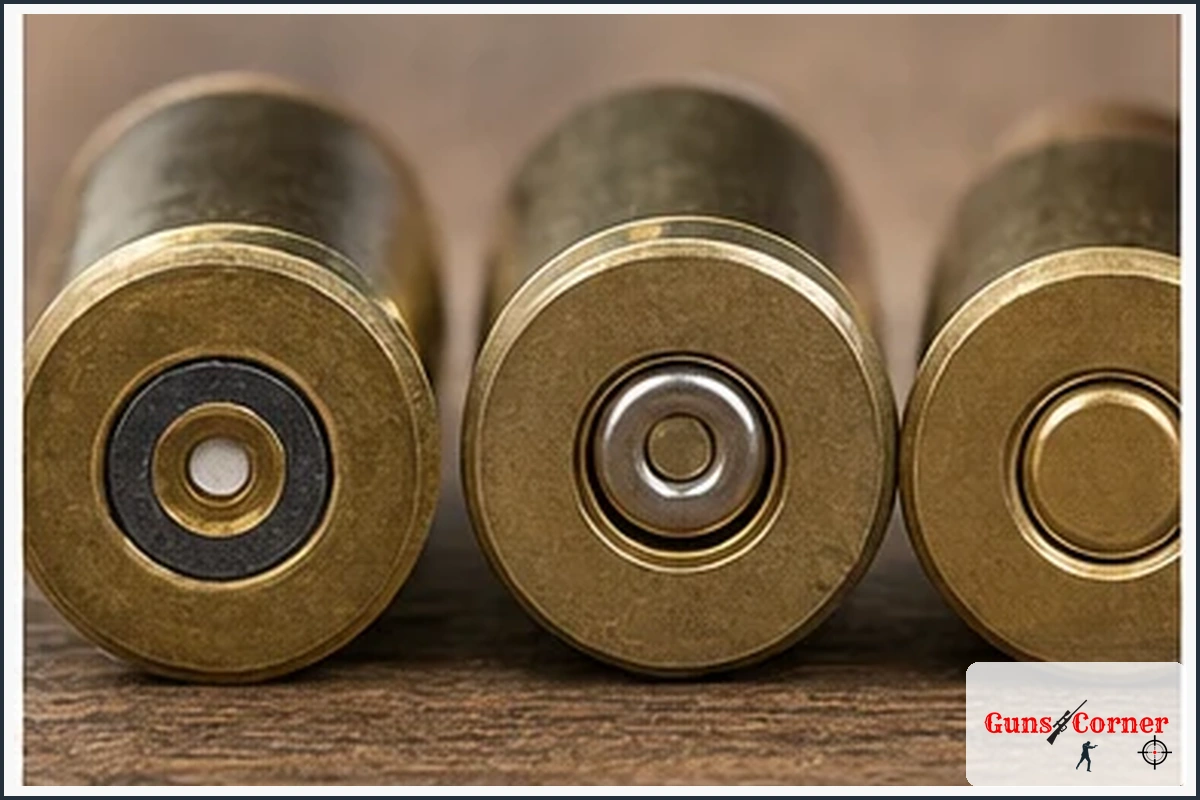
In a rimfire cartridge, the priming compound is located inside the case rim. In a centerfire cartridge, the primer is installed in the center of the case head. This difference affects how the ammunition is designed and identified.
2. The Primer
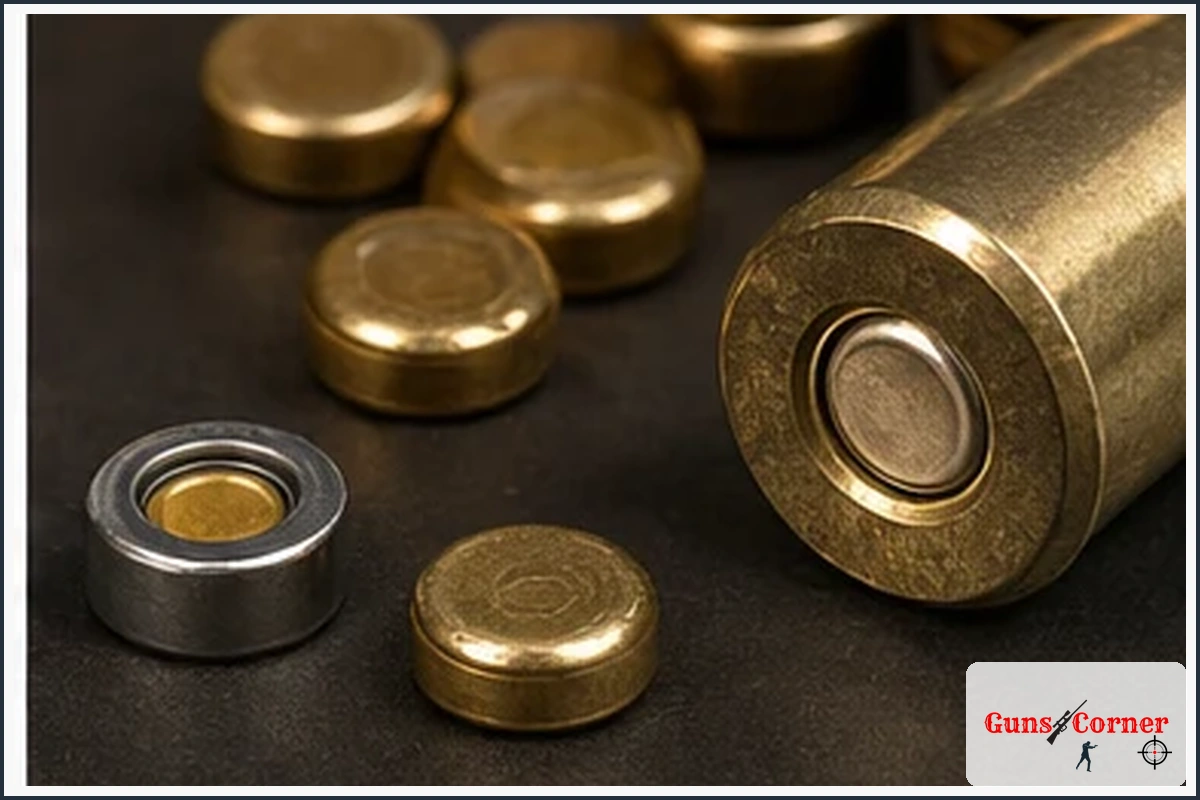
The primer is the ignition component. When the firing pin or striker hits it, the primer produces a small, rapid ignition that starts burning the propellant inside the case.
Some common centerfire primer types include boxer and berdan designs. They should not be interchanged unless the ammunition and reloading equipment are specifically designed for that system.
A primer can be hazardous if it is crushed, struck, heated, or otherwise mishandled. Do not attempt to remove, alter, or reuse primers unless you are properly trained and following appropriate reloading procedures.
3. The Propellant
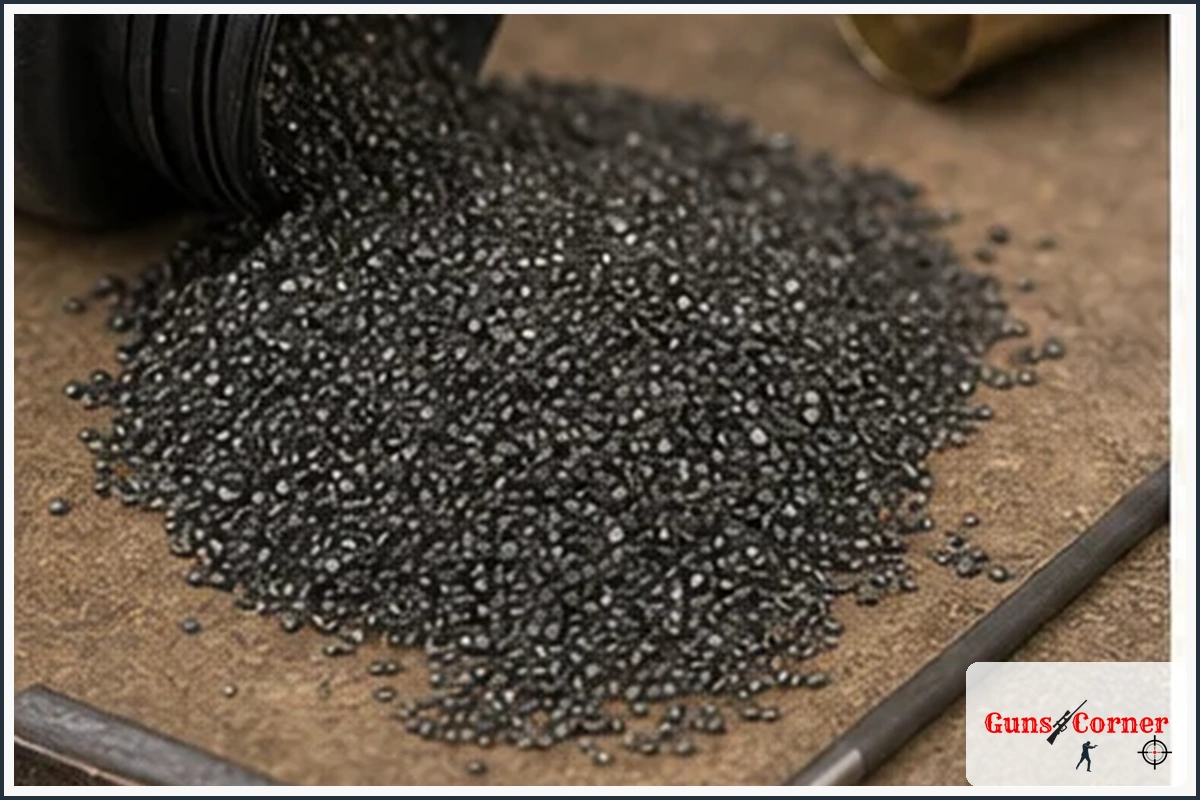
The propellant is the chemical material that burns rapidly after primer ignition. Its expanding gas pushes the projectile through the barrel. It is often called powder, although modern smokeless propellant is different from traditional black powder.
Propellant type and quantity are selected for a specific cartridge, firearm, and projectile combination. Ammunition should never be disassembled, modified, or loaded into a firearm unless its markings match the firearm manufacturer’s specifications.
Using the wrong ammunition can cause malfunctions, firearm damage, or serious injury. The cartridge designation stamped on the ammunition must match the designation marked on the firearm.
4. The Projectile
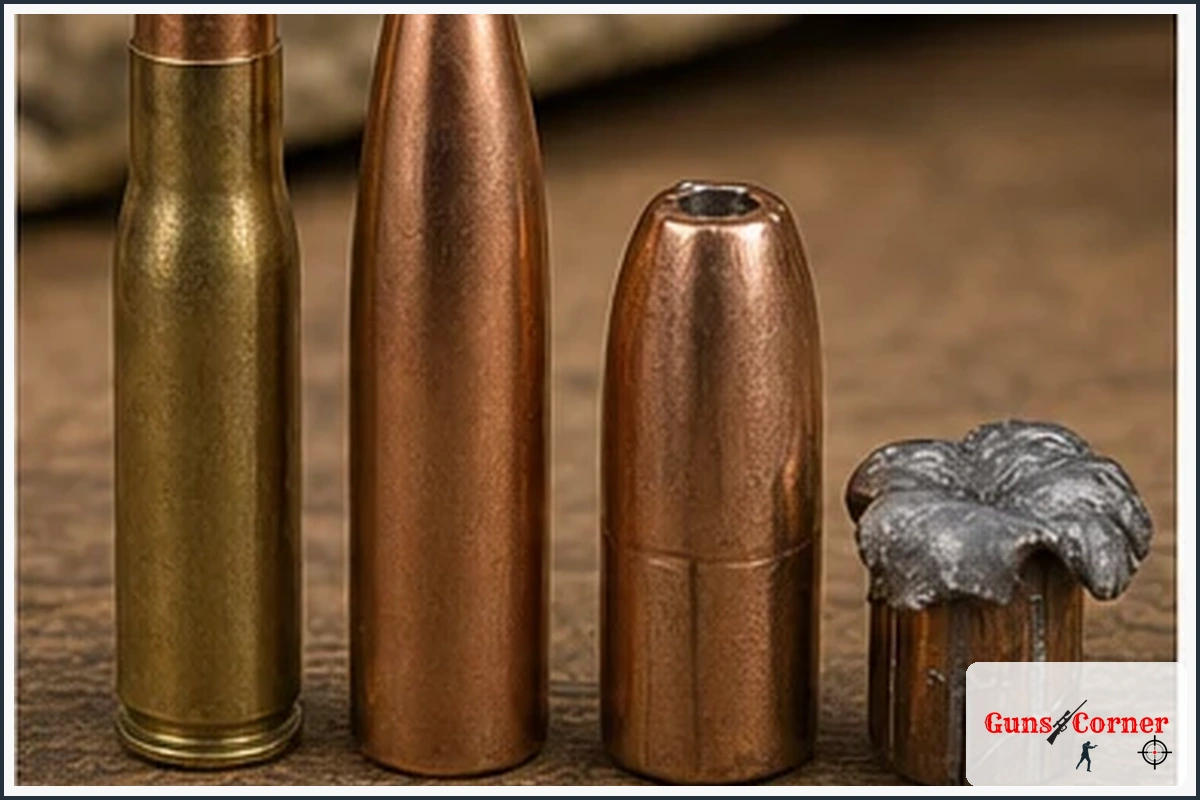
The projectile is the object expelled from the barrel. In rifle and handgun ammunition, it is generally called a bullet. In shotshells, it may be multiple pellets called shot or one large projectile called a slug.
Bullet, shot, and slug
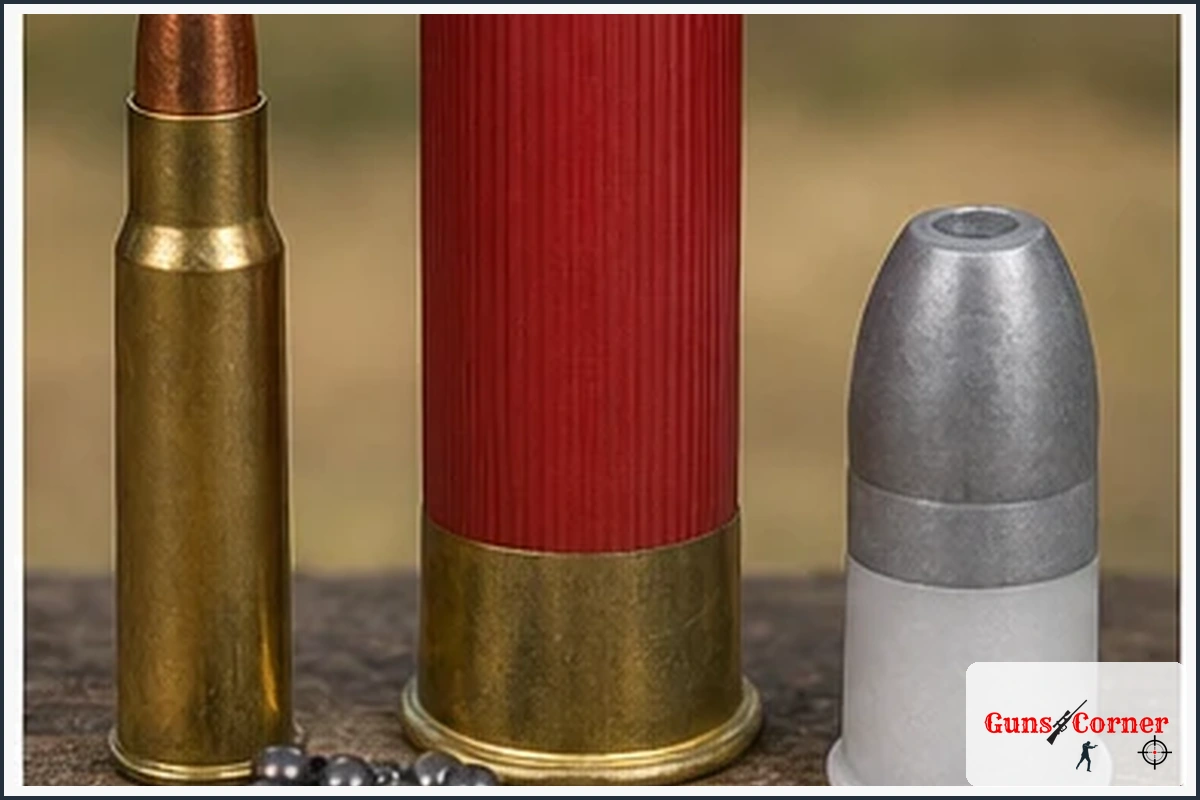
- Bullet: A single projectile used in most rifle and handgun cartridges.
- Shot: Multiple small pellets commonly used in shotshells.
- Slug: A single large projectile fired from a shotgun.
Projectile design varies by intended use. Hunting bullets may be designed for controlled expansion, while target bullets, defensive ammunition, and shotshell loads may have different construction and performance characteristics. Always follow applicable laws and the firearm and ammunition manufacturer’s guidance.
The Additional Shotshell Component: The Wad
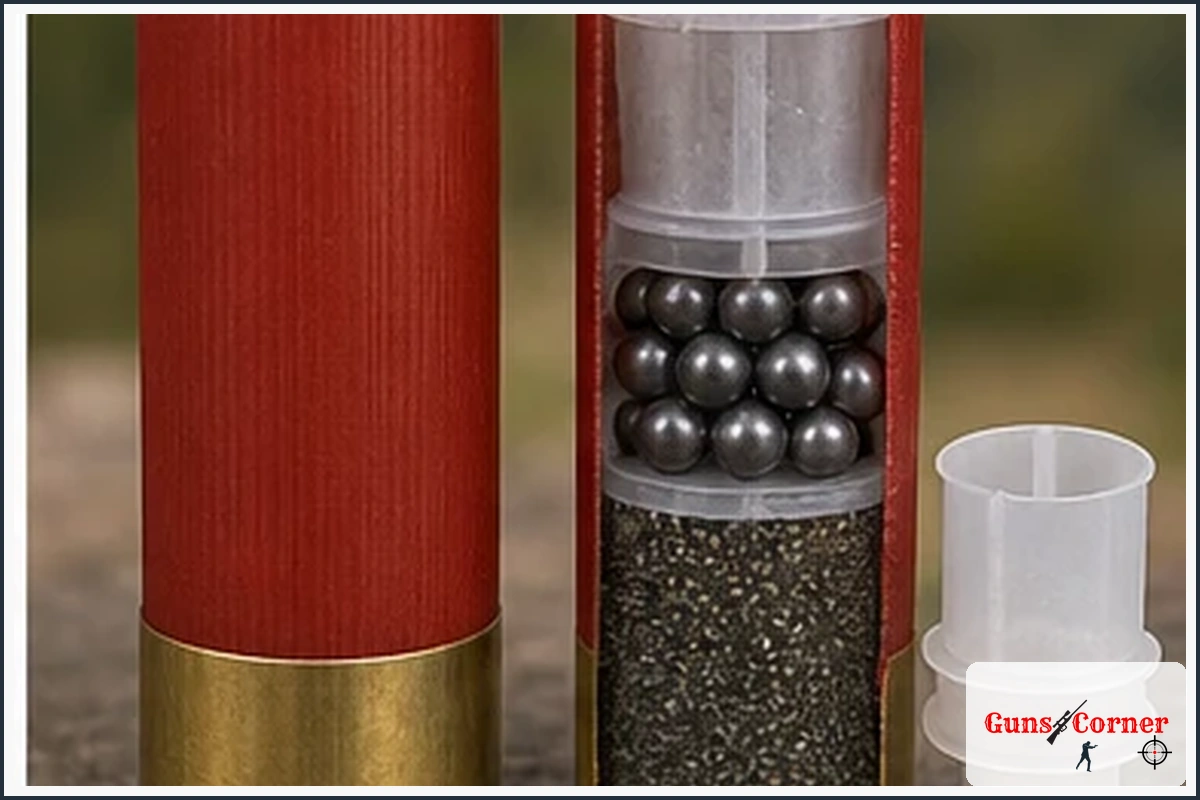
Shotshells usually include a wad between the propellant and the shot or slug. The wad helps contain the propellant gases, protects the payload, and assists with consistent performance as the load travels through the barrel.
Some wads are designed to hold shot, while others are used with slugs or specialized loads. A shotshell’s wad is normally consumed, separated, or expelled during firing and is not equivalent to the projectile.
How Ammunition Components Work Together
- The firing pin or striker impacts the primer.
- The primer ignites the propellant.
- The propellant burns rapidly and creates expanding gas.
- The gas pushes the projectile through the barrel.
- The firearm contains and directs the projectile toward the target.
This sequence happens extremely quickly. Ammunition should therefore be treated as a complete, engineered system rather than a collection of interchangeable parts.
Cartridge, Round, Bullet, and Ammunition: What Is the Difference?
| Term | Meaning |
|---|---|
| Ammunition | General term for cartridges, shotshells, and related complete loads |
| Cartridge | A complete metallic load containing a case, primer, propellant, and projectile |
| Shotshell | A complete shotgun load that may contain a wad, shot, or slug |
| Round | Common informal term for one complete unit of ammunition |
| Bullet | The projectile itself, not the complete cartridge |
Calling an entire cartridge a “bullet” is common in casual conversation, but technically the bullet is only one component of metallic ammunition.
How to Identify Compatible Ammunition Safely
- Read the cartridge or shotshell designation on the firearm.
- Compare it with the marking on the ammunition box and cartridge.
- Check the firearm manufacturer’s manual.
- Confirm shotshell gauge and chamber length where applicable.
- Use only ammunition recommended for that firearm.
- Stop if the markings are unclear, damaged, or inconsistent.
Never force a cartridge into a chamber. A firearm’s chambering, gauge, pressure rating, and ammunition designation must be compatible. If you are uncertain, ask a qualified gunsmith, firearms instructor, or the manufacturer before loading.
Basic Ammunition Safety
Always follow the four universal firearm safety rules:
- Treat every firearm as if it is loaded.
- Keep the muzzle pointed in a safe direction.
- Keep your finger outside the trigger guard until ready to shoot.
- Be certain of your target and what is beyond it.
Keep ammunition dry, protected from excessive heat, and stored away from unauthorized users. Do not use ammunition that is corroded, crushed, wet, bulged, deeply scratched, or otherwise damaged. Follow local storage requirements and the manufacturer’s instructions.
What Not to Do With Ammunition
- Do not mix cartridges with different chamberings.
- Do not rely only on appearance to identify ammunition.
- Do not alter, dismantle, or reload ammunition without proper training.
- Do not use ammunition with damaged cases, primers, or projectiles.
- Do not expose ammunition to open flame or unnecessary heat.
- Do not shoot ammunition that does not match the firearm’s markings.
- Do not assume a cartridge is safe because it fits loosely or appears similar.
Common Beginner Mistakes
Confusing a bullet with a cartridge
A bullet is only the projectile. The complete unit also includes the case, primer, and propellant.
Ignoring shotshell chamber length
Shotgun gauge alone may not provide all the information needed. The shotshell length must also be compatible with the shotgun’s chamber.
Choosing ammunition by appearance
Similar-looking ammunition can have different dimensions, pressures, or uses. Read the markings and verify compatibility instead.
Assuming every hunting load is legal
Some jurisdictions restrict projectile materials, such as requiring non-lead ammunition in particular areas or for particular species. Check current regulations before hunting.
FAQs
1. What are the basic parts of ammunition?
The basic parts are the case, primer, propellant, and projectile. Shotshells commonly include an additional wad.
2. What is the most important part of ammunition?
No single part is independently the most important. The components are engineered to work together, and all must be compatible with the firearm.
3. Is the bullet the same as ammunition?
No. A bullet is the projectile. Ammunition is the complete loaded cartridge or shotshell.
4. What does the case do?
The case holds the primer, propellant, and projectile and helps seal the chamber when the firearm is fired.
5. What does the primer do?
The primer creates the initial ignition when struck by the firing pin or striker.
6. What is gunpowder in ammunition?
“Gunpowder” is a common term for the propellant. Modern ammunition usually uses smokeless propellant, which is not the same as traditional black powder.
7. What is the projectile?
The projectile is the object expelled from the barrel, such as a bullet, shot pellets, or a shotgun slug.
8. What is a wad in a shotshell?
A wad separates the propellant from the payload, helps contain gas, and supports consistent shot or slug performance.
9. Do rifle cartridges have wads?
Standard metallic rifle cartridges generally do not use the same type of wad found in shotshells.
10. What is the difference between rimfire and centerfire ammunition?
Rimfire ammunition contains priming material in the case rim. Centerfire ammunition uses a separate primer located in the center of the case head.
11. What metals are ammunition cases made from?
Metallic cases are commonly made from brass or steel, although other materials may be used. Shotshells usually have a plastic hull and metal base.
12. Can ammunition be identified by color?
Color alone is not a reliable method. Read the markings on the cartridge and packaging and compare them with the firearm manual.
13. Can similar-looking cartridges be used interchangeably?
No. Similar appearance does not prove compatibility. Use only ammunition specifically marked for the firearm.
14. What happens when the primer is struck?
The primer ignites the propellant, which produces expanding gas that drives the projectile through the barrel.
15. Why is ammunition compatibility important?
Incorrect ammunition can cause feeding problems, excessive pressure, firearm damage, or serious injury.
16. What should I do with damaged ammunition?
Do not fire it. Keep it away from heat and impact, and ask local authorities, a qualified ammunition professional, or the manufacturer about proper disposal.
17. Can ammunition get wet?
Moisture can damage components and create unreliable or unsafe performance. Do not use ammunition that is wet, corroded, or otherwise compromised.
18. What is a shotshell payload?
The payload is the material delivered from the shotshell, such as shot pellets or a slug.
19. What is shot?
Shot consists of multiple small pellets fired together from a shotshell.
20. What is a shotgun slug?
A slug is one large projectile fired from a shotgun instead of multiple shot pellets.
21. Does bullet weight affect ammunition?
Yes. Bullet weight can affect trajectory, recoil, and firearm performance. Use loads recommended for the firearm and intended purpose.
22. Does ammunition expire?
Properly stored ammunition can remain usable for a long time, but age, moisture, corrosion, and storage conditions matter. Inspect it before use.
23. Should hunters use special ammunition?
Hunters should select ammunition appropriate for the firearm, game species, hunting conditions, and local regulations, then practice with that load before hunting.
24. Are lead bullets legal everywhere?
No universal rule applies everywhere. Some locations or hunts may restrict lead projectiles, so verify current regulations with the relevant wildlife agency.
25. Can ammunition be stored loaded in a firearm?
Storage practices depend on local law, household circumstances, and the firearm manufacturer’s guidance. Secure storage should prevent unauthorized access.
26. What should a beginner learn before using ammunition?
A beginner should complete recognized firearms safety training, learn the firearm’s controls, confirm ammunition compatibility, and practice under qualified supervision.
27. Should ammunition be carried loose in a hunting pack?
Use a secure cartridge carrier or original packaging that protects ammunition from moisture, damage, and contamination.
28. Who can help identify unknown ammunition?
A qualified gunsmith, firearms instructor, ammunition manufacturer, or law-enforcement disposal professional may be able to help. Do not test unknown ammunition by loading or firing it.
Final Answer
What are the basic parts of ammunition? A typical cartridge contains a case, primer, propellant, and projectile. Shotshells generally add a wad between the propellant and payload. Knowing these components helps hunters understand ammunition labels, avoid compatibility mistakes, and handle firearms responsibly. Always match ammunition to the firearm, follow manufacturer instructions, and verify current hunting regulations before going afield.