Arkansas deer season varies by hunting zone, deer permit, weapon, and season year. Before hunting, check the current Arkansas Game and Fish Commission regulations for exact archery, modern gun, muzzleloader, youth, permit, tagging, and bag-limit requirements. This guide explains how to find the right dates and prepare safely without relying on outdated schedules.
Why Arkansas Deer Season Dates Change
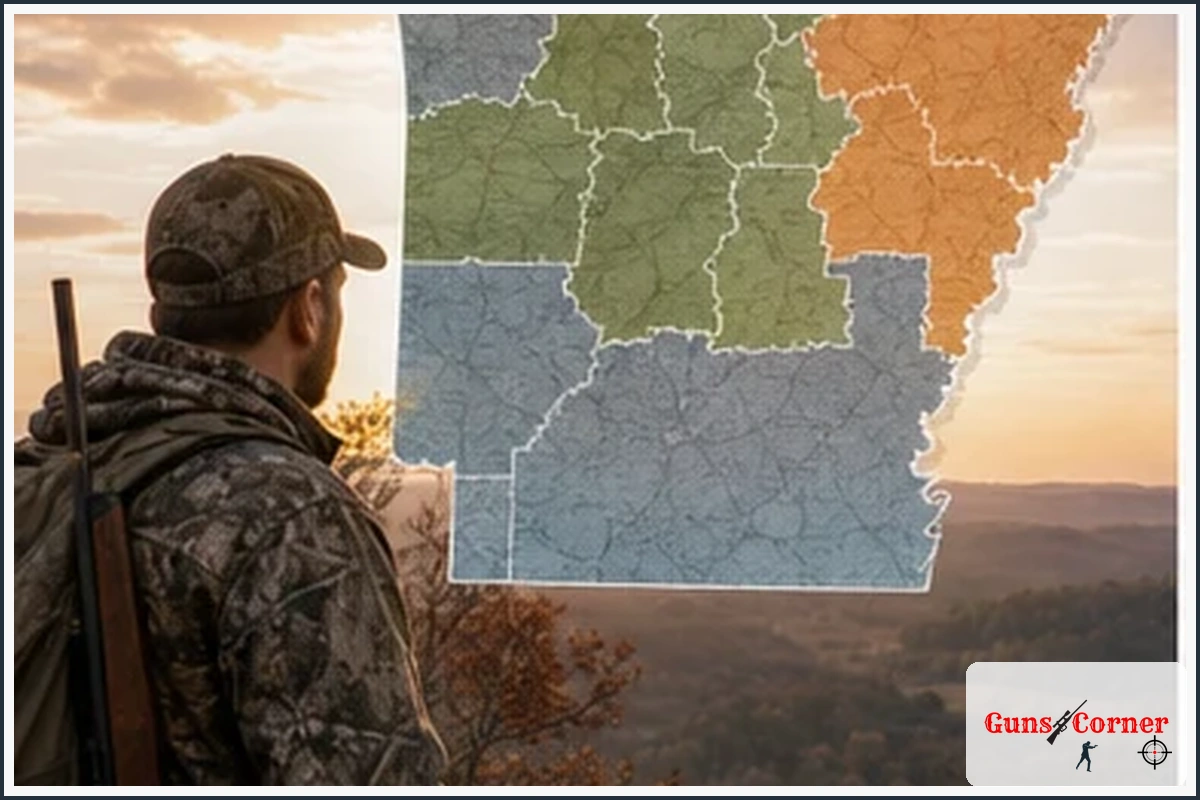
Arkansas does not use one universal deer season date for every hunter. Regulations can differ by wildlife management zone, deer permit, weapon type, land designation, and season segment. The Arkansas Game and Fish Commission may also change rules between seasons.
For that reason, an old article, social-media post, or printed calendar may not apply to the current season. Use the latest official Arkansas hunting regulations before purchasing a license or entering the field.
Arkansas Deer Season Categories
| Season category | What it generally covers | What to verify |
|---|---|---|
| Archery | Deer hunting with a legal bow or approved archery equipment | Opening and closing dates, equipment rules, permits, and zone restrictions |
| Muzzleloader | Deer hunting with a legal muzzleloading firearm | Permitted firearm types, ammunition rules, dates, and hunter requirements |
| Modern gun | Deer hunting during designated firearm seasons | Zone dates, legal firearms, tagging, bag limits, and required safety equipment |
| Youth or special hunts | Special opportunities for eligible hunters | Age requirements, supervision rules, dates, permits, and weapon restrictions |
| Permit hunts | Special hunts controlled through permits or drawings | Application deadlines, hunt areas, permit conditions, and reporting rules |
This table is a planning guide, not a substitute for the current regulation booklet. The official rules control if any general explanation conflicts with them.
How to Find the Current Arkansas Deer Season Dates
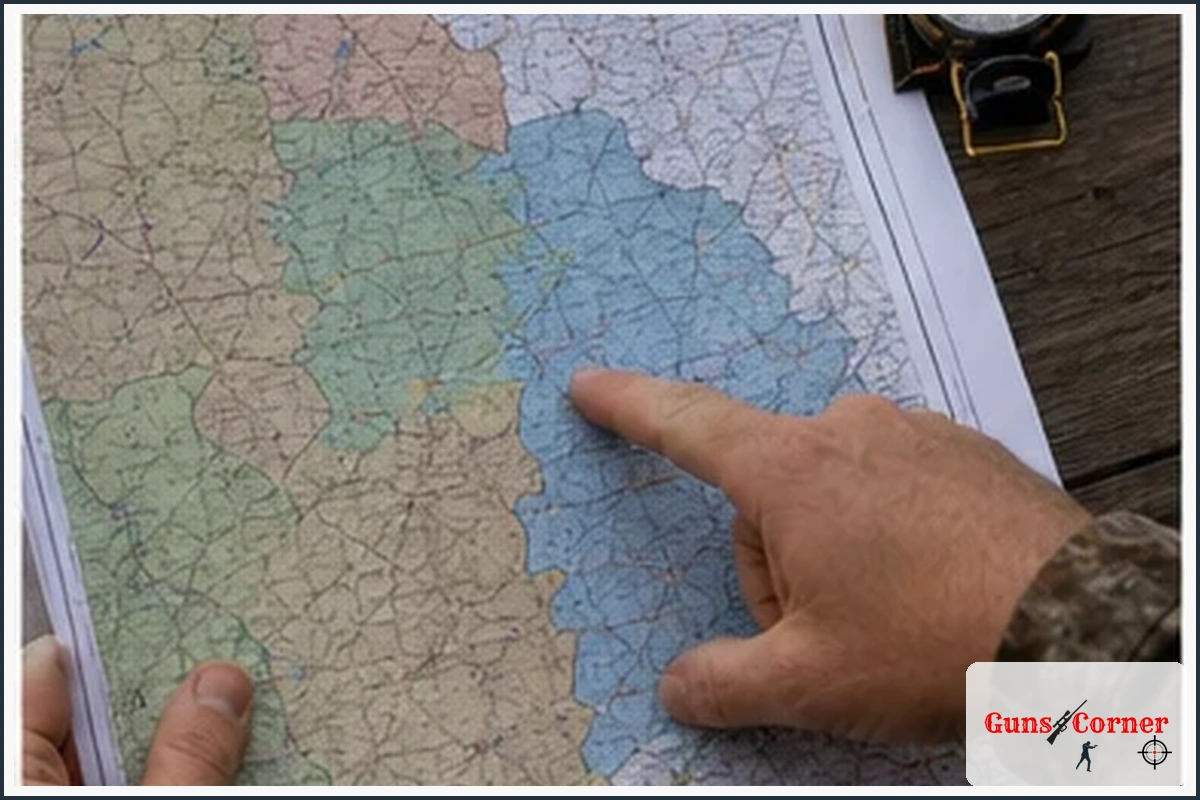
- Open the current Arkansas Game and Fish Commission hunting regulations or deer hunting guide.
- Identify the wildlife management zone where you will hunt.
- Choose the appropriate season category, such as archery, muzzleloader, modern gun, youth, or permit hunt.
- Check the legal deer, weapon, permit, tagging, and reporting requirements.
- Confirm whether the property is private land, public land, or a wildlife management area.
- Review emergency notices or regulation updates immediately before the hunt.
Hunters should also confirm whether the zone shown on a map matches the actual property. County boundaries, wildlife management areas, and special regulations can create important differences.
What to Check Besides Opening Day
Season closing date
Knowing the opening date is not enough. A season may close at different times by zone, weapon, permit, or deer type. Plan recovery, travel, and processing time before the legal closing time.
Deer limits and permit requirements
Bag limits may depend on the zone, season, deer species or sex, and permits held. Never assume that a limit from another Arkansas zone applies to your hunt.
Tagging and reporting
Review the current instructions for tagging, checking, reporting, and transporting harvested deer. Complete these steps promptly and accurately as required by the official regulations.
Public-land rules
Wildlife management areas and other public properties may have additional rules involving access, weapons, parking, camping, stands, bait, dogs, or special permits. Read the regulations for the specific property rather than relying only on statewide information.
Arkansas Deer Hunting Preparation Checklist
- Current Arkansas hunting license and required deer permit
- Hunter education certification when required
- Identification and proof of any required permits
- Map showing the correct zone and property boundaries
- Legal firearm, bow, or muzzleloader suited to the season
- Compatible ammunition or arrows recommended by the manufacturer
- Eye and hearing protection for firearm hunting
- Navigation device, charged phone, and backup communication plan
- Weather-appropriate clothing and reliable boots
- Flashlight or headlamp for legal and safe movement
- First-aid supplies, water, and emergency items
- Field-dressing and game-recovery equipment
- Coolers or a plan for promptly cooling harvested meat
Safety Rules for Arkansas Deer Season
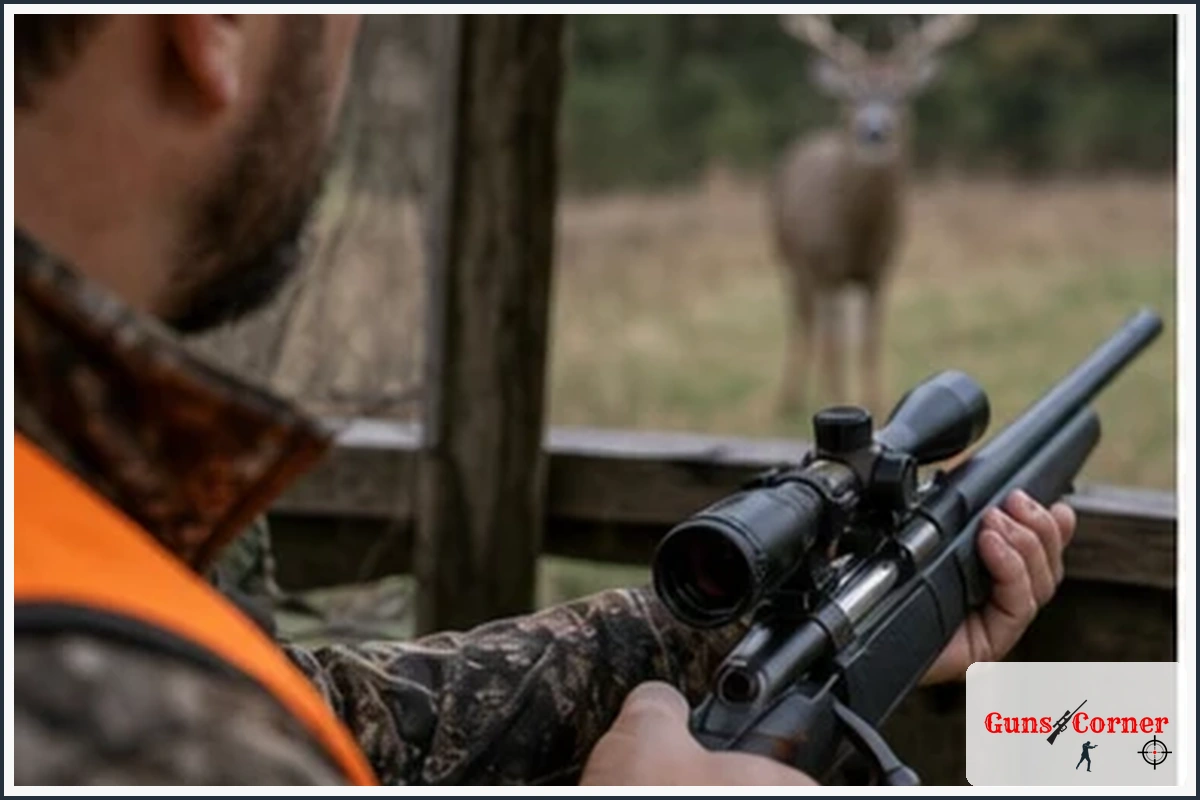
Every hunter should follow the four universal firearm safety principles:
- Treat every firearm as if it is loaded.
- Keep the muzzle pointed in a safe direction.
- Keep your finger outside the trigger guard until ready to shoot.
- Be certain of the target and what is beyond it.
Before taking a shot, positively identify the deer, confirm a safe backstop, and stay within your proven accuracy and ethical range. A mechanical safety is not a substitute for safe handling.
Bowhunters should inspect strings, cables, limbs, arrows, and broadheads before the season. Never dry-fire a bow or crossbow, and follow the manufacturer’s instructions for loading, cocking, transport, and decocking.
Common Arkansas Deer Season Mistakes
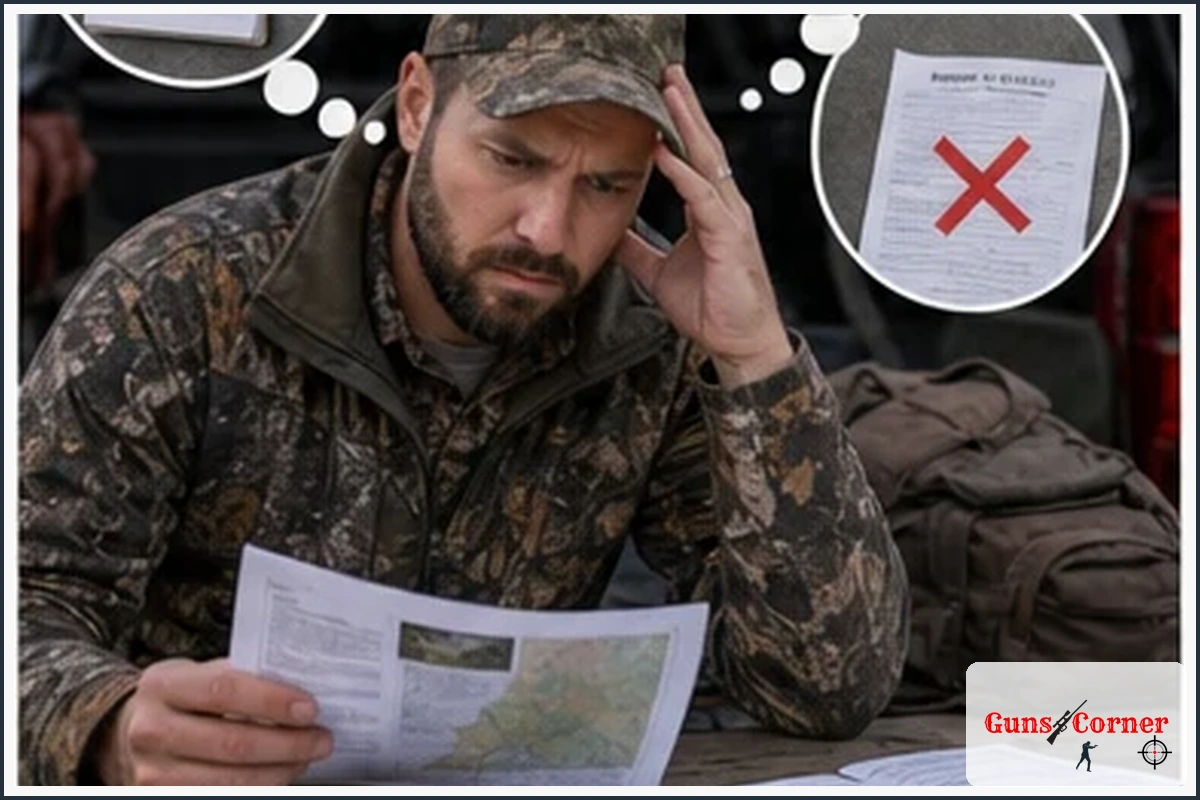
- Using last year’s dates or bag limits
- Hunting in the wrong wildlife management zone
- Failing to check special public-land restrictions
- Assuming a license replaces a required deer permit
- Taking a shot without identifying what lies beyond the deer
- Ignoring property boundaries or permission requirements
- Leaving a harvested deer unrecovered or inadequately cooled
- Relying on social-media summaries instead of official regulations
Ethical Deer Hunting in Arkansas
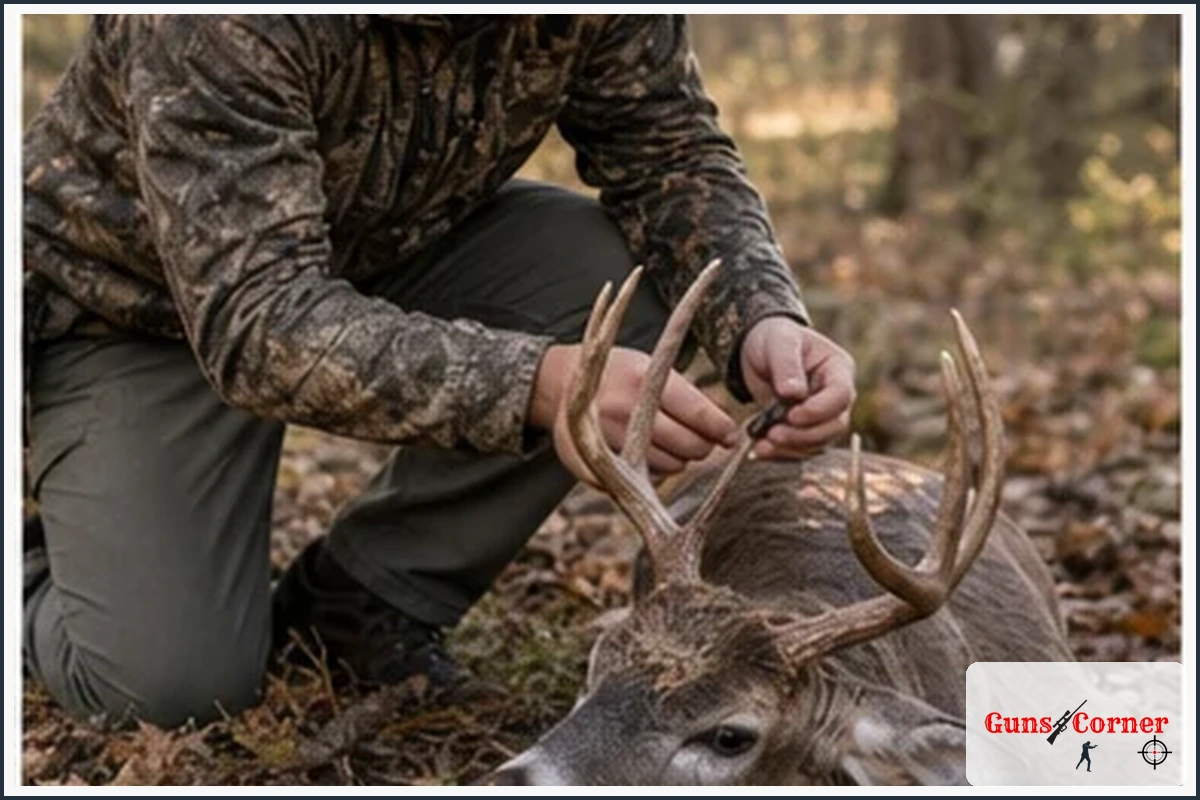
Ethical hunting means following the law, practicing before the season, choosing high-percentage shots, and making every reasonable legal effort to recover wounded game. Do not shoot at running or poorly positioned deer if the shot is unlikely to be humane.
Mark the location of the shot, observe the deer’s direction of travel, and avoid immediately contaminating the sign if tracking may be necessary. If recovery becomes difficult, seek qualified local assistance while respecting property boundaries and safety conditions.
FAQs
1. When does Arkansas deer season start?
The starting date depends on the current season year, wildlife management zone, weapon type, and hunt category. Check the latest Arkansas Game and Fish Commission deer regulations for the exact date.
2. Is Arkansas deer season the same statewide?
No. Dates, limits, and special rules can vary among Arkansas deer zones and properties. Always identify the zone before planning a hunt.
3. What license do I need for deer hunting in Arkansas?
License and permit requirements depend on factors such as residency, age, hunt type, and season. Use the current official Arkansas licensing and deer-hunting information rather than assuming a general hunting license is sufficient.
4. Are archery and modern gun seasons held at the same time?
They may overlap during portions of the season, but the exact dates and equipment rules change by year and zone. Verify the current season table before hunting.
5. Where can I find Arkansas deer zone maps?
Use the current Arkansas Game and Fish Commission regulations and official wildlife management area materials. Confirm the property’s location and any special area rules before entering the field.
6. What should I do if I wound a deer?
Mark the impact location, observe the animal’s direction, and carefully evaluate the sign before continuing. Make a reasonable recovery effort, do not trespass, and seek experienced tracking help when appropriate and legal.
Final Answer: Arkansas Deer Season
Arkansas deer season dates are determined by the current regulation year, hunting zone, weapon, permit, and property type. Before hunting, consult the latest Arkansas Game and Fish Commission regulations for season dates, deer limits, licenses, tagging, public-land rules, and equipment requirements. Official regulations override general online guidance, so verify them again immediately before your hunt.
Related posts:
How to Bow Hunt Deer: A Beginner-Friendly Guide

15 Best Hunting Packs for Women: Comfortable Day Packs, Frame Packs & Camo Backpacks for Female Hunt...
What Choke for Dove Hunting? IC vs Modified Explained

15 Best Bug Out Bags for Emergency Preparedness, Survival, and Outdoor Gear
15 Best Hunting Camera for Filming: Action, Trail, and Camcorder Picks