
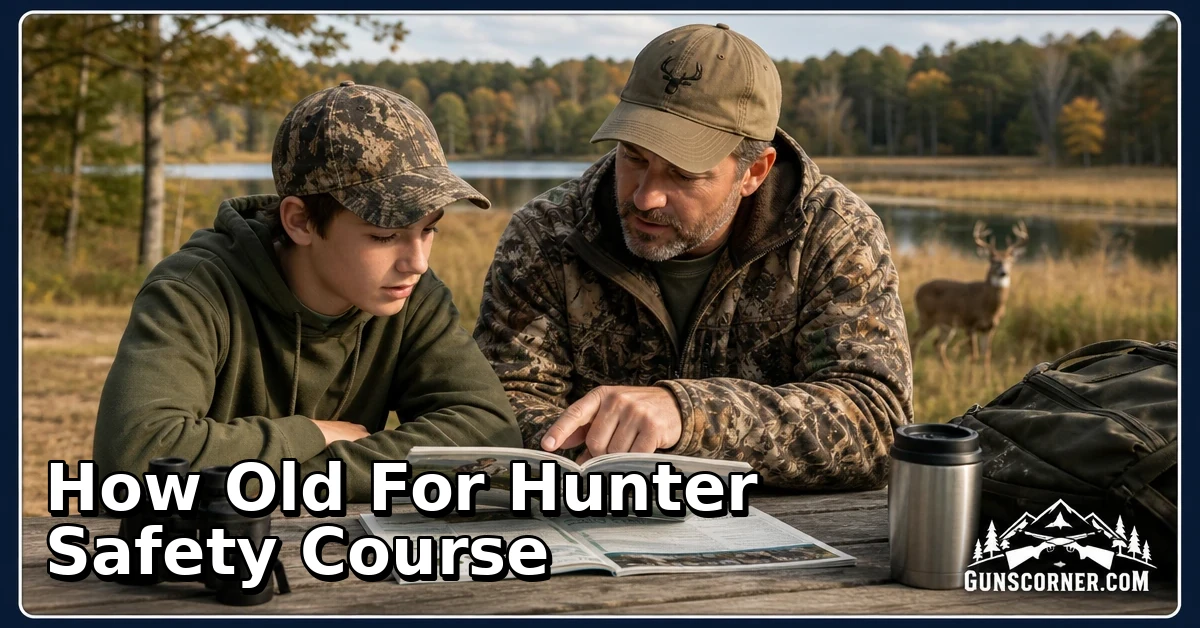

Knowing how old you must be for a hunter safety course is an important first step before hunting. Age requirements differ by state, province, country, course format, and the type of hunting license you want. This guide explains how to find the correct requirement, prepare for certification, and begin hunting safely, legally, and responsibly.
The minimum age for a hunter safety course is not universal. Some programs allow children to enroll at a young age, while others set a minimum age for online study, classroom instruction, field days, or certification. Check your official wildlife agency for the current rule, complete an approved course, and follow all requirements for licenses, tags, supervision, weapons, and hunting areas. A hunter education course teaches firearm or bow safety, wildlife identification, ethics, conservation, and safe field practices.
Important Legal and Safety Notice Before You Hunt
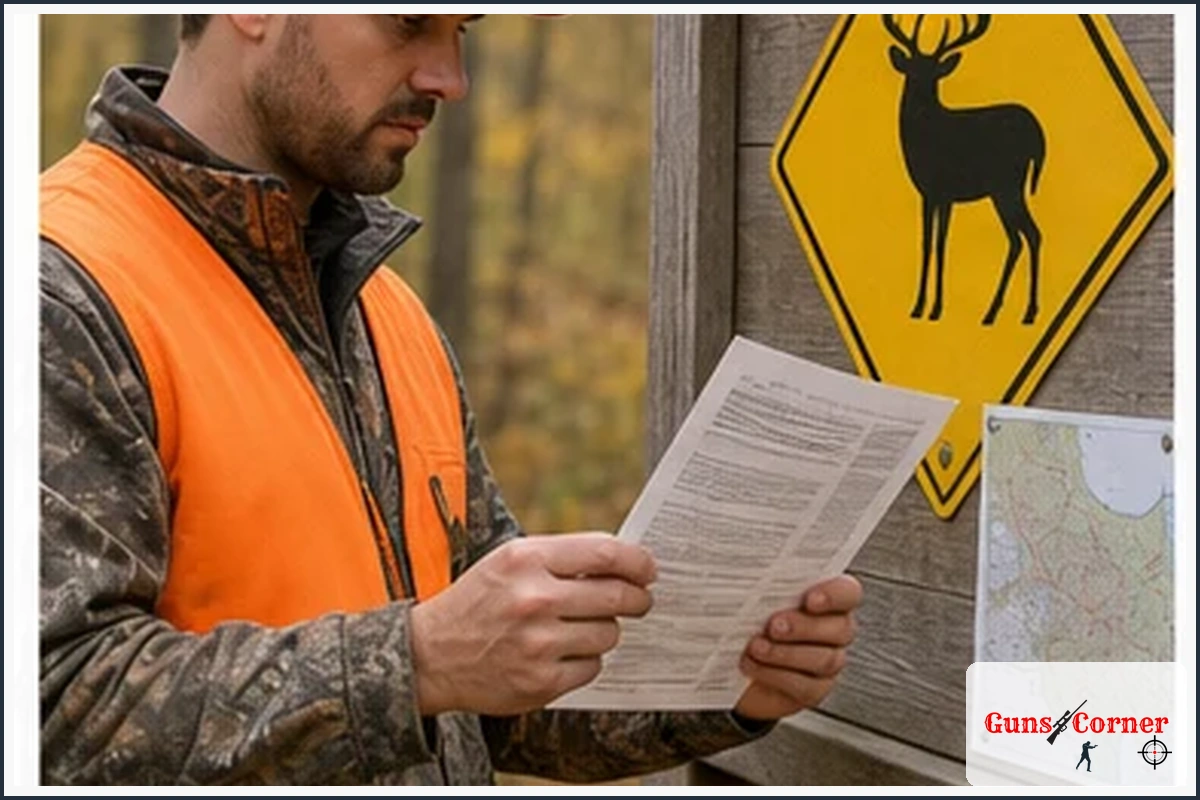
Hunter education laws vary by location and may depend on your age, residency, species, hunting method, and license type. Before hunting, verify current information with your official wildlife agency rather than relying on a general age range.
- The minimum age to enroll in a course
- The minimum age to receive certification
- Whether an online course requires an in-person field day
- Whether young hunters must be accompanied by a licensed adult
- License, permit, tag, season, bag limit, and reporting requirements
- Legal weapons, ammunition, archery equipment, and hunting hours
- Public land boundaries or private land permission
- Required hunter orange or other visibility clothing
Every hunter should follow firearm or bow safety rules, identify the target and what lies beyond it, and never shoot toward people, roads, homes, livestock, vehicles, or unclear movement.
Why Hunter Safety Courses Matter
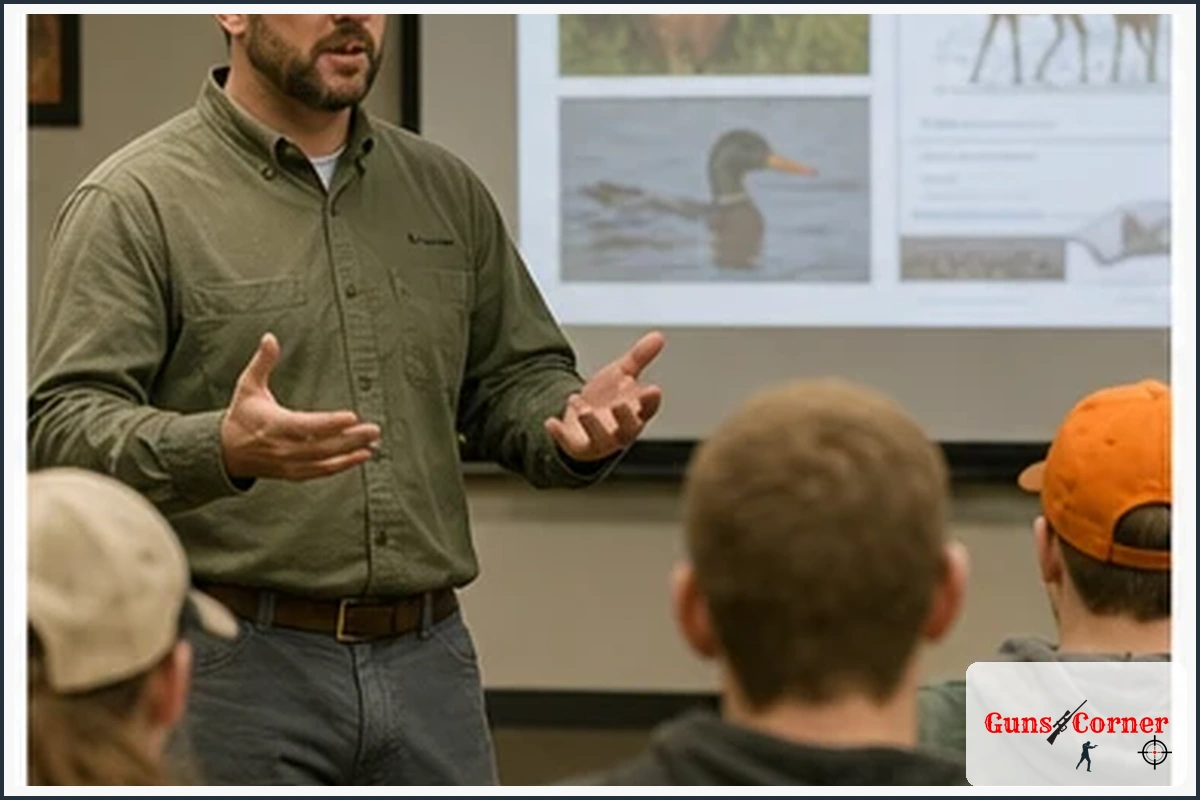
A hunter safety course is more than a licensing requirement. It helps new hunters understand how to handle equipment, identify wildlife, read regulations, respect property boundaries, respond to emergencies, and make ethical decisions in the field.
Many courses cover firearm safety, bowhunting safety, wildlife conservation, field identification, hunting ethics, first aid, navigation, and responsible game handling. These skills protect hunters, other outdoor users, landowners, and wildlife.
How Age Requirements Usually Work
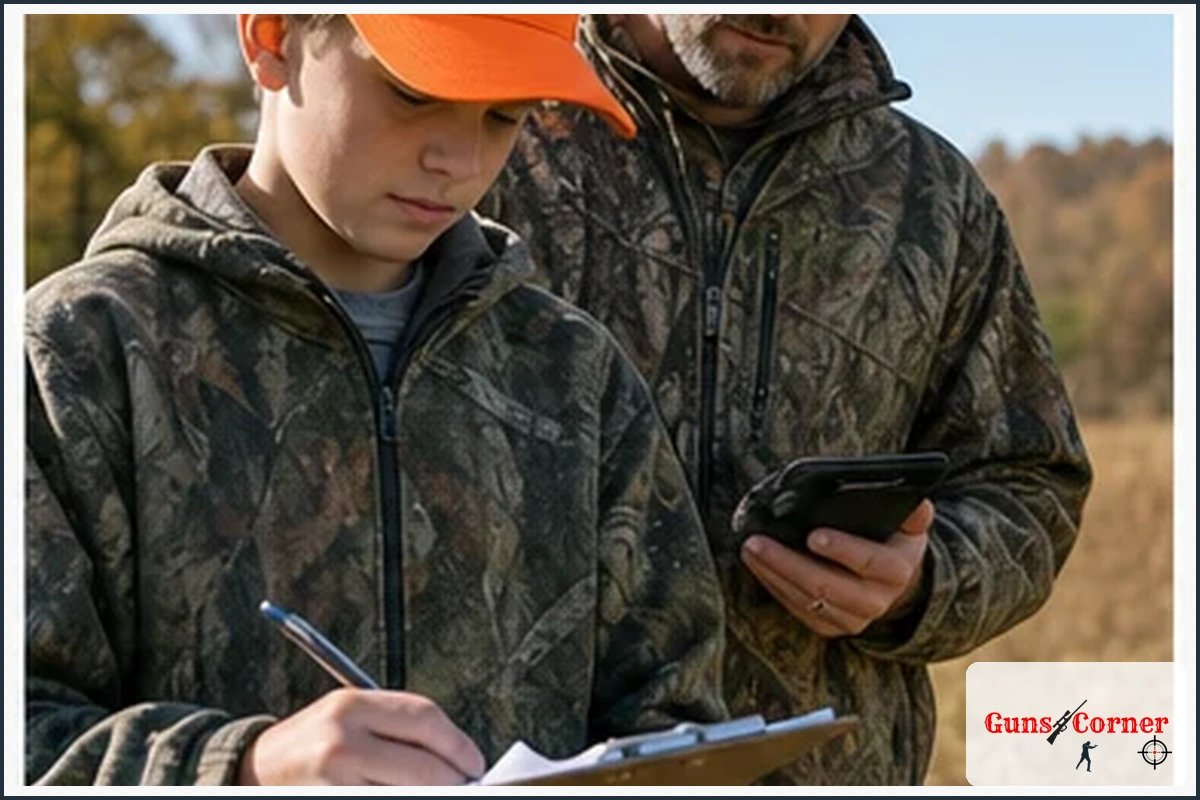
Minimum Enrollment Age
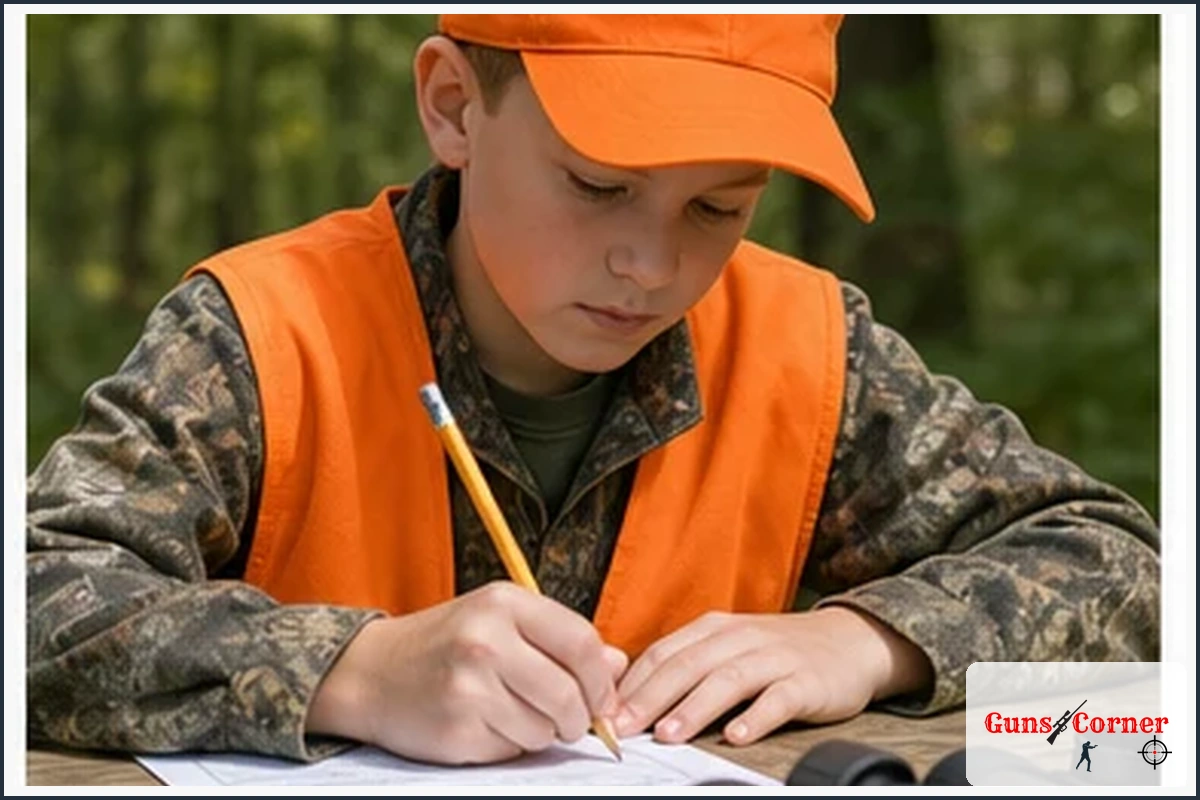
The minimum age to begin a course may be different from the age required to hunt independently. Some jurisdictions allow children to take hunter education at a relatively young age, while others require students to reach a certain age before enrolling or completing a practical session.
Certification Age

Some agencies issue a hunter education certificate once a student passes the required course and examination. Others may use age-based restrictions or require additional supervision for younger hunters. Always confirm whether the certificate is valid immediately or whether another step is required.
Age to Hunt Independently
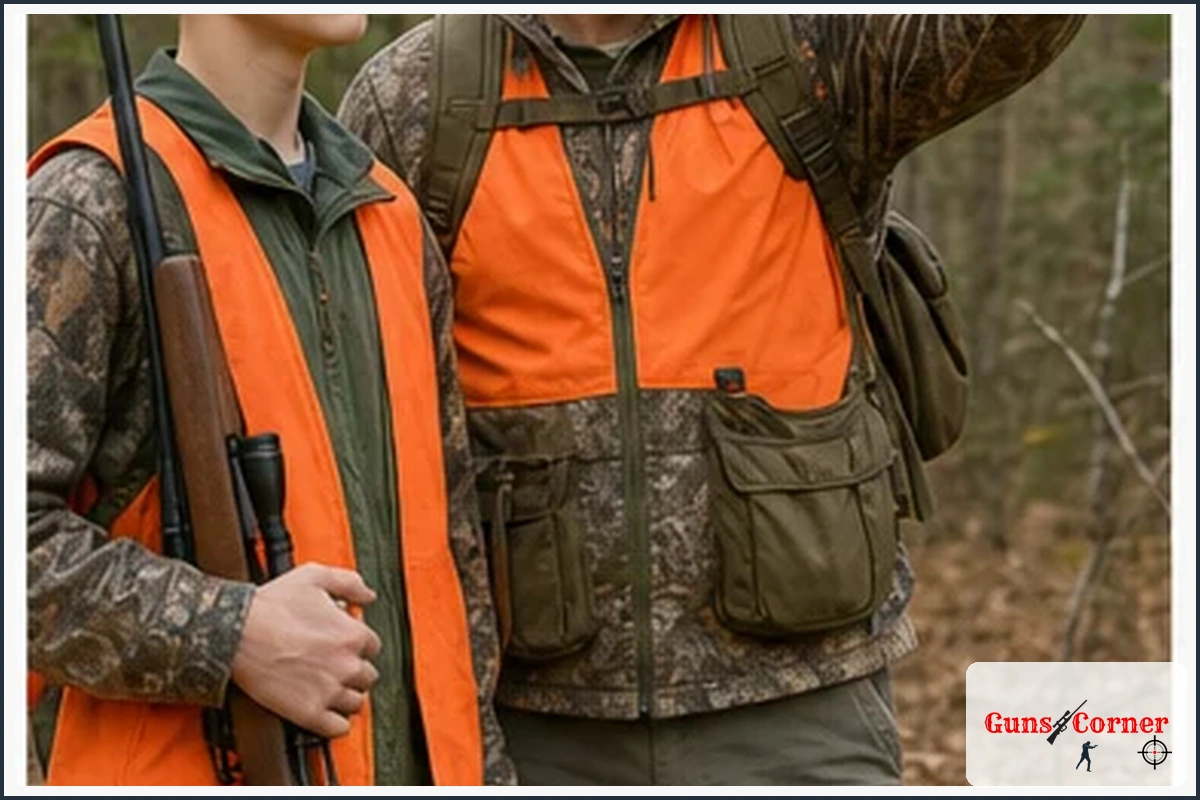
Completing a course does not always mean a young hunter may hunt alone. A separate rule may require adult supervision, a licensed mentor, or compliance with a youth hunting program. Check the exact wording of your local regulations before planning a hunt.
Online Course Age Limits

Online hunter education can have a different minimum age than classroom instruction. Some programs also require an in-person field day, practical exercise, or final examination. Use only a course approved by the wildlife agency where you intend to hunt.
How to Find the Correct Hunter Safety Course Age
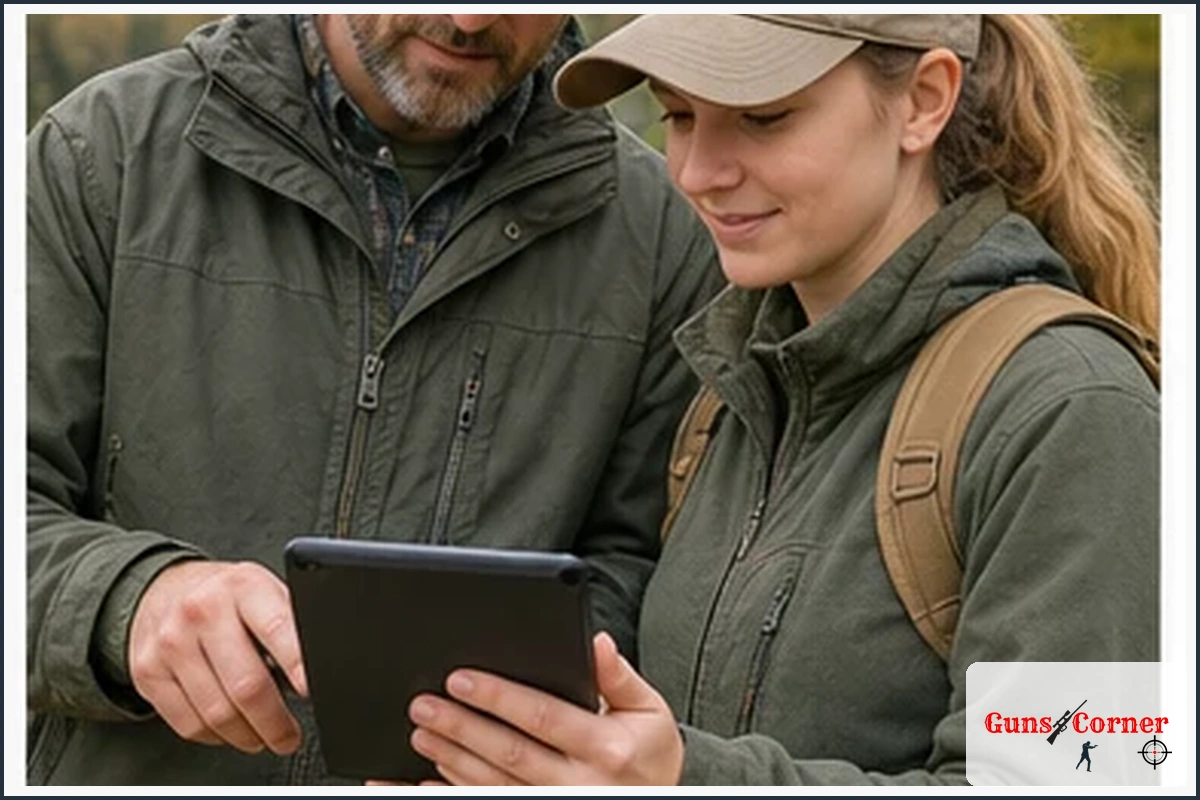
Step 1: Identify Your Official Wildlife Agency
Find the government wildlife, fish and game, natural resources, or conservation agency responsible for hunting regulations in your area. This is the best source for current age requirements and approved courses.
Step 2: Check the Hunter Education Page
Look for sections titled “Hunter Education,” “Hunter Safety,” “Youth Hunting,” or “Education Requirements.” Read the full requirements instead of relying only on a search result or course advertisement.
Step 3: Confirm the Difference Between Enrollment and Hunting
Check whether the listed age applies to taking the course, receiving a certificate, buying a license, hunting alone, or participating under adult supervision.
Step 4: Verify Course Approval
Not every online hunting course satisfies legal hunter education requirements. Confirm that the program is approved by the relevant wildlife agency and whether it meets recognized hunter education standards.
Step 5: Check Field Day Requirements
Some online courses are only the first part of certification. Students may need to attend a practical field day covering safe equipment handling, wildlife identification, simulated hunting decisions, or other hands-on skills.
Step 6: Review Youth Supervision Rules
If the hunter is a minor, find out whether a licensed adult must accompany them. Supervision rules may specify the adult’s age, license status, proximity, or ability to directly supervise the hunt.
Step 7: Confirm License and Tag Requirements
Hunter education certification is only one part of legal hunting. Before the season, verify the required license, species permit, tag, land permission, weapon rules, legal hours, bag limits, and harvest reporting process.
What a Hunter Safety Course Teaches
- Safe firearm handling, storage, transport, and loading procedures
- Bowhunting safety, arrow handling, and responsible shot decisions
- Wildlife identification and avoiding protected species
- Hunting laws, seasons, licenses, tags, and reporting
- Conservation and the role of regulated hunting
- Ethical behavior toward wildlife, landowners, and other hunters
- Navigation, weather awareness, first aid, and emergency planning
- Safe hunting positions and identifying what lies beyond the target
- Basic field care and responsible use of legally harvested game
Preparing for a Hunter Safety Course
Study the Course Materials
Read the official student handbook or online lessons carefully. Pay special attention to safety rules, wildlife identification, local laws, and emergency procedures.
Ask Questions
Ask the instructor about anything unclear, including firearm terminology, bowhunting equipment, hunting hours, adult supervision, public land access, or reporting requirements.
Practice Safety Before Handling Equipment
Young or new hunters should learn safe handling from a certified instructor, parent, guardian, or experienced mentor. Never practice with a firearm or bow without appropriate supervision and a safe location.
Learn Basic Field Skills
Practice reading a map, using a compass or GPS, dressing for changing weather, carrying water, and communicating an emergency plan. These skills are useful even before a first hunt.
Planning a First Hunt After Certification
Choose a Legal Hunting Area
Confirm public land access, property boundaries, parking rules, and seasonal closures. For private land, obtain clear permission before entering and respect gates, livestock, crops, buildings, and landowner instructions.
Learn the Target Species
Study the animal’s habitat, food sources, water use, travel routes, tracks, droppings, and other signs. Beginner scouting should focus on observation and understanding movement rather than rushing into a hunt.
Practice Your Hunting Method
Firearm hunters should practice with a qualified instructor or at a safe, lawful range. Bowhunters should practice regularly and know their personal effective range. Only use equipment that is legal and appropriate for the hunt.
Plan Clothing and Visibility
Wear weather-appropriate clothing and any required hunter orange or visibility gear. Use boots suitable for the terrain, and carry water, a small first aid kit, navigation tools, and a charged communication device.
Create a Communication Plan
Tell a responsible person where you are going, when you expect to return, what vehicle you are using, and how to contact you. Do not rely entirely on cellular service in remote areas.
Firearm and Bow Safety Basics
Firearm Safety
- Treat every firearm as if it is loaded.
- Keep the muzzle pointed in a safe direction.
- Keep your finger outside the trigger guard until ready to shoot.
- Identify the target and what is beyond it.
- Unload firearms before transport, crossing obstacles, or entering vehicles.
- Follow the manufacturer’s instructions and official hunter education guidance.
Bowhunting Safety
- Use arrows and broadheads suited to your legal equipment and practice level.
- Transport broadheads safely and keep them covered when not in use.
- Never draw a bow when another person is in front of or near the shooting lane.
- Take only shots within your practiced ability.
- Use a full-body safety harness when hunting from an elevated stand.
Public Land and Private Land Considerations
Public Land Hunting
Use current maps to confirm boundaries, access points, parking rules, seasonal closures, and other-user restrictions. Wear required visibility clothing and be aware that hikers, campers, and other hunters may be nearby.
Private Land Hunting
Get permission before entering private property. Discuss where you may park, walk, hunt, and retrieve game. Close gates, avoid livestock and crops, respect structures, and leave the property clean.
Common Mistakes to Avoid
- Assuming the course age is the same in every state or province
- Confusing course enrollment with permission to hunt independently
- Taking an unapproved online course
- Forgetting a required in-person field day
- Failing to check current hunting regulations
- Hunting without a license, tag, or landowner permission
- Skipping supervised equipment practice
- Ignoring weather, navigation, or communication planning
- Taking a shot when the target or background is unclear
- Failing to report a harvest when required
Troubleshooting Common Problems
| Problem | Possible Cause | What to Do |
|---|---|---|
| You cannot determine the required age | Different rules apply to enrollment, certification, and hunting | Contact the official wildlife agency and ask which age applies to your exact situation. |
| An online course is not accepted | The provider is not approved or a field day is missing | Choose a course listed by your wildlife agency and complete every required component. |
| The student is too young for one course format | Online and classroom programs have different rules | Ask the agency about an approved classroom course, youth program, or future enrollment date. |
| The student passed but cannot hunt alone | Separate youth supervision rules apply | Review the youth hunting regulations and hunt with the required licensed adult. |
| You are unsure whether certification transfers | Recognition rules differ between jurisdictions | Confirm acceptance with the agency where you plan to hunt before buying a license. |
| You are nervous about a first hunt | Limited field experience or equipment practice | Go with an experienced mentor, practice safely, and pass on any uncertain or unsafe shot. |
Ethical Hunting and Conservation
Hunter education supports conservation by teaching hunters to follow seasons, limits, licensing rules, and responsible harvest practices. Ethical hunters identify their target carefully, avoid unsafe shots, respect wildlife, and make every reasonable effort to recover and use legally harvested game.
Respect other hunters, hikers, landowners, and public lands. Do not trespass, litter, disturb wildlife unnecessarily, or interfere with another person’s lawful activity. Licenses and permits often help fund wildlife management, habitat work, research, and public access.
When to Get More Training or Professional Guidance
Seek additional instruction if you have never handled a firearm or bow, do not understand local regulations, feel uncertain about safe shooting, or plan to hunt unfamiliar terrain. Official hunter education instructors, certified shooting coaches, conservation organizations, and experienced ethical mentors can provide valuable guidance.
A parent or guardian should also take an active role in helping a young hunter understand equipment safety, weather planning, land access, wildlife identification, and responsible decision-making.
After the Hunt: Follow-Up, Gear Care, and Learning
- Unload and store firearms or bows safely according to manufacturer guidance.
- Clean and inspect equipment before storing it.
- Complete required tagging, reporting, and transport steps.
- Care for legally harvested game promptly and responsibly.
- Record weather, wildlife sign, access conditions, and lessons learned.
- Leave public or private land cleaner than you found it.
Recommended Hunting Gear and Tools to Consider
You do not need expensive equipment to begin hunting responsibly. Choose gear based on local laws, hunting method, terrain, weather, skill level, and safety needs.
- Approved hunter education materials
- Legal firearm, bow, arrows, or other permitted equipment
- Weather-appropriate clothing and required visibility gear
- Durable boots suited to the terrain
- Map, compass, GPS, or approved navigation app
- Water, food, first aid supplies, and emergency communication
- Binoculars for observing wildlife safely
- Gloves, game bags, cooler, and meat-care supplies when applicable
Final Thoughts
The answer to “how old for hunter safety course” depends on your location and the specific course or hunting privilege involved. Check your official wildlife agency, take an approved course, learn the supervision rules, and practice safe equipment handling before entering the field. With preparation, patience, ethical judgment, and respect for wildlife and other people, new hunters can build a strong foundation for responsible outdoor participation.
Frequently Asked Questions
How old do you have to be to take a hunter safety course?
The minimum age varies by jurisdiction and course format. Check your official wildlife agency for the current enrollment requirement.
Can a child take hunter safety before the legal hunting age?
In some areas, children may complete hunter education before they are allowed to hunt independently. Confirm the local rules for certification and supervision.
Is there one universal hunter safety course age?
No. Age rules are established by individual wildlife agencies and may differ for online courses, classroom courses, field days, and youth hunting programs.
Does passing hunter safety let a minor hunt alone?
Not necessarily. A separate youth supervision rule may require a licensed adult or mentor during the hunt.
Are online hunter education courses accepted everywhere?
No. Only use an online course approved by the wildlife agency where you intend to hunt, and check whether an in-person component is required.
Does an online course require a field day?
Some jurisdictions require a field day or practical session after online study. Verify the complete certification process before enrolling.
Does hunter education certification expire?
Expiration rules vary. Ask the issuing agency whether the certificate is lifelong, needs renewal, or must be replaced.
Will one state recognize a certificate from another state?
Recognition may depend on the course standard and the destination’s rules. Confirm acceptance with the wildlife agency where you plan to hunt.
Do adults need to take hunter safety?
Some locations require hunter education for certain adults or licenses, while others use age-based rules. Check local regulations.
Do bowhunters need hunter education?
Requirements vary by location and license type. Some jurisdictions apply hunter education rules to bowhunters, while others have different provisions.
Does hunter education replace a hunting license?
No. A certificate and a hunting license are separate requirements. You may also need species permits, tags, or land permission.
Can you hunt immediately after passing the course?
Only after completing every required certification step and obtaining the proper license, permits, tags, and legal access.
What does a hunter safety course teach?
It commonly covers equipment safety, wildlife identification, laws, ethics, conservation, navigation, emergency planning, and responsible hunting practices.
Is a hunter safety course difficult?
Most courses are designed for beginners. Careful study, asking questions, and taking the safety lessons seriously will help you prepare.
What should a young hunter bring to class?
Bring required course materials, identification if requested, writing supplies, and any equipment listed by the instructor. Do not bring a firearm or bow unless specifically instructed.
Do hunter safety courses include shooting practice?
Some include practical instruction, while others require separate range or field activities. Follow the course provider’s directions.
Should a parent take the course too?
It can be helpful. A parent or guardian who understands the safety material can reinforce good habits and supervision in the field.
Can a mentor help after certification?
Yes. An experienced, ethical mentor can help with scouting, equipment practice, navigation, regulations, and safe hunting decisions.
What should a beginner learn before the first hunt?
Learn local regulations, target identification, safe equipment handling, land boundaries, weather planning, navigation, communication, and ethical shot decisions.
Do youth hunters need special licenses?
Some jurisdictions offer youth licenses or special seasons, while others use standard licenses. Check current official regulations.
Do youth hunting seasons have different rules?
They may have different dates, supervision requirements, weapons, species, or application procedures. Verify the current youth regulations.
Can a young hunter practice with a firearm?
Yes, but only under appropriate adult supervision, at a safe and lawful location, and according to all firearm safety rules.
Can a young hunter practice with a bow?
Yes. Practice should occur in a controlled area with a safe backstop, appropriate equipment, and supervision when needed.
What should you do if you are unsure of the law?
Do not hunt until you confirm the rule with the official wildlife agency or a qualified licensing representative.
Do I need permission to hunt private land?
Yes. Obtain clear permission before entering private property and follow the landowner’s instructions.
Can a new hunter start on public land?
Yes, if the area is legally open and accessible. Study maps, boundaries, parking rules, seasonal closures, and other-user concerns first.
What safety equipment should a beginner carry?
Carry required visibility clothing, navigation tools, water, a first aid kit, weather-appropriate clothing, and a communication device.
What is the most important firearm safety rule?
Identify the target and what lies beyond it before handling the trigger. Never shoot at unclear movement.
What is an ethical shot opportunity?
It is a shot taken only when the target is clearly identified, the background is safe, the animal is legal, and the distance and conditions are within the hunter’s practiced ability.
Should a beginner hunt alone?
New hunters should consider hunting with a qualified mentor, especially in unfamiliar terrain or when learning a new weapon.
What if bad weather develops during the hunt?
Prioritize safety. Follow your communication plan, monitor conditions, and leave the area if weather creates a serious risk.
What should you do after a legal harvest?
Follow tagging, reporting, transport, and meat-care requirements for your location. Handle the harvest respectfully and avoid waste.
Is harvest reporting always required?
No single rule applies everywhere, but many jurisdictions require reporting for certain species or seasons. Check before hunting.
Does hunter education teach meat care?
Many courses introduce responsible game handling, but additional instruction may be useful for species-specific processing and transport requirements.
What are common first-hunt mistakes?
Common mistakes include ignoring regulations, poor navigation planning, inadequate clothing, rushing, ignoring wind, and taking an unsafe or uncertain shot.
How can a beginner improve hunting skills?
Practice safely, scout legally, keep field notes, study wildlife behavior, review regulations, and learn from qualified instructors or ethical mentors.
Does hunter education support conservation?
Yes. It teaches lawful harvest, wildlife identification, habitat respect, ethical conduct, and the conservation role of regulated hunting.
Where should I get official answers about hunter safety age?
Contact the wildlife or natural resources agency responsible for hunting regulations in the area where you plan to hunt.
Read more: