
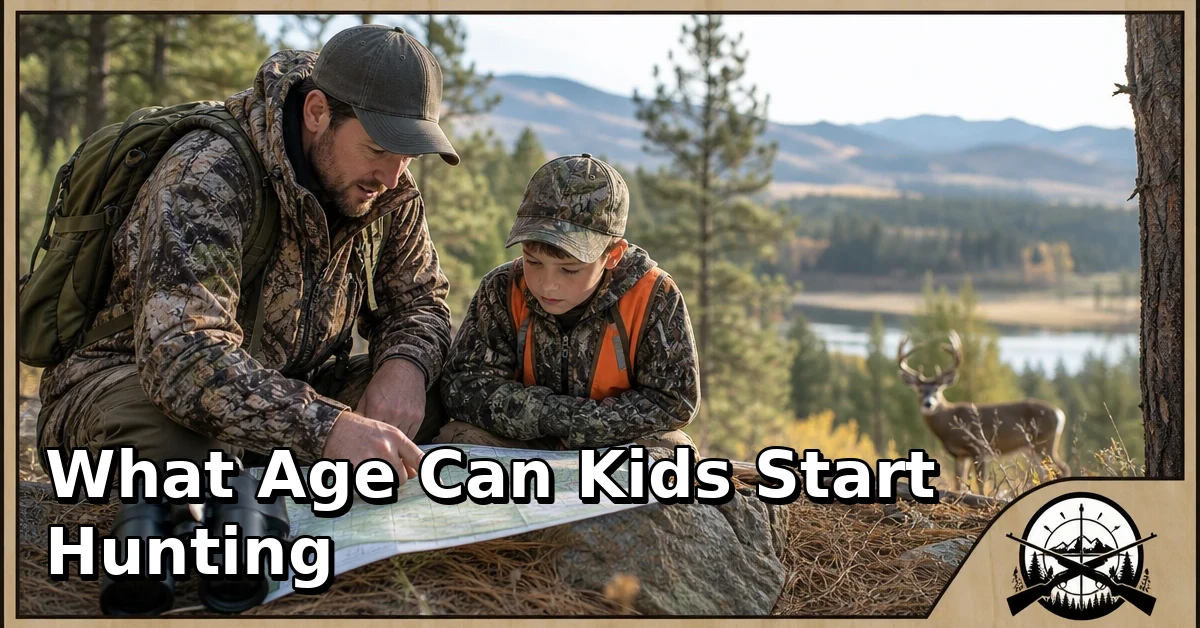

Many parents and mentors wonder what age can kids start hunting. The best answer depends on the child’s maturity, the type of game, the hunting method, and local regulations. Age alone does not determine readiness. A child should understand safety rules, follow instructions, remain calm, and genuinely want to participate.
Kids can begin learning about hunting at any age, but the legal age for hunting varies by state, province, species, weapon, and supervision requirements. Before taking a child hunting, check current rules for licenses, hunter education, youth permits, legal weapons, seasons, and adult supervision. Start with safety training, outdoor skills, and supervised observation before expecting a child to carry or use a weapon. A patient, ethical introduction is more important than harvesting an animal.
Important Legal and Safety Notice Before You Hunt
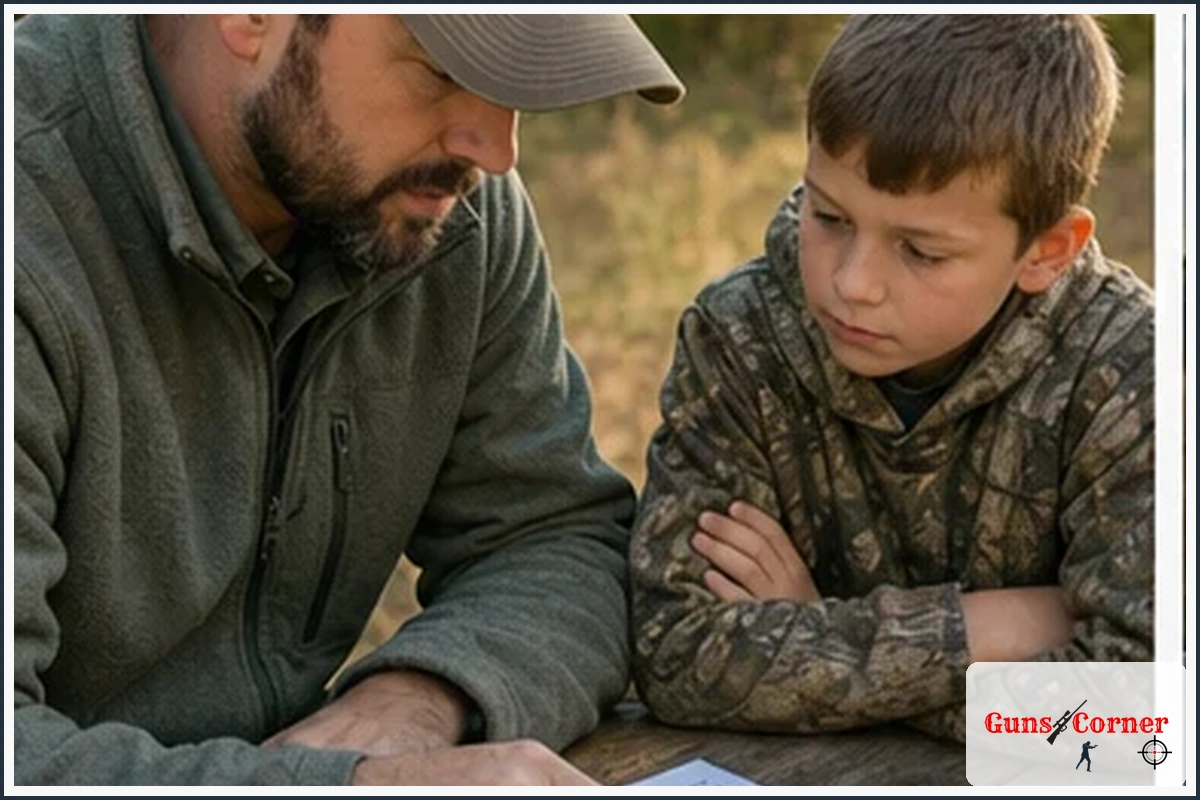
There is no single universal minimum hunting age. Regulations may differ for small game, big game, migratory birds, firearms, bows, apprentice licenses, youth seasons, and supervised hunts. Always verify current requirements with your official state, provincial, or territorial wildlife agency before hunting.
- Confirm the required hunting license, permit, tag, or youth authorization.
- Check hunter education and apprentice-license requirements.
- Verify season dates, legal hours, bag limits, reporting rules, and weapon restrictions.
- Understand the legal definition of adult supervision and required distance.
- Confirm public-land access or obtain private-land permission.
- Follow blaze-orange or other visibility requirements.
- Teach firearm and bow safety before entering the field.
- Plan for weather, navigation, hydration, first aid, and emergency communication.
What Age Can Kids Start Hunting?
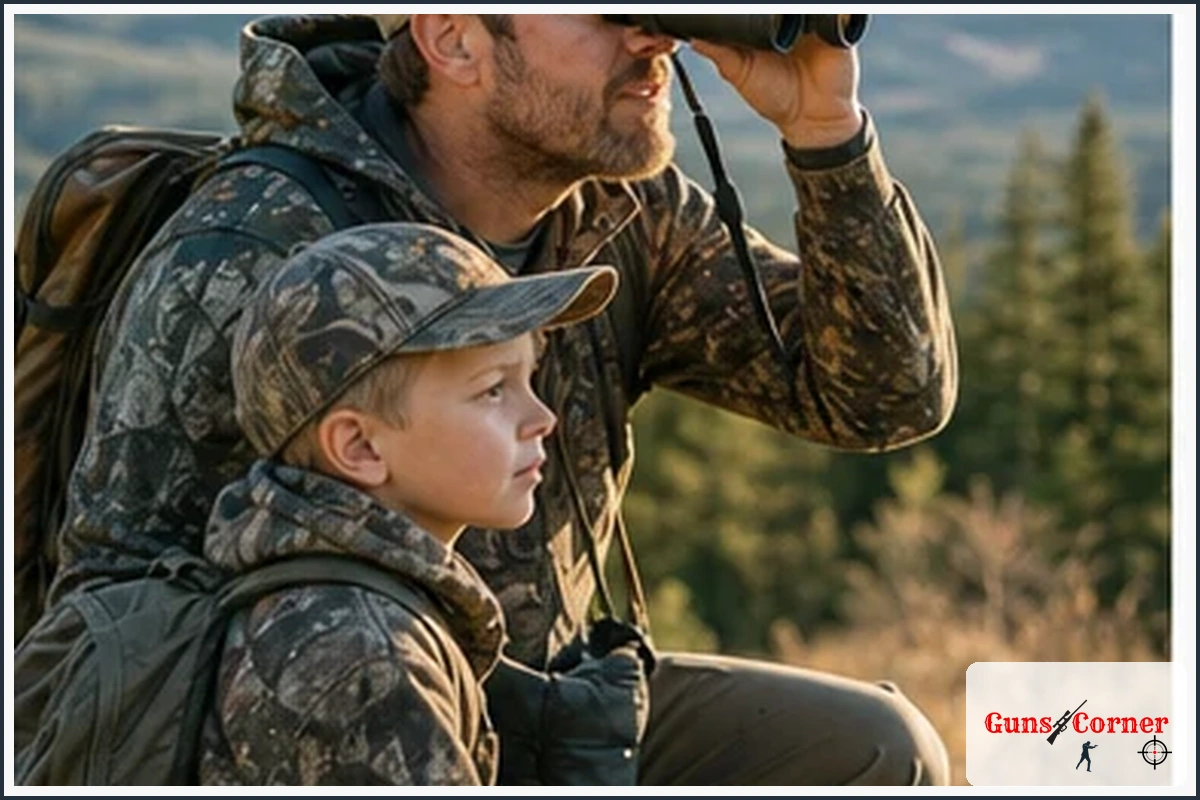
The right starting age is the age at which a child can safely handle the responsibilities involved. Some children may be ready for outdoor observation and scouting at a young age, while others need more time before participating in an armed hunt.
Many youth hunting programs accept children during elementary or middle-school years, but program eligibility does not establish a universal legal rule. Some jurisdictions set no minimum age for supervised hunting, while others require a minimum age, a youth license, hunter education, or a qualified adult nearby.
Signs a Child May Be Ready
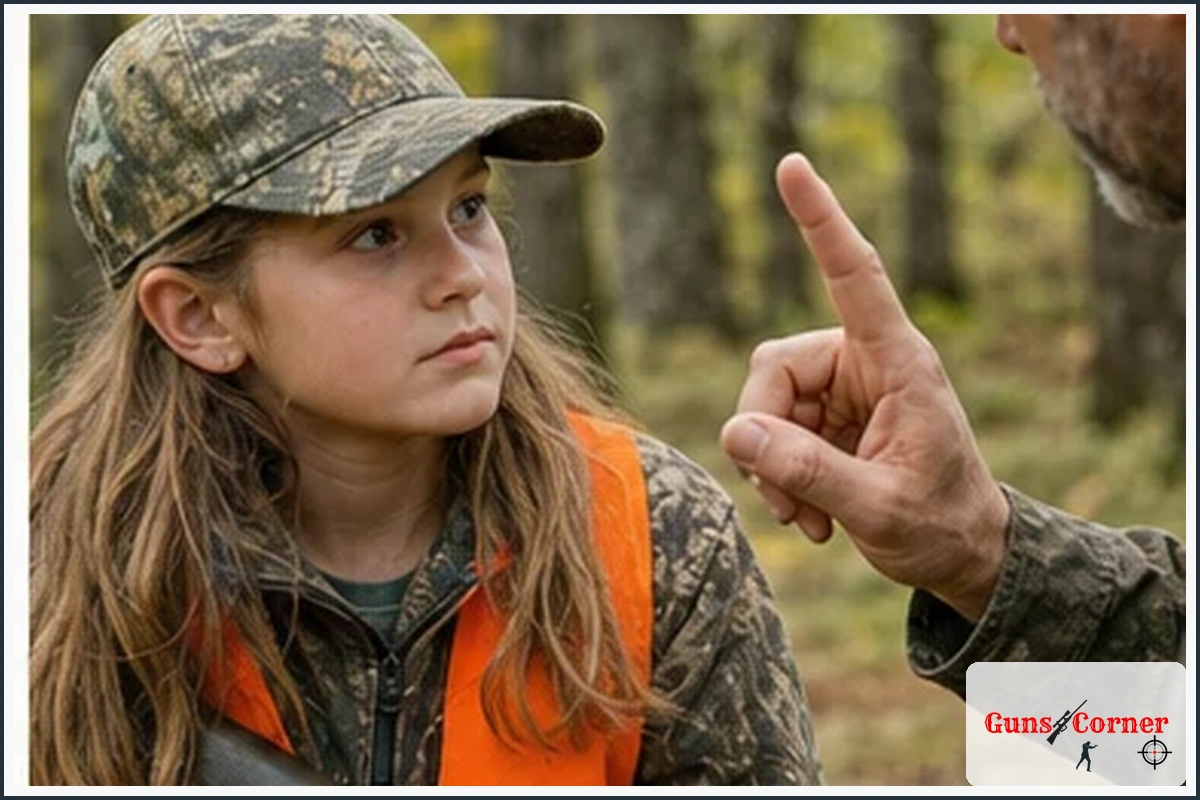
- They want to learn rather than feeling pressured to hunt.
- They can follow safety instructions consistently.
- They understand that a firearm or bow is never a toy.
- They can identify the target and understand what lies beyond it.
- They can remain patient and quiet for a reasonable period.
- They can communicate clearly when tired, cold, scared, or uncomfortable.
- They accept that passing on an unsafe shot is always the correct decision.
Start With Outdoor Education, Not Harvest Expectations
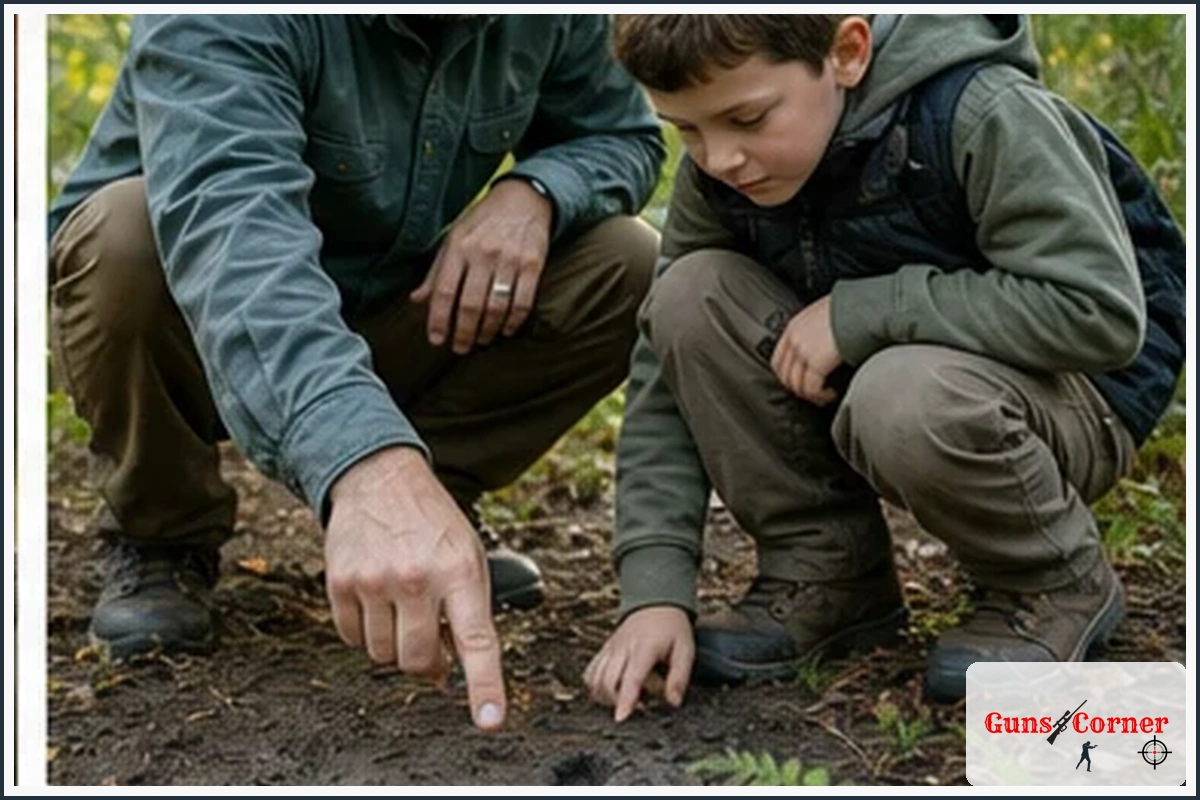
A child does not need to begin by taking a shot. Early experiences can include learning animal tracks, identifying trees and food sources, practicing navigation, observing wildlife, helping prepare gear, and joining a scouting trip without a weapon.
This approach builds confidence while allowing adults to evaluate attention span, comfort in the terrain, and ability to follow instructions. It also teaches that hunting includes conservation, patience, habitat knowledge, and responsible use of wildlife.
How to Prepare a Child for a First Hunt
Step 1: Check the Current Regulations
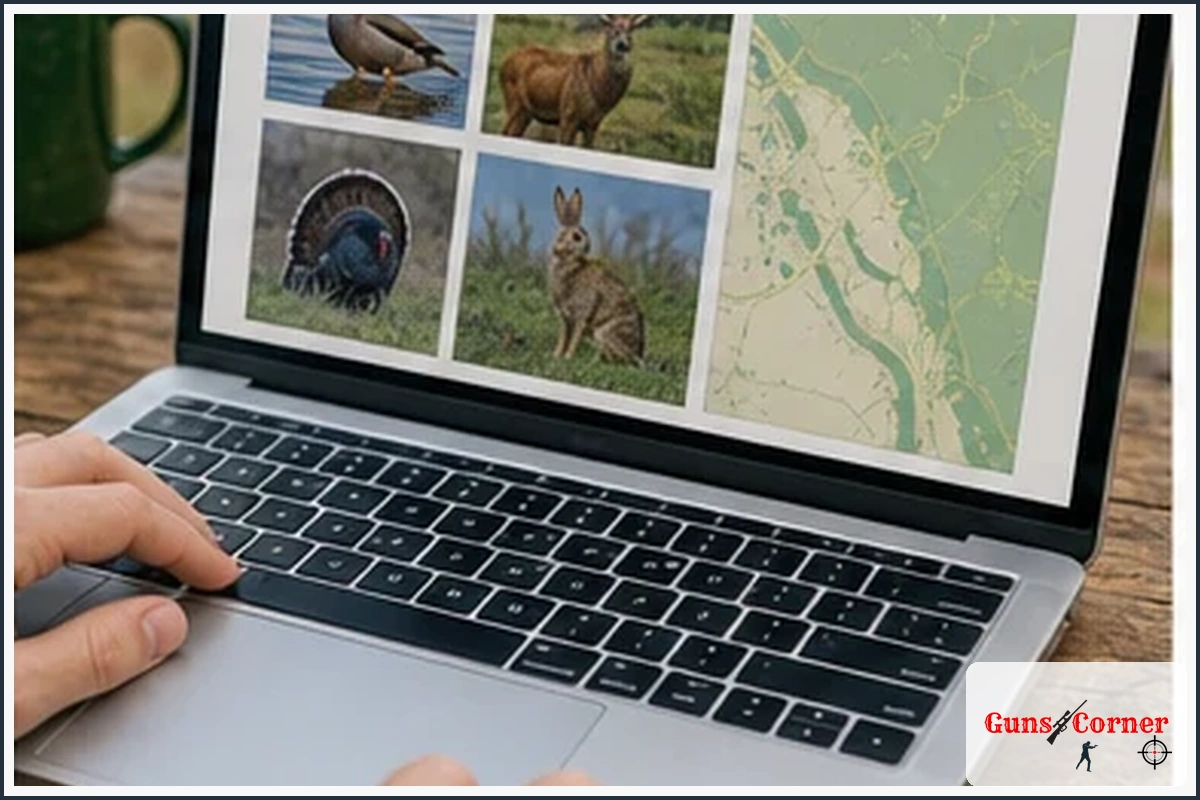
Read the official regulations for the exact location, species, season, and hunting method. Check whether the child needs a license, tag, hunter education certificate, apprentice permit, or adult supervisor. Do not rely on an old article, a friend’s experience, or a previous season’s rules.
Step 2: Complete Hunter Education
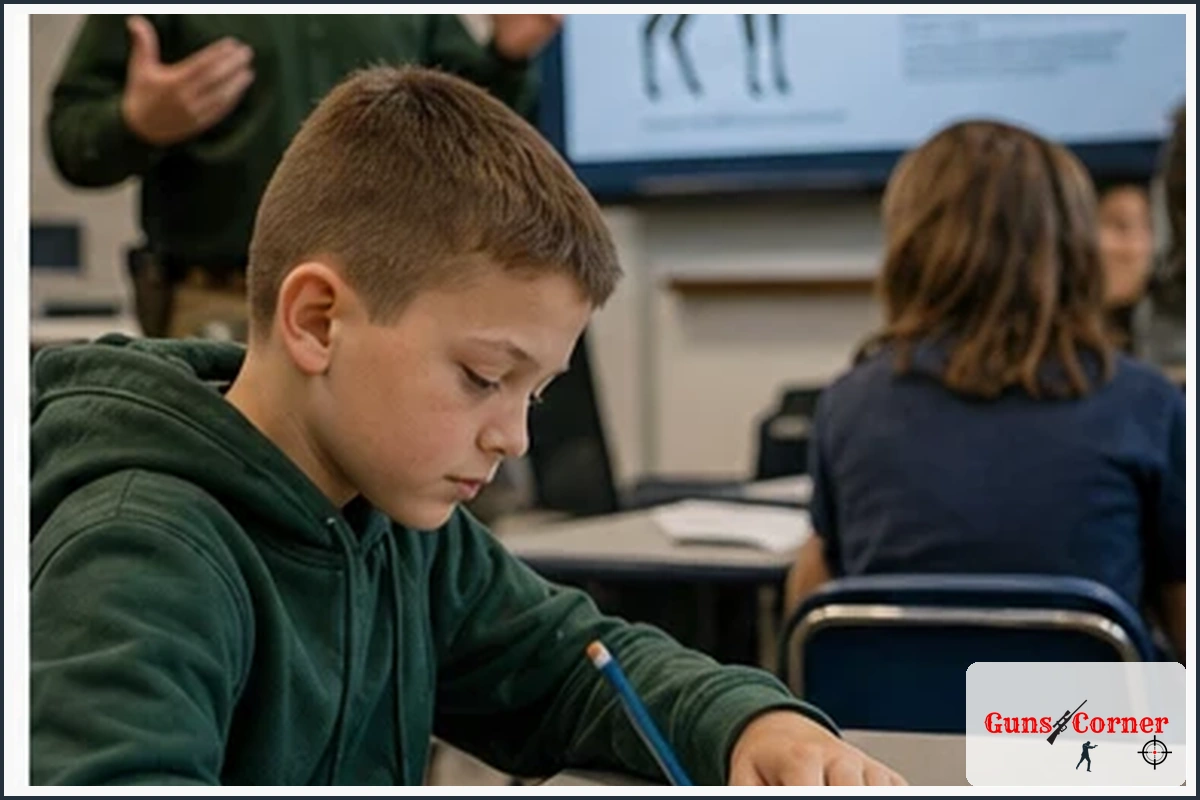
A hunter education course is one of the best foundations for a young hunter. It typically covers safe firearm or bow handling, wildlife identification, ethics, conservation, first aid, and field responsibility. Even when a course is not legally required, it can improve judgment and confidence.
Step 3: Begin With Firearm or Bow Safety
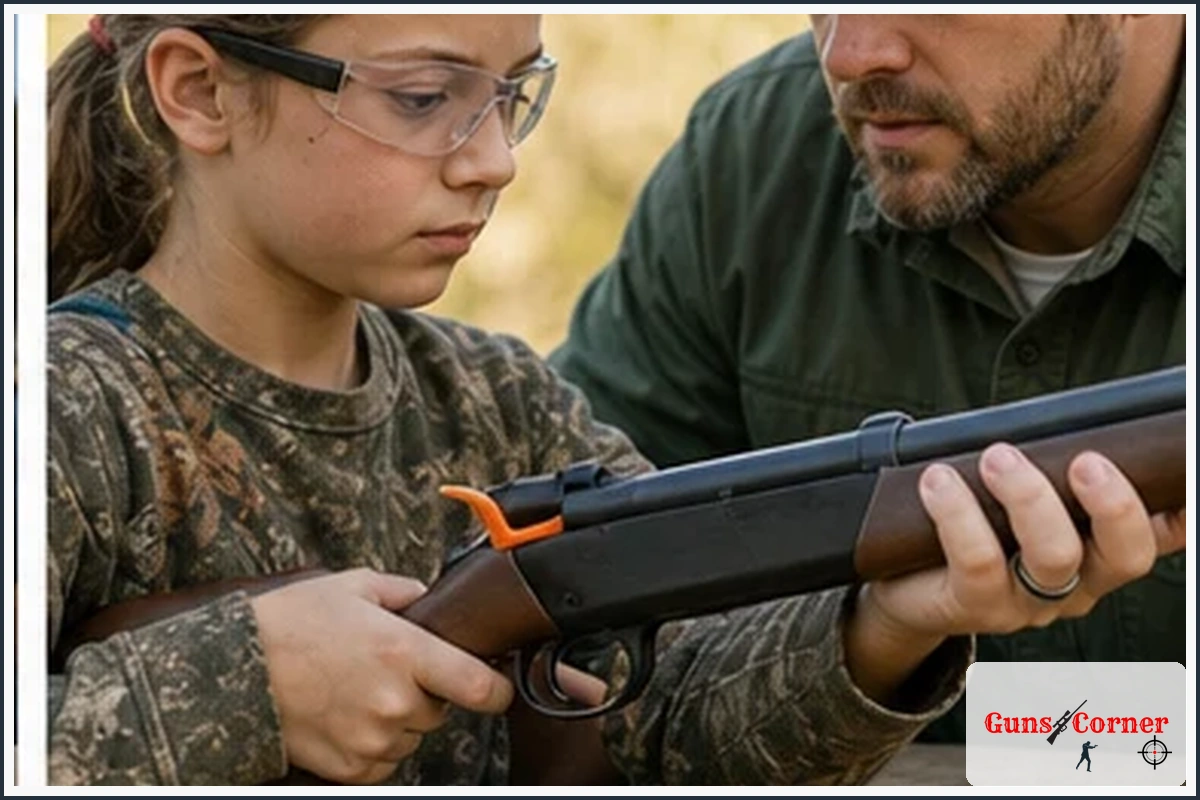
Use the child’s legal hunting method and follow the manufacturer’s instructions. A firearm should always be treated as loaded until personally verified otherwise, pointed in a safe direction, and kept unloaded until it is lawful and appropriate to prepare for a shot.
For bowhunting, teach safe arrow handling, broadhead awareness, controlled drawing, and careful transport. A child should practice only at a range or other lawful, controlled location and should know their realistic effective range.
Step 4: Practice Before Going Into the Field
Practice should focus on safe handling, target identification, stable shooting positions, and decision-making. The child should be able to consistently place shots within an ethical range under supervision before hunting.
Adults should never pressure a child to shoot because an opportunity appears. If the child is uncertain, rushed, uncomfortable, or unable to identify the target clearly, the correct choice is to wait.
Step 5: Scout the Hunting Area Together
Use legal maps and walk the area before the season when permitted. Look for animal tracks, droppings, game trails, feeding areas, bedding cover, water, and safe observation locations. Confirm property boundaries and identify roads, homes, livestock, hiking routes, and other hazards.
Step 6: Choose a Simple, Safe Setup
A ground blind, stationary observation point, or short still-hunt may be easier for a beginner than a long hike or complicated tree-stand hunt. Choose a location with a safe backstop, clear visibility, reliable communication, and an easy exit route.
Step 7: Plan for Comfort and Weather
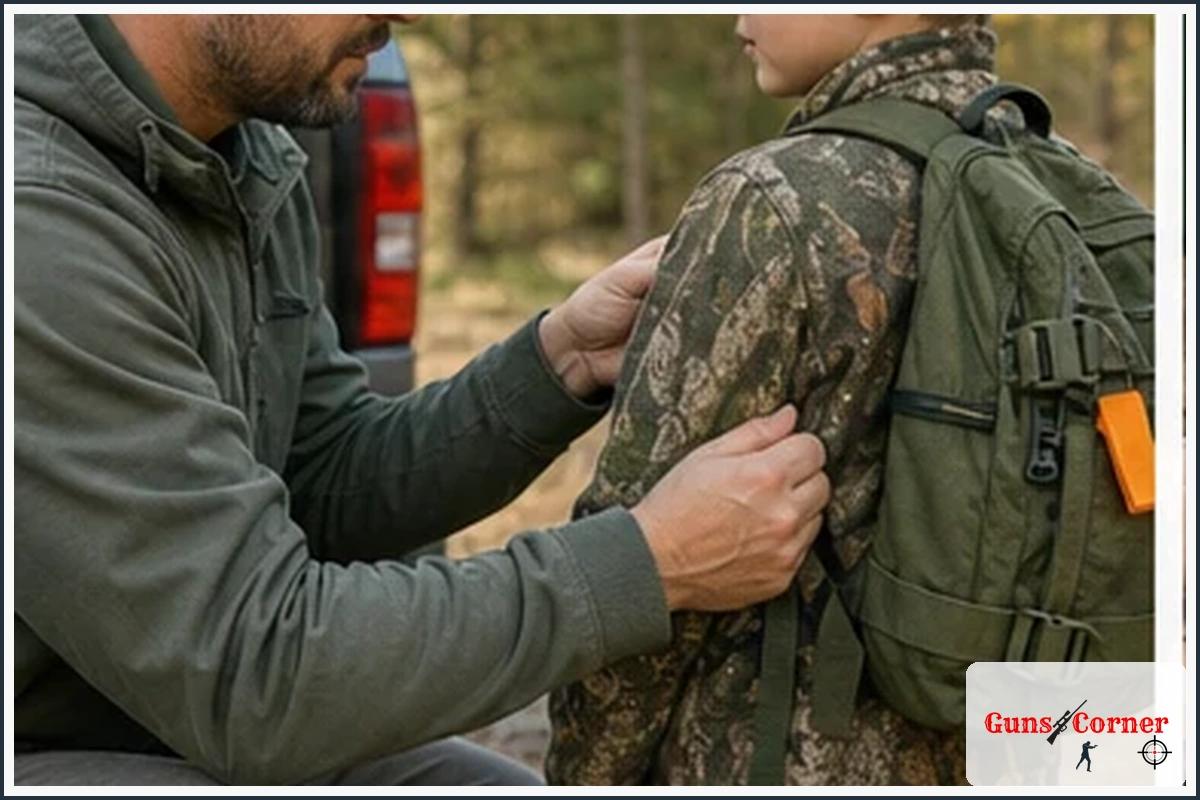
Cold, heat, hunger, noise, and fatigue can quickly overwhelm a child. Dress in layers, bring water and snacks, and carry rain protection, a first aid kit, navigation tools, and a charged communication device. Tell the child that asking to leave is always acceptable.
Step 8: Teach Field Awareness
Explain how wind direction, scent, movement, and noise affect an animal’s behavior. Keep the lesson simple: move slowly, stay aware of surroundings, and avoid unnecessary talking or motion. Do not expect a young hunter to sit beyond their reasonable comfort or attention span.
Step 9: Establish Clear Shot Rules
Before the hunt, agree that the child will not shoot unless the supervising adult confirms the target, species, legality, background, and safe shooting direction. Never shoot toward people, roads, homes, vehicles, livestock, trails, or unclear movement.
Step 10: Handle the Outcome Responsibly
A successful hunt requires legal tagging, reporting, recovery, transport, and meat care according to local rules. Keep the explanation age-appropriate and non-graphic. If no harvest occurs, review the experience positively and identify what the child learned.
Choosing the Best First Hunting Experience
The best first hunt is usually short, familiar, legal, and supervised. Consider the child’s interests and the local opportunities available.
- Wildlife observation: A low-pressure way to learn animal behavior and habitat.
- Small game: May offer walking, tracking, and identification practice, subject to local rules.
- Youth seasons: Can provide additional structure, but eligibility and supervision vary.
- Ground-based hunting: Often simpler than introducing a child to a tree stand.
- Mentored programs: Useful when an experienced, safety-focused adult is available.
Tree Stand and Blind Safety for Young Hunters
Tree stands add risks that require additional maturity and equipment. Follow the stand manufacturer’s instructions, use a properly fitted full-body harness, maintain three points of contact while climbing, and use a haul line rather than carrying a weapon while climbing.
A ground blind also requires care. Make sure visibility is adequate, the firearm or bow can be controlled safely, and every person understands where shooting is permitted. Never allow a child to handle a weapon casually inside a blind or stand.
Public Land and Private Land Considerations
Public Land
Check maps, boundaries, parking rules, access restrictions, and regulations for the specific property. Be respectful of hikers, campers, livestock, and other hunters. Choose a location that reduces the possibility of conflict and maintain safe awareness of nearby users.
Private Land
Obtain clear permission before entering. Discuss gates, parking, livestock, property lines, stands, cleanup, and where hunting is allowed. Teach children to respect the landowner’s instructions and leave the property as they found it.
Helpful Tips for a Positive First Hunt
- Let the child help pack and inspect the hunting gear.
- Keep the first outing shorter than a typical adult hunt.
- Bring comfortable seating and weather-appropriate clothing.
- Use binoculars to make observation part of the experience.
- Practice quiet communication signals before entering the field.
- Explain that seeing wildlife is a successful outcome.
- Choose safety and patience over filling a tag.
- Take breaks before the child becomes exhausted or uncomfortable.
- Record observations about weather, tracks, habitat, and animal movement.
Common Mistakes to Avoid
- Assuming every jurisdiction has the same minimum hunting age.
- Ignoring hunter education or supervision requirements.
- Taking a child into the field without practicing first.
- Choosing a long, cold, or physically difficult hunt as the first experience.
- Pressuring a child to take a shot.
- Allowing casual firearm or bow handling.
- Failing to identify what lies beyond the target.
- Forgetting licenses, tags, required clothing, or harvest reporting.
- Ignoring property boundaries or public-land access rules.
- Focusing only on harvesting instead of teaching conservation and ethics.
Troubleshooting Common Problems
| Problem | Possible Cause | What to Do |
|---|---|---|
| The child loses interest | The outing is too long, uncomfortable, or demanding | Take a break, shorten the hunt, or switch to wildlife observation. |
| The child becomes nervous around the weapon | Insufficient practice or too much pressure | Unload it safely, pause the hunt, and return to supervised instruction. |
| No animals are seen | Poor scouting, timing, weather, or hunting pressure | Treat the outing as field practice and review habitat and sign later. |
| The child becomes cold or tired | Inadequate clothing, food, water, or trip length | Leave early if necessary and improve comfort planning next time. |
| Rules are unclear | Outdated information or confusing local regulations | Contact the official wildlife agency before hunting. |
| Property boundaries are uncertain | Incomplete maps or unclear permission | Do not enter or hunt until access is confirmed. |
Ethical Hunting and Conservation
Introducing children to hunting is also an opportunity to teach respect for wildlife and habitat. Follow seasons and limits, avoid waste, pass on uncertain shots, and treat landowners, other hunters, and non-hunters courteously.
Licenses and lawful participation often support wildlife management and conservation programs. A child should learn that responsible hunting includes protecting habitat, identifying species correctly, recovering game efficiently, using the harvest responsibly, and leaving outdoor areas clean.
When to Get More Training or Professional Guidance
Seek additional help if the child has never handled a firearm or bow, has not completed hunter education, is unsure about local regulations, or is uncomfortable in unfamiliar terrain. Certified instructors, official hunter education programs, conservation organizations, and experienced ethical mentors can provide valuable guidance.
After the Hunt: Gear Care and Learning
Unload and secure firearms according to manufacturer and local safety guidance. Store weapons, ammunition, bows, and broadheads securely away from unauthorized users. Clean and dry clothing, boots, optics, and navigation equipment.
Review the outing together. Discuss what the child enjoyed, what felt difficult, the signs you observed, and how safety decisions were made. These conversations help build judgment and confidence for future hunts.
Recommended Hunting Gear and Tools to Consider
You do not need expensive equipment to introduce a child to hunting responsibly. Choose equipment based on local law, terrain, weather, the child’s size, and the hunting method.
- Legal hunting license, permit, tags, and required identification
- Appropriately fitted firearm or bow handled under close supervision
- Hunter-orange or other required visibility clothing
- Weather-appropriate layers, boots, gloves, and headwear
- Binoculars for wildlife observation
- Map, compass, GPS, or approved hunting app
- First aid kit, water, snacks, and emergency communication
- Eye and hearing protection where appropriate
- Full-body safety harness for any legal tree-stand use
Final Thoughts
What age can kids start hunting? The answer depends less on a specific number than on readiness, local law, training, maturity, and supervision. Begin with safety, outdoor education, scouting, and wildlife respect. With realistic expectations and patient guidance, a child’s first hunting experience can build lifelong skills without pressure to harvest an animal.
Frequently Asked Questions
Is there a universal minimum age for hunting?
No. Minimum ages and supervision rules vary by jurisdiction, species, weapon, season, and license type. Check the current official regulations where you plan to hunt.
What age can kids start hunting with an adult?
Some jurisdictions allow supervised youth hunting at young ages, while others set specific minimums. The child must also meet any license, education, and weapon requirements.
Can a child hunt without a license?
Usually, a license, youth permit, apprentice authorization, or other legal documentation may be required. Never assume an exemption applies without confirming it with the wildlife agency.
Does a child need hunter education?
Many jurisdictions require hunter education for certain ages or license types. Even where it is optional, completing an approved course is strongly recommended.
What is the best age to teach firearm safety?
Firearm safety can be taught through age-appropriate lessons before a child hunts. Actual handling should wait until the child can follow instructions consistently and is supervised by a qualified adult.
Can children learn hunting without using a weapon?
Yes. Scouting, tracking, wildlife observation, navigation, habitat study, and conservation activities are excellent preparation.
Should a child use a firearm or bow first?
Use only a method that is legal, properly fitted, and appropriate for the child’s training and ability. A qualified instructor can help determine readiness.
How do I know if my child is ready to hunt?
Look for consistent safety behavior, patience, clear communication, emotional readiness, and genuine interest. A child should be comfortable stopping if conditions become unsafe.
Should parents pressure children to take a first shot?
No. The child should take a shot only when the target is clearly identified, the background is safe, the opportunity is legal, and the shot is within practiced ability.
What should a child learn before the first hunt?
Teach target identification, safe handling, wildlife identification, land boundaries, basic navigation, emergency communication, and the importance of passing on unsafe shots.
Are youth hunting seasons safer for beginners?
Youth seasons may provide structured opportunities, but safety still depends on compliance with local rules, adult supervision, equipment, and responsible field decisions.
Can kids hunt big game?
Some jurisdictions allow youth big-game hunting under specific conditions. Verify minimum age, hunter education, tags, weapon rules, adult supervision, and reporting requirements.
Can kids hunt small game?
Small-game hunting may be a suitable introduction, but it remains subject to local seasons, licenses, legal methods, bag limits, and safety requirements.
What should a child wear while hunting?
Clothing should match the weather and terrain. Wear any required blaze orange or visibility gear, use sturdy footwear, and dress in layers to prevent overheating or chilling.
Should a child hunt from a tree stand?
Only if legal, properly trained, physically capable, and supervised. Use a full-body harness and follow all stand and climbing safety procedures.
Is a ground blind better for a young hunter?
A ground blind may simplify access and reduce climbing risks, but it still requires safe firearm or bow control, clear visibility, and a safe shooting direction.
How long should a child’s first hunt last?
There is no universal duration. Keep the first outing short enough to match the child’s attention, comfort, weather tolerance, and physical ability.
What if the child becomes scared?
Stop and listen. Move to a safe location or leave if necessary. A positive experience is more important than completing the hunt.
What if the child gets cold or tired?
End the hunt or take a safe break. Carry extra layers, water, food, and emergency supplies, and adjust future outings to improve comfort.
What is the best place for a child’s first hunt?
Choose a legal area with simple access, clear boundaries, safe visibility, manageable terrain, and low conflict with other users.
Can children hunt on public land?
Yes, where permitted. Confirm legal access, boundaries, parking rules, seasons, and regulations, and teach the child to respect other public-land users.
Can children hunt on private land?
Yes, with permission. Review property boundaries, gates, livestock, parking, cleanup, and any specific landowner instructions.
How important is scouting before a youth hunt?
Scouting helps identify animal sign, safe setups, access routes, hazards, and property boundaries. It also makes the outing more educational.
What animal signs should children learn?
Begin with tracks, droppings, feeding evidence, game trails, bedding areas, rubs, scrapes, wallows, or roosting areas as appropriate for the species.
Does wind direction matter for a child’s hunt?
Yes. Wind affects scent and animal awareness. Teach the child to notice wind direction and plan a route that reduces the chance of animals detecting the group.
What if no animals appear?
Use the opportunity to practice observation, listening, and patience. Hunting success is never guaranteed, and learning still makes the outing worthwhile.
Can a child hunt in bad weather?
Only when conditions are safe and the child is properly equipped. Avoid dangerous storms, extreme temperatures, flooding, poor visibility, or conditions that compromise safe handling.
What should adults do if they are unsure about the law?
Pause the plan and contact the official wildlife agency. Do not hunt until license, season, weapon, access, supervision, and reporting requirements are clear.
What should happen after a successful hunt?
Follow local tagging, reporting, recovery, transport, and meat-care rules. Keep the process respectful, safe, legal, and age-appropriate.
Should children help with meat care?
They can learn age-appropriate lessons about cooling, cleanliness, responsible use, and conservation. Adults should supervise knives, equipment, and all processing tasks.
What is the most common mistake families make?
Focusing on the harvest instead of preparation and safety. A first hunt should build skills, confidence, and respect for wildlife.
Do children need special-sized hunting equipment?
Equipment should fit the child and be manageable without compromising safety. Ask a qualified instructor for help selecting legal, appropriate equipment.
How can parents teach ethical hunting?
Model patience, obey regulations, identify wildlife carefully, pass on unsafe shots, respect landowners, avoid waste, and explain the conservation role of lawful hunting.
When should a family seek professional instruction?
Seek help whenever an adult lacks confidence with firearm or bow safety, local regulations, tracking, navigation, tree stands, or recovery and meat-care responsibilities.
Can hunting become a family conservation activity?
Yes. Families can combine hunting with habitat study, wildlife observation, public-land stewardship, hunter education, and participation in lawful conservation programs.
Read more: