
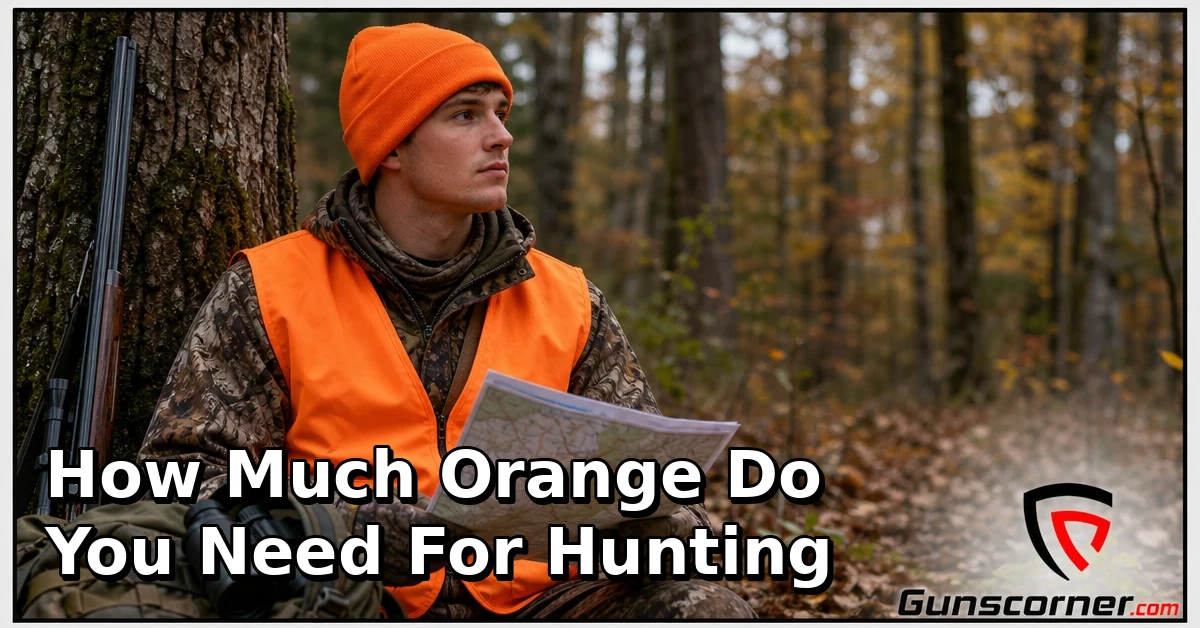

Hunter orange is one of the simplest ways to improve visibility and reduce accidents during many big-game and firearms hunting seasons. However, the required amount, color, garment type, and hunting situations vary by location and species. This guide explains how to decide how much orange you need for hunting while keeping your preparation legal, practical, and safe.
How much orange you need for hunting depends on your state or province, species, season, weapon, and land regulations. Many jurisdictions require a minimum amount of blaze or fluorescent orange on the upper body, often through a vest, jacket, or coat, and some also require orange headwear. Check your official wildlife agency before hunting, then wear more visible orange than the minimum when practical. Hunter orange does not replace firearm safety, target identification, or awareness of other people in the area.
Important Legal and Safety Notice Before You Hunt
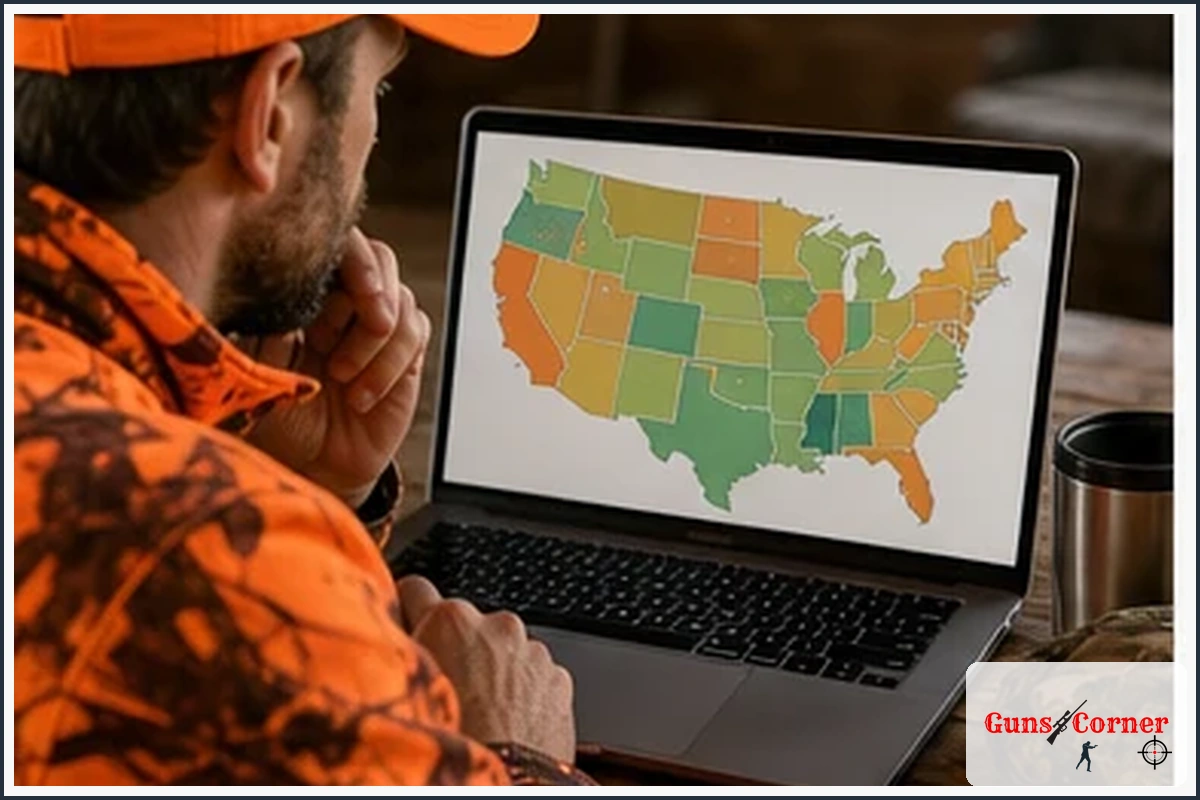
Hunter-orange requirements are not universal. Rules can differ by state, province, county, wildlife management area, species, season, weapon type, and whether you are hunting from a ground position or elevated stand. Verify current regulations with the official wildlife agency before every hunt.
- Confirm your hunting license, permits, tags, and season dates.
- Check whether hunter orange is required, recommended, or exempted for your species and weapon.
- Verify the minimum visible area, garment type, color, and headwear requirements.
- Review legal hunting hours, weapon rules, bag limits, harvest reporting, and transport requirements.
- Confirm public-land boundaries or obtain permission before entering private property.
- Identify your target and what lies beyond it before aiming or shooting.
- Never shoot toward roads, homes, livestock, vehicles, trails, people, or unclear movement.
- Use a full-body safety harness in a tree stand and follow firearm or bow safety rules.
What Hunter Orange Does—and Does Not—Do
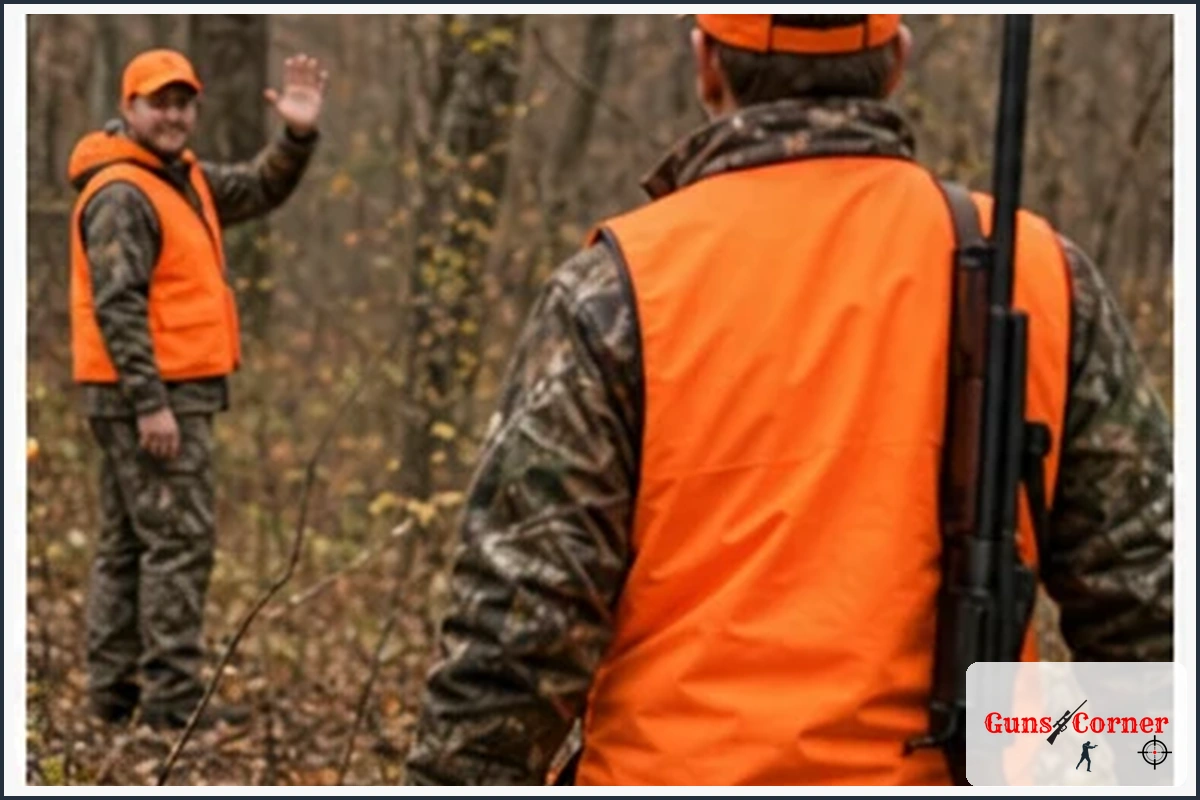
Hunter orange makes people easier for other hunters to recognize. It is especially valuable during firearms seasons, when hunters may be moving through thick cover, timber, brush, or uneven terrain. Orange helps communicate that a person is present, but it does not make anyone immune to accidents.
Hunter orange does not identify an animal, make an unsafe shot safe, replace a legal requirement, or guarantee that every person will see you. Continue using safe firearm handling, controlled movement, clear communication, and careful target identification.
How to Determine How Much Orange You Need for Hunting
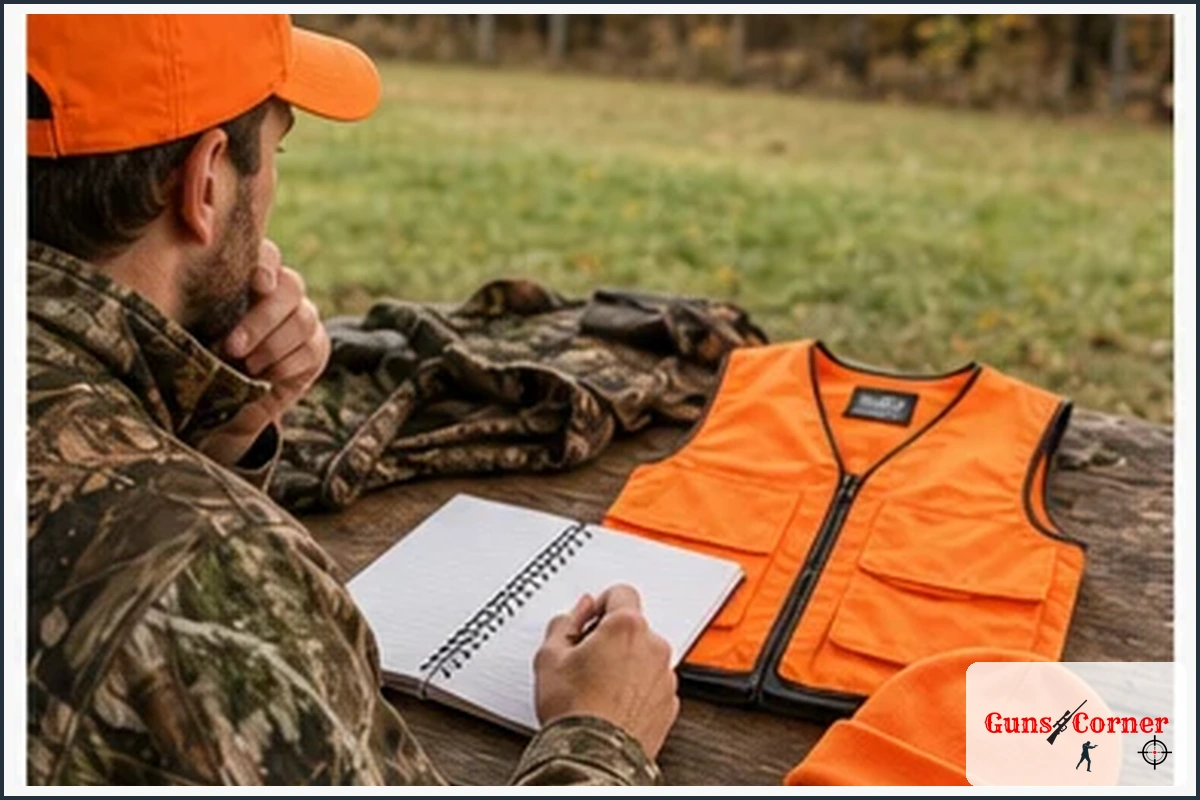
Step 1: Start With the Official Regulation
Look up the current hunting regulations for the exact location, species, season, and weapon you plan to use. Search for sections covering hunter orange, fluorescent orange, blaze orange, visibility clothing, legal hunting attire, and exceptions.
Do not rely on an old vest, advice from a friend, or rules from another state. Regulations can change, and a requirement that applies to deer firearms season may not apply in the same way to archery, turkey, waterfowl, or small-game hunting.
Step 2: Identify the Required Body Area
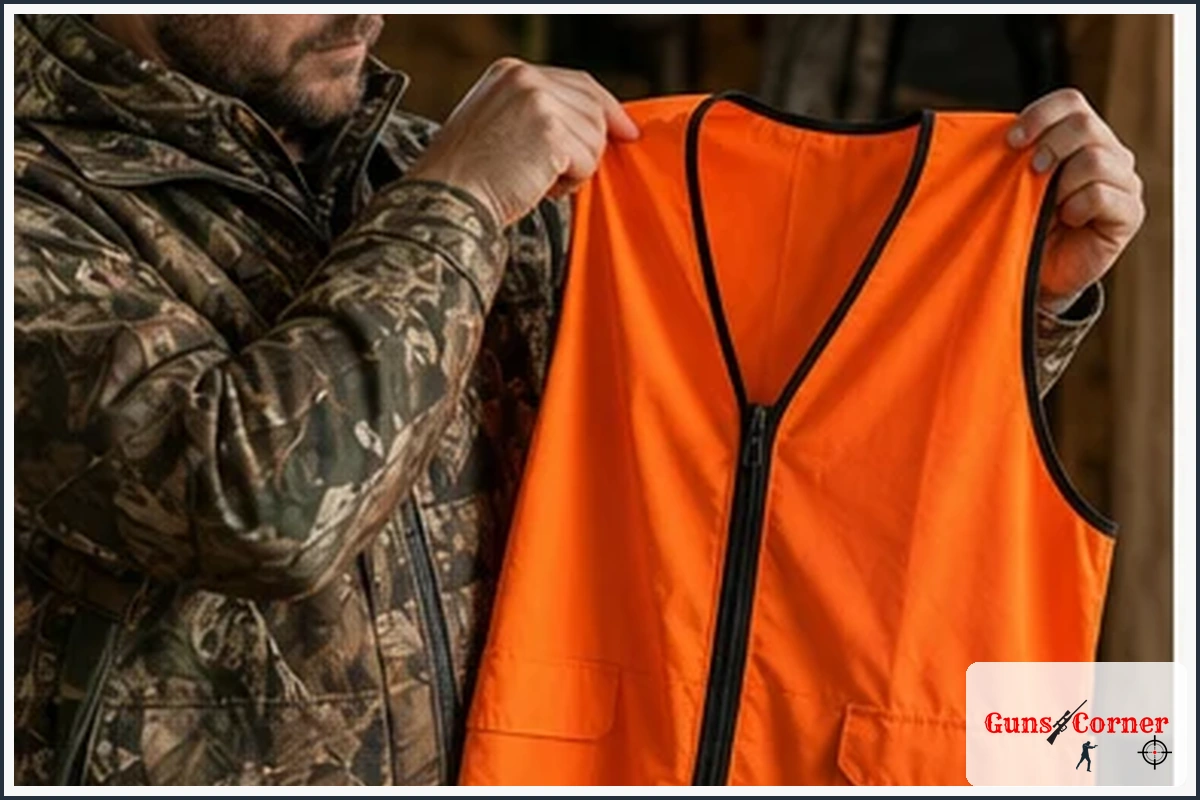
Some regulations focus on a minimum visible area on the torso, while others specify a vest, coat, jacket, hat, or combination of garments. Read the wording carefully. A small orange patch may not satisfy a rule requiring a larger visible area.
When the regulation is unclear, contact the wildlife agency or a conservation officer before hunting. If you cannot confirm that your clothing complies, choose a more visible legal option rather than guessing.
Step 3: Choose a Practical Orange Layer
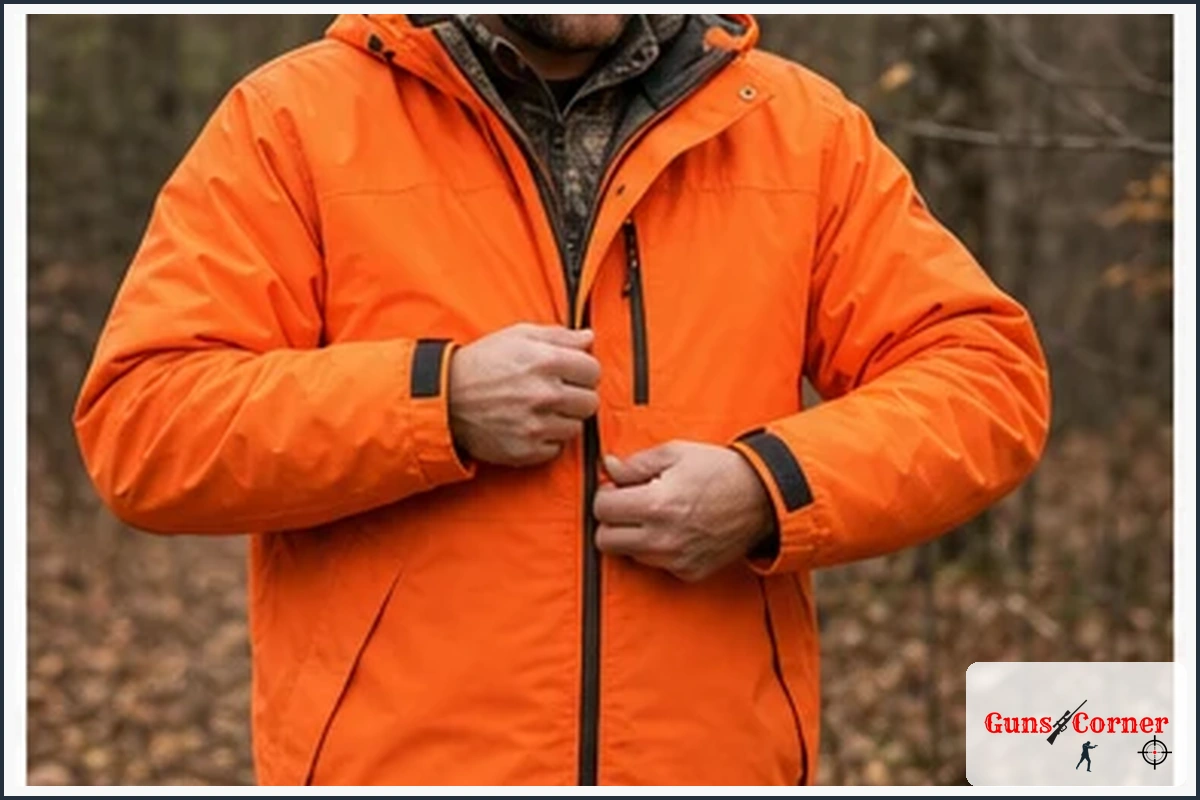
A blaze-orange vest is often a convenient outer layer because it can be worn over different clothing systems. An orange jacket or coat may be better in cold or wet conditions. Orange hats and caps can improve visibility above brush, but headwear alone may not satisfy a torso requirement.
Choose clothing that remains visible while you sit, walk, climb, or wear a backpack. Make sure straps, binoculars, rain gear, or a safety harness do not cover most of the required orange area.
Step 4: Consider Wearing More Than the Minimum
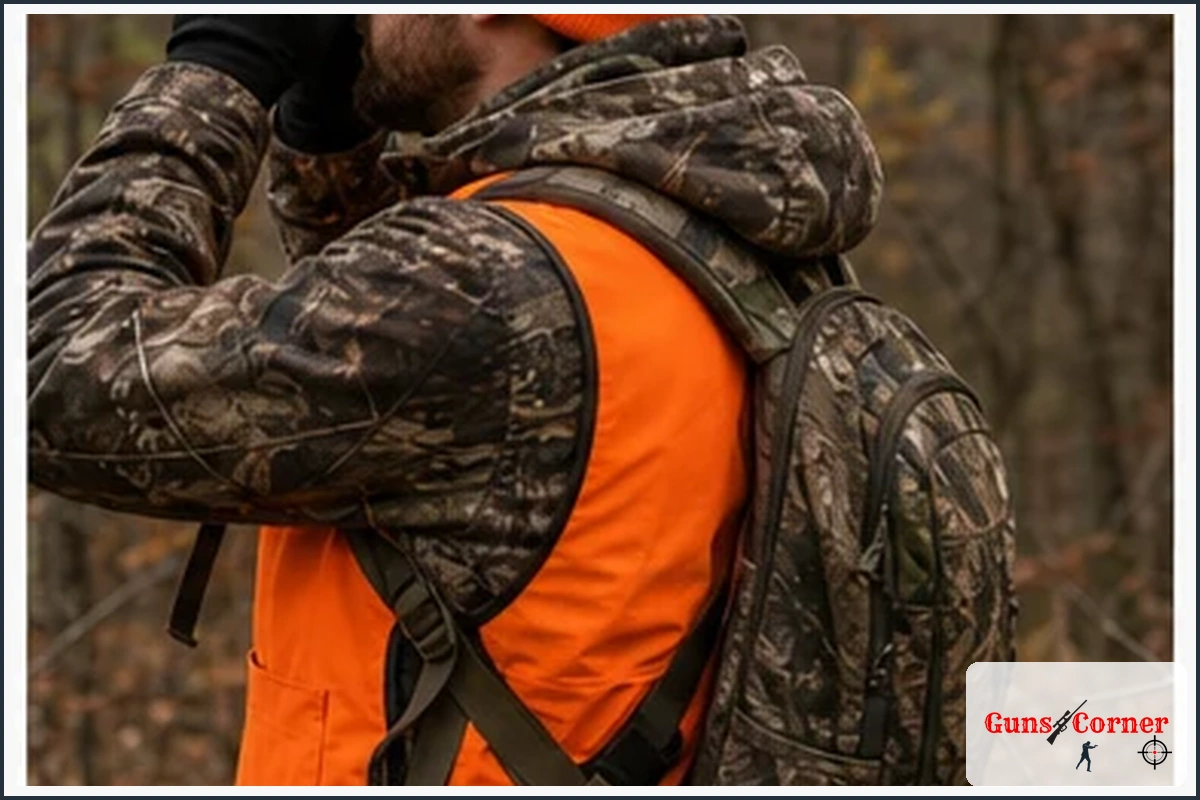
The legal minimum is not always the most visible choice. Wearing an orange vest and hat can make you easier to recognize from different angles, especially in thick cover or low light. More orange may also be useful when walking to and from a hunting location.
Extra visibility should never interfere with safe movement, weather protection, hearing, vision, or the proper use of your firearm or bow.
Step 5: Check Visibility From the Front, Back, and Sides
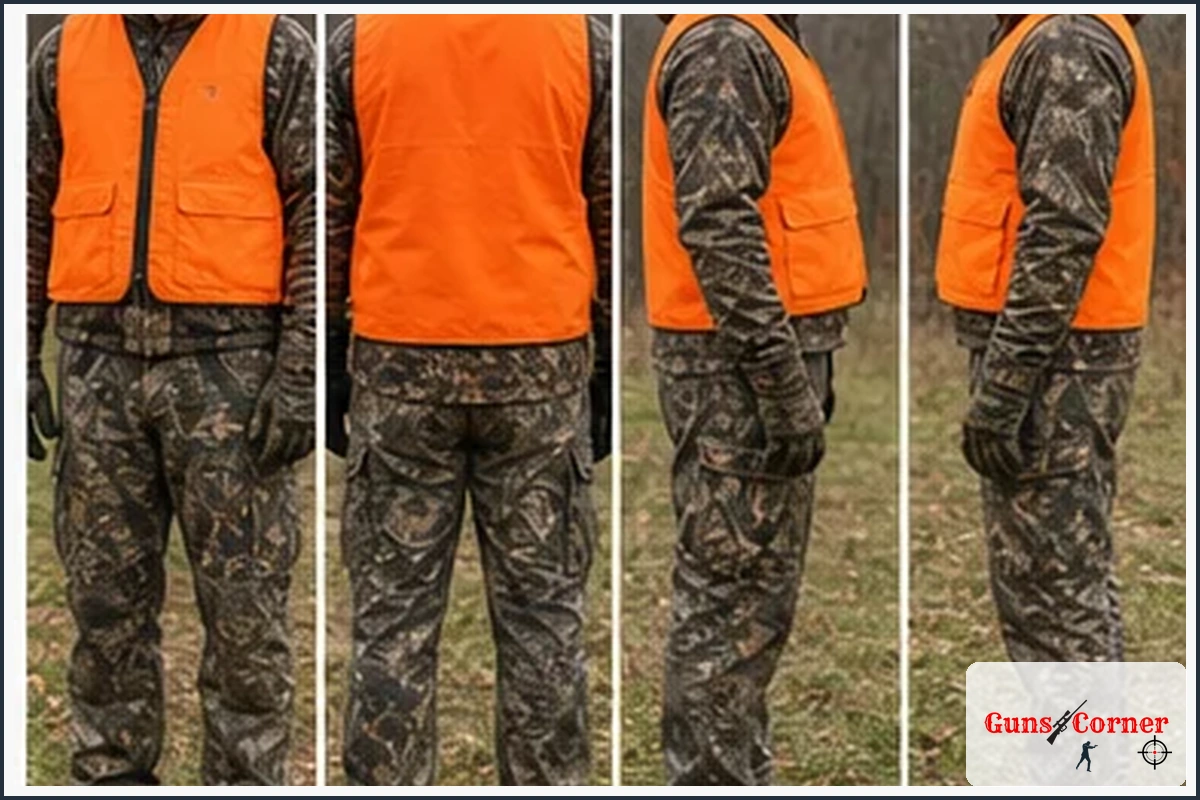
Before entering the field, put on your complete hunting clothing and inspect it from multiple angles. Ask another person whether the orange remains visible when you are seated, carrying a pack, wearing rain gear, or using a tree-stand harness.
Replace faded, torn, heavily soiled, or covered garments. Bright fluorescent orange is generally more useful than dull or camouflage-patterned material, but the legal standard in your area remains the controlling factor.
Step 6: Plan for Changing Weather
Cold-weather layers, rain jackets, and snow gear can hide a vest or coat. Pack an orange outer layer that fits over your expected clothing. If you add a waterproof shell, confirm that the required visibility remains exposed.
Also plan for fog, darkness, heavy rain, and dense vegetation. Hunter orange improves recognition but may be less visible in poor conditions, so use extra caution and consider postponing a hunt when safe navigation or identification is difficult.
When Is Hunter Orange Commonly Required?
Requirements commonly apply during certain firearms seasons for big game, but the exact rules vary widely. Some jurisdictions extend orange requirements to muzzleloader, shotgun, or other firearm seasons. Others have different rules for archery, turkey, small game, migratory birds, or hunters using blinds and elevated stands.
Never assume that a bow season automatically requires or excludes hunter orange. Review the current regulations for the specific hunt, and follow any special rules for accompanying hunters, guides, youth hunters, or wildlife management areas.
Hunter Orange for Public and Private Land
Public Land
On public land, visibility is especially important because multiple hunters may use the same property. Wear the required orange while traveling, scouting during an open season, setting up, and leaving the area if the rules require it.
- Use maps to confirm the property boundary.
- Respect posted closures, restricted areas, and designated access points.
- Park legally and avoid blocking gates, roads, or emergency access.
- Assume other hunters may be nearby even when you cannot see them.
- Communicate clearly and never approach an unknown person with a firearm ready.
Private Land
Private land still requires compliance with hunting regulations. Obtain landowner permission before entering, respect livestock and property boundaries, and follow any additional safety instructions from the landowner.
Ask whether other hunters, workers, guests, or equipment may be present. Wearing the required orange helps everyone identify one another, but communication and permission remain essential.
Gear and Clothing Checklist
- Legal blaze-orange vest, jacket, or coat
- Orange hat or cap when required or useful for added visibility
- Weather-appropriate base layers and outerwear
- Waterproof clothing that does not cover required orange
- Safe, comfortable boots suited to the terrain
- Map, compass, GPS, or reliable navigation device
- Phone, emergency communication method, and spare power source
- Water, food, first aid supplies, and weather protection
- Binoculars or other optics for observation
- Legal firearm or bow, handled according to training and manufacturer guidance
- Tree-stand safety harness if hunting from an elevated position
- Game bags, gloves, cooling supplies, and transport equipment when applicable
Scouting and Preparation Before the Hunt
Hunter orange is only one part of a safe and successful hunt. Before entering the field, scout legal access routes, identify likely animal sign, and learn how other hunters may use the area. Look for tracks, trails, feeding areas, bedding cover, water, rubs, scrapes, or other species-specific signs without disturbing the property unnecessarily.
Study maps for roads, steep terrain, streams, fences, private boundaries, and emergency exit routes. Plan where you will park, how you will enter, and how you will leave without crossing unsafe areas or interfering with other hunters.
Check the weather forecast and tell someone where you will be. Wear orange during scouting or hunting whenever regulations require it, and avoid assuming that a quiet or remote area is free of people.
Firearm and Bow Safety With Hunter Orange
Hunter orange supports visibility, but safe weapon handling remains your responsibility.
- Keep the muzzle pointed in a safe direction.
- Keep your finger outside the trigger guard until ready to fire.
- Unload firearms before crossing obstacles, entering vehicles, or leaving the hunting position.
- Carry bows carefully with broadheads covered and secure.
- Identify the target beyond doubt before taking any shot.
- Know what is beyond the target and avoid shooting toward people, roads, buildings, or livestock.
- Take only shots within your practiced ability and permitted by local law.
- Use a full-body harness and maintain three points of contact when climbing a tree stand.
Common Mistakes to Avoid
- Assuming the rules from another location apply to your hunt.
- Wearing an old garment without checking whether it still meets the current requirement.
- Covering the visible orange with a pack, rain shell, or tree-stand harness.
- Wearing camouflage-patterned orange that is difficult to see.
- Removing orange while walking through the hunting area.
- Believing orange allows careless movement or unsafe shooting.
- Ignoring other hunters, hikers, landowners, or workers nearby.
- Failing to plan for weather, darkness, navigation, or emergencies.
- Entering private property without permission.
- Taking an uncertain or poorly controlled shot.
Troubleshooting Common Problems
| Problem | Possible Cause | What to Do |
|---|---|---|
| You are unsure how much orange is required | The regulation is unclear or varies by season | Read the current official regulations and contact the wildlife agency before hunting. |
| Your orange is covered | A backpack, rain shell, or harness blocks visibility | Reposition equipment or use an outer orange layer that remains visible. |
| Your vest is faded or damaged | Age, washing, sunlight, or wear has reduced visibility | Replace it with bright, intact, regulation-compliant clothing. |
| You cannot see other hunters | Thick cover, terrain, fog, or low light limits visibility | Slow down, communicate, keep your weapon pointed safely, and avoid shooting until the target is certain. |
| Weather makes clothing uncomfortable | Too many layers or inadequate rain and cold protection | Use a layered system with a visible orange outer garment and plan for changing conditions. |
| You are uncertain about a shot | The target, background, or legal status is unclear | Do not shoot. Wait for a safe, legal, clearly identified opportunity. |
Ethical Hunting and Conservation
Responsible hunting means more than meeting a clothing requirement. Follow seasons, bag limits, weapon regulations, access rules, and harvest-reporting requirements. Respect wildlife, landowners, other hunters, hikers, and conservation officers.
Practice before the season, take only ethical shots, and pass on opportunities that exceed your skill level or create an unsafe background. Recover harvested game promptly and legally, cool and transport meat responsibly, and avoid waste. Hunting licenses and lawful participation also support wildlife management and habitat conservation.
When to Get More Training or Professional Guidance
Take a hunter education course if you are new to hunting or uncertain about firearm, bow, navigation, or field safety. An experienced and ethical mentor can help you understand local regulations, clothing requirements, scouting, shot discipline, and game recovery.
Seek guidance when you are unsure about property boundaries, legal access, tree-stand use, safe weapon handling, harvest reporting, or meat care. Official wildlife agencies, certified instructors, conservation organizations, and reputable hunting clubs are useful sources of instruction.
After the Hunt: Gear Care and Learning
Inspect your orange clothing after each hunt. Wash it according to the garment instructions, repair damaged closures, and store it where sunlight will not unnecessarily fade it. Clean and safely store firearms, bows, optics, boots, navigation tools, and emergency equipment.
Record the weather, wind, animal sign, access route, hunting pressure, and what worked or failed. Confirm that any required harvest report or tag process is complete, and handle harvested game according to local transport and meat-care rules.
Recommended Hunting Gear and Tools to Consider
You do not need expensive equipment to hunt responsibly. Choose gear based on local regulations, terrain, weather, species, hunting method, safety needs, skill level, and budget.
- Regulation-compliant blaze-orange vest or jacket
- Bright orange hat when required or useful for added visibility
- Layered weather protection that keeps orange visible
- Comfortable boots suited to local terrain
- Map, compass, GPS, or hunting app
- Binoculars for observing animals and identifying people or movement
- First aid kit, water, food, and emergency communication
- Full-body tree-stand harness for elevated hunting
- Gloves, game bags, cooler, and meat-care supplies when relevant
Final Thoughts
How much orange you need for hunting is determined by your local wildlife regulations, but wearing a highly visible vest and hat is often a practical way to improve recognition. Check the current rules, keep orange visible over your complete clothing system, scout legal land carefully, and use safe firearm or bow practices at all times.
Successful hunting depends on preparation, patience, weather, animal behavior, land access, skill, and ethical decisions—not clothing alone. Hunt legally, respect wildlife and other people, and pass on any opportunity that is not completely safe and responsible.
Frequently Asked Questions
How much orange do you need for hunting?
The required amount varies by location, species, season, and weapon. Check your official wildlife agency for the required visible area and garment type before hunting.
Is a hunter-orange vest usually enough?
A vest may satisfy some regulations, but not all. Confirm whether your area requires a specific visible area, jacket, coat, or head covering.
Do you need an orange hat when hunting?
Some jurisdictions require orange headwear, while others do not. Even when optional, an orange hat can improve visibility above brush and uneven terrain.
Is blaze orange the same as hunter orange?
Regulations may use terms such as blaze orange, fluorescent orange, or hunter orange. Follow the exact wording and color standard used by your local wildlife agency.
Can camouflage orange satisfy hunting regulations?
Not necessarily. A camouflage pattern may contain orange but fail to provide the required visible area. Confirm whether your clothing meets the local rule.
Does hunter orange make you invisible to deer?
No clothing guarantees that animals will not detect you. Orange is primarily intended to improve human visibility, not concealment from wildlife.
Can you wear orange during archery season?
Archery-season rules vary. Some areas require orange only during certain firearms seasons, while others have different requirements. Check current regulations.
Do firearm hunters always need hunter orange?
Many jurisdictions require it during some firearms seasons, but requirements differ. Verify the exact rules for your location and hunt.
Do you need orange while walking to your hunting spot?
If the regulation applies during the relevant season, keep the required orange visible while traveling through the hunting area. Wearing it from the vehicle to the hunting position is often the safest practice.
Does orange have to be visible from all sides?
The legal wording varies. As a safety practice, keep orange visible from the front, back, and sides whenever practical.
Can a backpack cover hunter orange?
A backpack should not hide the legally required visible area. Use an orange pack cover or adjust your clothing and equipment to maintain visibility.
Can a rain jacket cover your orange?
It can if the orange is no longer visible. Use a regulation-compliant orange rain shell or wear the required orange layer over suitable weather protection.
Does hunter orange work in low light?
It improves recognition in many conditions but is not a substitute for good visibility. Avoid shooting when darkness, fog, rain, or brush prevents clear identification.
Should you wear more orange than the legal minimum?
Wearing additional visible orange can improve recognition, especially in thick cover or around other hunters, provided it does not interfere with safe movement or equipment.
Is hunter orange required on private land?
Private land does not automatically exempt you from wildlife regulations. Follow the applicable rule and obtain landowner permission before entering.
Is hunter orange required on public land?
Requirements depend on the jurisdiction and hunt. Public land also creates a strong reason to maximize visibility and maintain awareness of other users.
Does a hunting blind remove the need for orange?
Do not assume a blind creates an exemption. Check current regulations, and wear required orange while entering, leaving, or moving around the hunting area.
Does a tree stand remove the need for hunter orange?
Only local regulations can determine that. Even from an elevated stand, follow visibility requirements and use a full-body safety harness.
What should you do if you see another hunter?
Keep your weapon pointed safely, identify yourself calmly, and avoid moving toward the person with the weapon ready. Communication and distance reduce misunderstandings.
Can you shoot at movement if the person is wearing orange?
No. Never shoot at unclear movement. Identify the legal game animal and confirm a safe background before considering any shot.
Does hunter orange replace target identification?
No. You must positively identify the target, know what is beyond it, and follow all firearm or bow safety rules.
Should you wear orange while scouting?
Wear it whenever required by regulation. Even when not required, orange can be a wise choice if other hunters may be present.
How should hunter orange fit?
It should fit comfortably over your clothing without restricting movement or covering your firearm, bow, harness, or navigation equipment. It should remain visible while standing and sitting.
Can orange clothing be too bright for hunting?
Hunter orange is intended to be highly visible to people. Choose legal, comfortable clothing and rely on quiet movement, wind awareness, and habitat knowledge rather than trying to hide from people.
How do you keep hunter orange visible in snow?
Use a bright orange outer layer that remains visible over winter clothing. Inspect it from multiple angles and make sure a pack or shell does not cover it.
How often should hunter-orange clothing be replaced?
Replace clothing when it is faded, torn, heavily stained, or no longer clearly visible. Follow care instructions to preserve its color and condition.
Can you wash hunter orange with regular hunting clothes?
Follow the garment’s care instructions. Avoid practices that may fade the color, and inspect the garment after washing to ensure it remains highly visible.
What other safety clothing should hunters wear?
Use weather-appropriate layers, sturdy boots, gloves, eye protection when suitable, and required visibility garments. Clothing should support safe movement and emergency preparedness.
What if the hunting regulations are unclear?
Contact the official wildlife agency or a conservation officer before hunting. Do not guess about a legal clothing requirement.
Do hunter-orange rules apply to every species?
No. Rules can differ among deer, elk, bear, turkey, small game, waterfowl, and other species. Check the specific season and method.
Do hunter-orange rules apply to every weapon?
No. Requirements may differ for firearms, muzzleloaders, bows, crossbows, and other legal methods. Verify the rules for your equipment.
What should beginners learn before hunting?
Beginners should learn local regulations, hunter education, firearm or bow safety, navigation, scouting, ethical shot decisions, land access, and responsible game handling.
Why is hunter orange important for conservation?
Improved visibility helps reduce conflicts and accidents, supporting public confidence in lawful hunting and responsible wildlife management.
What should you do after a successful hunt?
Follow local tagging and harvest-reporting rules, recover the game responsibly, cool and transport meat according to applicable requirements, and respect the land.
Should you wear orange after leaving the hunting area?
Keep it on until you are safely away from the hunting area and any rule requiring it no longer applies. This is especially useful when walking near other hunters or access roads.
Read more: