
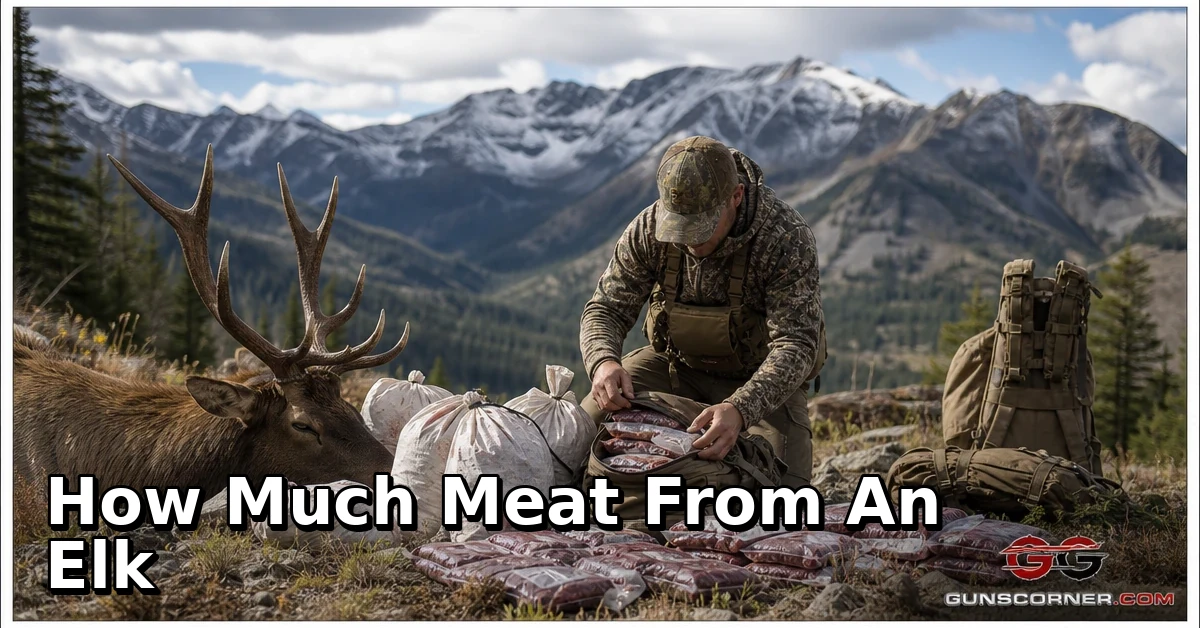

Knowing how much meat from an elk you can expect helps you plan the hunt, prepare enough game bags, arrange transportation, and make responsible decisions about processing and storage. Actual yield depends on the elk’s size, sex, age, condition, shot placement, trimming, bone-in or boneless processing, and how carefully the carcass is handled.
A mature elk commonly provides roughly 200 to 300 pounds of boneless, usable meat, although smaller elk may yield less and exceptionally large animals may yield more. This estimate excludes the head, hide, organs, and inedible material, and it can decrease with damaged meat, heavy trimming, or poor field conditions. Plan your hunt around local regulations, safe recovery, clean meat handling, and enough equipment to cool and transport the harvest responsibly.
Important Legal and Safety Notice Before You Hunt
Elk hunting rules vary by state, province, unit, season, weapon type, and land classification. Before hunting, confirm current requirements with the official wildlife agency responsible for the area.
- Valid hunting license, elk tag, and any required permits
- Legal season dates, hunting hours, and bag limits
- Weapon, ammunition, and animal-identification requirements
- Public-land boundaries or written private-land permission
- Required hunter-orange or other visibility clothing
- Safe firearm or bow handling and a clearly identified target
- Harvest reporting, tagging, transport, and carcass regulations
- Weather, navigation, communication, first aid, and emergency planning
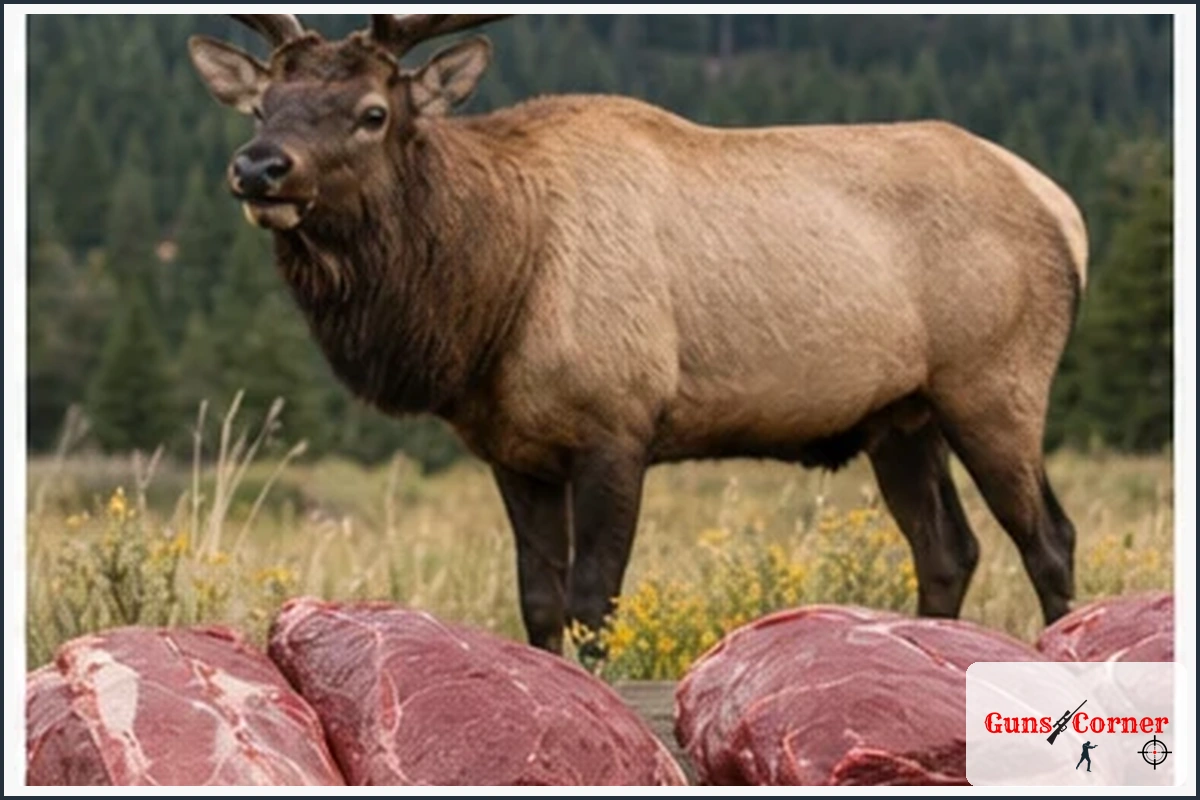
How Much Meat Can You Expect From Different Elk?
| Elk Type | Approximate Boneless Meat Yield | Planning Consideration |
|---|---|---|
| Small cow or young elk | About 120–200 pounds | Expect less usable meat because of smaller body size. |
| Average adult cow | About 160–250 pounds | A practical estimate for many hunting situations. |
| Large bull | About 200–300 pounds or more | Body size, condition, and trimming greatly affect the final amount. |
These figures are planning estimates, not guaranteed yields. Official meat-yield definitions may exclude neck meat, rib meat, organ meat, or tissue left on bones, so published numbers can differ from what a hunter takes home.
What Determines Elk Meat Yield?
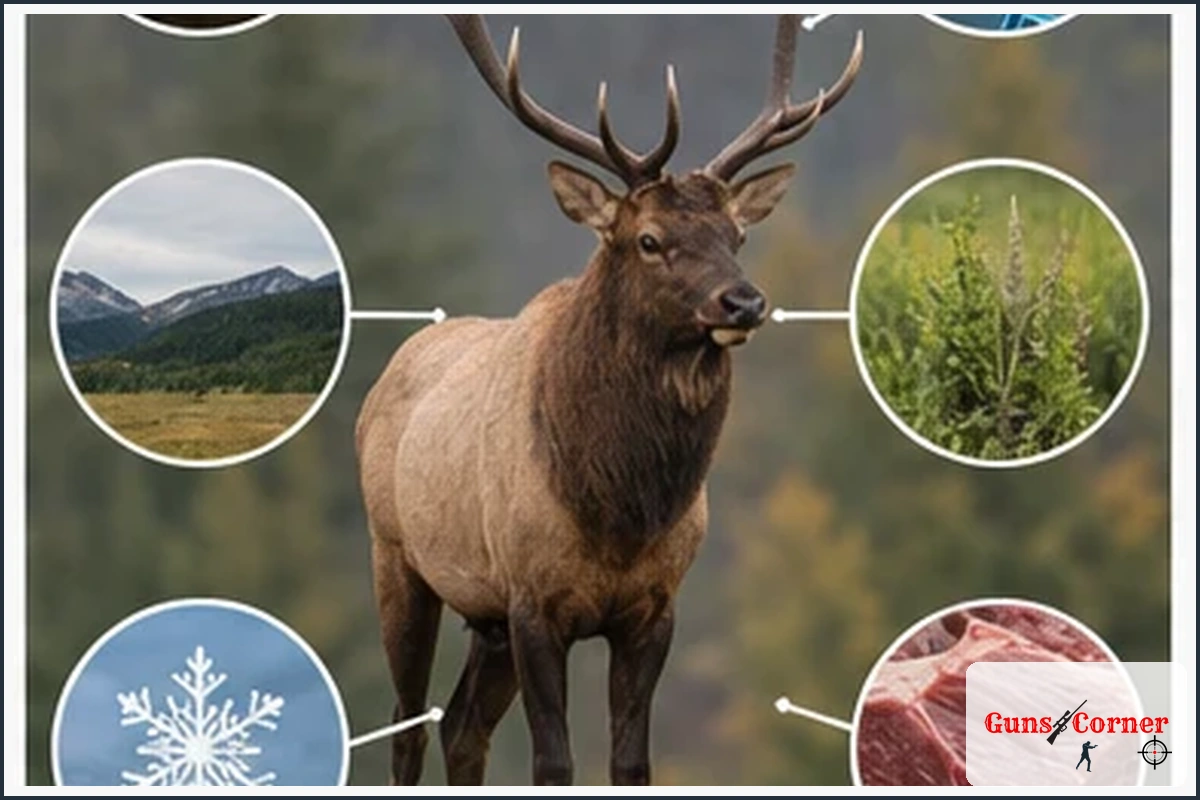
Body Size and Condition
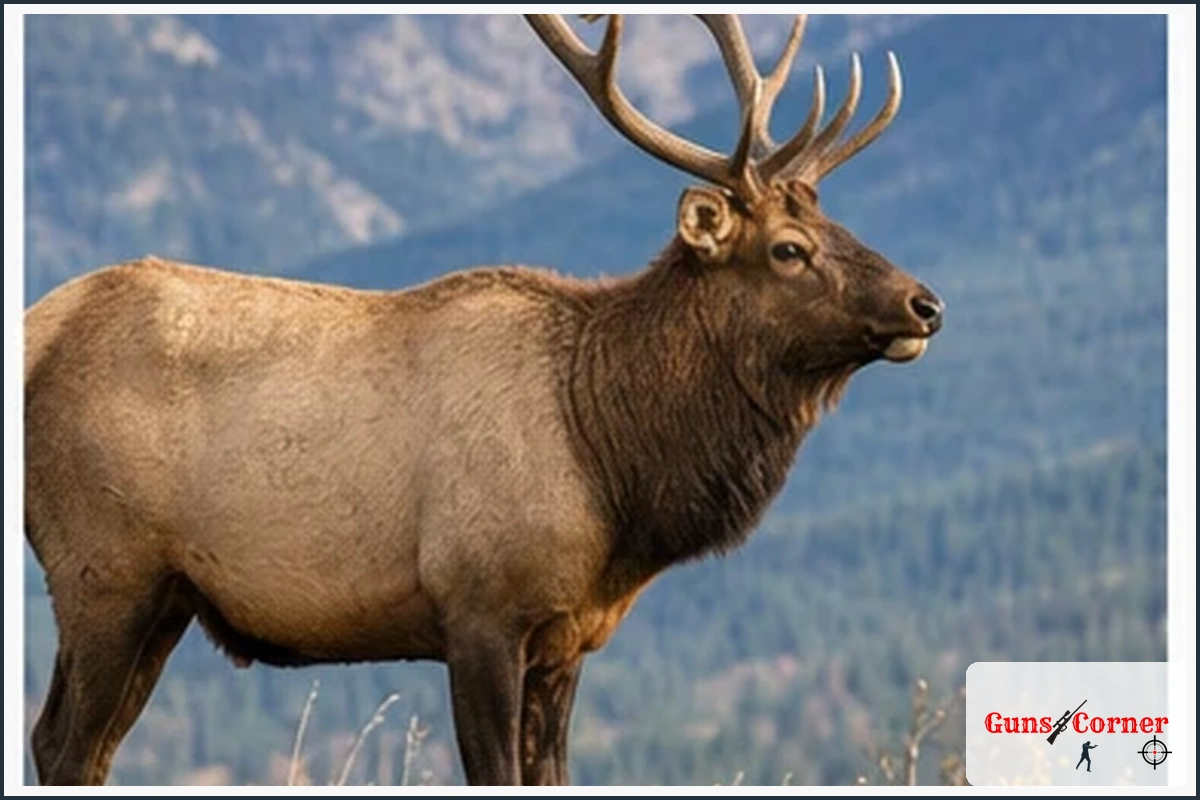
Larger elk generally produce more meat, but body weight alone does not determine the final yield. Seasonal condition, age, sex, nutrition, and recent weather all affect muscle development and usable tissue.
Bone-In Versus Boneless Processing
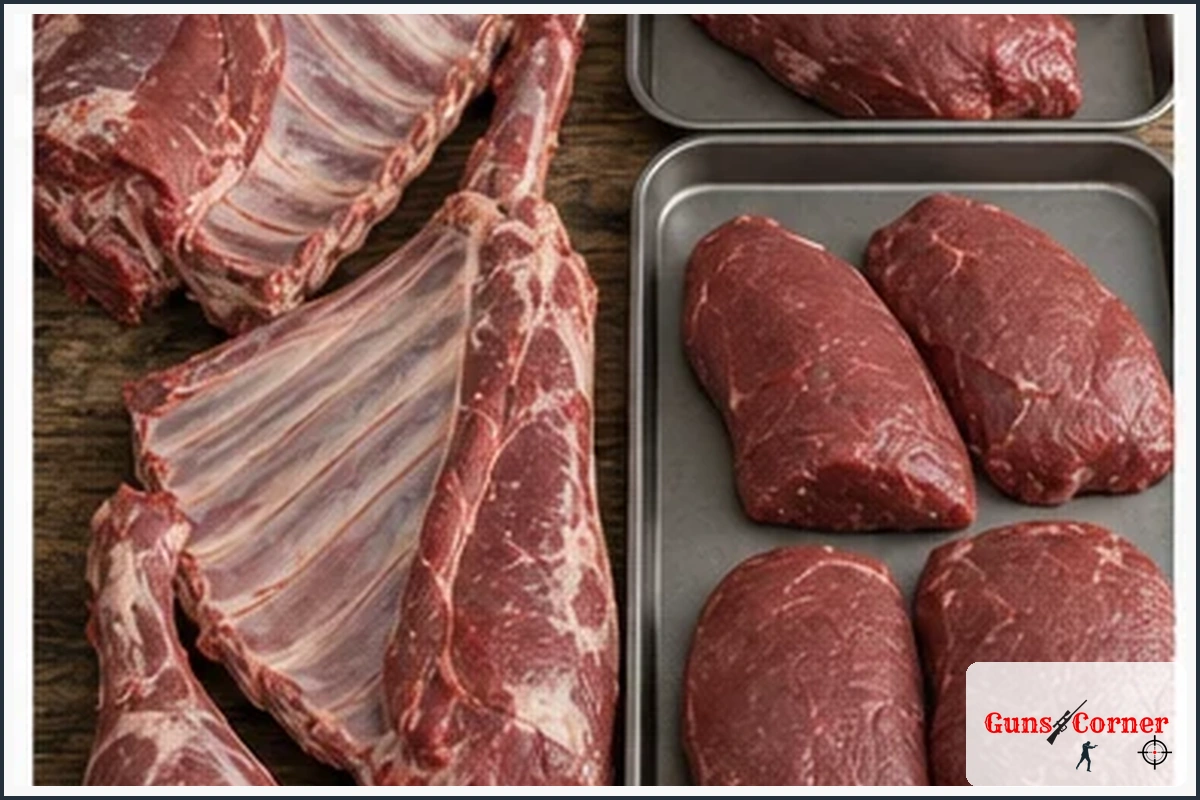
Bone-in cuts weigh more because the bones remain attached. Boneless meat is lighter but may be easier to package, cool, transport, and store. A processor’s cutting style can make two similar elk produce noticeably different packaged weights.
Field Care and Trimming
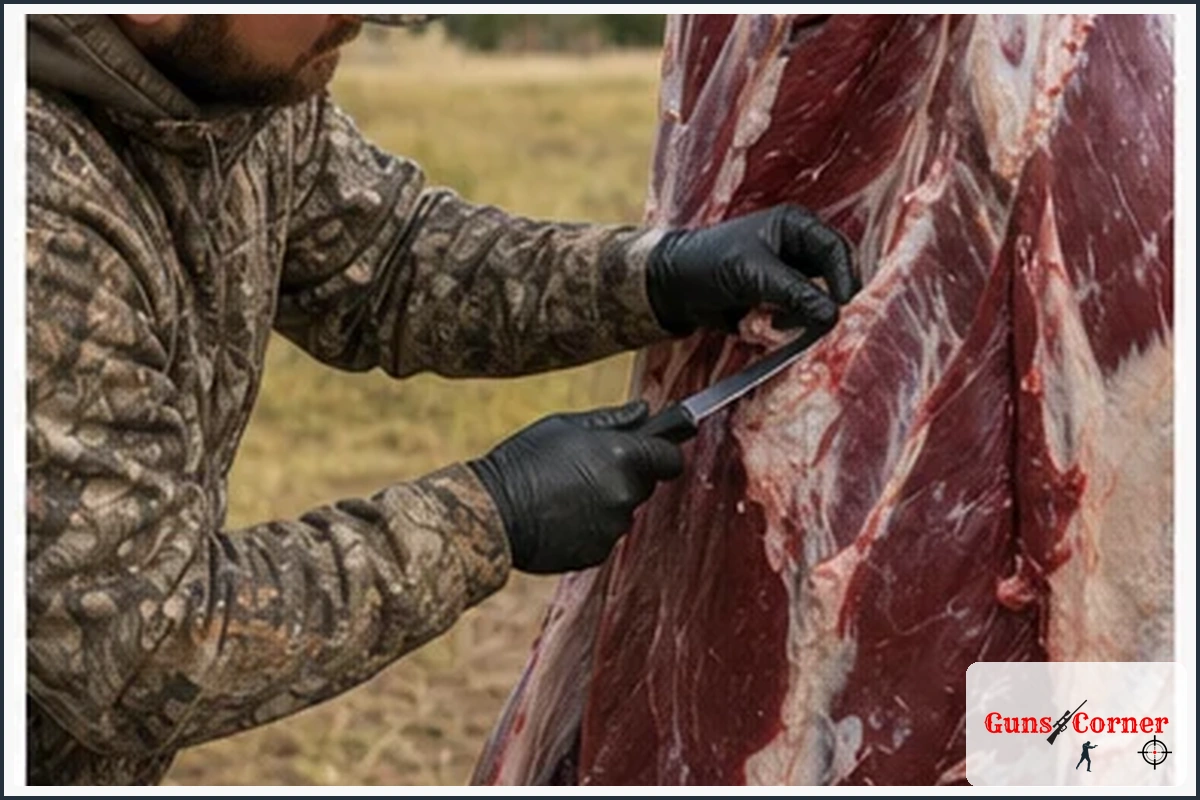
Fast cooling and clean handling help preserve more meat. Dirt, hair, bruising, contamination, excessive bloodshot tissue, and spoiled areas may need to be removed. Careful quartering and boning can also recover more usable meat from the neck, shoulders, and other areas.
Shot Placement and Meat Damage
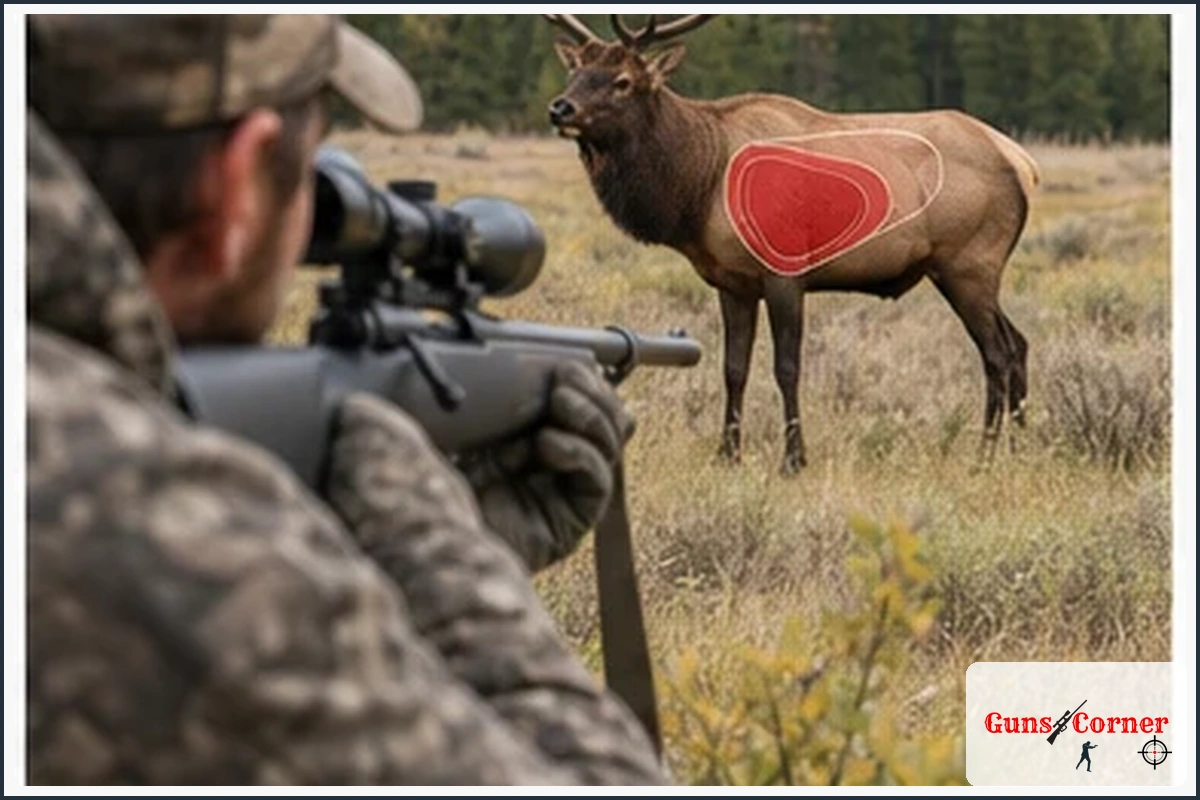
Every ethical shot should be within the hunter’s practiced ability and provide a reasonable recovery opportunity. Poor shot placement can increase meat loss and make recovery more difficult, which is one reason hunters should practice extensively and pass on uncertain opportunities.
How to Plan for Elk Meat Before the Hunt
Step 1: Check Regulations and Access
Confirm your elk tag, season, legal weapon, reporting requirements, carcass-transport rules, and land access. On public land, study boundaries and legal routes. On private land, obtain permission before entering and respect gates, livestock, roads, and property lines.
Step 2: Estimate Your Transport Needs
Do not wait until after the harvest to think about hauling meat. Depending on terrain and access, prepare enough game bags, a pack capable of handling heavy loads, water, food, navigation tools, and a communication plan. A large elk may require multiple trips.
Step 3: Scout the Area
Learn the terrain, elevation changes, water sources, feeding areas, bedding cover, travel corridors, and likely recovery routes. Look for elk tracks, droppings, rubs, wallows, trails, and fresh feeding sign without disturbing animals unnecessarily.
Step 4: Prepare a Recovery and Meat-Care Plan
Decide where you can safely process the elk, how you will keep the meat clean, and how you will get it to cooling or refrigeration. Tell a reliable person your route and expected return time, especially in remote country.
Step 5: Practice Your Hunting Method
Whether you use a rifle, muzzleloader, or bow, practice from realistic positions and distances. Know your personal effective range. Never take a shot simply because an animal is present; the target, background, and recovery conditions must all be safe and legal.
Step 6: Make a Responsible Shot Decision
Identify the animal and confirm that it is legal to harvest. Check what lies beyond the target, including roads, homes, livestock, trails, vehicles, and other hunters. Pass on any shot affected by poor visibility, excessive distance, unstable footing, or uncertain animal identification.
Step 7: Recover and Cool the Meat Promptly
After a successful harvest, follow local requirements for tagging and reporting. Work carefully and hygienically, use clean game bags, keep meat shaded and ventilated, and begin cooling it as soon as conditions allow. In warm weather, cooling becomes especially urgent.
Step 8: Weigh and Record the Yield
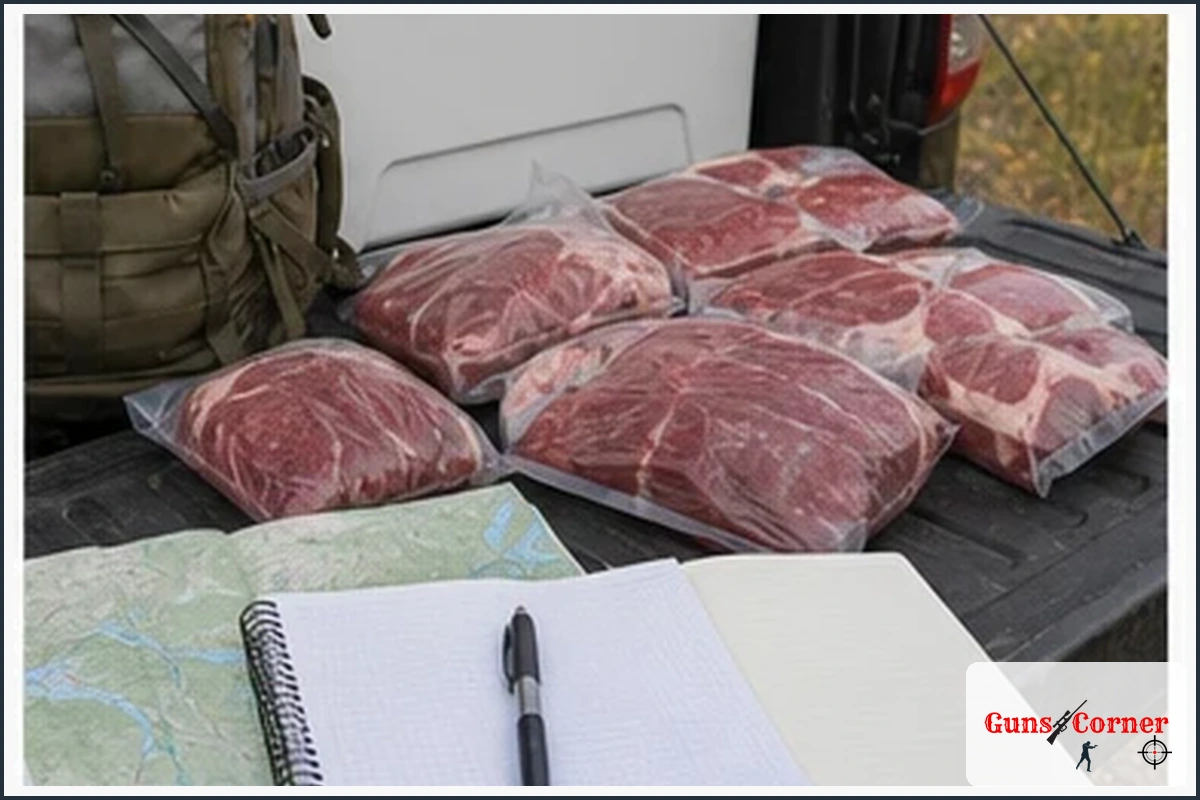
Once the meat is trimmed and packaged, record the total weight. Separate boneless meat, ground meat, roasts, steaks, stew meat, and trim if useful. These notes can improve future planning for freezer space, transportation, and processing costs.
Elk Meat Yield by Major Cuts
The following categories help with planning but should not be treated as fixed amounts:
- Hindquarters: Usually provide the largest roasts, steaks, and whole-muscle cuts.
- Front shoulders: Provide roasts, stew meat, and grind after careful trimming.
- Backstraps and tenderloins: Smaller premium cuts that require careful handling.
- Neck and rib areas: Can provide useful meat when regulations and processing methods allow.
- Trim: Often becomes burger, sausage, jerky, or stew meat.
Gear for Elk Recovery and Meat Care
- Durable, breathable game bags
- Sharp, well-maintained field knife
- Knife sharpener and spare cutting tools
- Disposable or washable gloves
- Pack frame or load-capable hunting pack
- Water, food, first aid, and emergency communication
- Map, compass, GPS, or other reliable navigation tools
- Rope or pack straps where legally and safely appropriate
- Cooler, ice, or access to refrigeration
- Tagging and reporting materials required by local rules
Best Conditions for Preserving Elk Meat
Cool, dry, shaded, and well-ventilated conditions are best. Warm temperatures, direct sunlight, rain, snowmelt, dirt, and tightly packed meat can slow cooling and increase spoilage risk. Monitor weather forecasts before the hunt and have a backup plan if access is blocked or temperatures rise.
Common Mistakes to Avoid
- Assuming every elk will produce the same amount of meat
- Failing to bring enough game bags or pack capacity
- Leaving meat exposed to sunlight, dirt, or excessive moisture
- Waiting too long to cool the quarters
- Ignoring local tagging, reporting, or transport rules
- Taking a shot without a safe recovery plan
- Crossing private property or unclear boundaries without permission
- Overlooking useful meat on the neck, shoulders, or other areas
- Attempting a heavy pack-out without adequate physical preparation
- Failing to tell someone where you are hunting
Troubleshooting Common Problems
| Problem | Possible Cause | What to Do |
|---|---|---|
| The meat yield is lower than expected | Small animal, extensive trimming, damaged tissue, or boneless processing | Compare final packaged weight with the animal’s size and processing method rather than a general estimate. |
| Meat is not cooling quickly | Warm weather, large unseparated quarters, poor airflow, or limited shade | Separate meat as legally allowed, use clean breathable bags, improve airflow, and move it toward refrigeration promptly. |
| The pack-out is too difficult | Heavy terrain, insufficient gear, or unrealistic load planning | Use a safe multi-trip plan, stay hydrated, communicate your status, and avoid dangerous shortcuts. |
| You are unsure about transport rules | Regulations differ by location and season | Contact the official wildlife agency before moving the animal or crossing jurisdictional boundaries. |
| Property boundaries are unclear | Old maps, poor signage, or overlapping access information | Stop and verify ownership with current maps or the landowner. Do not cross without permission. |
Ethical Hunting and Conservation
Responsible elk hunting means taking only legal, well-considered opportunities and making every reasonable effort to recover and use the harvest. Hunters should respect wildlife, landowners, other hunters, hikers, livestock, and the habitat itself.
- Follow seasons, tags, bag limits, and reporting requirements.
- Pass on shots that are unsafe, uncertain, or beyond your ability.
- Use as much edible meat as practical and avoid unnecessary waste.
- Leave gates, campsites, and public land cleaner than you found them.
- Support conservation through legal licenses and responsible participation.
- Learn from an experienced mentor or hunter education instructor.
When to Get More Training or Professional Guidance
Seek additional instruction if you have not completed hunter education, are unfamiliar with your firearm or bow, do not understand local laws, or lack confidence in navigation, field processing, or meat care. Official wildlife agencies, certified instructors, conservation groups, and experienced ethical mentors can provide location-specific guidance.
After the Hunt: Processing and Learning
Clean and dry your knives, packs, game bags, and other equipment after use. Follow local rules for harvest reporting and transport. Keep notes about the elk’s size, final meat weight, weather, access route, and what equipment worked well. These records make future hunts safer and help you plan more accurately.
Frequently Asked Questions
How much meat from an elk is typical?
A common planning range is about 200 to 300 pounds of boneless, usable meat from a mature elk, but smaller animals may provide less.
Can an elk provide more than 300 pounds of meat?
Yes. A very large elk, careful trimming, and the inclusion of additional usable cuts can produce more than 300 pounds, although results vary.
How much meat does a cow elk provide?
A cow elk may provide roughly 160 to 250 pounds of boneless meat, depending on body size, condition, processing, and trimming.
How much meat does a bull elk provide?
A large bull may provide approximately 200 to 300 pounds or more of boneless meat, but antler size does not directly determine edible meat yield.
Does elk weight equal meat yield?
No. Live weight includes hide, bones, organs, head, and other material that is not packaged as boneless edible meat.
How much meat is lost during processing?
The amount varies with bone-in or boneless cutting, trimming preferences, damaged tissue, and how thoroughly smaller pieces are recovered.
Is neck meat worth saving?
Yes, neck meat can be useful for grinding, braising, or other preparations when it is clean and local regulations allow its recovery.
How much freezer space does an elk require?
Plan for substantial freezer space, especially if keeping bone-in cuts. The final requirement depends on yield, packaging, and whether the meat is processed into compact packages.
How many game bags do I need for an elk?
Bring enough durable, breathable bags for the quarters and loose meat, plus spares. The exact number depends on your quartering method and the bag sizes.
Can one person pack out an elk?
It may be possible in multiple trips, but terrain, distance, weather, fitness, and legal requirements matter. A partner or planned assistance can improve safety.
How quickly should elk meat be cooled?
Begin cooling as soon as practical. Warm weather requires extra urgency, shade, airflow, and a clear plan for refrigeration or ice.
Should elk quarters be put directly in plastic bags?
Breathable game bags are generally better for field cooling than sealed plastic. Follow safe meat-handling practices and use clean containers for transport.
What causes elk meat to spoil?
Heat, trapped moisture, poor airflow, dirt, delayed cooling, and contamination can all contribute to spoilage.
Can I recover meat from the ribs?
Rib meat may be usable if recovered cleanly and allowed by local rules. Check regulations and consider your available time and cooling capacity.
How do I estimate meat before harvesting an elk?
Use a broad range based on animal size and plan for the possibility of several hundred pounds of meat, multiple trips, and adequate cooling equipment.
Does shot placement affect meat yield?
Yes. Damage to edible muscles can reduce yield, which is another reason to practice and take only ethical shots within your ability.
What should I do if I cannot find an elk after the shot?
Pause, mark the location, review the direction of travel, and search methodically. Follow local recovery requirements and seek experienced help when needed.
Can I hunt elk on public land?
Yes, where legal and where you hold the required license and tag. Verify boundaries, access routes, seasonal closures, and land-specific regulations.
Do I need permission to hunt elk on private land?
Yes. Obtain landowner permission before entering, preferably in a clear written form, and follow instructions about gates, roads, livestock, and cleanup.
What should I scout before an elk hunt?
Study maps, access routes, feeding areas, bedding cover, water, travel corridors, elevation, tracks, droppings, rubs, and recent hunting pressure.
How important is wind direction?
Wind affects scent movement and animal awareness. Check wind before choosing an approach or setup, and avoid routes that carry your scent toward likely elk locations.
What safety gear should every elk hunter carry?
Carry navigation tools, communication equipment, first aid, water, food, weather layers, a knife, game bags, and a reliable plan for returning safely.
Should elk hunters wear blaze orange?
Wear blaze orange or other required visibility clothing whenever local law requires it, and consider visibility around other hunters even where it is not mandatory.
What is the safest firearm practice during an elk hunt?
Keep the muzzle pointed safely, keep your finger outside the trigger guard until ready, identify the target and background, and follow the firearm manufacturer’s instructions.
What is important for bowhunters?
Practice regularly, use legal equipment and broadheads, know your effective range, transport the bow safely, and pass on shots that do not offer a responsible recovery opportunity.
Is elk hunting physically demanding?
It can involve steep terrain, altitude, cold, long distances, and heavy loads. Prepare with walking, strength, conditioning, hydration, and realistic pack training.
What should I do if weather changes suddenly?
Prioritize safety, check forecasts, carry layers and communication equipment, and be prepared to stop hunting or leave before conditions become dangerous.
How should I transport elk meat?
Keep it clean, cool, protected from contamination, and transported according to current wildlife and food-handling rules.
Should I use a professional processor?
A professional processor can help with cutting, grinding, packaging, and storage, especially when you lack equipment, time, or experience.
How do I avoid wasting elk meat?
Plan the recovery, bring enough supplies, cool the meat promptly, learn where usable cuts are located, and use a processor who follows your preferences.
Do regulations require salvaging specific meat?
Some jurisdictions have specific salvage requirements. Check the current rules for your hunting unit before entering the field.
Can I share elk meat with family or friends?
Sharing is often possible, but ownership, labeling, transport, and reporting rules may apply. Verify local requirements first.
What is the best way to learn elk hunting?
Complete hunter education, practice your chosen method, scout legally, and hunt with an experienced mentor whenever possible.
How can I improve my meat-yield estimate?
Record the live or field weight when available, final packaged weight, processing style, and animal characteristics after each hunt.
What if I am unsure whether a shot is ethical?
Do not take it. Waiting for a safer, clearer opportunity is part of responsible hunting.
Final Thoughts
Most mature elk provide a substantial amount of food, commonly around 200 to 300 pounds of boneless meat, but the final yield depends on the animal, shot, field care, processing choices, and local requirements. Prepare for a demanding recovery, scout legal access, practice your hunting method, and arrange cooling and transportation before the season begins. Responsible elk hunting is measured not only by success, but by safety, ethical decisions, conservation, and making good use of the harvest.
Read more: