
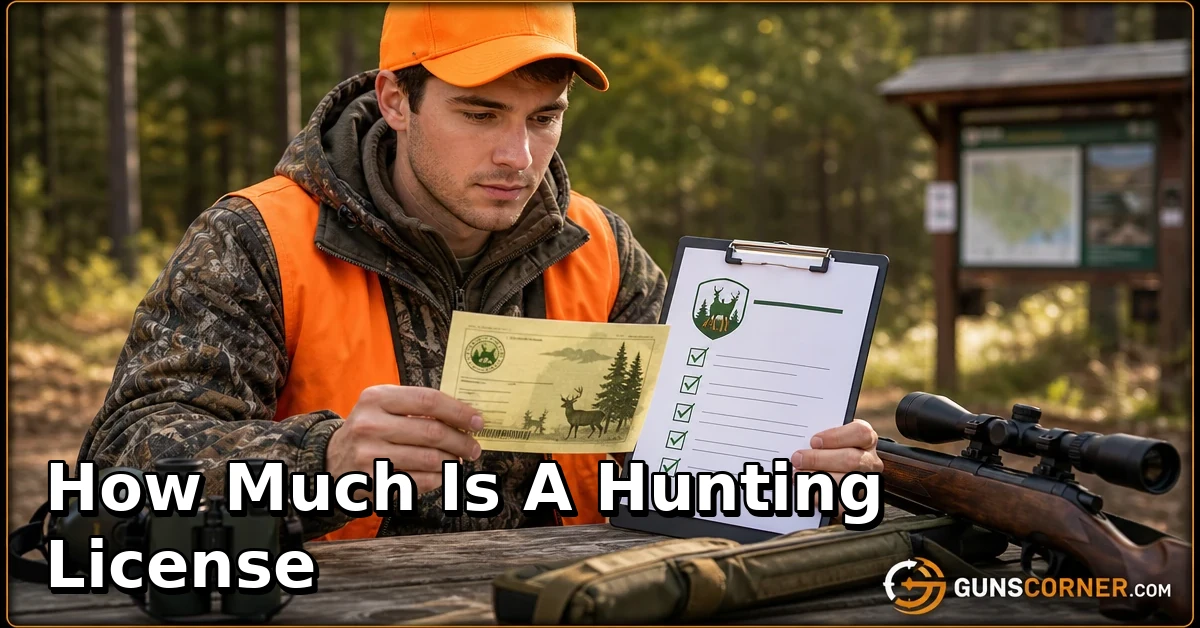

The cost of a hunting license depends on your state or province, residency, age, game species, hunting method, and the permits or tags required. A basic license may be only one part of the total cost, because hunters may also need species tags, stamps, permits, hunter education, access permits, or harvest-reporting registration.
There is no single universal price for a hunting license. Resident licenses are usually less expensive than nonresident licenses, while youth, senior, disabled, and combination licenses may have different fees. Before hunting, check your official wildlife agency for the current license price, required tags, season dates, legal weapons, bag limits, land-access rules, and reporting requirements.
Important Legal and Safety Notice Before You Hunt

Hunting license fees and regulations vary by location and can change from year to year. Confirm all requirements with your official state, provincial, or territorial wildlife agency before buying a license or entering the field.
- Confirm the correct resident or nonresident license.
- Check whether a species tag, permit, stamp, or draw application is required.
- Verify hunting seasons, legal hours, bag limits, and weapon restrictions.
- Complete required hunter education before hunting.
- Confirm public-land access or obtain private-land permission.
- Learn visibility-clothing requirements, such as hunter orange where applicable.
- Follow firearm or bow safety rules and identify the target and background.
- Plan for weather, navigation, communication, first aid, tagging, and harvest reporting.
What Determines the Price of a Hunting License?

Residency

Resident hunting licenses are generally less expensive than nonresident licenses. Residency definitions vary, so use the wildlife agency’s official requirements rather than assuming that owning property or spending time in an area qualifies you as a resident.
Age and Eligibility

Youth, senior, veteran, and permanently disabled hunters may qualify for reduced-fee or special licenses in some jurisdictions. Requirements and age thresholds differ, so verify eligibility before purchasing.
Species and Hunting Method

A general hunting license may not authorize every species. Deer, elk, turkey, waterfowl, bear, wild hogs, and other game may require additional tags, stamps, permits, or special drawings. Archery and muzzleloader seasons may also have separate rules or permits.
License Duration
Some licenses cover a defined season or license year, while others may be short-term, temporary, or available as combination packages. Read the validity dates carefully before planning a hunt.
Additional Fees

The total cost can include application fees, permit fees, species tags, federal or state stamps, vendor charges, processing fees, access permits, and required education or certification expenses.
How to Find the Exact Hunting License Cost

Step 1: Identify the Governing Wildlife Agency
Find the official wildlife agency for the state, province, or territory where you plan to hunt. Search for the agency’s current hunting license page rather than relying on an old blog post, forum comment, or unofficial price list.
Step 2: Confirm Your Residency Status
Determine whether you meet the jurisdiction’s legal definition of resident. Have acceptable identification or residency documents ready if required.
Step 3: Choose the Correct License Category
Compare general, youth, senior, disabled, military, short-term, combination, archery, muzzleloader, and nonresident options when available. Do not buy a fishing or combination license unless it includes the hunting privileges you need.
Step 4: Check Species-Specific Requirements
Read the rules for the animal you intend to hunt. A basic hunting license may need to be paired with a tag, permit, stamp, lottery application, or special authorization.
Step 5: Add Application and Processing Fees
Review the final checkout total. Online vendors, license agents, and applications may add separate service or processing fees.
Step 6: Verify Hunter Education Requirements
Many jurisdictions require hunter education for certain ages or first-time hunters. Complete the approved course early, because certification may be required before purchasing or using a license.
Step 7: Buy Through an Official Channel
Purchase online through the official wildlife agency, from an authorized license agent, or through another method listed by the agency. Keep digital or printed proof as required.
Step 8: Save the Regulations and License Details
Download or print the current regulations. Record your license number, tag information, season dates, legal hunting hours, bag limits, and harvest-reporting instructions.
Step 9: Prepare for the Actual Hunt
Buying a license is only the administrative starting point. You still need legal access, suitable equipment, safe handling skills, navigation planning, weather preparation, and knowledge of the animal and habitat.
Typical Costs That May Be Separate From the License
| Possible Expense | Why It May Be Required |
|---|---|
| Species tag | Identifies the animal or harvest authorization for a particular species. |
| Permit or draw application | Controls access to limited hunts or special seasons. |
| Stamp | May be required for particular game, including some migratory birds. |
| Hunter education | May be required before a person can legally hunt. |
| Land-access permit | Some public or private properties require separate authorization. |
| Vendor or processing fee | May be added when a license is purchased online or through an agent. |
Preparing to Hunt After Buying Your License
Learn the Animal and Its Habitat
Study the species’ food sources, water needs, bedding or resting areas, travel routes, seasonal behavior, and signs. Tracks, droppings, trails, feeding areas, rubs, scrapes, rooting, wallows, or roosting locations can help you understand where legal hunting effort may be worthwhile.
Scout the Hunting Area
Use official maps to confirm boundaries, access points, roads, trails, and nearby private property. On public land, respect other users and park legally. On private land, obtain clear permission before entering and follow the landowner’s instructions about gates, livestock, vehicles, and cleanup.
Prepare Safe Equipment
- Legal firearm, bow, or other permitted hunting method
- Weather-appropriate clothing and boots
- Required visibility clothing
- Map, compass, GPS, or approved navigation app
- Water, food, first aid, and emergency communication
- Binoculars or optics when useful
- Gloves, game bags, cooler, and meat-care supplies when relevant
Plan Around Wind and Weather
Wind direction can carry scent and sound toward animals. Weather affects movement, visibility, footing, equipment, and personal safety. Check the forecast, tell someone your plan, and avoid conditions beyond your experience or equipment.
Practice Before the Season
Firearm hunters should practice safe loading, unloading, carrying, storage, and shooting under qualified instruction. Bowhunters should practice consistently with legal equipment and know their personal effective range. Never take a shot beyond your practiced ability.
Ethical Hunting and Conservation
A license supports regulated wildlife management and helps fund conservation, but responsible hunting requires more than paying a fee. Follow seasons and limits, respect landowners and other hunters, avoid unnecessary disturbance, and pass on any shot that is unsafe, uncertain, or beyond your ability.
Identify the target and what lies beyond it. Never shoot toward roads, homes, livestock, people, vehicles, trails, or unclear movement. Use a full-body safety harness in a tree stand, handle firearms safely, and transport weapons according to local rules.
After a legal harvest, follow tagging, reporting, transport, cooling, and meat-use requirements. Leave the area clean and treat wildlife, habitat, and other outdoor users with respect.
Common Mistakes to Avoid
- Relying on an outdated license price or regulation summary
- Buying a general license without checking species tags or stamps
- Confusing resident and nonresident requirements
- Ignoring hunter education requirements
- Entering private property without permission
- Failing to verify public-land boundaries
- Waiting until the last minute to apply for a limited permit
- Forgetting harvest-reporting deadlines
- Taking a firearm or bow into the field without sufficient practice
- Failing to plan navigation, weather, hydration, or communication
Troubleshooting Common License Problems
| Problem | Possible Cause | What to Do |
|---|---|---|
| The price is different from an older article | Fees and license years have changed. | Use the current official wildlife agency fee schedule. |
| You cannot tell which license to buy | Multiple resident, nonresident, youth, or method options exist. | Review the agency’s eligibility guide or contact an authorized license agent. |
| The license does not authorize your intended hunt | A species tag, stamp, permit, or special season rule applies. | Check the species regulations before entering the field. |
| You are unsure whether hunter education is required | Requirements vary by age, experience, and location. | Confirm directly with the official wildlife agency. |
| You cannot access the planned hunting area | The property may be private, closed, or permit-only. | Verify boundaries and obtain legal permission or choose another area. |
| You are unsure what to carry in the field | The hunt, terrain, season, and weather require different equipment. | Use a safety-focused checklist and ask an experienced mentor for guidance. |
When to Get More Training or Professional Guidance
Seek help if you have never handled a firearm or bow, do not understand local regulations, are unfamiliar with the terrain, or are uncertain about land boundaries, tracking, recovery, meat care, or transport rules.
Useful sources include official hunter education courses, certified instructors, wildlife agencies, conservation organizations, reputable hunting clubs, and experienced ethical mentors.
Recommended Hunting Gear and Tools to Consider
You do not need expensive equipment to hunt responsibly. Choose gear based on local laws, terrain, weather, hunting method, safety needs, skill level, and budget.
- Legal hunting weapon or method
- Weather-appropriate clothing and boots
- Required visibility clothing
- Binoculars or optics
- Map, compass, GPS, or approved hunting app
- First aid kit and emergency communication
- Water, food, and extra layers
- Game bags, gloves, cooler, and meat-care supplies when applicable
After the Hunt: Records, Gear Care, and Learning
Complete harvest reporting and recordkeeping as required. Clean and store equipment safely, review your notes, and record weather, animal sign, access conditions, and what worked or failed. This information can improve future scouting without encouraging illegal activity or excessive pressure on wildlife.
Frequently Asked Questions
How much is a hunting license?
The price depends on location, residency, age, species, license duration, and hunting method. Check your official wildlife agency for the current fee schedule.
Are resident hunting licenses cheaper?
They are often less expensive than nonresident licenses, but residency rules and prices vary by jurisdiction.
How much is a nonresident hunting license?
There is no universal price. Nonresident fees differ by location and may be combined with species tags, permits, stamps, or application costs.
Does a hunting license include a deer tag?
Sometimes, but not always. Confirm the current deer regulations and license description before hunting.
Do I need a separate turkey permit?
Some jurisdictions require a turkey tag, permit, stamp, or season-specific authorization. Check local rules.
Do I need a hunting license to hunt on private land?
Usually, land ownership does not automatically remove licensing requirements. Verify the law and obtain landowner permission before entering.
Do I need a license to hunt on public land?
Generally, public access does not replace a hunting license. You must also verify boundaries, access rules, special permits, and closures.
Can I buy a hunting license online?
Many wildlife agencies offer online purchasing, but availability varies. Use the official agency website or an authorized license vendor.
Can I buy a hunting license from a store?
Many areas authorize sporting-goods stores, clerks, or other agents to sell licenses. Confirm that the seller is officially authorized.
Do I need hunter education before buying a license?
Requirements vary. Some jurisdictions require certification before hunting, while others apply exceptions based on age, previous licensing, or supervision.
Can a beginner hunt without experience?
A beginner should complete hunter education, practice with the chosen equipment, understand local laws, and hunt with a qualified mentor whenever possible.
Does a fishing license include hunting privileges?
Not usually. A combination license may include both activities, but the exact privileges must be confirmed before hunting.
Are youth hunting licenses cheaper?
Many jurisdictions offer youth options, but age limits, prices, supervision rules, and weapon requirements vary.
Are senior hunting licenses cheaper?
Some areas offer reduced-fee senior licenses. Check age eligibility and required documentation with the wildlife agency.
Are disabled or veteran hunting licenses available?
Some jurisdictions offer special licenses or reduced fees. Eligibility and documentation requirements differ.
Are short-term hunting licenses available?
Some locations offer short-term licenses, particularly for nonresidents. They may not include every species or permit.
Do I need a license for archery hunting?
Yes, archery hunting generally requires the appropriate hunting license and may require an archery privilege or season permit.
Do I need a special license for muzzleloader hunting?
Some areas have separate muzzleloader seasons or equipment rules. Confirm the permitted weapon and license requirements.
Does a license guarantee a hunting opportunity?
No. A license allows lawful participation under specified rules, but permits, tags, drawings, access, and season restrictions may still apply.
What should I check besides the license price?
Check tags, permits, stamps, season dates, legal hours, bag limits, weapon rules, access requirements, hunter education, and reporting deadlines.
When should I buy my hunting license?
Buy it early enough to complete education requirements, apply for limited permits, obtain tags, and review regulations before the season begins.
Can I hunt while waiting for my license to arrive?
Do not assume you can. Follow the agency’s rules for digital licenses, temporary documents, tags, and proof of purchase.
What happens if I lose my license?
Replacement procedures vary. Contact the issuing agency or authorized vendor and carry the replacement documentation required by law.
Can someone else buy my hunting license?
Some systems allow another person to purchase a license, while others require identity verification. Follow the official purchasing rules.
Do hunting license fees support conservation?
License revenue commonly supports wildlife management, habitat work, enforcement, research, and hunter education, although funding systems vary.
Do I need permission to hunt private land?
Yes, obtain clear permission before entering private property. Respect gates, livestock, boundaries, parking instructions, and any landowner conditions.
How do I scout after buying a license?
Study maps, confirm legal boundaries, locate access routes, and look for species-specific sign such as tracks, trails, feeding areas, bedding areas, or roosting locations.
What is the safest way to begin hunting?
Complete hunter education, practice with a qualified instructor, hunt with an experienced mentor, plan navigation and weather, and take only clearly safe and ethical opportunities.
Should I wear hunter orange?
Wear any visibility clothing required by local law and consider visibility needs around other hunters. Regulations differ by season and weapon type.
Can I hunt from a tree stand?
Use a properly installed stand, a full-body safety harness, a safe climbing method, and equipment appropriate for the conditions. Follow manufacturer instructions.
How important is wind direction?
Wind can carry scent and sound toward wildlife. Check it before choosing an approach, blind, stand, or still-hunting route.
What if I am unsure whether a shot is safe?
Do not take it. Identify the target, confirm the background, stay within your practiced range, and wait for a clearly ethical opportunity.
What should I do after a legal harvest?
Follow local tagging, reporting, transport, cooling, and meat-care rules. Handle the harvest respectfully and avoid unnecessary waste.
Do I need to report a harvest?
Many jurisdictions require reporting for some or all species. Check the official regulations for deadlines and approved reporting methods.
What is the most common beginner license mistake?
Buying a general license without checking species-specific tags, permits, stamps, season rules, or residency requirements.
What if official license information is confusing?
Contact the wildlife agency or an authorized license agent before hunting. Do not rely on assumptions when legality is unclear.
Can hunting license prices change?
Yes. Fees, license years, seasons, and regulations can change, so always verify current information before purchase.
How can I keep hunting costs manageable?
Start with legal public access when appropriate, borrow or buy suitable used gear, complete education early, and budget for tags, transportation, safety equipment, and meat care.
Final Thoughts
There is no single answer to how much is a hunting license because costs depend on location, residency, age, species, and required permits. The safest approach is to use your official wildlife agency’s current fee schedule, confirm every license and tag requirement, and prepare carefully before entering the field. Legal access, hunter education, safe equipment handling, scouting, patience, ethical shot decisions, and responsible harvest reporting matter just as much as the license price.