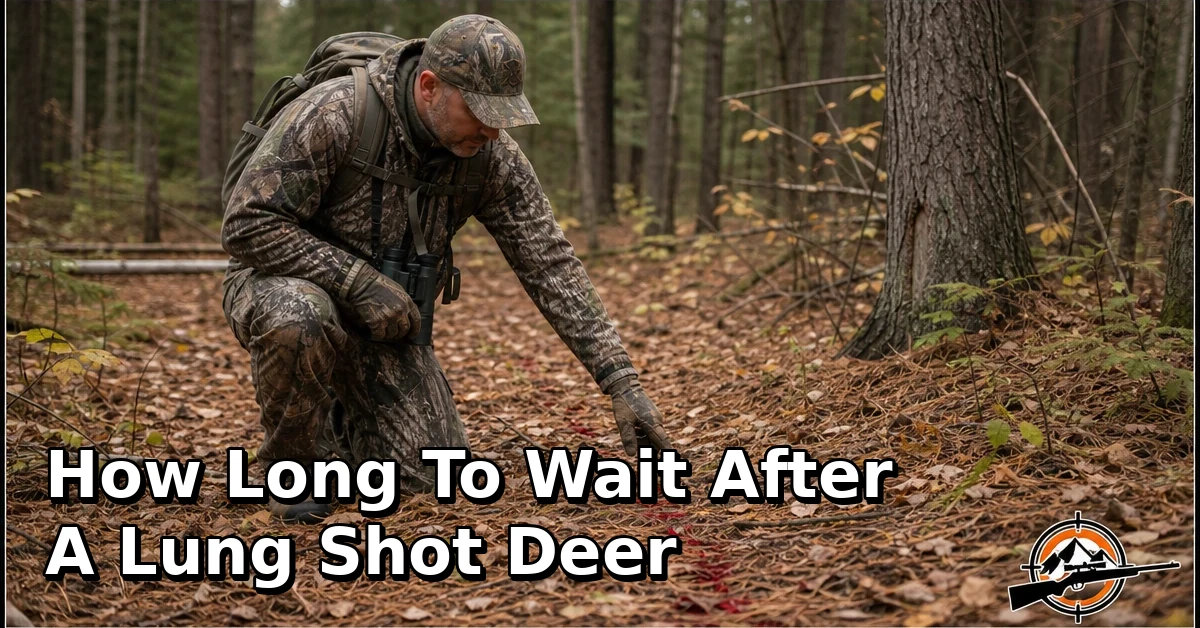

Knowing how long to wait after a lung shot deer is essential for an ethical recovery. Moving too soon can push a wounded deer farther and make the blood trail difficult to follow. This guide explains how to judge the shot, wait responsibly, track carefully, and handle the recovery process safely.
After a suspected double-lung shot, wait at least 30 minutes before tracking, provided the deer is out of sight and there is no immediate danger. A single-lung, uncertain, or poorly observed hit may require several hours, especially if the deer may have also been hit in the liver or abdomen. Mark the last known location, study the deer’s reaction and blood sign, and avoid rushing the trail. Always follow local laws for tagging, reporting, transport, and recovery.
Important Legal and Safety Notice Before You Track
Hunting and recovery rules vary by state, province, and land type. Before hunting, verify current requirements with your official wildlife agency, including license and tag rules, legal seasons and hours, weapon restrictions, land access, harvest reporting, and transport regulations.
- Carry the required license, tag, and permits.
- Know whether harvest reporting is required and when it must be completed.
- Wear required hunter orange or other visibility clothing.
- Unload or safely secure your firearm before crossing difficult terrain, fences, or obstacles.
- Use a headlamp, phone, GPS, map, water, and basic first-aid supplies.
- Never track across private property without permission.
- Do not approach a downed deer carelessly; use safe firearm handling and confirm the animal’s condition from a safe position.
Why Waiting Matters After a Lung Shot
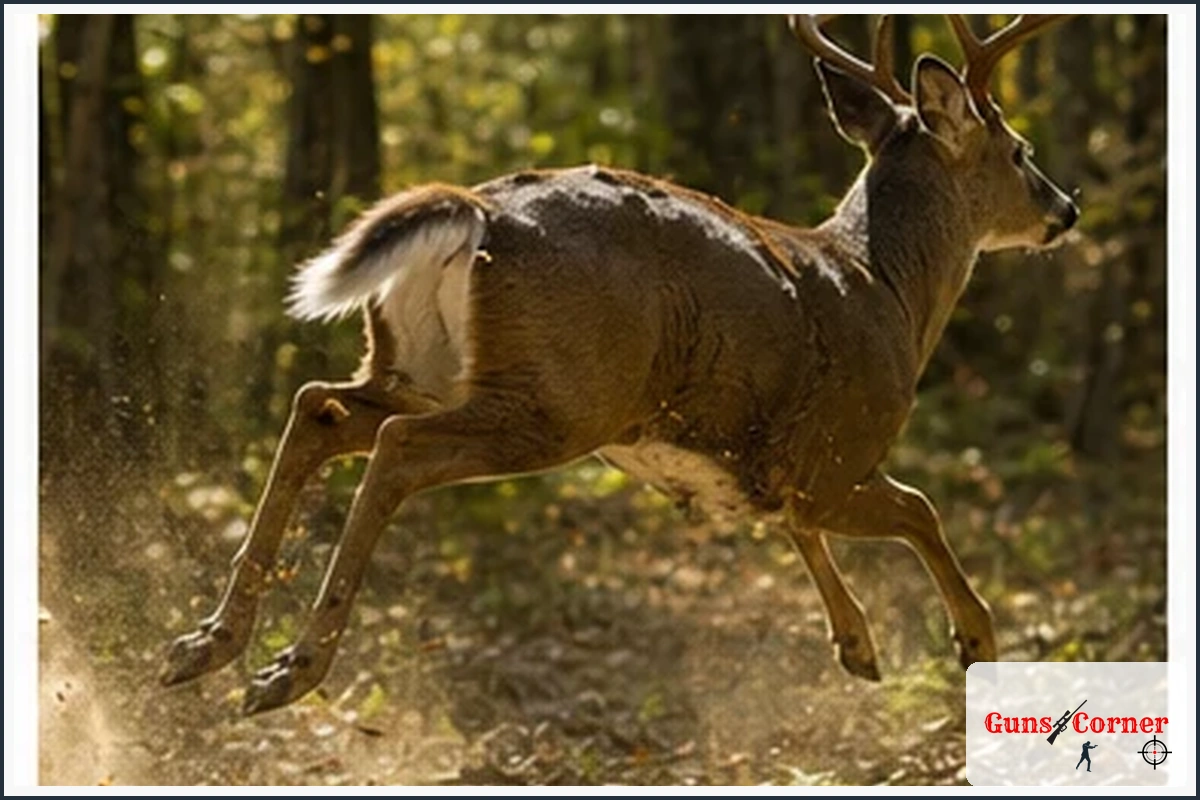
A deer struck in the lungs may run before becoming incapacitated. If you immediately enter the area, the deer may continue moving, sometimes much farther than it would have if left undisturbed. Rushing can also damage or obscure the blood trail.
Waiting gives the animal time to expire and allows you to begin tracking with better information. The correct wait depends on shot placement, the deer’s reaction, the blood sign, terrain, weather, and how certain you are about the hit.
How Long to Wait After a Lung Shot Deer
| Likely Shot or Situation | Practical Waiting Guidance | Important Consideration |
|---|---|---|
| Confirmed double-lung hit | Wait at least 30 minutes | Bright or frothy blood may appear, but the deer can still travel. |
| Possible single-lung hit | Wait several hours when conditions allow | A single-lung deer may survive longer and travel farther. |
| Possible liver or quartering-away hit | Wait several hours before pursuing | Early pressure can make recovery much harder. |
| Uncertain shot placement | Use the most cautious waiting period | Do not assume a lung hit simply because the deer ran normally. |
| Deer falls within sight | Pause and observe before approaching | Keep the firearm pointed safely and confirm the animal is no longer a danger. |
These are general recovery guidelines, not guarantees. Terrain, temperature, rain, predators, and hunting pressure can change the best decision. When uncertain, waiting longer is usually safer than pushing the deer immediately.
Step-by-Step Guide to Recovering a Deer After a Lung Shot
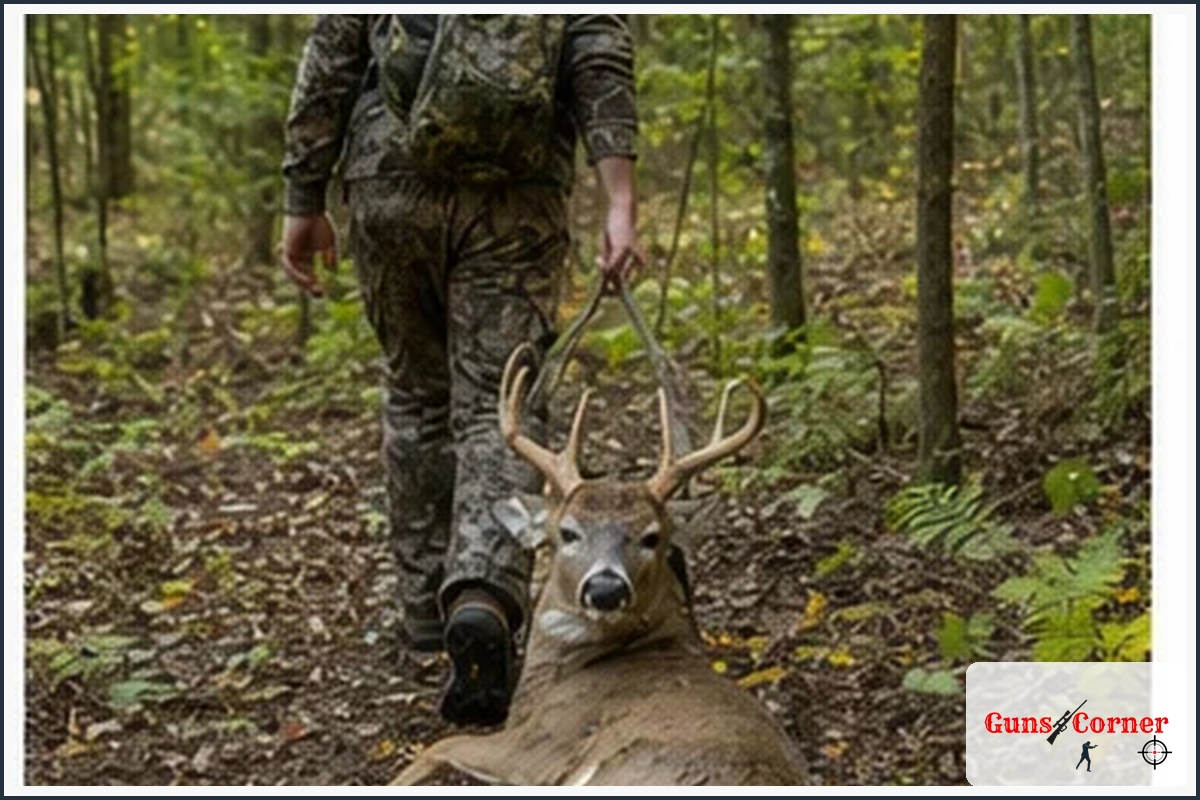
Step 1: Watch the Deer Until It Disappears
Remain still and observe the deer’s direction of travel, body language, and any change in speed. Listen for a fall, crashing vegetation, or other clues. Do not immediately leave your position to inspect the impact site.
Use a compass, rangefinder, landmark, or phone map to record where the deer was standing and where you last saw it.
Step 2: Analyze the Deer’s Reaction
A deer hit through the chest may jump, kick, hunch, or sprint. Reactions are useful clues, but they are not proof of exact shot placement. A deer can react dramatically to a marginal hit, while a serious hit may produce little visible reaction.
Record the direction of travel and whether the deer crossed a trail, creek, fence, field edge, or other recognizable feature.
Step 3: Wait Before Approaching the Impact Site
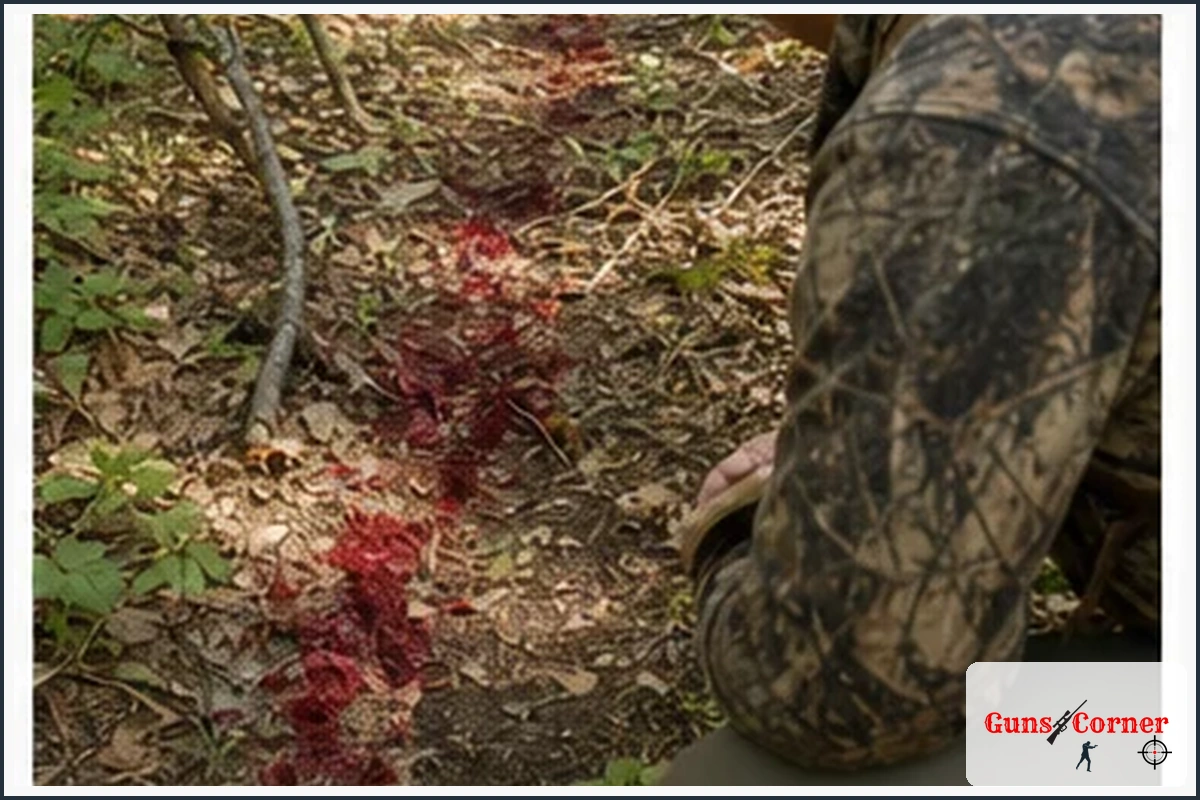
For a clearly observed double-lung hit, wait at least 30 minutes before walking to the impact site. If the shot was unclear, the deer entered thick cover, or the sign suggests a single-lung or liver hit, waiting several hours can be the more responsible choice.
Remain quiet during the waiting period. Avoid unnecessary movement, talking, vehicle noise, or repeated visits to the area.
Step 4: Mark the Last Known Location
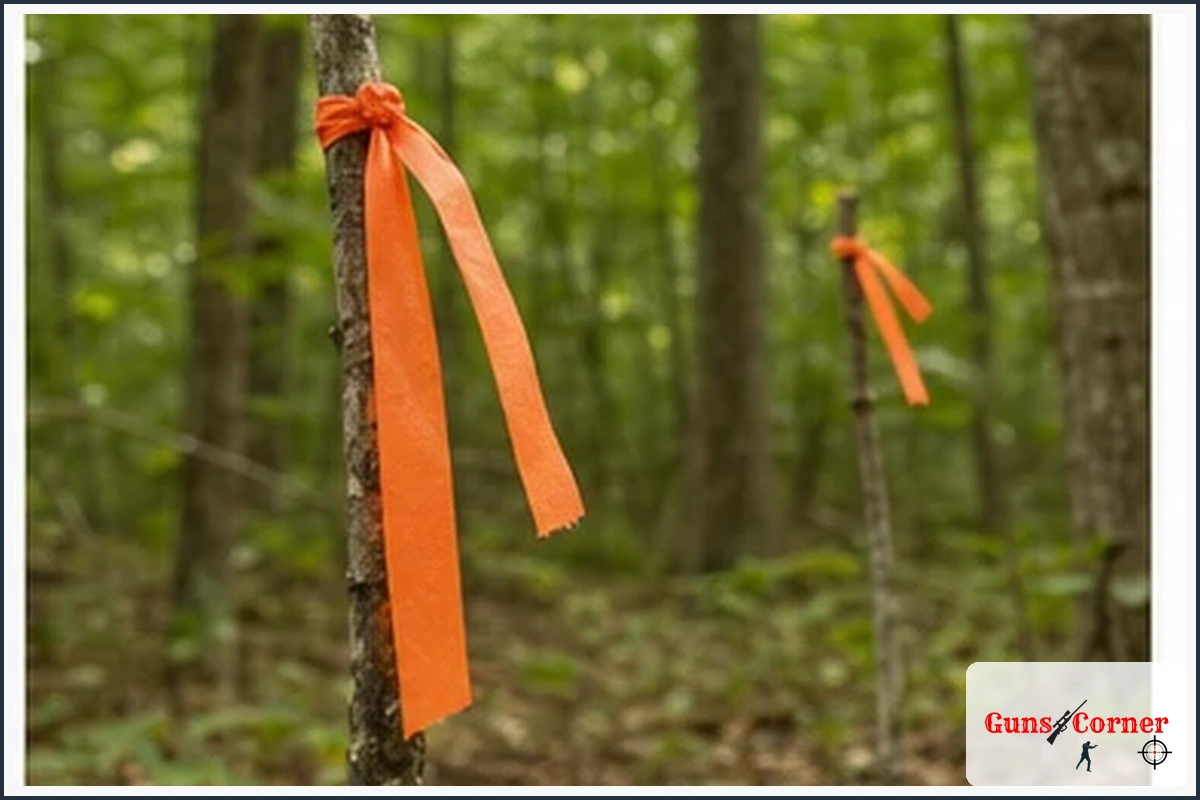
Place a visible marker at the shooting position and another at the point where the deer was last seen, if you can do so without disturbing the trail. A biodegradable marker, GPS waypoint, or photograph can help you stay oriented.
Step 5: Inspect the First Sign Carefully
Start at the impact site and look for hair, blood, disturbed leaves, broken vegetation, or tracks. Do not walk directly through the sign. Take photographs and mark important spots so the trail remains easy to understand.
Blood appearance can provide clues, but it is not always conclusive. Bright blood, dark blood, and small amounts of blood may overlap depending on lighting, vegetation, and the wound. Avoid making a confident diagnosis from color alone.
Step 6: Follow the Trail Slowly
Move one careful step at a time. Search ahead for blood on leaves, grass, branches, rocks, and the ground. Look back frequently to understand the deer’s direction and avoid losing your orientation.
If the trail becomes sparse, stop and search in expanding circles around the last confirmed sign. Check likely travel routes such as downhill paths, thick cover, water, field edges, and natural barriers.
Step 7: Pause When the Sign Disappears
Do not continue walking randomly. Mark the last blood, return to the previous confirmed sign, and reassess the direction. A partner can search from a different angle while you protect the known trail.
If legal and safe, consider contacting an experienced tracking mentor or an approved tracking-dog handler. Verify local rules before using a dog for game recovery.
Step 8: Approach the Deer Safely
When you locate the deer, approach from behind or from a position that keeps you out of danger. Keep your firearm pointed in a safe direction and follow your training for confirming the animal is no longer a threat. Do not touch the antlers or move the animal until you are confident the recovery is safe.
Step 9: Complete Tagging, Reporting, and Meat Care
Follow the current instructions for tagging, harvest reporting, transport, and processing. Wear gloves, keep tools clean, protect the meat from heat and contamination, and cool it as soon as practical. Use the harvest responsibly and avoid unnecessary waste.
How Shot Placement Affects the Waiting Time
Confirmed Double-Lung Hit
A deer hit through both lungs often leaves a useful trail, but it may still run a considerable distance. Waiting at least 30 minutes gives the deer time to expire and reduces the chance of pushing it.
Possible Single-Lung Hit
A single-lung hit is more difficult to recover because the deer may remain mobile for much longer. If the evidence is uncertain, wait several hours when weather and safety permit. Search carefully rather than assuming the deer will be close.
Possible Liver or Abdominal Hit
Dark or limited blood, a hunched posture, or a slow departure may suggest a hit farther back. These situations generally require a longer wait. Pursuing too soon can cause the deer to leave its original route and make recovery more difficult.
Uncertain Hit
If you cannot determine whether the deer was hit, treat the situation seriously. Search the impact site thoroughly, look for hair and blood, and consider asking an experienced hunter for help. Never assume a miss without checking carefully.
What to Do If You Find Very Little Blood
- Return to the exact shooting position.
- Confirm the deer’s direction of travel.
- Inspect grass, leaves, low branches, and disturbed soil.
- Search for hair, tissue, tracks, or bent vegetation.
- Use a flashlight at a low angle when legal and safe.
- Mark every confirmed sign.
- Avoid walking broadly through the area.
- Ask an experienced tracker for assistance if the trail remains unclear.
Best Conditions for Tracking a Deer
Cool, dry conditions usually make sign easier to preserve than heavy rain, strong wind, or warm temperatures. However, safety comes first. Lightning, flooding, extreme cold, darkness, steep terrain, and poor visibility may require you to stop and return later.
Plan recovery before the hunt. Carry a flashlight, extra batteries, navigation tools, gloves, water, communication equipment, and clothing suitable for changing weather.
Common Mistakes to Avoid
- Walking to the impact site immediately after the shot.
- Assuming every chest hit is a quick recovery.
- Failing to mark the last known location.
- Walking over the trail and destroying sign.
- Following weak sign without stopping to reassess.
- Tracking across property boundaries without permission.
- Ignoring heat, rain, darkness, or dangerous terrain.
- Continuing alone when navigation or safety becomes uncertain.
- Failing to complete required tagging or harvest reporting.
- Leaving usable meat unrecovered or improperly cooled.
Troubleshooting Common Recovery Problems
| Problem | Possible Cause | What to Do |
|---|---|---|
| No blood at the impact site | The shot may have missed, or sign may be hidden. | Search carefully for hair, tracks, disturbed vegetation, and small traces before deciding. |
| The trail suddenly stops | The deer changed direction or the trail was contaminated. | Return to the last confirmed sign and search in a controlled pattern. |
| The deer entered thick cover | It may be following a natural travel route or seeking concealment. | Wait longer, move quietly, and search likely exit routes without rushing. |
| Rain or wind is reducing sign | Weather is washing away or covering evidence. | Prioritize safety, mark known locations, and seek experienced help quickly. |
| You are unsure about the shot | Reaction and blood sign do not match clearly. | Use the more cautious waiting period and consult an experienced tracker. |
| You become disoriented | Tracking has led away from familiar landmarks. | Stop, use your map or GPS, contact someone, and do not continue beyond your safety limits. |
Ethical Hunting and Conservation
Ethical hunting means making every reasonable effort to recover legally taken game. Patience after the shot is part of that responsibility. Hunters should pass on unsafe shots, respect property boundaries, follow seasons and bag limits, and avoid wasting meat.
Licenses and legal participation also support wildlife management and conservation. Leave gates as you found them, respect landowners and other hunters, remove trash, and protect public access by behaving responsibly.
Preparing Before Deer Season
- Complete a hunter education course if required or recommended.
- Practice with your firearm or bow from realistic positions.
- Know your effective range and refuse shots beyond your ability.
- Learn local deer habitat, trails, bedding areas, food sources, and terrain.
- Scout legal access routes and confirm property boundaries.
- Prepare a recovery kit with gloves, lights, navigation tools, and communication equipment.
- Plan how you will tag, report, cool, transport, and process the harvest.
When to Get More Training or Professional Guidance
Ask for help if you have never tracked wounded game, are unsure about local regulations, cannot confidently identify sign, or are unfamiliar with the terrain. Official hunter education courses, wildlife agencies, certified instructors, ethical mentors, conservation organizations, and reputable tracking specialists can provide valuable guidance.
Recommended Recovery Gear and Tools to Consider
You do not need expensive equipment to recover a deer responsibly. Choose tools suited to your laws, terrain, weather, hunting method, and experience.
- Headlamp and spare batteries
- Map, compass, GPS, or hunting application
- Phone or emergency communication device
- Bright trail markers that comply with local rules
- Gloves and clean game-handling supplies
- Water, snacks, and a first-aid kit
- Cooler or game bags for responsible meat care
- Rain gear and extra layers
Final Thoughts
How long to wait after a lung shot deer depends on your confidence in the shot, the deer’s reaction, and the evidence at the scene. A confirmed double-lung hit generally calls for at least 30 minutes of waiting, while a possible single-lung, liver, or uncertain hit may require several hours. Track slowly, protect the sign, follow local laws, and make safety and responsible recovery your priorities.
Frequently Asked Questions
How long should I wait after a double-lung shot deer?
Wait at least 30 minutes before tracking if the deer is out of sight and the hit is clearly observed. Longer may be appropriate if the evidence is uncertain.
Should I track a deer immediately after a lung shot?
Usually no. Entering too soon can push a wounded deer farther and damage the trail.
How far can a lung-shot deer run?
A lung-shot deer may run a short distance or travel much farther depending on shot placement, terrain, adrenaline, and whether one or both lungs were affected.
How long should I wait after a single-lung hit?
Consider waiting several hours when conditions are safe. A single-lung deer may remain mobile longer than a deer with a confirmed double-lung hit.
What if I am not sure where I hit the deer?
Treat the situation cautiously. Wait longer, inspect the impact site carefully, and seek help from an experienced tracker if needed.
What does a lung-shot blood trail look like?
It may be bright, bubbly, or frothy, but blood appearance is not conclusive by itself. Consider the complete sign, reaction, and direction of travel.
Can a deer survive a lung shot?
Yes. A marginal or single-lung hit may not result in a quick recovery. This is why patience and careful tracking matter.
Should I follow a blood trail in the dark?
Only if conditions are safe and local rules allow it. Darkness increases the risk of getting lost, missing sign, or encountering hazards.
What should I do if the blood trail stops?
Mark the last confirmed sign, return to it, and search systematically rather than walking randomly.
Should I use a tracking dog?
A trained tracking dog may help where legal and available. Check local regulations and use a qualified handler.
How do I avoid pushing a wounded deer?
Wait an appropriate amount of time, move quietly, follow the sign carefully, and stop when the trail becomes uncertain.
Should I search the area where the deer was standing?
Yes. Look for hair, blood, disturbed vegetation, tracks, and other evidence, but avoid trampling the area.
What if there is no blood?
Search carefully for hair, tracks, broken plants, and other sign. A lack of visible blood does not automatically prove a miss.
Can weather affect deer recovery?
Yes. Rain, wind, heat, snow, and darkness can preserve, hide, or destroy sign and may also create safety risks.
Should I mark the spot where I shot?
Yes. Mark the shooting position, impact location, and last place you saw the deer whenever possible.
What if the deer crosses private property?
Stop at the boundary and obtain permission before entering. Never trespass to recover game.
What if the deer enters water?
Assess the current, temperature, depth, and access before proceeding. Do not enter unsafe water, and follow local recovery rules.
Should I continue tracking if I become lost?
No. Stop, use navigation tools, contact someone, and return only when it is safe or help is available.
How do I know when it is safe to approach a downed deer?
Approach cautiously from a safe angle, keep your firearm controlled, and follow the procedures taught in hunter education.
What should I carry for deer recovery?
Carry a light, spare batteries, navigation tools, phone, water, gloves, first-aid supplies, weather gear, and legal tagging materials.
Can I use a flashlight while tracking?
Use one when legal and safe. A low-angle beam can sometimes reveal sign, but avoid relying on light instead of careful observation.
Should I call a friend for help tracking?
Yes, an experienced and legally permitted partner can improve safety and tracking accuracy.
What should I do after recovering the deer?
Complete required tagging and reporting, handle the game hygienically, cool the meat promptly, and transport it according to local rules.
How soon should deer meat be cooled?
Cool it as soon as practical, especially in warm weather, while following safe meat-handling practices and local transport requirements.
What are common mistakes after a lung shot?
The most common mistakes are rushing the trail, ignoring uncertain shot placement, walking over sign, and failing to plan for recovery.
Is a heart shot the same as a lung shot for waiting time?
Both can require patience. A heart or heart-lung hit may be fatal quickly, but the deer can still travel, so waiting before tracking remains important.
How long should I wait after a liver hit?
A suspected liver hit generally requires a longer wait, often several hours, because the deer may remain mobile.
What if I hear the deer fall?
Still pause and observe before approaching. Confirm the location, maintain safe firearm handling, and follow your recovery plan.
Should I hunt from a tree stand when tracking later?
No. A tree stand should be used only with a full-body harness and proper procedures. Climb down safely before tracking.
Do I need hunter orange while tracking?
Wear any visibility clothing required by local regulations, especially during firearm seasons and when other hunters may be nearby.
What if another hunter finds the deer first?
Communicate calmly, show your license and evidence of legal pursuit if appropriate, and resolve the matter according to local laws and ethical standards.
Can I recover a deer on public land at any time?
Follow public-land hours, access restrictions, weapon rules, and property boundaries. Regulations may differ from nearby private land.
How can I improve my tracking skills?
Practice identifying tracks and disturbed vegetation, study legal recovery methods, attend hunter education programs, and learn from experienced mentors.
Should I take another shot at a wounded deer?
Only if the target is clearly identified, the background is safe, the shot is legal, and it is within your practiced ability. Never shoot at movement or an unclear target.
What if I lose the trail completely?
Stop searching randomly, return to the last confirmed sign, and consider professional or experienced tracking help where legal.
Why is patience an ethical hunting skill?
Patience reduces the chance of pushing a wounded animal, improves recovery odds, and demonstrates respect for wildlife and the responsibility of hunting.
Read more: