
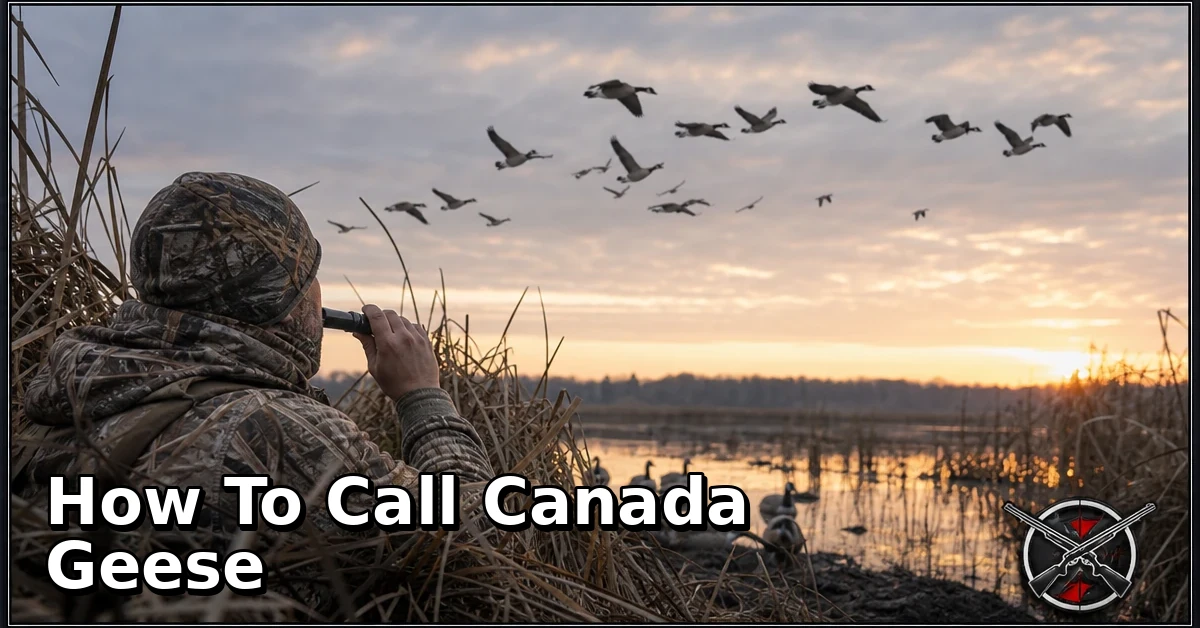

Learning how to call Canada geese is less about making the loudest sound and more about understanding goose behavior, matching the situation, and knowing when to stay quiet. This guide explains calling basics, scouting, decoy preparation, legal requirements, safety, and ethical shot decisions for beginners.
To call Canada geese effectively, first scout where they feed, rest, and travel, then use a properly tuned call with simple clucks, honks, moans, and comeback calls. Match your volume and rhythm to the birds’ distance, wind, flock size, and behavior. Always follow current waterfowl regulations, identify your target and background, and shoot only when birds are within your practiced range and the opportunity is safe and legal.
Important Legal and Safety Notice Before You Hunt
Waterfowl regulations vary by country, state, province, season, zone, and land type. Before hunting, check your official wildlife agency for current licensing, permits, stamps, season dates, daily and possession limits, legal shooting hours, approved weapons and ammunition, non-toxic shot requirements, tagging, reporting, transport, and access rules.
- Carry the required hunting license, permits, and waterfowl credentials.
- Verify season dates, legal hours, bag limits, and species identification rules.
- Use only legal weapons and ammunition for the area.
- Confirm public access or obtain landowner permission before entering private property.
- Wear required visibility clothing when applicable.
- Keep the muzzle pointed in a safe direction and treat every firearm as loaded.
- Identify the target and what lies beyond it before shooting.
- Never shoot toward people, roads, homes, boats, livestock, or occupied shorelines.
- Plan for cold water, changing weather, navigation, hydration, and communication.
How Canada Geese Communicate
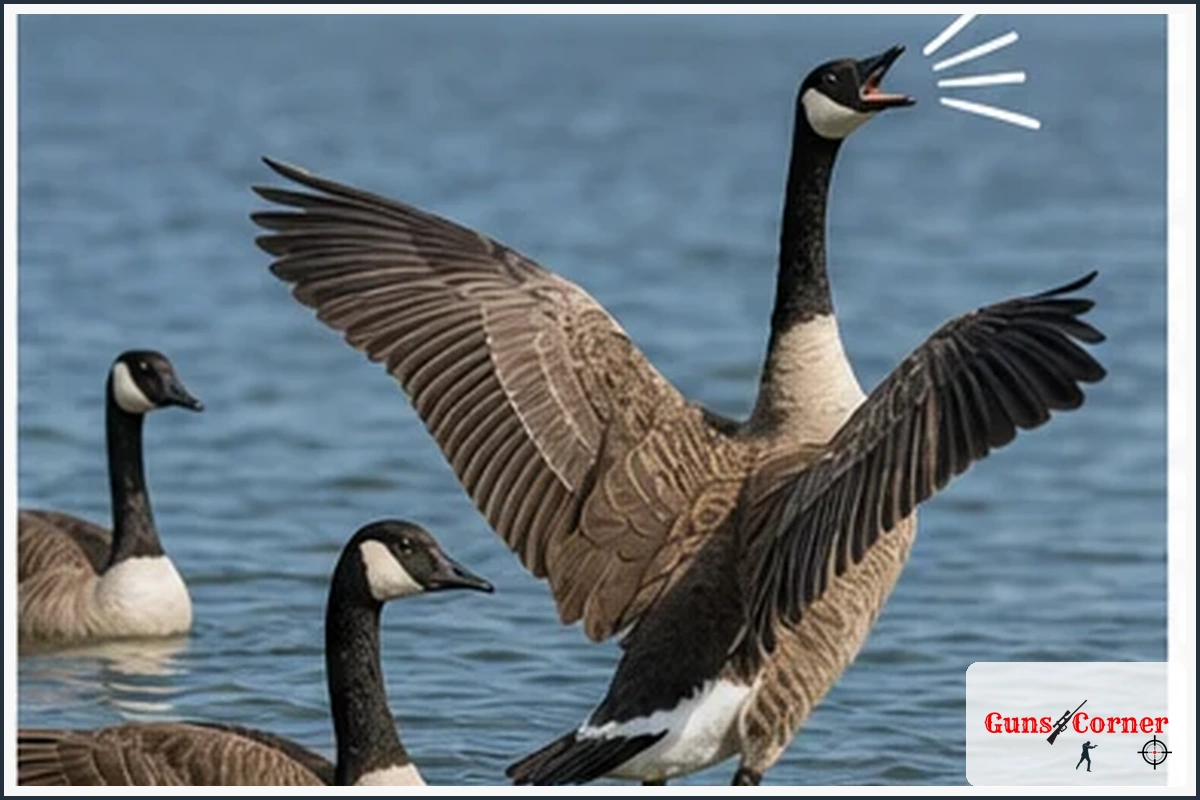
Canada geese use different calls for contact, feeding, alarm, greeting, excitement, and regrouping. Hunters do not need to reproduce every vocalization perfectly. The goal is to create believable sounds that fit the flock’s behavior.
- Honk: A basic contact or attention sound.
- Cluck: A short, sharp note often useful for working birds.
- Moan: A lower feeding-style sound that can add realism.
- Hail call: A louder series used to attract distant birds.
- Comeback call: A controlled call used when birds turn away.
- Greeting call: A more excited response when birds approach or circle.
What You Need Before You Start
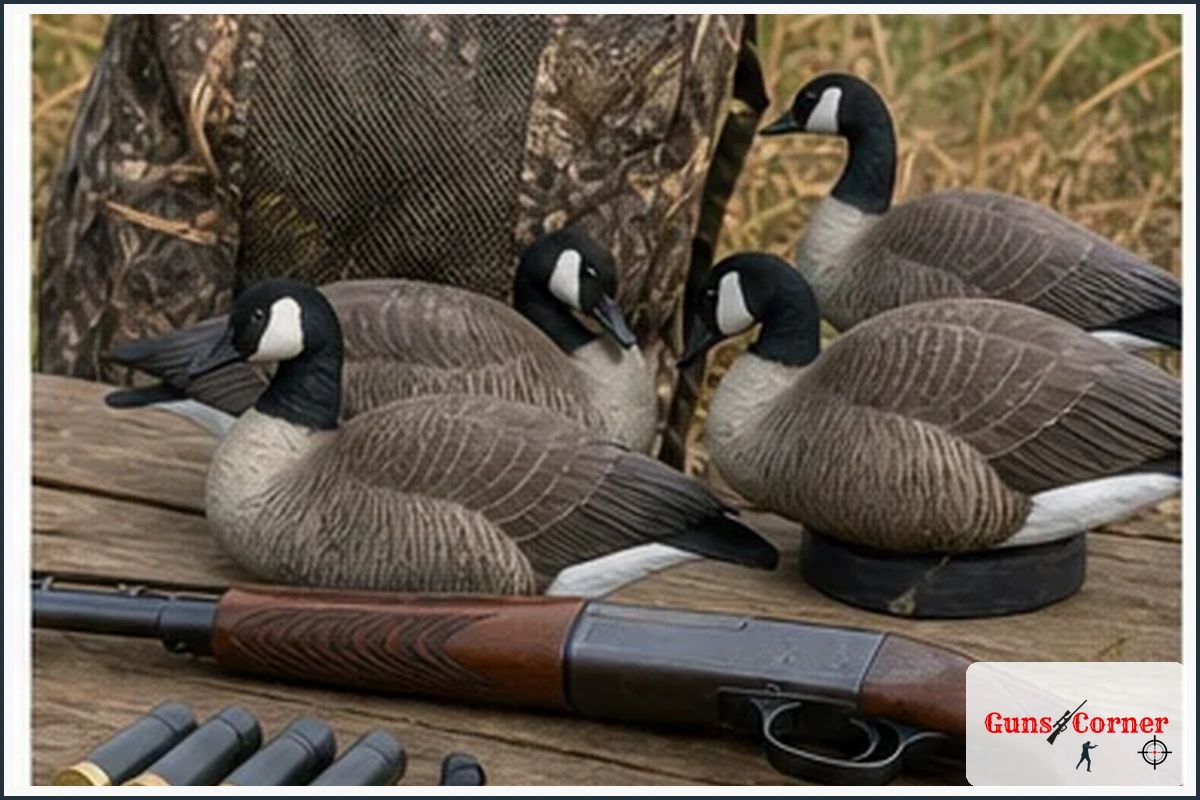
- A legal Canada goose call suited to your experience and hunting conditions
- A shotgun and legal non-toxic ammunition appropriate for local regulations
- Decoys or a legal concealment setup appropriate for the area
- Weather-appropriate clothing, waterproof boots, and required visibility gear
- Binoculars for identifying birds before calling or shooting
- A map, compass, GPS, or reliable navigation app
- Personal flotation equipment when hunting from or near a boat or deep water
- First-aid supplies, water, food, and emergency communication
- A plan for retrieving, cooling, transporting, and legally reporting harvested birds
How to Call Canada Geese Step by Step
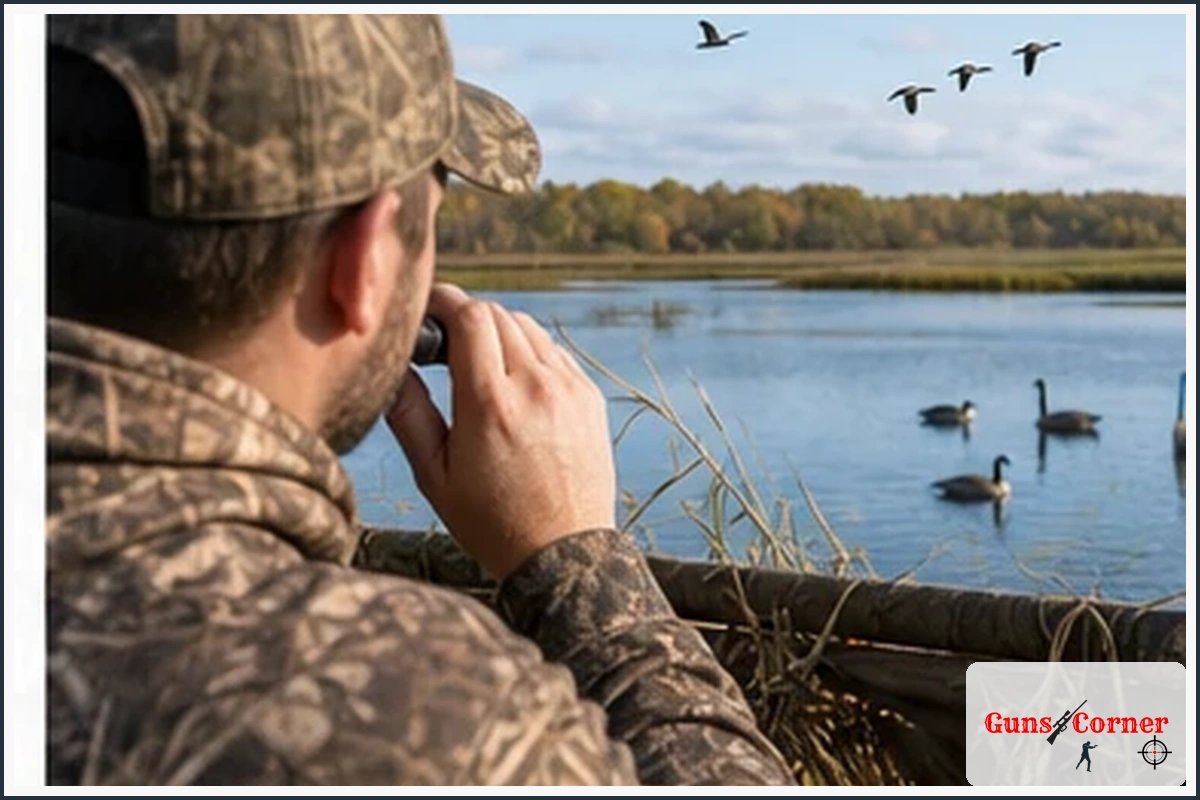
Step 1: Learn the Regulations First
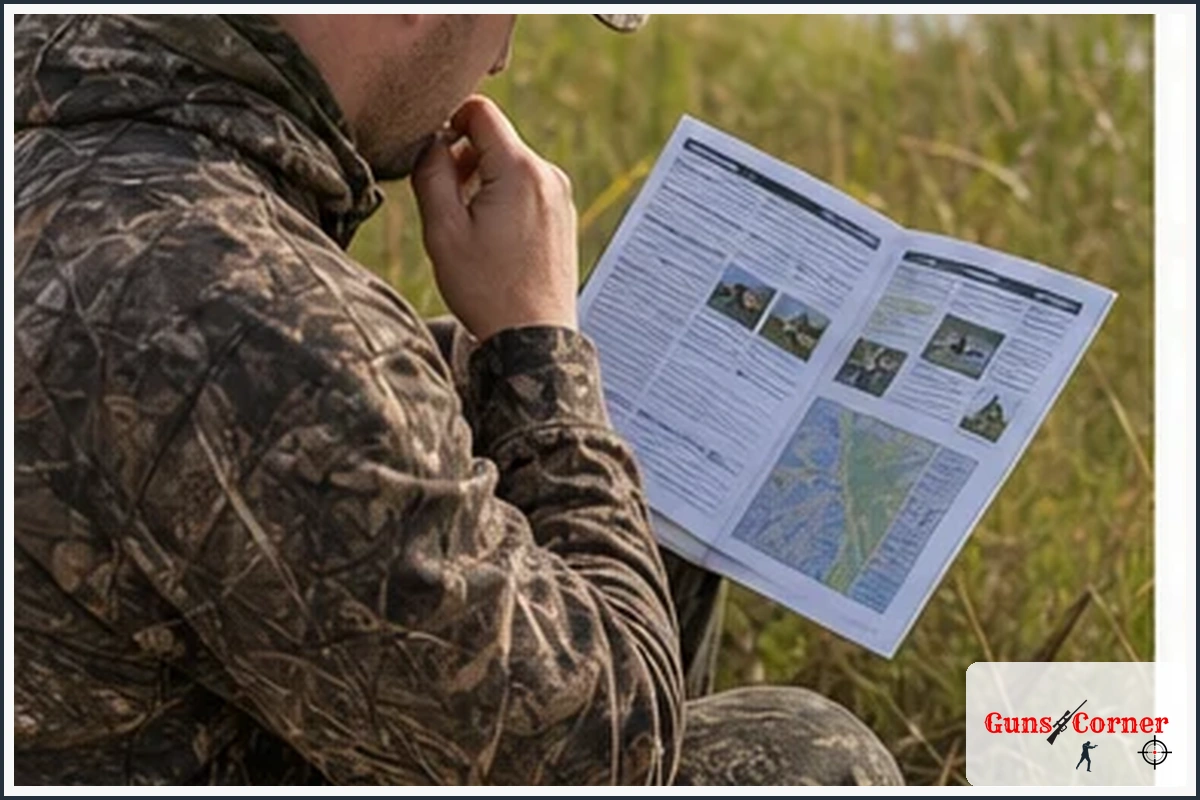
Before practicing in the field, review the current waterfowl rules for your location. Confirm whether Canada geese have separate seasons, zones, limits, or special licensing requirements. Learn the legal shooting hours and any restrictions involving bait, electronic calls, blinds, boats, or decoy placement.
Step 2: Choose a Call You Can Control
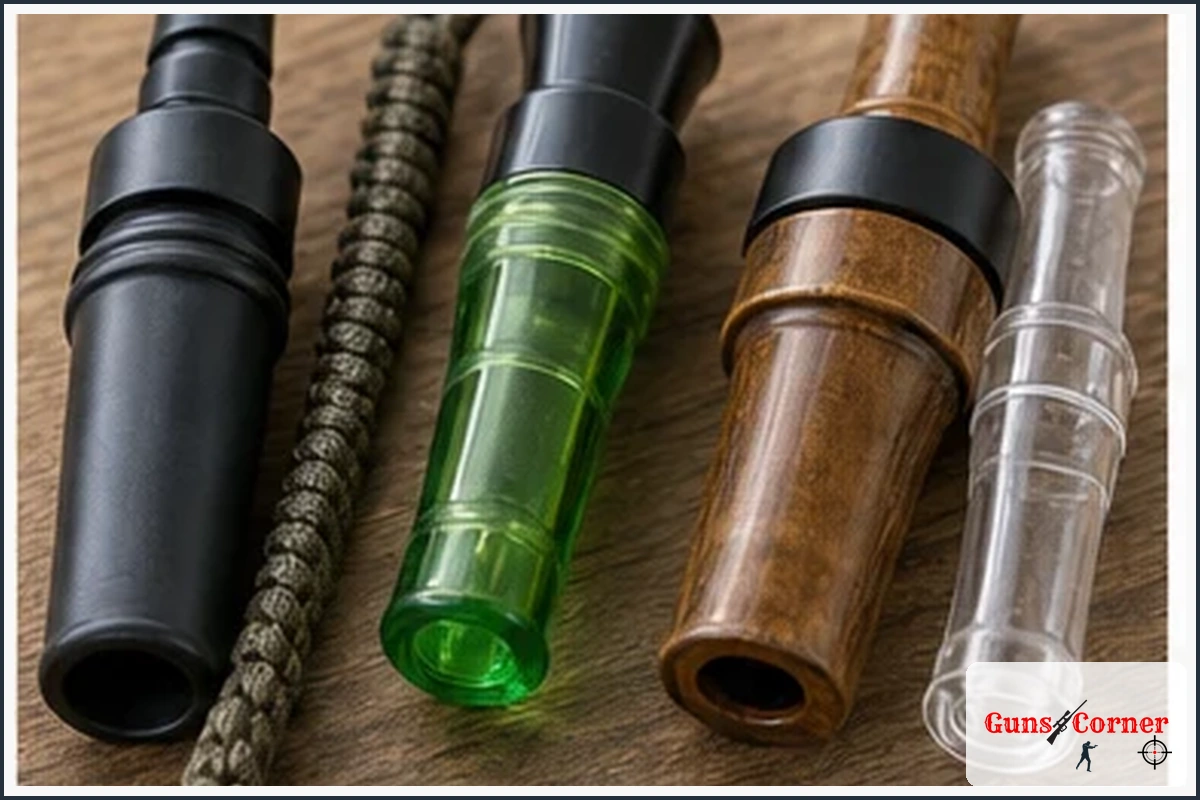
A simple short-reed or flute-style call can work well for beginners. The best call is one you can operate consistently, not necessarily the most expensive model. Practice producing clean, repeatable sounds before adding volume or speed.
Step 3: Practice the Basic Airflow
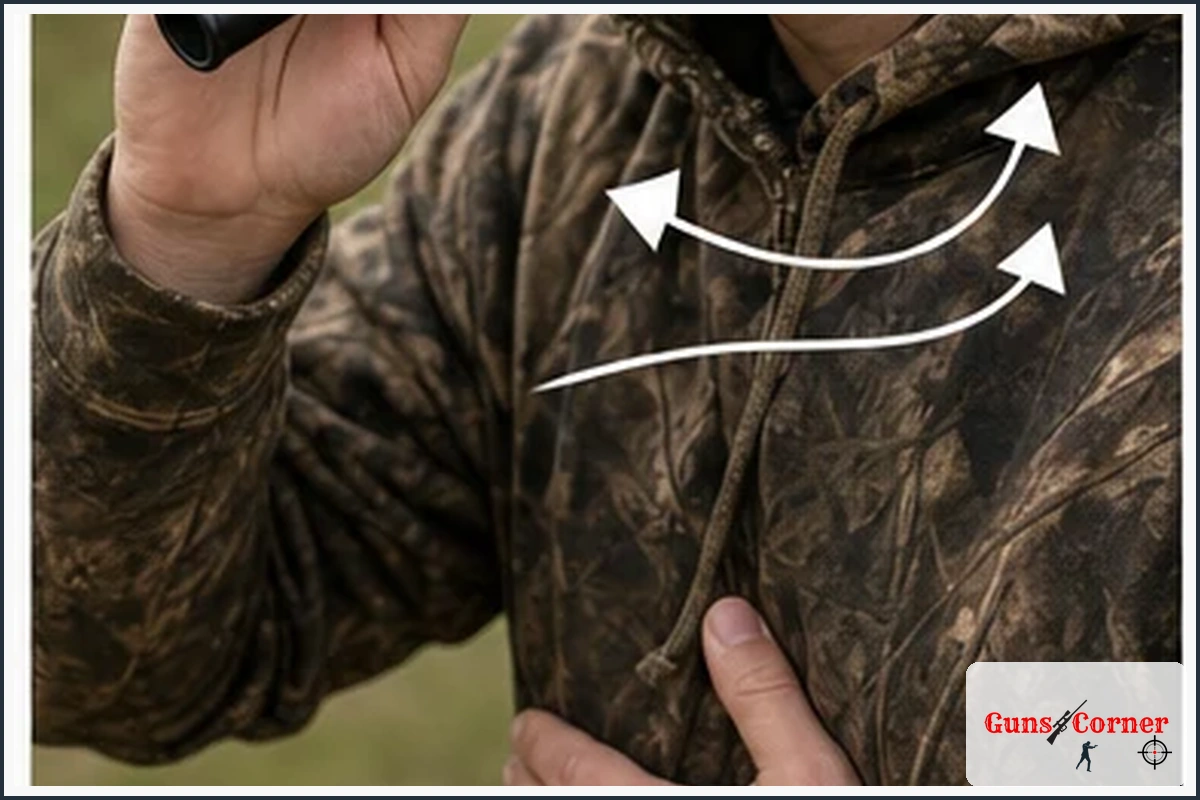
Use air from your diaphragm rather than blowing only from your cheeks. Keep your lips relaxed and avoid forcing excessive air through the call. Start with short, controlled notes and listen for a clear tone.
Many callers find it helpful to keep the tongue near the lower front teeth and shape the sound with the middle of the tongue. The exact technique varies by call, so follow the manufacturer’s instructions and practice with an experienced caller when possible.
Step 4: Master Simple Sounds Before Complex Sequences
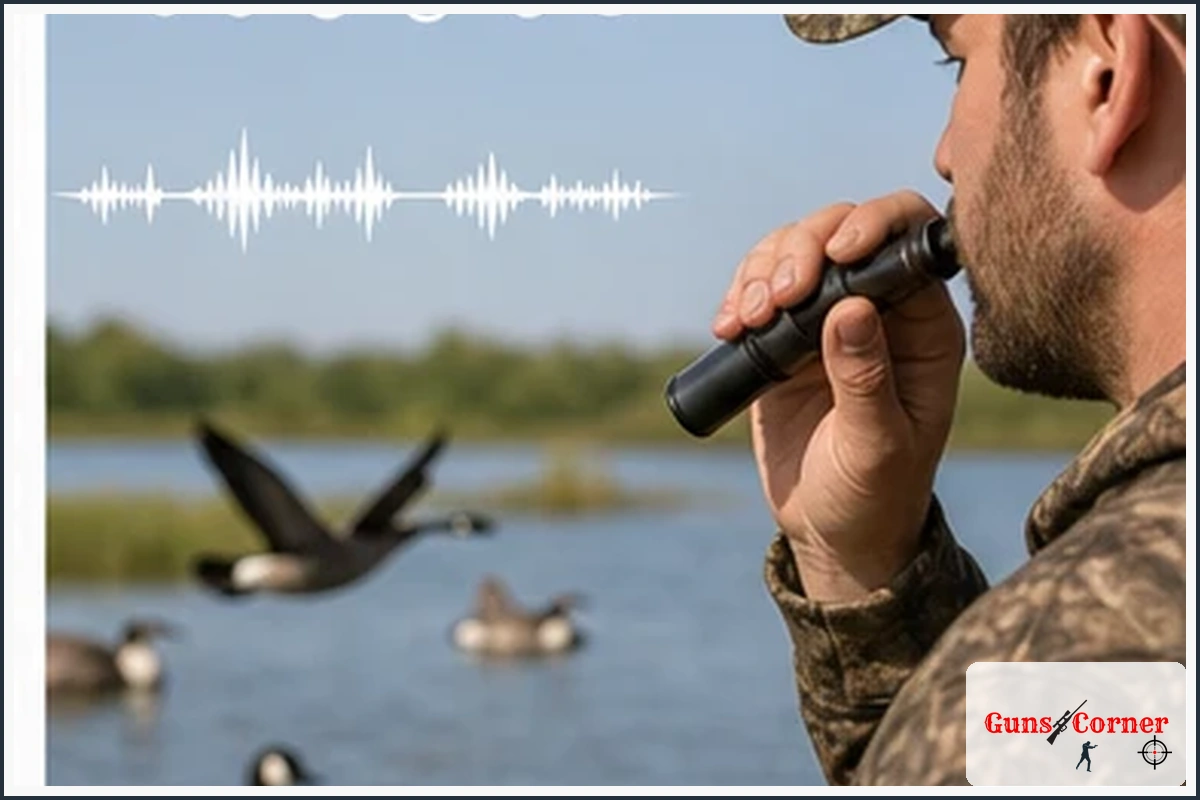
Begin with single honks, clucks, and soft moans. Once those sounds are consistent, combine them into short sequences. A useful beginner sequence might include a few clucks, a pause, and another short group of notes.
Do not rush to imitate long expert calling routines. Clean, well-timed sounds usually work better than noisy, uncontrolled calling.
Step 5: Scout Feeding and Resting Areas
Observe where geese feed, rest, loaf, and travel between locations. Look for droppings, feathers, tracks, worn shoreline access, flight paths, and fresh feeding activity. Use binoculars to watch the direction and timing of flights without disturbing the birds.
Scouting is often more important than calling skill. A good call cannot compensate for hunting far from the birds’ normal travel route.
Step 6: Set Up Legally and With the Wind in Mind
Place your blind or concealment where birds can approach within a safe, practiced range. Consider the wind, sun angle, access route, water depth, and the location of other hunters. Keep your entry and exit route as quiet and discreet as possible.
Never cross private property without permission, and verify public-land boundaries before setting up.
Step 7: Use More Volume for Distant Birds
When geese are far away, begin with a louder hail call to get their attention. Once they turn toward the setup, reduce the volume and use shorter clucks, moans, and greeting calls.
Calling continuously at full volume can make close birds suspicious. Let the flock’s behavior determine how much you call.
Step 8: Match the Birds’ Behavior
If geese are vocal and searching for a flock, respond with confident calling. If they are already committed and descending, reduce the calling. When birds appear focused on another location, a few well-timed calls may redirect them, but excessive calling can cause them to continue past.
Step 9: Use Comeback Calls Carefully
If birds turn away, try a short comeback sequence rather than immediately shouting nonstop. Watch whether they bank, gain altitude, or continue on their original route. If they do not respond, allow them to leave and avoid educating them with repeated, frantic calling.
Step 10: Stay Concealed and Let the Decoys Work
Geese may notice movement before they react to sound. Keep your face, hands, and equipment concealed until birds are committed. Avoid sudden movements, unnecessary talking, and silhouetting yourself against the sky.
Step 11: Take Only a Safe and Ethical Shot
Before shooting, identify the species, confirm that the bird is legal to harvest, and make sure the background is safe. Shoot only within your practiced range and when you have a clear, controlled opportunity. Do not shoot at birds that are too distant, poorly identified, mixed with people, or positioned over unsafe ground.
Step 12: Retrieve and Handle the Harvest Responsibly
Plan retrieval before the hunt, especially when birds may fall into deep or cold water. Do not enter dangerous water or use a boat recklessly. Mark the location, follow local recovery rules, tag or report the harvest as required, and cool the birds promptly for responsible meat care.
When to Use Different Canada Goose Calls
| Situation | Calling Approach | Beginner Guidance |
|---|---|---|
| Distant flock | Moderate or loud hail calling | Use enough volume to gain attention, then reduce it as birds approach. |
| Birds circling | Short clucks, moans, and greeting calls | Match the flock without calling continuously. |
| Close, quiet birds | Soft clucks and occasional moans | Prioritize concealment and limited movement. |
| Birds turning away | Brief comeback sequence | Try a few calls, then stop if the birds do not respond. |
| Early-season family groups | Simple, restrained calling | Avoid excessive volume when birds are already comfortable in the area. |
Best Time, Place, and Conditions for Calling Canada Geese
The best location is usually near a verified travel route, feeding area, resting area, or staging location that can be hunted legally. Morning and evening movements may be productive, but local behavior, weather, season, and hunting pressure determine when geese move.
- Wind: Choose a setup that allows birds to approach from a safe direction while keeping your scent and movement manageable.
- Weather: Changing conditions may influence movement, but cold water, ice, wind, and storms create serious safety hazards.
- Hunting pressure: Heavily pressured geese may respond better to subtle calling and improved concealment.
- Food sources: Fresh feeding activity can be more valuable than old sign.
- Visibility: Avoid setups where glare, open ground, or poor concealment exposes movement.
Helpful Tips for Better Results
- Record yourself practicing so you can identify harsh or inconsistent sounds.
- Start with a few reliable notes instead of trying to copy advanced calling routines.
- Watch the birds before deciding how loudly or frequently to call.
- Use binoculars to identify geese and observe their flight path.
- Keep your hands and face concealed when birds are approaching.
- Practice shooting safely at realistic distances before the season.
- Use legal decoys that fit the hunting location and local rules.
- Scout multiple locations in case wind, water, or hunting pressure changes.
- Hunt with an experienced mentor or take a waterfowl education course when possible.
Common Mistakes to Avoid
- Calling constantly at maximum volume
- Using advanced sequences before mastering basic sounds
- Ignoring wind direction and the birds’ approach angle
- Setting up without confirming fresh goose activity
- Moving when birds are close or circling
- Failing to identify birds before raising the firearm
- Taking shots beyond your practiced ability
- Hunting without permission or crossing unclear property boundaries
- Forgetting flotation equipment near deep or cold water
- Failing to plan retrieval and meat care
Troubleshooting Common Problems
| Problem | Possible Cause | What to Do |
|---|---|---|
| Geese ignore the calls | Poor location, excessive calling, or no interest in the setup | Recheck scouting information, reduce calling, and relocate only where access is legal. |
| Birds circle but will not land | Movement, poor concealment, unnatural decoys, or incorrect wind setup | Improve concealment, limit movement, and review the decoy arrangement. |
| Birds turn away after calling | Too much volume or calling that does not match their behavior | Use a short comeback call, then give the birds space. |
| Your call sounds harsh | Excessive air pressure or poor mouth position | Slow down, use controlled diaphragm air, and practice single notes. |
| You are not seeing geese | Wrong timing, changing food sources, weather, or hunting pressure | Scout again and verify current movement rather than relying on old observations. |
| Retrieval looks dangerous | Cold water, strong current, ice, or poor visibility | Do not take unnecessary risks; use safe equipment or seek trained assistance. |
Ethical Hunting and Conservation
Responsible goose hunting begins with respect for wildlife, other hunters, landowners, and the habitat. Follow seasons and limits, avoid waste, pass on unsafe opportunities, and use only legal methods. Licenses and regulated hunting participation support wildlife management and conservation programs.
Leave fields, shorelines, blinds, and access areas cleaner than you found them. Retrieve spent shells where required, avoid disturbing non-target wildlife, and respect other outdoor users.
When to Get More Training or Professional Guidance
Seek additional instruction if you are unfamiliar with shotguns, waterfowl identification, cold-water safety, navigation, or local regulations. Official hunter education courses, certified firearms instructors, wildlife agencies, conservation organizations, and experienced ethical waterfowl hunters can help you build safe skills.
After the Hunt: Follow-Up, Gear Care, and Learning
- Unload, clean, and store firearms according to the manufacturer’s instructions.
- Dry calls, decoys, clothing, waders, and flotation equipment before storage.
- Record weather, wind, bird movement, calling patterns, and what worked.
- Complete required tagging or harvest reporting promptly.
- Cool and transport harvested birds according to local rules and safe food-handling practices.
- Review missed opportunities honestly and practice the specific skills that need improvement.
Recommended Hunting Gear and Tools to Consider
You do not need expensive equipment to call Canada geese responsibly. Choose gear based on local laws, terrain, weather, hunting method, safety needs, and experience.
- Legal shotgun and approved non-toxic ammunition
- A reliable goose call that fits your skill level
- Appropriate decoys and concealment materials
- Waterproof clothing and insulated boots
- Required visibility clothing
- Binoculars and navigation tools
- Personal flotation equipment near deep or cold water
- First-aid kit, food, water, and communication equipment
- Game bags, gloves, cooler, and meat-care supplies
Frequently Asked Questions
What is the best call for Canada geese?
The best call is one you can operate consistently and that suits local conditions. A simple, reliable call is usually more useful for beginners than an advanced call they cannot control.
How do beginners learn to call Canada geese?
Start with single honks, clucks, and moans. Practice controlled airflow, record yourself, and learn from an experienced caller when possible.
How often should you call Canada geese?
Call in response to the birds’ behavior. Use more calling for distant birds and less for close or committed birds.
Should you call continuously at geese?
No. Continuous calling can sound unnatural and may discourage birds. Short, well-timed sequences are often more effective.
How loud should a goose call be?
Use enough volume to reach distant birds, then reduce volume as they approach. Wind, distance, and flock behavior should determine your calling level.
What sounds should a beginner learn first?
Learn clean single honks, clucks, and soft moans before attempting complex hail or greeting sequences.
What is a comeback call?
A comeback call is a short sequence used when geese turn away. It should be controlled rather than frantic, and it may not work if birds are committed elsewhere.
Can calling bring geese in without decoys?
Sometimes, but decoys and concealment often help geese understand where the sound is coming from. Local rules may govern decoy use.
Where should you set up when calling Canada geese?
Set up near a legal, verified travel route, feeding area, or resting area while considering wind, concealment, safe shooting zones, and access.
How important is scouting?
Scouting is extremely important. Knowing where geese actually move is often more valuable than using a complex calling technique.
What goose sign should hunters look for?
Look for fresh droppings, feathers, tracks, feeding activity, worn access points, and repeated flight paths.
Does wind direction matter when calling geese?
Yes. Wind affects how birds approach, how scent and sound travel, and where a safe setup can be placed.
What is the best time to call Canada geese?
Movement timing varies by location, season, weather, and pressure. Observe local flight patterns rather than assuming one time always works.
Do Canada geese call differently during the early season?
They may be more familiar with local food and resting areas during the early season. Subtle calling can be appropriate when birds are already close or comfortable.
How does hunting pressure affect calling?
Pressure can make geese more cautious. Improved concealment, careful scouting, and less aggressive calling may help, but success is never guaranteed.
Should you use a loud hail call every time?
No. Loud hail calls are mainly useful for attracting distant birds. Close birds generally require less volume.
How do you avoid sounding unnatural?
Use pauses, vary intensity, and match the flock’s behavior. Avoid repeating the same loud sequence without watching the birds.
What shotgun safety rules apply to goose hunting?
Keep the firearm pointed safely, keep your finger outside the trigger guard until ready, identify the target and background, and follow all hunter education guidance.
What ammunition is legal for Canada goose hunting?
Check current local regulations. Many waterfowl hunts require approved non-toxic shot, but exact rules vary by jurisdiction.
How far should you shoot at Canada geese?
Only shoot within the range you have practiced and can handle responsibly. Passing on distant or uncertain birds is an ethical decision.
Should beginners hunt Canada geese alone?
Beginners should consider hunting with an experienced mentor, especially around boats, deep water, unfamiliar public land, or challenging weather.
Can you hunt Canada geese on public land?
Yes, where regulations permit it. Verify boundaries, access routes, parking rules, seasonal closures, and other-user restrictions before hunting.
Do you need permission to hunt geese on private land?
Yes. Obtain clear permission before entering or hunting private property, and respect gates, livestock, crops, buildings, and landowner instructions.
What should you do if birds approach over an unsafe background?
Do not shoot. Wait for a safe angle or allow the birds to pass. A safe background is required for every shot.
What should you do if geese land outside shooting range?
Remain concealed and observe. Avoid rushing or making unnecessary noise; the birds may move, but there is no guarantee they will approach.
How do you retrieve a goose from cold water?
Use safe retrieval equipment and avoid entering dangerous water. Cold temperatures, ice, current, and wind can create life-threatening conditions.
What should you do after harvesting a goose?
Follow local tagging and reporting rules, recover the bird promptly, keep it cool, and transport it according to regulations and safe food-handling practices.
How can hunters avoid wasting game?
Practice before hunting, take only responsible shots, retrieve harvested birds promptly, and care for the meat properly.
Are electronic calls legal for Canada geese?
Rules vary by location and species. Check your official wildlife agency before using any electronic calling device.
Can you hunt geese over bait?
Baiting rules vary and can be strict. Learn the current definition of bait and verify the legality of the hunting area before setting up.
What clothing is best for goose hunting?
Use layered, weather-resistant clothing that matches the terrain while allowing safe movement. Follow any required visibility clothing rules.
How do you stay warm and dry during a goose hunt?
Dress in layers, protect hands and feet, carry water and emergency supplies, and monitor weather changes. Avoid unnecessary exposure to cold water.
What is the biggest beginner calling mistake?
The most common mistake is calling too much and too loudly without observing the birds. Calling should support scouting and concealment, not replace them.
How long should you practice before hunting?
Practice until you can produce several clear basic sounds without losing control. Continue practicing in realistic outdoor conditions when possible.
Can goose calling guarantee success?
No. Success depends on regulations, scouting, weather, bird behavior, hunting pressure, concealment, skill, and ethical decision-making.
Where can you learn more about goose hunting laws?
Use your official state, provincial, or national wildlife agency website and complete a recognized hunter education or waterfowl safety course.
How does goose hunting support conservation?
Licenses, permits, and regulated hunting programs help fund wildlife management, habitat protection, research, and enforcement.
Final Thoughts
Learning how to call Canada geese starts with scouting, legal preparation, basic sounds, and careful observation. Use the least calling necessary, stay concealed, understand wind and bird behavior, and take only safe, ethical shots within your ability. With practice, patience, and respect for wildlife and regulations, calling can become a rewarding part of responsible waterfowl hunting.