
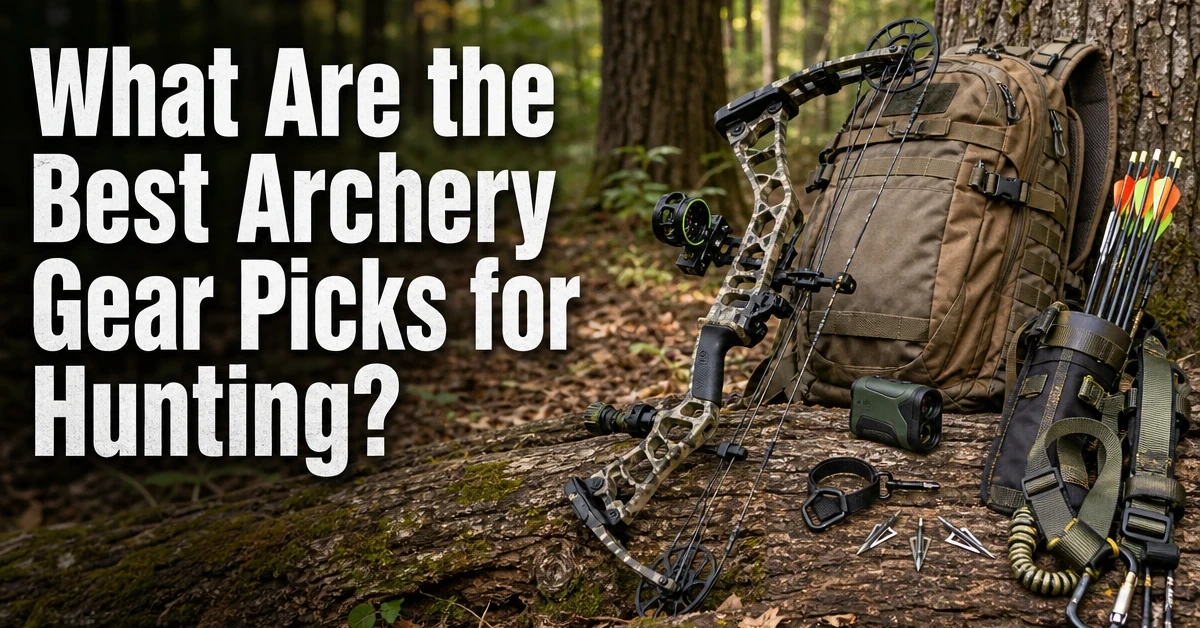

What are the best archery gear picks? For most bowhunters, the smartest setup includes a properly fitted bow, matched arrows, dependable broadheads, a sight, release aid, stabilizer, rangefinder, target, and essential safety equipment. The best choices depend on your bow type, hunting species, local regulations, terrain, budget, and ability to practice consistently.
How to Choose the Best Archery Gear
Start with fit, compatibility, reliability, and proven accuracy rather than brand names or the most expensive equipment. A well-tuned budget setup is generally more useful than premium gear that does not fit the archer or has not been practiced with.
| Gear category | Primary purpose | What to prioritize |
|---|---|---|
| Bow | Launches the arrow | Proper draw length, manageable draw weight, fit, and reliable adjustment |
| Arrows | Provide consistent flight | Correct spine, length, weight, straightness, and bow compatibility |
| Broadheads | Deliver a hunting cutting surface | Legal design, sharpness, durability, and reliable flight |
| Sight | Improves aiming consistency | Clear pins or aiming reference, durability, and adjustment range |
| Release aid | Reduces string disturbance | Comfort, fit, consistent trigger operation, and secure attachment |
| Rangefinder | Measures distance | Fast readings, clear display, weather resistance, and simple operation |
| Safety equipment | Reduces preventable accidents | Quality tree-stand harness, lifeline, eye protection, and safe storage |
Best Archery Gear Picks by Category
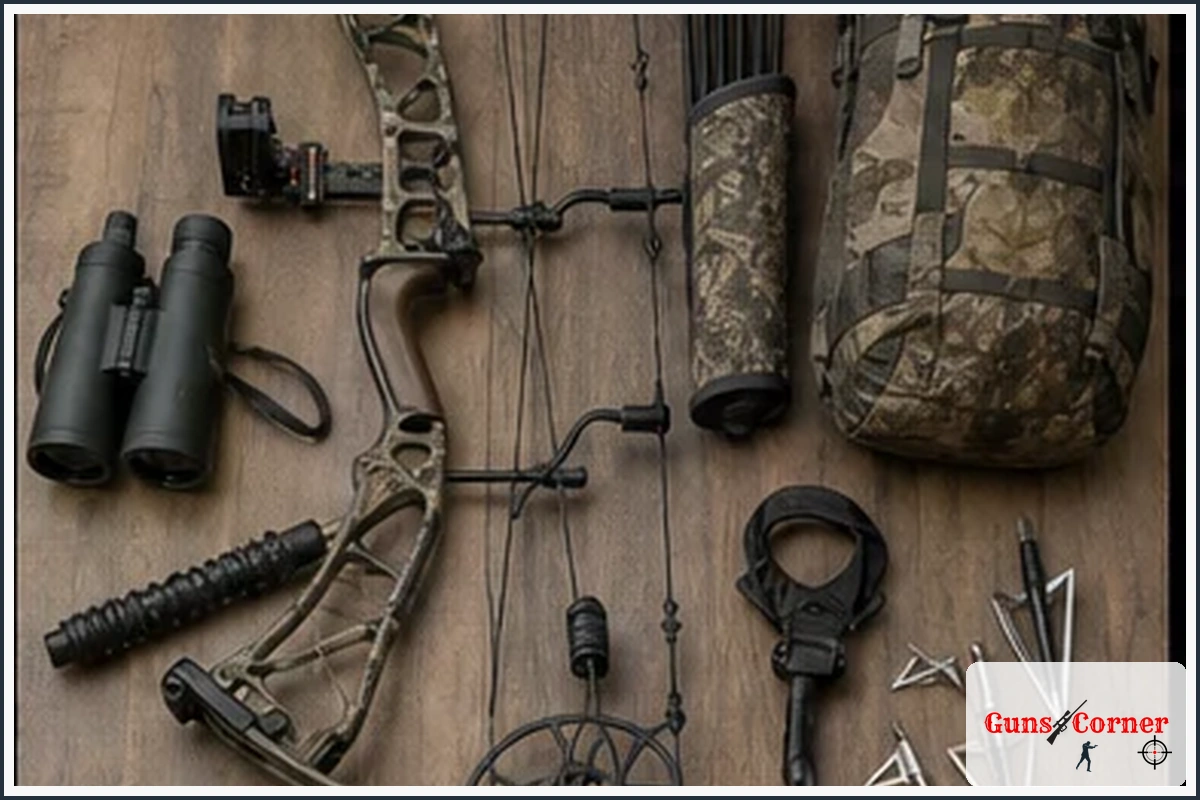
1. A properly fitted compound bow
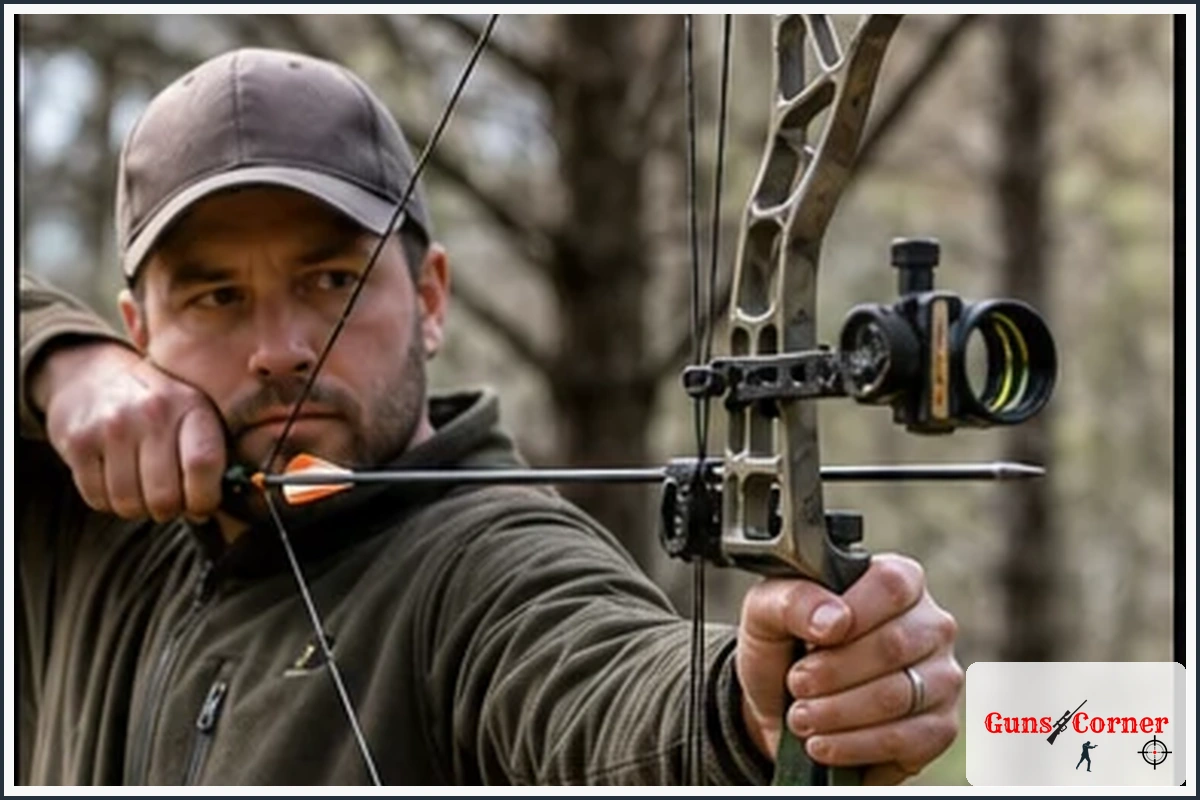
A compound bow is a versatile choice for many beginners and experienced hunters. Choose one that allows the draw length to be adjusted correctly and has a draw weight you can pull smoothly without changing your form.
Do not select draw weight solely by appearance or advertised speed. You should be able to draw the bow under realistic hunting conditions while seated, wearing hunting clothing, and without excessive movement. A qualified archery technician can help with fitting, setup, and tuning.
2. A traditional bow for simplicity and practice
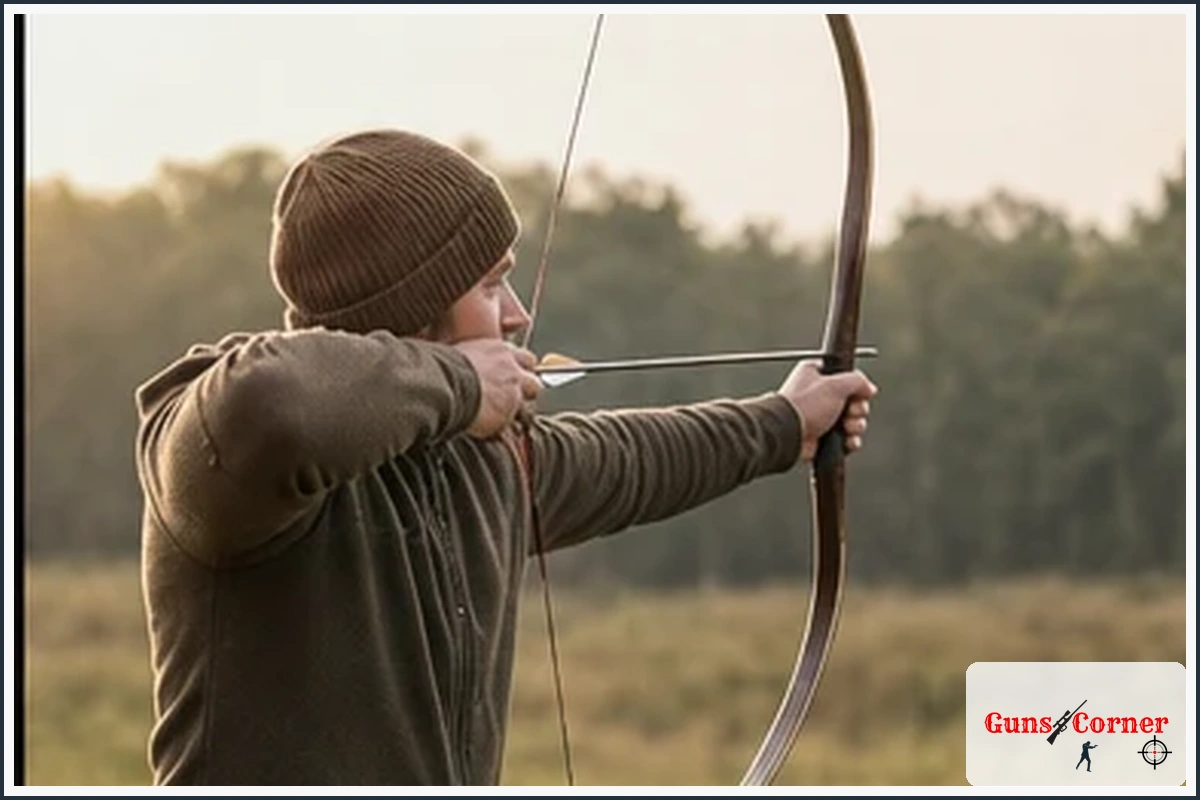
Recurve and long bows appeal to hunters who prefer a simpler setup and a strong focus on shooting form. They require consistent practice because they do not provide the same mechanical assistance as a compound bow.
Choose a draw weight that allows controlled practice and accurate hunting-range shots. Local regulations may specify minimum equipment requirements, so verify them before hunting.
3. Matched arrows with the correct spine
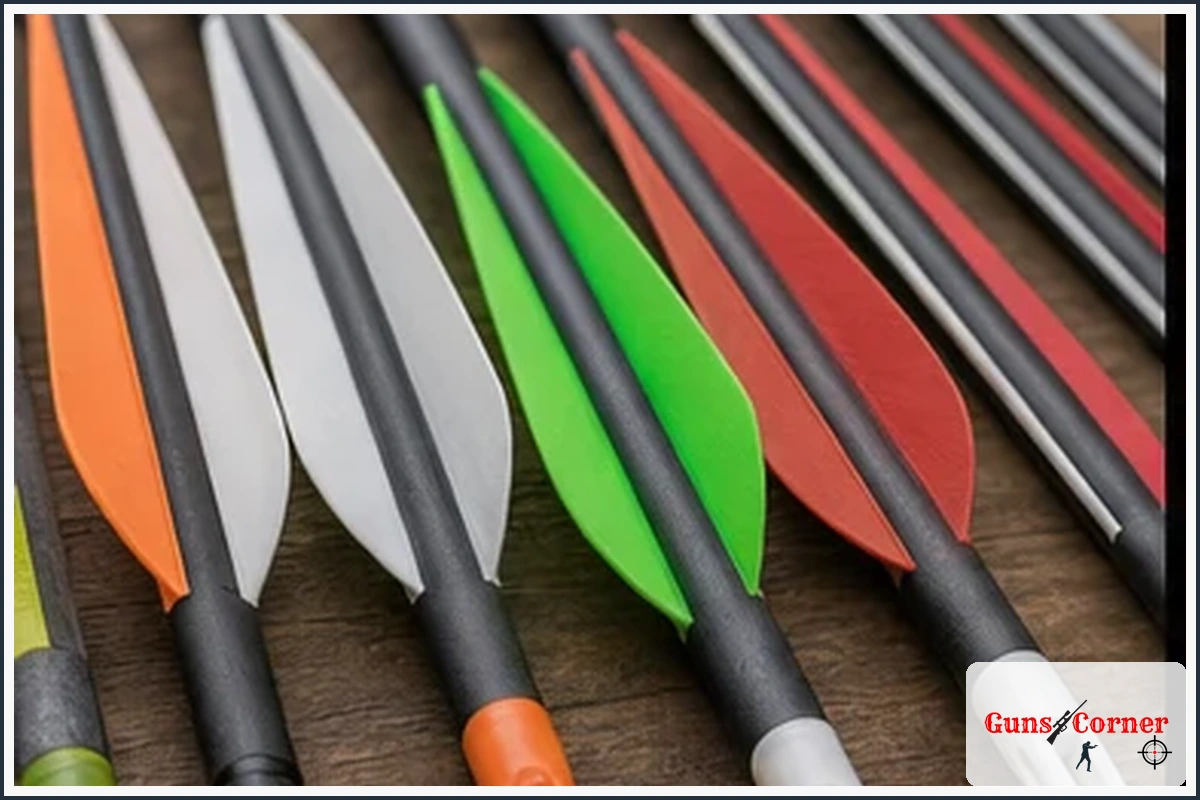
Arrow spine describes how much an arrow flexes during launch. An arrow that is too stiff or too flexible for the bow, point weight, draw length, and draw weight may fly inconsistently and can create safety or tuning problems.
Use the arrow manufacturer’s spine chart and provide accurate information about your equipment. Arrow length, insert weight, point weight, nock fit, and bow settings all matter. Never assume that an arrow marketed for one bow setup is automatically suitable for another.
4. Durable hunting broadheads
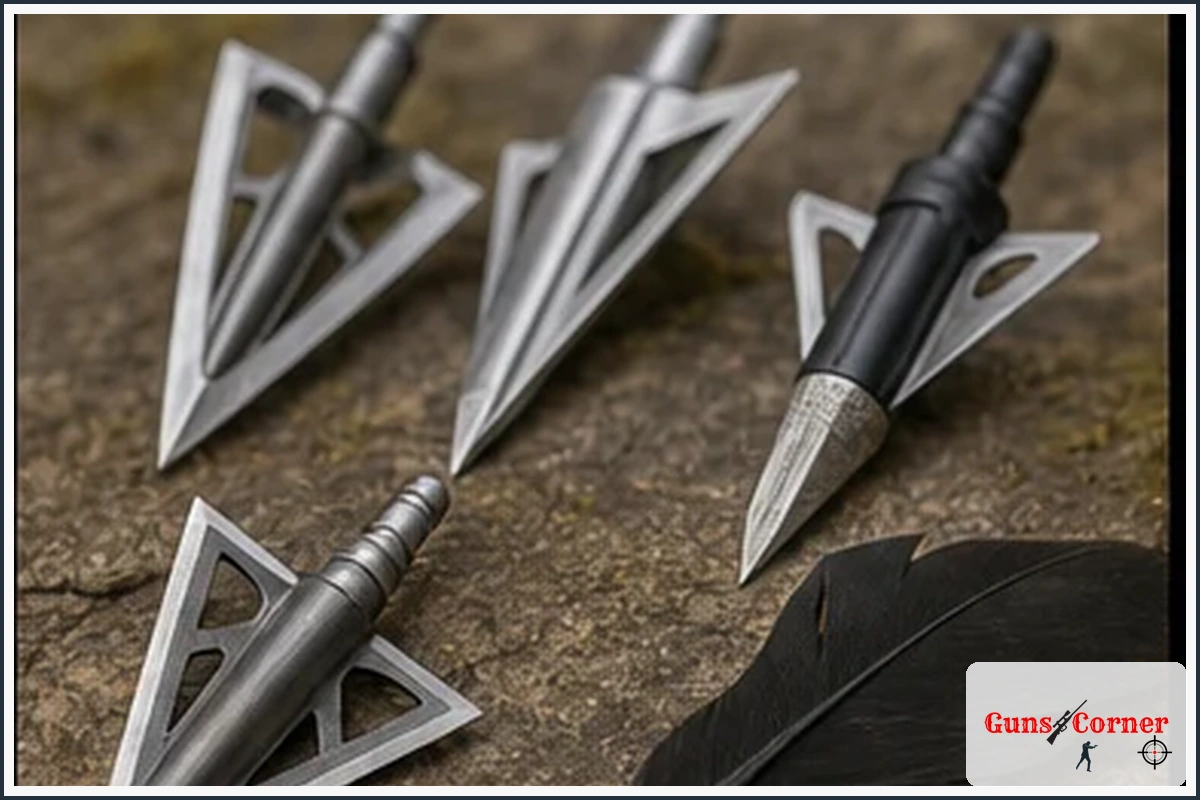
Broadheads should produce dependable flight and a suitable cutting profile for the game being hunted. Fixed-blade broadheads are simple and durable when properly tuned. Mechanical broadheads may offer a different flight profile but require compatibility with the bow’s energy and the manufacturer’s recommendations.
Check whether broadhead types are legal for your species and location. Practice with field points, then confirm broadhead flight before hunting. A broadhead that groups differently from your practice arrows requires additional tuning rather than guesswork.
5. A reliable sight
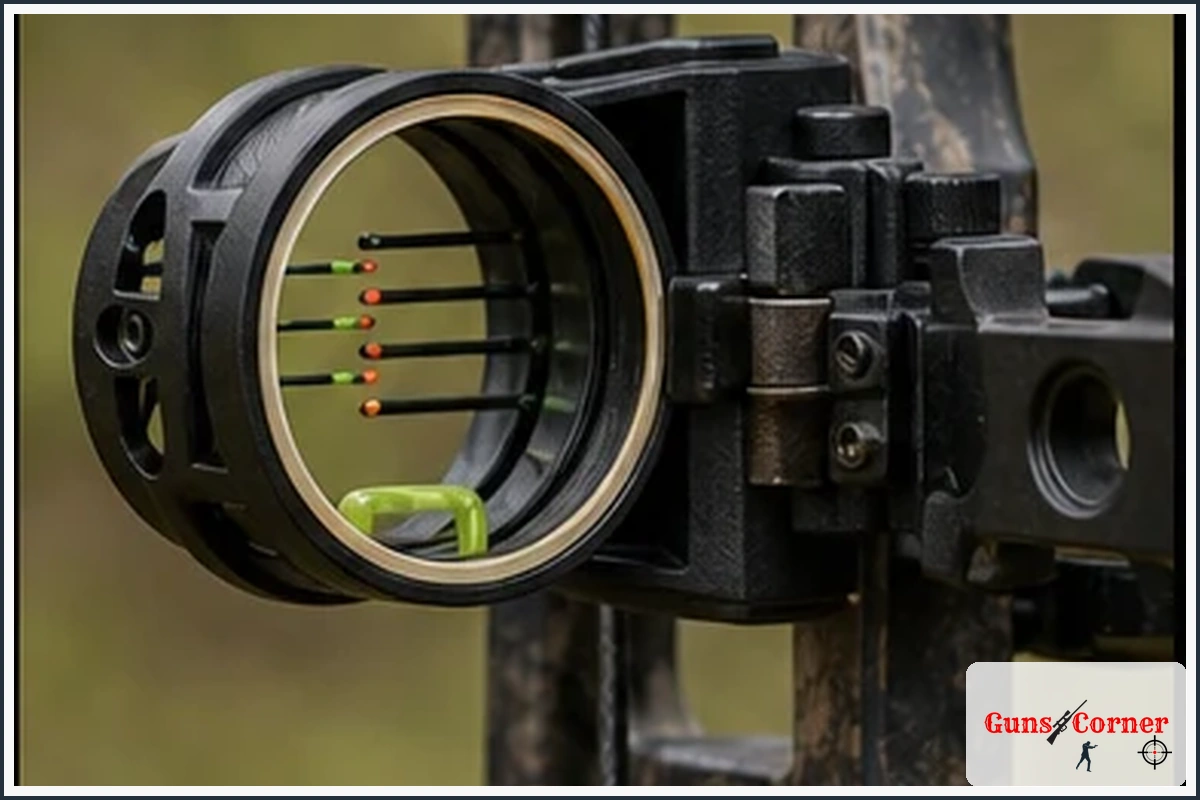
A fixed-pin sight is straightforward and useful for hunters who prefer a simple aiming system. A movable-pin sight can offer more precise distance adjustment but requires disciplined range estimation and practice.
Choose a sight that remains visible in the light conditions where you hunt and can be adjusted without excessive movement. Confirm that it mounts securely and does not interfere with the bow, arrow, or quiver.
6. A comfortable release aid
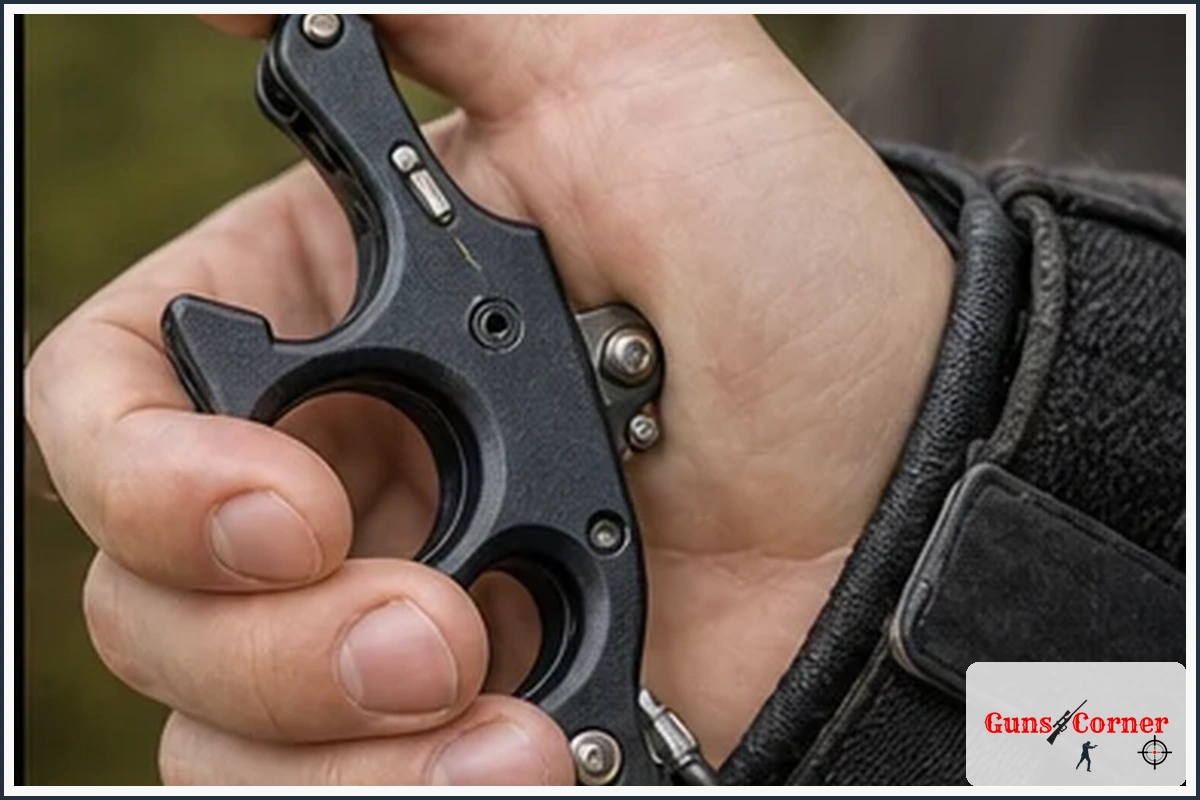
A release aid can improve consistency by reducing the variation caused by releasing the bowstring with fingers. Wrist-strap, handheld, thumb-button, and hinge-style releases each have different handling characteristics.
Comfort and repeatable operation matter more than popularity. Practice until you can operate the release without looking at it, and keep your trigger finger controlled until you are ready to shoot at a clearly identified target.
7. A front stabilizer and appropriate bow balance
A stabilizer can reduce unwanted movement and help balance the bow. Longer or heavier stabilizers are not automatically better for every hunter, especially in thick cover or from a tree stand.
Choose a setup that steadies the bow without making it difficult to carry, maneuver, or hold at full draw. Test the complete hunting setup rather than judging accessories individually.
8. A dependable rangefinder
A rangefinder is especially useful for bowhunting because small distance errors can significantly affect arrow placement. Select a model that is easy to read and operate quickly in the field.
Practice ranging trees, rocks, and other landmarks before hunting. Do not let a rangefinder replace judgment about shot angle, intervening branches, animal movement, or your personal accuracy limit.
9. A quality arrow rest
The arrow rest supports the arrow during the shot and must match the bow and arrow setup. Full-containment rests can be useful for mobile hunting, while drop-away rests are popular on many compound bows.
Have the rest installed and tuned by someone familiar with your bow if you are not comfortable doing it yourself. Check for vane contact, loose hardware, damaged components, and consistent arrow flight.
10. A secure quiver
A quiver should hold arrows quietly and securely while allowing safe access. Bow-mounted quivers are convenient, while detachable quivers can reduce weight and noise in some hunting situations.
Make sure broadheads are covered and cannot contact your hands, clothing, bowstring, or other equipment. Inspect the mounting hardware regularly.
Essential Archery Hunting Gear Checklist
- Properly fitted and tuned bow
- Matched hunting arrows and spare practice arrows
- Legal broadheads and field points
- Arrow rest, sight, stabilizer, and quiver
- Release aid or finger tab appropriate for the bow
- Rangefinder
- Bow case or protected transport method
- Targets rated for the bow and arrows being used
- Arm guard and finger protection when appropriate
- Tree-stand safety harness and lifeline when hunting from an elevated stand
- Required license, tag, permits, and regulation information
- Knife, first-aid supplies, flashlight, navigation, and communication equipment
- Weather-appropriate clothing and quiet footwear
How to Build a Practical Setup on a Budget
Spend first on fit, arrows, tuning, practice, and safety equipment. A used bow can be a reasonable option if it is inspected by a qualified technician and is compatible with replacement parts, arrows, and the intended draw length.
Save money by avoiding unnecessary accessories, oversized stabilizers, duplicate releases, and equipment that does not improve safe performance. A reliable rangefinder and a good target may provide more practical value than cosmetic upgrades.
Bow and Arrow Compatibility Rules
- Confirm the bow’s draw length and draw weight.
- Use an arrow spine recommended for the complete setup.
- Check arrow length and point weight before changing broadheads.
- Use nocks, inserts, and components designed for the arrow system.
- Follow the bow and accessory manufacturers’ instructions.
- Inspect limbs, cams, strings, cables, rests, and fasteners regularly.
- Never dry-fire a bow.
- Do not use damaged, cracked, bent, or heavily worn arrows.
Practice Gear That Actually Matters
A suitable target is more important than an elaborate range. Use a target designed to stop your arrow safely and rated for your bow and broadheads. Practice from realistic distances, positions, clothing, and body angles.
Begin with field points and confirm consistent groups. Before hunting, verify broadhead flight, practice from elevated positions if permitted and safe, and learn how your arrow behaves at the distances you may encounter.
Tree-Stand and Elevated Hunting Safety
Use a full-body fall-arrest system connected to a lifeline or other approved safety system whenever required by the equipment manufacturer and your hunting method. Inspect the stand, straps, platform, and climbing system before use.
- Maintain three points of contact while climbing.
- Follow the stand manufacturer’s weight and installation limits.
- Use a haul line to raise equipment after reaching the stand.
- Keep broadheads covered during transport and climbing.
- Never carry a nocked arrow while climbing.
- Do not rely on improvised platforms or damaged equipment.
Common Archery Gear Mistakes
Choosing speed over control
A fast bow is not useful if you cannot draw it smoothly or maintain accurate form. Prioritize control and repeatable accuracy.
Ignoring arrow spine
Incorrect spine can create poor flight and difficult tuning. Use manufacturer charts and have the setup checked by an experienced technician.
Practicing only at one distance
Vary distances and shooting positions while remaining within a safe range. This helps expose inconsistencies before hunting.
Using broadheads without testing them
Broadheads can change arrow flight. Confirm their grouping and impact point before carrying them afield.
Buying accessories before arranging a bow fitting
Many accessory decisions depend on bow dimensions, draw length, shooting style, and hunting conditions. Fit the bow first.
Legal and Ethical Considerations
Archery equipment rules vary by state, province, wildlife unit, species, season, and land type. Regulations may address minimum draw weight, crossbow use, broadhead design, arrow specifications, electronic devices, baiting, hunter orange, and season dates.
Check the current regulations from the responsible wildlife agency before purchasing equipment or hunting. Also verify public-land rules and any special restrictions for the property where you plan to hunt.
Take only shots within your demonstrated accuracy range and wait for a clear, ethical opportunity. Positive target identification, a safe background, respect for property boundaries, and responsible game recovery are essential parts of bowhunting.
Final Answer: What Are the Best Archery Gear Picks?
The best archery gear picks are equipment that fits the hunter, matches the bow, performs reliably, and has been thoroughly practiced with. Start with a properly fitted bow, correctly spined arrows, legal broadheads, a dependable sight, release aid, arrow rest, quiver, stabilizer, rangefinder, safe target, and appropriate fall-protection equipment.
Do not choose gear by advertising claims alone. Confirm compatibility, follow manufacturer instructions, practice with the complete setup, and verify current hunting regulations before going afield.
FAQs
1. What is the best bow for a beginner hunter?
The best beginner bow is one that fits correctly, has manageable draw weight, and can be adjusted or serviced as your skills develop. A local archery shop can help with fitting.
2. Are compound bows better than recurve bows for hunting?
Neither is universally better. Compound bows generally offer easier aiming and let-off, while recurves provide a simpler setup and emphasize traditional shooting skill.
3. What arrows should I use for bowhunting?
Use arrows with the correct spine, length, weight, and components for your bow settings and point weight. Follow the arrow manufacturer’s selection chart.
4. What does arrow spine mean?
Arrow spine is the arrow’s resistance to bending during launch. Correct spine supports consistent flight and safe, reliable tuning.
5. Are fixed-blade or mechanical broadheads better?
Both can work when legal, compatible, sharp, and properly tuned. Fixed blades are mechanically simple, while mechanical designs may require closer attention to manufacturer recommendations.
6. Do broadheads need to be practiced with?
Yes. Broadheads can impact differently from field points, so test them before hunting and confirm consistent grouping.
7. How many arrows should a bowhunter carry?
Carry enough inspected arrows for practice, hunting, and unexpected damage. Keep spare arrows protected and use covered broadheads.
8. Is a rangefinder necessary for bowhunting?
A rangefinder is not always legally required, but it is highly useful for judging distance and improving ethical shot decisions.
9. What is the most important archery accessory?
For many hunters, a properly fitted release aid, sight, arrow rest, or rangefinder may provide the greatest practical benefit. Fit and consistency matter more than the category alone.
10. Do I need a stabilizer?
A stabilizer can improve balance and reduce movement, but the correct size and weight depend on your bow, shooting style, and hunting environment.
11. What target should I use for broadheads?
Use a target specifically rated for broadheads and your bow’s energy. Follow the target manufacturer’s removal and maintenance instructions.
12. Can I use the same arrows for practice and hunting?
You can use compatible arrows for both purposes, but hunting arrows should be inspected carefully and fitted with legal hunting points before use.
13. How often should bowhunting equipment be inspected?
Inspect equipment before every practice session and hunt. Pay special attention to strings, cables, limbs, cams, rests, arrows, nocks, broadheads, and fasteners.
14. Can I tune my bow myself?
Basic adjustments may be possible, but unfamiliar archers should use a qualified technician for complex tuning or repairs. Never shoot equipment that appears damaged.
15. Should I buy a used bow?
A used bow can be suitable if a qualified technician inspects it, the draw length fits, replacement parts are available, and the bow is free of structural damage.
16. What draw weight should I choose?
Choose a draw weight you can pull smoothly, hold briefly, and control without changing your form. Local regulations may also establish minimum requirements.
17. Is a higher draw weight always better?
No. Excessive draw weight can reduce accuracy, increase fatigue, and make ethical shot execution more difficult.
18. What should I carry in an archery hunting pack?
Carry required documents, navigation, communication, first aid, water, food, weather protection, a flashlight, repair supplies, and tools for safe game recovery.
19. Do bowhunters need hunter education?
Many jurisdictions require or strongly encourage hunter education, and some apply specific requirements to bowhunters. Check the local wildlife agency’s rules.
20. Is hunter orange required during archery season?
Requirements vary by jurisdiction, season, land type, and concurrent firearm seasons. Check the current official regulations before hunting.
21. Can I hunt with mechanical broadheads everywhere?
No. Broadhead rules vary. Verify whether mechanical designs, cutting diameters, or other specifications are permitted where you hunt.
22. How far should I shoot at game?
Stay within the distance at which you can consistently place arrows accurately under realistic conditions. Ethical range is personal and should be demonstrated through practice.
23. What should I do if my arrow hits an animal?
Mark the location, observe the animal’s direction and reaction, wait as appropriate, and follow a careful recovery plan. Follow local laws and seek an experienced tracker when needed.
24. Can expensive gear make me a better bowhunter?
Expensive gear cannot replace fit, practice, tuning, field knowledge, and ethical judgment. Reliable equipment is valuable, but skill remains central.
25. What is the safest way to transport broadheads?
Keep broadheads covered in a secure case or quiver designed for them. Prevent contact with hands, clothing, bowstrings, and other gear.
26. Should I use a bow case?
A case protects the bow during transport and storage. Select one that fits the complete setup and prevents movement or damage.
27. What is the best archery gear for public-land hunting?
Choose compact, quiet, durable equipment suited to the terrain and access method. Navigation, communication, weather protection, and legal compliance are especially important.
28. Can I climb a tree stand with a nocked arrow?
No. Climb and descend with the bow and arrows secured according to the equipment manufacturer’s instructions, and use a haul line to raise gear safely.
29. How can I reduce bowhunting noise?
Inspect loose hardware, use compatible accessories, secure arrows, and practice smooth handling. Do not add unapproved modifications that could affect safety or performance.
30. Where can I check archery hunting rules?
Check the current hunting regulations published by the wildlife agency responsible for the state, province, or jurisdiction where you plan to hunt. Official rules override general online advice.