

What are legal hunting hours? In many jurisdictions, hunting is allowed from 30 minutes before legal sunrise until legal sunset or 30 minutes after sunset. However, the exact hours depend on the state, species, season, weapon, hunting area, and special regulations, so always verify the current official rules before going afield.
Why Legal Hunting Hours Matter
Legal hunting hours protect wildlife, improve hunter safety, support fair-chase principles, and help conservation agencies manage harvests. Hunting outside the permitted period can result in citations, license suspension, confiscation of equipment, or loss of hunting privileges.
Legal hunting hours are not necessarily the same as daylight. A regulation may allow hunting before sunrise or after sunset, but visibility can still be poor. You remain responsible for positively identifying the target and knowing what lies beyond it.
Common Legal Hunting-Hour Rules
| Hunting activity | Common rule | Important qualification |
|---|---|---|
| Big game | Often 30 minutes before sunrise through 30 minutes after sunset | Species, weapon, unit, and special seasons may change the rule. |
| Small game | Often 30 minutes before sunrise until sunset | Some species may have different closing times. |
| Migratory birds | Commonly 30 minutes before sunrise until sunset | Federal frameworks and state regulations both apply. |
| Furbearers and predators | May have extended or nighttime hours | Artificial light, thermal optics, electronic calls, and firearm rules vary. |
| Trapping | May be permitted around the clock | Separate trap-checking, tagging, and equipment rules may apply. |
These are general patterns, not universal rules. Official regulations override this summary.
How Legal Hunting Hours Are Calculated
Legal sunrise and sunset
Regulations generally use the published legal sunrise and sunset for the hunting location and date. Times may change daily and can differ from the time shown on a phone, watch, or vehicle clock if the device is set to the wrong time zone.
Before-sunrise hunting
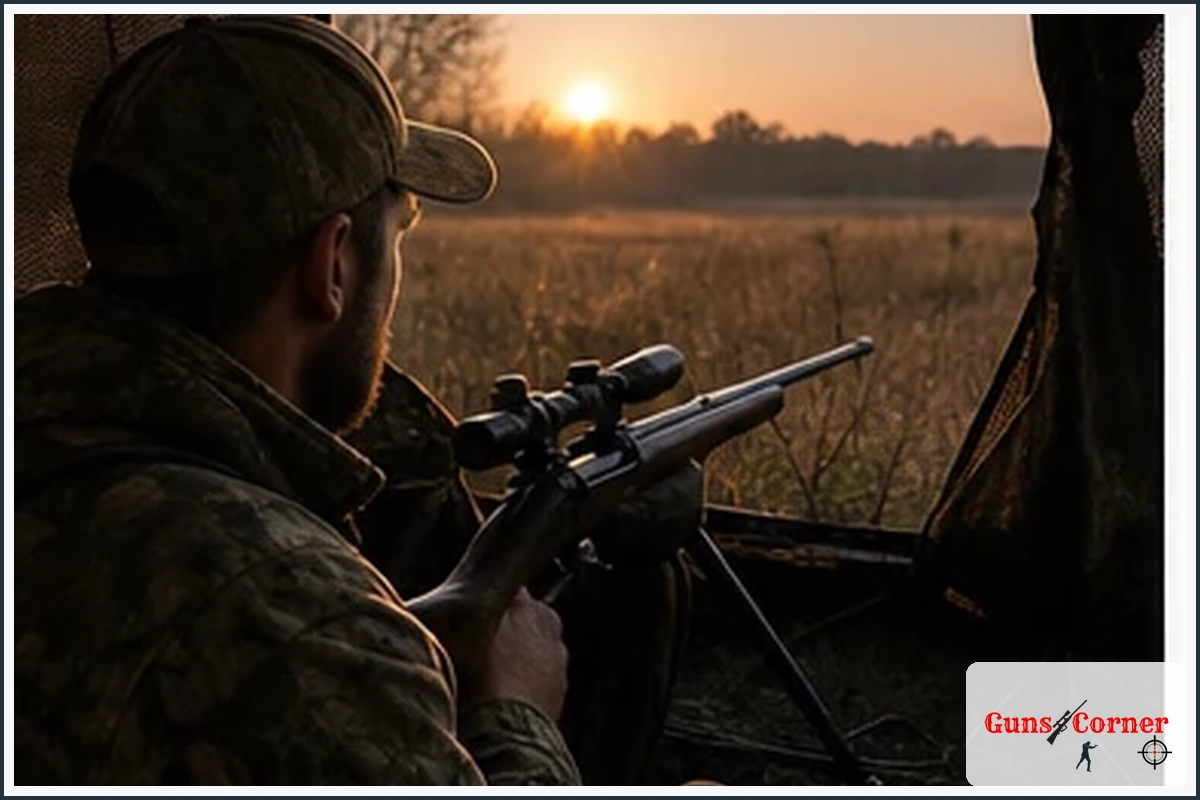
When permitted, 30 minutes before sunrise provides limited legal shooting light. Hunters should arrive early enough to unload and position equipment safely before the season’s legal shooting period begins.
After-sunset hunting
Some regulations allow hunting until 30 minutes after sunset, while others end at sunset. Darkness, artificial lighting, night-vision equipment, and thermal optics may be separately regulated even when the general hunting period extends after sunset.
Why the Answer Changes by Species and Location
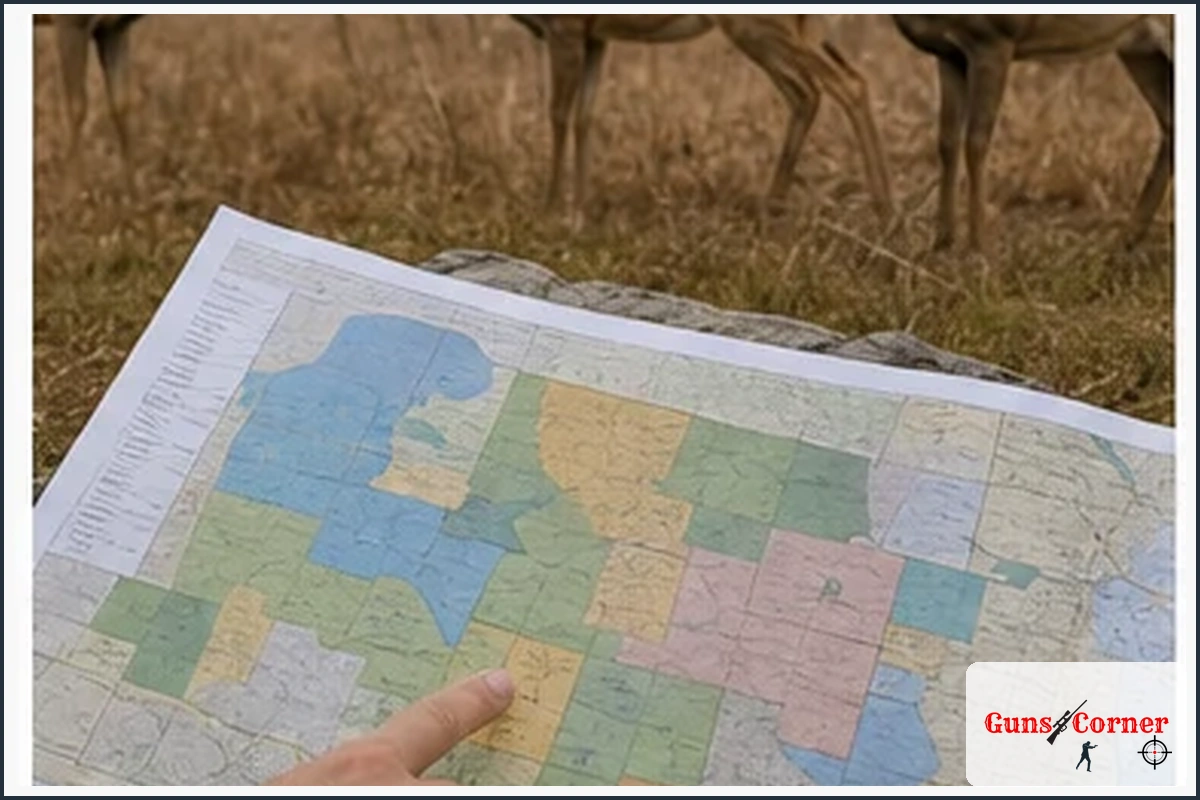
There is no single nationwide answer to what are legal hunting hours. Rules may differ according to:
- State, province, or country
- Wildlife management unit or county
- Species and sex restrictions
- Big-game, small-game, waterfowl, or furbearer seasons
- Rifle, shotgun, muzzleloader, archery, or crossbow use
- Public, private, state, or federal land
- Opening-day or special-season provisions
- Emergency wildlife-management orders
- Use of artificial light, thermal optics, or electronic calls
For example, big-game hours may extend 30 minutes after sunset, while migratory bird hours commonly close at sunset. Predators, raccoons, opossums, and other furbearers may have different nighttime provisions.
How to Verify the Current Legal Hunting Hours
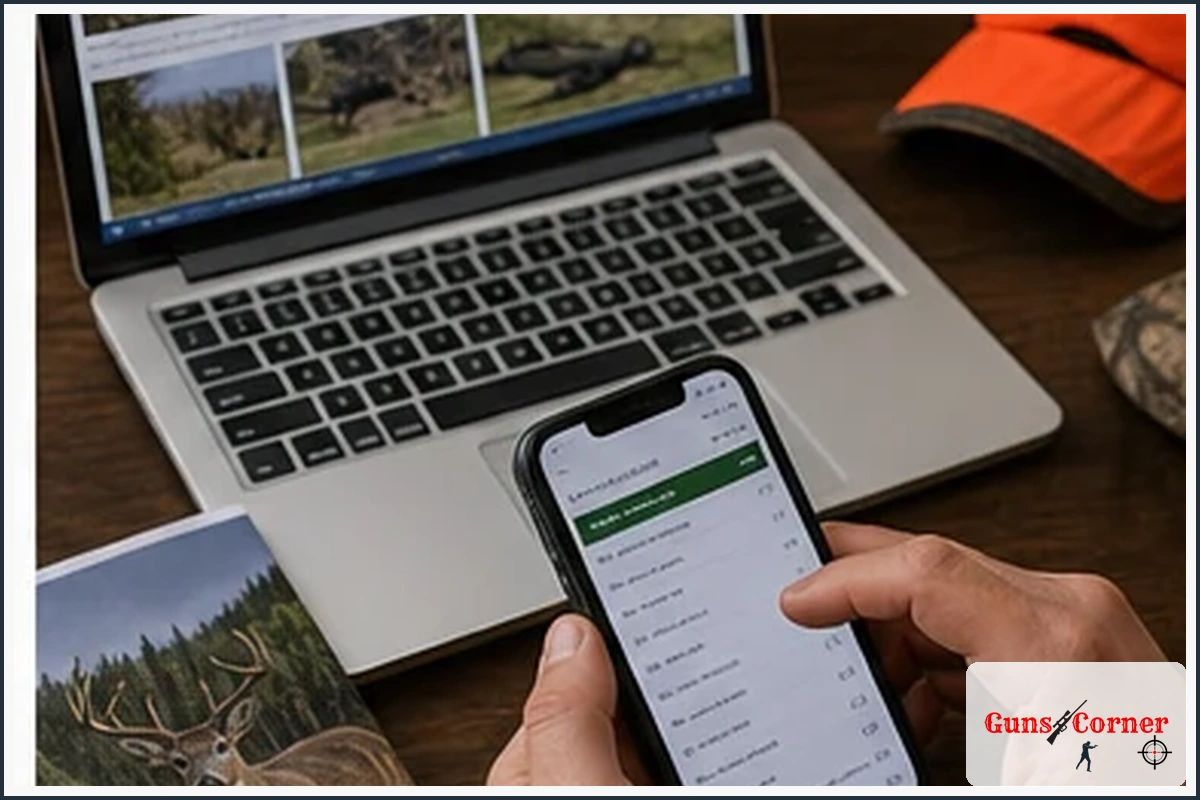
- Identify the state or jurisdiction where you will hunt.
- Find the current official hunting regulations or season guide.
- Locate the section for your exact species and season.
- Check the applicable wildlife management unit, county, or property.
- Confirm rules for your weapon and any special equipment.
- Check sunrise and sunset for the exact date and location.
- Review the regulations again immediately before hunting.
Use the official state fish and wildlife agency first. For migratory birds, also review current federal frameworks and the state’s waterfowl regulations. National forests, wildlife refuges, military areas, and other public lands may impose additional restrictions.
Legal Hunting Hours and Firearm Safety
Legal time does not make a shot safe. Follow the four basic firearm-safety rules:
- Treat every firearm as if it is loaded.
- Keep the muzzle pointed in a safe direction.
- Keep your finger outside the trigger guard until ready to shoot.
- Be certain of the target and what is beyond it.
Before shooting in low light, positively identify the species, target, and background. Never shoot at movement, sound, a silhouette, or an unexplained shape. Use a safe backstop and follow the firearm manufacturer’s instructions.
Planning Around Legal Shooting Hours
Before the hunt
- Confirm the season date, license, tag, and bag limit.
- Check the exact legal shooting hours for the species.
- Set clocks and devices to the correct local time.
- Plan travel so you are stationary and prepared before legal time.
- Review property boundaries and access permissions.
- Pack a headlamp for safe travel, but verify whether artificial light is restricted for hunting.
During the hunt
- Keep track of the closing time with a reliable watch.
- Unload firearms before climbing, crossing obstacles, or entering a vehicle.
- Stop hunting when the legal period ends.
- Follow local rules for tracking or recovering an animal after hours.
After legal hours
Do not assume that recovering game is automatically exempt from hunting-hour rules. Regulations may address tracking, dispatching wounded animals, firearms, lights, dogs, and access after dark. If an animal is wounded near closing time, mark the location, act safely, and contact the wildlife agency or a knowledgeable local officer when the rules are unclear.
What Not to Do
- Do not rely on a generic internet answer instead of current local regulations.
- Do not continue hunting after the legal closing time.
- Do not shoot because an animal is difficult to see clearly.
- Do not assume nighttime hunting is legal for predators or furbearers.
- Do not use artificial light, thermal optics, or night vision without confirming legality.
- Do not trespass after dark to recover game.
- Do not carry a loaded firearm while climbing or entering a vehicle.
- Do not assume federal and state migratory-bird rules are identical.
Common Mistakes Hunters Make
Confusing sunset with 30 minutes after sunset
Some species have different closing times. Read the exact species entry instead of applying the rule from another season.
Using the wrong sunrise or sunset time
Check the correct date, location, time zone, and daylight-saving setting. When in doubt, use an official agency table or a reliable astronomical source.
Assuming all public land follows the same rules
Federal refuges, wildlife-management areas, forests, and private properties may have additional restrictions. Review the property-specific regulations.
Forgetting special opening-day rules
Some bird seasons or local hunts have opening-day limits, delayed starts, or special shooting hours. Read the complete season entry.
FAQs
1. What are legal hunting hours in most states?
Many states allow hunting from 30 minutes before sunrise until sunset or 30 minutes after sunset, but the rule varies by species and jurisdiction.
2. Can you hunt before sunrise?
Often, certain hunting seasons begin 30 minutes before legal sunrise. The species-specific regulations determine whether this applies.
3. Can you hunt after sunset?
Some seasons allow hunting until 30 minutes after sunset, while others close at sunset. Night hunting may be separately regulated.
4. Are legal hunting hours the same for every animal?
No. Big game, small game, migratory birds, furbearers, and predators can have different hours.
5. What are legal shooting hours for deer?
In many jurisdictions, deer hunting is permitted from 30 minutes before sunrise through 30 minutes after sunset. Confirm the current deer regulations for your location.
6. What are legal hunting hours for waterfowl?
Waterfowl hunting commonly runs from 30 minutes before sunrise until sunset, but state and federal exceptions may apply.
7. Can you hunt ducks after sunset?
Generally, waterfowl shooting hours end at sunset unless a specific regulation states otherwise. Always check the current waterfowl guide.
8. Can you hunt coyotes at night?
Some jurisdictions allow nighttime coyote hunting, while others restrict it or regulate lights, thermal optics, firearms, and ammunition. Verify local rules.
9. Are raccoon hunting hours different?
Raccoon seasons may permit nighttime hunting in some locations. Dog, light, firearm, tagging, and season restrictions can still apply.
10. Are furbearers legal to hunt 24 hours a day?
Some furbearer regulations allow around-the-clock hunting, but this is not universal. Night equipment and artificial-light rules may remain separate.
11. Is trapping subject to the same hours as hunting?
Not always. Trapping may have different hours, seasons, trap-check requirements, tagging rules, and equipment restrictions.
12. Does legal shooting time include setting up?
Regulations may distinguish hunting from preparation, but you should be positioned and handling equipment safely before legal shooting begins.
13. Can I sit in my blind before legal shooting time?
Usually, hunters prepare before shooting hours, but property-specific access and equipment rules may apply. Do not take or attempt a shot early.
14. Can I use a headlamp after legal hunting hours?
A headlamp may be appropriate for safe navigation, but using artificial light to locate or take game can be illegal. Check local rules.
15. Can thermal optics be used after sunset?
Thermal-optic legality varies widely by species, season, land, and jurisdiction. Confirm the current regulations before using one.
16. Do legal hunting hours apply on private land?
Yes. Private-land permission does not override state, federal, or local hunting-hour regulations.
17. Do public lands have different hunting hours?
They can. Public-land agencies may impose restrictions that are more specific than statewide rules.
18. What happens if I shoot after legal hours?
You may face a citation, fine, license suspension, equipment seizure, or other penalties. Consequences depend on local law and the circumstances.
19. Can I track a wounded animal after legal hours?
Tracking and recovery rules vary. Prioritize safety, avoid trespassing, and contact the wildlife agency if the regulation is unclear.
20. Does a wounded-animal exception always apply?
No. Do not assume an exception exists. Read the current regulations or obtain guidance from the relevant wildlife authority.
21. Do sunrise and sunset times change daily?
Yes. Legal sunrise and sunset change by date and location, so use the correct time for the hunt.
22. Does daylight-saving time affect hunting hours?
Your clock must reflect the legally applicable local time. Confirm the time zone and daylight-saving setting before hunting.
23. Are hunting hours different during youth seasons?
They may be. Youth, special-opportunity, and controlled hunts can have separate regulations.
24. Are hunting hours different during primitive-weapons seasons?
They can be, although many jurisdictions use the same general hours. Check the season and weapon-specific rules.
25. Are migratory-bird hours controlled by federal law?
Migratory birds are governed by federal frameworks and state regulations. Hunters must comply with both applicable layers of law.
26. Is shooting at sunset safe?
Legal timing does not guarantee safe visibility. Take only a clearly identified shot with a safe backstop and sufficient light.
27. Can I unload my firearm after legal hours?
Safe unloading and transport should follow firearm instructions and local law. Keep the muzzle controlled and never rush because the season is closing.
28. Where can I find official hunting hours?
Check the current hunting regulations from the state fish and wildlife agency, plus any federal or land-management rules applying to the location.
29. Are hunting hours the same nationwide?
No. There is no universal nationwide schedule for every species and hunting method.
30. What information do I need to check hunting hours?
You need the jurisdiction, species, season, hunting unit or property, weapon type, date, and sometimes residency or permit details.
Final Answer
What are legal hunting hours? The common general rule is 30 minutes before sunrise until sunset or 30 minutes after sunset, but the correct answer depends on the location, species, season, weapon, and hunting area. Check the current official regulations before every hunt, follow firearm-safety rules, and stop hunting when the legal period ends.