

What are mils? Mils are milliradians, an angular measurement used in rifle scopes, long-range shooting, and ballistic corrections. They help shooters measure bullet impact, adjust elevation and windage, and estimate range. Understanding mils can make scope adjustments more consistent, but safe target identification, practice, and current hunting regulations always come first.
What Are Mils?
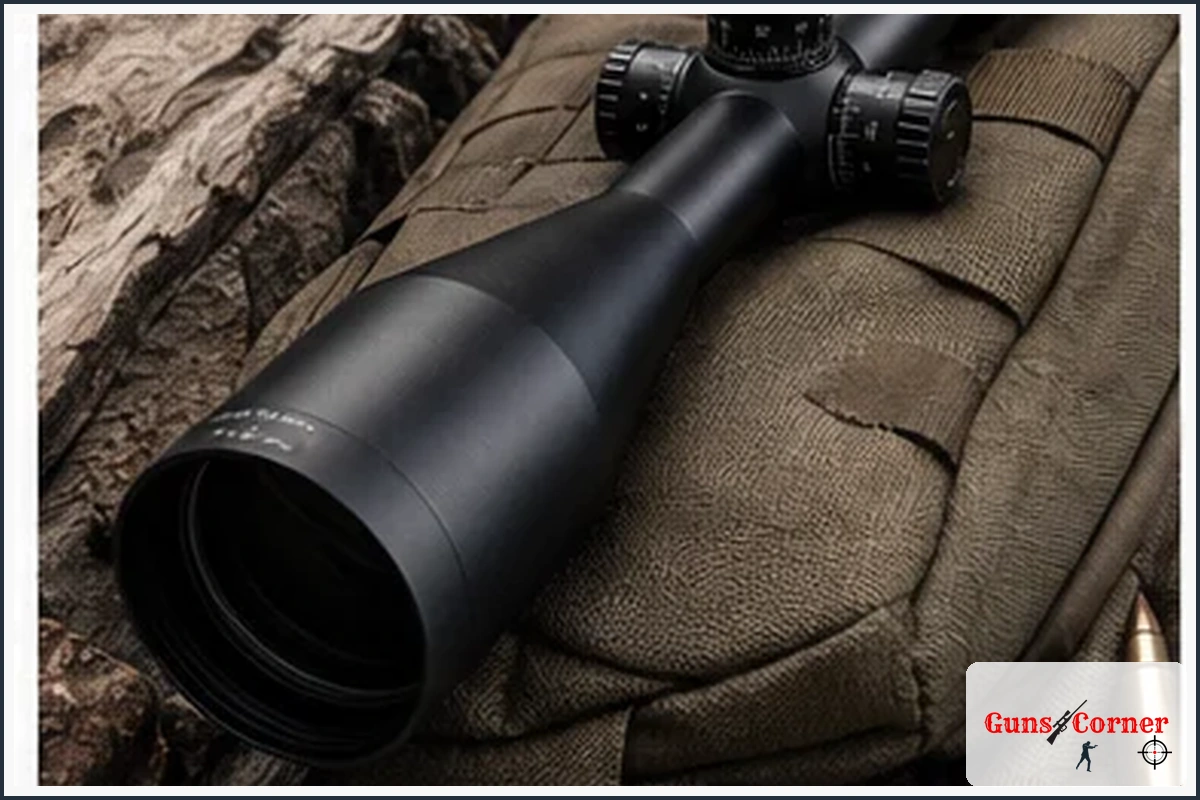
A mil is short for milliradian, an angular unit equal to one-thousandth of a radian. Unlike inches, centimeters, or yards, a mil measures an angle. The physical distance represented by one mil grows as the target gets farther away.
Rifle scopes use mils in their reticles and adjustment turrets to help shooters correct for bullet drop and wind drift. The same system can also help estimate the size or distance of a target when its actual dimensions are known.
How Mils Work at Different Distances
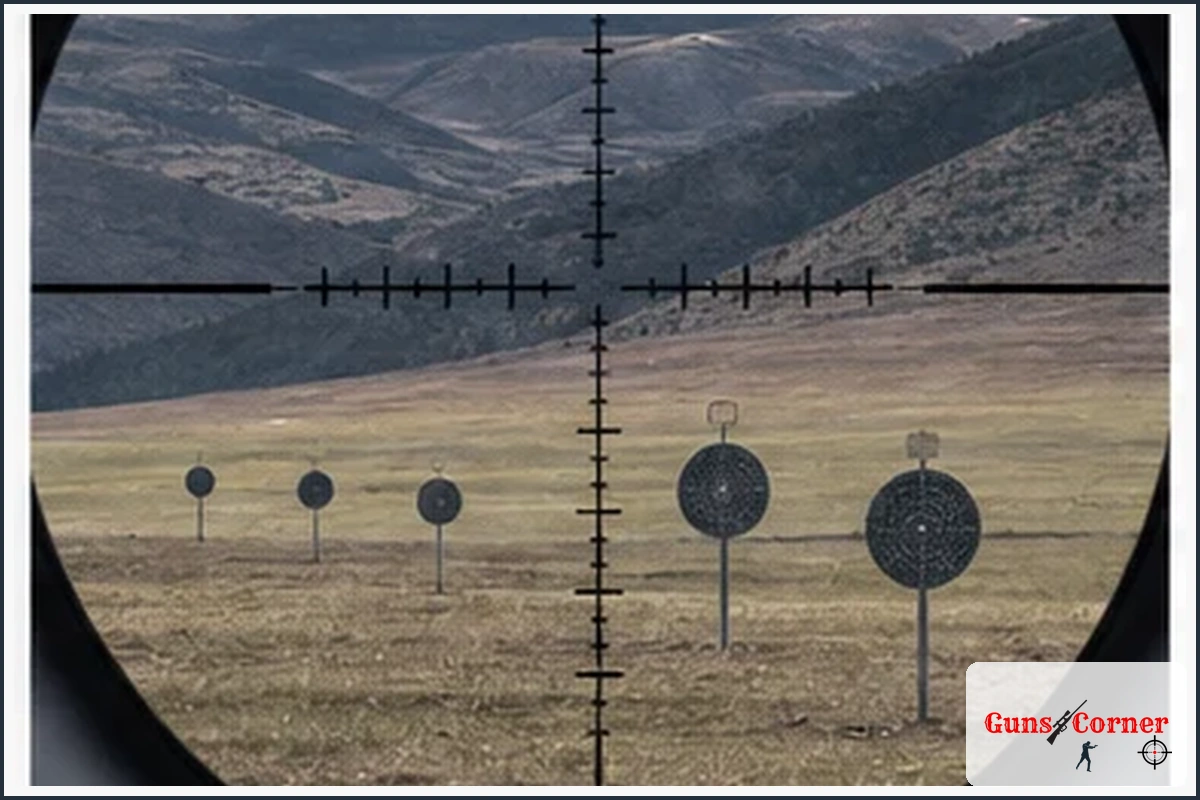
The basic relationship is simple: one mil spans one-thousandth of the distance to the target.
| Distance | Approximate Size of 1 Mil |
|---|---|
| 100 yards | 3.6 inches |
| 200 yards | 7.2 inches |
| 300 yards | 10.8 inches |
| 100 meters | 10 centimeters |
| 1,000 yards | 36 inches, or 1 yard |
| 1,000 meters | 1 meter |
These values are rounded for practical use. At 100 yards, the precise value is about 3.438 inches, while the commonly used range estimate is 3.6 inches. Always use the unit system and ballistic data specified by your scope, ballistic calculator, or manufacturer.
Why Rifle Scopes Use Mils
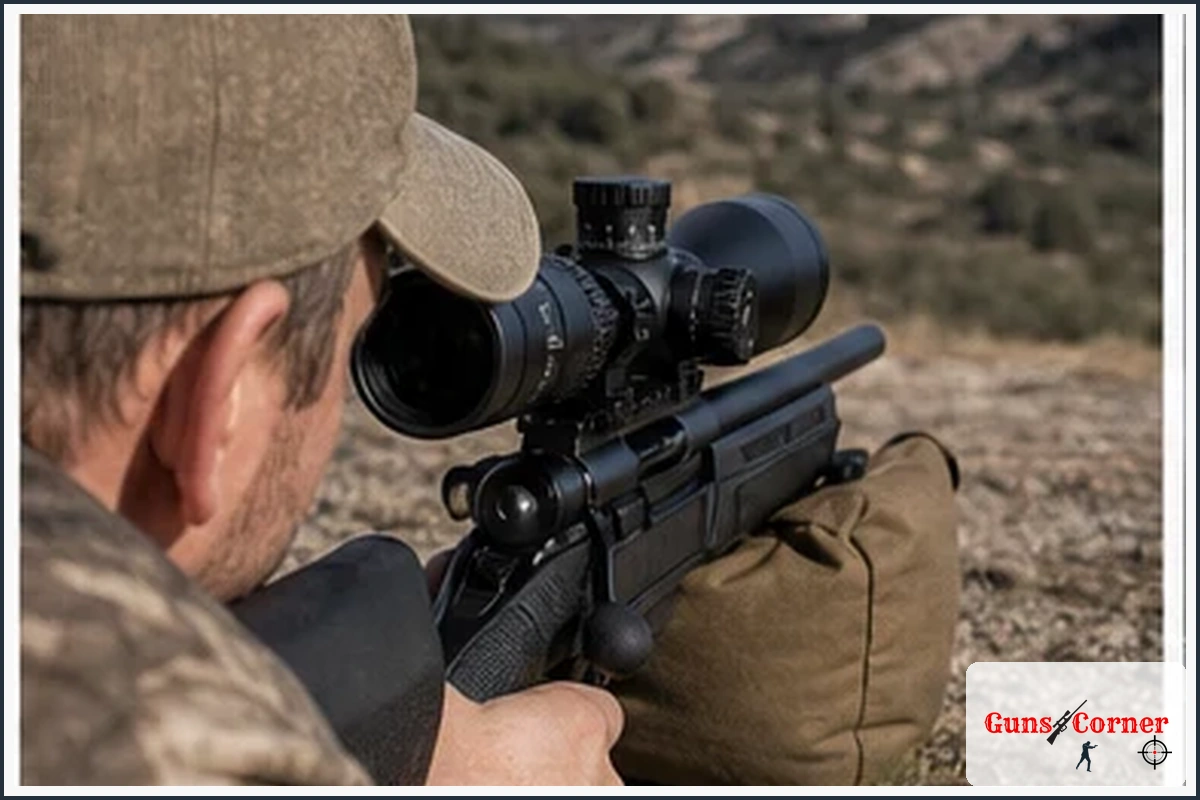
Mils provide a consistent way to describe how far a bullet struck from the intended point of impact. Because the measurement is angular, the same correction can be applied at different distances when the scale is understood.
For example, if a shot lands 0.5 mil low, the required angular correction is 0.5 mil regardless of whether the target is near or far. The actual linear correction changes with distance, but the angular correction remains the same.
Elevation Corrections
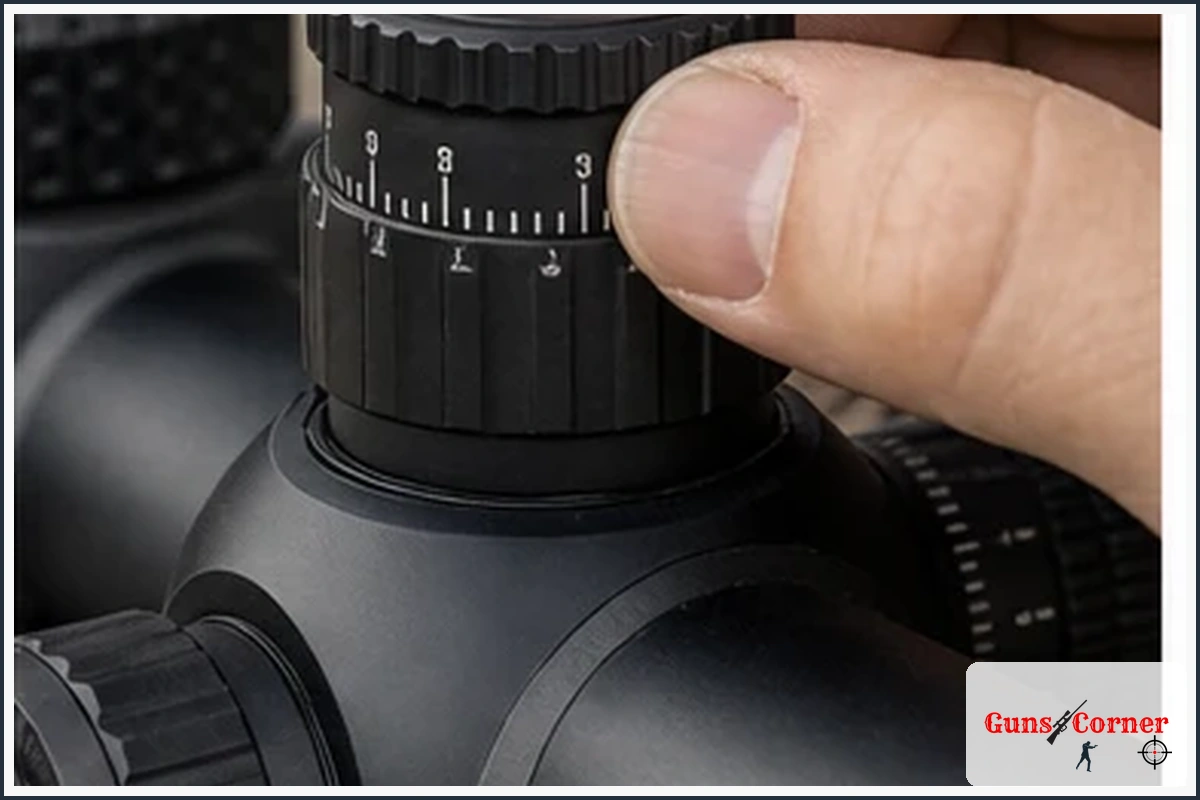
Elevation adjustments compensate for vertical differences caused by bullet drop. A scope turret marked in mils may allow adjustments such as 0.1 mil per click, although the exact value varies by model.
Windage Corrections
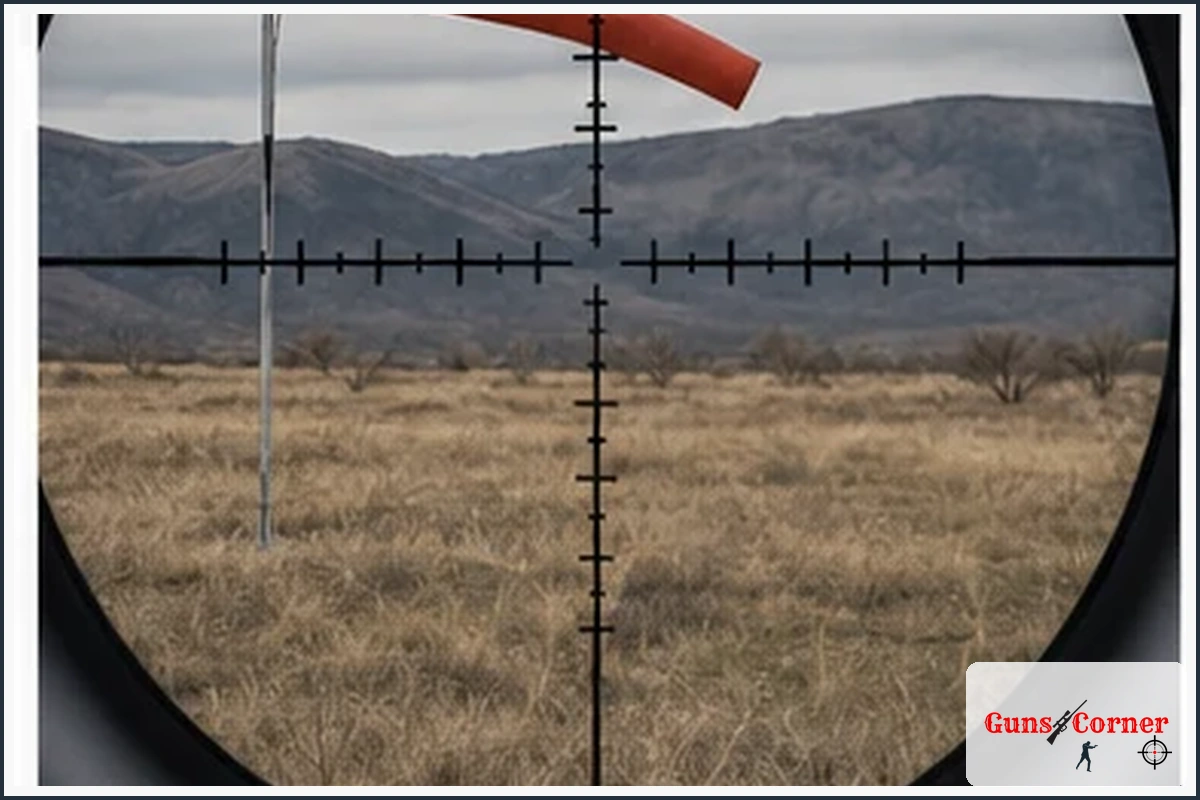
Windage adjustments compensate for horizontal movement caused by wind. Shooters may dial a correction into the turret or use the reticle to hold a correction, depending on the scope and shooting situation.
Reticle Measurements
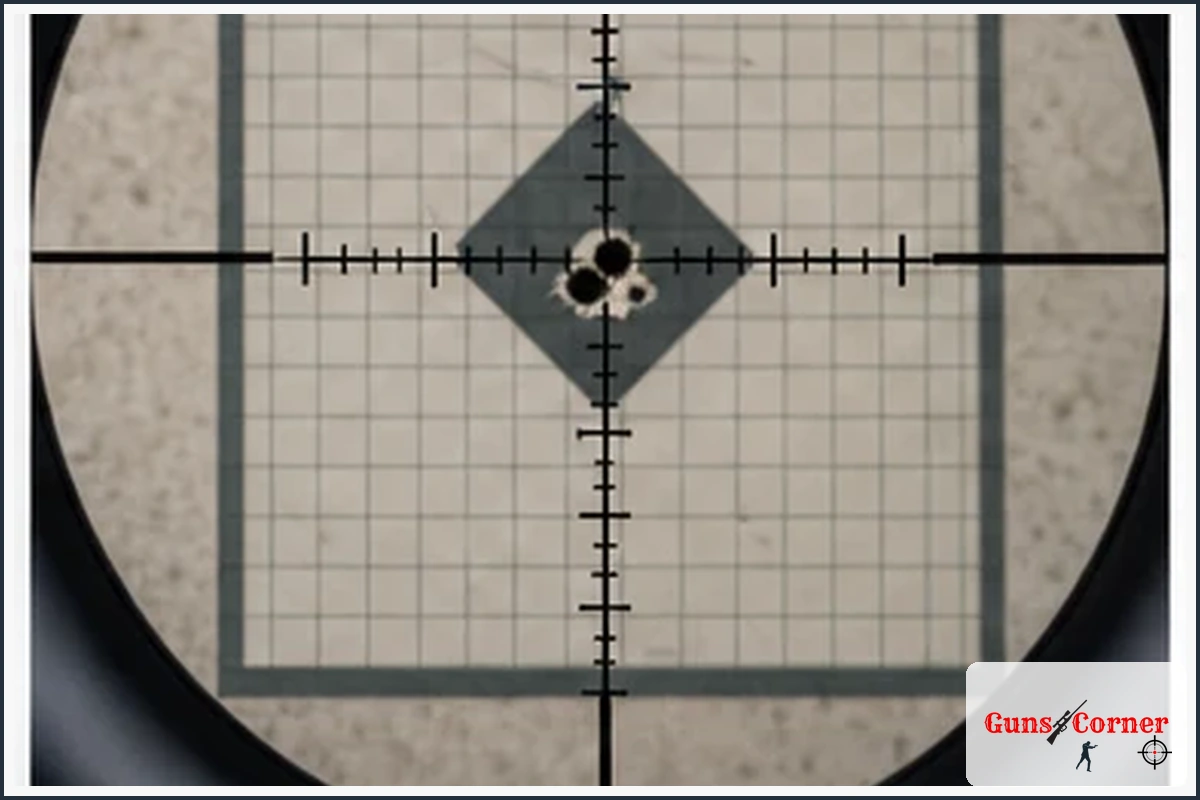
A mil-based reticle contains spaced marks that represent angular subtensions. These marks can help measure the distance between the point of aim and bullet impact, estimate target size, or hold for a known elevation or wind correction.
Mils Versus MOA
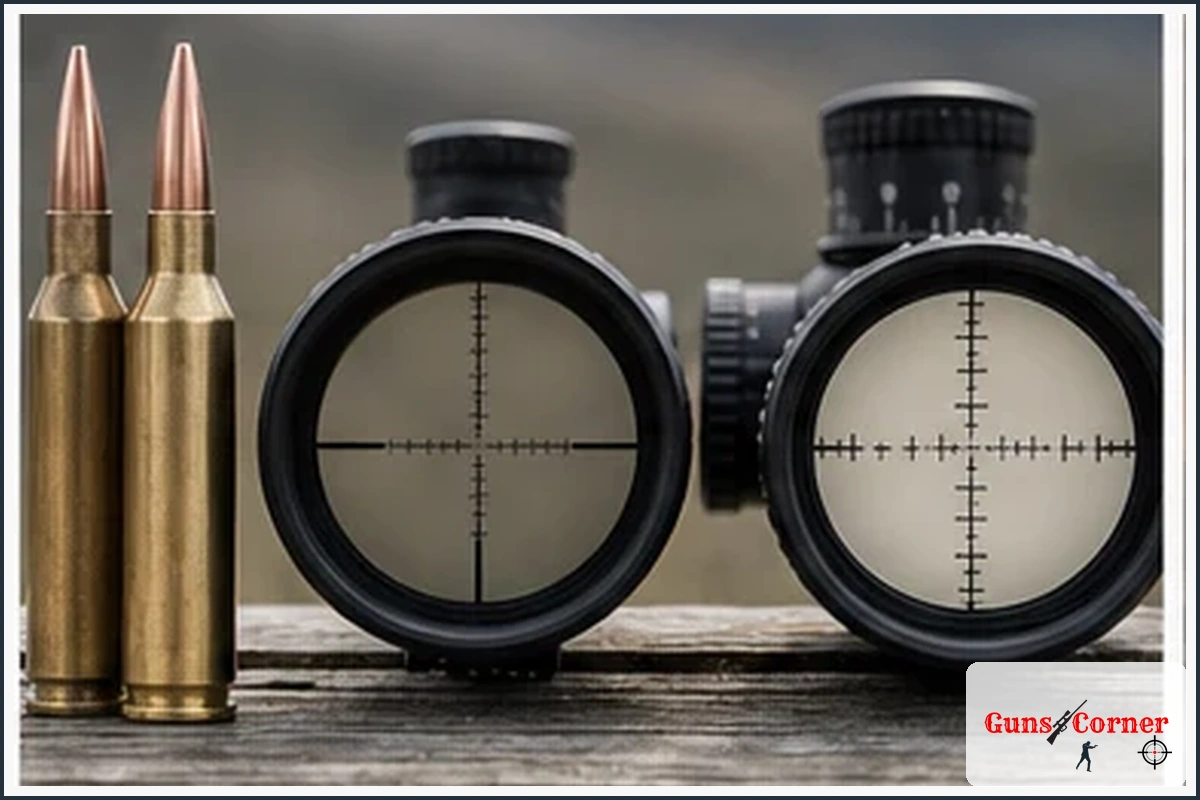
Mils and MOA, or minutes of angle, are both angular measurement systems. Neither is automatically more accurate. The important rule is to use one system consistently and ensure that the reticle, turrets, ballistic data, and range commands match.
| Feature | Mils | MOA |
|---|---|---|
| Basic unit | Milliradian | Minute of angle |
| Common turret value | 0.1 mil per click | 1/4 MOA per click |
| Approximate value at 100 yards | 3.6 inches per mil | 1.047 inches per MOA |
| Approximate conversion | 1 mil equals 3.438 MOA | 1 MOA equals 0.291 mil |
Many shooters prefer mils because decimal corrections are straightforward. Others prefer MOA because its smaller inch-based increments may feel familiar. Good results depend more on understanding and practicing one system than on choosing a particular measurement.
How to Read a Mil-Based Scope
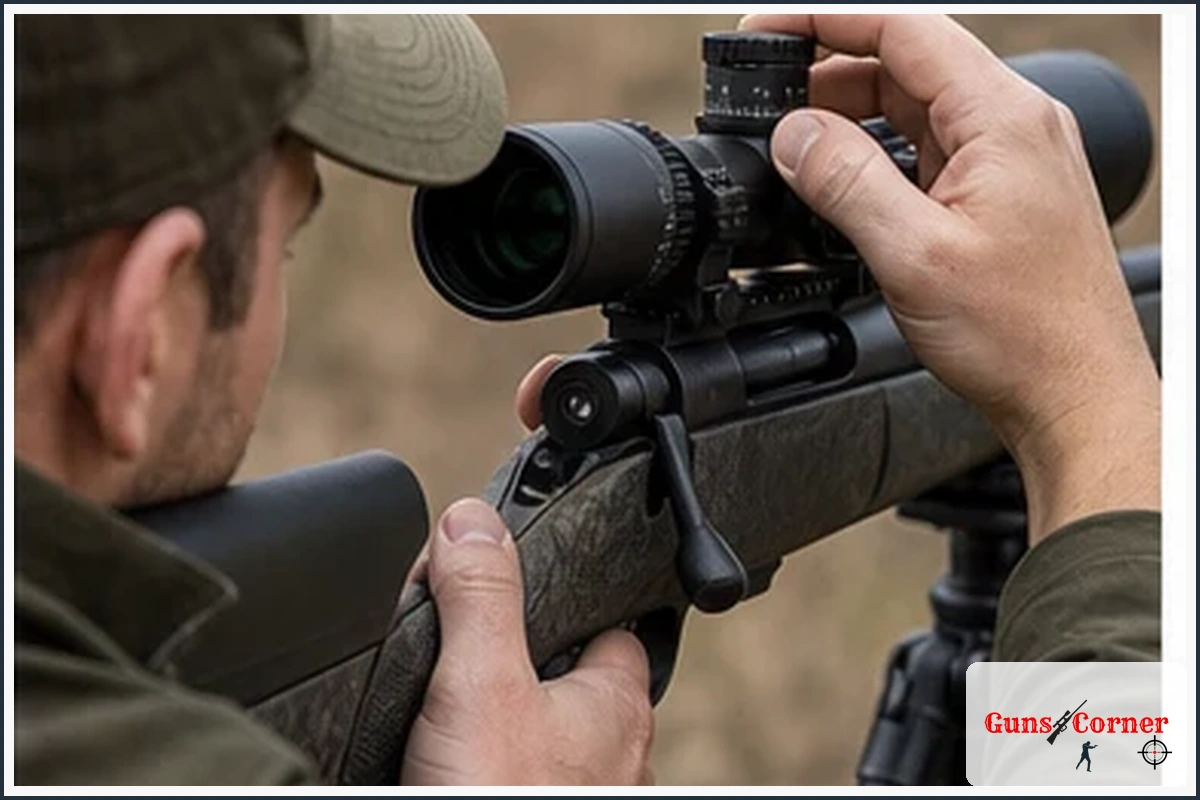
- Confirm the scope’s adjustment value. Check whether each click equals 0.1 mil, 0.2 mil, or another value.
- Confirm the reticle’s focal plane. In a first-focal-plane scope, reticle measurements generally remain accurate at all magnifications. In a second-focal-plane scope, subtensions may be accurate only at a specified magnification.
- Zero the rifle carefully. Use a stable bench, a safe backstop, suitable ammunition, and a target at the distance recommended for your setup.
- Measure the error. Determine how many mils separate the group from the intended point of aim.
- Apply the correction. Dial or hold the required elevation and windage adjustment according to the scope instructions.
- Confirm the result. Fire another group from a safe position and verify the correction rather than assuming it worked.
What Does 0.1 Mil Mean?
On many scopes, one click equals 0.1 mil. At 100 meters, that equals approximately 1 centimeter. At 100 yards, it equals approximately 0.36 inches.
Ten clicks of a 0.1-mil turret equal 1 mil. However, scope designs differ, so read the manufacturer’s manual instead of assuming every turret uses the same click value.
Using Mils to Estimate Range
A mil reticle can estimate range when the approximate real-world size of a target is known. The general formula is:
Range in meters = target size in meters × 1,000 ÷ target size in mils
For example, if an object known to be 1 meter tall measures 2 mils through the reticle, the estimated distance is about 500 meters.
Range estimation becomes less reliable when the target’s size is uncertain, the animal is angled, the reticle is not calibrated at the selected magnification, or the shooter cannot obtain a steady sight picture. A rangefinder is usually more dependable when its use is legal and practical.
Using Mils for Hunting
Mils can help hunters understand scope adjustments and ballistic data, but they do not determine whether a shot is ethical. Before hunting, confirm the rifle’s zero, ammunition performance, trajectory data, and realistic accuracy under field conditions.
Take only shots within your demonstrated ability and where the target is positively identified and there is a safe backstop beyond it. A mil-based reticle cannot compensate for poor visibility, an unstable position, excessive wind, uncertain range, or an obstructed target.
Important Hunting Considerations
- Verify that the cartridge, rifle, ammunition, and optic are compatible.
- Use the ammunition and ballistic data for the exact load being fired.
- Practice from realistic field positions before hunting.
- Account for changing distance, wind, angle, and temperature.
- Know the target and what lies beyond it.
- Follow all current season, firearm, ammunition, and optics regulations.
- Do not take a shot beyond your proven ability to place it humanely.
Common Mistakes When Learning Mils
Mixing Mils and MOA
A mil correction cannot be applied correctly to an MOA turret without conversion. Check the markings on both the reticle and turrets.
Confusing Yards and Meters
One mil equals exactly 1 meter at 1,000 meters, but it does not equal 1 yard at 1,000 yards. The commonly used 3.6-inch value at 100 yards is a practical approximation, not the exact metric relationship.
Ignoring Focal-Plane Design
A second-focal-plane reticle may provide accurate mil measurements only at one magnification. Consult the optic’s manual.
Counting Clicks Without Confirming the Turret
Turrets may have different click values, travel directions, and revolution indicators. Confirm the specifications and verify adjustments on paper before relying on them in the field.
Assuming a Ballistic App Is Automatically Correct
Ballistic calculators are only as reliable as their inputs. Confirm muzzle velocity, bullet information, sight height, zero distance, environmental conditions, and actual range data.
Safe Practice Routine for Learning Mils
- Read the rifle scope manual and identify the reticle and turret units.
- Confirm the rifle is unloaded before inspecting or mounting the optic.
- Use a legal shooting range with an adequate backstop.
- Wear appropriate eye and hearing protection.
- Zero at a manageable distance and record the confirmed settings.
- Practice measuring small corrections with the reticle.
- Confirm turret tracking by making controlled adjustments and returning to zero.
- Record results for your exact rifle and ammunition combination.
Follow the four universal firearm safety rules throughout practice: treat every firearm as loaded, keep the muzzle pointed in a safe direction, keep your finger outside the trigger guard until ready to fire, and be certain of the target and what is beyond it.
What to Check Before Buying a Mil-Based Scope
- Reticle and turret units: Confirm both use mils if you want a matching system.
- Click value: Verify the adjustment per click.
- Focal plane: Understand how magnification affects reticle subtensions.
- Reticle visibility: Choose a design suitable for the lighting and terrain where you hunt.
- Eye relief and mounting: Follow the manufacturer’s specifications.
- Durability and weather resistance: Consider realistic field conditions.
- Weight and size: Match the optic to the rifle and how far it must be carried.
- Training needs: Choose a system you are willing to learn and practice.
FAQs
1. What are mils in a rifle scope?
Mils are milliradians, angular measurements used by scope reticles and adjustment turrets to describe bullet-drop and windage corrections.
2. Is a mil the same as a milliradian?
In rifle-scope terminology, “mil” generally means milliradian. Some technical contexts may use the word mil for other measurements, so context matters.
3. How much is 1 mil at 100 yards?
One mil is approximately 3.6 inches at 100 yards. The precise value is about 3.438 inches.
4. How much is 1 mil at 100 meters?
One mil equals 10 centimeters at 100 meters.
5. How much is 0.1 mil at 100 yards?
At 100 yards, 0.1 mil is approximately 0.36 inches.
6. How much is 0.1 mil at 100 meters?
At 100 meters, 0.1 mil equals approximately 1 centimeter.
7. Why do scopes use mils?
Mils provide a consistent angular system for measuring bullet impact, dialing corrections, holding for wind, and using ballistic data.
8. Are mils better than MOA?
Neither system is universally better. Mils and MOA can both be precise when the shooter understands the system and uses matching reticle, turret, and ballistic data.
9. Can a mil scope be used with yards?
Yes. Mils are angular measurements and work with yards, meters, or other distance units. The calculations must use consistent units.
10. Does one mil equal one yard?
Only at a distance of 1,000 yards does one mil subtend approximately 1 yard. At other distances, the physical size changes proportionally.
11. What does MRAD mean?
MRAD means milliradian. It is another common abbreviation for the angular system often called mils.
12. What does a 0.1-mil turret mean?
It usually means each click changes the point of aim by 0.1 mil, although the exact adjustment should be confirmed in the scope manual.
13. How many clicks equal 1 mil on a 0.1-mil turret?
Ten clicks equal 1 mil when each click is 0.1 mil.
14. Can mils measure wind drift?
Yes. Wind drift can be expressed in mils and either dialed into the turret or held using the reticle.
15. Can mils measure bullet drop?
Yes. Vertical bullet drop can be represented in mils for elevation adjustments or reticle holds.
16. Can a mil reticle estimate range?
It can estimate range when the target’s actual size is known or reliably estimated. Rangefinders are generally more dependable when available and legal.
17. Are all mil reticles the same?
No. Reticle designs, subtensions, markings, illumination, and focal-plane behavior vary by manufacturer and model.
18. What is the difference between first- and second-focal-plane mil reticles?
A first-focal-plane reticle generally maintains its subtension across magnification settings. A second-focal-plane reticle may be accurate at only a specified magnification.
19. Can I mix a mil reticle with MOA turrets?
You can, but it requires conversion and increases the chance of error. A matching mil reticle and mil turret system is simpler for most beginners.
20. How do I know whether my scope uses mils?
Check the reticle description, turret markings, owner’s manual, and manufacturer specifications. Do not rely only on the appearance of the reticle.
21. Do mils make a rifle more accurate?
No. Mils provide a measurement system. Accuracy still depends on the rifle, ammunition, optic, shooter, environmental conditions, and practice.
22. Do hunters need to understand mils?
Not always. Hunters can use a simpler duplex scope or a different measurement system, but mil knowledge is useful when using tactical-style optics or ballistic calculators.
23. Are mils useful for short-range hunting?
They can be, although detailed mil corrections may be less important at short distances where bullet drop and wind drift are relatively small.
24. Can I use mils to decide my maximum hunting range?
No. Ethical range depends on proven accuracy, target identification, shot placement, conditions, local law, and your ability to recover game humanely.
25. Should I dial mil corrections or hold them with the reticle?
Either method can work. Dialing may suit known corrections, while holding can be quicker. Practice both only after confirming your scope’s behavior and tracking.
26. Why does my mil correction not match the target?
Possible causes include incorrect click values, mixed units, an incorrect zero, inaccurate range, poor ammunition data, scope tracking error, or shooter movement.
27. How can I confirm my scope tracks correctly?
Use a safe range and a controlled tracking test with a stable rifle, a suitable target, and the manufacturer’s instructions. Confirm the results rather than assuming the turret is perfect.
28. Are mils metric-only?
No. Mils are angular units and can be used with either metric or imperial distance measurements. The calculations must remain consistent.
29. Do military and competition shooters use mils?
Many do, but equipment and measurement preferences vary by organization, discipline, and individual training.
30. What is the most important thing to learn first?
Learn whether the scope uses mils, identify the click value, understand the focal plane, and practice safely with the exact rifle and ammunition you plan to use.
Final Answer: What Are Mils?
Mils are milliradians, angular measurements used to describe scope reticle spacing, elevation corrections, windage corrections, and sometimes range estimates. One mil represents one-thousandth of the distance to a target, equaling approximately 3.6 inches at 100 yards or 10 centimeters at 100 meters.
Use matching mil-based equipment and verified ballistic data, practice from safe positions, and never let a scope’s technical features replace positive target identification, a safe backstop, responsible shot selection, or compliance with current hunting regulations.