

Learning how to build an AR-15 can help a hunter understand rifle components, maintenance, and configuration choices. However, assembling a firearm is not a casual do-it-yourself project. Federal, state, provincial, and local laws may regulate receivers, parts, transfers, serialization, storage, and hunting use. This guide focuses on lawful planning, safe decision-making, hunting suitability, and when to use a qualified gunsmith rather than providing detailed weapon-assembly instructions.
To approach how to build an AR-15 responsibly, first verify current firearm, purchase, transport, possession, and hunting regulations in your area. Choose a commercially compatible, lawfully acquired configuration suited to the game and terrain, then have final assembly, inspection, and function testing completed or checked by a qualified gunsmith. Practice with the completed rifle at a legal range, confirm that your ammunition and setup are lawful for the species, and hunt only when the target and what lies beyond it are clearly identified.
Important Legal and Safety Notice Before You Hunt

Firearm laws and hunting regulations vary widely by location. Before buying parts, assembling a rifle, transporting it, or hunting with it, consult your official wildlife agency, applicable firearm authority, and a licensed dealer or gunsmith. Never assume that a configuration legal in one jurisdiction is legal elsewhere.
- Verify licensing, permits, ownership, transfer, and serialization requirements.
- Check hunting seasons, bag limits, legal hours, caliber or cartridge restrictions, magazine rules, and ammunition requirements.
- Confirm public-land boundaries or obtain documented private-land permission.
- Follow safe storage and transport requirements.
- Complete a recognized hunter education course and firearm safety training.
- Keep the muzzle pointed in a safe direction and treat every firearm as loaded.
- Keep your finger outside the trigger guard until ready to fire.
- Identify the target and what is beyond it before taking any shot.
- Never shoot toward roads, homes, livestock, vehicles, people, trails, or unclear movement.
What “Building” an AR-15 Means

The phrase can refer to several different activities, including selecting a factory-complete rifle, installing lawful accessories, assembling compatible components, or completing more advanced gunsmithing work. These activities involve different legal and technical risks.
For most new hunters, purchasing a factory-built rifle or having a qualified gunsmith complete the work is the safest and simplest option. A complete rifle normally comes with manufacturer documentation, established compatibility, and a clearer path for inspection and warranty support.
Why Hunters Consider an AR-15 Platform
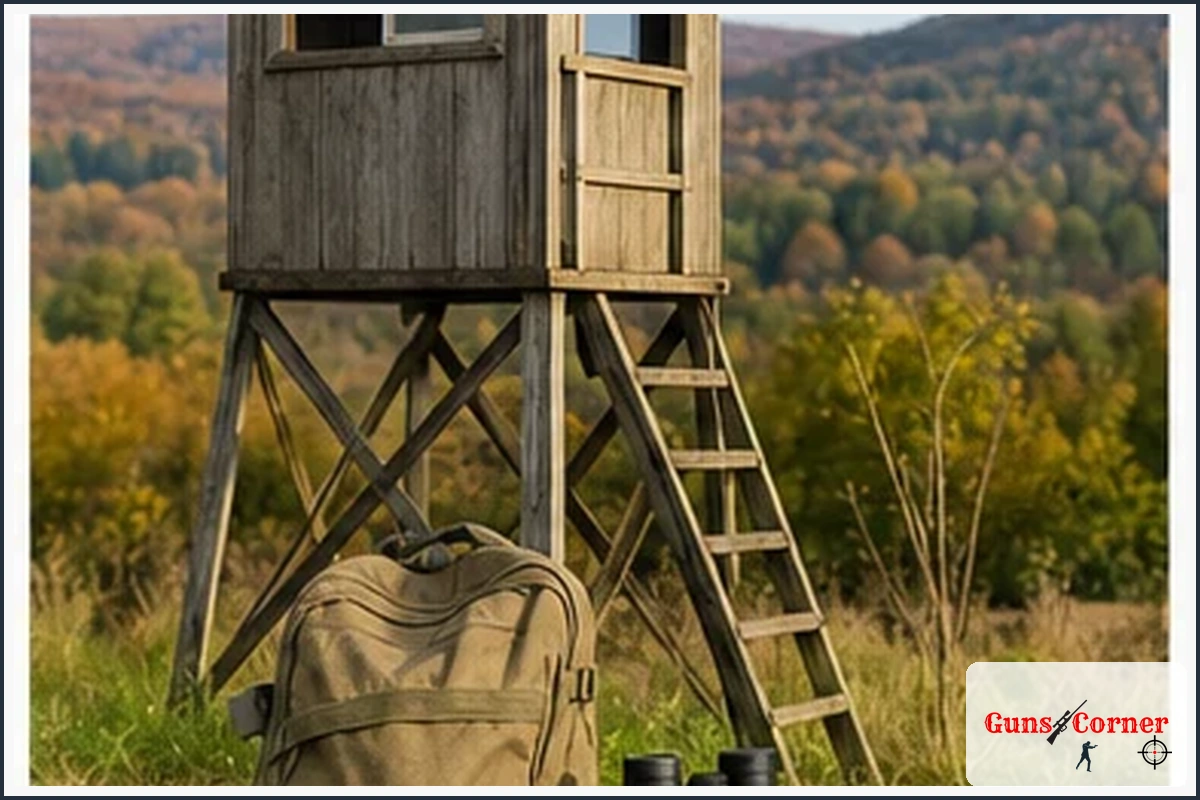
An AR-style rifle can offer adjustable fit, manageable controls, and a wide range of lawful configurations. Its usefulness depends on the game species, terrain, local regulations, and the hunter’s training rather than on the platform alone.
Do not choose a configuration based only on internet popularity. Consider whether the rifle is legal for the intended hunt, practical to carry, appropriate for the cartridge, and familiar enough for the hunter to operate safely under field conditions.
Before You Start: Legal and Planning Checklist

1. Check Firearm and Hunting Regulations

Review official rules before purchasing any receiver or major component. Confirm requirements involving background checks, transfers, registration or serialization, waiting periods, prohibited configurations, transport, storage, magazine capacity, and hunting ammunition.
2. Define the Intended Hunting Use

Identify the legal game species, typical shooting distance, terrain, weather, and hunting method. A rifle intended for small game may be unsuitable or unlawful for larger game. A setup for dense woods may not be ideal for open country.
3. Choose a Qualified Professional
Ask a licensed dealer or reputable gunsmith about compatibility, inspection, safe function, and local compliance. Professional help is especially important if you are unfamiliar with headspace, fire-control components, gas systems, or safe function testing.
4. Create a Written Parts and Compliance List

Keep a record of the manufacturer, model, serial information where applicable, receipts, manuals, and the regulations you reviewed. Confirm that every selected component is compatible and lawful before purchase.
How to Build an AR-15 Responsibly for Hunting
Step 1: Decide Whether a Factory Rifle Is Better
For beginners, a factory-complete rifle is often the most responsible choice. It reduces compatibility errors and gives you a documented starting point. If you prefer a custom setup, consider having a qualified gunsmith assemble or inspect it.
Step 2: Select a Lawful Hunting Configuration
Choose the cartridge, barrel, stock, sights, and other components according to your local hunting rules and the intended species. Regulations may restrict cartridges, rifles, ammunition, magazine capacity, or specific features. Verify each point with current official sources.
Step 3: Confirm Component Compatibility
Do not assume that parts with similar names will work together. Receiver patterns, cartridge specifications, magazines, gas systems, bolt components, and controls may differ. Follow manufacturer documentation and obtain professional advice when compatibility is uncertain.
Step 4: Use Safe Work Practices
Any firearm work should take place in a clean, well-lit area away from ammunition and unauthorized people. Use appropriate manufacturer-approved tools and procedures. If a component does not fit correctly, stop rather than forcing it.
Step 5: Have the Rifle Inspected
Before live ammunition is introduced, have the completed rifle inspected by a qualified gunsmith. Inspection should address compatibility, safe operation, correct fit, and any legally required markings or documentation.
Step 6: Function-Test Only in a Legal, Controlled Setting
Follow professional guidance and manufacturer instructions for initial testing. Use an approved range with a safe backstop, appropriate eye and hearing protection, and a clear firing plan. Stop immediately if you notice unusual noise, recoil, cycling, damage, or other abnormal behavior.
Step 7: Confirm Zero and Reliability
At a legal range, practice from realistic hunting positions and confirm that the rifle consistently places shots where intended. Test only lawful ammunition suitable for the rifle and hunt. Do not rely on a single bench-rest session.
Step 8: Practice Safe Field Handling
Practice loading, unloading, carrying, using the safety, and clearing the rifle according to the manufacturer’s instructions. Keep the muzzle controlled during movement, crossing obstacles, entering blinds, and working around other hunters.
Step 9: Prepare for the Hunting Area
Scout legal access points, identify boundaries, review terrain, and plan safe shooting directions. On public land, check maps and current restrictions. On private land, obtain permission and respect gates, livestock, buildings, and property lines.
Step 10: Take Only an Ethical Shot
Shoot only when the animal is clearly identified, the species and sex are legal to harvest, the background is safe, and the distance is within your practiced ability. Pass on any uncertain shot. Ethical hunting values a clean opportunity over forcing a result.
Step 11: Follow Recovery, Reporting, and Meat-Care Rules
After a lawful harvest, follow local tagging, reporting, transport, and carcass-care requirements. Plan beforehand for cooling, clean handling, legal transport, and responsible use of the meat. When recovery is uncertain, seek help from an experienced mentor or qualified tracking professional.
Choosing Hunting Equipment
- Lawful rifle and ammunition appropriate for the intended species
- Eye and hearing protection for range practice
- Secure case and lawful transport equipment
- Reliable optic or sights suitable for the terrain
- Weather-appropriate clothing and required visibility gear
- Map, compass, GPS, or approved hunting app
- First-aid kit, water, food, and emergency communication
- Gloves and legal game-care supplies
- Full-body safety harness if hunting from an elevated stand
Scouting and Field Preparation
Learn the Animal’s Habitat
Study food sources, water, bedding cover, travel corridors, tracks, droppings, and other lawful signs associated with the species. Avoid assuming that a rifle setup can compensate for poor scouting.
Plan Around Wind and Weather
Wind direction affects scent and may also affect visibility, stability, and comfort. Check the forecast, prepare for changing conditions, and avoid becoming disoriented or exposed to unsafe weather.
Map Safe Shooting Directions
Before settling into a blind or stand, identify roads, homes, trails, livestock, neighboring properties, and other areas where a shot would be unsafe or unlawful. If the background is not safe, do not shoot.
Practice Field Positions
Practice from sitting, kneeling, supported standing, or other positions appropriate to your terrain. Focus on stable control, breathing, trigger discipline, and knowing your personal effective range.
Best Conditions for a Responsible Hunt
The best time and place depend on the species, season, weather, habitat, hunting pressure, and local rules. Rather than relying on a universal “best” condition, use legal seasonal information and local scouting to identify where animals are likely to move while maintaining a safe setup.
Early planning is especially important when using a rifle. Confirm visibility, backstops, neighboring hunter locations, and access routes before beginning the hunt.
Common Mistakes to Avoid
- Buying parts before checking current regulations
- Assuming all AR-style components are compatible
- Skipping professional inspection
- Testing an unfamiliar rifle with live ammunition in an uncontrolled area
- Failing to confirm the rifle’s legal hunting configuration
- Practicing only from a bench instead of realistic field positions
- Ignoring wind, terrain, or the safe backstop
- Hunting without a license, tag, permit, or land permission
- Taking a shot beyond your practiced ability
- Neglecting transport, storage, tagging, reporting, or meat-care rules
Troubleshooting Common Problems
| Problem | Possible Cause | What to Do |
|---|---|---|
| Parts do not fit | Incompatible components or incorrect specifications | Stop forcing them and consult manufacturer documentation or a qualified gunsmith. |
| The rifle behaves unusually | Assembly error, damaged part, ammunition issue, or unsafe condition | Keep the firearm pointed safely, unload it when safe, stop using it, and seek professional inspection. |
| Shots are inconsistent | Poor shooting position, loose equipment, unsuitable optic setup, or insufficient practice | Unload and inspect the rifle, then use a qualified range instructor or gunsmith for diagnosis. |
| You are unsure whether the setup is legal | Rules vary by location or have changed | Contact the official wildlife agency and a licensed firearm professional before hunting. |
| You cannot identify a safe backstop | Dense vegetation, changing visibility, roads, buildings, or nearby users | Do not shoot. Relocate only if the new position is clearly safe and legal. |
| You are not seeing game | Poor scouting, wind problems, pressure, or unsuitable timing | Review legal sign, access, weather, and wind rather than taking unsafe risks. |
Ethical Hunting and Conservation
Responsible hunting depends on more than equipment. Respect wildlife by following seasons, limits, legal methods, and ethical shot standards. Respect landowners, other hunters, hikers, and local communities by following access rules and avoiding conflicts.
Licenses and lawful participation support wildlife management and conservation programs. Use harvested game responsibly, avoid waste, remove litter, and leave the land in good condition.
When to Get More Training or Professional Guidance
Seek additional help if you have never handled a firearm, have not completed hunter education, are unsure about local laws, or do not understand safe loading, unloading, transport, or storage.
A qualified gunsmith should inspect any rifle with uncertain compatibility or abnormal behavior. An experienced hunting mentor, certified instructor, official hunter education program, or local conservation organization can also help with field safety, scouting, recovery, and ethical decision-making.
After the Hunt: Gear Care and Learning
- Unload and secure the rifle according to manufacturer instructions.
- Clean and store equipment safely and lawfully.
- Complete required harvest reporting and tagging.
- Handle meat promptly and follow local transport requirements.
- Record weather, habitat, animal sign, and what worked.
- Review any safety concerns before the next hunt.
Recommended Hunting Gear and Tools to Consider
You do not need expensive equipment to hunt responsibly. Choose gear based on local laws, terrain, weather, species, hunting method, training, and budget.
- A factory-complete rifle or professionally inspected lawful configuration
- Legal ammunition appropriate for the species
- Quality eye and hearing protection
- Secure case and storage equipment
- Optic or sights suited to the terrain
- Navigation tools and emergency communication
- First-aid kit, water, and weather-appropriate clothing
- Required visibility clothing
- Legal game-care and meat-transport supplies
Final Thoughts
Learning how to build an AR-15 should begin with legality, compatibility, professional inspection, and safe training—not with rushing to assemble parts. For many hunters, a factory-built rifle or gunsmith-assisted setup is the most practical choice. Scout carefully, practice within your ability, follow current regulations, and take only clearly safe and ethical shots.
Frequently Asked Questions
Is it legal to build an AR-15?
Legality varies by jurisdiction and configuration. Check current federal, state, provincial, and local requirements before buying parts or assembling a firearm.
Is building an AR-15 suitable for a beginner?
A beginner may be better served by a factory-built rifle and formal training. If you choose a custom project, use a qualified gunsmith for guidance and inspection.
What is the safest way to start?
Start with hunter education, firearm safety training, current legal research, and a consultation with a licensed dealer or gunsmith.
Can I use any AR-15 configuration for hunting?
No. Hunting rules may restrict cartridges, ammunition, magazines, features, or rifle types. Verify the specific configuration with your wildlife agency.
Do I need a hunting license?
Most hunting jurisdictions require a license, and many hunts also require tags, permits, or harvest reporting. Confirm current requirements locally.
Do I need a tag or permit?
Many species and seasons require additional tags or permits. Requirements vary by species, location, season, and land type.
What ammunition should I use?
Use only ammunition approved for the rifle and lawful for the intended hunt. Follow the rifle manufacturer’s instructions and local regulations.
Can I hunt on public land with an AR-style rifle?
Only if the rifle configuration, ammunition, season, and hunting method are legal on that specific public land. Check boundaries and site-specific rules.
Can I hunt private land without written permission?
No. Obtain clear permission before entering or hunting private property, and respect gates, livestock, buildings, and boundaries.
How important is scouting?
Scouting helps you understand animal movement, access, wind, terrain, and safe shooting directions. Equipment cannot replace preparation.
What signs should I look for while scouting?
Depending on the species, look for tracks, trails, feeding areas, bedding cover, droppings, rubs, scrapes, wallows, or other current sign.
How does wind affect a rifle hunt?
Wind affects scent, comfort, stability, and sometimes visibility. Plan your setup and entry route around changing wind conditions.
Should I use a blind or tree stand?
Use only a legal, stable setup appropriate for the terrain. Tree-stand users should wear a properly connected full-body harness and follow manufacturer instructions.
What is the most important firearm safety rule?
Always identify the target and what is beyond it before firing. Maintain muzzle control and keep your finger outside the trigger guard until ready.
How far should I shoot?
Stay within the distance where you can consistently place ethical shots under realistic field conditions. Your effective range is determined by practice, not equipment claims.
What if the background is unclear?
Do not shoot. Wait for a safe background or pass on the opportunity.
What if I am unsure whether the animal is legal to harvest?
Do not shoot. Confirm species, sex, season, and tag requirements before hunting.
Can I transport a loaded rifle?
Transport rules vary. Follow current local law and manufacturer guidance, and use a secure case when required.
What should I do if the rifle malfunctions?
Keep the muzzle pointed safely, keep your finger away from the trigger, and follow the manufacturer’s instructions. Seek professional help if the problem is not clearly resolved.
What if the rifle does not cycle correctly?
Stop using it and have it inspected by a qualified gunsmith. Do not continue firing an unfamiliar or malfunctioning firearm.
How should I practice before hunting?
Practice at a legal range with proper supervision, then include realistic positions, safe movement, target identification, and equipment checks.
Do I need hunter education?
It is strongly recommended and may be required. A recognized course covers firearm safety, regulations, wildlife conservation, and ethical hunting.
Should I hunt with a mentor?
Yes, especially for your first season. Choose an experienced hunter who follows current laws and emphasizes safety and ethical decisions.
What clothing may be required?
Some areas require blaze orange or other visibility clothing. Verify current rules for the species, season, and land type.
What should I do after a successful hunt?
Follow local tagging, reporting, transport, recovery, and meat-care requirements. Handle the harvest respectfully and avoid waste.
How quickly should meat be cared for?
Follow safe game-care practices and local guidance to cool and transport meat promptly. Seek instruction if you are inexperienced.
What if recovery is difficult?
Follow legal recovery procedures, avoid trespassing, and seek help from an experienced mentor or qualified tracking professional.
What are common beginner mistakes?
Common mistakes include skipping regulations, failing to scout, ignoring wind, overestimating shooting ability, and not planning transport or meat care.
Is an expensive optic necessary?
No. Choose reliable equipment that fits the terrain, legal hunt, and your training. Practice and safe judgment matter more than price.
Can accessories make a rifle more accurate?
Accessories may improve fit or usability, but they do not replace proper compatibility, inspection, practice, and safe shot selection.
How should I store the rifle?
Store it unloaded and secured according to local law and manufacturer guidance, away from unauthorized users and ammunition as appropriate.
Can I modify the rifle after building it?
Any modification may affect legality, safety, compatibility, or function. Consult a qualified professional before making changes.
How do I know whether a component is compatible?
Use manufacturer specifications and professional advice. Never rely only on appearance or informal online claims.
What should I do if regulations are unclear?
Pause the project or hunt and contact the official wildlife agency, licensed dealer, or qualified gunsmith for clarification.
How does hunting support conservation?
Licenses, tags, and lawful participation commonly support wildlife management and habitat programs, while ethical hunting helps maintain public trust.
Should I choose a factory rifle instead?
For many beginners, yes. A factory rifle can simplify compatibility, documentation, inspection, and warranty support.
Can I build a rifle specifically for one species?
You can plan a lawful configuration around a species and terrain, but confirm cartridge, ammunition, rifle, and accessory rules before purchase.
What should I record after a hunt?
Record weather, wind, animal sign, access conditions, equipment performance, and lessons learned while following privacy and landowner expectations.
When should I ask a professional for help?
Ask for help whenever you are uncertain about assembly, compatibility, firearm function, legal compliance, safe shooting, or game recovery.