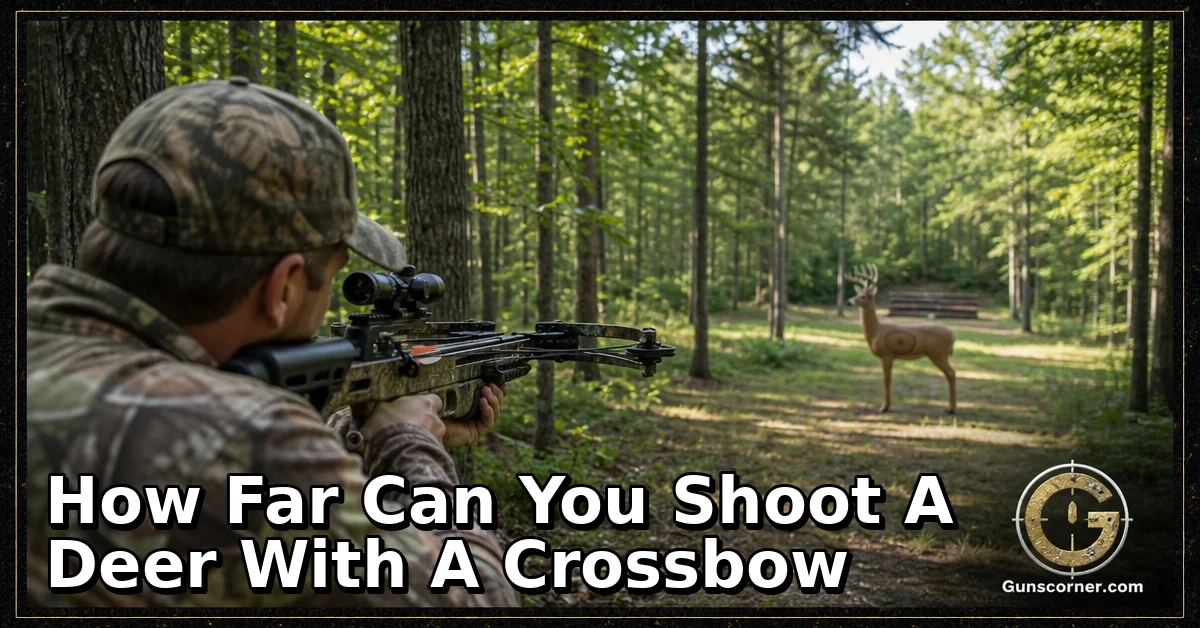
Knowing how far you can shoot a deer with a crossbow is less about the bow’s maximum ballistic range and more about your reliable, ethical hunting range. A responsible hunter must consider accuracy, bolt speed, deer reaction time, wind, shot angle, practice, terrain, and local regulations before deciding whether to shoot.
For many hunters, an ethical crossbow range on deer is approximately 20 to 40 yards, although highly practiced hunters may be comfortable somewhat farther under ideal conditions. Your personal limit should be the farthest distance at which you can repeatedly place bolts into a vital-area target from a realistic hunting position. Always follow local crossbow rules, identify the deer and background clearly, and pass on any shot that is uncertain or beyond your practiced ability.
Important Legal and Safety Notice Before You Hunt
Crossbow regulations differ by state, province, season, wildlife unit, and hunter category. Before hunting, check your official wildlife agency for current requirements.
- Confirm your hunting license, permits, and deer tag.
- Verify whether crossbows are legal during your intended season and in your hunting area.
- Check legal hunting hours, season dates, bag limits, and harvest-reporting rules.
- Review any crossbow specifications, broadhead, bolt, or equipment restrictions.
- Obtain permission before hunting private land and verify public-land boundaries.
- Use required hunter-orange or other visibility clothing.
- Keep the crossbow pointed in a safe direction and engage the safety until ready to shoot.
- Never shoot unless you clearly identify the deer and know what lies beyond it.
- Do not shoot toward roads, homes, livestock, trails, vehicles, or people.
- Use a full-body harness when hunting from a tree stand.
What Determines Your Ethical Crossbow Range?
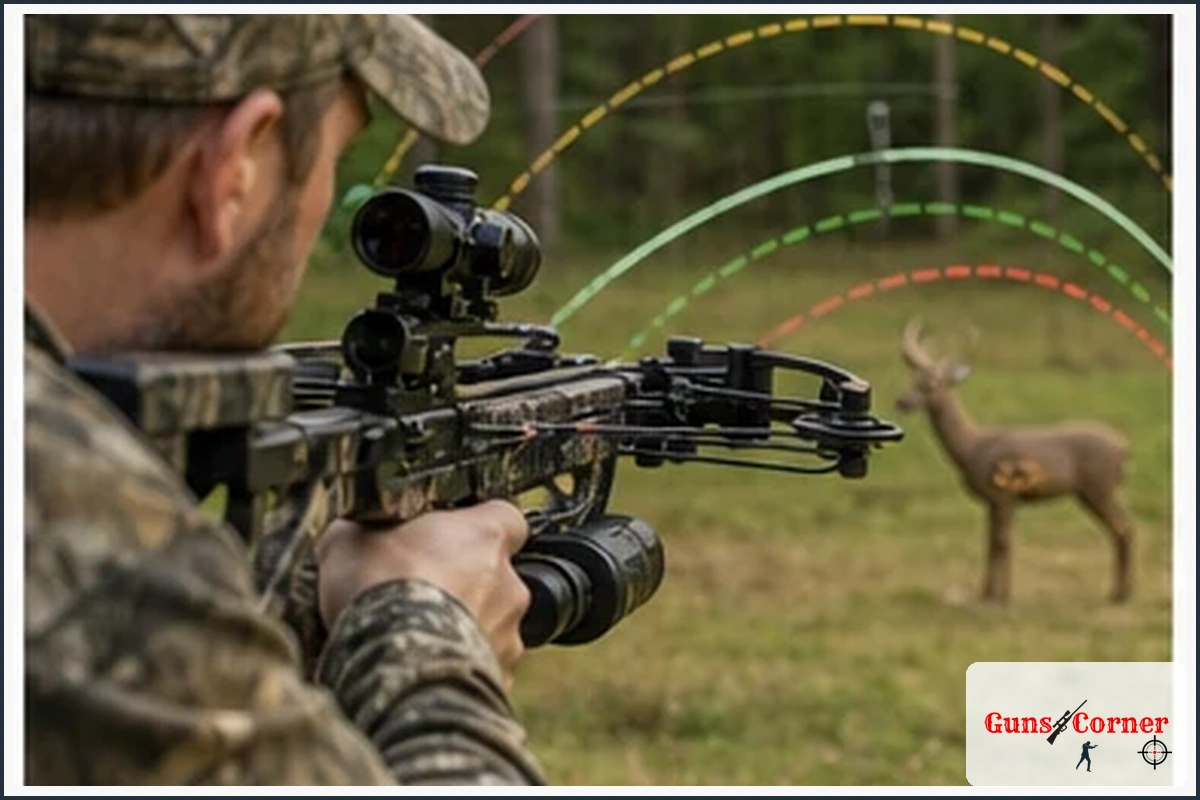
Your Repeatable Accuracy
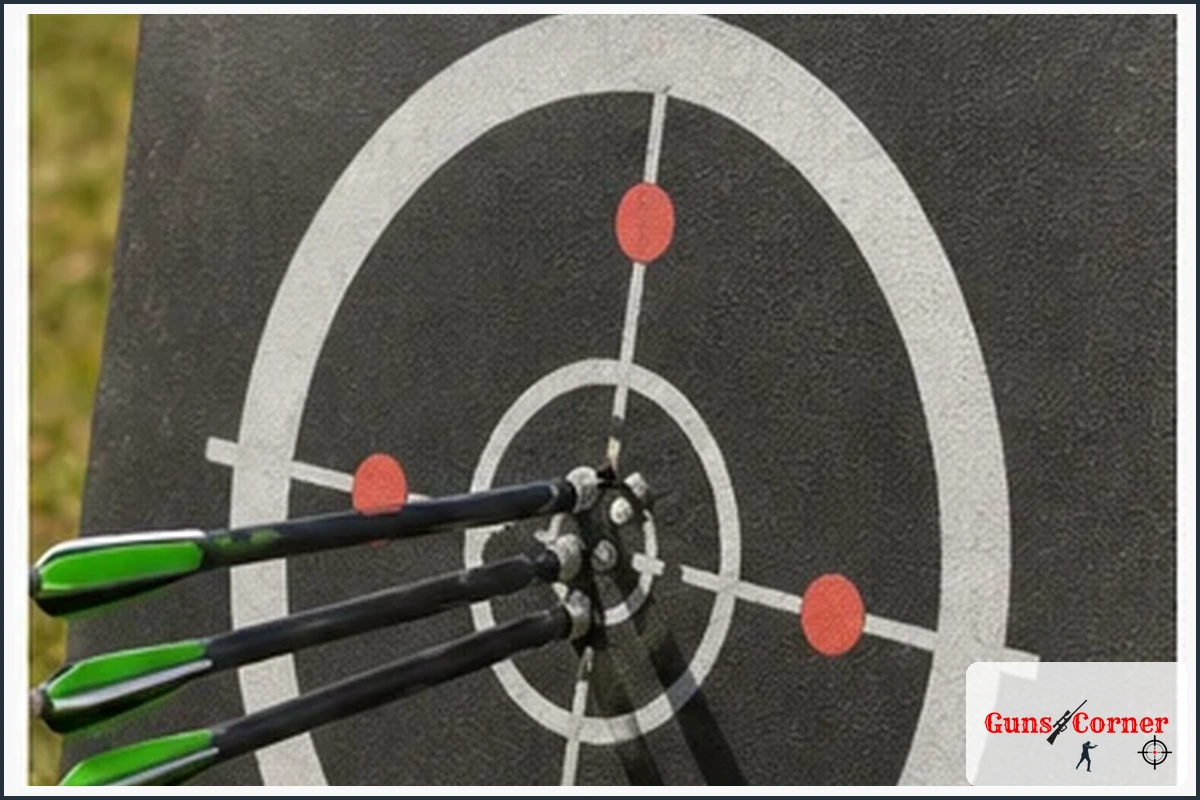
The most important factor is not the manufacturer’s advertised speed or maximum range. It is your ability to place several bolts consistently in a small target area from a hunting position.
A hunter who can group bolts tightly at 30 yards may have a responsible limit of 30 yards. Another hunter with extensive practice, excellent equipment, and favorable conditions may be comfortable farther away. Your effective range is personal and must be demonstrated through practice, not assumed.
Deer Reaction Time
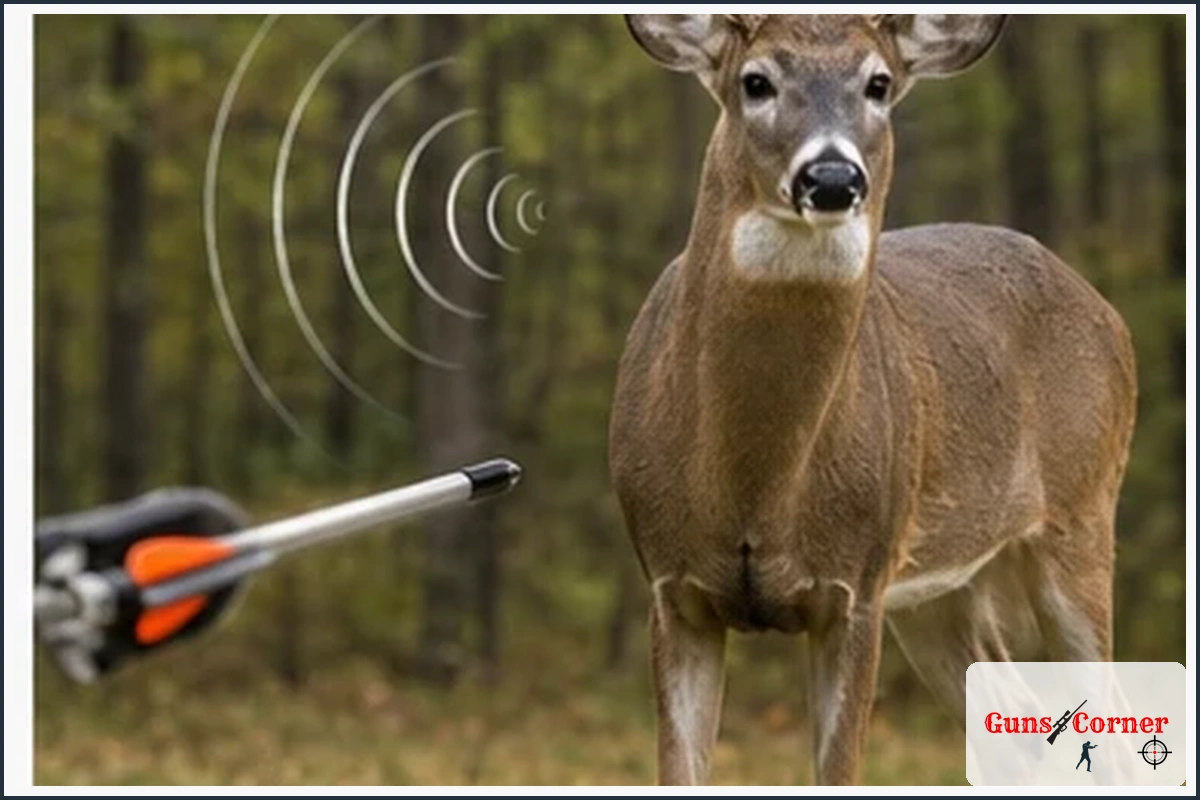
A crossbow bolt takes longer to reach a deer as distance increases. During that time, a deer may hear the shot, react to the sound, move, or change position. This can make an otherwise accurate shot less predictable at longer distances.
For this reason, a close, calm, broadside opportunity is generally more ethical than a distant shot, even when the equipment is technically capable of reaching the animal.
Wind and Weather
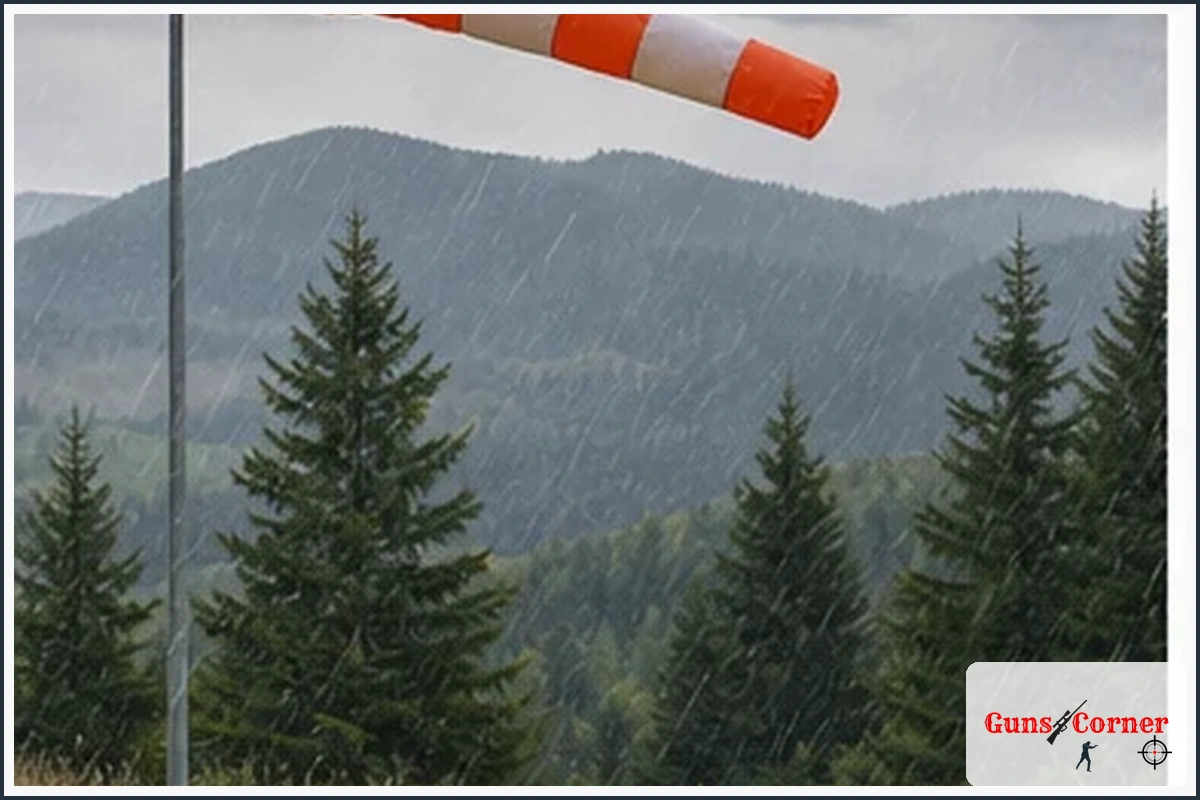
Wind can affect bolt flight, broadhead behavior, scent control, and deer movement. Rain, cold, poor visibility, and changing light can also make aiming and judging distance more difficult. If conditions make the shot uncertain, wait or end the hunt.
Shot Angle and Animal Movement
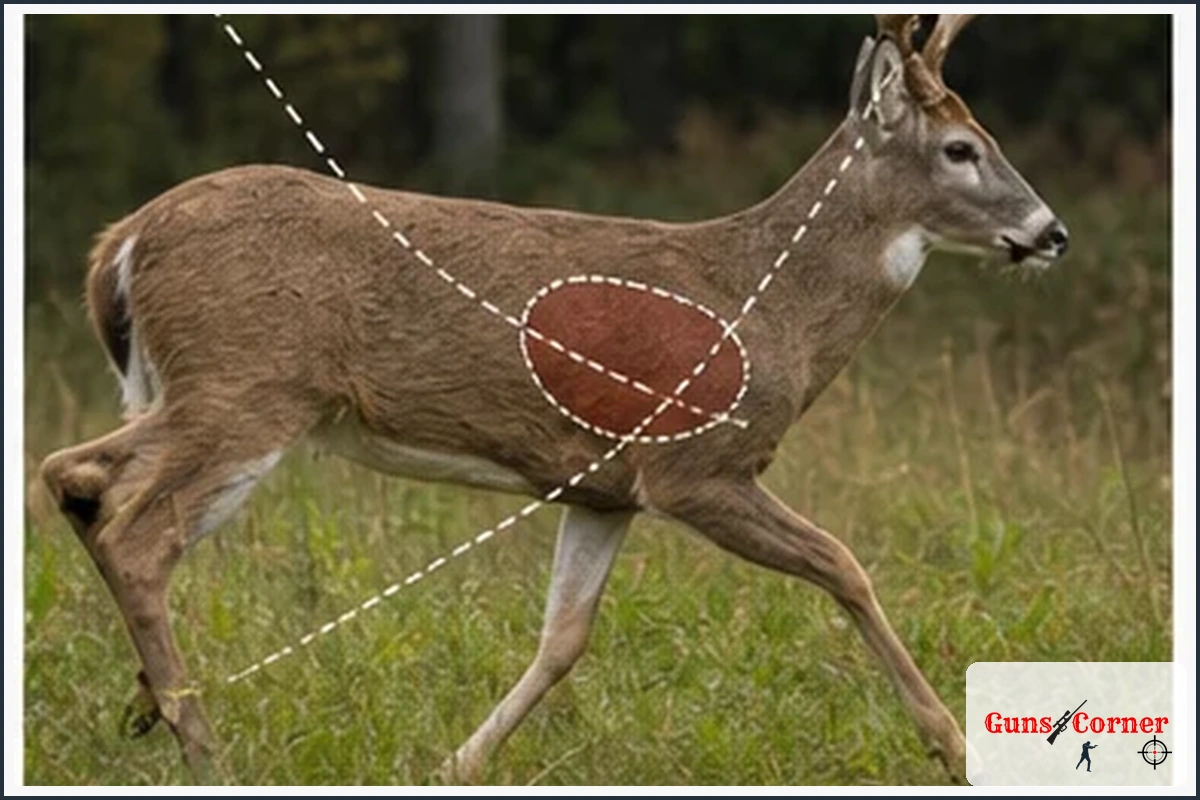
A standing broadside or slightly quartering-away deer offers a clearer opportunity than a sharply quartering, facing, alert, or moving deer. Do not attempt to compensate for a poor angle by increasing distance or rushing the shot.
Your Practice and Hunting Position
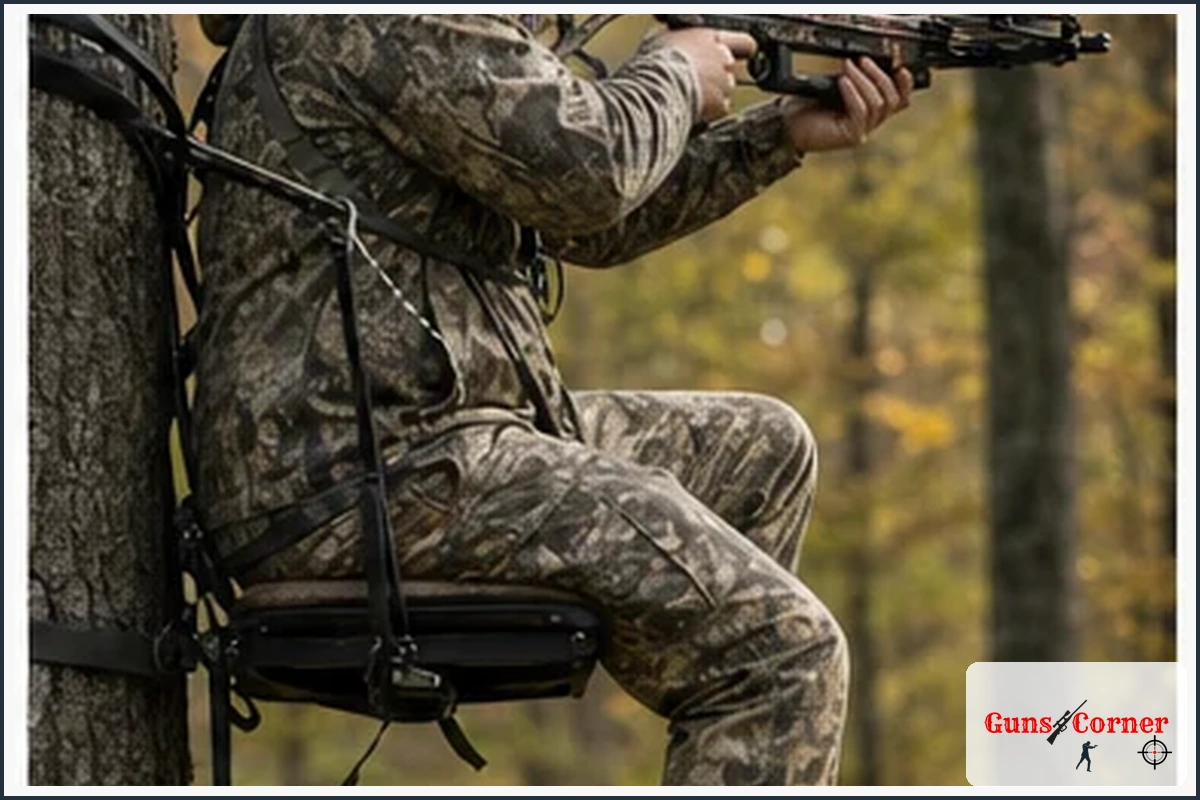
Bench-rest accuracy does not equal field accuracy. Practice from kneeling, sitting, standing, a blind, or a safe tree stand. Include realistic clothing, gloves, optics, and the time pressure of a brief opportunity.
How to Establish Your Personal Crossbow Range
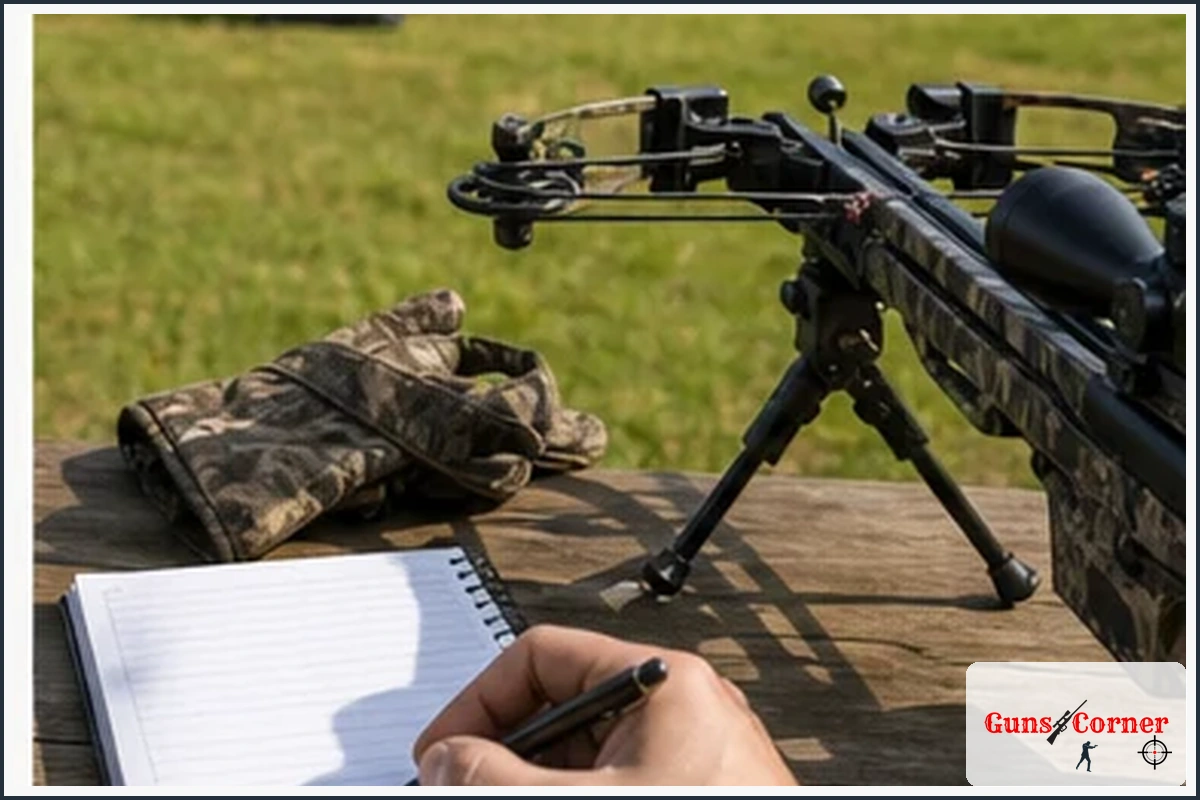
Step 1: Confirm the Equipment Is Legal and Suitable
Read your crossbow and scope manuals, inspect the string and cables, and use only compatible bolts and broadheads. Verify that your setup meets local hunting regulations. Do not modify the crossbow or use damaged equipment.
Step 2: Sight In at Known Distances
Begin at a short distance and confirm that the crossbow is functioning correctly. Gradually extend the distance while recording where your bolts land. Use a stable target designed for crossbow bolts and follow the manufacturer’s safety instructions.
Step 3: Test Groups, Not Single Shots
One good bolt does not prove reliable accuracy. Shoot controlled groups and evaluate whether your impacts remain consistent. Allow the crossbow to cool as recommended and inspect bolts for damage.
Step 4: Practice From Hunting Positions
Repeat your practice from positions you may use in the field. Practice safely from a blind and from an unloaded, secured tree-stand setup. Never climb or handle a loaded crossbow carelessly.
Step 5: Add Realistic Conditions
Practice with your hunting clothing, gloves, rangefinder, and usual optics. Test in mild wind and changing light when safe to do so. Learn how small errors in distance estimation affect bolt placement.
Step 6: Set a Conservative Hunting Limit
Choose the farthest distance at which your groups remain consistent under realistic conditions. Then reduce that limit when the deer is moving, the wind is strong, the angle is poor, visibility is limited, or you feel rushed.
Step 7: Use a Rangefinder Before the Hunt
Range landmarks around your blind or stand before deer appear. Knowing the distance to nearby trees, trails, and openings helps you make a calm decision. Do not range an animal with unnecessary movement when it is already alert.
Step 8: Take Only a Clear, Ethical Opportunity
Wait for a legal deer, a safe background, a suitable angle, and a distance within your practiced range. Keep your crossbow steady, follow your normal aiming process, and do not shoot through heavy brush or at an animal that is moving unpredictably.
Step 9: Follow Up Responsibly
After a shot, remain calm and observe the deer’s direction of travel. Follow local recovery and tagging rules, and seek help from an experienced mentor when tracking or recovery is uncertain. Avoid rushing into unfamiliar terrain.
Practical Crossbow Range Guidelines
| Distance | General Consideration |
|---|---|
| Under 20 yards | Often easier to judge, but shot angle, background, and deer movement still matter. |
| 20 to 30 yards | A common practice and hunting distance for many beginners when conditions are favorable. |
| 30 to 40 yards | Requires dependable accuracy, careful distance judgment, a steady position, and a calm deer. |
| Over 40 yards | Demands considerable practice and leaves less margin for deer reaction, wind, and range error. |
These are general educational guidelines, not universal legal or ethical limits. Your personal range may be shorter, and local regulations may impose additional restrictions.
Scouting for Close, Ethical Opportunities
Good scouting can reduce the need for long shots. Look for fresh tracks, trails, droppings, bedding areas, food sources, water, rubs, and other deer sign. Use maps to identify funnels, field edges, cover, and safe access routes.
Set up where deer are likely to pass within your practiced range. Consider the prevailing wind, entry route, visibility, shooting lanes, and the location of roads, homes, trails, and neighboring hunters.
On public land, verify boundaries and access rules before the hunt. On private land, obtain clear permission and respect gates, livestock, crops, buildings, and property lines.
Crossbow Gear and Safety Checklist
- Legal crossbow, bolts, and broadheads in good condition
- Manufacturer-approved cocking aid if needed
- Rangefinder
- Stable rest or shooting support when appropriate
- Required hunter-orange clothing
- Weather-appropriate clothing and quiet footwear
- Map, compass, GPS, or reliable navigation app
- Headlamp, first aid kit, water, and emergency communication
- Full-body tree-stand harness when applicable
- Gloves, game bags, and cooling supplies for responsible meat care
Common Mistakes to Avoid
- Assuming a fast crossbow automatically makes long shots ethical.
- Using a manufacturer’s maximum range as a hunting range.
- Practicing only from a bench and never from field positions.
- Failing to confirm distance with a rangefinder.
- Ignoring wind, poor visibility, or a steep shooting angle.
- Shooting at a moving, alert, obscured, or partially covered deer.
- Taking a shot beyond your reliable practice distance.
- Forgetting local crossbow, broadhead, or season regulations.
- Entering private property without permission.
- Failing to plan for recovery, tagging, reporting, and meat care.
Troubleshooting Common Problems
| Problem | Possible Cause | What to Do |
|---|---|---|
| Bolts group poorly | Inconsistent form, damaged bolts, loose equipment, or poor rest | Inspect the crossbow and bolts, review the manual, and practice at a shorter distance. |
| You shoot well at the bench but not in the field | Unfamiliar position, clothing, nerves, or unstable support | Practice from realistic hunting positions with your normal gear. |
| The deer is farther away than expected | Distance was not ranged in advance | Do not guess. Wait for a closer opportunity or pass on the shot. |
| The deer is moving or alert | It detected sound, scent, or movement | Remain still and do not rush. Take the shot only if the animal settles into a safe position. |
| Wind changes during the hunt | Shifting weather or terrain effects | Reassess scent, bolt flight, and safety. End the setup if conditions become unreliable. |
| You are uncertain about regulations | Rules vary by location and may change | Contact the official wildlife agency before hunting rather than guessing. |
Ethical Hunting and Conservation
Ethical hunting means choosing restraint when the conditions are not right. Passing on a questionable shot is a mark of good judgment, not failure. Responsible hunters respect wildlife, landowners, other outdoor users, and fellow hunters.
Follow seasons, tags, bag limits, access rules, and reporting requirements. Avoid waste, recover game responsibly, and use the harvest appropriately. Hunting licenses and lawful participation also support wildlife management and conservation programs.
When to Get More Training or Professional Guidance
Take a certified hunter education course if you are new to hunting or crossbows. Seek instruction from a qualified archery or crossbow instructor if you are unsure about safe loading, cocking, aiming, or equipment inspection.
An experienced ethical mentor can also help with scouting, tree-stand safety, shot judgment, tracking, recovery, and local regulations. Ask for help whenever you are not confident that a shot or field decision is safe.
After the Hunt: Gear Care and Learning
Unload and store the crossbow according to the manufacturer’s instructions. Inspect bolts, broadheads, strings, cables, and accessories before the next hunt. Record weather, wind, deer sign, stand location, and what you learned.
If you harvest a deer, follow all tagging, reporting, transport, cooling, and meat-handling requirements in your area. Keep the process clean, prompt, legal, and respectful.
Recommended Hunting Gear and Tools to Consider
You do not need expensive equipment to hunt responsibly. Choose gear based on local regulations, terrain, weather, hunting method, safety needs, skill level, and budget.
- Legal crossbow, bolts, and broadheads
- Rangefinder
- Quality boots suited to local terrain
- Required visibility clothing
- Binoculars for observation
- Map, compass, GPS, or hunting app
- First aid kit and emergency communication
- Gloves, game bags, cooler, and meat-care supplies
Final Thoughts
For many hunters, 20 to 40 yards is a practical crossbow range for deer, but the correct limit is the farthest distance you can consistently shoot accurately under realistic conditions. Practice from field positions, scout for close opportunities, understand wind and deer behavior, and follow all current regulations. When in doubt, wait for a better opportunity and hunt with patience, safety, and respect for the animal.
Frequently Asked Questions
How far can you shoot a deer with a crossbow?
Many hunters consider 20 to 40 yards a practical range, but your ethical limit depends on repeatable accuracy, conditions, shot angle, and experience. Always stay within your practiced ability.
Is 40 yards too far for a crossbow deer shot?
It may be reasonable for a highly practiced hunter under ideal conditions, but it is too far if your groups are inconsistent, the deer is moving, or wind and visibility are poor.
Is 50 yards too far for a crossbow?
For many deer hunters, 50 yards provides little margin for error and may be beyond a responsible hunting range. Only consider distances allowed by local rules and proven through extensive realistic practice.
What is the best beginner crossbow range?
A beginner should start close and establish consistent accuracy before extending distance. Many new hunters should keep initial hunting opportunities within a conservative 20- to 30-yard range.
Does crossbow speed determine ethical range?
No. Speed affects trajectory and travel time, but ethical range also depends on accuracy, deer reaction, wind, shot angle, practice, and the hunter’s judgment.
Can a crossbow shoot farther than a deer hunting distance?
Yes. A crossbow may send a bolt much farther than a responsible deer hunting range. Maximum projectile distance is not the same as ethical field distance.
How much should I practice before deer season?
Practice until you can repeatedly place bolts accurately from realistic hunting positions. Continue practicing whenever equipment, arrows, broadheads, clothing, or scope settings change.
Should I practice with broadheads?
Practice with the same broadhead type you intend to hunt with, using a target designed for broadheads. Follow the crossbow and broadhead manufacturers’ instructions.
Should I use a rangefinder when crossbow hunting?
Yes. A rangefinder helps prevent distance-estimation errors, especially in unfamiliar terrain or where the ground slopes.
What deer angle is best for a crossbow?
A calm broadside or slightly quartering-away deer generally provides a clearer opportunity than a sharply quartering, facing, or moving deer. Follow local hunter-education guidance and use restraint.
Can I shoot a moving deer with a crossbow?
It is generally safer to wait until the deer stops and presents a clear, ethical opportunity. Do not rush a shot at a rapidly moving or alert animal.
How does wind affect a crossbow shot?
Wind can influence bolt flight, scent, balance, and deer behavior. If wind makes your aim or the deer’s response unpredictable, pass on the shot.
Does rain affect crossbow accuracy?
Rain can affect visibility, handling, equipment, and safe footing. Follow manufacturer guidance and avoid hunting when conditions prevent a confident, safe shot.
What should I do if the deer is outside my range?
Wait, reposition only when safe and legal, or pass on the opportunity. Do not stretch your range because the deer may leave.
How can scouting improve crossbow hunting?
Scouting helps you identify deer travel routes and place a blind or stand where animals may pass within your practiced range, reducing the need for distant shots.
What deer sign should I look for?
Look for tracks, trails, droppings, bedding areas, food sources, water, rubs, and other fresh sign. Confirm that the area is legal to access before setting up.
Is a tree stand useful for crossbow hunting?
A tree stand can improve visibility and create close opportunities, but it introduces fall hazards. Use a full-body harness, follow stand instructions, and handle the crossbow safely.
Is a ground blind safer than a tree stand?
Both have risks and benefits. A ground blind may simplify movement but requires careful awareness of people, livestock, roads, and background. Choose a setup that is legal and safe for the location.
What is the safest way to handle a crossbow in a stand?
Keep the crossbow pointed safely, use a haul line to raise or lower it unloaded as directed, and follow the manufacturer’s instructions. Never climb with a loaded crossbow.
Do I need hunter education?
Many jurisdictions require hunter education for some hunters, and it is strongly recommended for all beginners. Check your official wildlife agency for current requirements.
Are crossbows legal during every deer season?
No universal answer exists. Crossbow seasons and equipment rules vary by location. Confirm current regulations before hunting.
Can I hunt deer with a crossbow on public land?
Often this depends on local regulations and land-management rules. Verify access, boundaries, seasons, parking, and weapon restrictions before entering public land.
Can I use a crossbow on private land?
Only with lawful permission and in compliance with local regulations. Respect property boundaries, livestock, buildings, gates, and landowner instructions.
What clothing should I wear crossbow hunting?
Wear weather-appropriate clothing, quiet footwear, and any hunter-orange or visibility gear required in your area. Avoid clothing that restricts safe crossbow handling.
Should I use scent-control products?
Scent control may help reduce human odor, but it cannot replace wind awareness, quiet movement, and careful access. Do not rely on products to overcome poor positioning.
What if I am nervous when a deer appears?
Slow down, breathe, confirm the target and background, and review distance and angle. If you cannot make a calm, ethical decision, do not shoot.
What should I do after shooting?
Remain observant and follow local recovery, tagging, and reporting requirements. Avoid rushing and seek experienced help if you are uncertain about the next step.
What should I do if I cannot find the deer?
Follow local recovery guidance, mark your last known location, and contact an experienced mentor or qualified local resource. Do not trespass while searching.
How quickly should deer meat be cooled?
Follow local food-safety guidance and cool the meat promptly using clean equipment. Transport and processing rules may vary by jurisdiction.
What is the biggest crossbow hunting mistake?
Taking a shot beyond your practiced ability is one of the most serious mistakes. Other common problems include poor scouting, ignoring wind, and failing to check regulations.
Should I buy the fastest crossbow available?
Not necessarily. Choose equipment that you can safely handle, maintain, and shoot accurately while complying with local rules. Speed alone does not guarantee better hunting results.
How do I know when to stop practicing at a distance?
Stop extending distance when groups become inconsistent or your form changes. Your hunting range should be shorter than, or equal to, the distance at which your accuracy remains dependable.
Can steep terrain change the shot?
Yes. Uphill and downhill angles can affect distance judgment, body position, and bolt placement. Practice safely on angled targets and be conservative in unfamiliar terrain.
What should I do if my crossbow becomes damaged?
Stop using it, unload it safely, and follow the manufacturer’s inspection or repair guidance. Do not attempt unsafe modifications or repairs.
How can I become a better crossbow deer hunter?
Practice consistently, scout carefully, learn local regulations, improve field safety, keep hunting notes, and hunt with an experienced ethical mentor when possible.
Read more: