
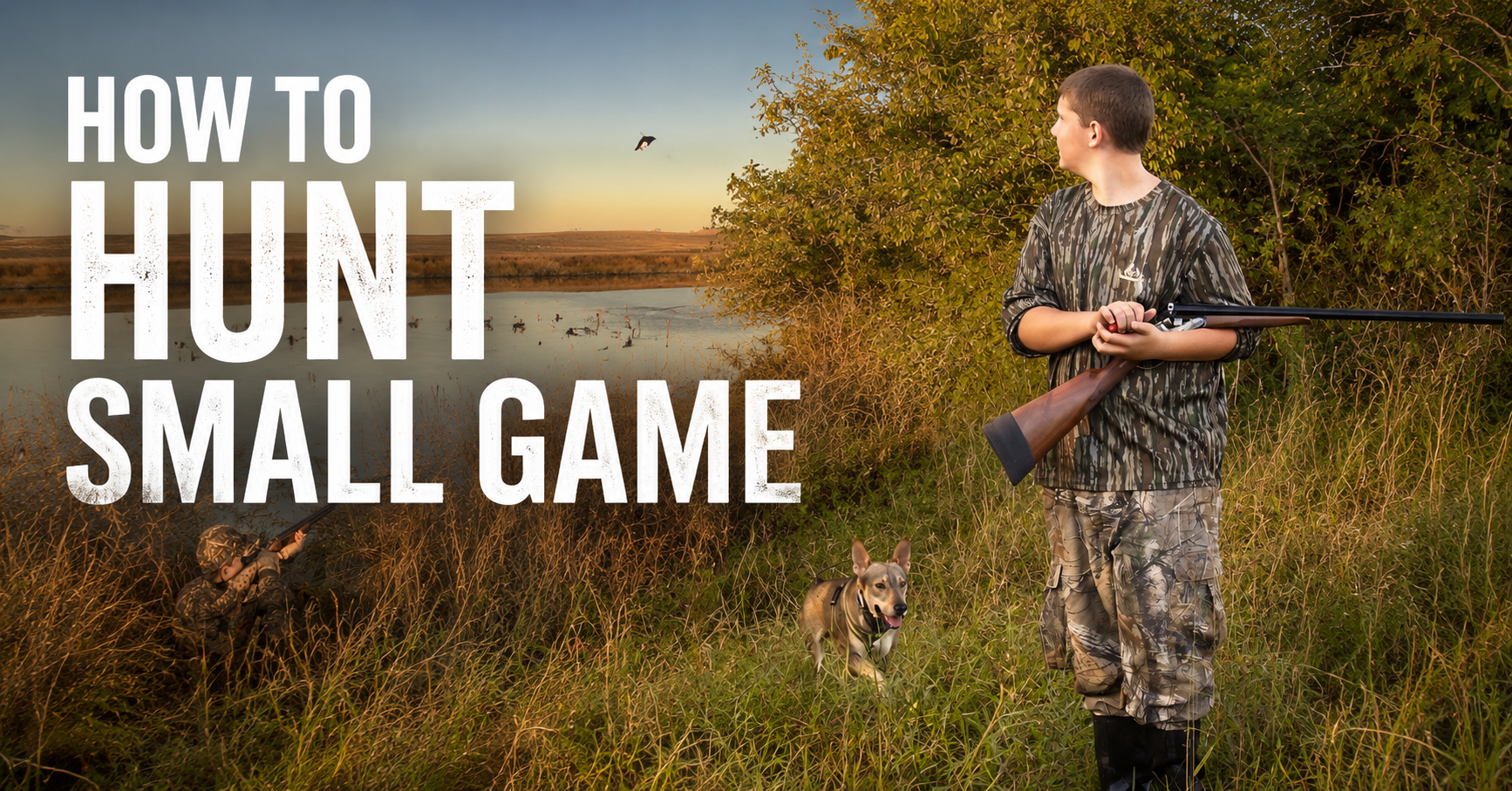

Small-game hunting is one of the most practical ways to learn woodsmanship, wildlife identification, safe firearm or bow handling, scouting, patience, land navigation, and responsible game care. It can involve rabbits, hares, squirrels, grouse, quail, pheasants, doves, and other legally classified species, depending on where you hunt.
Although small-game hunting is often described as beginner-friendly, it is not automatically simple. Each species uses different habitat, follows different daily patterns, and may be governed by separate seasons, bag limits, shooting hours, equipment restrictions, and reporting rules. A hunter must identify the exact species, know the legal boundary, understand the background behind every possible shot, and prepare to recover and use the harvest responsibly.
This guide explains how to hunt small game in a legal, ethical, and safety-focused way. It is written for beginners, but the planning, scouting, and troubleshooting principles can also help experienced hunters become more consistent.
Quick Answer
To hunt small game, first complete hunter education, check current regulations, choose one legal species, and find land where you are permitted to hunt. Scout the habitat for food, cover, tracks, droppings, feeding sign, and travel routes, then use a legal hunting method suited to that species and terrain. Move slowly, identify the animal positively, know what is behind it, and take only a safe opportunity within your practiced ability. After a legal harvest, follow recovery, tagging, reporting, transport, hygiene, cooling, and meat-care requirements.
Important Legal and Safety Notice Before You Hunt
“Small game” is not one universal legal category. Wildlife agencies may classify rabbits, squirrels, upland birds, migratory birds, furbearers, predators, reptiles, or other animals differently. New York, for example, describes small game as a broad group that can include upland and migratory birds, small mammals, furbearers, reptiles, and amphibians, but the legal definitions and permitted methods differ elsewhere.
Before hunting, use your official state, provincial, territorial, tribal, or national wildlife agency to verify:
- The exact species that may be hunted.
- Required hunting licenses, validations, stamps, permits, or tags.
- Hunter-education and minimum-age requirements.
- Season opening and closing dates.
- Legal hunting hours.
- Daily and possession limits.
- Legal firearms, bows, air guns, ammunition, shot types, and magazine capacities.
- Whether nontoxic ammunition is required.
- Public-land access, parking, check-in, and area-specific rules.
- Private-land permission and property boundaries.
- Required blaze orange or other visibility clothing.
- Dog-training and dog-use restrictions.
- Tagging, reporting, transportation, and species-identification requirements.
- Disease advisories, closures, or special handling guidance.
Hunter-education courses cover much more than basic firearm handling. Official programs commonly address conservation, wildlife management, ethics, game laws, survival, first aid, firearm safety, archery safety, and responsible decision-making.
What Animals Are Considered Small Game?
The answer depends on local law. Common small-game categories include the following:
| General Category | Common Examples | Typical Habitat | Important Legal Check |
|---|---|---|---|
| Tree-dwelling mammals | Gray, fox, and red squirrels | Hardwood forests, mixed timber, wooded edges | Species, season, legal method, safe background |
| Ground-dwelling mammals | Cottontail rabbits, snowshoe hares, jackrabbits | Brush, hedgerows, young forests, grassland edges | Species identification, closures, disease guidance |
| Upland birds | Grouse, pheasants, quail, partridge | Grasslands, crop edges, brush, young forest, mountain cover | Sex restrictions, shooting hours, dog rules, shot rules |
| Migratory game birds | Doves, woodcock, rails, snipe | Fields, wetlands, woodland openings, migration corridors | Federal and local requirements, stamps, shot capacity |
| Furbearers or predators | Raccoons, foxes, coyotes, bobcats | Varied forest, farmland, wetland, and open-country habitats | Separate licenses, night rules, calls, lights, seasons |
Do not assume that every animal commonly called “small game” is covered by a basic hunting license. Migratory birds, furbearers, predators, and protected species may have additional legal requirements.
Why Small-Game Hunting Is Useful for Beginners
Small-game hunting can teach skills that transfer to deer, turkey, elk, waterfowl, and other pursuits:
- Reading habitat and identifying food sources.
- Recognizing tracks, droppings, feeding sign, and travel routes.
- Moving quietly through cover.
- Using maps and understanding legal boundaries.
- Managing wind, sunlight, visibility, and weather.
- Handling a firearm or bow safely in the field.
- Making quick but disciplined shoot-or-don’t-shoot decisions.
- Recovering game and following reporting requirements.
- Handling wild meat cleanly and responsibly.
Official wildlife agencies frequently use rabbits and squirrels in learn-to-hunt programs because the hunts can require relatively little specialized gear while teaching fundamental outdoor skills.
Choose One Species for Your First Hunt
A beginner will learn faster by selecting one species rather than walking into the field hoping to pursue anything encountered. Choosing a target species determines the habitat, regulations, equipment, scouting method, and field strategy.
Squirrels
Squirrels are often found in hardwood forests containing mast-producing trees such as oak, hickory, walnut, or beech. They may also use conifers, agricultural edges, creek bottoms, and suburban woodlots where hunting is legal.
Look for cut nut shells, feeding debris, nests, tracks, bark disturbance, and regular movement between feeding trees. Squirrel hunting can involve quietly waiting near food trees or moving slowly through the woods and stopping frequently to listen.
Rabbits and Hares
Rabbits commonly use dense low cover near feeding areas. Productive habitat may include brush piles, hedgerows, overgrown fence lines, young timber, abandoned fields, blackberry thickets, drainage edges, and transitions between grass and woody cover.
Hares may favor different habitat, including young forest, conifer cover, or snowy northern environments. Never assume that rabbit and hare seasons, limits, or legal methods are identical.
Grouse
Grouse habitat varies by species. Ruffed grouse often use young forests, brushy cuts, aspen stands, and edges, while western grouse may occupy conifers, mountain slopes, sagebrush, or open timber.
These birds can flush suddenly. Hunters must maintain strict muzzle control and avoid firing when another hunter, dog, roadway, building, or unsafe background lies in the shooting direction.
Pheasants and Quail
Pheasants and quail commonly use grasslands, agricultural edges, shelterbelts, brush, and escape cover. They may be hunted by walking cover, working with trained dogs, or positioning near legal travel areas.
Sex identification may be legally important for some species. Learn to recognize legal birds before entering the field.
Doves and Other Migratory Birds
Migratory bird hunting may involve additional federal requirements, legal shooting-hour restrictions, firearm-capacity rules, harvest-program registration, and ammunition regulations. Verify every applicable requirement before hunting.
Habitat and Sign: What Beginners Should Look For
| Sign or Feature | What It May Suggest | Beginner Caution |
|---|---|---|
| Tracks | Recent travel through mud, sand, dust, or snow | Confirm species; similar animals can leave similar tracks |
| Droppings | Feeding or resting activity | Age and freshness can be difficult to judge |
| Cut nut shells | Squirrel feeding activity | Old shells may remain long after animals move |
| Brush tunnels | Rabbit or other small-mammal travel | Do not shoot into cover without identifying the target |
| Feathers | Roosting, feeding, or predator activity | Possession of feathers from protected species may be illegal |
| Dusting areas | Possible upland-bird activity | Confirm active use and legal species |
| Young forest | Dense food and cover for rabbits or grouse | Visibility and safe shooting lanes may be limited |
| Hardwood mast | Potential squirrel feeding area | Food availability changes by year and season |
| Field edges | Transition cover for rabbits and birds | Check roads, homes, workers, and neighboring property |
One sign does not guarantee that animals are currently present. Combine multiple clues with direct observation and recent local information.
What You Need Before You Start
Legal Documents
- Valid hunting license.
- Species-specific permit or validation where required.
- Migratory-bird documents where applicable.
- Proof of hunter education where required.
- Public-land permit or check-in confirmation.
- Written private-land permission when practical.
- Offline copy of current regulations.
Safety Equipment
- Required blaze orange or other visibility clothing.
- Eye and hearing protection where appropriate.
- Basic first aid kit.
- Map, compass, GPS, or offline navigation application.
- Charged communication device.
- Headlamp or flashlight with spare power.
- Water, food, and emergency weather protection.
- Tick and insect protection appropriate for the area.
Field Equipment
- Legal firearm, bow, crossbow, or air gun appropriate for the species.
- Manufacturer-approved and legally permitted ammunition or arrows.
- Binoculars where useful.
- Small daypack or hunting vest.
- Weather-appropriate clothing and reliable boots.
- Disposable gloves.
- Clean game bag or ventilated vest compartment.
- Cooler and ice packs in the vehicle.
- Small notebook or mapping application for recording observations.
Choosing a Legal Hunting Method
The correct hunting method depends on species, habitat, local law, and the hunter’s training. Never select equipment only because another hunter recommends it online.
Shotguns
Shotguns are commonly used for flying upland birds and for rabbits moving through cover. Hunters must use the correct ammunition and choke approved for the firearm and legal for the species and property.
Pattern the shotgun before hunting. A choke designation does not guarantee how a particular ammunition load will perform in an individual firearm.
Rimfire Rifles
Rimfire rifles may be legal for squirrels, rabbits, or other species in some jurisdictions. They require an especially careful background because a single projectile can travel far beyond the animal.
Never fire a rifle upward into open sky at a squirrel on a branch. Indiana’s official squirrel-hunting guidance specifically emphasizes having a tree trunk or other safe topography behind the squirrel and avoiding shots toward residential areas.
Air Guns
Some jurisdictions allow air rifles for particular small-game species, while others limit caliber, power, projectile type, season, or land use. Confirm the rules and follow the air-gun manufacturer’s safety instructions.
Bows and Crossbows
Archery equipment may be legal for certain small-game species. Use arrows and points approved by the manufacturer and permitted by law. Practice before hunting and never dry-fire a bow or crossbow.
Dogs
Trained dogs can help locate, flush, tree, point, or retrieve certain species. Dog use may be restricted by species, season, public land, leash requirements, or training periods.
A dog should be conditioned, controllable, identifiable, hydrated, and protected from traffic, traps, extreme weather, rough cover, and firearm danger.
How to Hunt Small Game: Step-by-Step Guide
Step 1: Complete Hunter Education
Take an official hunter-education course before buying equipment or planning a hunt. A classroom course or field day is especially useful for anyone without previous firearm or outdoor experience because it provides supervised handling instruction and realistic decision-making practice.
Step 2: Read the Current Regulations
Identify the exact species, zone, land type, season, hunting hours, limit, legal equipment, clothing requirement, and reporting process. Save the regulations to your phone and carry a printed copy when reception may be unreliable.
Check again immediately before hunting because emergency closures, disease rules, wildfire restrictions, weather closures, or property-specific orders can change.
Step 3: Choose a Manageable First Species
Select a species found reasonably close to home with accessible habitat and clear regulations. Squirrels or rabbits are common starting points in many areas, but availability and legality vary.
Choose one primary species so you can learn its habitat, behavior, sign, and identification thoroughly.
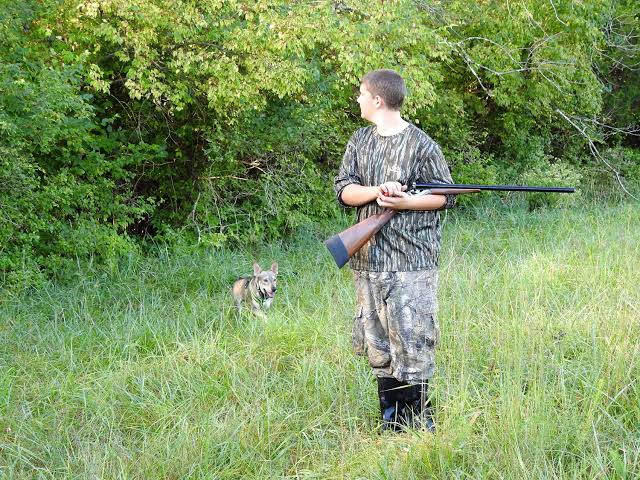
Step 4: Find Legal Land
Use official wildlife-agency maps, public-land websites, property records, and reliable mapping tools. Verify ownership rather than relying on an unconfirmed boundary shown by one application.
For private land, obtain permission and ask about:
- Property boundaries.
- Parking locations.
- Gates and access roads.
- Livestock.
- Homes, barns, workers, and neighboring land.
- Other hunters.
- Retrieval across boundaries.
- Where harvested animals may be handled.
Step 5: Scout the Habitat
Visit during legal access hours and look for several forms of fresh sign. Record food sources, dense cover, travel routes, water, field edges, feeding trees, tracks, droppings, and places where safe observation is possible.
Do not enter closed areas, damage crops, disturb livestock, or remove vegetation without permission.
Step 6: Practice With Your Equipment
Practice at an authorized range or safe legal training location. Learn loading, unloading, safe carry positions, malfunction procedures, and how the equipment operates while wearing hunting clothing.
Use the exact ammunition, arrows, or projectiles planned for the hunt when permitted by the range. Confirm your personal effective distance through consistent practice rather than relying on equipment advertising.
Step 7: Prepare a Written Hunt Plan
Tell a reliable person:
- Where you are going.
- Where you will park.
- Who is with you.
- When you expect to return.
- What vehicle you are using.
- When they should contact help if you are overdue.
Download offline maps and check weather, fire restrictions, flooding, road conditions, and daylight times.
Step 8: Enter Quietly and Observe
Move slowly and stop often. Small game may remain still when it first detects danger, then move when the hunter passes. Listen for chewing, scratching, wingbeats, barking squirrels, rustling leaves, or movement in brush.
Do not let concentration on the animal reduce awareness of other hunters, hikers, homes, roads, dogs, livestock, or changing weather.
Step 9: Use a Species-Specific Field Method
The most common beginner methods include:
- Still-hunting: Move a short distance, stop, scan, and listen before moving again.
- Waiting: Remain near an active food source, travel route, or habitat edge.
- Walking cover: Move carefully through rabbit or upland-bird habitat while maintaining safe shooting zones.
- Hunting with dogs: Work with a trained dog and experienced handler under legal conditions.
- Spot-and-stalk: Observe legal animals at a distance, then approach using terrain and cover.
Step 10: Positively Identify the Animal
Do not prepare to shoot until you can confirm:
- The exact species.
- Any legally relevant sex or age characteristics.
- That the season is open.
- That you remain under the limit.
- That the animal is on legal property.
- That no protected species is mixed with it.
Never shoot at sound, shaking brush, color, movement, or an incomplete silhouette.
Step 11: Confirm a Safe Background
Identify what is behind, beside, and beyond the animal. Do not fire toward:
- People or hunting partners.
- Dogs.
- Roads or trails.
- Homes, cabins, or farm buildings.
- Vehicles or machinery.
- Livestock.
- Open sky when using a rifle.
- Water surfaces where projectiles may ricochet.
- Unclear vegetation or terrain.
Step 12: Take Only an Ethical Opportunity
Proceed only when the animal is legal, positively identified, recoverable, and within your practiced ability. Maintain a stable position and avoid rushed, low-confidence, obstructed, or excessively distant opportunities.
Passing on an uncertain opportunity is a normal and responsible hunting decision.
Step 13: Recover the Animal Promptly
Mark the animal’s location and remain aware of muzzle direction while approaching. Unload or secure equipment according to hunter-education and manufacturer guidance before crossing obstacles or handling game.
Do not enter private land, closed areas, dangerous water, unstable ice, steep terrain, or other hazards without legal permission and appropriate preparation.
Step 14: Follow Tagging and Reporting Rules
Some small-game species require immediate tagging, recording, check-in, or harvest reporting, while others do not. Follow the exact process in the official regulations.
Maintain any required evidence of species or sex during transportation.
Step 15: Handle the Harvest Responsibly
Wear gloves, use clean tools, prevent contact with dirt or contaminated surfaces, and cool the game promptly. Do not consume an animal that appeared sick, acted abnormally, was found dead, or conflicts with a wildlife-agency disease advisory.
The CDC advises hunters to use gloves when handling rabbits, hares, muskrats, prairie dogs, and other rodents because contact with infected animals can transmit tularemia.
Species-Specific Hunting Approaches
How to Hunt Squirrels
- Locate hardwoods, nut-producing trees, creek bottoms, or other active food sources.
- Look for fresh cuttings, shell fragments, nests, and movement in treetops.
- Arrive quietly and sit near a feeding area, or move slowly and stop frequently.
- Listen for falling debris, chewing, barking, and movement on tree bark.
- Use binoculars to identify the animal and check the background.
- Never fire upward without a solid, safe background behind the animal.
Squirrel activity often increases near active food sources, but time of day, weather, mast availability, temperature, and hunting pressure can change movement. Early morning can be productive in many areas, but it is not guaranteed.
How to Hunt Rabbits
- Find dense escape cover next to feeding habitat.
- Inspect hedgerows, brush piles, field edges, young growth, and overgrown fence lines.
- Walk slowly and pause near especially thick cover.
- Maintain safe spacing and zones of fire when hunting with partners.
- Expect a rabbit to move suddenly and avoid firing through unidentified brush.
- Mark the location carefully and recover promptly.
Late-season cover may become easier to see through, while snow can reveal tracks, but cold, ice, and reduced daylight create additional safety concerns.
How to Hunt Upland Birds
- Identify legal habitat and species before entering the field.
- Wear required or recommended high-visibility clothing.
- Agree on hunter spacing and zones of fire.
- Keep the firearm pointed safely while walking.
- Expect birds to flush without warning.
- Do not fire at a low bird crossing another hunter or dog.
- Identify species and sex where regulations require it.
- Recover birds immediately and count them toward the legal limit.
Public-Land Small-Game Hunting
Public land can provide valuable access, but it may also contain hikers, birdwatchers, dog walkers, forestry crews, anglers, vehicles, and other hunters.
Before the Hunt
- Verify that the specific parcel is open to hunting.
- Confirm legal access points and parking.
- Check closures, refuge zones, and restricted weapon areas.
- Download official maps.
- Identify neighboring private property.
- Review any sign-in or daily permit requirements.
In the Field
- Park without blocking gates, roads, or emergency access.
- Respect other users and avoid crowding another hunter.
- Stay inside designated hunting areas.
- Do not assume remote-looking trails are unused.
- Stop hunting when public activity makes a safe background uncertain.
- Pack out hulls, trash, flagging, food packaging, and damaged equipment.
U.S. Fish and Wildlife Service guidance encourages hunters to remain in designated hunt areas, avoid conflicts with major public events, identify targets carefully, and be courteous to other refuge users.
Private-Land Small-Game Hunting
Private property can offer less pressure, but access must be granted by the person authorized to give permission.
- Ask before the season rather than arriving unexpectedly on opening morning.
- Confirm which species and methods are permitted.
- Discuss whether guests or dogs are allowed.
- Use only approved parking and access routes.
- Close gates exactly as instructed.
- Avoid crops, equipment, livestock, and work areas.
- Do not enter neighboring land during recovery without permission.
- Remove trash and report damaged fences, illegal dumping, or unusual activity.
- Thank the landowner and respect future access decisions.
Best Time, Place, and Conditions for Small-Game Hunting
Time of Day
Many squirrels and rabbits are active near feeding periods in the morning and late afternoon, but weather, season, food, temperature, predators, and pressure can change this pattern. Upland birds may feed, loaf, or move at different times depending on conditions.
Legal hunting hours override biological patterns. Check the exact official time restrictions for the species.
Weather
Calm conditions can make small sounds easier to detect, while moderate wind may conceal hunter noise but move branches and vegetation. Strong wind, heavy rain, extreme heat, deep cold, fog, wildfire smoke, and ice may reduce visibility or make travel unsafe.
Food Availability
Food changes through the season. Squirrels may shift among nuts, seeds, cones, buds, and agricultural food. Rabbits may concentrate near green vegetation, woody browse, or crop edges. Upland birds respond to seed, grain, insects, and seasonal cover.
Hunting Pressure
Animals may move into thicker cover, become less visible, change daily timing, or avoid frequently used trails after repeated disturbance. Walk beyond obvious access areas only when you can navigate safely and remain within legal boundaries.
Firearm and Bow Safety in Small-Game Habitat
Dense cover, fast-moving animals, low shooting angles, overhead squirrels, dogs, and multiple hunters create unique risks.
Four Fundamental Firearm Safety Principles
- Treat every firearm as if it is loaded.
- Keep the muzzle pointed in a safe direction.
- Keep your finger outside the trigger guard until ready to shoot.
- Be certain of the target and what lies beyond it.
Additional Field Rules
- Use a safe carry position appropriate for the terrain and group.
- Unload before crossing fences, ditches, logs, or difficult obstacles.
- Never pull a firearm toward yourself by the muzzle.
- Do not rely on the mechanical safety as a substitute for safe handling.
- Keep firearm muzzles away from dogs and hunting partners.
- Do not fire at low-flying birds crossing the group.
- Do not fire a rifle into open sky.
- Wear eye and hearing protection when practical.
- Follow the manufacturer’s ammunition and maintenance instructions.
Archery Safety
- Inspect the bow, crossbow, string, cables, arrows, and points.
- Use compatible arrows and legal points.
- Keep broadheads covered during transport.
- Never dry-fire the equipment.
- Follow safe cocking and decocking instructions.
- Stay within a practiced effective distance.
- Keep arrows pointed away from people and animals that are not legal targets.
Helpful Tips for Better Results
- Choose one species and learn its habitat thoroughly.
- Scout shortly before the hunt instead of relying on old information.
- Move less and observe more.
- Stop beside a tree or natural background rather than standing in the open.
- Use binoculars to confirm species and safe surroundings.
- Check the wind, but prioritize visibility and background safety over concealment.
- Start with a light pack containing genuine necessities.
- Hunt with an experienced ethical mentor when possible.
- Keep notes about food, weather, sign, and animal activity.
- Leave before fatigue, darkness, weather, or confusion creates unsafe conditions.
Common Mistakes to Avoid
Trying to Hunt Every Species at Once
This makes it difficult to understand regulations, habitat, and identification. Choose a primary species and prepare for it.
Using Outdated Regulations
Season dates, bag limits, access rules, and legal equipment can change. Download the current official regulations rather than relying on an old booklet or forum answer.
Ignoring the Background
A small target does not create a small danger. Rifle projectiles and shotgun pellets can travel far beyond the animal.
Walking Too Quickly
Rapid movement may push animals ahead without providing a safe opportunity. Move a short distance, pause, listen, and scan.
Shooting at Unidentified Movement
Brush can hide hunters, dogs, livestock, hikers, or protected wildlife. Never fire until the target is completely identified.
Entering Private Land During Recovery
A recovery obligation does not automatically authorize trespassing. Contact the landowner or wildlife authority.
Carrying Too Much Equipment
An overloaded pack causes fatigue and noise. Prioritize legal documents, safety equipment, navigation, water, weather protection, and clean game-care supplies.
Failing to Practice
Equipment does not compensate for unfamiliar handling or poor judgment. Practice under controlled conditions before hunting.
Neglecting Meat Care
Small animals can retain heat, especially when carried together. Use clean, breathable storage and cool the harvest promptly.
Continuing in Unsafe Conditions
Turn around when weather, darkness, injury, heat, cold, navigation problems, or public activity makes the hunt unsafe.
Troubleshooting Common Problems
| Problem | Possible Cause | What to Check | Practical Next Step |
|---|---|---|---|
| You are not seeing animals | Wrong habitat, old sign, poor timing, pressure | Fresh food, tracks, droppings, and cover | Scout a different legal habitat edge |
| Squirrels disappear after you enter | Noise, visible movement, recent pressure | Entry route and wind-blown foliage | Sit quietly near an active food source |
| Rabbits flush too far ahead | Walking too fast or using open cover | Dense escape cover and hunter pace | Slow down and pause beside thick cover |
| Birds flush toward another hunter | Poor spacing or unclear zones of fire | Group formation and dog position | Do not shoot; reset the group safely |
| Property boundaries are unclear | Outdated map or missing markers | Official records and landowner instructions | Stop before the boundary and verify access |
| Your equipment feels awkward | Poor fit or insufficient practice | Stock fit, clothing, sling, or bow setup | Seek help from a qualified instructor or technician |
| You cannot identify the species | Distance, poor light, lack of experience | Field marks and official identification guides | Do not shoot |
| You lose your route | Navigation failure or poor planning | Offline map, compass, GPS, and last known point | Stop moving, orient carefully, and seek help if needed |
| Weather deteriorates | Front, fog, snow, heat, storm, or wind | Safest route to the vehicle or shelter | End the hunt early |
| Harvested game cannot be cooled | Warm weather or long distance from vehicle | Travel time and available ice | Shorten the hunt and prioritize prompt cooling |
Ethical Hunting and Conservation
Ethical small-game hunting is more than remaining under the legal limit. It includes preparation, identification, restraint, recovery, respect for property, and responsible use of the harvest.
- Follow seasons, limits, and legal methods.
- Take only opportunities within your practiced ability.
- Pass when the target or background is uncertain.
- Recover harvested animals promptly.
- Avoid unnecessary waste.
- Respect landowners and other public-land users.
- Do not damage habitat or disturb protected wildlife.
- Pack out ammunition packaging, hulls, and trash.
- Participate honestly in harvest surveys and reporting.
- Support habitat programs and local conservation work.
After the Hunt: Game Care, Gear Care, and Learning
Handle Game Safely
- Wear disposable gloves.
- Keep cuts on your hands covered.
- Use clean knives and surfaces.
- Prevent contact between meat and dirt, hair, feathers, or intestinal contents.
- Cool the harvest promptly.
- Keep raw meat separated from ready-to-eat food.
- Follow species-specific cooking guidance.
- Discard or report animals that appeared sick according to agency instructions.
USDA guidance recommends cooking rabbit meat to an internal temperature of at least 160°F, while other game species may have different official recommendations. Use a food thermometer and follow current species-specific public-health guidance.
Clean and Store Equipment
- Unload firearms and store them securely away from unauthorized access.
- Clean equipment according to manufacturer instructions.
- Dry boots, clothing, packs, and game bags.
- Inspect slings, zippers, laces, optics, strings, cables, and fasteners.
- Replace used first aid and hygiene supplies.
- Remove mud, seeds, and vegetation before traveling to another area.
Review the Hunt
Record:
- Date and general location.
- Weather and wind.
- Habitat and food sources.
- Tracks, droppings, and other sign.
- Animal activity and timing.
- Public use or hunting pressure.
- Equipment problems.
- What you would change next time.
When to Get More Training or Professional Guidance
Seek assistance when:
- You have never handled a firearm, bow, or crossbow.
- You have not completed hunter education.
- You are uncertain about species identification.
- You cannot interpret local regulations.
- You do not understand public or private boundaries.
- Your firearm, bow, ammunition, arrows, or accessories may be incompatible.
- You are uncomfortable crossing difficult terrain.
- You need help training or handling a hunting dog.
- You are uncertain about legal recovery.
- You need guidance on game processing or food safety.
Good sources include:
- Official hunter-education courses.
- State or provincial wildlife agencies.
- Certified firearm or archery instructors.
- Agency-sponsored learn-to-hunt programs.
- Experienced ethical mentors.
- Qualified gunsmiths or archery technicians.
- Wildlife officers and public-land managers.
- Medical or public-health professionals for disease concerns.
Recommended Hunting Gear and Tools to Consider
You do not need the most expensive equipment to hunt responsibly. Choose gear according to your local laws, target species, terrain, weather, safety needs, hunting method, experience, fit, and budget.
Essential
- Required license and permits.
- Legal, properly maintained hunting equipment.
- Compatible legal ammunition or arrows.
- Required visibility clothing.
- Navigation tools.
- Water and weather protection.
- First aid and communication.
- Gloves and clean game-care supplies.
Useful
- Binoculars.
- Lightweight hunting vest.
- Compact seat pad.
- Pruning-free natural concealment clothing.
- Cooler stored in the vehicle.
- Field-identification guide.
- Backup light and batteries.
Optional
- Species-appropriate calls where legal.
- Trained hunting dog.
- Specialized game vest.
- Shooting sticks where legal and appropriate.
- GPS messenger for remote terrain.
Final Thoughts
Learning how to hunt small game begins with regulations, hunter education, species identification, legal access, and safe equipment handling. Choose one species, learn its habitat, scout for fresh sign, and practice before entering the field.
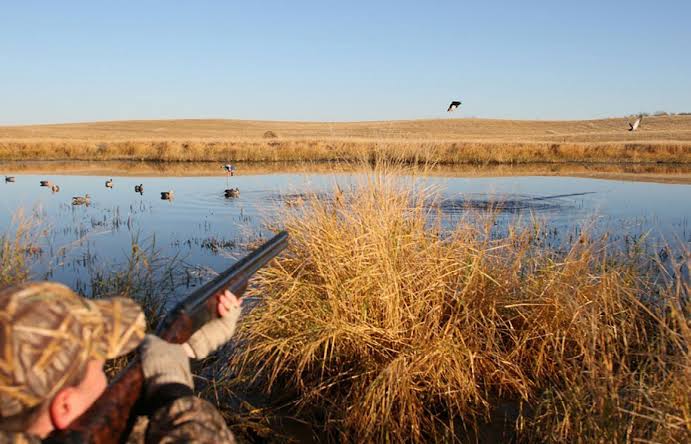
During the hunt, move patiently, stay aware of other people and property, identify every target completely, and confirm a safe background. Take only legal opportunities within your demonstrated ability, recover game responsibly, and follow reporting and meat-care requirements.
Small-game hunting does not guarantee an easy harvest, but it provides an excellent way to develop practical outdoor skills when approached with preparation, restraint, and respect for wildlife.
FAQs
1. What is small-game hunting?
Small-game hunting is the lawful pursuit of smaller game mammals, upland birds, migratory birds, furbearers, or other species classified by a wildlife agency. The exact legal definition varies by location.
2. Is small-game hunting good for beginners?
It can be an excellent starting point because it teaches scouting, wildlife identification, safe equipment handling, navigation, recovery, and meat care. Beginners should still complete hunter education and seek mentorship.
3. What is the easiest small game to hunt?
There is no universal easiest species. Squirrels and rabbits are common beginner choices where populations, access, and regulations allow, but local habitat and hunting pressure affect difficulty.
4. Do I need a hunting license for small game?
Usually, but requirements vary. You may also need species permits, migratory-bird validations, stamps, or public-land permits.
5. Do I need hunter education?
Many jurisdictions require hunter education based on age or license history. Even when not legally required, it is strongly recommended for anyone new to hunting.
6. Do small-game animals require tags?
Some species or locations require tags or harvest records, while others use daily limits without physical tags. Check the current official regulations.
7. What animals count as small game?
Common examples include squirrels, rabbits, hares, grouse, pheasants, quail, and doves. Some agencies also include furbearers, predators, reptiles, or other animals.
8. What is the best small game for a first hunt?
Choose a legal species with accessible habitat, clear identification features, and an active local population. A nearby squirrel or rabbit season may be more practical than traveling for an unfamiliar bird.
9. Where can I hunt small game?
Possible locations include wildlife management areas, state forests, national forests, designated refuges, private farms, commercial preserves, and other lands open to hunting. Verify the specific parcel and rules.
10. Can I hunt small game on public land?
Yes, where the land is officially open to the species and method. Check access points, closed zones, permits, parking, and property-specific restrictions.
11. Do I need permission on private land?
Yes. Obtain permission from the person legally authorized to grant access and confirm boundaries, parking, livestock, guests, dogs, and recovery procedures.
12. What equipment is best for small-game hunting?
The appropriate legal equipment depends on species, habitat, range, and local law. Common options include shotguns, rimfire rifles, air guns, and archery equipment.
13. Is a shotgun or rifle better for small game?
A shotgun is often practical for moving rabbits and flying birds, while a legal rimfire rifle may suit stationary squirrels with a safe background. Neither is universally better.
14. Can I use an air rifle for small game?
Some jurisdictions allow air rifles for selected species and impose caliber, energy, projectile, or land restrictions. Verify the current regulations.
15. Can I bowhunt small game?
Yes, where legal. Use compatible equipment, legal points, safe transport, and a practiced effective range.
16. What ammunition should I use?
Use ammunition that is legal for the species, compatible with the firearm and choke, and approved by the manufacturer. Pattern or test the equipment before hunting.
17. Is nontoxic ammunition required?
It is required for certain migratory birds and on some public lands or refuges. Additional local restrictions may apply to other small-game hunting.
18. Do I need blaze orange?
Some seasons and locations require a specified amount of blaze orange or another high-visibility color. It may also be recommended when not mandatory.
19. What should I wear?
Wear clothing suited to the temperature, precipitation, vegetation, and terrain, plus any required visibility garment. Choose boots with suitable traction and support.
20. What is the best time of day to hunt small game?
Morning and late afternoon can be productive for many species, but movement changes with weather, food, season, pressure, and local behavior. Legal hunting hours always control.
21. What weather is best?
Mild, stable conditions can make movement and observation easier, but no weather guarantees success. Avoid conditions that create poor visibility, dangerous travel, or heat and cold stress.
22. How do I find squirrels?
Look for active nut-producing trees, cut shells, nests, bark movement, and feeding sounds. Move slowly or wait quietly near a fresh food source.
23. How do I find rabbits?
Search dense low cover near food, including hedgerows, brush piles, field edges, young forest, drainage areas, and overgrown fence lines.
24. How do I find grouse or upland birds?
Study the habitat used by the exact species. Young forest, grassland, crop edges, brush, conifers, and mountain cover may be relevant depending on species and region.
25. How can I tell whether sign is fresh?
Fresh tracks may have sharp edges, droppings may retain moisture, and feeding debris may appear recently cut. Weather and substrate affect sign, so combine several clues.
26. Should I sit or walk while squirrel hunting?
Both can work. Waiting near an active food source reduces movement, while slow still-hunting helps cover more habitat. Stop often and listen.
27. Should I use a dog for rabbit hunting?
A trained dog can help locate and follow rabbits where legal. Beginners should hunt with an experienced handler before attempting to manage a dog and firearm simultaneously.
28. Are dogs useful for upland birds?
Pointing, flushing, and retrieving dogs can be valuable, but they require training, conditioning, control, veterinary care, and safe coordination with hunters.
29. How far should small-game shots be?
Only as far as the hunter can perform consistently with the specific equipment under field conditions. Personal demonstrated ability matters more than a theoretical maximum.
30. Is it safe to shoot a squirrel in a tree?
Only when a solid tree trunk or safe terrain is directly behind the animal. Never fire a rifle upward into open sky or toward homes and roads.
31. Can I shoot through brush?
No. Brush can hide people, dogs, livestock, protected wildlife, and deflect projectiles. Wait for complete identification and a clear, safe background.
32. How should hunters walk in a group?
Maintain agreed spacing and safe zones of fire. Every hunter must know where partners and dogs are before raising a firearm.
33. What should I do when a bird flushes between hunters?
Do not shoot. Keep the muzzle controlled and allow the bird to leave rather than risking a low or crossing shot.
34. How do I avoid getting lost?
Carry an offline map, compass, GPS, or multiple navigation tools. Mark the vehicle, follow a hunt plan, and stop to orient as soon as you become uncertain.
35. How much gear should I carry?
Carry legal documents, safety essentials, water, navigation, communication, weather protection, and game-care supplies. Avoid unnecessary weight that causes fatigue.
36. Can I hunt small game alone?
Where legal, but beginners benefit from an experienced mentor. Solo hunters should provide a detailed trip plan and use reliable navigation and communication.
37. Can children hunt small game?
Youth hunting rules vary by age, supervision, hunter education, season, and location. Follow the official youth-hunting regulations and maintain direct responsible supervision.
38. What should I do if I cannot identify an animal?
Do not shoot. Observe it longer, use binoculars, or let it leave.
39. What if an animal crosses onto private property?
Stop at the boundary and obtain permission. Contact a wildlife officer when local recovery law is unclear.
40. Do I have to report a small-game harvest?
Some species and jurisdictions require reporting, while others use voluntary surveys. Follow the current regulations and answer surveys accurately.
41. How do I transport small game legally?
Follow possession limits, tagging rules, species-identification requirements, storage rules, and interstate import restrictions. Keep licenses and records available.
42. Should I wear gloves when handling rabbits?
Yes. CDC guidance recommends gloves because rabbits and hares can carry tularemia and other pathogens.
43. Can squirrels or rabbits carry disease?
Yes. Wildlife can carry bacteria, parasites, ticks, and other diseases. Avoid animals that appear sick and follow agency and public-health guidance.
44. How quickly should small game be cooled?
As soon as practical, especially in warm weather. Keep the harvest clean, ventilated, and out of direct heat until it reaches a cooler.
45. What temperature should rabbit be cooked to?
USDA guidance recommends an internal temperature of at least 160°F for rabbit. Use a food thermometer.
46. What should I do with an animal that looks sick?
Avoid unnecessary contact, do not consume it, and contact the wildlife or public-health agency for instructions.
47. Is small-game hunting expensive?
It can require less specialized equipment than some big-game hunts, but costs vary by license, travel, training, firearm or bow, clothing, ammunition, and land access.
48. Can small-game hunting help me prepare for deer hunting?
Yes. It develops scouting, navigation, patience, safe equipment handling, target identification, recovery, and meat-care skills.
49. Why am I not seeing any small game?
The habitat may be unsuitable, sign may be old, food may have changed, or hunting pressure may have altered movement. Return to scouting and try different legal cover.
50. What is the most important rule for a beginner?
Never act until the animal is positively identified and the entire background is safe. No harvest is worth an uncertain shot.
Read more: