
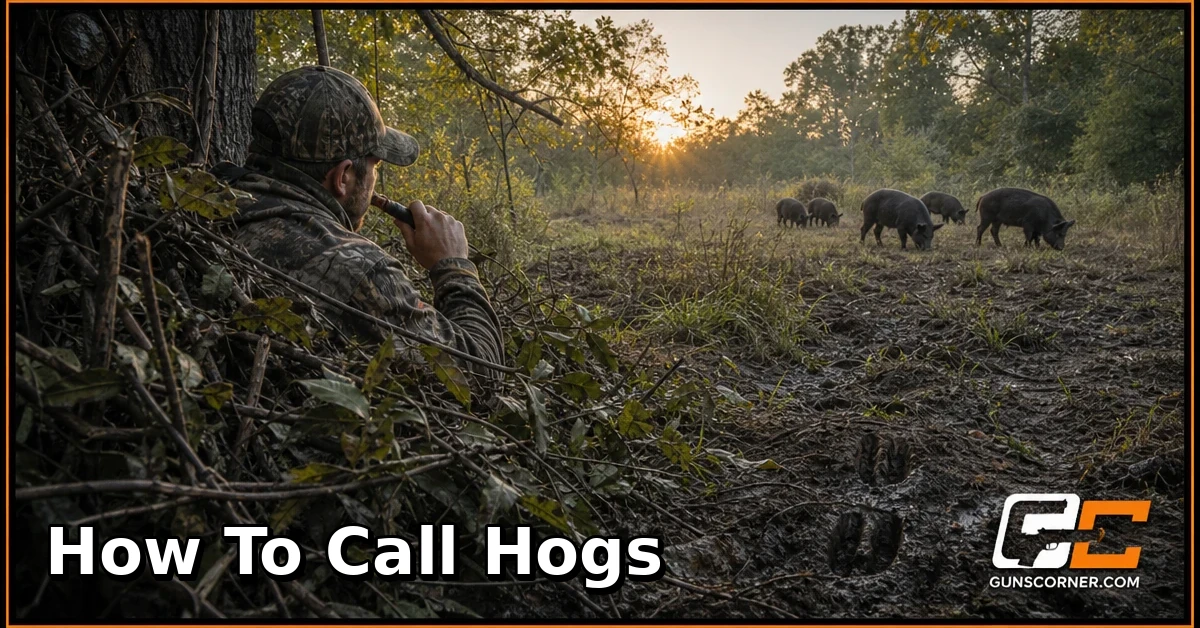

Learning how to call hogs can add another useful skill to your wild hog hunting toolkit, but calling is not a guaranteed method. Success depends on legal access, scouting, wind direction, habitat, hunting pressure, weather, and patient observation. This guide explains how hog calls work, how to choose a setup, how to call responsibly, and how to make safe and ethical hunting decisions.
To call hogs, first scout for fresh sign such as tracks, rooting, wallows, trails, and bedding areas. Set up downwind in legal, safe cover, then use short, realistic distress or social sound sequences followed by quiet waiting periods. Keep your firearm or bow safely controlled, identify the target and background, and take only a legal shot within your practiced ability. Calling works best when combined with good scouting and patience rather than used as a substitute for understanding hog movement.
Important Legal and Safety Notice Before You Hunt
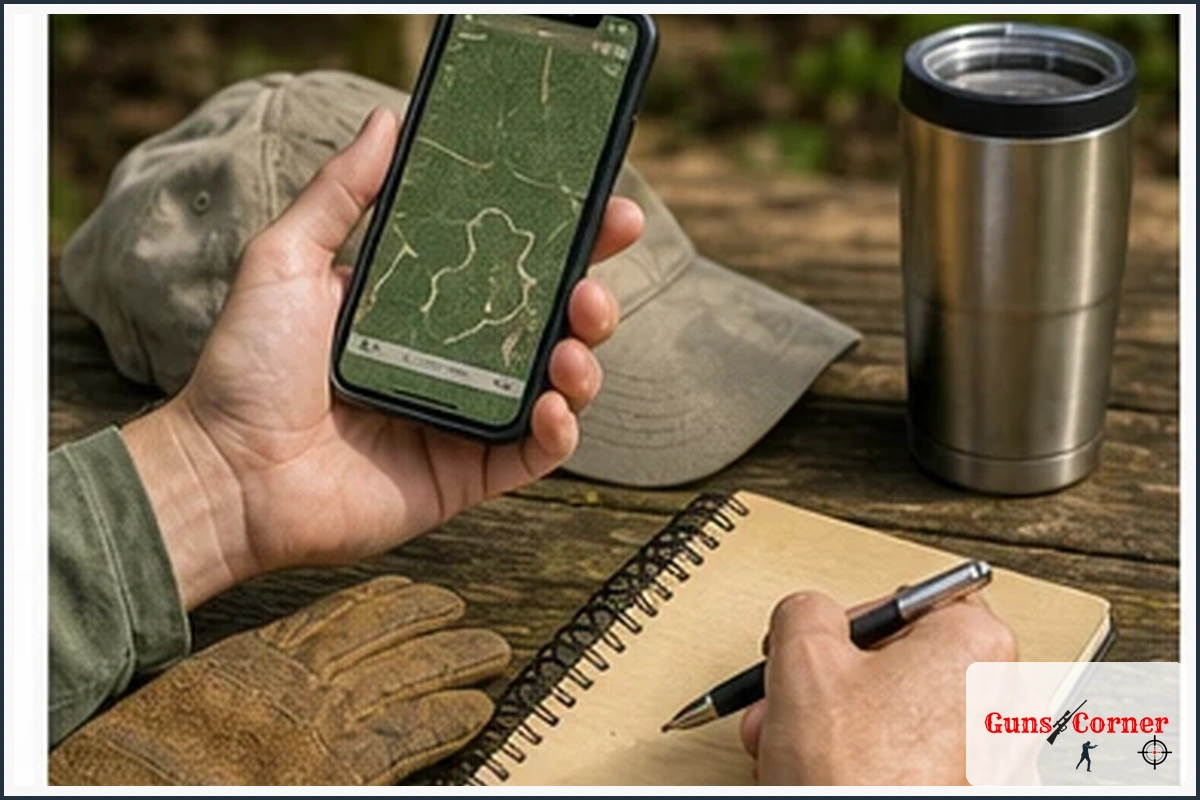
Wild hog regulations vary widely by state, province, county, land type, season, and hunting method. Before hunting, check your official wildlife agency and land manager for current rules. Verify:
- License, permits, tags, and harvest reporting requirements
- Legal seasons, hunting hours, and property-specific restrictions
- Legal firearms, bows, ammunition, and calling methods
- Whether bait, electronic calls, night hunting, or thermal equipment is permitted
- Public land boundaries or written private-land permission
- Required hunter orange or other visibility clothing
- Safe firearm or bow handling requirements
- Weather, navigation, communication, and emergency plans
Complete a hunter education course if required or recommended, and consider hunting with an experienced mentor. Never shoot toward roads, buildings, livestock, people, vehicles, trails, or an unclear background.
Why Calling Can Work on Wild Hogs
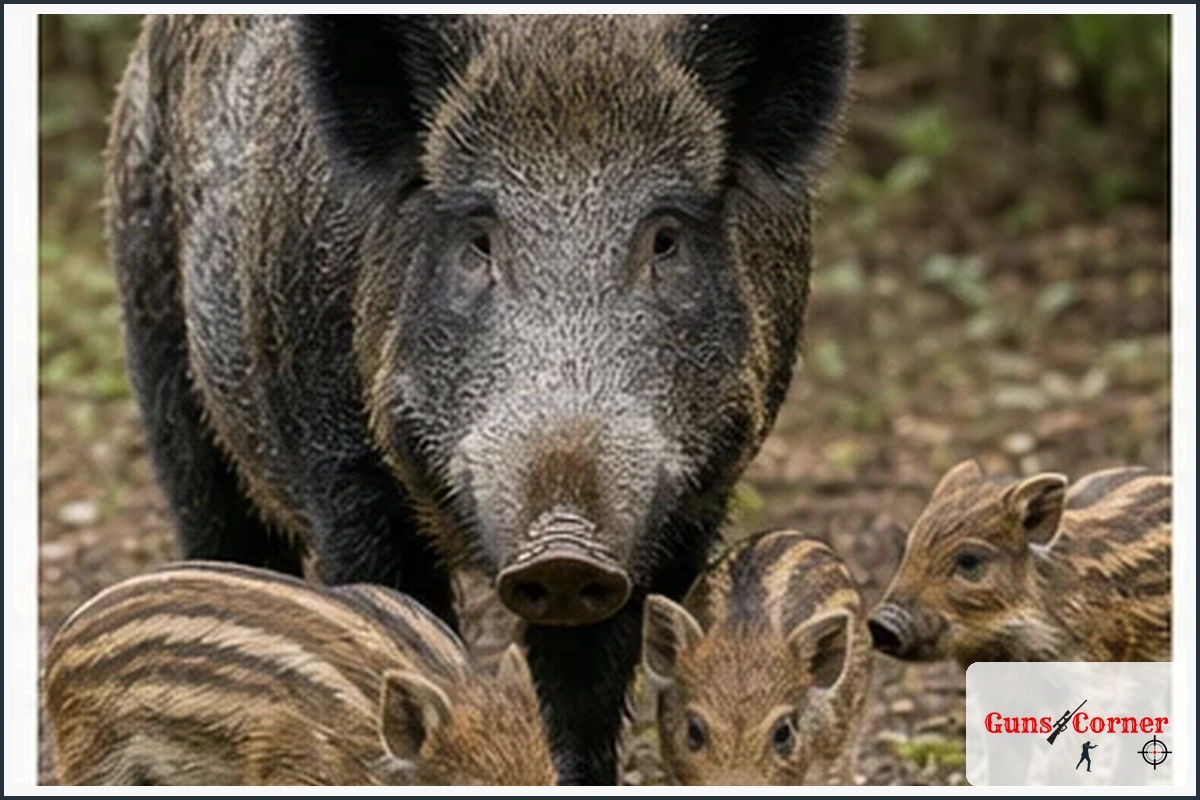
Wild hogs use vocalizations to communicate with piglets, locate group members, respond to distress, and react to perceived threats. A sound may attract curiosity or cause a hog to investigate, but responses vary considerably.
Hogs can also be cautious, especially where hunting pressure is high. A call that works in one area may be ignored in another. The goal is to create a believable sound from a carefully chosen position, not to call continuously or aggressively.
Understand Hog Habitat and Sign
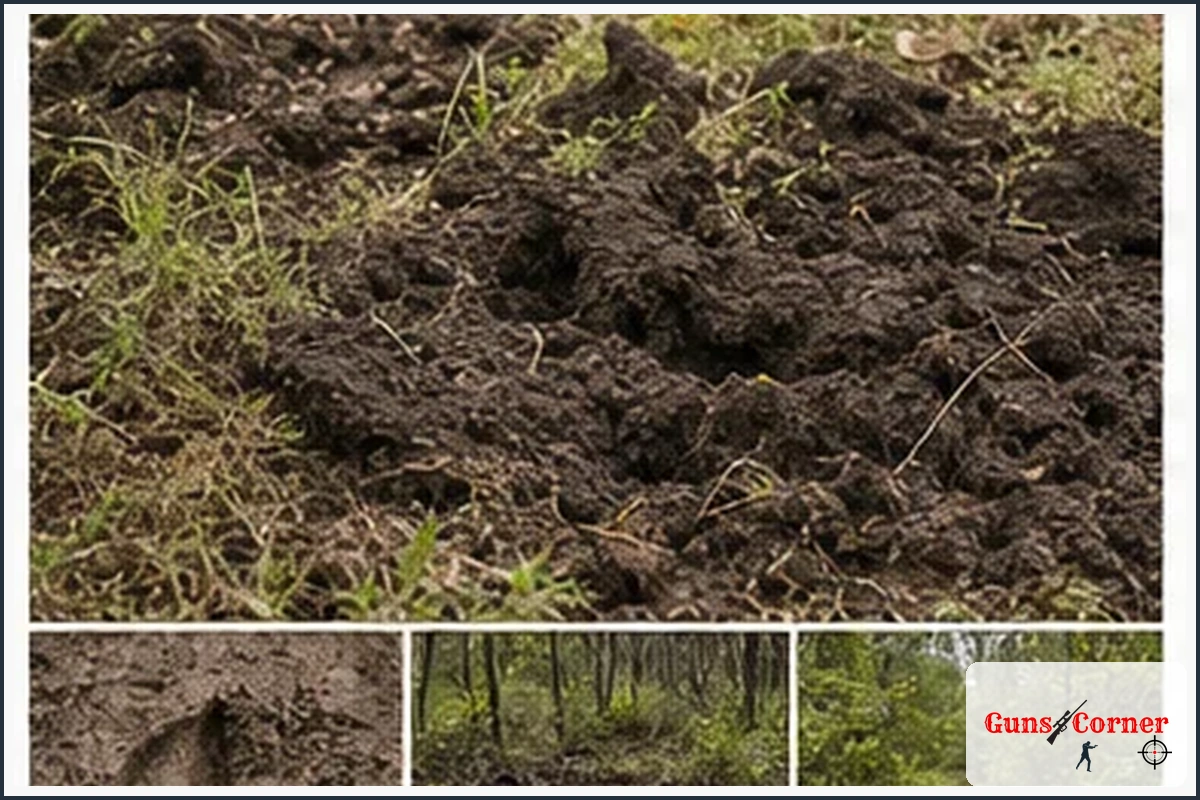
Before using a call, learn where hogs are likely to travel and rest. Look for multiple signs rather than relying on one observation.
- Rooting: Turned soil may indicate feeding activity.
- Tracks: Fresh tracks can show direction and recent movement.
- Wallows: Muddy depressions near water may indicate cooling or insect-relief behavior.
- Game trails: Repeated paths may connect bedding, feeding, and water areas.
- Bedding cover: Dense vegetation, brush, and shaded areas may provide daytime security.
- Droppings and disturbed vegetation: These can help establish whether activity is recent.
Fresh sign matters more than old sign. The best calling location is usually one that combines current activity with safe visibility, a suitable backstop, and a favorable wind.
What You Need Before Calling Hogs
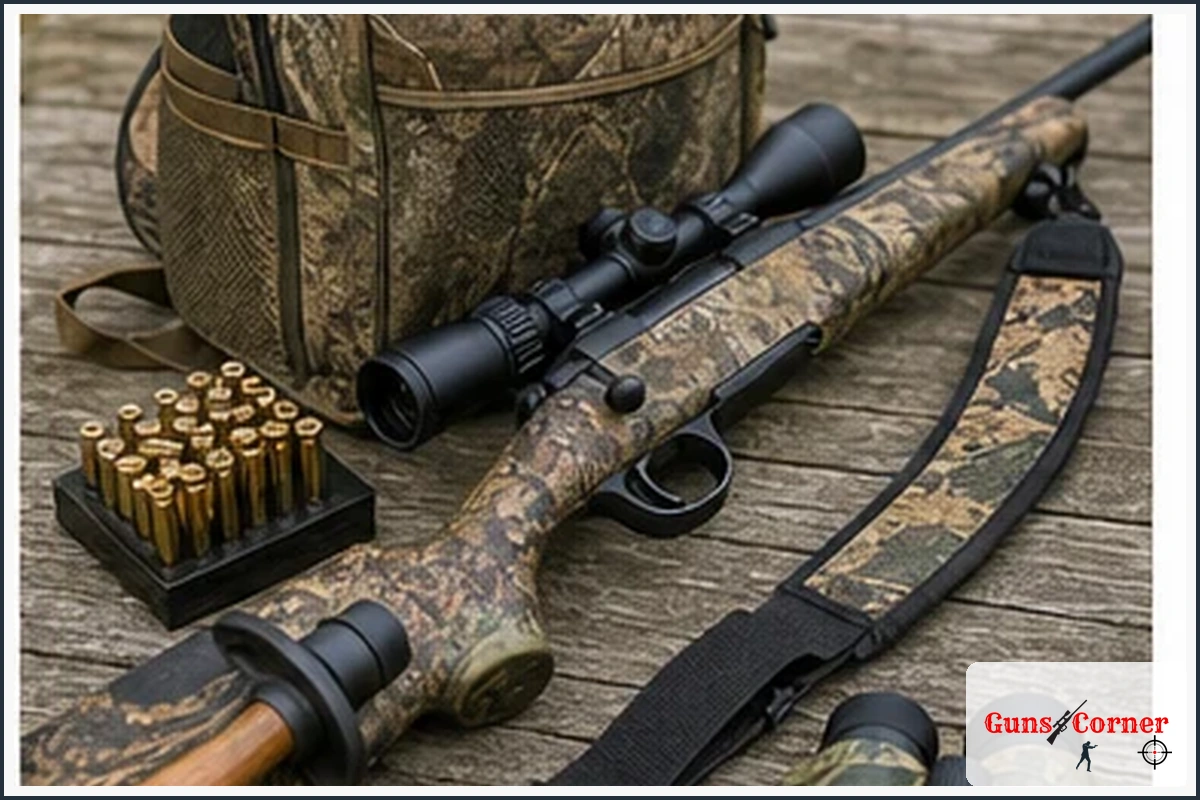
- Legal hunting license, permits, tags, and regulation information
- A legal firearm or bow suited to your training and local rules
- A properly functioning hog call or legally permitted electronic caller
- Camouflage or concealment appropriate for the terrain
- Required hunter orange or visibility clothing
- Binoculars for identifying animals and checking the background
- Map, compass, GPS, or a reliable navigation app
- Water, snacks, first aid, and emergency communication
- Gloves, game bags, cooling supplies, and transport equipment if applicable
- Eye and hearing protection when appropriate
Practice operating your call before the hunt. You should be able to use it quietly and confidently without creating unnecessary movement.
How to Call Hogs Step by Step
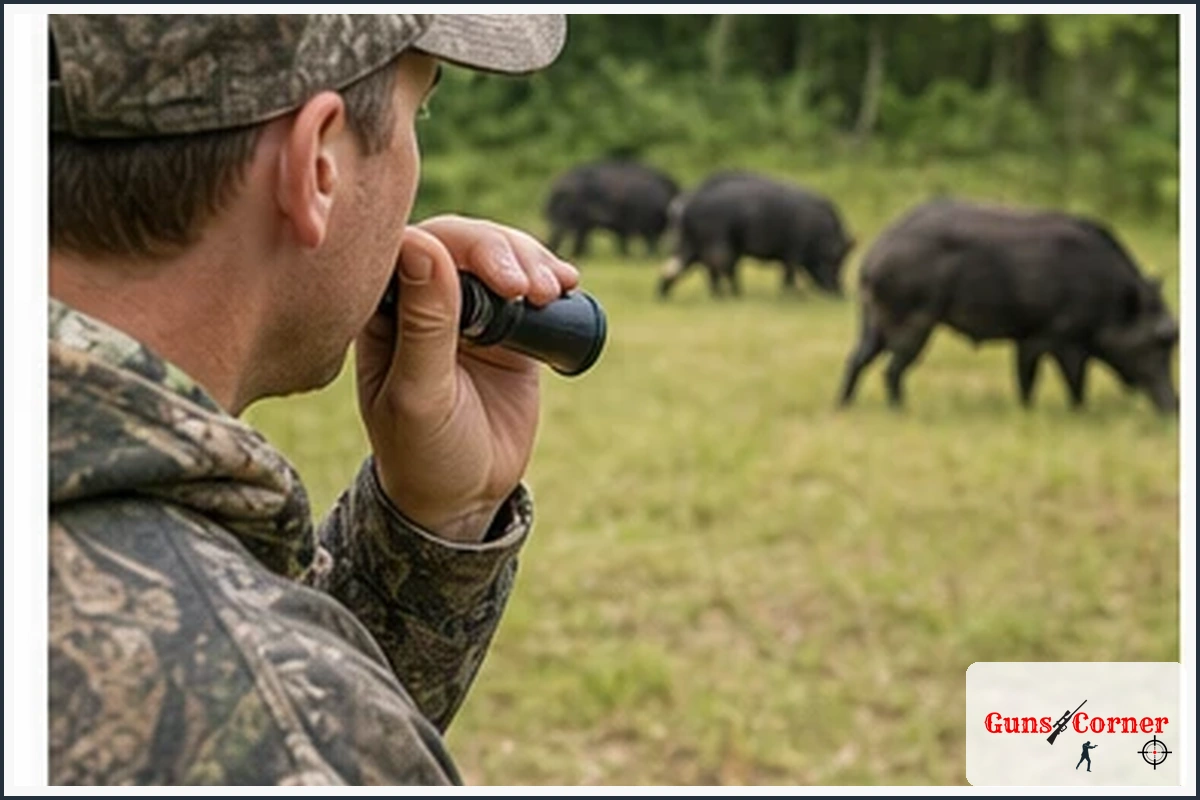
Step 1: Check the Rules and Secure Legal Access
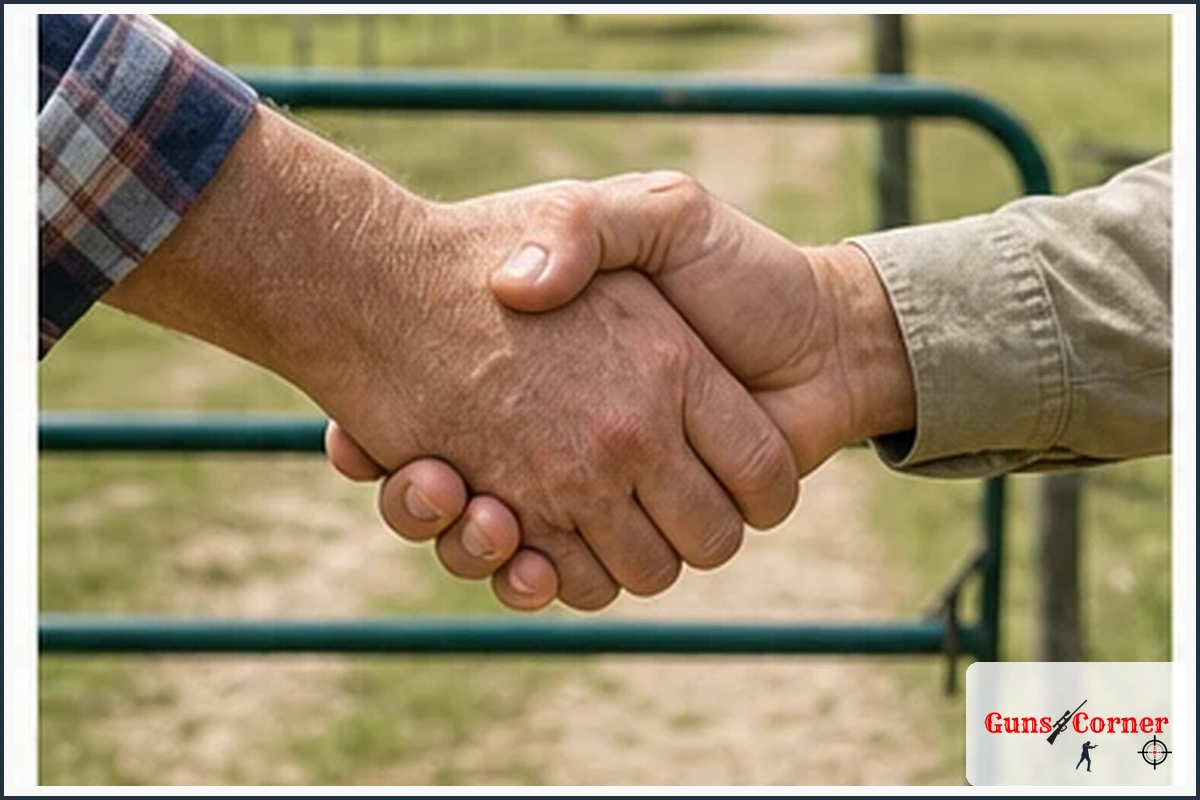
Confirm the current regulations for the exact property and method you plan to use. On private land, obtain clear permission and respect gates, livestock, crops, buildings, and property boundaries. On public land, verify access points, restrictions, parking rules, and legal shooting zones.
Step 2: Scout for Fresh Hog Activity
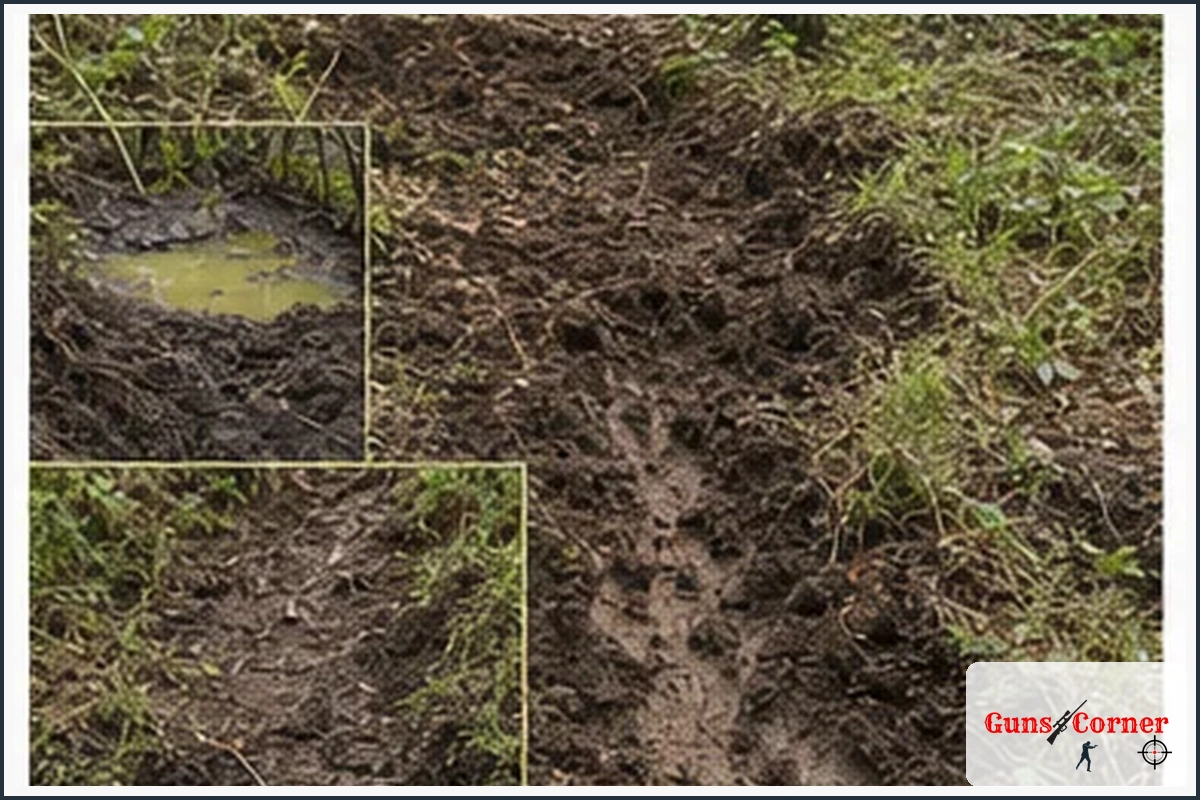
Scout before calling whenever possible. Search for fresh rooting, tracks, wallows, trails, and bedding cover. Note the direction of travel and identify likely feeding or resting areas.
Use maps to locate water, thick cover, agricultural edges, and terrain features that may concentrate movement. Avoid excessive disturbance in areas where you intend to hunt.
Step 3: Choose a Safe Calling Position
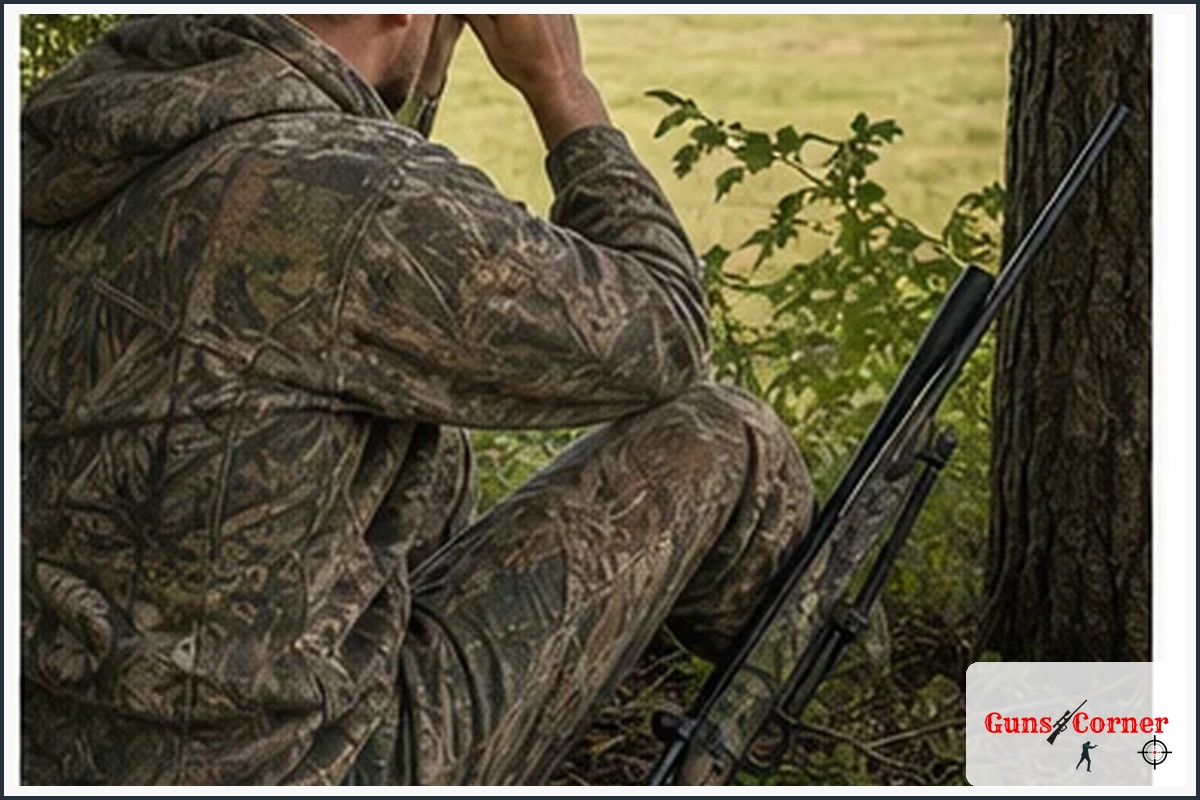
Set up where you have concealment, a clear field of view, and a safe backstop. Position yourself downwind or crosswind from the most likely approach route. Hogs have strong senses, and a bad wind can end a setup before calling begins.
Never choose a location simply because it offers a good view. Confirm that a shot would not endanger homes, roads, livestock, other hunters, or nearby land users.
Step 4: Select a Realistic Call
Common hog-calling approaches include piglet distress sounds, social grunts, and other sounds designed to imitate hog communication. Choose a call you can use consistently and learn what its sound is intended to represent.
Electronic calls may be restricted in some areas, so verify legality before using one. A mouth-operated call can be effective but requires practice to produce a natural sound.
Step 5: Begin With Short Calling Sequences
Start with a brief, controlled sequence rather than calling continuously. A useful general approach is to call for roughly 20 to 30 seconds, then remain quiet and alert for several minutes.
Some hunters use a short call, wait, and repeat the sequence if no hog appears. Keep the volume appropriate for the terrain. Excessively loud or constant calling may sound unnatural and make it harder to hear approaching animals.
Step 6: Watch and Listen During the Quiet Period
Hogs may approach quietly, especially in thick cover. Scan slowly with your eyes before moving your head or optics. Listen for brush movement, footsteps, grunts, and rooting sounds.
Keep your weapon pointed in a safe direction and your finger outside the trigger guard until you have positively identified a legal target and made the decision to shoot.
Step 7: Adjust to the Season, Weather, and Pressure
Hog behavior can change with heat, rain, drought, food availability, and hunting pressure. In warm conditions, animals may concentrate near shade and water. After pressure increases, they may move later, travel through thicker cover, or avoid familiar areas.
Do not assume a call will overcome poor wind, extreme noise, or a badly chosen location. If conditions are unfavorable, relocating or waiting may be wiser than calling more aggressively.
Step 8: Remain Patient
Give each calling setup enough time to produce a response. Hogs may not appear immediately, and repeated movement between locations can spread scent and noise. Patience is especially important when hunting unfamiliar terrain.
Step 9: Confirm the Animal and Background
Before considering a shot, identify the animal clearly and confirm that it is legal to harvest under local rules. Make sure no people, livestock, vehicles, roads, or structures are behind or near the shooting lane.
Only shoot within your practiced range and ability. If the angle, visibility, background, or animal movement is uncertain, do not shoot.
Step 10: Handle a Successful Hunt Responsibly
Follow all local requirements for tagging, reporting, transport, and possession. Approach cautiously, use safe firearm procedures, and avoid unnecessary contact with wild hogs. Wear gloves when handling animals or meat, and follow local health guidance for cleaning and cooking.
Cool the meat promptly, keep it clean, and make a realistic plan for transport before hunting. If you are inexperienced with field care, learn from a qualified mentor or professional processor.
Choosing the Best Time and Place to Call
The best calling location is usually where fresh hog sign overlaps with suitable cover, water, and a safe shooting direction. Morning and evening movement may be useful in some areas, while hot conditions can shift activity toward cooler periods or shaded habitat.
Local patterns are more reliable than general rules. Keep notes about weather, wind, sign, time of day, and hunting pressure. Over time, these observations can help you recognize when calling is worth trying.
Calling Tactics for Different Conditions
Thick Cover
Use shorter calling sequences and remain especially alert. Hogs may be close but difficult to see. Do not shoot at movement or sound alone.
Open Terrain
Use natural cover and minimize movement. A call may draw attention, but exposed positions make concealment and safe shot selection more difficult.
High Hunting Pressure
Expect hogs to be more cautious. Scout less-obvious legal access routes, avoid excessive calling, and consider whether the animals have learned to associate certain sounds with danger.
Hot or Dry Weather
Look for shade, water, and cooler travel routes. Carry enough water for yourself, monitor heat conditions, and avoid staying in unsafe weather simply to continue a hunt.
Helpful Tips for Better Results
- Scout before calling instead of relying on sound alone.
- Set up downwind or crosswind from likely hog movement.
- Use short calling bursts followed by quiet observation.
- Practice calling at home so field use requires minimal movement.
- Keep your weapon, optics, and hands in a safe, controlled position.
- Use binoculars to confirm animals and backgrounds when visibility allows.
- Keep a written record of weather, sign, call type, and response.
- Stop calling if other hunters, hikers, livestock, or vehicles enter the area.
- Plan meat cooling, transport, tagging, and reporting before the hunt.
Common Mistakes to Avoid
- Calling without first checking whether the method is legal
- Hunting without permission or crossing unclear property boundaries
- Ignoring wind direction
- Calling constantly without giving hogs time to respond
- Using excessive volume in close or thick cover
- Moving too much while waiting
- Assuming every sound indicates a visible hog
- Taking a shot without confirming the background
- Approaching a downed or wounded animal carelessly
- Failing to plan for cooling and transporting meat
- Ignoring heat, dehydration, navigation, or communication risks
Troubleshooting Common Problems
| Problem | Possible Cause | What to Do |
|---|---|---|
| No hogs respond | Wrong location, old sign, poor timing, or unfavorable wind | Scout for fresher sign, check the wind, and try a different legal setup. |
| Hogs appear but leave quickly | Movement, exposed position, unnatural calling, or scent | Improve concealment, reduce movement, and use shorter calling sequences. |
| You hear hogs but cannot see them | Dense cover or poor visibility | Do not shoot at sound. Wait for clear identification or safely relocate. |
| Wind changes during the setup | Thermals, terrain, weather, or shifting conditions | Stop calling if your scent is blowing toward likely hog travel and reposition when safe. |
| Other hunters enter the area | Shared public land or unclear communication | Unload or secure your weapon as appropriate, identify yourself safely, and leave or coordinate without creating conflict. |
| You are unsure whether the call is legal | Regulations differ by location and land type | Pause the hunt and confirm the rule with the official wildlife agency or land manager. |
| You are uncertain about recovery or meat care | Lack of experience or equipment | Seek help from an experienced mentor, qualified processor, or wildlife professional. |
Ethical Hunting and Conservation
Ethical hog hunting means using legal methods, respecting land and wildlife, and making careful decisions even when an opportunity is exciting. Do not shoot beyond your ability, at uncertain movement, or toward an unsafe background.
Use as much of the harvest as reasonably possible, follow reporting rules, and handle meat responsibly. Respect landowners, other hunters, hikers, livestock, and neighboring properties. Licenses and lawful hunting participation also support wildlife management and conservation programs in many jurisdictions.
When to Get More Training or Professional Guidance
Get additional instruction if you have never safely handled a firearm or bow, are unfamiliar with local regulations, or do not understand navigation and property boundaries. A hunter education course and an experienced, ethical mentor can help you learn safe setup, shot discipline, tracking, recovery, and meat care.
Professional guidance is especially valuable when hunting unfamiliar public land, using specialized equipment, or dealing with uncertain field conditions.
After the Hunt: Gear Care and Learning
Unload and store firearms according to manufacturer and local safety guidance. Inspect calls, optics, clothing, boots, navigation tools, and first-aid supplies after each outing.
Write down what you observed: wind, weather, fresh sign, call type, time of day, animal response, and areas that showed little activity. These notes can improve future scouting without relying on guesswork.
Recommended Hunting Gear and Tools to Consider
You do not need expensive gear to call hogs responsibly. Choose equipment based on local regulations, terrain, weather, hunting method, safety needs, and skill level.
- Legal firearm or bow that you have practiced with
- Reliable hog call or legally permitted electronic caller
- Binoculars for observation and identification
- Weather-appropriate clothing and required visibility gear
- Quiet boots suited to the terrain
- Map, compass, GPS, or hunting app
- First aid kit, water, and emergency communication
- Gloves, game bags, cooler, and meat-care supplies
Final Thoughts
Knowing how to call hogs is most useful when paired with scouting, favorable wind, legal access, safe positioning, and patience. Use short, realistic calling sequences, remain alert during quiet periods, and never take a shot unless the animal, background, and legality are clear.
Responsible hog hunting is not guaranteed by any call. Prepare carefully, practice your equipment, respect wildlife and landowners, and follow current regulations from your official wildlife agency.
Frequently Asked Questions About How to Call Hogs
Does calling hogs really work?
Calling can work, but results vary with hog behavior, habitat, weather, hunting pressure, wind, and call quality. It should complement scouting rather than replace it.
What is the best call for wild hogs?
There is no universally best call. Piglet distress and social sounds are commonly used, but the most useful call is one you can operate naturally and legally in your area.
How often should you call hogs?
Use short calling bursts followed by several minutes of quiet observation. Continuous calling can sound unnatural and may reduce your ability to hear approaching hogs.
How long should you wait after calling?
Wait several minutes while watching and listening carefully. In thick cover or pressured areas, a longer quiet period may be worthwhile.
Should you call hogs in the morning?
Morning can be productive in some areas, but local movement patterns matter more than a universal schedule. Scout and record when fresh sign appears.
Should you call hogs in the evening?
Evening may offer opportunities where hogs move toward feeding or water areas. Confirm legal hunting hours and plan a safe return route before starting.
Can you call hogs during hot weather?
Yes, but hot weather may shift hog activity toward shade and water. Protect yourself from heat, carry sufficient water, and follow local weather advisories.
What sound attracts wild hogs?
Distress and social sounds are commonly used, but hogs respond differently by location and situation. Use a sound that matches your intended scenario and practice it beforehand.
Can you use an electronic hog call?
Electronic calls may be legal in some places and restricted in others. Check current regulations for the exact species, season, property, and hunting method.
Do hog calls attract predators?
Any animal responding to distress-like sounds may investigate. Stay alert, identify every animal clearly, and follow all rules regarding other species.
Should you call hogs from a tree stand?
A tree stand can provide concealment and visibility if it is legal and safely installed. Wear a full-body harness connected before climbing or while hunting, and follow stand manufacturer instructions.
Should you call hogs from a ground blind?
A ground blind can reduce movement and improve concealment. Place it where you have a safe shooting lane, stable footing, and a clear view of the background.
What wind is best for calling hogs?
A wind that carries your scent away from likely hog movement is generally preferable. Check changing wind and thermals because a good initial setup can become unsuitable.
How far away should you set up from hog sign?
Distance depends on terrain, cover, visibility, and weapon capability. Choose a location that allows a safe, practiced shot without disturbing the animals.
Can you call hogs without bait?
Yes. Calling can be used near natural travel routes, feeding areas, water, or bedding cover without bait, provided the method and location comply with local regulations.
Is baiting the same as calling?
No. Baiting involves placing food or other attractants, while calling uses sound. Baiting rules vary widely and should be verified separately.
Can you call hogs on public land?
Often this depends on local rules and the specific public property. Verify boundaries, access, calling restrictions, shooting zones, and other-user considerations before hunting.
Do you need permission to call hogs on private land?
Yes. Obtain clear permission before entering or hunting private property. Respect gates, crops, livestock, buildings, and any conditions set by the landowner.
How do you scout before calling hogs?
Look for fresh rooting, tracks, wallows, trails, droppings, feeding areas, water, and bedding cover. Use maps and minimize disturbance during scouting.
How can you tell if hog sign is fresh?
Fresh sign often has clear edges, moist or recently disturbed soil, sharp tracks, and little weathering. Compare several signs rather than relying on one clue.
Why do hogs ignore my call?
Possible causes include old sign, poor wind, wrong timing, heavy pressure, unnatural sound, or hogs being elsewhere. Improve scouting and adjust your setup before increasing calling volume.
Why do hogs leave after responding?
They may detect movement, scent, noise, or an unnatural sound. Improve concealment, reduce movement, and keep the wind from carrying your scent toward them.
Should you use different calls during one hunt?
You can change calls carefully, but constant switching may create unnatural sound. Start with one realistic sequence and adjust only when conditions or evidence support it.
Can calling make hogs aggressive?
Wild hogs can be unpredictable and may react defensively, especially when close, cornered, or accompanied by young. Avoid close contact and maintain a safe position.
Is it safe to approach a hog after a shot?
Approach cautiously and follow safe firearm procedures. Do not assume an animal is harmless, and seek experienced help if you are uncertain.
What should you do after harvesting a hog?
Follow local tagging, reporting, transport, and possession requirements. Wear gloves, keep meat clean and cool, and arrange processing before the hunt.
Can wild hogs carry diseases?
Wild hogs may carry pathogens or parasites, and risks vary by region. Use gloves, avoid unnecessary contact, follow local health guidance, and cook meat properly.
Do you need hunter orange when calling hogs?
Visibility requirements vary by location, season, and weapon. Wear all required safety clothing and consider visibility when hunting around other users.
What firearm is best for calling hogs?
The best choice is a legal firearm you can handle accurately and safely. Follow local weapon rules and use equipment appropriate for your practiced range.
Can you bowhunt hogs using calls?
Calling can be combined with bowhunting where legal. Practice extensively, know your effective range, use legal equipment, and take only a clear, ethical shot.
How far can you call hogs?
Sound carries differently through open terrain, brush, wind, and weather. Use enough volume for the habitat without making the sound unnaturally loud.
Should you call hogs near water?
Water can be useful habitat, especially during hot or dry conditions. Confirm fresh sign and choose a safe position that does not endanger other users or livestock.
Can weather affect hog calling?
Yes. Wind, rain, heat, drought, and changing temperatures can affect movement and sound travel. Adjust scouting and setup decisions accordingly.
How much does it cost to hunt hogs?
Costs depend on licenses, access, travel, equipment, processing, and local services. Check official fees and plan for meat care and transport expenses.
What is the biggest beginner mistake when calling hogs?
Many beginners call before confirming fresh sign and wind direction. Scouting, safe positioning, and patience are usually more important than buying additional equipment.
Should you hunt hogs alone?
Beginners should consider hunting with an experienced mentor. If hunting alone, share your route, carry communication equipment, plan for emergencies, and understand the terrain.
How can you improve your hog-calling skills?
Practice the call, study local hog sign, keep detailed field notes, and review your setups after each hunt. A responsible mentor can shorten the learning curve.
When should you stop calling?
Stop when wind becomes unfavorable, visibility declines, other people enter the area, weather becomes unsafe, or you no longer have a clear and legal shooting plan.
Where can you learn more about hog hunting laws?
Start with your state or provincial wildlife agency, public-land manager, hunter education program, or local conservation organization. Verify rules immediately before hunting.