
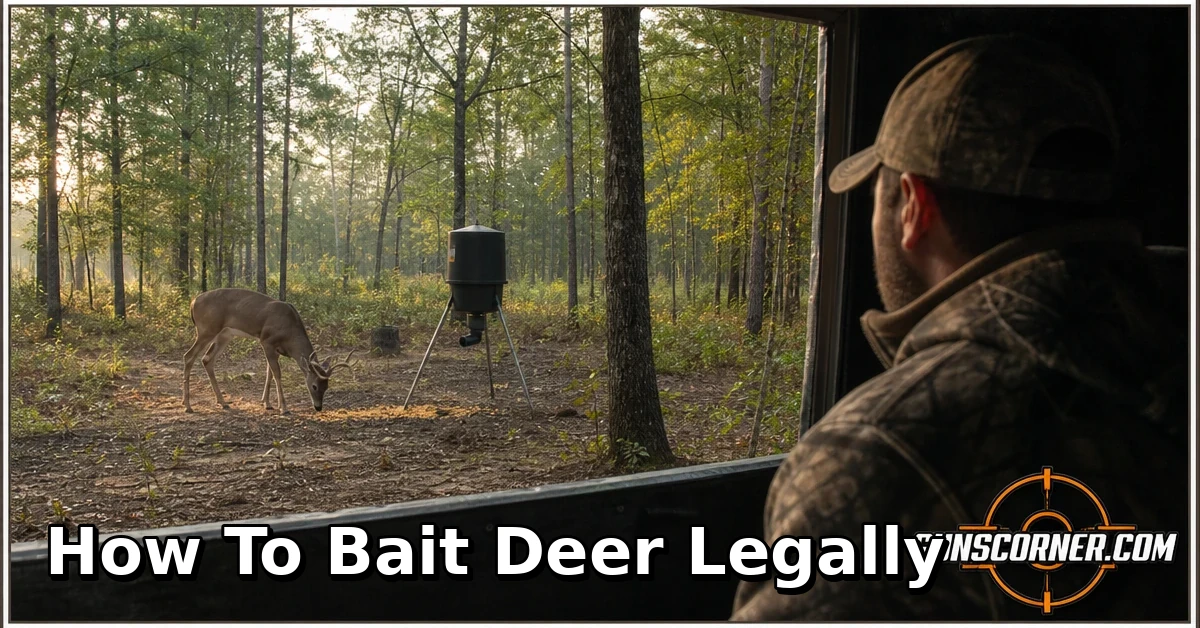

Learning how to bait deer legally requires more than placing food in the woods. Baiting rules vary widely by state, province, county, season, land type, and hunting method. This guide explains how to research the rules, prepare a lawful setup, scout responsibly, hunt safely, and avoid mistakes that can lead to violations or unsafe encounters.
To bait deer legally, first confirm that baiting is allowed for your species, location, season, land type, and weapon method. Check rules for approved attractants, placement distances, timing, removal periods, tags, legal shooting hours, and harvest reporting. Obtain landowner permission, place bait where it can be monitored safely, and take only a clearly identified, legal, ethical shot. If any rule is unclear, contact your official wildlife agency before hunting.
Important Legal and Safety Notice Before You Hunt
Deer-baiting regulations are not universal. Some jurisdictions allow limited baiting, while others prohibit it entirely or restrict it during certain seasons, in certain counties, or for particular hunting methods. Always verify current rules with your official wildlife agency before placing bait or hunting over it.
- Confirm your hunting license, permits, and deer tags.
- Check whether baiting is legal in the exact county, wildlife management area, or private property.
- Verify approved bait types, placement rules, quantity limits, and distance requirements.
- Check legal seasons, shooting hours, bag limits, weapon rules, and bait-removal requirements.
- Obtain permission before entering private land or placing bait.
- Follow hunter-orange or other visibility requirements.
- Identify the deer and what lies beyond it before considering any shot.
- Never shoot toward roads, homes, livestock, people, vehicles, trails, or unclear movement.
- Use safe firearm or bow handling, navigation, weather planning, hydration, and communication.
What “Baiting Deer” Means
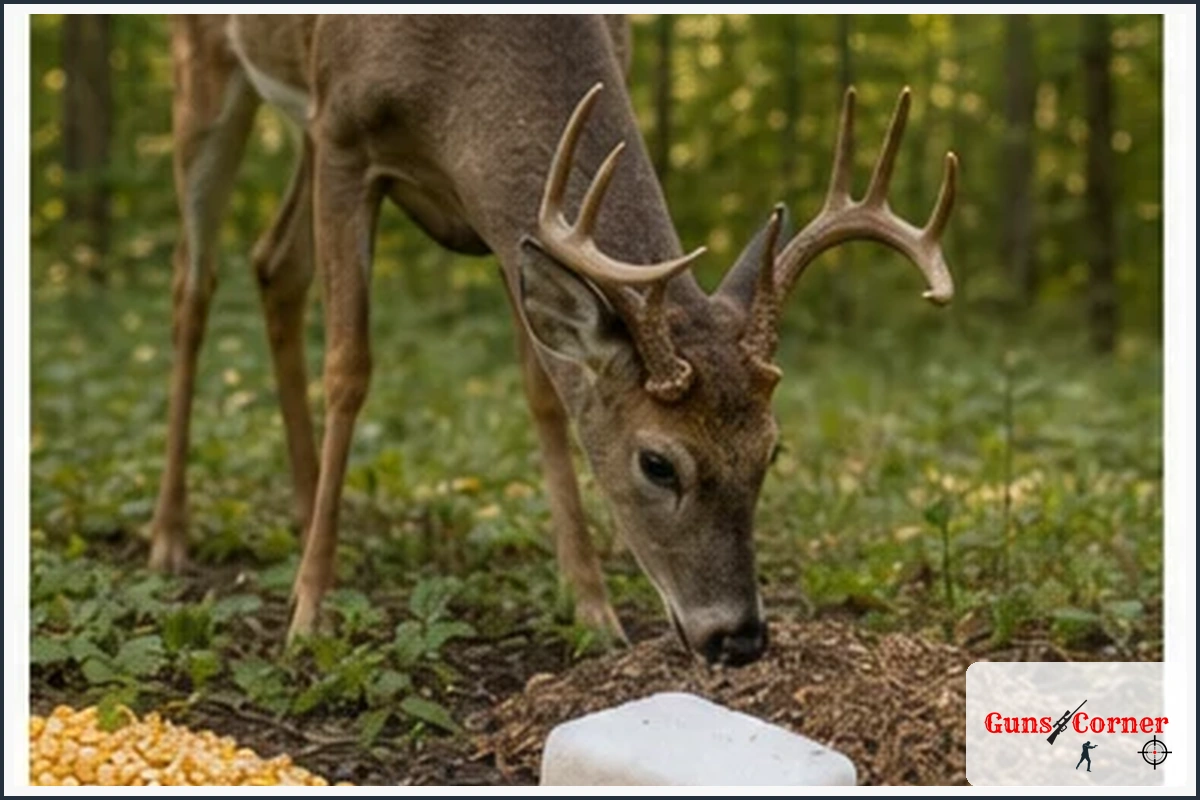
Baiting generally means placing food, minerals, or another attractant to influence deer movement or concentrate deer in a particular area. The legal definition may differ by jurisdiction. A food plot, naturally occurring food source, mineral site, feeding station, or supplemental feed may each be treated differently under local law.
Do not assume that a product sold for wildlife is legal to hunt over. Product labels, store advertisements, or advice from other hunters do not replace current wildlife regulations.
How to Bait Deer Legally: Step-by-Step
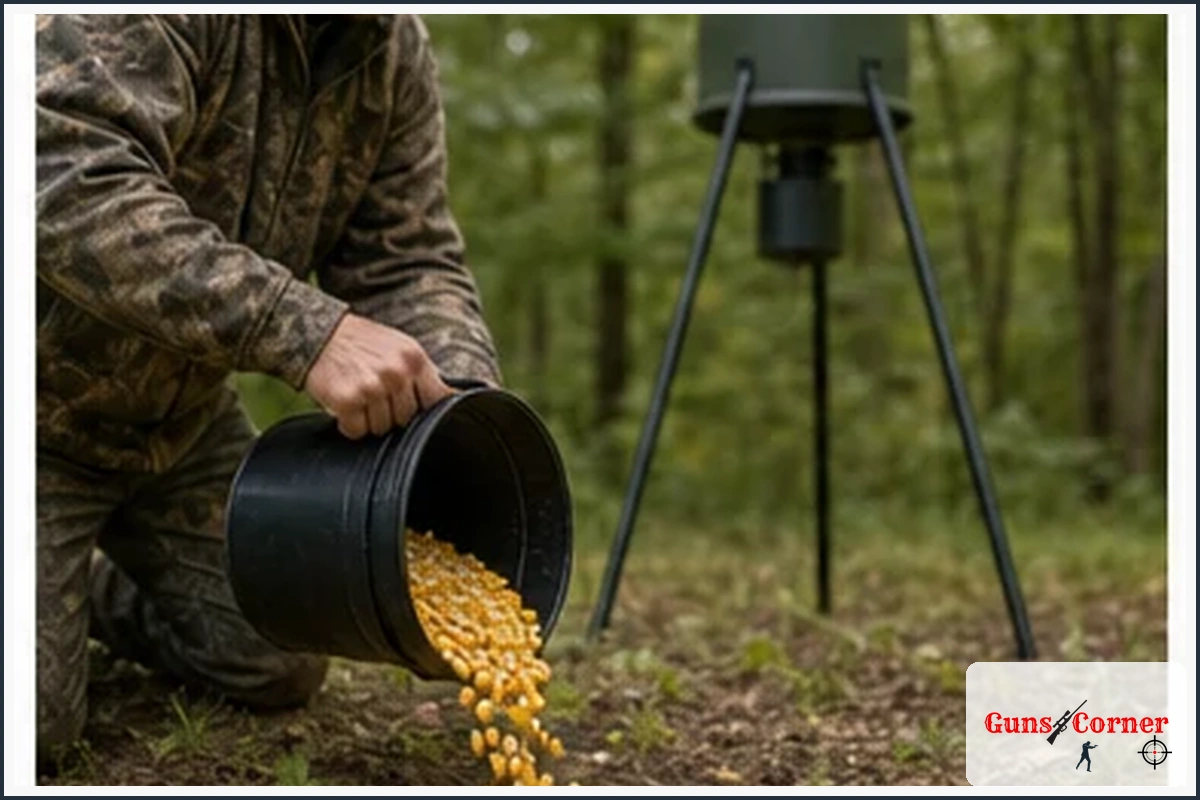
Step 1: Start With Official Regulations
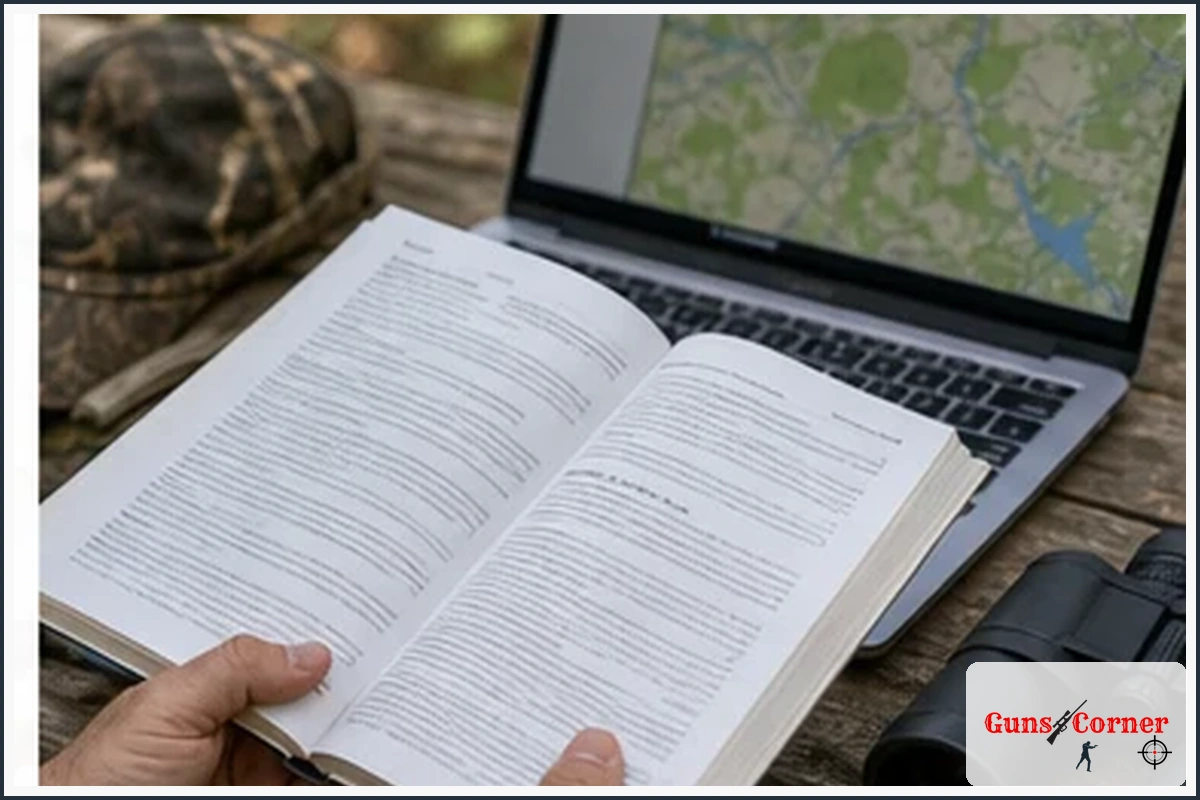
Find the current hunting regulations from your state, provincial, territorial, or national wildlife agency. Read the sections covering deer, baiting, supplemental feeding, attractants, private land, public land, and chronic wasting disease or other wildlife health rules.
Look for restrictions involving:
- Where bait may be placed
- What materials are allowed
- How far bait must be from roads, property lines, homes, or public areas
- How long bait must be removed before hunting
- Whether baiting rules differ for archery and firearms seasons
- Whether baiting is prohibited in certain disease-management zones
- Whether the rules apply differently on public and private land
If the wording is unclear, contact the wildlife agency or a conservation officer before acting. A written or clearly documented answer can help you avoid relying on incorrect local advice.
Step 2: Confirm Legal Land Access
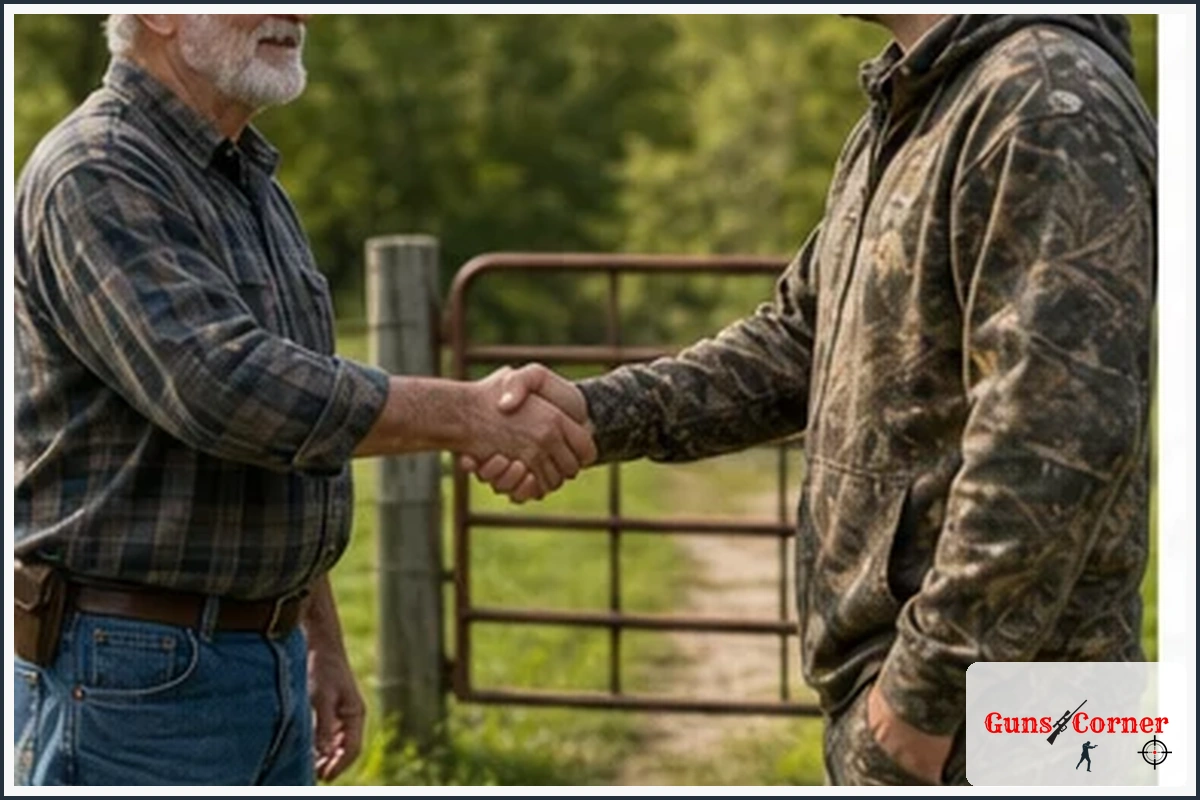
Private land requires the owner’s permission. Discuss where bait may be placed, how long it will remain, who may hunt, and how the property should be accessed. Respect gates, livestock, crops, buildings, and posted boundaries.
On public land, verify that baiting is permitted and that the specific property manager allows it. Use current maps to confirm boundaries, access routes, parking rules, and nearby private parcels. Never cross private property without permission.
Step 3: Choose a Responsible Bait Location
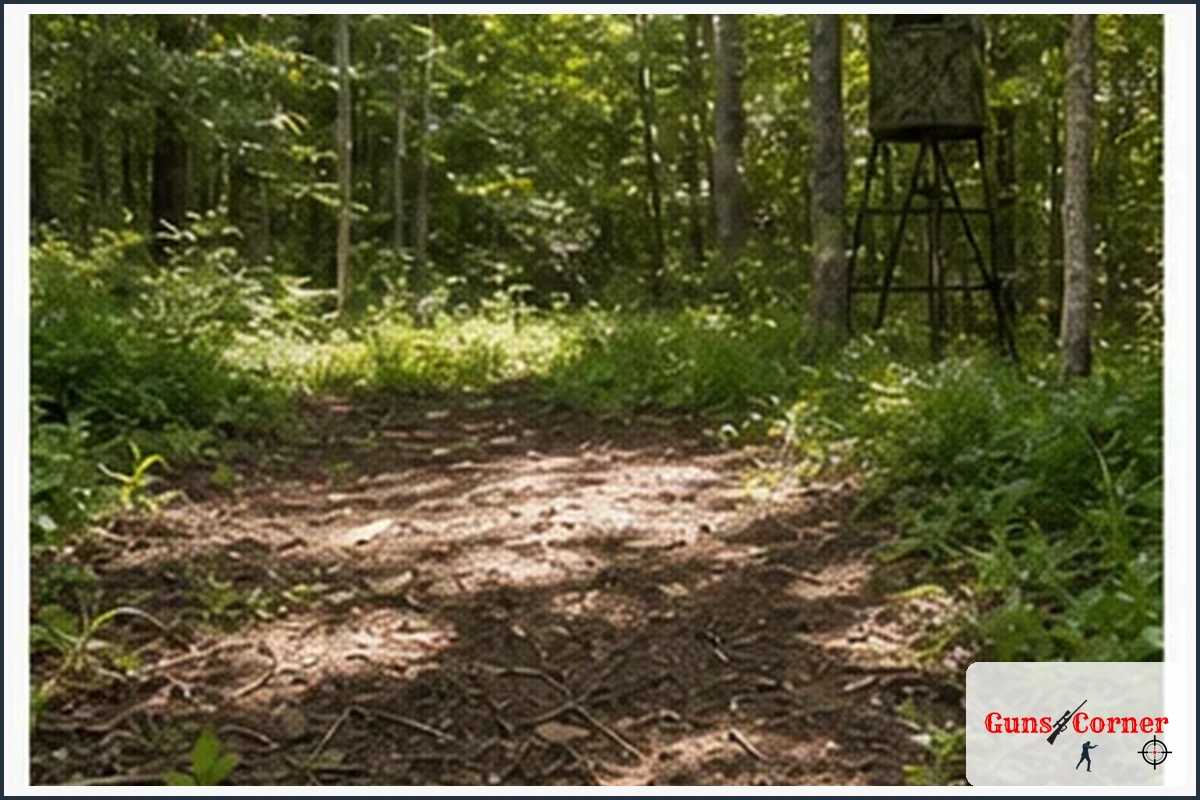
A legal bait site should also be safe and practical. Select a location that allows you to identify the deer clearly and maintain a safe shooting direction with a reliable backstop.
Avoid placing bait:
- Near roads, occupied buildings, campsites, or public trails
- Where a shot could travel toward homes, vehicles, livestock, or other hunters
- On property boundaries where access or ownership is uncertain
- In areas that create unsafe congestion among hunters
- In wetlands, sensitive habitat, or restricted areas
Step 4: Use Only Legal Materials
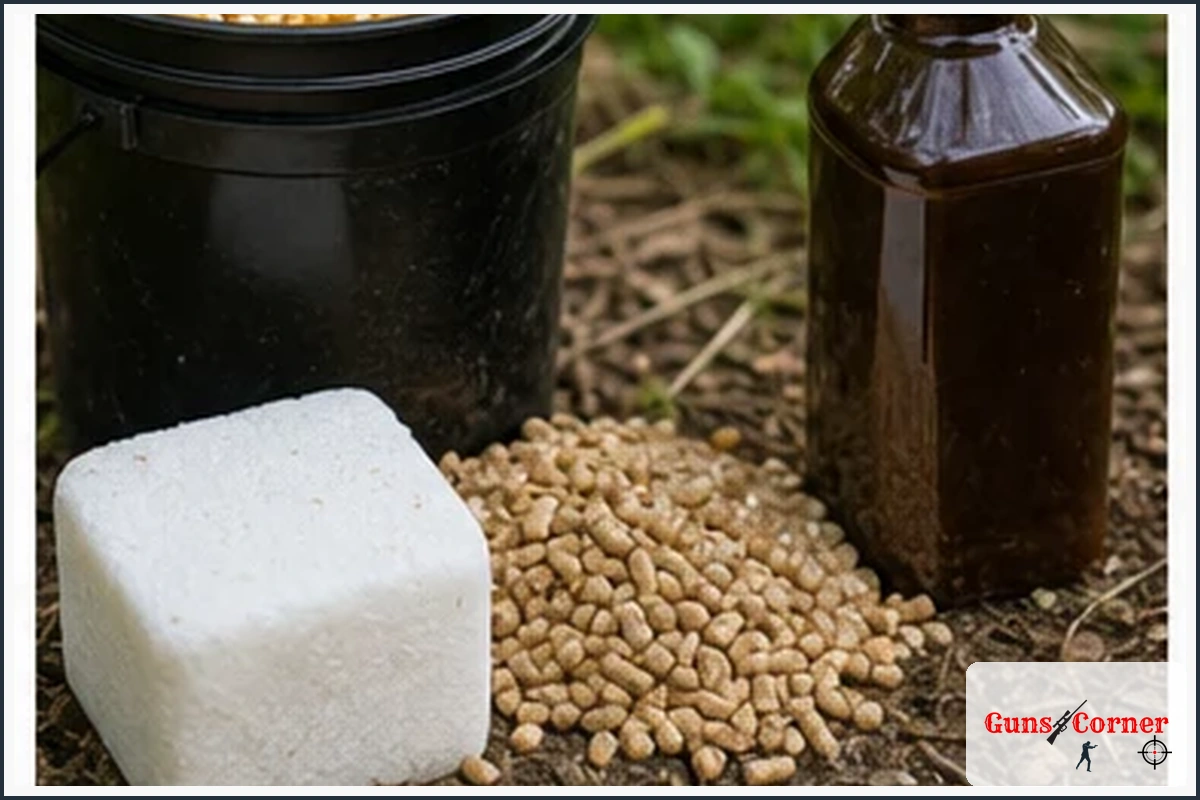
Use only attractants specifically allowed by current local rules. Depending on the jurisdiction, certain food products, minerals, liquids, or manufactured attractants may be restricted or prohibited.
Do not use materials that could harm wildlife, spread disease, contaminate water, or attract domestic animals and livestock. Never place illegal substances, toxic materials, or unapproved chemicals in the field.
Step 5: Document the Setup
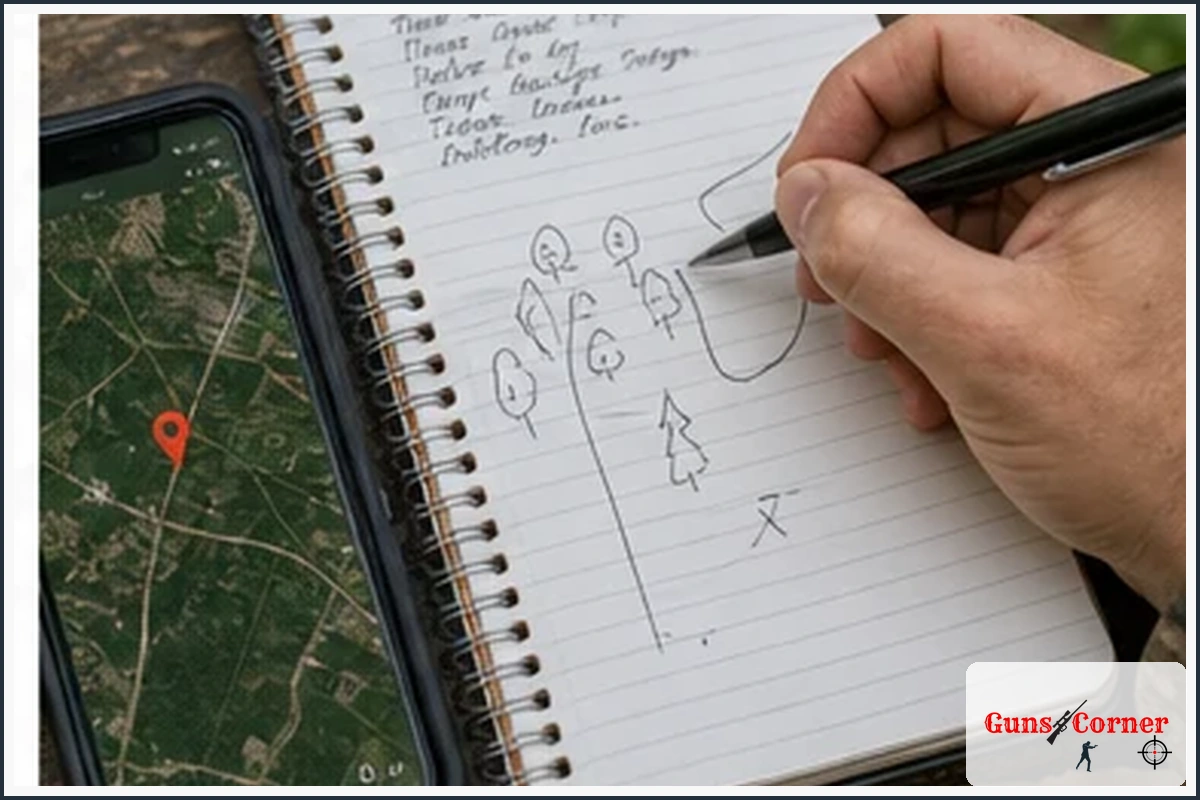
Keep notes about the date, location, material used, amount placed, and relevant regulation. A map or marked GPS point can help you monitor the site and remove bait when required.
Documentation is also useful when multiple hunters share private property. Everyone should understand the legal boundaries, access routes, bait locations, and hunting responsibilities.
Step 6: Scout the Surrounding Area
Bait does not replace scouting. Study the area for deer tracks, trails, bedding cover, water, natural food, rubs, scrapes, crossing points, and escape routes. Look for how deer approach the site rather than focusing only on the bait itself.
Use maps and quiet observation to identify:
- Likely travel corridors
- Wind patterns and thermals
- Safe entry and exit routes
- Nearby bedding and feeding cover
- Other hunters or public land users
- Property boundaries and no-shoot zones
Step 7: Plan Around Wind and Weather
Deer rely heavily on scent and may detect a hunter before becoming visible. Choose a setup that keeps your scent away from likely travel routes and the bait site when possible.
Wind direction can change during the day, especially in uneven terrain. Check the forecast, observe local conditions, and be prepared to skip a hunt if the wind would carry your scent into the area you expect deer to use.
Step 8: Prepare Your Blind or Stand Safely
Place a blind or stand where you can observe the bait and surrounding approaches without forcing an unsafe shot. Keep shooting lanes limited, clearly defined, and directed toward a safe backstop.
For tree stands, inspect the stand, ladder, straps, and platform before use. Wear a properly fitted full-body safety harness connected to the tree whenever you are off the ground. Use a haul line for equipment rather than climbing with a loaded firearm or bow.
For ground blinds, mark the location according to local visibility rules and inspect the interior for clear, safe movement. Do not block trails or create hazards for other hunters.
Step 9: Enter and Leave Without Disrupting the Area
Plan a quiet route that avoids bedding areas and minimizes scent contamination. Enter only when legal shooting hours and access rules allow. Avoid walking directly through the bait site or likely travel routes.
Leave carefully as well. If deer are nearby, wait when practical rather than forcing a noisy or unsafe exit. Always unload and secure firearms as required when leaving the hunting position.
Step 10: Observe Before Acting
Use binoculars when helpful and watch the entire area, not just the bait. Identify the animal, confirm its sex and legality where required, and make sure no person, livestock, vehicle, road, or building is behind the target.
Do not shoot at movement, partially hidden deer, deer obscured by brush, or animals outside your practiced range. Patience is more valuable than forcing an uncertain opportunity.
Step 11: Take Only a Safe and Ethical Shot
Take a shot only when the deer is clearly identified, the position is legal, the background is safe, and the opportunity is within your practiced ability. Bowhunters should know their effective range through repeated practice with their actual equipment. Firearm hunters should understand their sighting, ammunition, and safe field of fire.
If any part of the shot feels uncertain, do not take it. Passing on an unsafe opportunity is a mark of responsible hunting.
Step 12: Follow Recovery, Tagging, and Reporting Rules
Follow your jurisdiction’s requirements for tagging, transporting, checking, and reporting harvested deer. Begin recovery only when it is safe and legal to do so. If you are uncertain about what happened after a shot, follow local hunter education guidance and seek help from an experienced mentor or wildlife official.
Step 13: Remove Bait When Required
Remove bait according to the regulations. Some areas require complete removal before a specified period, while others may treat the area as baited for a period after removal. Do not assume that animals eating the last remaining material means the site is no longer baited.
Remove containers, bags, trail cameras, and other equipment when required or when the season ends. Leave the property clean and avoid damaging vegetation or soil.
Best Conditions for Hunting Over Legal Bait
Deer activity depends on season, weather, food availability, hunting pressure, cover, and local habitat. Bait may attract deer, but it does not guarantee that they will appear during legal shooting hours or use the site consistently.
- Use scouting to understand natural movement around the bait.
- Pay attention to changing wind direction and thermals.
- Expect activity patterns to change after pressure increases.
- Use caution during severe weather, flooding, ice, heat, or strong winds.
- Plan access so you do not disturb bedding or feeding areas unnecessarily.
- Check whether seasonal disease restrictions affect baiting in your area.
Hunting Gear Checklist
- Valid license, deer tag, permits, and regulation information
- Legal firearm or bow and appropriate legal ammunition or arrows
- Required hunter-orange or visibility clothing
- Weather-appropriate layers and durable boots
- Binoculars and a legal rangefinder if useful
- Map, compass, GPS, or hunting app
- First aid kit, water, food, flashlight, and emergency communication
- Full-body tree-stand harness if hunting from an elevated stand
- Gloves, game bags, cooler, and meat-care supplies
- Only the bait or attractant permitted by local regulations
Helpful Tips for Better Results
- Read the complete current regulation section instead of relying on a summary.
- Confirm baiting rules immediately before the season because regulations can change.
- Use a trail camera only where legal and avoid placing it on property you do not control.
- Keep bait sites away from unsafe shooting directions and high-traffic areas.
- Approach from downwind when possible.
- Practice with your firearm or bow before hunting.
- Carry a paper map in case your phone or GPS loses power.
- Keep a backup plan for changing wind or weather.
- Agree on bait locations and hunting schedules with other authorized hunters.
- Leave the site if another hunter’s position creates a safety concern.
Common Mistakes to Avoid
- Assuming baiting is legal because other hunters use it
- Using a product without checking whether it is an approved attractant
- Ignoring county, disease-zone, or public-land restrictions
- Hunting over bait before the required waiting period has passed
- Placing bait near a road, home, trail, or property boundary
- Failing to obtain landowner permission
- Ignoring wind direction and contaminating the area with scent
- Taking a shot through thick brush or without a safe backstop
- Climbing a tree stand without a full-body safety harness
- Forgetting tagging, reporting, transport, or bait-removal duties
- Leaving containers and discarded material in the woods
Troubleshooting Common Problems
| Problem | Possible Cause | What to Do |
|---|---|---|
| No deer are visiting the bait | Poor location, abundant natural food, weather, or heavy disturbance | Review scouting information, check regulations, reduce disturbance, and reassess legal access and habitat. |
| Deer visit only after dark | Hunting pressure, security cover, temperature, or local movement patterns | Do not alter legal hours. Improve scouting and consider whether the location is unsuitable for a lawful hunt. |
| Deer detect you before appearing | Wind, noisy entry, visible movement, or poor concealment | Change your entry route or setup and wait for a favorable wind. |
| You are unsure whether baiting is legal | Conflicting advice or unclear regulation language | Contact the official wildlife agency or conservation officer before placing bait or hunting. |
| Another hunter approaches the area | Shared public land, unclear boundaries, or poor communication | Unload or secure your firearm, identify yourself calmly, and maintain distance. Follow landowner or public-land rules. |
| Weather makes the setup unsafe | High winds, lightning, flooding, extreme cold, or poor visibility | Leave or postpone the hunt. Safety is more important than preserving a hunting opportunity. |
| You are uncertain about a shot | Unclear target, unsafe background, poor range, or obstructed view | Do not shoot. Wait for a safe opportunity or end the hunt. |
Ethical Hunting and Conservation
Legal baiting does not remove the responsibility to hunt fairly, safely, and respectfully. Follow seasons and limits, avoid waste, respect neighboring landowners and hunters, and pass on shots that are uncertain or beyond your skill.
Hunting licenses, permits, and regulated participation help fund wildlife management in many jurisdictions. Responsible hunters also protect habitat, report violations, prevent litter, and support conservation efforts. Avoid concentrating animals in ways that could spread disease or create conflicts with livestock, pets, or other wildlife.
When to Get More Training or Professional Guidance
Seek additional instruction if you have never handled a firearm or bow, have not completed hunter education, are unsure about local baiting rules, or do not understand land boundaries and safe shooting angles.
Useful sources of help include official hunter education courses, wildlife agencies, certified instructors, experienced ethical mentors, conservation organizations, and reputable hunting clubs. A mentor can also help with scouting, stand safety, recovery, reporting, and meat care.
After the Hunt: Follow-Up, Gear Care, and Learning
- Complete all required tagging and harvest reporting.
- Follow legal transport and carcass-handling rules.
- Cool and care for meat promptly and responsibly.
- Clean, dry, and store firearms, bows, clothing, stands, and navigation equipment.
- Remove bait and equipment when required.
- Record weather, wind, deer activity, access routes, and lessons learned.
- Leave the property cleaner than you found it.
Frequently Asked Questions
Is it legal to bait deer everywhere?
No. Baiting laws vary by jurisdiction, property type, season, disease zone, and hunting method. Check current official regulations before hunting.
What is considered deer bait?
The definition varies. Food, minerals, liquids, feed, and other attractants may be regulated differently. Follow the legal definition used by your wildlife agency.
Can I hunt over a food plot?
Food plots may be treated differently from placed bait, but the rules vary. Confirm the local definition and any restrictions before hunting over one.
Can I use mineral supplements to attract deer?
Only if your local regulations allow them. Some jurisdictions restrict or prohibit minerals, especially in disease-management areas.
Can I place bait on public land?
Only where the public-land manager and wildlife regulations allow it. Verify access, placement, removal, and hunter-conflict rules.
Do I need permission to place bait on private land?
Yes. Obtain permission from the landowner or authorized manager before entering, placing bait, installing equipment, or hunting.
How far should bait be from a road or home?
There is no universal distance. Your local regulations may specify distances, but you should also maintain a safe shooting direction away from roads, homes, vehicles, and people.
Can bait be placed near a property line?
It may be legal in some areas, but it can create access and safety problems. Confirm boundaries and obtain permission before placing bait near another property.
How long must bait be removed before hunting?
The required period varies. Some jurisdictions define when an area is no longer considered baited. Check current regulations rather than relying on assumptions.
Can deer still be hunted after bait is removed?
That depends on local law and how it defines a baited area. Do not hunt until the applicable removal period has clearly passed.
Can I use apples or corn as deer bait?
Only if those materials are legal in your exact location and season. Common food does not automatically mean legal bait.
Can I use commercial deer attractants?
Check the product ingredients and local regulations. A commercial label cannot make an otherwise prohibited attractant legal.
Does bait guarantee deer will appear during shooting hours?
No. Deer movement depends on habitat, weather, pressure, food availability, scent, and seasonal behavior.
Where should a legal bait site be placed?
Place it only in a legal location with landowner permission, safe shooting lanes, a reliable backstop, favorable wind options, and minimal conflict with other users.
Should bait be placed near bedding cover?
Use caution. Disturbing bedding areas can reduce deer activity and create poor recovery or safety conditions. Scout first and avoid unnecessary intrusion.
Does wind direction matter when hunting over bait?
Yes. Deer may detect human scent before approaching. Plan entry, exit, and stand placement around prevailing wind and changing thermals.
Can I use a tree stand over bait?
Only if baiting and the stand are legal in your area. Use a full-body harness, inspect the equipment, and maintain safe shooting angles.
Can I use a ground blind over bait?
Often the answer depends on local rules and visibility requirements. Set it where you can identify the target and maintain a safe backstop.
What firearm safety rules apply when hunting over bait?
Keep the muzzle pointed safely, treat every firearm as loaded, keep your finger outside the trigger guard until ready, identify the target, and know what lies beyond it.
What bowhunting safety rules apply?
Use safe broadheads, transport arrows carefully, practice with your actual equipment, know your effective range, and take only a clear shot within your ability.
Can I shoot a deer while it is eating bait?
Only if the hunt, bait, season, weapon, target, and shot are legal and the background is safe. Eating at bait does not remove the need for ethical shot discipline.
Should I shoot through brush to reach a deer?
No. Brush can deflect projectiles and prevent a clean, ethical opportunity. Wait for a clear view or pass on the shot.
Can I hunt over bait at night?
Generally, legal hunting hours must be followed, but exact rules vary. Never assume nighttime hunting is permitted.
Can I use trail cameras at a bait site?
Check current regulations and land-management rules. Some areas restrict cameras, placement, or use during certain seasons.
Can bait attract animals other than deer?
Yes. Bait may attract livestock, pets, bears, hogs, rodents, and other wildlife. Consider safety, disease, property, and local regulations.
What should I do if bait attracts livestock?
Stop using the site if it creates a conflict, notify the landowner, and remove the material as required. Never shoot near livestock.
What should I do if another hunter is near my bait site?
Do not confront the person aggressively. Secure your firearm, maintain distance, communicate calmly, and follow landowner or public-land procedures.
Can I bait deer near a hiking trail?
Avoid it. Check local distance rules and never create a hazard or conflict for hikers, hunters, or other public-land users.
How can I scout a bait site?
Look for tracks, trails, bedding cover, water, natural food, rubs, scrapes, and approach routes. Use maps to confirm boundaries and safe access.
How often should I check a bait site?
Check it only as often as necessary and legally permitted. Excessive visits create scent and disturbance and may violate access or equipment rules.
What if the regulations are unclear?
Contact the official wildlife agency or conservation officer before placing bait or hunting. Do not rely solely on social media, product labels, or informal advice.
Do baiting rules change during archery and firearm seasons?
They may. Verify rules for each season and hunting method before participating.
Do disease regulations affect deer baiting?
They can. Wildlife agencies may restrict feeding or baiting in areas affected by chronic wasting disease or other concerns. Check current disease-management rules.
What should I do after harvesting a deer?
Follow local tagging, reporting, transport, and meat-care requirements. Handle the harvest responsibly and remove bait or equipment as required.
Can I leave bait containers in the woods?
Do not litter. Remove containers and equipment when required or when the site is no longer in use.
Is baiting more effective than scouting?
No method guarantees success. Scouting remains essential for understanding deer movement, access, wind, safety, and legal setup options.
What is the biggest beginner mistake when baiting deer?
The biggest mistake is assuming a setup is legal because another hunter uses it. Always verify current rules for the exact location and season.
Should beginners hunt over bait alone?
Beginners should consider completing hunter education and hunting with an experienced, ethical mentor, especially when using firearms, tree stands, or unfamiliar public land.
Is baiting ethical?
Ethical opinions vary, but responsible hunters must follow the law, avoid unsafe concentration of animals, prevent waste, respect wildlife, and pass on poor shot opportunities.
What if a deer approaches from an unsafe direction?
Do not shoot. Wait for the deer to move into a safe position or allow the opportunity to pass.
How can I improve after a baited deer hunt?
Review your wind, access route, deer observations, weather, setup, and decision-making. Keep notes and adjust only within legal and ethical limits.
Final Thoughts
Learning how to bait deer legally starts with current regulations, lawful access, safe placement, careful scouting, and disciplined shot selection. Bait can influence movement, but it cannot replace preparation, practice, patience, or respect for wildlife.
Before every hunt, verify the rules with your official wildlife agency, use safe equipment, respect landowners and other hunters, and pass on any uncertain opportunity. Responsible deer hunting protects people, wildlife, habitat, and the future of conservation.