
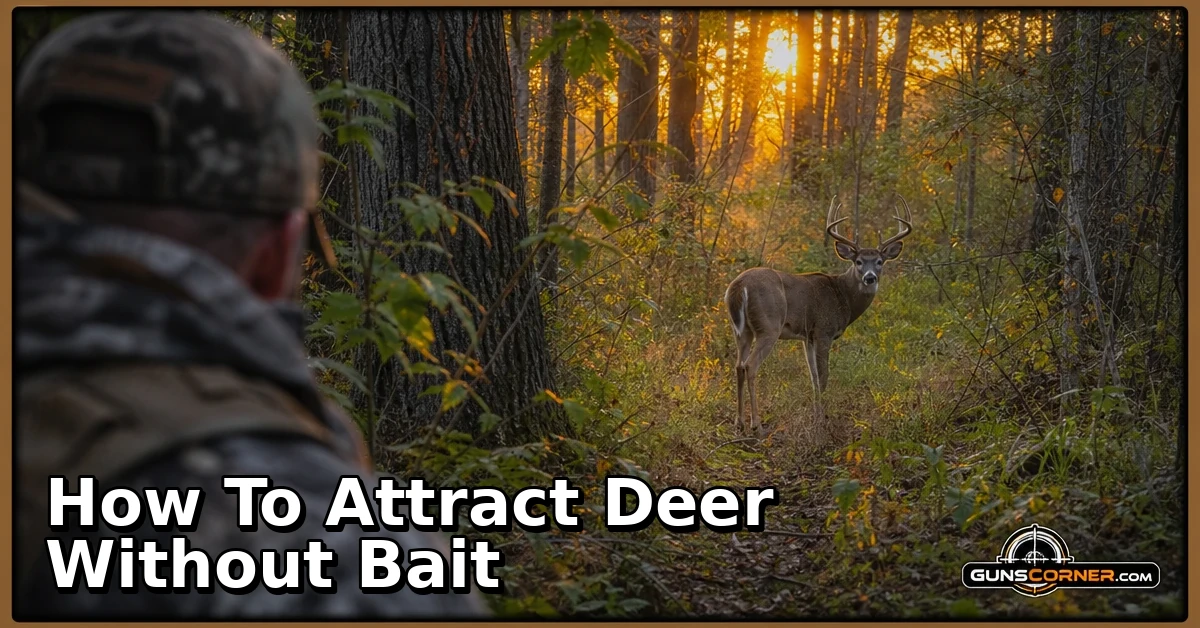

Learning how to attract deer without bait starts with understanding natural food, cover, water, travel routes, and seasonal behavior. Instead of placing feed illegally, hunters can improve their odds by scouting carefully, using legal habitat practices, and setting up where deer already feel secure. This guide explains practical, beginner-friendly methods for attracting and hunting deer responsibly while following local regulations.
To attract deer without bait, identify natural food sources, water, bedding cover, and travel corridors, then hunt near those areas without disturbing them. Legal habitat improvements such as native browse, suitable cover, mineral use where permitted, and mock scrapes may help deer use an area more consistently. Always verify local rules before using attractants, minerals, calls, food plots, or scent products, and take only a safe, ethical shot within your ability.
Important Legal and Safety Notice Before You Hunt
Deer hunting regulations vary by state, province, county, season, land type, and weapon. Before hunting, check your official wildlife agency for current requirements.
- Valid hunting license, permits, and deer tags
- Season dates, legal hunting hours, and bag limits
- Rules covering bait, minerals, food plots, scents, and attractants
- Legal firearms, archery equipment, ammunition, and broadheads
- Private-land permission and public-land boundaries
- Required hunter orange or other visibility clothing
- Safe firearm or bow handling and target identification
- Weather, navigation, communication, and emergency planning
Complete a hunter education course if required or if you are new to hunting. A qualified instructor or experienced mentor can help you develop safe field habits.
What Attracting Deer Without Bait Really Means
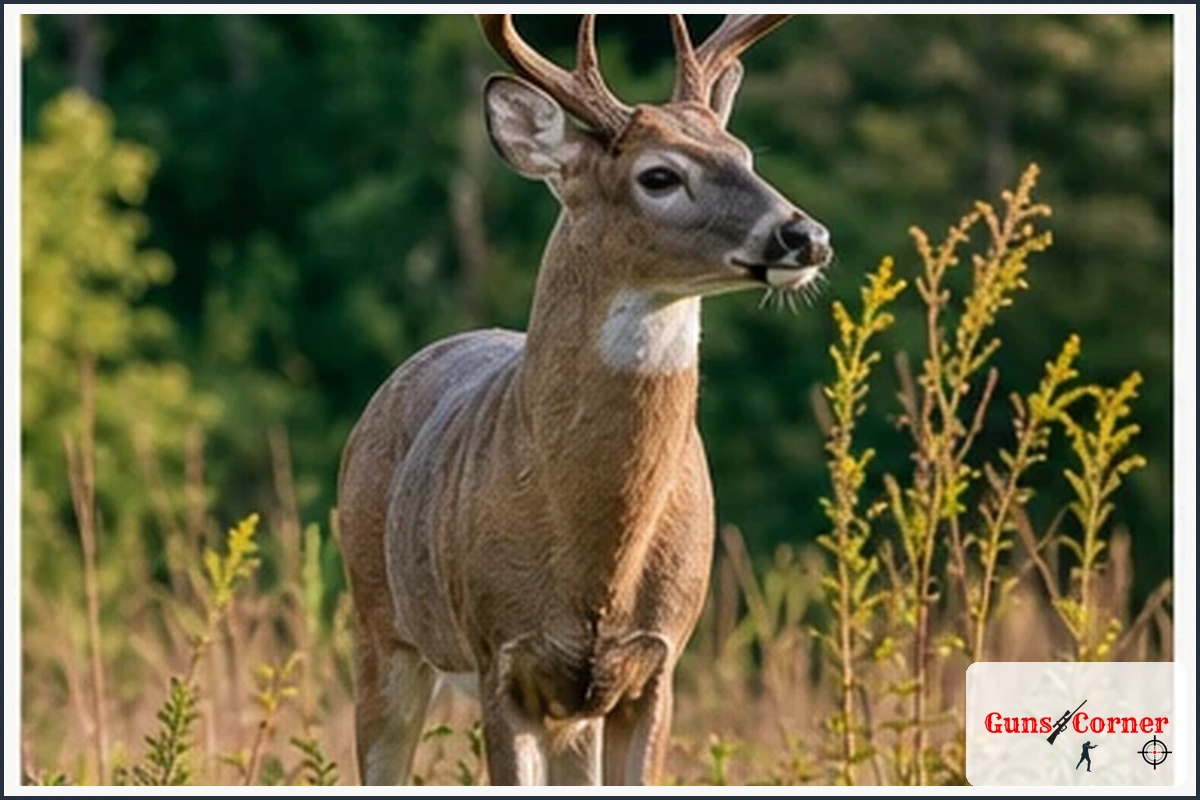
Non-bait deer hunting is not about forcing deer to appear. It means making legal use of the habitat and natural behavior already present. Deer commonly respond to food availability, security cover, water, seasonal movement, low disturbance, and familiar travel routes.
The most reliable approach is usually to find where deer already want to go rather than trying to create an artificial destination. On public land, this may mean locating overlooked food or cover. On private land, it may involve carefully planned habitat improvements that comply with local rules.
Natural Deer Attractants to Look For
Natural Food Sources
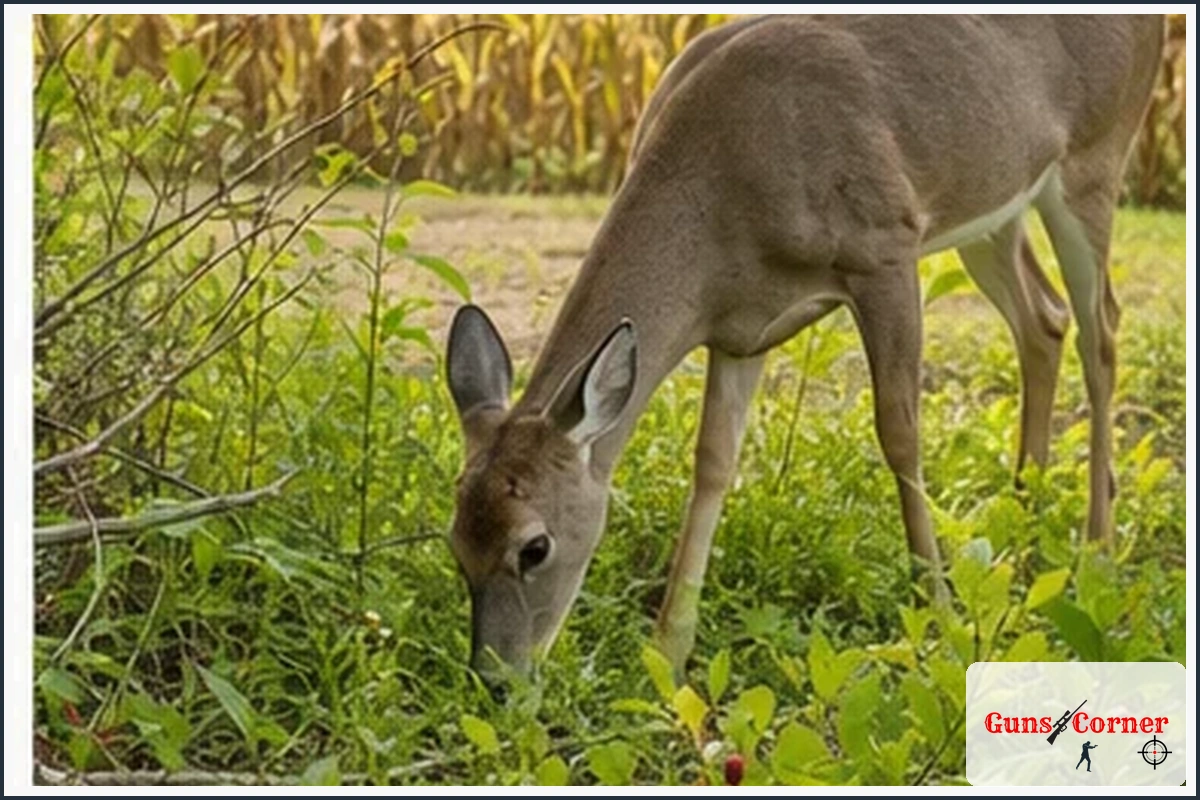
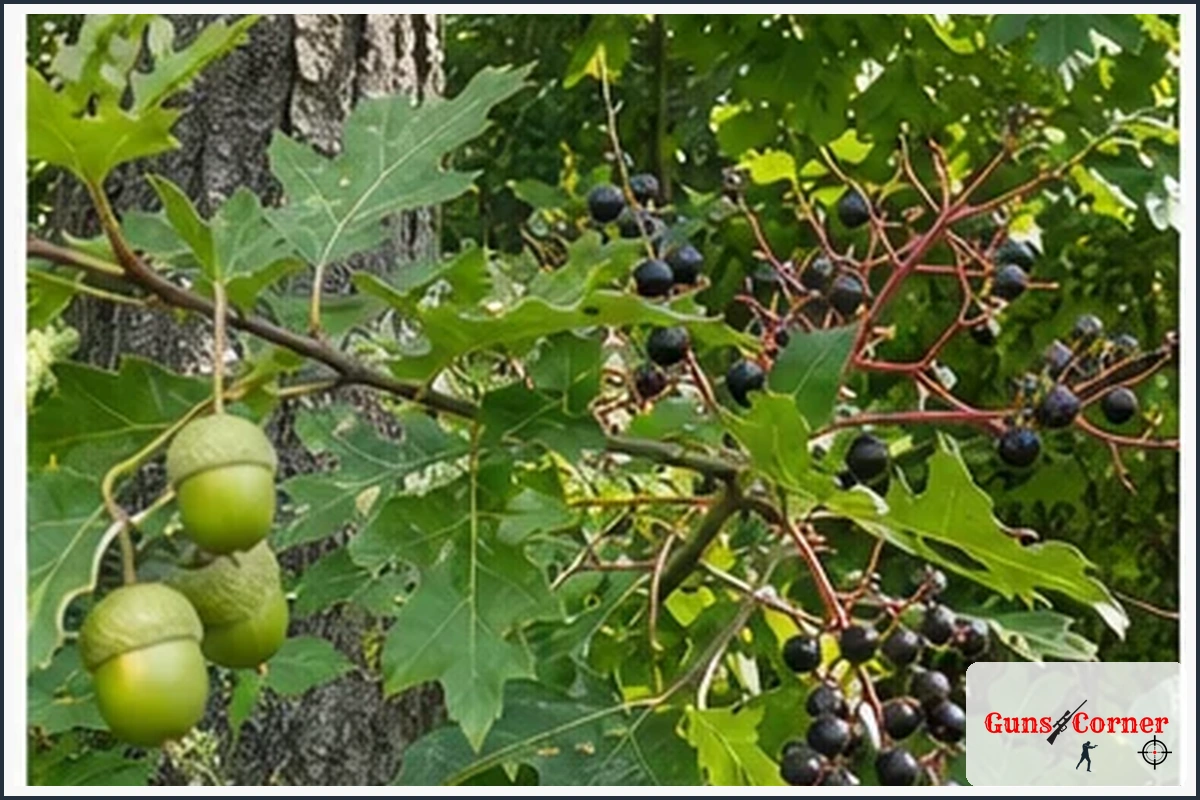
Search for the foods naturally available in your area. Depending on the habitat and season, these may include acorns, agricultural edges, native browse, soft mast, fruits, grasses, and woody plants. Do not assume that a food source is legal to manipulate or enhance without checking local regulations.
Water
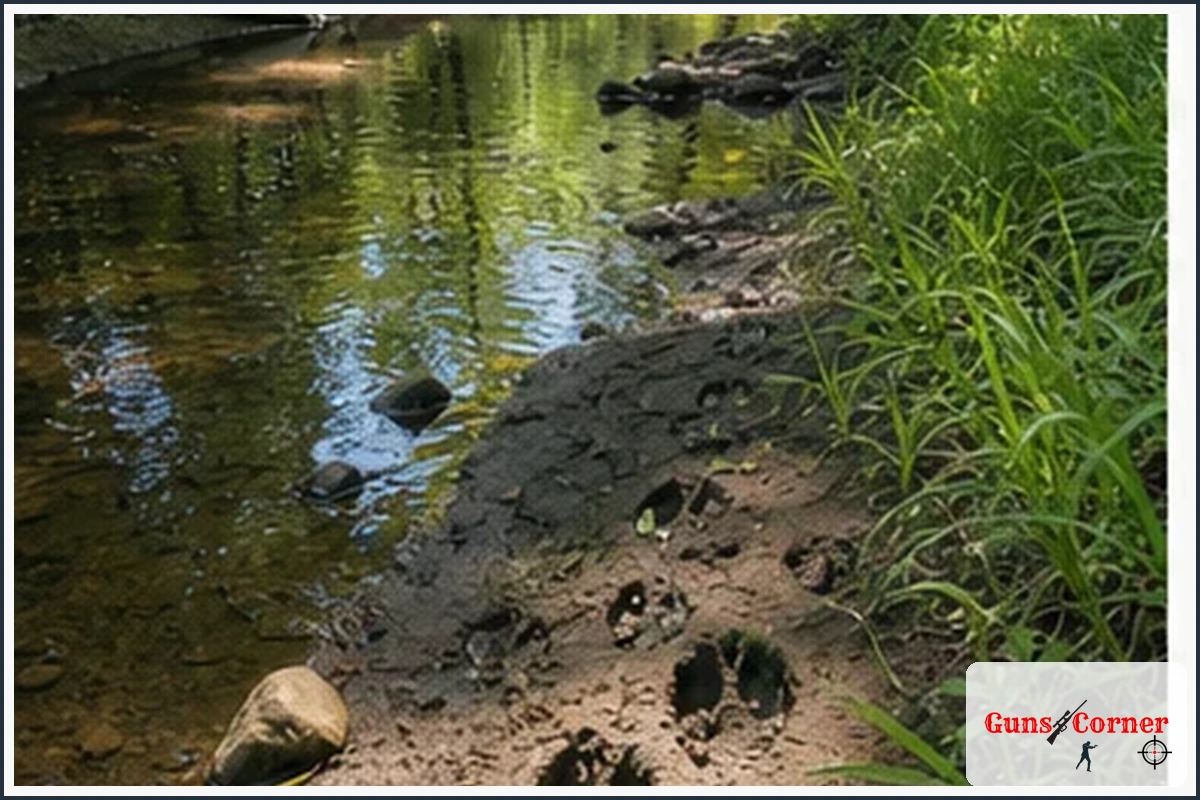
Small ponds, creeks, springs, and other dependable water sources can influence deer movement, especially during warm or dry conditions. Look for tracks, muddy entry points, worn trails, and nearby cover.
Bedding Cover
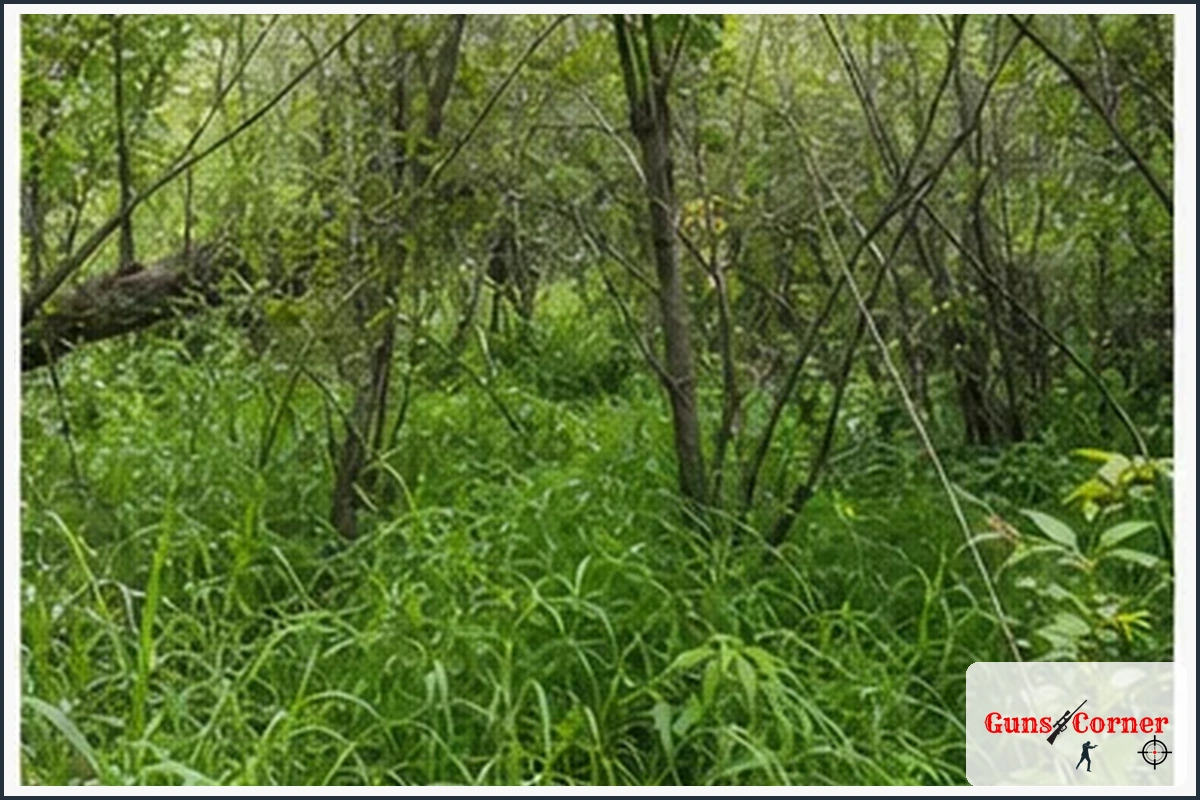
Deer often favor areas that provide concealment and security. Dense brush, young forest growth, tall grass, and protected slopes may serve as bedding cover. Avoid walking through these areas unnecessarily because disturbance can change deer movement.
Travel Corridors
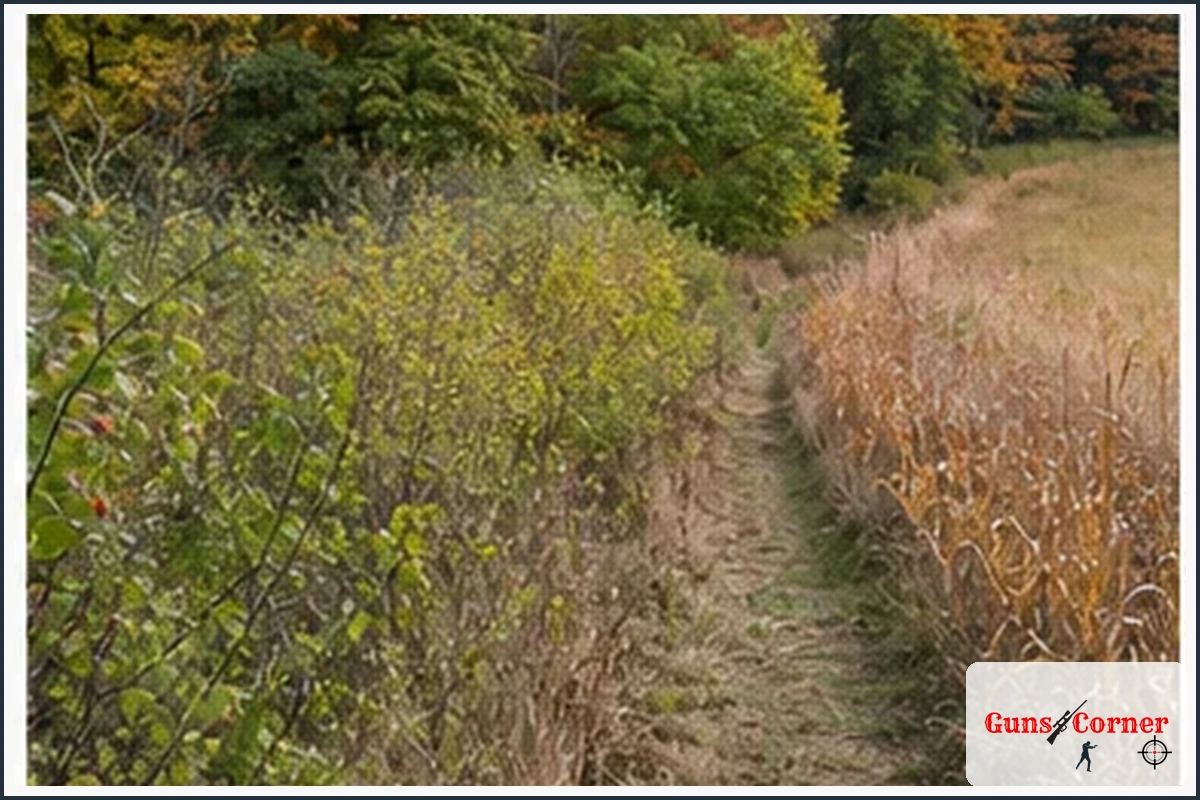
Deer frequently move between bedding cover, food, and water along ridges, field edges, saddles, creek crossings, funnels, and low-impact trails. These routes can be more useful than trying to attract deer to a random location.
Minerals and Attractant Products
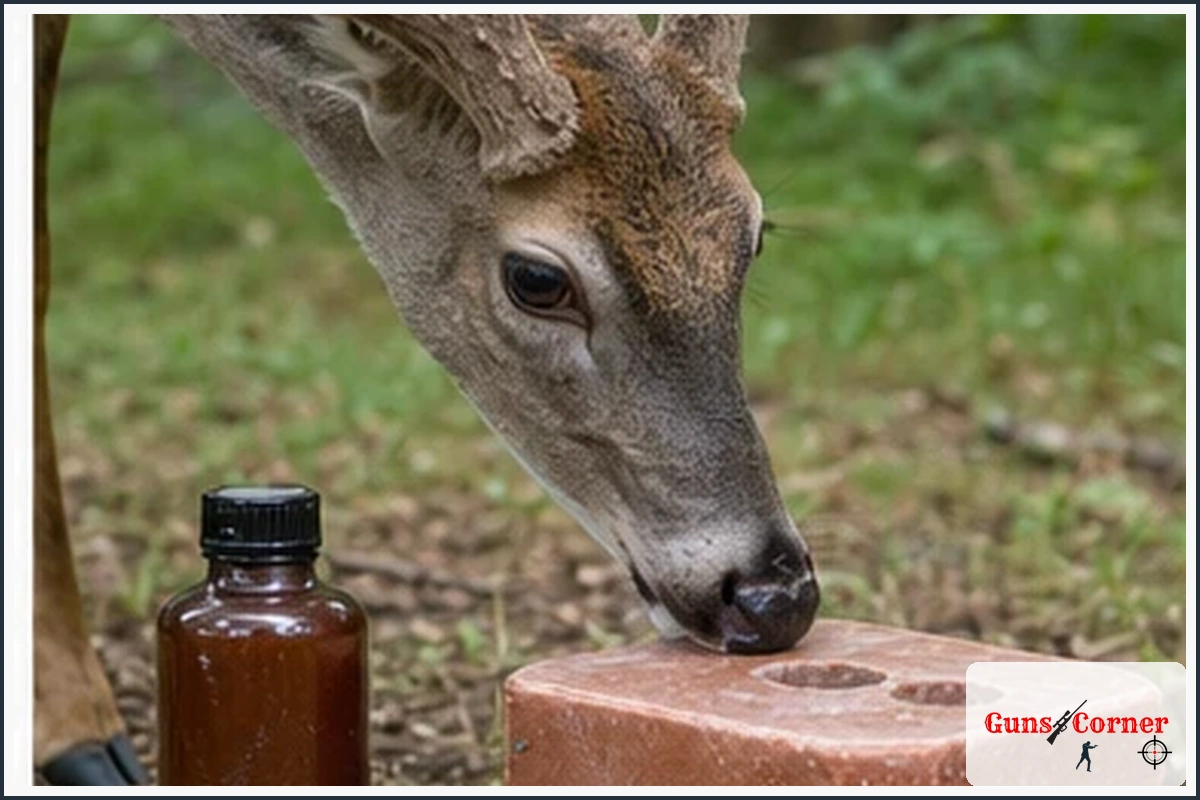
Mineral sites, salt, scent products, and other attractants are regulated differently in different places. Some are legal only during certain periods, while others may be prohibited for hunting or entirely illegal. Never place or hunt over an attractant until you have confirmed the current rules with your wildlife agency.
How to Attract Deer Without Bait: Step-by-Step Guide
Step 1: Check the Regulations First
Before changing habitat or placing any product, review the rules for bait, mineral supplements, food plots, scent, feeding, supplemental forage, and hunting over recently altered areas. Also confirm legal seasons, tags, weapon restrictions, hunting hours, and harvest reporting requirements.
Step 2: Choose Legal Land
Verify property boundaries before scouting or hunting. Obtain clear permission for private land and follow all landowner instructions about gates, livestock, parking, access routes, and cleanup. On public land, use current maps and confirm that roads, trails, parcels, and access points are legal.
Step 3: Scout From a Distance
Begin with maps, aerial imagery, and low-impact observation. Look for the relationship between food, water, bedding cover, and travel corridors. Useful signs may include tracks, droppings, rubs, scrapes, trails, browsing, and worn crossings.
Step 4: Identify the Best Natural Food
Determine what deer are eating during the current season. A food source that was attractive earlier may be less important later. Check field edges, mast-producing trees, browse lines, and natural openings without repeatedly walking through high-use areas.
Step 5: Protect Security Cover
Deer are more likely to use areas where they feel safe. Avoid unnecessary cutting, noise, vehicle traffic, and repeated visits near bedding cover. If habitat work is legal on private land, focus on maintaining a variety of mature cover, young growth, and travel connections rather than creating a single artificial feeding point.
Step 6: Locate Water and Travel Routes
Connect the major habitat features on a map. A narrow route between bedding cover and food, a saddle between ridges, or a creek crossing may concentrate movement naturally. Confirm sign before choosing a hunting setup.
Step 7: Consider Legal Habitat Improvements
On private property, habitat improvements may include native plantings, selective vegetation management, prescribed habitat work conducted safely, or legal food plots. Use local wildlife-agency or habitat-specialist guidance, and confirm that the practice is allowed under hunting and land-management rules.
Step 8: Use Mock Scrapes Only Where Legal
Mock scrapes can imitate a natural communication site, but they are not a guaranteed attractant. If legal, place one near an existing travel route and avoid excessive disturbance. Do not use substances or materials prohibited by local regulations.
Step 9: Plan Around Wind Direction
Choose an entry route and hunting position that keep your scent away from likely deer travel. Check the wind before leaving and again after arriving. If the wind is wrong for the location, move to another legal setup or leave rather than forcing the hunt.
Step 10: Set Up Safely
Use a ground blind, natural cover, or tree stand appropriate for the terrain and legal method. For a tree stand, inspect the equipment, use a full-body safety harness, maintain three points of contact while climbing, and follow the manufacturer’s instructions. Keep firearms unloaded until appropriate and safe, and transport bows with broadheads protected.
Step 11: Observe Before Acting
Stay patient and watch the entire area. Use binoculars when helpful, limit movement, and identify the animal clearly. Do not shoot toward roads, homes, livestock, people, vehicles, trails, or uncertain movement.
Step 12: Take Only an Ethical Shot
Take a shot only when the deer is legal to harvest, clearly identified, within your practiced range, and positioned with a safe background. If any part of the shot is uncertain, wait or pass. A legal opportunity is not always an ethical opportunity.
Step 13: Follow Recovery and Reporting Rules
After a successful hunt, follow local requirements for tagging, transportation, harvest reporting, and recovery. Handle the animal respectfully and arrange prompt cooling and legal meat care according to local conditions and regulations.
Best Places to Attract Deer Without Bait
- Edges between bedding cover and natural food
- Ridge saddles and terrain funnels
- Creek crossings and narrow drainage routes
- Quiet field edges with fresh deer sign
- Natural openings surrounded by security cover
- Areas connecting water, food, and bedding habitat
The best place is not always the area with the most visible sign. Look for fresh sign located near a safe, legal, and practical hunting position with a favorable wind.
Best Time and Conditions
Deer movement changes with season, weather, hunting pressure, food availability, and local habitat. Cooler conditions may increase daytime movement, while heavy pressure can push deer into thicker or less accessible cover. Wind direction is especially important because a good location can fail if your scent reaches the deer.
Scout before the season when possible, but reduce disturbance close to the hunt. After major weather changes, reassess food sources, water availability, and travel routes rather than assuming an old pattern remains unchanged.
Helpful Tips for Better Results
- Learn to identify fresh deer tracks, rubs, scrapes, and browsing.
- Use maps to connect food, water, bedding cover, and travel corridors.
- Approach from the least disruptive direction.
- Check wind direction before entering and while hunting.
- Keep scouting visits short near bedding areas.
- Practice with your firearm or bow before the season.
- Keep a log of weather, wind, sign, deer sightings, and hunting pressure.
- Use simple gear that improves safety rather than carrying unnecessary equipment.
- Pass on any shot that is outside your ability or has an unsafe background.
Common Mistakes to Avoid
- Assuming every attractant is legal because it is sold commercially
- Hunting over a mineral or scent site without checking current rules
- Walking through bedding cover during scouting
- Ignoring wind direction
- Choosing a location based on old sign only
- Entering through the area where deer are likely bedded
- Failing to confirm private property boundaries
- Taking an uncertain shot because deer movement is slow
- Using a tree stand without a full-body harness
- Forgetting tags, reporting requirements, or meat-care equipment
Troubleshooting Common Problems
| Problem | Possible Cause | What to Do |
|---|---|---|
| You are not seeing deer | Wrong location, stale sign, poor timing, or heavy pressure | Recheck food, water, bedding cover, and fresh trails. Move only after confirming a better legal setup. |
| Deer detect you before appearing | Wind, noise, movement, or a poor entry route | Change your approach, improve concealment, and hunt only when the wind is favorable. |
| There is plenty of sign but no daytime activity | Deer may be moving after dark or under heavy pressure | Study nearby bedding cover and low-impact routes, then adjust timing within legal hunting hours. |
| You are unsure whether an attractant is legal | Rules vary by location and season | Contact the official wildlife agency before placing or hunting over it. |
| Wind changes during the hunt | Shifting weather or terrain effects | Stop moving, reassess the setup, and leave safely if the wind compromises the hunt. |
| You are uncertain about a shot | Unclear target, range, background, or personal ability | Do not shoot. Wait for a safe opportunity or pass entirely. |
Ethical Hunting and Conservation
Ethical deer hunting means respecting wildlife, landowners, other hunters, and the habitat. Follow seasons and bag limits, avoid waste, use legal methods, and pass on unsafe opportunities. Hunting licenses and lawful participation support wildlife conservation, but hunters also help by leaving access areas clean and reporting violations through proper channels.
Attracting deer without bait should never mean manipulating wildlife in a way that violates regulations or creates unsafe concentrations. Protect natural habitat, minimize disturbance, and treat every harvest as a responsibility.
When to Get More Training or Professional Guidance
Seek additional instruction if you have never handled a firearm or bow, are unsure about local regulations, cannot identify legal property boundaries, or lack confidence in safe shooting and game recovery.
Helpful resources include official hunter education courses, wildlife agencies, certified instructors, conservation organizations, reputable hunting clubs, and experienced ethical mentors.
After the Hunt: Gear Care and Learning
- Unload and secure firearms according to manufacturer and hunter-education guidance.
- Inspect, dry, and store bows, stands, boots, optics, and navigation equipment.
- Record weather, wind, deer sign, sightings, and pressure.
- Complete required tagging and harvest reporting.
- Cool and transport meat responsibly according to local requirements.
- Review what worked and make one or two practical improvements before the next hunt.
Recommended Hunting Gear and Tools to Consider
You do not need expensive gear to hunt responsibly. Choose equipment based on local law, terrain, weather, hunting method, safety needs, and experience.
- Legal firearm or archery equipment
- Weather-appropriate clothing and required visibility gear
- Quiet, supportive boots
- Binoculars
- Map, compass, GPS, or reliable hunting app
- First aid kit, water, food, and emergency communication
- Full-body tree-stand harness when applicable
- Gloves, game bags, cooler, and meat-care supplies
- Headlamp and spare batteries
Frequently Asked Questions
Can you attract deer without bait?
Yes. You can hunt near natural food, water, cover, and travel routes, and on private land you may be able to make legal habitat improvements. Rules vary, so verify local regulations first.
What naturally attracts deer?
Natural food, dependable water, bedding cover, security habitat, and low-disturbance travel corridors commonly influence deer movement.
Is a food plot considered bait?
It depends on local law and how the area is established or hunted. Check your wildlife agency before planting or hunting over a food plot.
Are mineral sites legal for deer hunting?
Mineral and salt rules vary widely. Some locations restrict or prohibit them, especially during certain seasons. Confirm the current rules before using one.
Do deer prefer food or cover?
Deer need both. Food may draw movement, but secure bedding and escape cover can determine where deer spend daylight hours.
How do I find natural deer food?
Look for browse, mast-producing trees, agricultural edges, fruits, and fresh feeding sign. Identify what is available during the current season.
How can I attract deer to private land legally?
Start with permission, boundary checks, and local regulations. Protect existing cover, improve habitat only where allowed, and avoid prohibited feeding or attractants.
How can I find deer on public land without bait?
Use maps and scouting to locate food, water, bedding cover, funnels, and overlooked terrain. Verify boundaries and respect other users.
Does water attract deer?
Water can influence movement, particularly in warm or dry conditions. Look for water near cover and fresh tracks or trails.
Do mock scrapes attract deer?
They may encourage deer to investigate or revisit a communication site, but results are not guaranteed. Use them only where legal and avoid excessive disturbance.
Can deer calls attract deer?
Calls may attract or interest deer in some situations, but they are not guaranteed. Use only legal calls and avoid overcalling or creating unnecessary disturbance.
Does scent control attract deer?
Scent control does not attract deer, but reducing human odor and choosing a favorable wind can help prevent deer from detecting you.
How important is wind direction?
Wind direction is critical. Plan your entry, setup, and exit so your scent is less likely to reach areas where deer may approach.
What is the best place to hunt deer without bait?
A legal position near fresh sign and a natural connection between food, water, and bedding cover is often a strong starting point.
What time of day is best for hunting deer?
Movement varies by season, weather, pressure, and location. Hunt only during legal hours and use scouting to identify when deer move in your area.
Does weather affect deer movement?
Yes. Temperature, wind, precipitation, and pressure can change movement and habitat use. Weather should influence your safety and setup decisions.
How far should I stay from bedding areas?
There is no universal distance. Stay far enough away to avoid disturbing deer and choose a position that provides a safe shot and favorable wind.
Should I hunt near a deer trail?
A trail can be useful if it is fresh, legal to access, and connects important habitat. Do not choose a trail based on sign alone without checking wind and safety.
How do I know if deer sign is fresh?
Fresh tracks, moist or sharply defined impressions, recent browsing, and newly disturbed ground may indicate current use. Sign becomes less useful as it ages.
Can human scent ruin a deer hunting area?
Repeated disturbance and poor wind management can change deer movement. Limit visits, use quiet access routes, and avoid walking through bedding cover.
Can I use deer attractant scents?
Only if legal in your location and season. Read product instructions and wildlife regulations, and never assume a commercial product is lawful for hunting.
What gear do I need for hunting deer without bait?
You need legal hunting equipment, suitable clothing, navigation tools, safety equipment, water, first aid, and supplies for tagging and responsible meat care.
Is a tree stand necessary?
No. Ground blinds and natural cover can also work. Any stand must be legal, stable, inspected, and used with a full-body safety harness.
Is a ground blind safer than a tree stand?
Each has risks. A ground blind avoids climbing, while a tree stand requires strict fall protection. Follow equipment instructions and maintain safe shooting lanes.
What should I do if I see deer but cannot identify the target clearly?
Do not shoot. Wait until the animal is clearly identified and the background is safe, or pass on the opportunity.
What is an ethical shot opportunity?
It is a legal shot within your practiced ability, with a clearly identified target, safe background, suitable range, and reasonable chance of responsible recovery.
What should I do after a successful harvest?
Follow local tagging, reporting, transport, and recovery rules. Handle the harvest respectfully and cool the meat promptly.
Do I need permission to hunt deer on private land?
Yes, obtain clear permission before entering or hunting. Respect boundaries, gates, livestock, property rules, and the landowner’s instructions.
Can I cross private land to reach public land?
Only with permission or through a legal access route. Confirm boundaries before entering.
What should I do if regulations are unclear?
Contact the official wildlife agency before hunting or placing an attractant. Do not rely solely on old advice, product labels, or online comments.
What is the biggest mistake beginners make?
Many beginners focus on attracting deer but overlook scouting, wind, access, safety, regulations, and patience. Preparation usually matters more than a special attractant.
Can I guarantee deer will visit my property?
No. Deer movement depends on habitat, weather, pressure, food, season, and individual behavior. No method guarantees success.
How can I improve if I see no deer?
Review your scouting, wind, entry route, timing, and hunting pressure. Make one measured change at a time and keep notes.
Why should I take a hunter education course?
Hunter education teaches firearm or bow safety, wildlife identification, regulations, ethics, field responsibility, and emergency awareness.
How does hunting without bait support conservation?
It encourages hunters to understand habitat and animal behavior rather than relying on artificial concentrations. Lawful hunting also supports conservation through licenses and management programs.
Final Thoughts
How to attract deer without bait is primarily a question of habitat, scouting, wind, access, and patience. Find natural food, water, bedding cover, and travel routes; follow every local rule; and hunt only when the setup is safe and ethical. Respect wildlife, landowners, other hunters, and the land so your time in the field supports responsible deer hunting and conservation.