
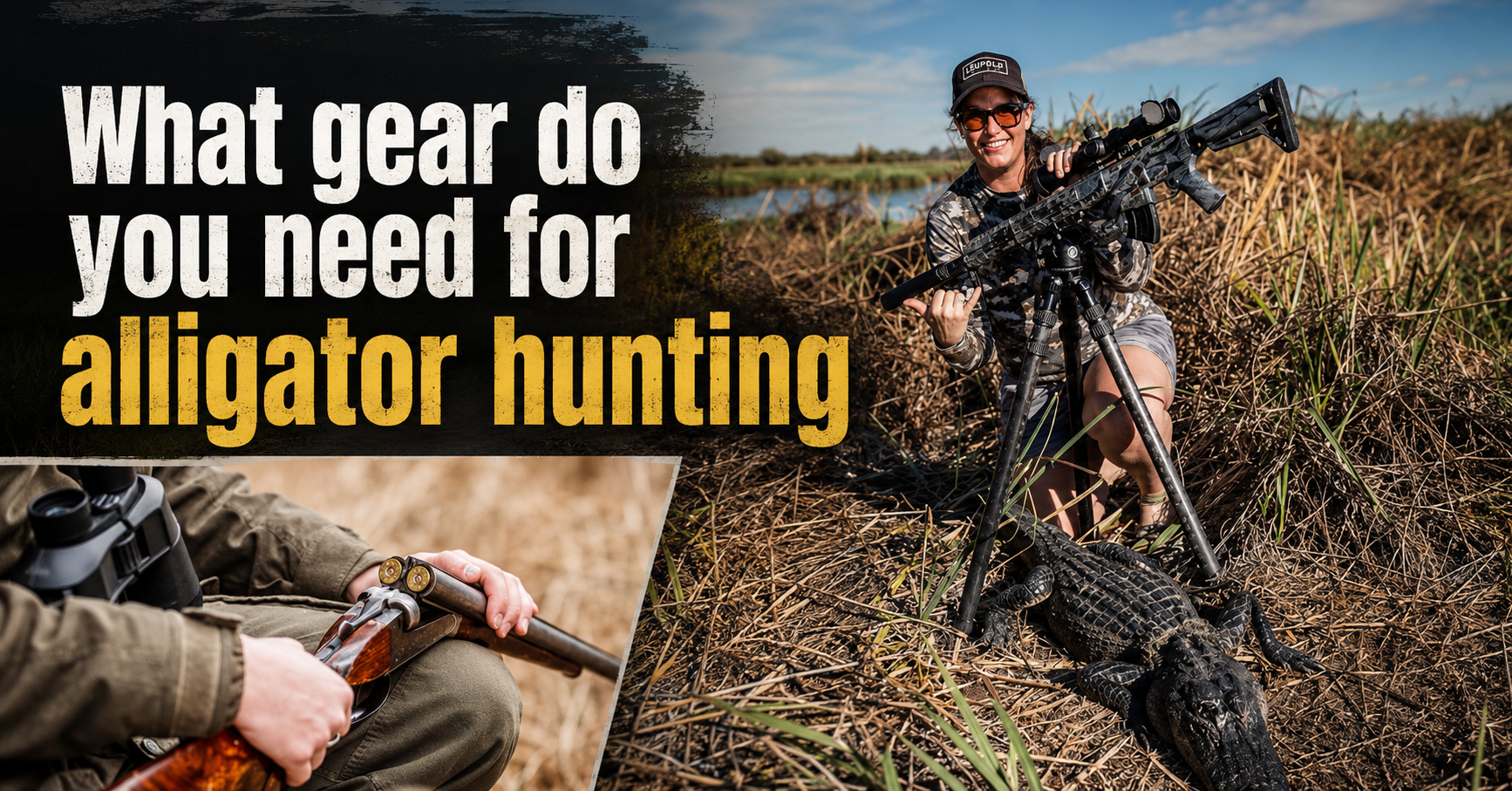
If you are asking what gear do you need for alligator hunting, the safest answer begins with your permit—not a weapon or capture tool. Alligator hunts are tightly regulated, often take place from small boats in darkness or low light, and may involve a large animal secured beside the vessel. The equipment allowed in one state, hunt area, or permit category may be prohibited in another.
This guide gives beginners a practical packing system for legal documents, flotation, boat safety, navigation, communication, first aid, weather protection, recovery, tagging, and meat care. It also explains how to build a method-specific kit from the current rules for the exact place you will hunt.
Quick Answer: What Gear Do You Need for Alligator Hunting?
You need the required license, permit, harvest tags, identification, land or water access authorization, and a current copy of the hunt rules. Your core safety kit should include a properly fitted life jacket for every person, legal vessel equipment, dependable lighting, backup navigation, weather protection, communication, first aid supplies, and a float plan. Add only the capture and dispatch equipment specifically authorized by your state agency, hunt area, and permit, plus tagging, recovery, cooling, and clean-processing supplies. Before buying or packing method-specific gear, complete hunter and boating education and review the current official alligator-hunt guide.
Important Legal and Safety Notice
Legal information checked August 26, 2026. This article is general education, not a substitute for the current regulation booklet, permit conditions, wildlife-management-area rules, boating laws, firearm laws, or landowner requirements. Rules can change by state, property, waterbody, management unit, permit type, public versus private land, residency, season segment, and emergency order. Check again immediately before the hunt.
The variation is substantial. The Florida Fish and Wildlife Conservation Commission lists specific restraining-line methods for its statewide program and generally prohibits ordinary firearms for taking alligators. The Georgia Department of Natural Resources lists a different set of capture and dispatch methods. The Louisiana Department of Wildlife and Fisheries distinguishes private and public-area methods, while Texas Parks and Wildlife Department imposes location- and method-specific restrictions. These examples show why another hunter’s checklist is not legal authority for your hunt.
Alligator capture and dispatch are high-risk activities. A first-time hunter should use the agency’s training materials and consider an experienced, properly licensed guide. Never attempt to capture, handle, or kill an alligator outside a lawful hunt or nuisance-control program.
Alligator Hunting Gear at a Glance
| Gear category | Priority | Purpose | What to verify |
|---|---|---|---|
| License, permit, tags, ID, and access documents | Required | Proves eligibility and supports lawful tagging and reporting | Permit holder, helpers, property, zone, dates, reporting process, and offline records |
| Current regulations and hunt-area map | Required | Defines legal methods, boundaries, hours, size rules, and vessel restrictions | Agency updates, permit conditions, public-area rules, and local ordinances |
| Properly fitted life jackets | Essential | Provides flotation after an unexpected fall or capsize | U.S. Coast Guard approval, size, condition, activity rating, and state wear rules |
| Vessel safety equipment | Required or essential | Supports safe operation, visibility, signaling, and emergency response | Registration, capacity, navigation lights, fire extinguisher, sound device, throwable device, and engine cut-off rules |
| Primary and backup lighting | Essential for low light | Illuminates navigation, deck tasks, documents, and emergencies | Local light-use rules, battery runtime, waterproofing, and spare power |
| GPS or offline map plus compass | Essential | Helps maintain legal boundaries and find the launch in poor visibility | Downloaded maps, charged batteries, datum, hunt-unit boundary, and backup route |
| Phone, marine radio, or satellite device | Essential | Provides routine and emergency communication | Coverage, waterproofing, emergency contacts, radio licensing or channel rules |
| First aid and trauma supplies | Essential | Supports initial care until professional help arrives | Training, expiration dates, waterproof storage, and evacuation plan |
| Legal capture equipment | Method-specific | Secures the animal under the approved harvest method | Device type, line attachment, dimensions, test strength, bait rules, and public-area limits |
| Legal dispatch equipment | Method-specific | Supports an immediate, humane dispatch after legal capture when required | Permitted device, ammunition or component compatibility, transport law, and training |
| Tagging and reporting kit | Required | Protects tags and records harvest information | When and where to tag, deadlines, measurements, confirmation numbers, and transfer records |
| Recovery and loading equipment | Essential | Helps the team control load movement without entering the water | Vessel capacity, attachment points, crew roles, and agency procedure |
| Cooling and clean-processing supplies | Essential | Limits spoilage and contamination after harvest | Processor plan, cooling timeline, clean water, ice capacity, and health advisories |
Build the Legal Kit Before the Hunting Kit
Start with a waterproof document pouch. Carry the permit holder’s identification, hunting or alligator license, harvest permit, unused tags, harvest record, helper or agent credentials when required, landowner permission, boat registration, and any special-area authorization. Save an offline copy of the current regulations and permit conditions; do not assume cell service will be available.
Write down the wildlife officer or agency contact, local emergency number, launch location, nearest medical facility, and processor information. Verify how the agency defines active participation. A person who touches a line, assists with capture, or participates in dispatch may need a license even when a boat driver or observer does not.
Five details to confirm with the wildlife agency
- Where and when: exact unit boundaries, legal access points, season segment, and hunting hours.
- Who: permit holder, helper, agent, observer, youth, guide, and nonresident requirements.
- How: approved capture and dispatch devices, line requirements, bait rules, and light-use restrictions.
- Which animal: quota, size restriction, protected areas, and any permit-specific selection rule.
- After harvest: immediate tagging, measurement, reporting deadline, transfer, transport, sale, processing, and unused-tag procedures.
Method-Specific Equipment: Buy Only After You Read the Permit
Alligator hunting is not governed by one national equipment standard. Depending on the jurisdiction and hunt type, an agency may authorize a hand-held snare, catch pole, snatch hook, harpoon, gig, spear, bow or crossbow projectile attached to a restraining line, baited line, handgun, bang stick, or another specified device. The agency may also prescribe attachment, dimensions, line strength, bait configuration, or when a dispatch device can be used.
Do not turn that list into a shopping list. It describes the range of regulated methods found in official programs, not what is legal on your hunt. For example, Florida’s statewide recreational program does not treat an ordinary handgun or rifle as a general legal take method, while Georgia’s official page lists a handgun or bang stick for immediate dispatch after capture. Louisiana allows some methods on private land that may be prohibited on public areas. The controlling source is the current rule for your exact permit.
Capture-equipment checklist
- The exact agency-approved device and every required component
- Restraining line of the required type and strength, if applicable
- Approved points, heads, connectors, swivels, poles, or floats, if applicable
- Protective covers or rigid storage for sharp points
- A safe way to stow or disassemble equipment while traveling or scouting
- Spare legal components that do not change the approved configuration
- Manufacturer instructions and tools needed for ordinary inspection or adjustment
Inspect line for abrasion, hardware for corrosion, poles for cracks, and attachment points for damage. Replace questionable components. Do not improvise a device, alter safety features, or assume a stronger-looking substitute complies with the regulation.
Dispatch-equipment checklist
- The exact device authorized by the current regulation and permit
- Compatible components or ammunition specified by the manufacturer and allowed by law
- A secure transport and storage system that protects the trigger or activation mechanism
- Eye and hearing protection when a firearm-based device is lawful
- Hands-on training from an agency course, qualified instructor, or experienced licensed guide
A dispatch tool should never be treated as a substitute for control of the animal, a stable vessel, clear crew roles, or a safe direction. Follow the agency’s humane-dispatch training rather than relying on a short online description.
Firearm Safety Around Water and Small Boats
If a firearm or firearm-based dispatch device is legal for your hunt, apply the four universal firearm safety rules without exception:
- Treat every firearm as if it is loaded.
- Keep the muzzle pointed in a safe direction.
- Keep your finger outside the trigger guard until you are ready to shoot.
- Be certain of the target and what is beyond it.
Water, hard surfaces, metal boat parts, and low shooting angles can create dangerous ricochet paths. Establish a muzzle-safe sector before leaving the ramp and stop the process if a person, another vessel, a building, a roadway, livestock, or an unsafe background enters that sector. No one should reach across the muzzle or stand in front of it.
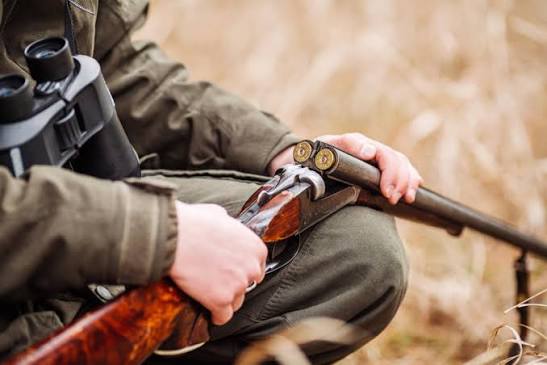
Keep the firearm secured during travel, follow local loading and transport law, use only manufacturer-approved ammunition, and know its chamber status. A mechanical safety does not replace safe handling. Do not fire from an unstable position or while the boat operator is maneuvering unexpectedly. Alcohol, cannabis, sedating medication, and firearm or boat operation do not mix.
Boat and Personal Flotation Equipment
Many alligator hunts occur from shallow-draft boats, but the best vessel is the one that is lawful, stable, adequately powered, familiar to its operator, and rated for the full load. Calculate people, fuel, hunting equipment, ice, and the expected harvested animal. Do not exceed the capacity plate or compromise stability by stacking gear high.
The U.S. Coast Guard boating guidance states that a recreational vessel must carry an approved wearable personal flotation device for each person. The device must fit the user, suit the activity, remain serviceable, and be readily accessible. Wearing it is safer than storing it. Confirm additional federal, state, local, and managed-area rules.
Core vessel checklist
- A properly fitted, serviceable life jacket worn by every person
- Required throwable flotation device, where applicable
- Working navigation lights and legal task lighting
- Sound-producing device and required visual distress signals
- Fire extinguisher when required for the vessel
- Engine cut-off switch and lanyard when applicable
- Anchor and adequate line suitable for the waterbody
- Bilge pump or bailer, paddle or backup propulsion, and basic repair tools
- Fuel reserve calculated for delays, current, and detours
- First aid kit, communication device, and emergency signaling gear
Keep the deck clear of loose line, hooks, sharp points, coolers, and bags. Store sharp components in rigid covers. Assign one person to operate the vessel and one to direct the hunting task; the operator should not be forced to manage several critical jobs at once.
Lighting, Navigation, and Communication
Low-light hunting requires more than a powerful spotlight. Carry legal navigation lights, a primary hands-free headlamp, a task light, and an independent backup light. Use waterproof units, protect spare batteries, and test all lights before launch. Check whether artificial light is allowed for finding or taking alligators in your hunt area.
Download maps for offline use and mark the launch, legal boundaries, restricted zones, shallow hazards, emergency take-outs, and the return route. Carry a compass as an independent backup and know how to use it. Fog, vegetation, darkness, and winding channels can make a familiar wetland confusing.
A waterproof phone is useful but should not be the only emergency link. Depending on the waterbody, add a marine VHF radio, personal locator beacon, or satellite communicator. The Coast Guard’s boating app guidance notes that a phone app is not a replacement for a marine radio. Leave a float plan with a reliable person that includes the crew, vessel, launch, route, expected return, vehicle, and action to take if you are overdue.
Clothing and Personal Protective Equipment
- Life jacket: worn, properly fitted, and compatible with the rest of the clothing.
- Footwear: closed-toe, slip-resistant footwear that drains or dries appropriately for the conditions.
- Gloves: task-appropriate gloves for rough line, sharp equipment, and carcass handling; no glove makes direct contact with a live alligator safe.
- Eye protection: useful around hooks, line under tension, vegetation, and lawful dispatch equipment.
- Hearing protection: required for responsible use of a firearm-based dispatch device.
- Weather layers: quick-drying clothing, rain shell, sun protection, and a dry layer sealed in a bag.
- Insect protection: repellent, head net when needed, and a tick-check plan; follow product labels.
Avoid loose clothing, lanyards, or accessories that can snag line. Waders can fill, restrict movement, and complicate a fall overboard; they are not a substitute for a life jacket. Choose clothing for heat, humidity, rain, wind, and water temperature rather than the air temperature alone.
First Aid and Emergency Planning
Carry a waterproof first aid kit appropriate for cuts, punctures, burns, eye contamination, heat illness, and common boating injuries. A trauma module can be useful only when someone is trained to use it. Include personal medications, allergy information, emergency contacts, clean water, soap or cleanser, sterile dressings, gloves, and a compact emergency blanket.
Know the nearest point accessible to emergency services. Decide who will call for help, who will operate the boat, and who will provide first aid. If an injury, storm, mechanical failure, lost navigation, unstable animal, overloaded vessel, or impaired crew member makes conditions unsafe, stop hunting and return or request assistance.
Recovery, Tagging, and Loading Gear
Bring tags in a waterproof, crush-resistant holder and know exactly when the law requires attachment. Carry a pencil or waterproof pen, measuring tool, reporting instructions, and an offline paper record in case an app or cellular connection fails. Protect unused tags from accidental locking, loss, or water damage.
Plan loading before the hunt. A large carcass changes trim, freeboard, and handling. Useful equipment may include agency-approved restraining gear, strong utility rope, a boat hook, a stable lifting aid rated for the load, and protective deck material. These are not permission to exceed the vessel’s capacity. If the animal cannot be loaded without putting people in the water, leaning dangerously over the gunwale, or destabilizing the boat, use the safer recovery option described by the agency or guide.
Do not approach, touch, or load an alligator until the trained permit holder has followed the official process and confirmed it is safe to do so. Reflexive movement can occur, and an inadequately controlled animal remains dangerous.
Meat Care and Processing Supplies
Arrange the processor, transport route, and cooling capacity before launch. Bring enough clean ice or another agency-approved cooling method, waterproof barriers, cleanable containers, a thermometer, potable water, disposable gloves, sanitized knives in sheaths, and separate bags for clean and dirty equipment. Keep fuel, oil, bait, mud, and bilge water away from edible tissue.
Warm-weather spoilage can happen quickly. Florida’s official processing and preserving guidance gives a time-and-temperature target for its program and recommends prompt cooling and transfer to refrigeration. Treat that as a Florida source, not an automatic rule for every jurisdiction. Follow your agency’s current field-care directions and the processor’s receiving requirements.
Check local consumption advisories, including mercury guidance, before eating the meat. Do not consume meat from an unhealthy-looking animal or a carcass that was contaminated, improperly cooled, or shows signs of spoilage.
Useful Extras That Are Not True Essentials
You do not need the most expensive equipment to hunt responsibly. Choose gear based on the hunt method, vessel, weather, legal requirements, fit, safety, reliability, maintenance, and your experience.
- Waterproof seat cushion or anti-fatigue deck mat
- Binoculars suited to low light
- Extra dry bags and labeled storage tubs
- Rechargeable power bank kept dry
- Lens cloth and anti-fog treatment
- Compact tool roll for ordinary boat and gear repairs
- Spare legal hardware and protective point covers
- Small notebook for sightings, measurements, and harvest records
- Camera secured with a short, non-snagging tether
Comfort items are worthwhile only after legal, flotation, communication, navigation, first aid, and cooling needs are covered.
How to Pack Without Overloading the Boat
- Start with mandatory documents and vessel equipment.
- Add worn safety gear, communication, navigation, first aid, water, and weather protection.
- Add only the legal method-specific system chosen for the hunt.
- Add tagging, recovery, cooling, and processing supplies sized to the expected harvest.
- Remove duplicate convenience items that do not provide independent backup.
- Weigh people and all cargo, then preserve capacity for the harvested animal.
- Distribute weight low and evenly, secure every heavy object, and keep work areas clear.
A second light or navigation method is a meaningful backup. Three bulky coolers serving the same purpose may simply reduce stability. Weight-saving should never remove legally required equipment, flotation, emergency communication, water, first aid, or adequate cooling capacity.
Common Beginner Mistakes
- Copying another state’s gear list: rebuild the method-specific section from the current rule for your permit.
- Buying capture equipment before being selected: wait until the permit, location, and method are known.
- Stowing instead of wearing a life jacket: wear a properly fitted device while underway and during risky deck work.
- Relying on one phone: add offline maps, a compass, protected power, and suitable emergency communication.
- Ignoring the harvest load: reserve vessel capacity and plan a stable loading method.
- Working over a cluttered deck: cover sharp points, coil line correctly, and secure loose equipment.
- Leaving crew roles vague: name the boat operator, method operator, light operator, safety observer, and emergency caller.
- Learning during the encounter: complete agency training and rehearse gear handling on land without a live animal.
- Forgetting meat care: arrange cooling, transport, and a processor before the hunt.
- Assuming a tag app will work: carry the required physical tags and an allowed offline reporting backup.
What Not to Do
- Do not hunt without the correct permit, tags, access authorization, and current rules.
- Do not capture or handle a nuisance alligator yourself; contact the responsible wildlife authority.
- Do not use an unapproved capture or dispatch method.
- Do not substitute bait, line, points, ammunition, or hardware when the rule specifies a configuration.
- Do not point a firearm toward a person, vessel, road, building, or uncertain background.
- Do not put a finger on the trigger before the lawful shot and safe conditions are confirmed.
- Do not stand in a moving small boat or lean over the gunwale without a stable, trained plan.
- Do not wrap restraining line around a hand, arm, body, or unsecured person.
- Do not enter the water to recover equipment or an animal.
- Do not overload the vessel or block access to flotation and emergency gear.
- Do not hunt while impaired or continue into unsafe weather, visibility, mechanical, or medical conditions.
- Do not leave a wounded animal without making every safe, lawful, and reasonable recovery effort.
- Do not delay required tagging, reporting, cooling, or processor arrangements.
Printable Alligator Hunting Gear Checklist
Legal documents
- Identification
- Hunting or alligator license
- Harvest permit and unused tags
- Helper, agent, guide, or party credentials when required
- Landowner permission or public-area authorization
- Current regulations and permit conditions
- Hunt-unit map and reporting instructions
- Boat registration and operator documents when required
Boat and emergency safety
- Properly fitted life jacket for every person
- All legally required vessel safety equipment
- Navigation lights, sound device, and distress signals
- Anchor, line, bailer or pump, paddle, tools, and spare fuel
- Primary communication and independent emergency backup
- Float plan left with a reliable contact
- Waterproof first aid kit and personal medications
- Drinking water and weather protection
Navigation and lighting
- Offline GPS map with boundaries and launch marked
- Compass and basic navigation knowledge
- Primary headlamp and task light
- Backup light and protected spare batteries
- Waterproof phone case and power bank
Legal harvest system
- Agency-approved capture device
- Required restraining line and attachment hardware
- Protective covers for sharp components
- Agency-approved dispatch device
- Compatible, lawful components or ammunition
- Eye and hearing protection when applicable
- Manufacturer instructions and inspection tools
Recovery, records, and meat care
- Waterproof tag holder
- Measuring tool, pencil, and harvest record
- Legal recovery rope or lifting aid rated for the load
- Cooling plan, adequate ice, and cleanable containers
- Thermometer, potable water, gloves, and sanitation supplies
- Clean knives in sheaths and separate clean and dirty storage
- Processor address, hours, and backup plan
Final pre-launch check
- Weather, water conditions, and emergency notices checked
- Boundaries, hours, methods, quota, size rules, and tag steps confirmed
- Vessel capacity calculated with expected harvest included
- Lights, radio, phone, GPS, and backup power tested
- Crew roles and stop-work signals reviewed
- Firearm safety rules reviewed when a legal firearm-based device is carried
- Return time and overdue procedure confirmed with float-plan contact
Final Answer
What gear do you need for alligator hunting? Begin with the correct permit, tags, access documents, and current official regulations. Pack and wear life jackets, equip the vessel for legal and safe operation, carry redundant lighting and navigation, establish dependable communication, and bring first aid, weather protection, tagging, recovery, cooling, and sanitation supplies. Only then add the capture and dispatch equipment specifically allowed for your exact state, hunt area, and permit. Complete hunter and boating education, practice safe equipment handling before the hunt, use an experienced licensed guide when needed, and stop whenever the crew, vessel, weather, animal control, or background is unsafe.
FAQs
1. What is the minimum gear needed for alligator hunting?
The minimum is whatever your permit and boating law require, plus a realistic safety system: documents, tags, life jackets, vessel equipment, navigation, communication, first aid, legal capture and dispatch gear, and a cooling plan. “Minimum” should not mean removing a backup that controls a foreseeable risk.
2. Do I need an alligator hunting permit?
Legal recreational harvest generally requires a state-issued license, permit, tag, quota selection, land authorization, or some combination. The exact structure varies, so use your state wildlife agency’s current alligator page.
3. Can I use the same alligator hunting gear in every state?
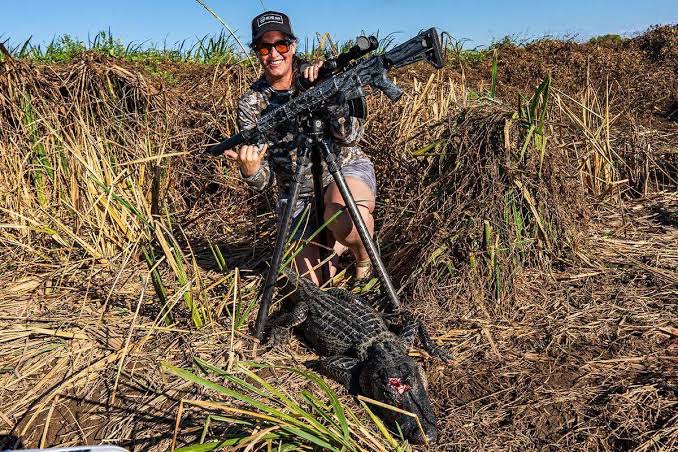
No. States authorize different methods, and public areas may be more restrictive than private land. Build the method-specific part of your kit only after reading the rule for your permit.
4. Do I need a boat to hunt alligators?
Not every lawful hunt requires a boat, but many do in practice because the habitat and approved method involve water. Confirm legal access and never use a boat that cannot safely carry the crew, equipment, and expected harvest.
5. What kind of boat is best for alligator hunting?
A stable, legally operated vessel appropriate for the water depth, current, vegetation, weather, and total load is more important than a particular hull style. The operator should already be proficient with it.
6. Should everyone wear a life jacket?
Yes. Carry the legally required devices and have every person wear a properly fitted, serviceable life jacket while underway and during hunting tasks. Check federal, state, and managed-area rules.
7. Is alligator hunting at night legal?
It depends on the jurisdiction and hunt area. Some programs allow nighttime harvest, some restrict hours, and some prohibit it. Verify the permit and current official regulations.
8. What lights are needed for an alligator hunt?
Carry required navigation lights, a hands-free headlamp, a task light, an independent backup, and spare power. Confirm whether and how artificial light may be used for the hunt itself.
9. Is a phone enough for navigation?
No. Download offline maps, carry protected spare power, and add a compass or independent GPS. Mark boundaries, restricted areas, the launch, hazards, and emergency exits before leaving.
10. Do I need a marine radio?
It is often a valuable emergency tool where compatible services exist. A phone may lose coverage, so choose a VHF radio, satellite communicator, or locator beacon appropriate to the waterbody and trip.
11. Do I need a firearm for alligator hunting?
Not universally. Some programs authorize a firearm or firearm-based device only in a defined dispatch role, others authorize different use, and some prohibit ordinary firearms. The permit determines the answer.
12. What caliber should I use for alligator hunting?
There is no universal caliber recommendation. First determine whether a firearm is legal, then follow the agency’s current guidance, the firearm and ammunition manufacturers’ compatibility instructions, and qualified training.
13. Can I use a rifle or handgun?
Possession and use vary sharply by state, property, waterbody, and hunt type. Florida’s statewide recreational rules differ from Georgia and Louisiana, so never infer legality from another jurisdiction.
14. Can I use a shotgun?
Do not assume so. Some alligator programs expressly prohibit shotguns, while general hunting rules may add other restrictions. Check the alligator-specific regulation and any area rule.
15. Can I use a bow or crossbow?
Some programs allow bows or crossbows with a specified projectile and restraining-line setup; others restrict them by permit or area. Verify equipment specifications and practice with the complete legal system.
16. Are harpoons, gigs, and spears legal?
They are authorized in some hunts and prohibited or limited in others. A permit may require every point to be connected to a restraining line or may exclude propelled devices for a size-restricted hunt.
17. Are baited hooks legal?
The answer varies. One jurisdiction may authorize a particular hook-and-line system, another may require a baited wooden peg instead of a hook, and a public area may ban a method allowed on private land.
18. What strength line do I need?
Use the minimum and configuration stated by the controlling agency for the selected method. Do not copy a line rating from another state or substitute a different material without confirming compliance.
19. What gloves are best?
Use well-fitting gloves matched to line handling, sharp equipment, and carcass work. Inspect them for cuts and contamination. Gloves reduce minor hazards but do not make it safe to touch or control a live alligator.
20. Should I wear waders?
Only if conditions justify them and they do not interfere with flotation or boat movement. Waders are not a life jacket, and entering alligator water for recovery is not a safe substitute for a proper plan.
21. What footwear should I wear?
Choose closed-toe, slip-resistant footwear with secure fit and appropriate drainage or waterproofing. Avoid soles contaminated with oil, mud, or fish residue on the deck.
22. What clothing works in hot, humid weather?
Wear breathable, quick-drying layers with sun, rain, and insect protection. Carry drinking water and a sealed dry layer because storms, spray, wind, and nighttime temperatures can change conditions.
23. What should be in the first aid kit?
Include supplies for bleeding control, cuts, punctures, eye exposure, burns, and heat illness, plus personal medications and emergency contacts. Training and an evacuation plan matter as much as the contents.
24. Do I need eye and hearing protection?
Eye protection is sensible around hooks, lines, vegetation, and sharp equipment. Use hearing and eye protection whenever a lawful firearm-based device is involved, provided it does not prevent critical crew communication.
25. How much ice should I bring?
Bring enough for the expected animal, ambient temperature, travel time, and processor plan, with a margin for delay. Follow the state agency’s current cooling guidance rather than guessing from an ordinary game cooler.
26. Do I need a processor arranged in advance?
Yes. Confirm that the processor accepts legally tagged alligators, note its hours and documentation requirements, and have a backup refrigeration plan in case the hunt ends late.
27. When do I attach the harvest tag?
At the exact point required by your state’s rules—often immediately after lawful harvest and before movement or transfer. Learn tag placement and reporting steps before launching.
28. What if there is no cell service for harvest reporting?
Follow the agency’s approved offline procedure. Carry physical tags, a paper record, a waterproof pen, and any temporary log the regulation permits; do not invent an informal substitute.
29. Can I transport an alligator across state lines?
Interstate transport can involve CITES tags, possession records, shipping rules, and destination-state requirements. Confirm the process with both relevant wildlife agencies before travel.
30. Is it safe to hunt alligators alone?
Solo hunting removes backups for boat operation, communication, first aid, animal control, and recovery. Beginners should not attempt it; use a qualified team or properly licensed guide within the permit rules.
31. Should a beginner hire a guide?
Often, yes. A properly licensed guide who knows the water, permit conditions, vessel, capture system, dispatch process, and meat care can reduce avoidable risk, though the hunter still must understand and follow the law.
32. Do helpers need licenses?
They may. Agencies define active participation differently, and touching a line, capture device, or dispatch tool may trigger a licensing requirement. Verify every crew member’s role.
33. Can children join an alligator hunt?
Age, licensing, hunter-education, supervision, and life-jacket rules vary. Consider the child’s size, maturity, swimming ability, noise exposure, and the vessel’s capacity even when participation is legal.
34. Can I drink alcohol during the hunt?
No responsible hunting plan includes impairment. Alcohol and other impairing substances degrade judgment, balance, firearm handling, navigation, and emergency response and may violate boating or hunting law.
35. What weather should make me cancel?
Cancel or turn back for lightning, severe storms, unsafe wind or current, dense fog, flooding, extreme heat, poor visibility, or any condition beyond the crew’s and vessel’s capabilities.
36. How do I keep the deck safe around ropes and hooks?
Assign storage locations, cover sharp points, control coils, secure heavy gear, keep flotation accessible, and maintain a clear path for the operator. Stop immediately if line becomes tangled around a person.
37. What should I do if an alligator is near my home?
Do not treat a nuisance encounter as a hunt. Keep people and pets away, never feed or harass the animal, and contact the state wildlife agency or its authorized nuisance-alligator program.
38. How can I practice before the hunt?
Complete agency and hunter-education courses, rehearse crew commands, test navigation and communication, practice launching and operating the loaded vessel, and handle legal gear on land without a live animal.
39. What gear can I leave behind to save weight?
Remove redundant comfort items and unneeded method systems. Never cut required vessel gear, life jackets, emergency communication, navigation backup, first aid, drinking water, weather protection, tags, or cooling capacity.
40. Where should I verify current alligator hunting rules?
Use the official fish and wildlife or natural-resources agency for the state, then check the permit, management-area page, annual regulation booklet, boating authority, and land manager. Recheck updates just before hunting.
Read more: