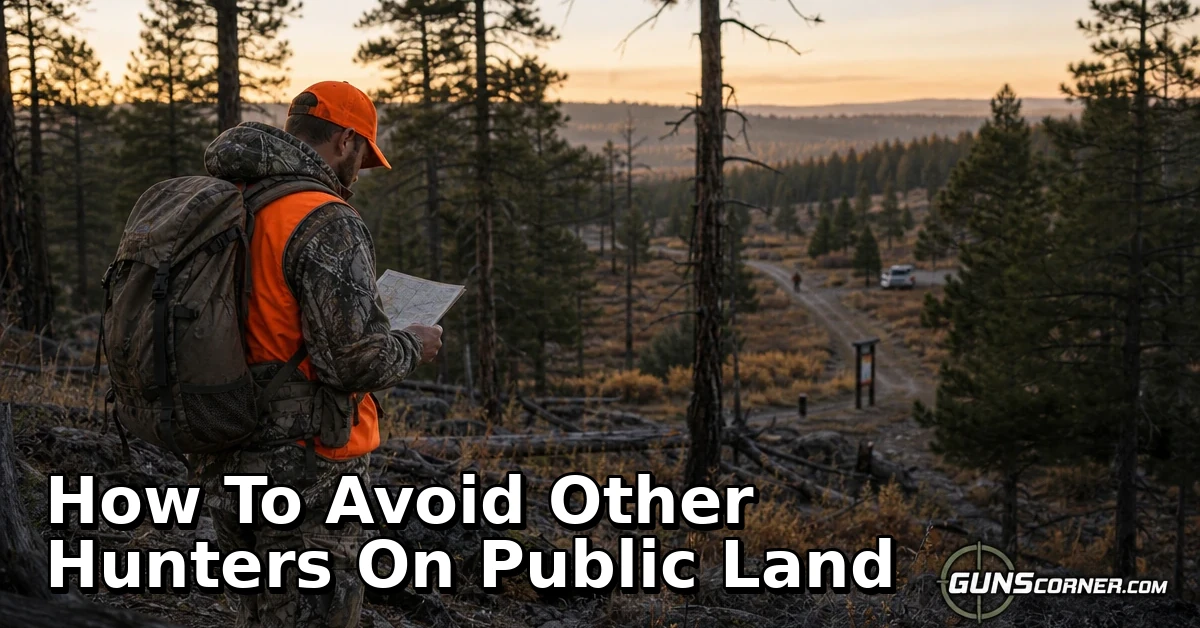

Learning how to avoid other hunters on public land is mainly a matter of preparation, mapping, timing, and respectful field behavior. Public land hunting can be productive, but it requires you to understand access points, property boundaries, hunting pressure, regulations, and the habits of other people using the area. This guide explains how to plan a safer, quieter hunt without trespassing, creating conflicts, or interfering with another hunter’s lawful opportunity.
To avoid other hunters on public land, study maps before the season, identify multiple legal access points, arrive early, and scout areas away from obvious parking lots and well-used trails. Hunt during less crowded periods when practical, but always follow current regulations and respect anyone already occupying a location. If you encounter another hunter, communicate calmly, create distance, and never hunt toward people or compete aggressively for the same animal.
Important Legal and Safety Notice Before You Hunt
Public land rules vary by state, province, agency, property type, species, season, and weapon. Before hunting, check the official wildlife agency and land-management authority for current requirements.
- Carry the correct hunting license, permits, and tags.
- Confirm season dates, legal hunting hours, bag limits, and harvest-reporting rules.
- Verify legal weapons, ammunition, archery equipment, and hunting methods.
- Confirm public access boundaries and nearby private property lines.
- Wear required blaze orange or other visibility clothing.
- Identify your target and what lies beyond it before taking any shot.
- Never shoot toward roads, homes, trails, campsites, livestock, vehicles, or people.
- Plan for weather, navigation, hydration, first aid, and emergency communication.
Why Public Land Gets Crowded
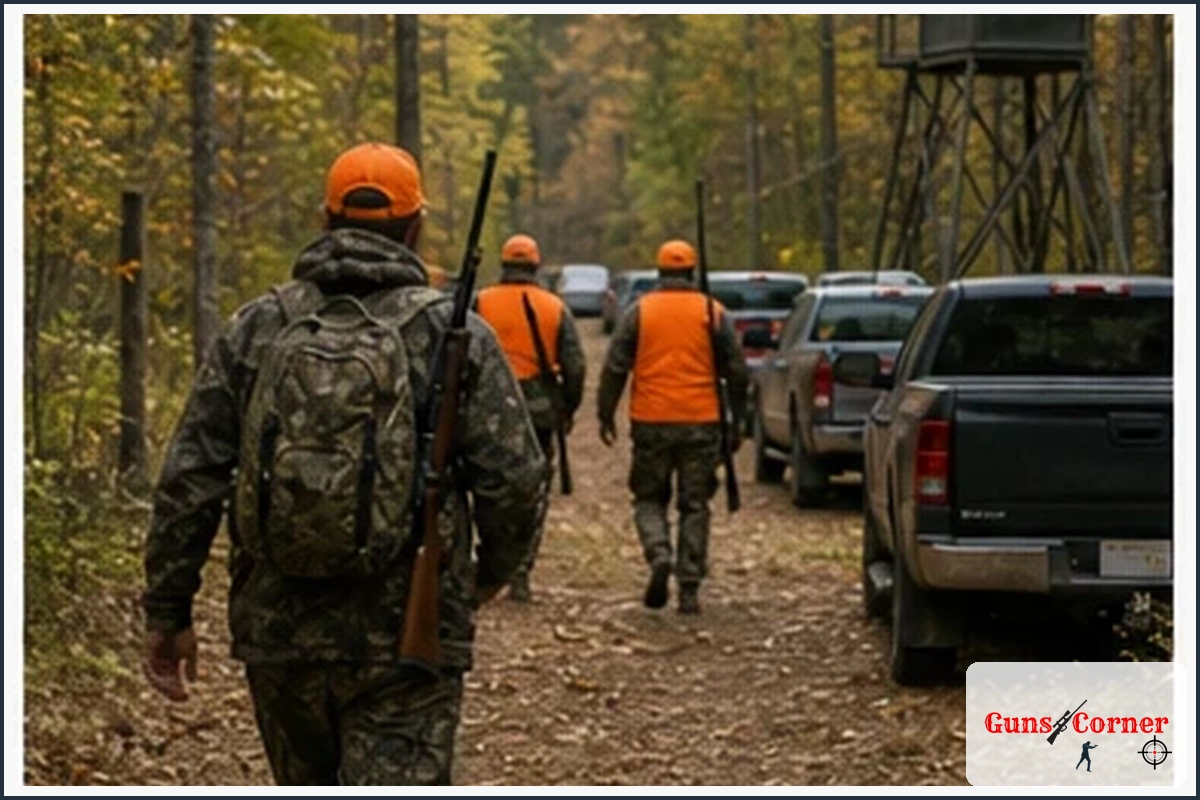
Other hunters usually concentrate around easy parking, short walks, visible game sign, popular access roads, permanent blinds, food plots, and familiar stand locations. These areas may be convenient, but convenience also makes them predictable.
Pressure can also change animal behavior. Game may move later, avoid open areas, or use thicker cover and less obvious travel routes. Instead of simply trying to arrive earlier than everyone else, learn where people are unlikely to go and how animals respond to disturbance.
How to Avoid Other Hunters on Public Land Step by Step
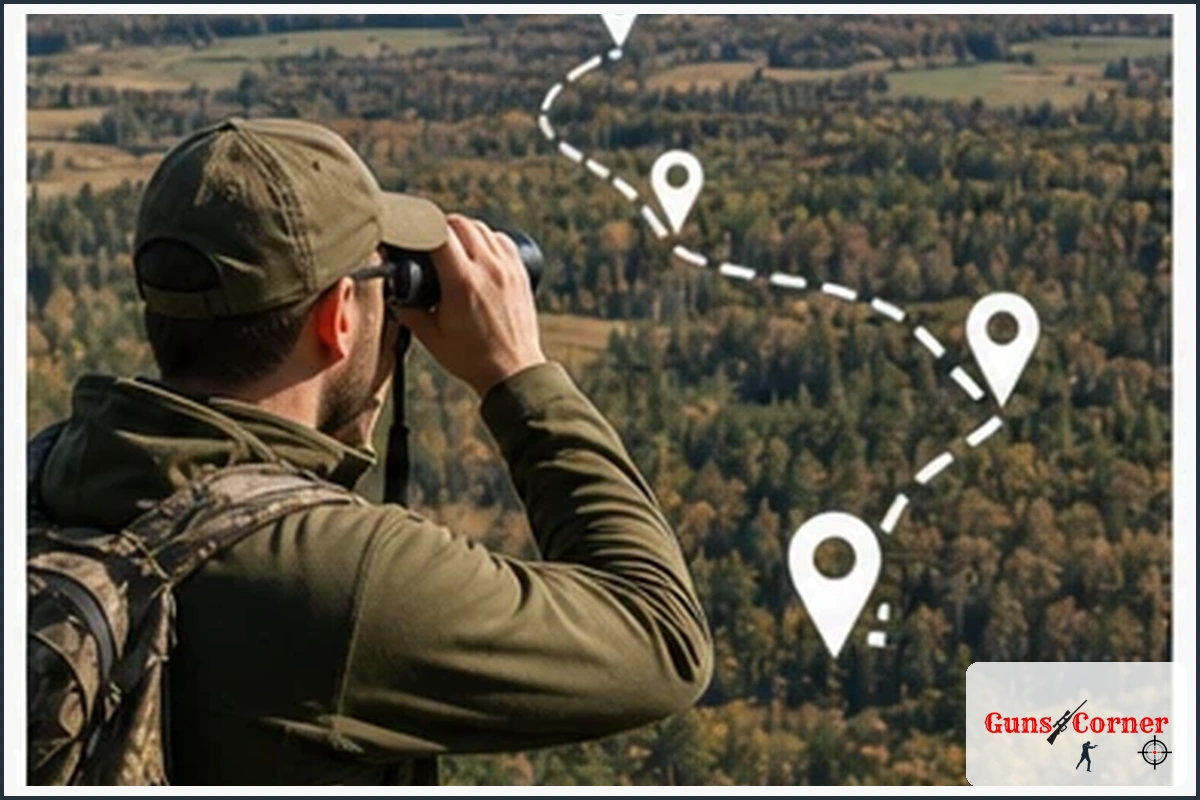
Step 1: Learn the Land Before You Visit
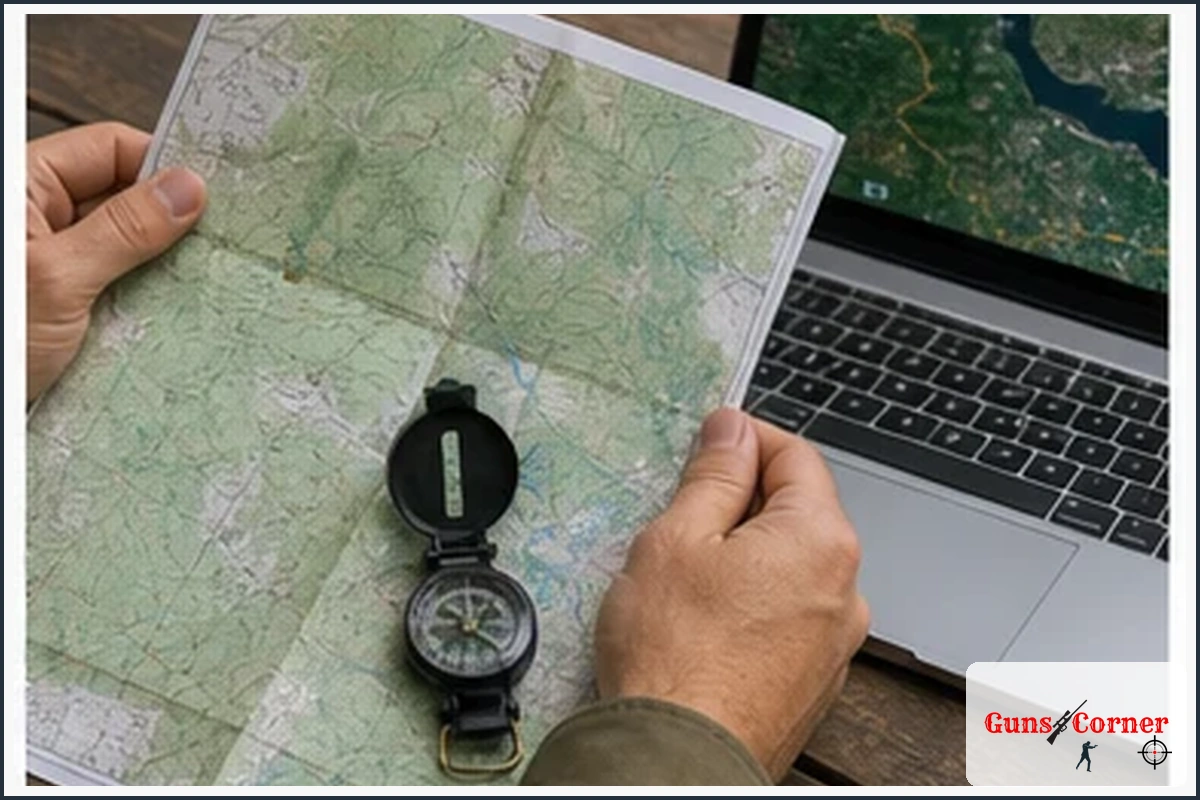
Start with an official map, satellite imagery, and current public-land information. Look for parking areas, gates, roads, trails, waterways, steep terrain, wetlands, and boundary lines.
Mark several possible hunting zones rather than relying on one favorite location. Your alternatives should include different access points and enough distance between them to prevent crowding.
Step 2: Identify the Most Predictable Hunting Areas
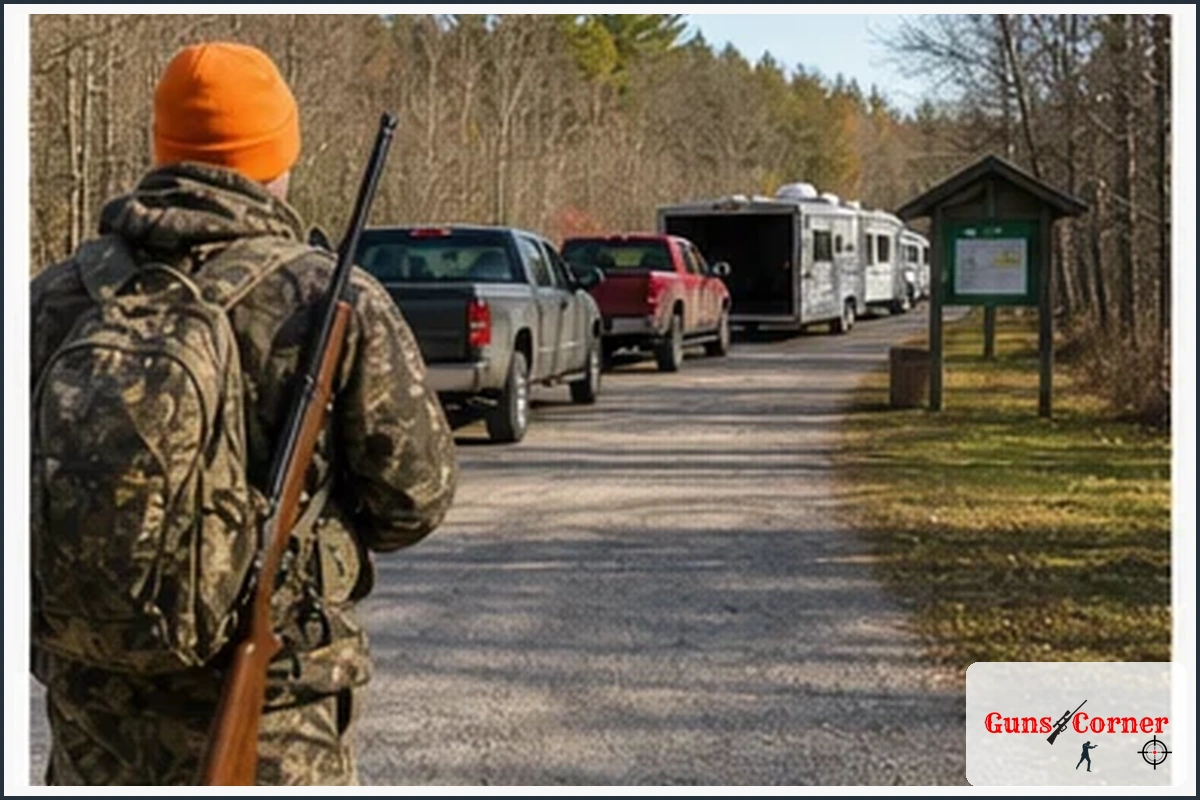
Obvious locations often attract the most hunters. These may include:
- Large parking lots and roadside pull-offs
- Short, well-maintained trails
- Popular campsites and established blinds
- Easy-to-reach food sources or water
- Public areas frequently discussed online
- Locations with heavy sign near convenient access
You do not have to avoid these areas forever, but recognize that they are more likely to be occupied. Use them as reference points while searching for less obvious legal access.
Step 3: Search for Legal Secondary Access
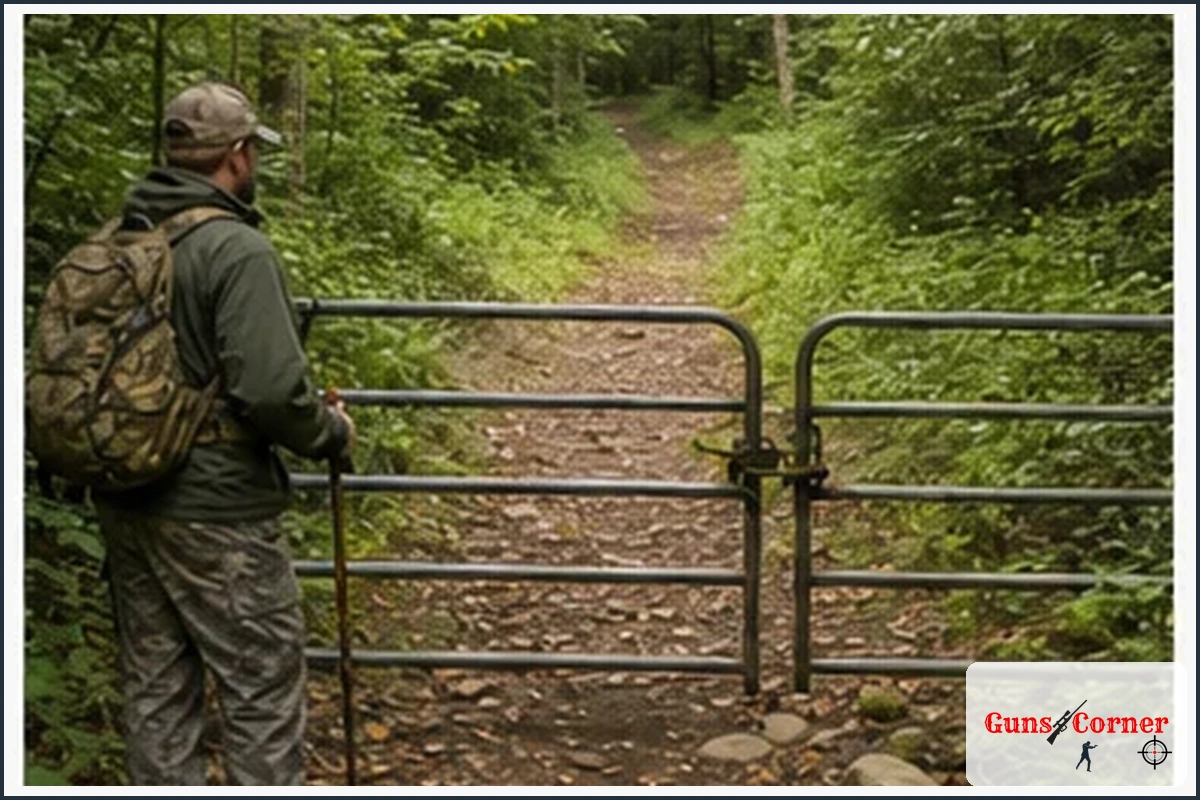
Look for access routes that require more walking, a slower approach, or careful navigation. A narrow trail, remote gate, canoe route where legal, or longer hike can reduce encounters with other hunters.
Check whether roads are open, whether gates are locked, and whether parking is permitted. Never cross private property, block roads, or enter restricted areas simply to reach a quieter location.
Step 4: Scout During Legal and Appropriate Hours
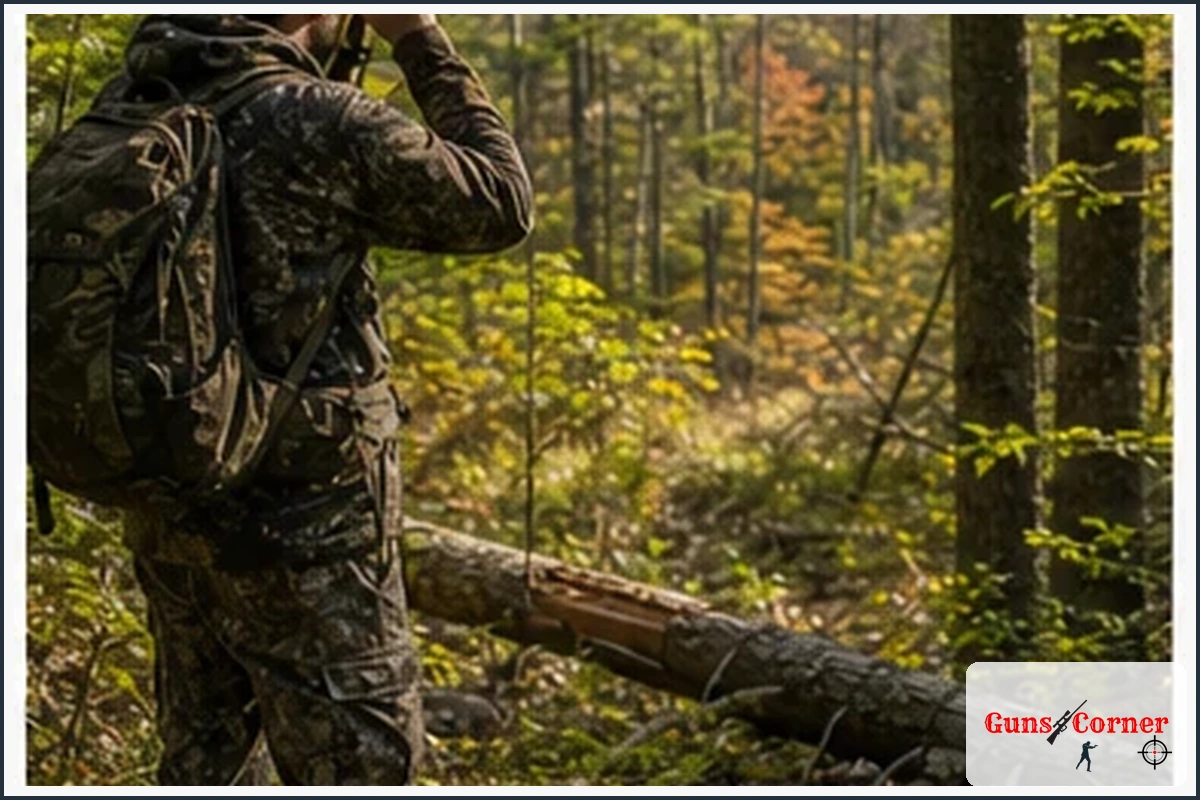
Scouting before the hunt can reveal where people park, which trails receive traffic, and which areas appear unused. Follow all rules governing scouting, vehicles, bait, trail cameras, and access.
Look for animal tracks, game trails, bedding cover, feeding areas, water, rubs, scrapes, droppings, or other species-specific sign. Also look for human sign such as boot tracks, flagging, tree stands, blinds, shell casings, and fresh vehicle tracks.
Human sign does not automatically mean an area is claimed. Public land is shared. Treat it as information about likely pressure, not as permission to interfere with another hunter.
Step 5: Hunt Away From the Main Travel Network
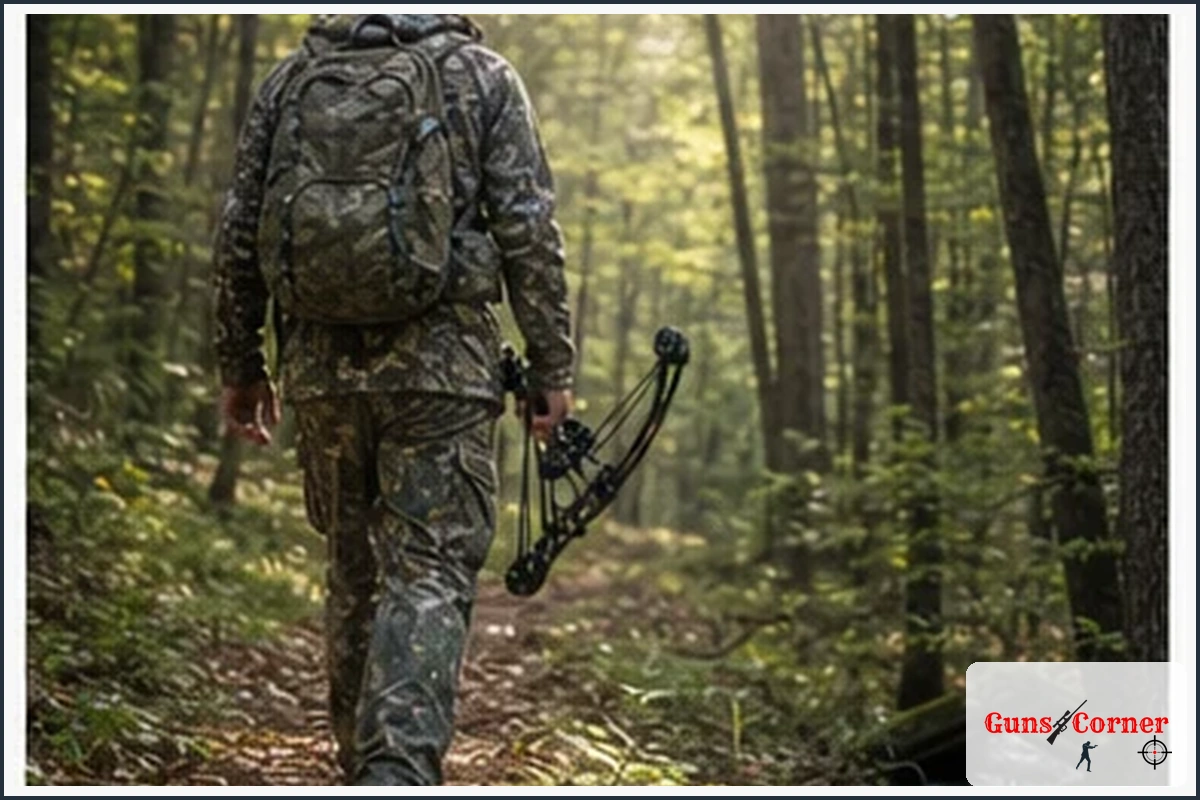
Many hunters follow the easiest trail from the parking area. Consider approaching from a legal direction that avoids those routes, while maintaining a safe distance from roads, homes, camps, and other users.
Terrain features such as ridges, drainages, thick cover, and long loops can separate you from other hunters. Use a map and compass or GPS, but do not rely on a phone alone in unfamiliar country.
Step 6: Choose Quiet Hunting Days When Practical
Weekdays may have less hunting pressure in some areas, but conditions vary. Weekends can still be productive, especially if you arrive prepared with backup locations and avoid the most popular access points.
Do not assume a quiet day means no one else is present. Always identify your target and what is beyond it, and remain alert for other hunters, hikers, campers, and property users.
Step 7: Arrive Early Without Creating a Hazard
Arriving early can help you select a legal location before the area becomes busy. Park only where permitted, keep roads clear, and use a flashlight carefully so you can navigate without surprising people.
Early arrival does not give ownership of public land. If another hunter is already using a location, move to an alternative area rather than creating a confrontation.
Step 8: Use Wind and Terrain to Stay Unnoticed
Wind direction matters for both wildlife and human awareness. Plan your entry so your scent, noise, and movement are less likely to reach the animals you are pursuing.
Terrain can also reduce unnecessary encounters. Ridges, folds in the ground, thick vegetation, and natural barriers may help separate hunters, but never assume they make you invisible or protect you from an unsafe shot.
Step 9: Recognize Another Hunter’s Position
Wear required visibility clothing and watch for movement, stands, blinds, calls, lights, vehicles, and human tracks. If you hear a shot, stop and determine where it came from before continuing.
When you find a person, calmly identify yourself and communicate your planned direction. Do not move through an area where another hunter is actively watching or calling game.
Step 10: Create Distance Without Escalating Conflict
If another hunter arrives near your setup, remain calm. Public land usually does not provide exclusive ownership of a location unless a specific rule says otherwise. Explain that you are hunting nearby and agree on a safe separation or choose another location.
Never threaten, harass, block access, steal equipment, destroy signs, or intentionally drive animals toward another hunter. If someone behaves dangerously or illegally, leave the area and contact the appropriate land-management or wildlife authority when safe to do so.
Step 11: Maintain Safe Shooting Lanes
Before loading or preparing to shoot, know where other hunters and public users could be. Keep your firearm pointed in a safe direction and follow all manufacturer and hunter-education guidance.
With a bow, confirm that your shooting lane has a safe background and that you can identify the target clearly. Do not take a shot at movement, sound, or an animal that may be between you and another person.
Step 12: Leave Without Disturbing Other Hunters
When exiting, avoid walking directly through another hunter’s setup if a safe alternative exists. Keep noise low, remove trash, and respect blinds, stands, vehicles, and personal property.
Record useful information for your next visit, including parking pressure, access conditions, animal sign, weather, and areas that were occupied.
How to Find Less Crowded Public-Land Areas
- Explore legal access points that require a longer walk.
- Look for terrain that discourages casual visitors but remains safe for your skill level.
- Search beyond the first visible game sign near the road.
- Study neighboring public parcels for alternate entry routes.
- Call or visit the land-management office for current access information.
- Scout at different times to understand when people and vehicles use the area.
- Keep several backup locations instead of depending on one popular spot.
Public Land Scouting: Wildlife Sign and Human Sign
| What You Notice | What It May Indicate | How to Respond |
|---|---|---|
| Fresh game trails near a parking area | Good animal movement but potentially high pressure | Scout farther from the access point and compare multiple routes. |
| Boot tracks and fresh vehicle activity | Recent human use | Check maps and consider another legal area. |
| Unoccupied blind or tree stand | Another hunter may return | Do not use, move, or interfere with it. |
| Several hunters calling or moving through one area | Concentrated pressure | Leave safely and use a planned alternative. |
| Little human sign but promising habitat | Potentially lower pressure | Confirm boundaries, access, and safe shooting conditions. |
Gear for Safer, Less Crowded Public-Land Hunts
- Current map showing public and private boundaries
- Compass and fully charged GPS or phone with offline maps
- Required blaze orange or other visibility clothing
- Legal firearm, bow, ammunition, or arrows
- Binoculars for identifying wildlife and people at a distance
- Headlamp with spare batteries
- First aid kit, water, snacks, and emergency communication
- Weather-appropriate boots and clothing
- Tree stand safety harness if using an elevated stand
- Game bags, gloves, and cooling supplies when applicable
Best Times and Conditions for Avoiding Crowds
Less crowded conditions often occur during weekdays, poor-but-safe weather, or periods outside the most popular opening-day rush. However, weather can create serious navigation, hypothermia, flooding, or visibility risks.
Choose conditions you can handle safely. A remote location is not valuable if you cannot navigate back, communicate in an emergency, or recover game responsibly.
Common Mistakes to Avoid
- Assuming a public area is empty because no vehicles are visible.
- Walking directly toward another hunter’s calls or setup.
- Using private roads or crossing private land without permission.
- Relying on online comments instead of official maps and regulations.
- Leaving a safe location just to compete for a popular spot.
- Failing to wear required visibility clothing.
- Taking a shot without knowing what lies beyond the target.
- Using another hunter’s blind, stand, bait site, or equipment.
- Ignoring weather, navigation, and emergency planning.
- Arguing in the field instead of creating distance.
Troubleshooting Common Public-Land Problems
| Problem | Possible Cause | What to Do |
|---|---|---|
| Several vehicles are already at the access point | Popular area or busy hunting period | Use a backup access point or choose another legal parcel. |
| You encounter another hunter nearby | Overlapping routes or concentrated game sign | Communicate calmly and create safe distance. |
| You cannot confirm the boundary | Outdated map or unclear signage | Do not proceed until the boundary and access are verified. |
| You hear a shot nearby | Another hunter is active in the area | Stop, identify your surroundings, and avoid moving toward the sound. |
| The area is crowded despite remote access | Opening day, favorable conditions, or popular local knowledge | Leave safely and try a less predictable area or another legal date. |
| You feel pressured to take a shot | Competition or fear of losing an opportunity | Pass on the shot unless it is clearly safe, legal, and within your ability. |
Ethical Hunting and Conservation
Public land belongs to the broader community, so responsible behavior protects both hunting access and public trust. Follow seasons and limits, respect wildlife, avoid waste, and leave the area cleaner than you found it.
Licenses and lawful participation support wildlife management and conservation programs. Ethical hunters also pass on unsafe opportunities, respect landowners and other users, and report dangerous or illegal conduct through the proper official channels.
When to Get More Training or Professional Guidance
Seek help from an official hunter education course, qualified instructor, experienced ethical mentor, or local wildlife agency if you are unsure about firearm or bow safety, public-land boundaries, navigation, local regulations, tree stand use, recovery, or meat care.
Beginners should especially consider hunting with a trusted mentor until they are comfortable handling equipment, identifying targets, reading maps, and making safe field decisions.
After the Hunt: Review and Improve
- Confirm any required harvest report or tagging steps.
- Clean and store firearms, bows, optics, clothing, and navigation equipment safely.
- Record access conditions, hunter activity, weather, wind, and wildlife sign.
- Note which routes were quiet and which areas were overcrowded.
- Inspect boots, packs, lights, batteries, and first aid supplies.
- Plan a better backup location for the next hunt.
Recommended Public-Land Hunting Tools to Consider
You do not need expensive equipment to avoid other hunters responsibly. Choose tools based on local rules, terrain, weather, hunting method, experience, and safety needs.
- Official public-land maps and boundary information
- Compass, GPS, or an offline mapping application
- Binoculars for safe observation
- Required visibility clothing
- First aid and emergency communication equipment
- Weatherproof notebook for scouting records
- Safe storage and transport equipment for your legal hunting gear
Frequently Asked Questions
Is it legal to avoid other hunters on public land?
Yes, choosing a less crowded legal area is generally reasonable, but you must follow access rules, boundaries, seasons, and all local regulations.
Can I claim a hunting spot on public land?
Usually, public land is shared rather than privately claimed. Follow any agency-specific rules, but do not assume arriving first gives permanent ownership.
How early should I arrive?
Arrive early enough to park legally, prepare safely, and reach your location without rushing. The exact timing depends on regulations, terrain, travel distance, and local pressure.
Are weekdays better for avoiding hunters?
Weekdays may be less crowded in some areas, but this varies. Use maps, scouting, and backup plans instead of assuming any day will be empty.
Should I avoid popular parking areas?
They often receive more pressure, but they may still provide legal access. If you use one, plan to walk farther and avoid the main travel routes.
How far should I get from another hunter?
There is no universal distance because terrain and regulations differ. Create enough separation for safe shooting lanes, privacy, and clear communication.
What should I do if another hunter walks toward me?
Keep your equipment pointed safely, remain visible, and communicate calmly. If necessary, unload or secure your equipment and move away safely.
What if another hunter is already in my planned area?
Use a backup location. Do not confront the person or attempt to drive animals toward them.
Can I use another hunter’s blind or tree stand?
No. Treat blinds, stands, cameras, and other equipment as private property unless official rules clearly state otherwise.
Should I hunt near another hunter if there is excellent sign?
Usually, creating distance is safer and more respectful. Search for another legal location or approach the area only after confirming that no one is present.
How can maps help me avoid other hunters?
Maps reveal alternate access points, terrain barriers, boundaries, roads, water crossings, and areas requiring longer travel.
Are remote areas always better?
No. Remote areas may reduce encounters but can increase navigation, weather, medical, and game-recovery challenges.
How do I confirm public-land boundaries?
Use current official maps, posted signs, land-management information, and reliable mapping tools. If uncertain, do not enter.
Can I cross private land to reach public land?
Only with permission or where an official legal access route exists. Never assume an unmarked route is public.
What clothing helps other hunters see me?
Wear blaze orange or any visibility clothing required by local law. Visibility rules differ by location and hunting method.
Should I use scent control to avoid other hunters?
Scent control is primarily used for wildlife, not people. Safe movement, visibility, communication, and distance are more important for avoiding hunter conflicts.
Can I use a call to keep other hunters away?
No. Do not use calls, decoys, or other tactics to mislead, harass, or interfere with another hunter. Follow species-specific regulations.
What if I hear another hunter calling?
Assume someone is nearby, stop moving, identify your surroundings, and leave the area or communicate safely without approaching the setup.
What if I hear a gunshot?
Pause and determine the general direction before moving. Never walk toward shots or expose yourself to an uncertain shooting lane.
How can I avoid crowded game trails?
Scout beyond the first trail near access points and look for secondary movement routes, cover, water, and terrain funnels.
Should I hunt deep in the woods alone?
Only if your navigation, communication, physical preparation, and emergency planning are adequate. Tell someone your route and expected return time.
How do I avoid conflicts with hikers and campers?
Know the area’s recreation patterns, use required visibility clothing, avoid shooting toward trails or camps, and communicate respectfully with other users.
Can I leave gear overnight on public land?
Rules vary widely. Check the land-management authority before leaving stands, blinds, cameras, or other equipment.
What should I do if someone behaves dangerously?
Move away safely, avoid confrontation, record useful details only if safe, and contact the appropriate wildlife or land-management authority.
Can I report illegal hunting activity?
Yes. Use the official wildlife agency or land-management reporting system for the area. Do not attempt to enforce the law yourself.
How do I avoid other hunters during deer season?
Study access patterns, scout less obvious routes, hunt legal lower-pressure periods, and focus on areas where animals move away from disturbance.
How do I avoid other hunters while bowhunting?
Use careful scouting, safe entry routes, visible clothing where required, and conservative shooting decisions. Never assume a bow makes a crowded area safe.
Is hunting pressure always bad?
No. Pressure can change animal movement and sometimes push wildlife into cover or less accessible terrain. The important point is to understand how pressure affects the area.
What is the biggest beginner mistake?
Failing to make a backup plan. Have alternate access points, maps, communication, and a willingness to leave when an area is crowded or unsafe.
Should I hunt on opening day?
You may, if it is legal and you are prepared for increased activity. Expect more vehicles, more hunters, and greater need for communication and target identification.
How can I avoid other hunters without sacrificing hunting success?
Focus on quality scouting, legal access, wind, habitat, patience, and animal behavior rather than simply seeking the most remote location.
What should I do after a successful hunt?
Follow tagging, reporting, transport, and meat-care requirements. Keep the process safe, responsible, and respectful of public land.
Do I need a hunter education course?
Many jurisdictions require one for certain hunters or licenses, and it is strongly recommended for all beginners. Verify local requirements with the official wildlife agency.
When should I ask for professional help?
Ask for guidance whenever you are uncertain about regulations, boundaries, equipment safety, navigation, recovery, or responsible meat handling.
Final Thoughts
Knowing how to avoid other hunters on public land comes down to legal preparation, realistic scouting, flexible planning, and respectful behavior. Use official maps, learn access patterns, carry safety equipment, and keep several backup locations ready. Most importantly, never let competition for space pressure you into trespassing, confrontation, or an unsafe shot.