
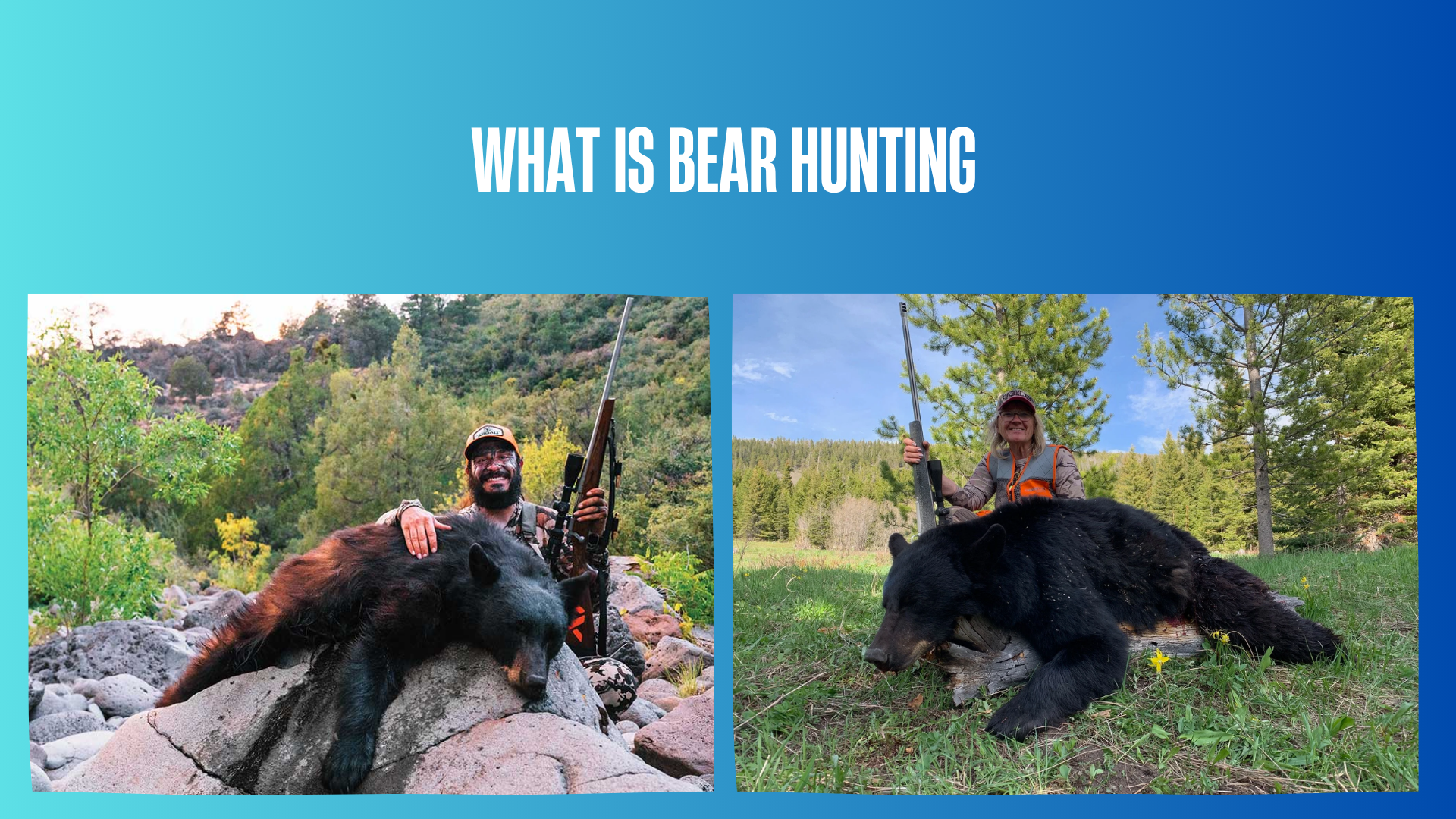

Quick Answer: What Is Bear Hunting?
Bear hunting is the regulated pursuit of wild bears for a lawful harvest, usually for meat, hide, or other permitted uses. In parts of North America, hunters pursue American black bears under wildlife-agency seasons and permit systems; some Alaskan areas also allow tightly regulated brown or grizzly bear hunts. Methods can include observing bears from a distance, moving carefully through suitable habitat, or using bait stations or trained dogs where expressly permitted. Hunting is not legal for every bear species or in every location, and an ethical hunter must identify the animal correctly, follow current rules, and be prepared for safe recovery and meat care.
First practical step: Before considering equipment or travel, identify the species and land you intend to hunt and read the current official regulations for that specific area.
What Bear Hunting Means—and What It Does Not
In wildlife-management language, hunting means pursuing an animal with the intention of a lawful take, subject to rules about species, timing, methods, land access, and harvest reporting. Bear hunting differs from recreational bear viewing, wildlife photography, scientific monitoring, and responding to a dangerous bear. Those are separate activities governed by different rules.
There is no single worldwide definition of a legal bear hunt. A method allowed in one U.S. state may be prohibited in another. A black bear may be a regulated game animal in one area while a neighboring protected species must not be hunted. Public land access for hiking also does not automatically grant permission to hunt.
Why do people hunt bears?
People participate for several reasons, including obtaining wild-game meat, traditional food practices, using hides where lawful, outdoor recreation, and participating in agency-managed harvest programs. Regulated harvest can be one component of wildlife management when it is based on population monitoring and enforceable limits. Some people oppose recreational bear hunting on animal-welfare or conservation grounds; understanding those concerns is part of a responsible discussion, not a reason to ignore them.
Which Bear Species Are Involved?
In a U.S. hunting context, the most common meaning is American black bear hunting. Brown or grizzly bears are a distinct species and are managed differently; polar bears have especially strict federal protections. The name or coat color of a bear does not reliably identify the species.
| Bear species | What beginners should know | Key legal caution |
|---|---|---|
| American black bear (Ursus americanus) | Found in varied forest, wetland, and mountain habitats; fur may be black, cinnamon, brown, or other shades. | Hunting opportunities exist in some jurisdictions only, with location-specific seasons, methods, permits, and reporting. |
| Brown/grizzly bear (Ursus arctos) | The terms “brown” and “grizzly” refer to the same species; a pronounced shoulder hump and dished face are useful identification clues. | Some Alaskan hunts are authorized under unit-specific rules. Grizzlies in the contiguous U.S. remain under federal Endangered Species Act protections as of this article’s October 2026 review. |
| Polar bear (Ursus maritimus) | An Arctic marine mammal, not a typical recreational U.S. game species. | Protected by the Marine Mammal Protection Act and Endangered Species Act; specific Alaska Native subsistence exceptions are not general sport-hunting permission. |
Black bear versus grizzly: do not judge by fur color
According to the National Park Service bear-identification guide, black bears generally lack a prominent shoulder hump and tend to have a straighter face profile and taller-looking ears. Brown or grizzly bears generally have a muscular shoulder hump, shorter-rounded ears, and a more dished facial profile. Age, viewing angle, and local variation complicate identification. If species, age, or legal status is uncertain, do not take a shot.
Identifying a female accompanied by cubs is equally important. Cubs can be hidden by terrain or vegetation. Observe from a safe distance long enough to understand what is present; do not assume a solitary-looking bear is actually alone.
How Does a Bear Hunt Work?
A responsible hunt is a process rather than a single encounter. Its main stages are legal planning, preparation, observation, species confirmation, a carefully considered harvest decision, recovery, and completion of any required reporting.
- Check the species and legal area. Determine whether hunting is permitted on the particular parcel, management unit, and dates involved.
- Complete education and obtain authorization. Get the hunting license, bear tag or permit, and any required hunter education or special approvals before going afield.
- Plan for the terrain and bear encounters. Review weather, access, communication coverage, bear-safety advice, and how to leave the area in an emergency.
- Scout responsibly. Learn habitat and seasonal food patterns without approaching feeding bears, entering restricted land, or creating unlawful attractants.
- Observe and identify. Verify the species, whether cubs are present, safe surroundings, and every applicable restriction. Passing on an animal is a legitimate outcome.
- Make only a safe, ethical decision. Stay within demonstrated proficiency and approved equipment rules; never act on a partial view or unidentified movement.
- Recover, report, and care for the animal. Follow local tagging and salvage rules, arrange safe assistance when necessary, cool meat promptly, and keep required records.
On many hunts, the longest stage is watching and learning. Seeing a bear does not establish that it is legal—or wise—to harvest it.
Main Bear Hunting Methods Explained
Methods vary with habitat, local tradition, access, and wildlife rules. These are broad descriptions, not endorsements of a method or instructions to approach a dangerous animal.
| Method | Basic idea | Typical advantages and limitations | Check before using |
|---|---|---|---|
| Spot-and-stalk | Observe open terrain from a safe distance, identify an animal, and evaluate whether a lawful approach is possible. | Supports extended observation; often involves considerable walking and changing visibility. | Terrain access, species identification, wind, safe backstop, and local method rules. |
| Still-hunting | Move slowly through suitable habitat while periodically stopping and observing. | Can fit wooded environments; dense cover makes identification and bear awareness harder. | Visibility, other hunters, property lines, and safe travel. |
| Stand or blind hunting | Wait in a fixed ground position or approved elevated location for lawful opportunities. | Can reduce movement; elevated stands introduce serious fall hazards. | Stand equipment, fall-arrest system, property permission, and hunting rules. |
| Bait-station hunting | Wait at an approved attractant site where local regulations specifically authorize baiting. | May allow prolonged observation of an animal; can also create wildlife-conditioning concerns and strict compliance obligations. | Whether baiting is legal, permitted materials, distances, timing, site cleanup, and permits. |
| Hound-assisted hunting | Use trained dogs to locate or pursue a bear under a regulated method. | May allow observation before a harvest decision; raises dog-welfare, chase-stress, access, and public-conflict concerns. | Whether dogs are allowed, dog-handling laws, landowner permission, and humane practices. |
Important example: Minnesota’s Department of Natural Resources provides regulated bait-station guidance, while Massachusetts prohibits bear baiting and the use of dogs. Never treat methods mentioned in an online guide as automatically permitted in your location.
Where Bears Live and When They Are Active
American black bears occupy forests, swamps, foothills, and mountain landscapes, with local conditions affecting where food and cover occur. Bears commonly eat emerging vegetation in spring, berries and insects during warmer months, and seasonally abundant nuts or other foods in fall. Food availability changes from year to year, so one promising area may be quiet the next.
Spring versus fall
In areas with a lawful spring hunting season, bears may be active after emerging from dens, but conditions and access can be difficult. During the fall, many bears increase feeding before winter dormancy; hunters still must follow the precise local season, not a generalized seasonal pattern. Not all states or provinces offer both seasons.
Do bears always feed or move at the same time?
No. Food, weather, human disturbance, breeding behavior, and individual differences influence activity. Bears may use different routes over time, and sightings near roads, farms, or buildings do not mean those locations are open to hunting. The safest scouting approach starts with public wildlife information, maps, and legal access checks—not approaching a bear for a closer look.
For seasonal food behavior, see MassWildlife’s black bear biology overview.
Is Bear Hunting Legal? What Must You Verify?
Bear hunting is legal in some jurisdictions under specific conditions, not universally legal. Before hunting, identify the official wildlife agency and locate the current regulations for your species, wildlife management unit, land type, and residency status. Laws can change through emergency orders even after an annual guide is published.
- Species and animal restrictions: protected species, minimum-age rules where applicable, cub restrictions, and rules concerning females with cubs.
- Season and area: open dates, legal hours, wildlife units, temporary closures, and whether the land is open to hunting.
- Licenses and authorizations: basic license, bear permit or tag, draw or lottery entry, guide requirements, and residency restrictions.
- Method and equipment: firearm or archery seasons, baiting, dogs, scents, electronic equipment, stands, and any safety-orange requirements.
- After-harvest responsibilities: tagging, reporting, sealing or inspection, evidence-of-sex rules, salvage, possession, and transport.
- Land and travel: landowner permission, tribal rules, local discharge restrictions, national park or preserve rules, and cross-border wildlife-part restrictions.
Examples of why the rules cannot be generalized
Massachusetts publishes a 2026 black bear season with specified dates, permits, methods, tagging, and reporting. Minnesota uses designated permit areas, a lottery in much of the bear range, and separate rules for its no-quota area. Alaska’s requirements differ by game management unit and species. In Alaska, nonresident brown/grizzly hunters generally require an Alaska-licensed guide or a qualifying resident relative, while nonresident aliens are subject to additional guide requirements; consult the Alaska Department of Fish and Game for the precise rule.
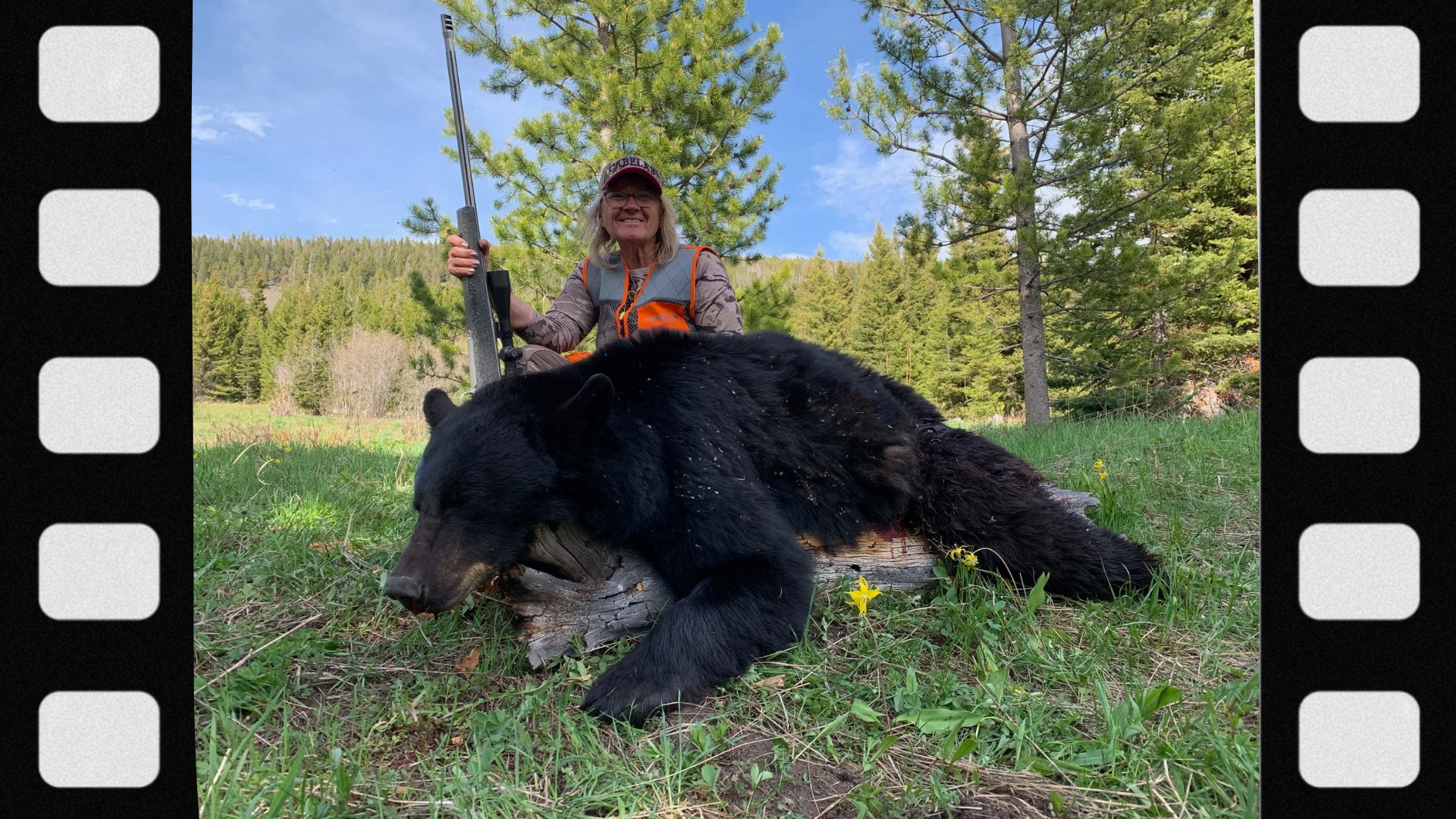
In the contiguous United States, the U.S. Fish and Wildlife Service’s lower-48 grizzly rulemaking page reported a proposed 2026 rule with no final rule published at the time reviewed. Federal protections for grizzlies must not be confused with Alaska brown-bear hunting permits. Similarly, the U.S. Fish and Wildlife Service describes polar bears as federally protected, with specific subsistence exceptions; ordinary recreational bear-hunting rules do not apply to them.
Regulatory information checked: October 11, 2026. These examples are educational and are not a substitute for the regulation in effect on your actual hunt date. Hunting on National Park Service-managed land is authorized only in specified units and circumstances; see the NPS hunting-access explanation before making plans.
What Equipment Does a Beginner Bear Hunter Need?
You do not need the most expensive equipment to hunt responsibly. Choose equipment for local law, terrain, season, experience, and the ability to use it safely. Prioritize training and a realistic recovery plan before premium optics or specialized clothing.
| Category | Practical essentials or considerations | Status |
|---|---|---|
| Legal documentation | Current license, relevant bear permit or tag, required hunter education records, maps of authorized land. | Required where specified by law. |
| Navigation and communication | Paper or offline map, compass or GPS, charged phone, extra power, emergency-contact plan. | Strongly recommended. |
| Bear-encounter precautions | Bear spray where allowed and appropriate, practiced awareness, safe food storage, and region-specific training. | Important safety preparation. |
| Clothing and footwear | Weather-suitable layers, grippy boots, rain protection, required blaze orange, gloves. | Conditions and laws determine needs. |
| Observation | Binoculars used from a safe location; optional spotting scope for open country. | Helpful but not automatically required. |
| Emergency supplies | First aid, water, extra food, headlamp, insulation or shelter, and a method for obtaining help. | Strongly recommended. |
| Lawful hunting implement | Firearm or bow that meets local rules and is familiar through supervised practice and manufacturer guidance. | Depends on authorized method. |
| Recovery and meat care | Suitable gloves, clean tools, breathable meat bags, cooling/transport plan, and enough assistance for the animal. | Essential when harvesting. |
Four firearm-safety principles
- Treat every firearm as if it is loaded.
- Keep the muzzle pointed in a safe direction.
- Keep your finger outside the trigger guard until ready to shoot.
- Know exactly what the target is and what lies beyond it.
A mechanical safety does not replace these practices. Unload and secure equipment during travel, before negotiating difficult obstacles, and while using any elevated access system, consistent with training and applicable rules. If you use a tree stand, follow its manufacturer’s instructions and use a properly fitted full-body fall-arrest system and lifeline.
Bear Encounters: Safety Comes Before the Hunt
A bear may act differently when feeding, surprised, defending cubs, or accustomed to human food. The National Park Service’s bear-safety guidance emphasizes giving bears space, staying alert, avoiding surprises, and adapting to local conditions. A hunting permit is not a reason to approach or provoke a bear.
- If you spot a bear that has not noticed you: do not approach for a better photograph or closer inspection. Give it room and consider an alternate route.
- If a bear notices you: remain calm, identify yourself in a steady voice if appropriate, and slowly increase distance when possible. Do not run.
- If cubs or a carcass are nearby: avoid placing yourself between a bear and what it may be defending.
- In bear-spray areas: carry approved bear spray where legally permitted and readily accessible; learn its limitations before travel. Do not treat it as permission for risky behavior.
- If a bear appears aggressive or makes contact: follow current local bear-safety training, which may distinguish defensive from predatory behavior and black from brown bear encounters. Seek emergency help if anyone is injured.
Specific responses to an actual bear attack depend on circumstances, so a brief online article cannot replace the safety instruction for the region. Check ranger or wildlife-agency notices before entering bear country, especially during periods of increased bear activity.
Ethical Bear Hunting and Responsible Recovery
Ethical hunting starts with deciding when not to act. A bear obscured by vegetation, an uncertain species, a possible mother with hidden cubs, an unsafe backstop, or an animal outside your practiced ability is a reason to pass.
Selective harvest is relevant to bear management because females produce and raise cubs over long intervals. The Alaska Department of Fish and Game emphasizes observing carefully and avoiding females accompanied by cubs. Where legal requirements are stricter, the stricter requirements control.
Before hunting, arrange for safe recovery and enough transport capacity. After a lawful harvest, follow the local process for identifying the animal as required, reporting, preserving evidence, cooling meat, and using the animal rather than wasting it. If recovery would require entering another person’s land or dangerous conditions, obtain permission or assistance; do not trespass or rush into unsafe terrain.
Fair chase, respect for nonhunters, minimizing suffering, and reducing conflict with people who live near bear habitat all matter. The fact that an action might be legal does not mean it is always the best ethical decision.
Can You Eat Bear Meat? Food Safety Matters
Yes, properly handled bear meat can be eaten, subject to applicable wildlife and food-safety rules. However, it carries a serious parasite risk if it is raw or undercooked. Trichinella parasites can cause trichinellosis, a potentially severe illness. A 2026 CDC report about an outbreak linked to undercooked bear jerky reinforces that drying or marinating meat does not reliably make it safe.
- Cook thoroughly: CDC guidance for bear and similar wild-game meat recommends an internal temperature of at least 165°F (74°C), checked with a food thermometer.
- Do not trust freezing: some Trichinella species found in wild game can survive extended freezing.
- Prevent cross-contamination: keep raw meat and juices separate from ready-to-eat food; clean knives, boards, and meat grinders after use.
- Cool promptly: keep harvested meat clean and chill it as soon as practical. The USDA advises keeping dressed game below 40°F (4°C) before cooking or freezing.
- Do not rely on color or texture: a thermometer, rather than appearance, determines whether a safe cooking temperature has been reached.
For the full guidance, consult the CDC’s trichinellosis prevention page and the USDA’s wild-game handling recommendations. Do not consume meat that appears diseased, spoiled, or improperly handled; contact appropriate wildlife or health authorities when uncertain.
Bear Hunting and Wildlife Conservation: The Bigger Picture
Wildlife agencies may use regulated hunting as one management tool alongside habitat conservation, population surveys, conflict prevention, and public education. A harvest program is most defensible when it responds to reliable local data, protects vulnerable animals, accounts for reproduction and survival, and requires measurable reporting.
For example, MassWildlife asks successful bear hunters for tooth samples to help study bear ages and model the population. Alaska wildlife managers stress selective harvest to avoid unnecessary impacts on breeding females. Such programs show why harvest records and accurate identification are part of conservation rather than mere paperwork.
There is legitimate disagreement about whether and how bears should be hunted. Critics question animal welfare, baiting, dog pursuit, or whether recreational harvest is necessary for a particular population. Supporters may emphasize traditional use, meat, carefully limited hunting opportunity, and wildlife-management funding. Neither opinion replaces species-specific biological evidence or current law. Decisions should be evaluated using local population data, transparent agency goals, ecological impact, and public input.
Is bear hunting necessary to prevent attacks?
Not by itself. Preventing conflict also depends on securing garbage and food, not feeding bears, maintaining natural habitat, educating residents, and responding appropriately to problem animals. Broad claims that ordinary hunting automatically eliminates dangerous encounters are not supported as a universal rule.
Common Beginner Mistakes to Avoid
- Confusing a cinnamon-colored black bear with a grizzly. Learn multiple physical clues; do not rely on coat color.
- Using another state’s hunting rules. Check the exact area, wildlife unit, land manager, year, and approved method.
- Assuming bait or dogs are always legal. These methods can be highly restricted or prohibited.
- Failing to watch for cubs. Observe carefully and pass whenever status is uncertain.
- Underestimating navigation and extraction. Plan daylight, route, communication, help, and meat cooling beforehand.
- Confusing hunting with bear defense. A legal hunting tag does not remove the need to avoid confrontation.
- Assuming any firearm or bow is suitable. Follow the relevant laws and manufacturer instructions, and do not exceed demonstrated proficiency.
- Trusting frozen, smoked, or dried bear meat. Cook thoroughly and measure the temperature.
- Assuming a national park is open for hunting. Verify the rules for the exact federal unit and section.
- Treating a sighting as a guaranteed opportunity. Be comfortable coming home without a harvest.
A First-Hunt Readiness Checklist
- Identify the bear species and review an official species-identification guide.
- Read the current agency regulations and any emergency orders for the precise area.
- Confirm land access, boundaries, permits, season, and allowed method.
- Complete hunter education and seek experienced, ethical instruction.
- Practice firearm or archery safety under suitable supervision.
- Learn local bear-encounter safety and check bear-spray rules.
- Prepare navigation, weather protection, water, first aid, and emergency communication.
- Agree on a check-in time and leave a route plan with a trusted person.
- Arrange safe recovery, lawful tagging/reporting, transport, and rapid meat cooling.
- Decide in advance that uncertainty means no shot and unsafe conditions mean ending the hunt.
Final Answer: What Is Bear Hunting?
Bear hunting is a legal, regulated activity in which authorized hunters pursue designated wild bear species under area-specific seasons, equipment rules, and harvest requirements. It can involve different observation and hunting methods, but the defining responsibilities are lawful access, correct identification, firearm or archery safety, humane decision-making, thoughtful recovery, and respect for conservation. It is not legal for every species, state, or public-land unit.
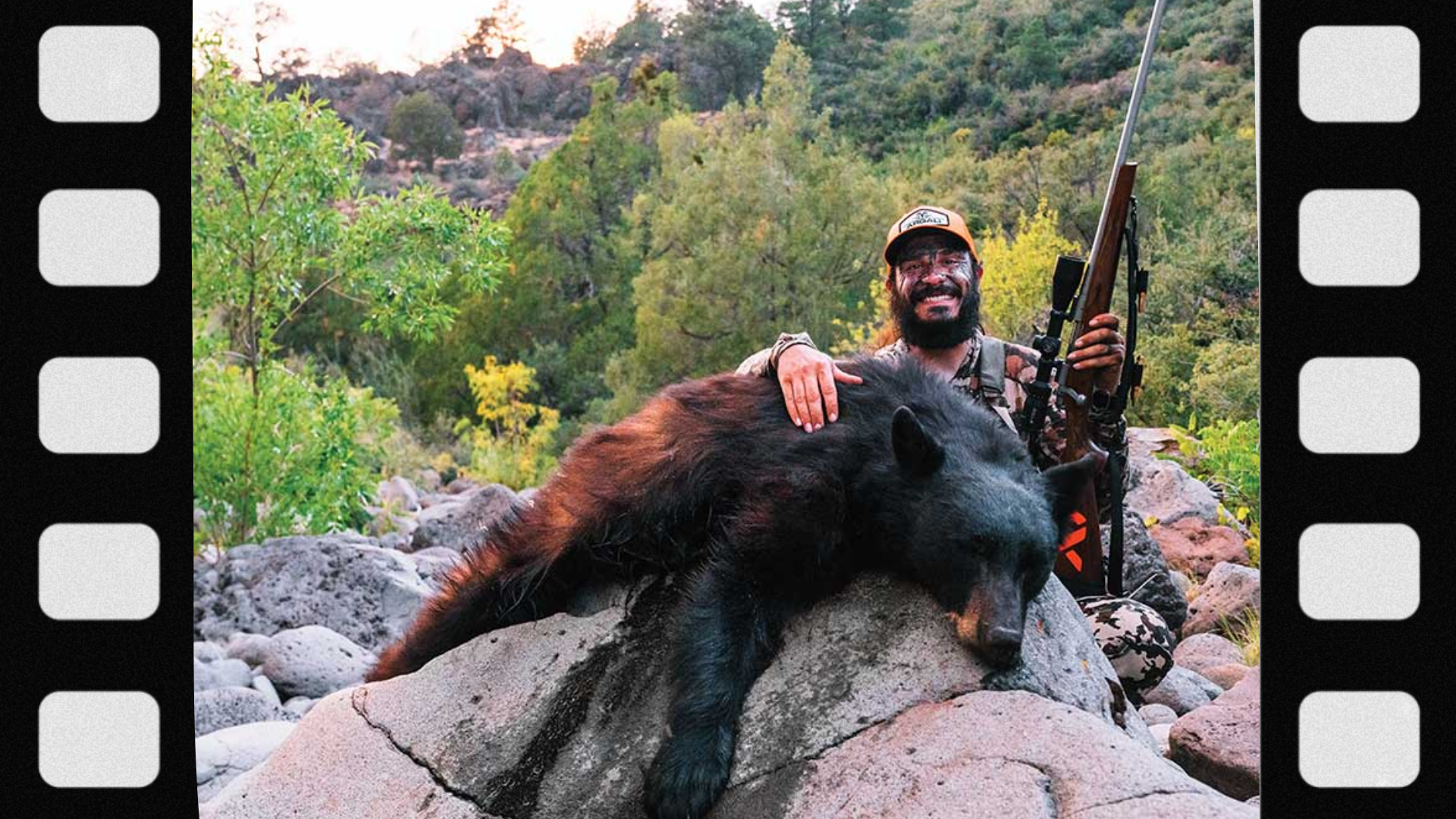
For beginners, the best starting point is not a hunt tactic. It is your wildlife agency’s current bear regulations, a hunter education course, species-identification practice, and a realistic safety and meat-care plan. When the species, rules, or situation cannot be confirmed, do not proceed.
FAQs About Bear Hunting
1. What is bear hunting in simple terms?
It is the lawful pursuit and potential harvest of bears where wildlife agencies allow it. Hunters must follow the rules governing species, permits, seasons, methods, and recovery.
2. Why do people hunt bears?
Reasons include wild-game meat, traditional use, lawful use of hides, outdoor recreation, and participation in regulated harvest systems. Motives and regulations differ across communities.
3. Is bear hunting legal in the United States?
In some jurisdictions and for some species, yes. There is no nationwide permission: state, federal, tribal, and local rules may all matter.
4. Can you hunt any kind of bear?
No. Species have very different legal protections. A black bear tag does not authorize pursuing a grizzly or polar bear.
5. What is the difference between black bear and grizzly bear hunting?
They involve different species, habitats, identification challenges, safety considerations, and legal systems. Brown/grizzly hunting opportunities in Alaska must not be confused with protected grizzlies in the lower 48 states.
6. Are black bears always black?
No. American black bears may have brown, cinnamon, grayish, and other coat colors. Use multiple anatomical clues, not fur color, for identification.
7. Are brown bears and grizzlies different species?
No. They are names used for the same species, Ursus arctos, often reflecting geographic context.
8. Can you hunt polar bears in the United States?
Polar bears have federal protections under the Marine Mammal Protection Act and Endangered Species Act. Limited lawful Alaska Native subsistence harvest exceptions are not ordinary recreational hunting permissions.
9. Do beginners need a bear hunting guide?
A guide or experienced mentor can help with safety, access, regulation interpretation, and meat care. Some jurisdictions and hunt types legally require professional guiding or qualifying accompaniment.
10. Do you need a license to hunt black bear?
Normally you need a hunting license and often a separate bear permit or tag; details are jurisdiction-specific. Confirm everything before traveling.
11. Do bear tags sell out?
Some permits are limited or allocated through a draw, while other areas use different systems. Check official application dates and eligibility.
12. When is bear hunting season?
There is no universal date. Certain places authorize spring or fall seasons, while others have different or no bear seasons; use the current wildlife-agency calendar.
13. Can bear hunting take place on public land?
Sometimes, but only where the particular public-land manager allows hunting and other relevant rules are met. A recreation map alone does not establish permission.
14. Can you hunt bears in a national park?
Hunting is prohibited in many national park units, but it is authorized in some specific National Park Service areas under enabling laws and special rules. Check the individual unit rather than assuming one rule everywhere.
15. Is bear baiting legal?
It is allowed under specified conditions in some jurisdictions and prohibited in others. The definition of bait, permitted substances, distance limits, and site rules can be detailed.
16. Can hunting dogs be used for bears?
Some areas authorize regulated hound hunting and others ban it. Dog welfare, landowner rights, and agency rules must be considered.
17. What is spot-and-stalk bear hunting?
It is a method based on observing bears at a distance in visible terrain and considering whether a safe, legal hunting opportunity exists. It demands patience and reliable species identification.
18. What is still-hunting for bears?
It is moving slowly with frequent pauses to observe the surroundings. Thick cover makes safe identification and bear awareness especially important.
19. Can you hunt bears with a bow?
Some jurisdictions permit archery bear hunting with specified equipment during specified seasons. Bowhunters must comply with local rules and practice within demonstrated limits.
20. What firearms are used for bear hunting?
Hunters may use lawful rifles, muzzleloaders, shotguns, or other implements depending on jurisdiction. Suitable equipment depends on manufacturer guidance, applicable laws, proficiency, and safe handling, not a universal model recommendation.
21. Is bear hunting dangerous?
Bear country presents risks from wild animals, remote terrain, weather, falls, and equipment handling. Training, careful planning, good judgment, and avoiding close encounters reduce—but do not eliminate—risk.
22. What should I do if I see a bear while hiking?
Keep your distance, stay calm, and avoid running. Follow current local bear-safety guidance, which accounts for bear behavior and species, and leave the bear an escape route.
23. Should bear hunters carry bear spray?
Bear spray is commonly recommended in bear country where permitted. Learn the local advice, carry it accessibly, and do not substitute it for bear awareness and avoidance.
24. Do bears attack hunters often?
Serious encounters are possible, but encounter frequency depends on habitat, activity, behavior, and conditions. Avoid broad numerical claims without current local incident data.
25. Can a bear be hunted near cubs?
Rules often protect cubs and females accompanied by cubs; some areas have specific exceptions or definitions. Observe carefully and do not act when you cannot be sure cubs are absent.
26. Why does the sex of a bear matter?
Protecting breeding females can help support long-term population health, and some regulations impose sex- or family-status restrictions. Correct identification can be difficult from a quick view.
27. Do bear hunters have to report their harvest?
Many jurisdictions require immediate tagging and later reporting, inspection, or sealing. Procedures and deadlines vary by location and species.
28. Can you keep a harvested bear hide?
Often a lawfully harvested hide may be retained, but salvage, sealing, transport, sale, and wildlife-part restrictions may apply. Review the relevant regulations before making plans.
29. Do you have to keep bear meat?
Requirements vary: some laws mandate specified meat salvage while others establish different obligations. Responsible hunters plan to avoid waste and comply with the exact local rules.
30. Is bear meat safe to eat?
It can be when harvested, stored, handled, and cooked safely. Because bear meat can contain Trichinella parasites, CDC recommends reaching at least 165°F (74°C) internally.
31. Can freezing bear meat kill parasites?
Do not rely on freezing. Some parasites in wild game resist freezing; thorough cooking verified with a food thermometer is the safer approach.
32. Is smoked or dried bear jerky safe?
Smoking, drying, or marinating without sufficient heat does not reliably kill Trichinella. The CDC reported trichinellosis associated with undercooked bear jerky in 2026.
33. How quickly should harvested bear meat be cooled?
As soon as practical and safely possible. Keep it clean, avoid warm storage, and follow USDA guidance on chilling dressed wild game below 40°F (4°C).
34. What do black bears eat?
Their varied diet includes plants, berries, nuts, insects, carrion, and occasional animal foods. Food availability changes by region and season.
35. Do bears hibernate during hunting season?
Denning patterns vary by latitude, weather, food supply, and individual bear. Some regulated hunting seasons occur when bears are active, but do not infer legal dates from biology.
36. Are bear hunting success rates predictable?
No. Sightings and harvest outcomes depend on location, season, access, bear behavior, time available, and many other variables. Avoid treating advertised success percentages as guaranteed results.
37. Does bear hunting help conservation?
Regulated harvest can be one management tool when supported by sound science, monitoring, and carefully set limits. Conservation outcomes should be evaluated for the particular population rather than assumed everywhere.
38. Is bear hunting controversial?
Yes. Debates involve animal welfare, conservation goals, baiting, dogs, cultural traditions, and recreation. Useful discussion distinguishes local evidence and laws from opinion.
39. Does hunting bears prevent nuisance-bear problems?
It is not a standalone solution. Removing access to garbage, pet food, birdseed, and other human food sources is also important for preventing conflict.
40. Can I recover a bear on private property without permission?
Do not assume you can enter property because an animal crossed the boundary. Ask the owner, follow local retrieval rules, and contact officials when needed.
41. What should I do if I cannot identify the bear or see what is behind it?
Do not take the shot. Positive identification and knowing what lies beyond the target are core firearm-safety responsibilities.
42. What is the best first step for someone interested in bear hunting?
Find the official wildlife-agency page for the intended jurisdiction, take hunter education, practice species identification, and learn local bear-encounter safety before selecting any hunting method.
Official Resources for Further Reading
- National Park Service: Identifying black bears and brown/grizzly bears
- National Park Service: Staying safe around bears
- MassWildlife: Current black bear hunting regulations
- Minnesota DNR: Hunting black bear
- Alaska Department of Fish and Game: Bear licenses, permits, and rules
- U.S. Fish and Wildlife Service: Lower-48 grizzly bear rulemaking
- CDC: How to prevent trichinellosis