
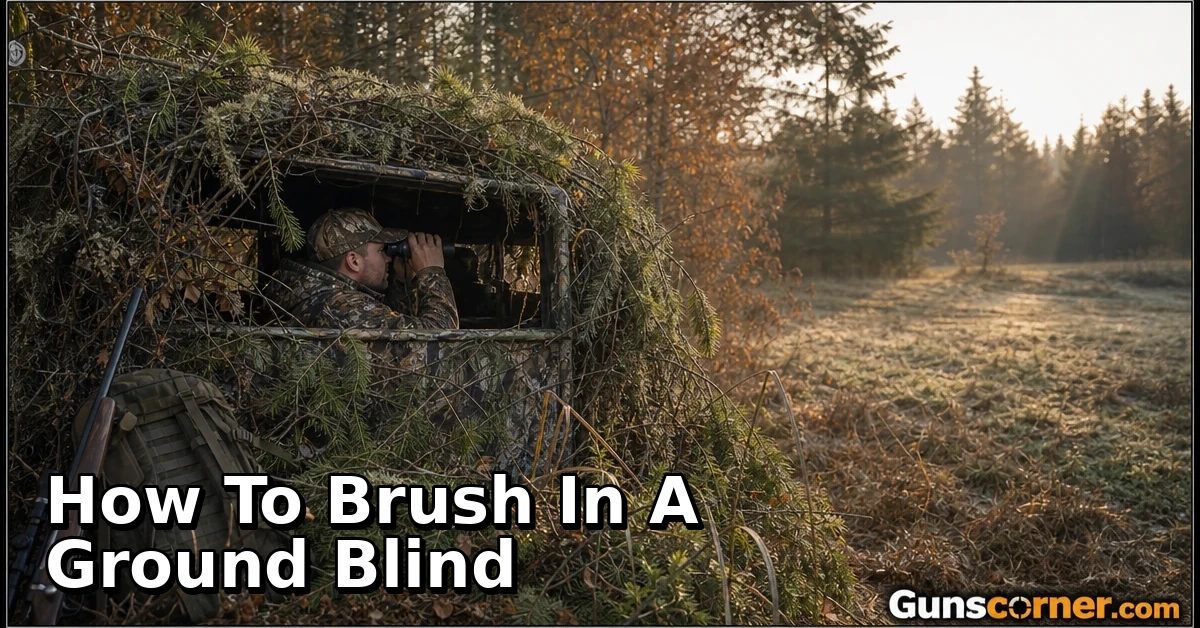

Learning how to brush in a ground blind can make your setup look more natural and help reduce sudden movement being noticed by game. The goal is not to bury the blind completely, but to place and camouflage it safely while preserving clear shooting lanes and visibility. This guide explains how to choose a location, use natural cover, secure the blind, prepare shooting windows, and hunt responsibly.
To brush in a ground blind, first confirm legal access and scout a location near suitable game movement without blocking trails or creating unsafe shooting angles. Set up the blind several days before hunting when possible, anchor it securely, and add local vegetation around the outside while leaving windows, doors, and shooting lanes clear. Avoid cutting vegetation unlawfully, over-brushing the blind, or placing it where other hunters may not see it. Always identify your target and what lies beyond it before taking a legal, ethical shot.
Important Legal and Safety Notice Before You Hunt
Hunting regulations vary by state, province, county, season, land type, species, and weapon. Before setting up or hunting from a ground blind, check your official wildlife agency for current license, permit, tag, season, legal-hour, weapon, ammunition, visibility-clothing, blind-marking, access, and harvest-reporting requirements.
- Carry the required hunting license, permits, and tags.
- Confirm legal seasons, hunting hours, bag limits, and weapon restrictions.
- Verify public-land boundaries or obtain private-land permission.
- Follow any rules for ground blinds, temporary structures, bait, and vegetation removal.
- Wear required blaze orange or other visibility clothing.
- Keep firearms unloaded until legally positioned and ready under safe conditions.
- Keep bows pointed safely and broadheads covered during transport.
- Identify the animal and what is beyond it before shooting.
- Never shoot toward roads, homes, livestock, trails, vehicles, people, or unclear movement.
- Tell someone your location and carry navigation, water, first aid, and communication equipment.
What It Means to Brush In a Ground Blind
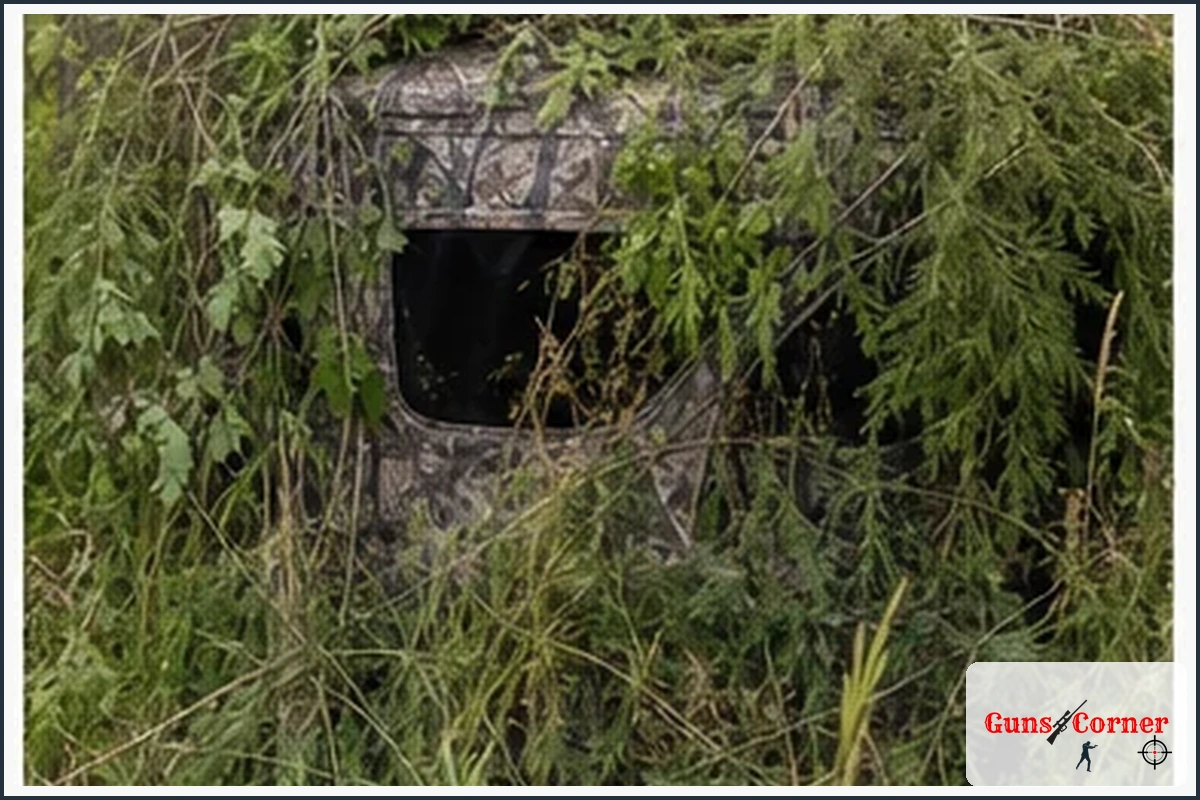
Brushing in means adding natural vegetation, branches, grass, or other lawful local materials around a blind so it blends with the surrounding habitat. Effective camouflage matches the area’s shape, color, height, and texture. It should break up the blind’s outline without making the structure unstable or preventing a safe exit.
Good brushing also considers how game sees the blind. Animals may notice straight edges, shiny fabric, open windows, movement, or a new object in a familiar area. Natural cover can reduce those visual clues, but it cannot replace careful movement, scent awareness, good scouting, and patience.
Choose the Right Ground Blind Location
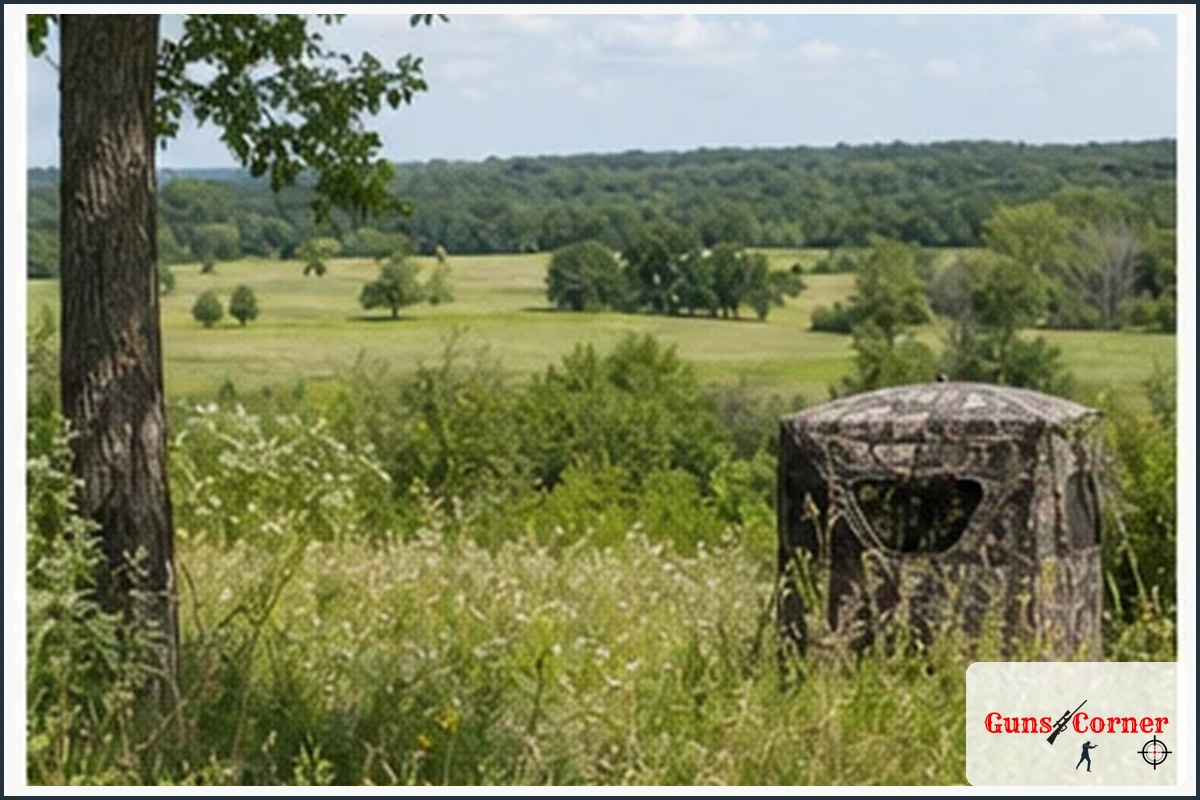
Blind placement is usually more important than adding extra brush. Look for a location that provides natural concealment and allows you to observe or hunt a legal, ethical route of travel.
- Place the blind beside existing cover rather than in the middle of an open field.
- Use terrain features such as brush lines, timber edges, tall grass, or low rises.
- Keep the blind away from heavily used game trails when possible so you do not block movement.
- Consider prevailing wind and how your scent may travel toward likely animal approaches.
- Choose a stable, dry surface that will not collect water.
- Keep enough space for the door to open and for a safe exit.
- Plan shooting lanes before adding cover.
- Make sure your position is clearly outside property boundaries and legal access zones.
Ground Blind Brushing Materials
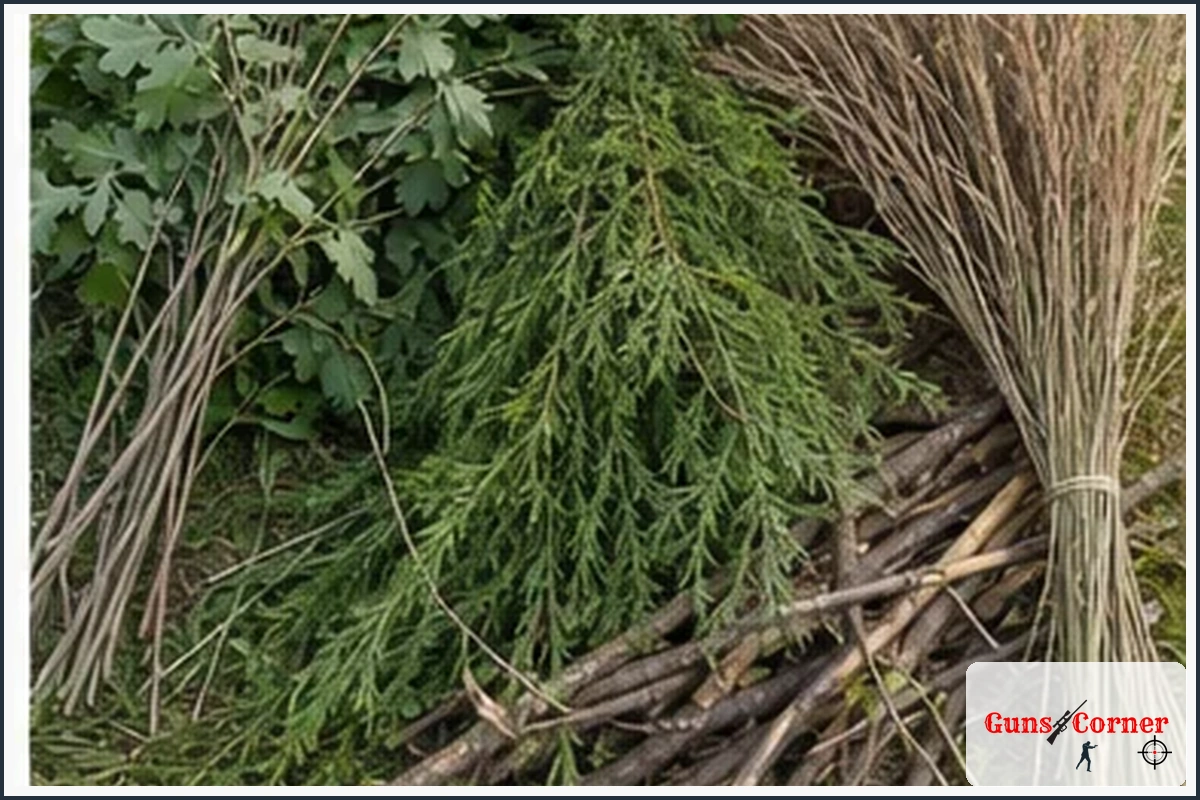
Use materials that naturally occur in the hunting area and are legal to gather. The best choices usually match the vegetation already around the blind.
- Small leafy branches
- Dry grass or local weeds
- Brush from naturally fallen limbs, where permitted
- Native vegetation trimmed according to local rules
- Natural debris that matches the forest floor or field edge
- Commercial blind-brushing systems allowed by the landowner or agency
Avoid bright, fresh-cut materials from a different habitat, artificial colors that stand out, and excessive cover that creates hazards. Never cut vegetation on public or private land unless the rules or landowner allow it.
How to Brush In a Ground Blind Step by Step
Step 1: Scout Before You Set Up
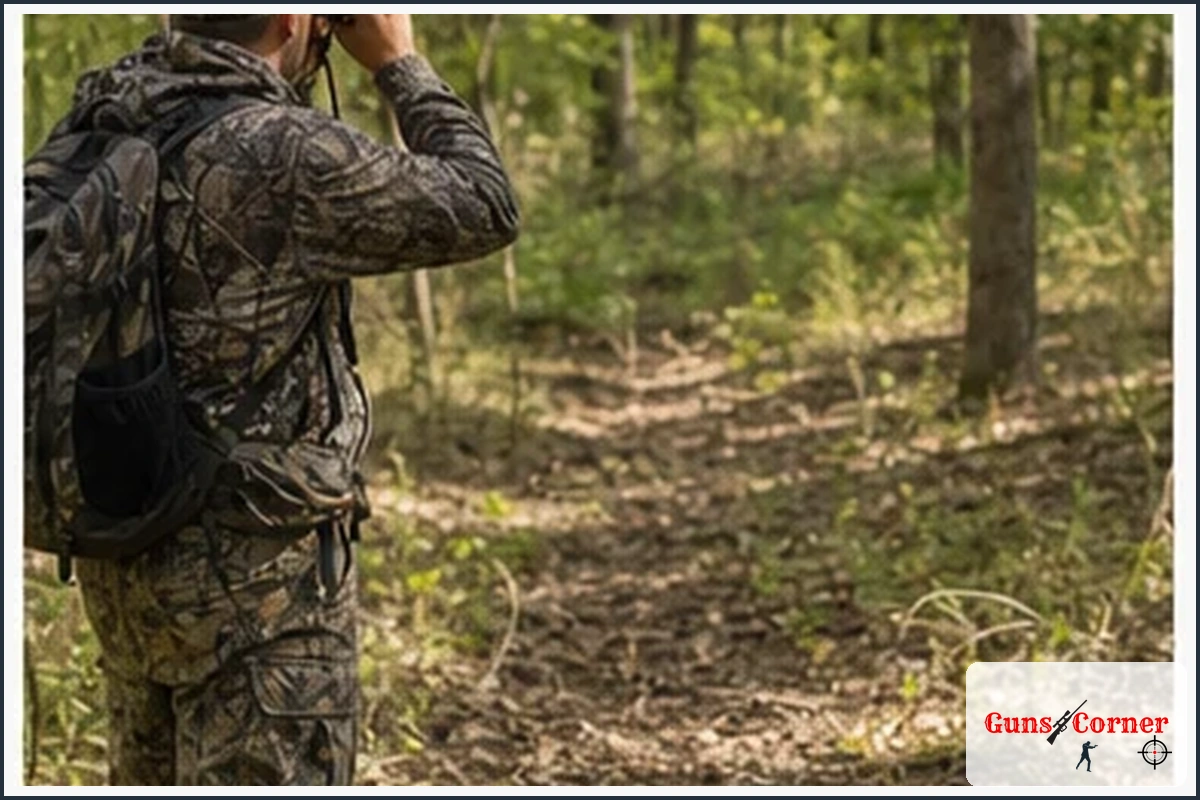
Look for tracks, droppings, feeding areas, bedding cover, rubs, scrapes, trails, and other signs appropriate to the species you are hunting. Observe from a distance when possible so you do not unnecessarily disturb the area.
Study how animals approach the location, where they may stop, and which background will hide the blind. Also consider other hunters, hikers, livestock, roads, and homes nearby.
Step 2: Check the Wind and Sun
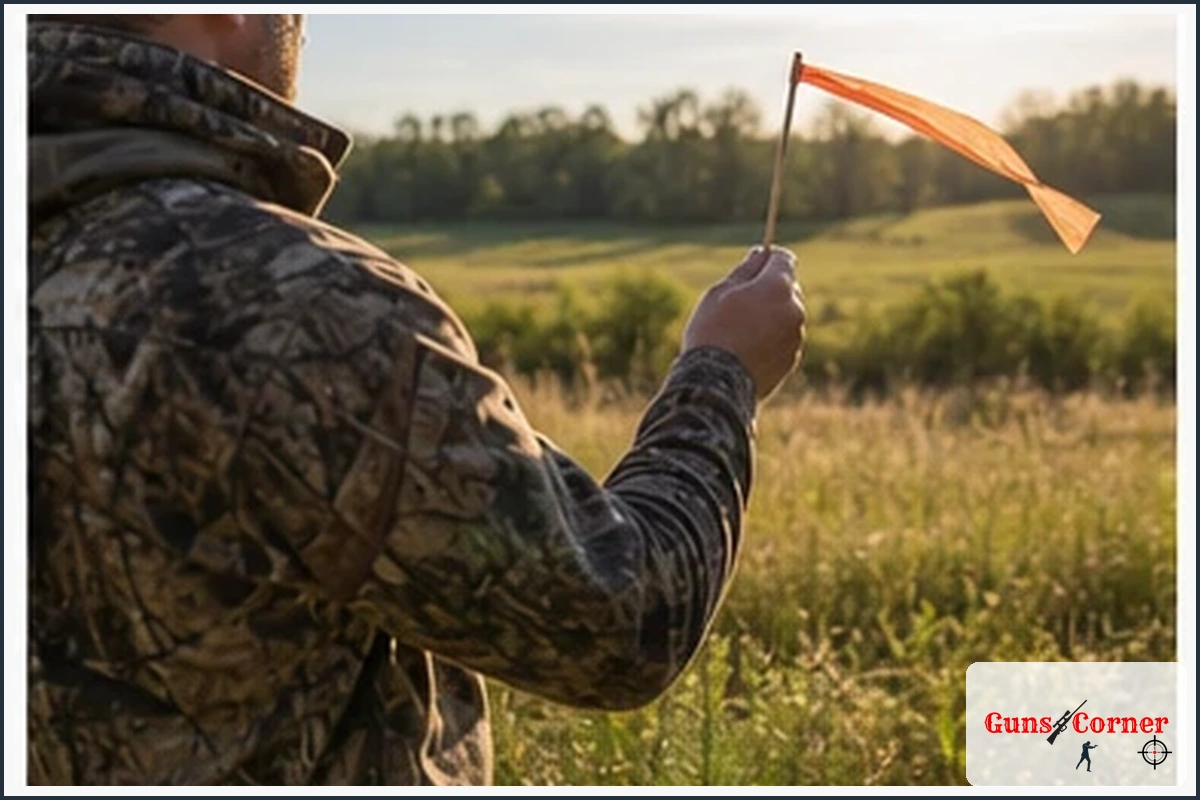
Choose a setup where common wind directions do not carry your scent directly toward the expected approach. The sun can also affect visibility. A position with the sun behind or to the side of the blind may reduce glare and make it easier to see.
Wind changes, so plan more than one legal setup or be prepared to leave when conditions make the location unsuitable.
Step 3: Assemble and Inspect the Blind
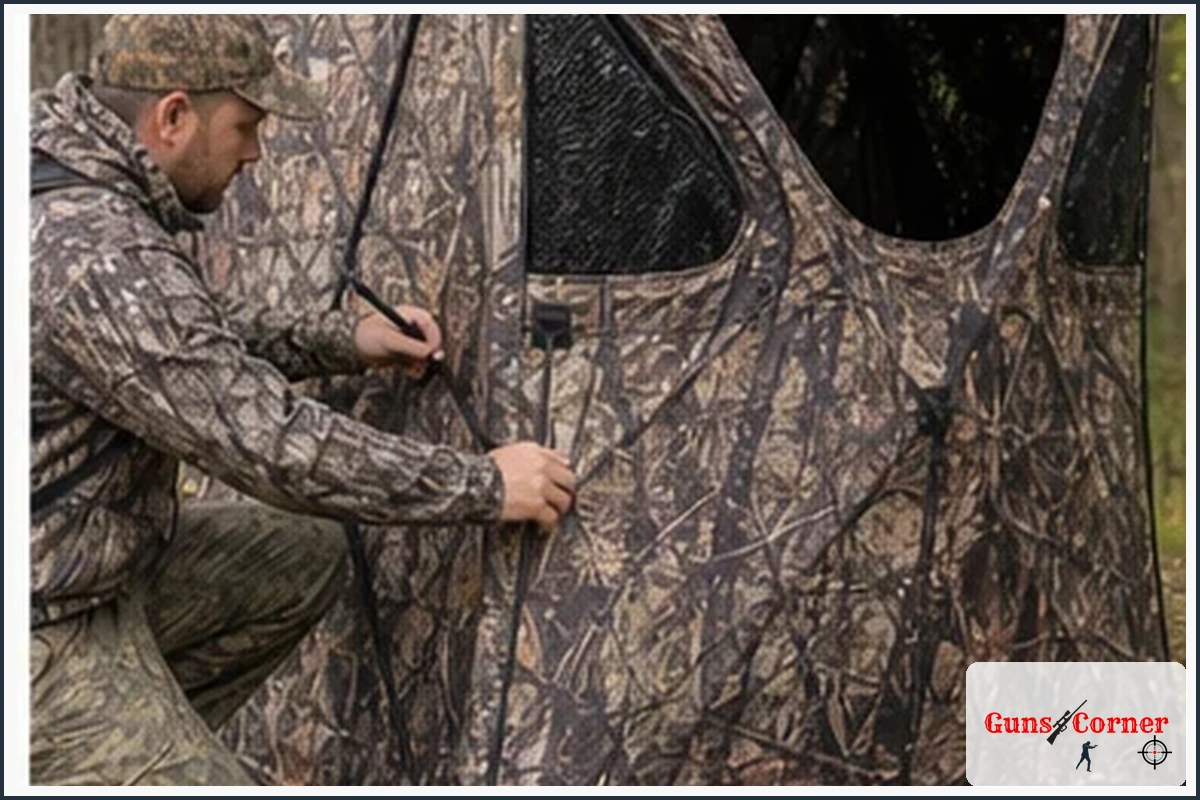
Set up the blind according to the manufacturer’s instructions. Inspect hub arms, straps, stakes, seams, doors, windows, and tie-down points. Make sure the blind is stable before adding vegetation.
Open the windows you expect to use and sit inside. From that position, check visibility, firearm or bow clearance, seating comfort, and safe shooting angles.
Step 4: Anchor the Blind Securely
Use the included stakes, tie-downs, and anchor points. Secure the blind for expected wind and weather without creating trip hazards. A loose blind can flap, collapse, damage equipment, or become dangerous to nearby people.
Keep ropes and stakes visible during setup and removal. Mark hazards only in ways allowed by the landowner or wildlife agency.
Step 5: Create Safe Shooting Lanes
Decide where an animal could appear and which directions offer a safe background. Trim or move only enough material to create clear lanes. Avoid placing a shooting lane across a road, trail, property line, building, livestock area, or location where another hunter could appear.
For bowhunting, allow additional clearance for the draw cycle and arrow path. For firearm hunting, confirm that the background safely stops a projectile. Never rely on vegetation alone to stop a bullet or arrow.
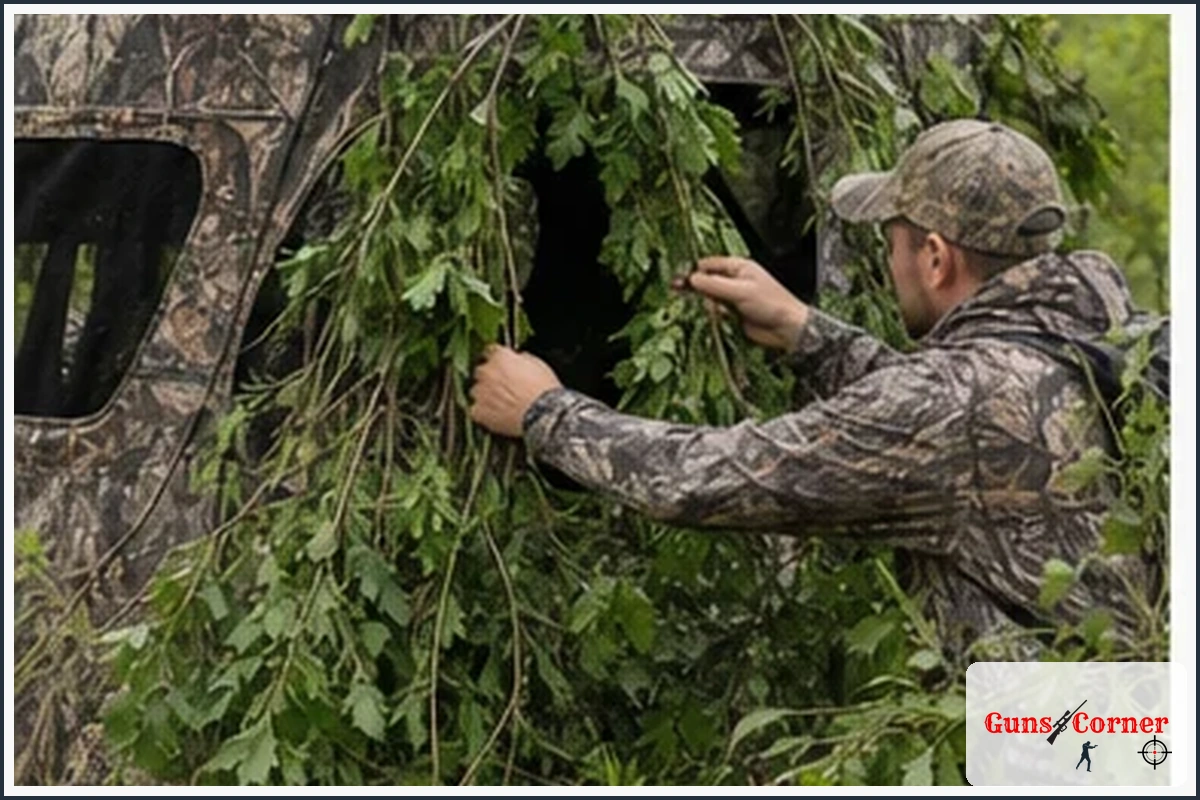
Step 6: Add Cover Around the Blind
Begin with the largest visual gaps and the most obvious straight edges. Place branches and vegetation around the lower sides first, then add smaller pieces to break up the roofline and corners.
Do not completely cover the windows, door, ventilation areas, or emergency exit. The blind should appear connected to the surrounding cover rather than looking like a solid mound of brush.
Step 7: Match the Local Vegetation
Use a mixture of textures already present in the area. If the surroundings contain tall grass and scattered brush, do not create a dense wall of leafy branches. If the blind is in timber, use limbs and shadows that match the forest floor.
Fresh greenery may wilt or change color. Check the blind before hunting and replace obvious dead or contrasting material when lawful and practical.
Step 8: Break Up Human-Shaped Outlines
Game may recognize the rectangular shape of a blind or the movement of a person inside it. Place cover around corners and vertical edges to soften the outline. Avoid creating an unnatural pile that attracts attention.
Keep your face, hands, and equipment away from open windows until a safe shooting opportunity develops. Dark interior openings can also be noticeable, so use the blind’s built-in window adjustments correctly.
Step 9: Test the Setup From Outside
Walk away from the blind and view it from likely animal approach routes. Check it from different distances and angles, including low and elevated perspectives. Look for bright fabric, straight seams, shiny objects, movement, and gaps in the cover.
Do not enter areas where you lack permission or disturb sensitive habitat simply to improve camouflage. A short walk around the legal setup area is usually enough.
Step 10: Rehearse the Hunting Position
Sit inside with the equipment you will use. Practice opening windows quietly, moving your weapon safely, shifting your body, and aiming through each planned lane. Confirm that your chair, pack, shooting sticks, and other gear do not block your exit.
Bowhunters should practice drawing without contacting the blind. Firearm hunters should follow safe handling rules and never use live ammunition during dry practice.
Step 11: Leave the Blind in Place Only as Allowed
Some lands limit how long a blind may remain, require identification, or prohibit unattended structures. Follow the applicable rules and landowner instructions. Remove the blind, stakes, cord, and brush when required, and leave the area clean.
Ground Blind Setup for Bowhunting
Bowhunting requires extra attention to window height, draw clearance, and shooting angles. Set the blind early enough for animals to become accustomed to its presence when local practice and regulations allow.
- Practice drawing from the exact chair and window position.
- Keep branches away from the bow limbs, cams, string, and arrow path.
- Use only a range where you can place an ethical shot consistently.
- Use safe broadhead transport and storage procedures.
- Pass on shots obstructed by brush, extreme angles, or uncertain animal movement.
Ground Blind Setup for Firearm Hunting
Firearm hunters must plan beyond the animal itself. A clear view is not enough; the entire shooting direction must be safe and legal.
- Identify a reliable backstop before hunting.
- Never shoot through vegetation that makes the target or background uncertain.
- Keep the muzzle pointed in a safe direction inside the blind.
- Unload the firearm before leaving the blind or moving through brush.
- Follow all transport, storage, ammunition, and visibility rules.
- Use a stable rest without placing the barrel against the blind fabric.
Best Time, Place, and Conditions for Brushing In a Blind
Setting up before the hunt is generally better than brushing in a blind immediately before sitting. Extra time allows the vegetation to settle and gives you a chance to identify problems with wind, visibility, access, and shooting lanes.
Weather affects both the blind and the camouflage. Wind can loosen branches and anchors, while rain can make the ground unstable. Recheck the structure after severe weather and do not hunt if the setup becomes unsafe.
Use local animal behavior and current regulations to determine where and when to hunt. Do not assume that a blind is legal simply because it is temporary or portable.
Helpful Tips for Better Results
- Brush the blind to match its immediate surroundings, not a different habitat.
- Use less cover than you think you need and test the view from outside.
- Set the blind where natural vegetation already breaks up its shape.
- Keep entry and exit routes quiet, safe, and free of unnecessary obstacles.
- Approach with the wind in mind and avoid crossing likely animal travel routes.
- Remove or secure loose equipment that could flap, shine, or make noise.
- Keep all shooting lanes narrow enough to control but wide enough for a safe opportunity.
- Use a small ground cloth or mat to reduce noise and protect gear from moisture.
- Practice movement inside the blind before bringing a weapon into the field.
- Carry a repair kit with extra cord, stakes, and basic weather protection.
Common Mistakes to Avoid
- Failing to check whether unattended blinds or natural brushing are legal.
- Setting up without permission or crossing unclear property boundaries.
- Placing the blind directly on a game trail.
- Ignoring wind direction and scent movement.
- Covering windows, ventilation, or the emergency exit.
- Creating shooting lanes toward roads, homes, trails, livestock, or unknown backgrounds.
- Using bright or unnatural vegetation that does not match the habitat.
- Over-brushing until the blind looks like an unnatural pile.
- Leaving loose branches, cords, stakes, or trash behind.
- Taking a shot through brush when the target or background is not fully clear.
- Entering a blind without checking for insects, wildlife, water, or structural damage.
- Assuming camouflage can compensate for excessive movement or poor scouting.
Troubleshooting Common Problems
| Problem | Possible Cause | What to Do |
|---|---|---|
| The blind is easy to see | It is in open ground or the vegetation does not match. | Move it only if legal and practical, or add limited local cover around obvious edges. |
| The blind moves in the wind | Weak anchors, loose straps, or soft ground. | Recheck stakes and tie-downs, reinforce the setup, or leave if it cannot be made secure. |
| Animals avoid the area | Recent disturbance, poor wind, excessive scent, or a blind placed on a travel route. | Reduce disturbance, improve access, check wind, and consider a legal alternate location. |
| Shooting windows are blocked | Too much brush or poor planning from inside the blind. | Remove only enough material to create safe lanes and maintain a clear exit. |
| Branches make too much noise | Dry limbs contacting the blind or movement during setup. | Replace noisy pieces with quieter natural cover and practice window movement. |
| Water collects inside | Low ground, poor drainage, or damaged fabric. | Move to higher stable ground if allowed, inspect the blind, and use appropriate ground protection. |
| You are unsure whether the setup is legal | Rules differ by location and land type. | Contact the official wildlife agency or land manager before hunting. |
Ethical Hunting and Conservation
Ground blinds should support responsible hunting, not conceal unsafe behavior. Respect wildlife, landowners, other hunters, and non-hunting visitors. Follow seasons, bag limits, access rules, and reporting requirements. Pass on any shot when the target, background, distance, or animal identification is uncertain.
Use the harvest responsibly, avoid waste, and follow local requirements for tagging, transport, reporting, and meat care. Remove all equipment and debris when required. Hunting licenses and lawful participation support wildlife management and conservation programs.
When to Get More Training or Professional Guidance
Seek help from an official hunter education course, certified instructor, experienced ethical mentor, wildlife agency, land manager, or reputable conservation organization if you are unsure about firearm or bow safety, property boundaries, blind rules, shot placement, recovery, or meat handling.
Beginners should especially consider hunting with a knowledgeable mentor until they are comfortable with navigation, equipment, species identification, legal requirements, and safe decision-making.
After the Hunt: Follow-Up, Gear Care, and Learning
- Unload and safely store firearms or bows according to manufacturer guidance.
- Inspect the blind, stakes, straps, and camouflage materials for damage.
- Remove the blind and all debris when required.
- Complete required tagging and harvest reporting promptly.
- Handle and cool legally harvested game responsibly.
- Record weather, wind, animal sign, access routes, and what worked.
- Repair and dry equipment before storing it.
Recommended Hunting Gear and Tools to Consider
You do not need expensive equipment to brush in a ground blind responsibly. Choose gear based on local rules, terrain, weather, hunting method, safety needs, and experience.
- Legal ground blind with stakes and tie-downs
- Local vegetation or lawful camouflage materials
- Map, compass, GPS, or approved hunting app
- Weather-appropriate clothing and required visibility gear
- Quiet chair or seat cushion
- Binoculars for observation
- First aid kit, water, snacks, and emergency communication
- Repair cord, spare stakes, and weather protection
- Game bags, gloves, cooler, and meat-care supplies when relevant
Final Thoughts
Learning how to brush in a ground blind is mainly an exercise in careful placement, natural camouflage, secure setup, and safe planning. Scout first, confirm the rules, match the surrounding habitat, preserve clear shooting lanes, and test the blind from both inside and outside. With practice and patience, a properly prepared blind can provide a practical hunting position without compromising safety, ethics, or conservation.
Frequently Asked Questions
How much should I brush in a ground blind?
Add enough natural cover to break up obvious edges and match the surrounding habitat. Avoid covering windows, ventilation, doors, or emergency exits.
Should I brush in a ground blind before hunting?
Yes, when legal and practical. Setting it up before the hunt allows the blind and vegetation to settle and gives you time to correct safety or visibility problems.
Can I cut branches to brush in my blind?
Only if local regulations and the landowner allow it. On public land, vegetation removal may be restricted or prohibited.
Should I brush in every side of the blind?
Usually, the most important areas are the corners, lower edges, and side facing likely animal approaches. Keep the entry, windows, and exit clear.
Will brushing in a blind guarantee animals will approach?
No. Scouting, wind, pressure, weather, animal behavior, and access all affect hunting results.
How early should I set up a ground blind?
Set it up as early as regulations and land access allow. This gives the blind time to settle and lets you evaluate the location without rushing.
Where is the best place to put a ground blind?
Choose legal ground near likely movement, natural cover, and a safe background. Avoid blocking trails or placing the blind where shooting directions are unsafe.
Should a ground blind be placed directly on a game trail?
Usually not. Place it beside the trail or near a natural opening so animals can move normally and you can maintain a safe, controlled setup.
How important is wind direction?
Wind direction is very important because it affects scent movement and access. Avoid setups where common wind carries your scent toward likely animal approaches.
Does a ground blind need to be completely hidden?
No. It needs to blend with the background and reduce obvious edges. Over-brushing can look unnatural and create movement or shooting hazards.
Should I use dead or live vegetation?
Use vegetation that matches the area and is legal to gather. Check it regularly because fresh vegetation can wilt or change color.
How do I camouflage the roof of a ground blind?
Break up the roofline lightly with matching vegetation, but do not overload the roof or cover ventilation and safety features.
Can I use artificial camouflage around a blind?
You may be able to use commercial camouflage materials, but follow landowner and wildlife-agency rules. Avoid materials that shine, flap, or create hazards.
Should I hunt from a newly placed blind immediately?
You can only do so if the setup is legal and safe, but allowing it to settle may reduce disturbance and give you time to test the setup.
How do I check whether a blind is visible?
Walk away along likely animal approach routes and view it from multiple distances and angles. Look for bright fabric, straight edges, movement, and unnatural gaps.
How do I keep a ground blind from blowing away?
Use the manufacturer’s stakes and tie-downs, inspect the soil, and reinforce the setup when allowed. Do not hunt from a blind that cannot be secured safely.
Can I leave a ground blind on public land?
Rules vary widely. Check the current regulations for the specific public land and remove or identify the blind as required.
Can I place a blind on private land without permission?
No. Obtain permission before entering or placing equipment on private property, and respect gates, livestock, boundaries, and landowner instructions.
What should I do if the blind blocks my shooting lane?
Reposition the blind if legal or remove only enough vegetation to create a safe lane. Never shoot through an unclear background.
How wide should a shooting lane be?
It should be wide enough for a clear, practiced shot and safe weapon movement. Bowhunters need clearance for drawing and arrow flight; firearm hunters need a clear target and safe backstop.
Is it safe to shoot through brush?
Only follow the rules and practices taught for your legal weapon, but generally avoid any shot when vegetation prevents clear target identification or creates an uncertain projectile path.
What should firearm hunters consider inside a ground blind?
Keep the muzzle pointed safely, confirm the background, maintain safe handling, and unload before leaving or moving the firearm.
What should bowhunters consider inside a ground blind?
Practice drawing from the exact position, keep limbs and strings clear of the blind, use safe broadhead handling, and stay within your practiced effective range.
Do ground blinds reduce scent?
A blind may contain some movement, but it does not eliminate scent. Plan your approach, monitor wind, and avoid unnecessary disturbance.
Should I use scent-control products?
They may be part of a broader strategy, but they do not replace wind planning, quiet access, good scouting, or ethical shot decisions.
How do I enter a ground blind quietly?
Prepare the route in advance, remove noisy obstacles when legal, avoid stepping on dry branches, and enter when wind or natural sound helps cover minor noise.
Should I leave gear inside the blind?
Only if permitted and secure. Remove food, trash, and unnecessary items that could create scent, noise, or wildlife problems.
Can weather damage a brushed-in blind?
Yes. Wind, rain, snow, and changing temperatures can loosen anchors or alter vegetation. Inspect the blind before every hunt.
What if animals avoid the blind?
Check whether the blind is on a travel route, whether access crosses the area, and whether wind carries your scent toward the animals. Adjust the legal setup or improve your access route.
What if the blind is too dark inside?
Adjust window openings and interior positioning without exposing unnecessary movement. Keep the outside cover natural and maintain a safe view.
Should I use a chair in a ground blind?
A quiet, stable chair can improve comfort and reduce movement. Make sure it does not block your exit or interfere with a safe shot.
How can I reduce movement inside a blind?
Organize equipment before the hunt, practice window adjustments, use quiet clothing, and keep your hands and face away from open windows until necessary.
Can I brush in a blind for turkey hunting?
You can use natural cover where legal, but turkey hunting requires exceptional awareness of other hunters. Follow visibility rules, identify your target, and never shoot at movement or sound alone.
Can I brush in a blind for deer hunting?
Yes, when allowed. Focus on natural edges, wind, safe shooting lanes, and avoiding excessive disturbance near bedding or feeding areas.
Do ground blinds work for bowhunting?
They can, provided the blind gives enough clearance for drawing and the hunter practices from the actual seat and window position.
Do ground blinds work for firearm hunting?
They can provide concealment, but the blind does not make an unsafe direction safe. Always verify the target, background, legal shooting direction, and firearm rules.
What should I do if another hunter is near my blind?
Do not assume the person knows your location. Keep your weapon safe, identify yourself only when appropriate, and follow landowner, public-land, and hunter-safety procedures.
How do I mark a blind for safety?
Follow local rules for visibility or blind identification. Do not add markings that violate regulations or reveal private information unnecessarily.
What should I do after a successful hunt?
Follow legal tagging, reporting, transport, recovery, and meat-care requirements. Handle the harvest respectfully and remove equipment when required.
What if I am unsure about the law?
Do not guess. Contact the official wildlife agency or land manager before setting up or hunting.
Is brushing in a blind worth the effort?
It can be useful when the location is legal, naturally suited to a blind, and carefully prepared. Placement, wind, scouting, and safety are more important than adding large amounts of brush.