
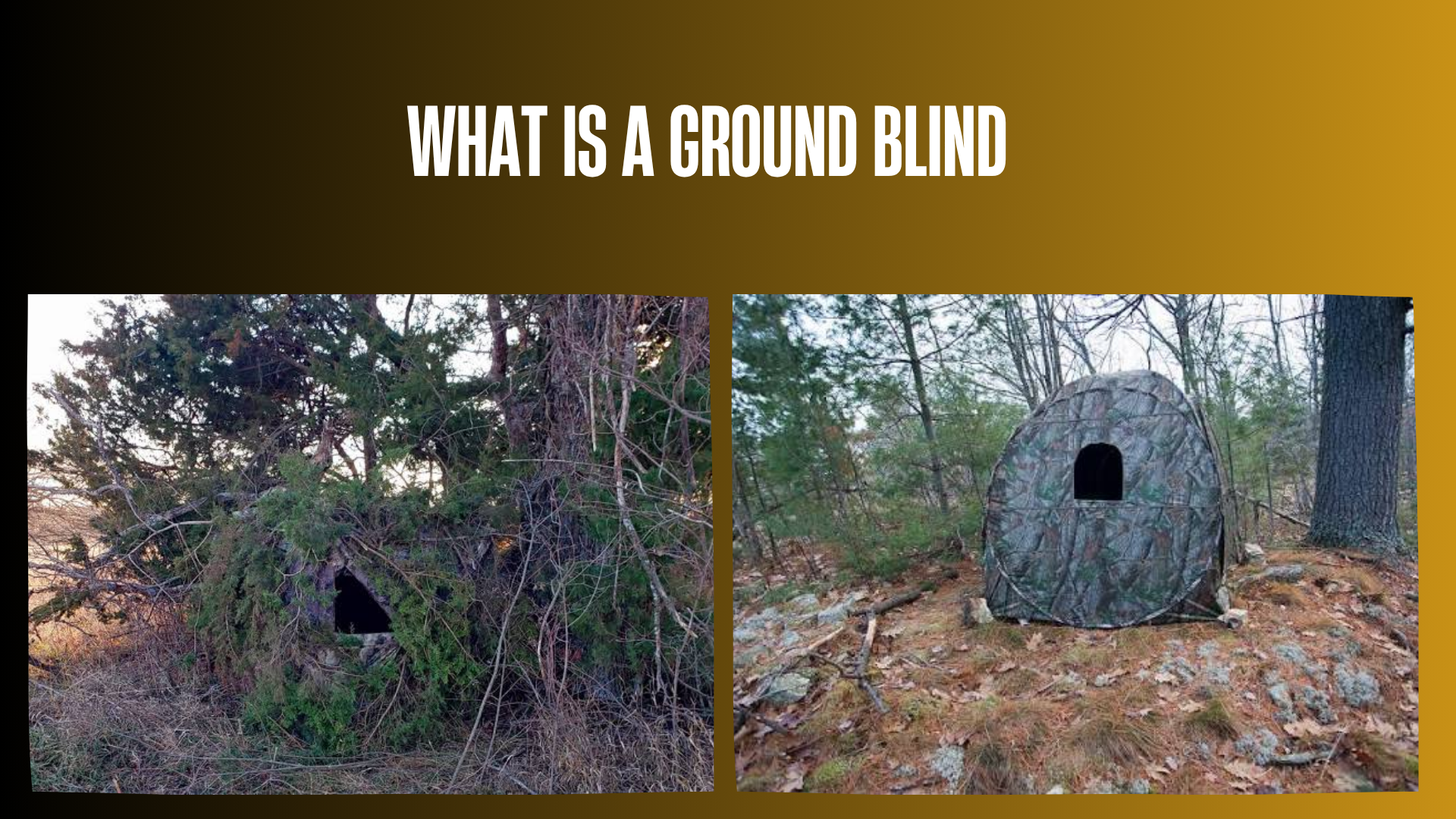

If you are new to hunting, you may hear hunters talk about sitting in a blind, setting up a pop-up blind, or building a natural blind. These terms describe methods of concealing a hunter at ground level so wildlife is less likely to detect the hunter’s outline and movement.
Understanding what is a ground blind is useful for deer, turkey, waterfowl, and other forms of hunting. Ground blinds range from simple natural cover to portable fabric shelters with walls, windows, and a roof. The right setup depends on the species, terrain, weather, hunting method, local regulations, and safe shooting directions.
Quick Answer: What Is a Ground Blind?
A ground blind is a hunting concealment positioned at ground level that helps hide a hunter from game animals. It may be as simple as natural vegetation or fallen material used for concealment, or it may be a manufactured portable shelter made from camouflage fabric and a collapsible frame. Ground blinds are commonly used for deer and turkey hunting because they can conceal movement and provide a stable place to wait. They do not eliminate the need for safe firearm or archery handling, positive target identification, a safe background, or compliance with local hunting regulations.
How Does a Ground Blind Work?
A ground blind works primarily by breaking up or hiding the hunter’s visible outline and reducing the amount of movement an animal can see.
Instead of sitting completely exposed, the hunter sits behind natural cover or inside an enclosure. Openings or windows provide visibility while the blind walls conceal much of the hunter’s body and movement.
Ground blinds do not make hunters invisible. Animals may still detect unusual movement, sound, scent, or a new object in their environment. Effectiveness varies by species, location, wind, hunting pressure, vegetation, and how the blind is positioned.
Common Types of Ground Blinds
| Ground Blind Type | What It Is | Common Advantages | Important Considerations |
|---|---|---|---|
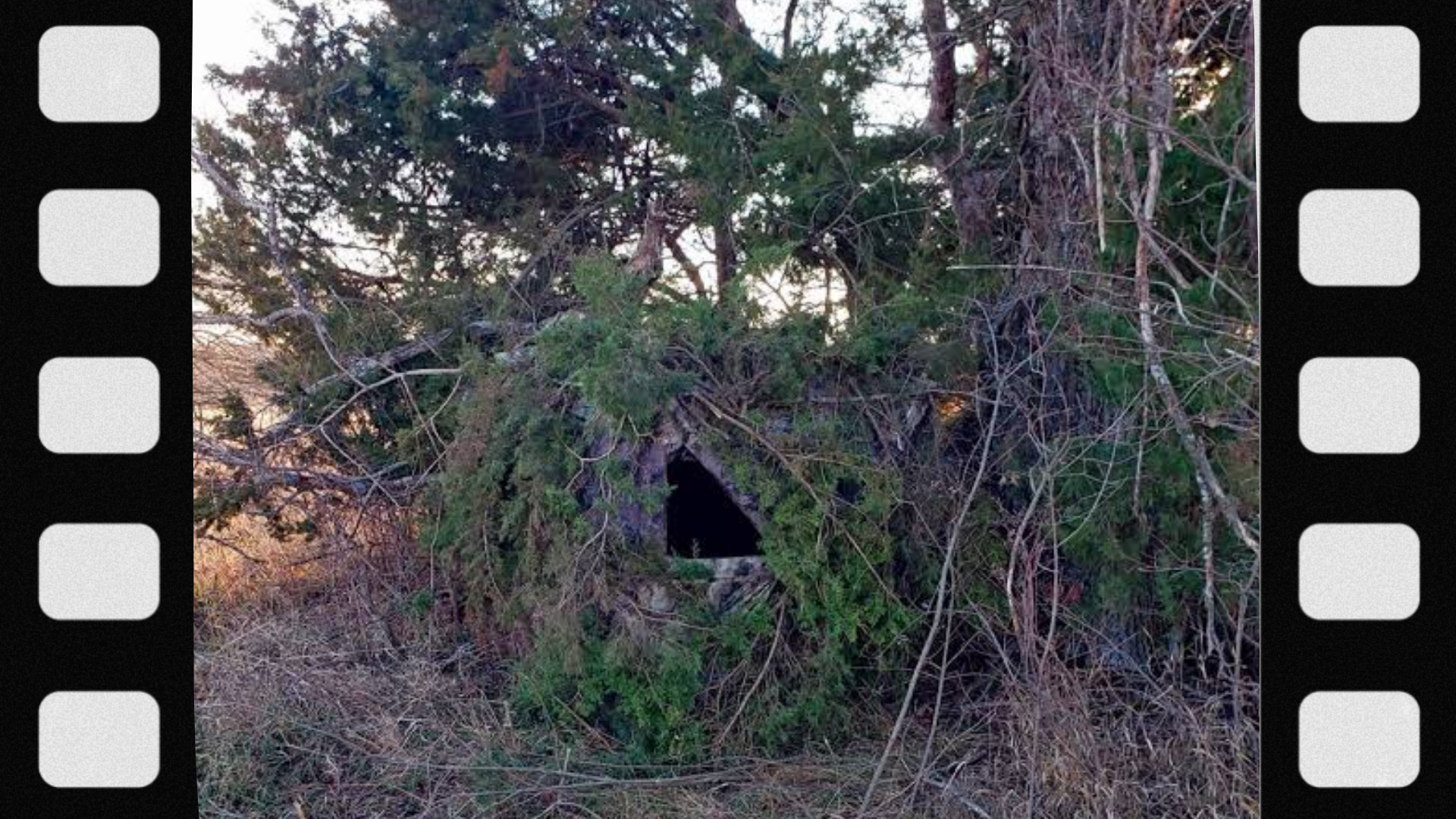
| Natural blind | Concealment using existing natural features or permitted natural materials | Can blend naturally into the surroundings | Rules about cutting or moving vegetation may apply |
| Pop-up blind | Portable fabric blind supported by a collapsible frame | Fast setup, enclosed concealment, weather protection | Needs secure anchoring and adequate interior space |
| Hub-style blind | Portable blind with expandable hub-supported walls | Roomy and commonly available in several sizes | Bulk and weight vary; wind can affect stability |
| Panel blind | Several camouflage panels forming a partial enclosure | Flexible positioning and relatively open visibility | Usually provides less weather protection |
| Constructed blind | A more substantial ground-level structure | Can offer comfort and long-term concealment where legal | Public-land placement and construction rules may restrict use |
What Is a Natural Ground Blind?
A natural ground blind uses the surrounding environment to conceal the hunter. A hunter might sit against a large tree, behind existing brush, near a fallen log, or behind other naturally occurring cover.
In some locations, hunters may also be allowed to arrange dead natural material to improve concealment. However, public-land rules can restrict cutting live vegetation, damaging trees, constructing structures, or leaving materials behind.
Do not assume that because branches or vegetation are present on public land you are permitted to cut or rearrange them. Check the rules for the exact property before altering the site.
What Is a Pop-Up Ground Blind?
A pop-up ground blind is a portable manufactured shelter designed for hunting. Most models use camouflage fabric stretched over a collapsible frame and include one or more viewing or shooting windows.
Depending on the design, a blind may accommodate one hunter or several occupants. Some models are intended primarily for portability, while others prioritize interior space, weather protection, or multiple window configurations.
A pop-up blind can be useful when suitable trees for elevated stands are unavailable, when a hunter prefers to remain at ground level, or when extra concealment from visible movement is helpful.
What Are Ground Blinds Used For?
Ground blinds can be used in several hunting situations, depending on local regulations.
- Deer hunting: A blind may be positioned near a legal hunting location where scouting indicates deer movement.
- Turkey hunting: Concealment can help hide movement from the sharp eyesight of wild turkeys.
- Bowhunting: A properly sized blind can conceal some of the movement involved in preparing to draw a bow.
- Firearm hunting: A blind can provide a stable waiting position when safe fields of fire and backstops are carefully considered.
- Youth or mentored hunting: The enclosed space may make it easier for a mentor and new hunter to sit together where legally permitted.
- Cold or wet conditions: Enclosed blinds may provide some protection from wind and precipitation.
Ground blinds are hunting tools rather than guarantees of success. Wildlife movement still depends on habitat, food availability, weather, wind, hunting pressure, season, and individual animal behavior.
Ground Blind vs. Tree Stand
| Feature | Ground Blind | Tree Stand |
|---|---|---|
| Hunter position | Ground level | Elevated |
| Fall hazard | No elevated-platform fall hazard | Requires strict fall-prevention practices |
| Movement concealment | Walls can conceal substantial movement | Elevation can place some movement above an animal’s usual sight line |
| Weather protection | Enclosed models can offer substantial protection | Usually more exposed |
| Visibility | Can be restricted by walls and vegetation | Often provides a broader elevated view |
| Portability | Varies from lightweight portable to permanent-style structures | Varies by stand type |
| Major safety concern | Safe firearm handling, limited visibility, and visibility to other hunters | Falls plus firearm or archery safety |
Neither method is universally better. Terrain, physical ability, hunting style, local rules, weather, species, equipment, and personal experience should determine which option is appropriate.
Ground Blind vs. Hunting Blind: Is There a Difference?
“Hunting blind” is a broad term for a structure or concealment used to hide hunters from wildlife. A ground blind is specifically positioned at ground level.
Other hunting blinds may include elevated box blinds, waterfowl blinds, tower blinds, and species-specific concealment systems.
Therefore, every ground blind is a hunting blind, but not every hunting blind is a ground blind.
Advantages of Hunting From a Ground Blind
It Can Hide Movement
One of the primary benefits is concealment. Blind walls can hide small movements that might otherwise alert nearby wildlife.
It Avoids Elevated-Stand Fall Risk
Because the hunter remains at ground level, a ground blind avoids the fall hazard associated with climbing and hunting from an elevated tree stand.
It Can Provide Weather Protection
An enclosed blind may reduce exposure to wind, rain, and snow, depending on its design. This can make longer periods of stationary hunting more comfortable.
It Can Accommodate More Than One Person
Larger blinds may provide enough room for a mentor and new hunter or multiple occupants where regulations permit.
It Can Be Used Where Suitable Trees Are Unavailable
Open country, field edges, young timber, brushy areas, and other locations may lack suitable trees for an elevated stand. A ground blind can provide another option.
Limitations of Ground Blinds
Ground blinds also have disadvantages that beginners should understand.
- Visibility can be more limited than from an elevated position.
- Vegetation and terrain can obstruct safe shooting lanes.
- Portable blinds add weight and bulk to hunting gear.
- Fabric blinds may move or make noise in strong wind if poorly secured.
- A blind can conceal the hunter from other hunters as well as from wildlife.
- Wildlife may react to a newly placed structure.
- Public-land rules may restrict where, when, or how blinds can be installed.
- An enclosed space requires careful muzzle and equipment control.
Where Should You Put a Ground Blind?
Blind placement should combine animal movement, concealment, wind, legal access, and safety rather than focusing on only one factor.
Potential locations may include field edges, habitat transitions, travel corridors, legal water sources, openings, or other places where scouting indicates animal activity. For turkey hunting, for example, a field edge or other location with known turkey use may provide a practical setup.
Before choosing a location, consider:
- Current animal sign
- Likely direction of travel
- Prevailing and local wind
- Sun direction
- Background cover
- Safe shooting directions
- Roads, trails, buildings, livestock, and neighboring property
- Legal access
- Entrance and exit routes
- Potential falling limbs or other environmental hazards
Why Wind Still Matters in a Ground Blind
A blind may conceal your outline, but it does not necessarily contain human scent.
Wind can carry scent from the blind toward approaching animals. For species that rely heavily on smell, this can affect how they respond to the area.
Consider the prevailing wind when selecting a site and continue monitoring actual conditions while hunting. Terrain, temperature, vegetation, and time of day can affect local air movement.
Does a Ground Blind Hide Your Scent?
Not completely. An enclosed blind may alter how air moves around a hunter, but it should not be treated as scent-proof.
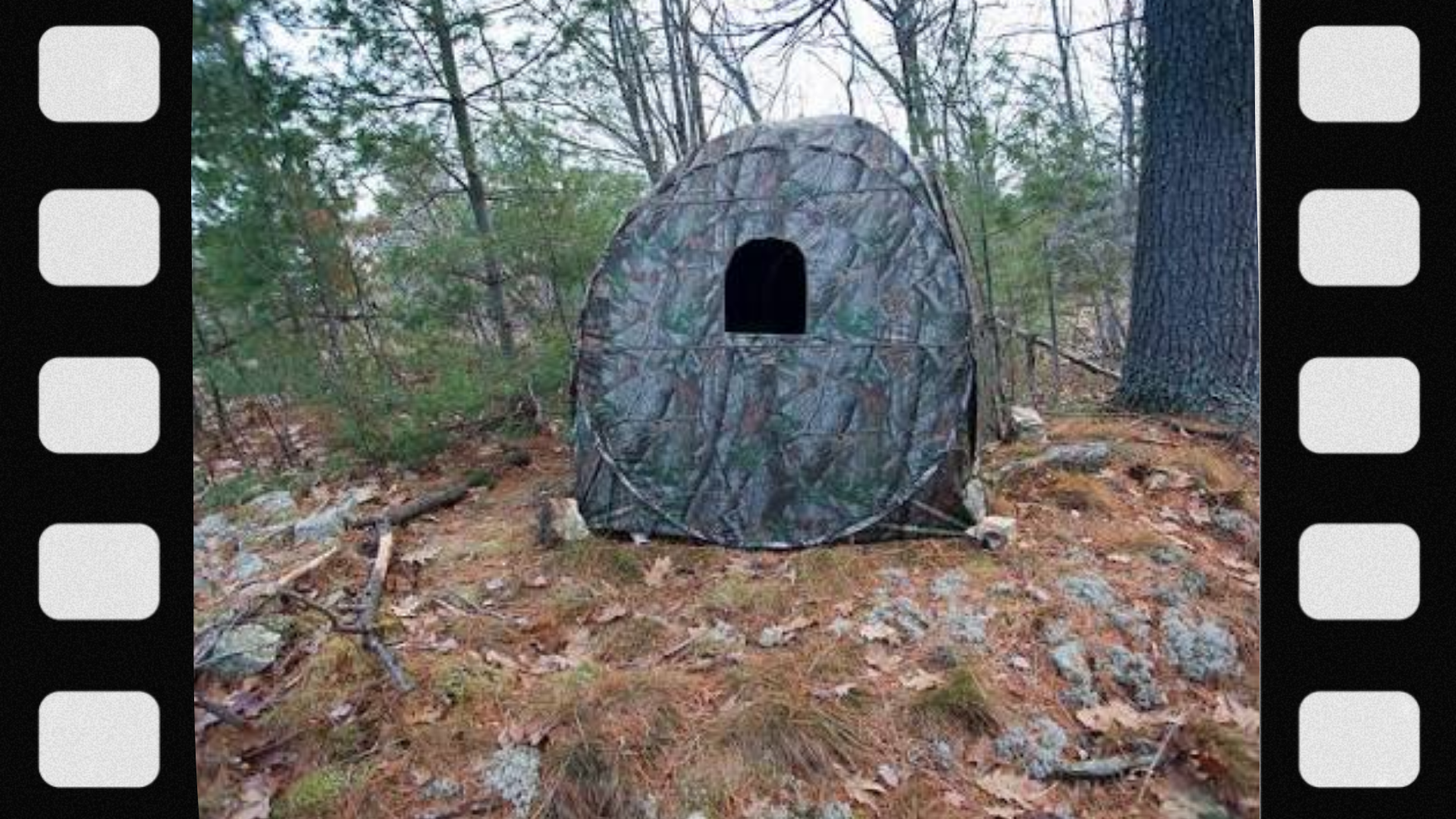
Human odor can escape through windows, doors, seams, and ventilation openings. Opening a blind or moving in and out also introduces scent around the location.
Use wind direction as part of your setup rather than relying on a blind to eliminate scent.
Do Deer Get Scared by Ground Blinds?
Deer can notice changes in their surroundings, and individual reactions vary. A newly placed blind may be ignored by some deer while causing others to hesitate or alter their route.
Terrain, hunting pressure, prior exposure to blinds, vegetation, the blind’s appearance, and how suddenly it appears in an established travel area can all influence the response.
When regulations and property rules allow, some hunters position a blind before they intend to hunt so animals have time to encounter it as part of the landscape. This is a practical strategy rather than a guarantee that deer will accept the blind.
Do Ground Blinds Work for Turkey Hunting?
Yes, ground blinds are commonly used for turkey hunting. Wild turkeys have excellent eyesight, so hiding a hunter’s outline and movement can be particularly useful.
A blind can also help conceal some movement when preparing a shotgun or drawing a bow. However, the hunter still needs an unobstructed, safe field of view and enough interior clearance to handle equipment safely.
Turkey hunters should be particularly careful about other hunters. Never shoot at movement, color, or sound. Positively identify a legal bird and know what lies beyond it before considering a shot.
Do You Need Camouflage Inside a Ground Blind?
Dark, non-reflective clothing can reduce visible contrast inside many enclosed blinds, especially when windows create bright openings against a dark interior.
Camouflage may also be useful, but clothing does not replace careful movement control. Keep unnecessary movement to a minimum and avoid placing bright or reflective objects near open windows.
Any legally required hunter-orange or other visibility requirements still apply. Requirements can vary by season, species, jurisdiction, and type of blind.
Should You Put Hunter Orange on a Ground Blind?
Visibility to other hunters is an important ground-blind safety issue. A camouflage blind can conceal its occupants from people as effectively as it conceals them from wildlife.
Some jurisdictions or hunting situations may require hunter orange on or around a blind. Even where it is not required, hunter-education guidance may recommend making the blind visible to other hunters when appropriate.
Requirements vary considerably, so check the current regulations for your hunting area rather than assuming a rule from another state applies to you.
Important Firearm Safety Inside a Ground Blind
A confined blind requires deliberate firearm handling because walls, other occupants, equipment, and narrow windows reduce available space.
- Treat every firearm as if it is loaded.
- Keep the muzzle pointed in a safe direction.
- Keep your finger outside the trigger guard until you are ready to shoot.
- Be certain of your target and what is beyond it.
Before entering or leaving a blind, follow the firearm manufacturer’s instructions and applicable hunter-education guidance for safe loading, unloading, and transport. Do not allow the muzzle to sweep another occupant while repositioning a firearm.
A mechanical safety is an additional device, not a substitute for safe firearm handling.
Using a Bow or Crossbow in a Ground Blind
Archery equipment needs adequate clearance inside the blind. A hunter should be able to position the equipment without limbs, cams, arrows, broadheads, or other components contacting the blind walls, roof, chair, or another person.
Follow the bow or crossbow manufacturer’s instructions and use equipment only within its intended limits. Never dry-fire a bow or crossbow.
Broadheads should be handled carefully and protected during transport and setup to prevent accidental cuts or equipment damage.
Can You Use a Chair in a Ground Blind?
Yes, when the blind has adequate room. A stable chair can make long periods of waiting more comfortable and may help reduce unnecessary movement.
Choose a chair that allows you to maintain a stable position and safely handle your legal hunting equipment. Check that the chair, backpack, and other equipment do not block the exit or interfere with safe muzzle or bow movement.
How Big Should a Ground Blind Be?
There is no single ideal size. The appropriate blind depends on the number of occupants and the equipment being used.
A solo firearm hunter may need less interior space than a bowhunter, whose equipment requires additional clearance. A mentor and youth hunter may need more room to sit and move without interfering with one another.
Before hunting, test the setup with unloaded equipment in a safe environment. Make sure everyone can sit, reposition, and use the planned shooting openings without unsafe contact with the blind or another occupant.
How to Set Up a Ground Blind Safely
- Check local regulations. Confirm whether the blind is legal on the property and whether placement, identification, removal, or visibility rules apply.
- Select a safe location. Consider animal activity, wind, terrain, roads, trails, property boundaries, buildings, and potential shooting directions.
- Inspect the ground. Avoid unstable surfaces, flooding hazards, dead overhead limbs, and other obvious environmental dangers.
- Set up the blind according to manufacturer instructions. Fully engage the frame and supports.
- Anchor it securely. Use the manufacturer’s anchoring system appropriate for expected conditions.
- Check visibility. Confirm that you can identify approaching animals before they reach a potential shooting area.
- Check the background. Identify safe and unsafe directions before the hunt begins.
- Test equipment clearance. Use unloaded equipment to confirm that the blind provides adequate room.
- Plan entry and exit. Know how you will safely approach and leave the blind.
Ground Blind Safety on Public Land
Public-land ground-blind rules can be highly specific. A wildlife agency may regulate the type of blind, dates when it can be placed, whether it can remain overnight, required identification, attachment methods, use of vegetation, and when it must be removed.
For example, some jurisdictions distinguish between portable blinds removed daily and blinds left in place for longer periods. These examples should never be treated as nationwide rules.
Always check the current regulation booklet and property-specific rules for the public land you intend to hunt.
What Not to Do When Using a Ground Blind
- Do not shoot at unidentified movement or sound.
- Do not point a firearm at another blind occupant while repositioning.
- Do not assume the blind itself provides a safe backstop.
- Do not place a blind where expected shots would be directed toward roads, buildings, trails, livestock, or unsafe property.
- Do not trespass to place, access, or retrieve a blind.
- Do not cut vegetation or damage trees where prohibited.
- Do not leave a portable blind on public property when regulations require daily removal.
- Do not assume camouflage makes hunter-orange or visibility rules unnecessary.
- Do not use an unstable blind in severe wind or unsafe weather.
- Do not let comfort or concealment substitute for positive target identification.
Common Ground Blind Mistakes Beginners Make
Choosing Concealment Over Safety
A location can offer excellent camouflage while having a poor shooting background. Safe target identification and a safe direction always take priority.
Ignoring the Wind
The blind hides movement more effectively than it hides scent. Plan around wind rather than assuming an enclosure solves the problem.
Opening Every Window
Opening unnecessary windows can increase visible movement and create bright silhouettes. Open only the windows needed for safe observation and potential legal shooting opportunities.
Using a Blind That Is Too Small
A cramped blind can make safe equipment handling difficult, particularly with multiple occupants or archery equipment.
Failing to Anchor the Blind
A poorly secured fabric blind can shift or collapse in wind. Follow manufacturer anchoring instructions and reconsider hunting if weather conditions become unsafe.
Forgetting Other Hunters May Not See You
Camouflage works in both directions. Other hunters may not realize an occupied blind is present. Follow all local visibility requirements and use appropriate safety measures.
How to Maintain a Ground Blind
Inspect a portable blind before each season and periodically during use. Look for damaged poles or hubs, torn fabric, loose anchors, failed zippers, damaged windows, and other problems that could affect safe use.
After wet conditions, follow the manufacturer’s care instructions and allow appropriate drying before long-term storage to reduce moisture-related damage.
Clean and store the blind according to its manufacturer’s recommendations. Avoid making modifications that could weaken the structure or create unsafe equipment clearances.
FAQs
1. What is a ground blind in hunting?
A ground blind is a ground-level structure or form of concealment that hides a hunter’s outline and movement from game animals.
2. What is another name for a ground blind?
Hunters may simply call it a hunting blind, pop-up blind, hub blind, or natural blind depending on its construction.
3. What is the purpose of a ground blind?
Its main purpose is concealment. Enclosed blinds may also provide some protection from wind and precipitation.
4. What animals can you hunt from a ground blind?
Ground blinds are used for deer, turkey, and various other legal game species. Species, method, and blind-use rules depend on local hunting regulations.
5. Are ground blinds good for deer hunting?
They can be useful where deer movement has been confirmed and the blind can be positioned with appropriate wind, access, concealment, and safe shooting directions.
6. Are ground blinds good for turkey hunting?
Yes. They can help conceal the movement of a turkey hunter, but positive target identification and awareness of other hunters remain essential.
7. Can deer see a ground blind?
Yes. A ground blind is a physical object that deer can see. How individual deer react depends on many factors, including prior exposure, placement, habitat, and hunting pressure.
8. Can deer smell you inside a ground blind?
Yes. A typical ground blind is not scent-proof. Human odor can escape through windows, doors, seams, and ventilation openings.
9. Do ground blinds need to be brushed in?
Not necessarily. Adding permitted natural cover may help a blind blend into its surroundings, but vegetation rules vary, especially on public land. Never cut or damage vegetation without confirming it is legal.
10. How early should you put out a ground blind?
There is no universal timeframe. Rules governing when a blind may be placed vary by property and jurisdiction, and wildlife reactions also vary. Check local regulations first.
11. Can you leave a ground blind overnight?
Sometimes, but not everywhere. Public-land agencies may regulate whether blinds can remain overnight, how long they can stay, and whether identification is required.
12. Are ground blinds legal on public land?
They may be, but rules vary. Some public properties restrict blind types, placement dates, construction materials, attachments, or overnight use.
13. Do you need permission for a ground blind on private property?
You need lawful access to the property and should follow the landowner’s conditions as well as applicable hunting regulations.
14. Do ground blinds need hunter orange?
Requirements vary by jurisdiction, season, and hunting method. Some regulations may require or address external visibility. Check the current official rules where you hunt.
15. Can you use a rifle in a ground blind?
A legal hunting rifle may be used from a blind where regulations permit, provided it can be handled safely and the hunter has a safe field of fire and background.
16. Can you use a shotgun in a ground blind?
Yes, where the shotgun and hunting method are legal. Maintain safe muzzle control and ensure there is adequate room to handle the firearm without sweeping another occupant.
17. Can you bowhunt from a ground blind?
Yes. The blind needs enough interior clearance for the bow and the hunter’s movement. Practice safely with the setup before hunting.
18. Can you use a crossbow in a ground blind?
Yes, where crossbows are legal. Ensure the blind provides sufficient clearance and follow the crossbow manufacturer’s instructions.
19. Is a ground blind safer than a tree stand?
A ground blind avoids the elevated fall hazard associated with tree stands, but it introduces other considerations such as limited visibility and confined equipment handling. Both require appropriate safety practices.
20. Can two people hunt from the same ground blind?
Yes, if the blind has enough space and local rules permit it. Both occupants must maintain safe firearm or archery handling and clear communication.
21. Are ground blinds good for youth hunters?
They can provide a controlled seated environment for mentored hunting, provided there is adequate space and close supervision. All youth-hunting and mentoring regulations still apply.
22. Can you use a heater in a ground blind?
Only use equipment specifically suitable for the intended environment and follow all manufacturer safety instructions. Combustion heaters can present fire and carbon-monoxide hazards in enclosed spaces, so ventilation and manufacturer guidance are critical.
23. Are ground blinds waterproof?
Weather resistance varies by model and construction. Do not assume a blind is waterproof unless its manufacturer specifies that performance.
24. How do you keep a ground blind from blowing away?
Use the anchoring system specified by the manufacturer and inspect it as conditions change. If wind becomes severe enough to make the structure unstable, stop using it.
25. Where is the best place for a ground blind?
There is no universally best location. Look for a legal site with confirmed animal activity, favorable wind, good concealment, safe access, adequate visibility, and safe shooting directions.
26. Should a ground blind face the sun?
Usually it is useful to consider sun direction so glare and direct light do not make observation unnecessarily difficult. The best orientation also depends on expected animal movement and safe shooting directions.
27. Should ground blind windows stay open?
Use only the openings needed for observation and safe equipment use. Unnecessary open windows can increase visible movement and create silhouettes.
28. Can you build your own ground blind?
You may be able to construct a natural or purpose-built blind where legal. Before altering vegetation or building anything on public land, verify property-specific rules.
29. What should you wear inside a ground blind?
Comfortable clothing appropriate for the weather and hunting method is important. Dark, non-reflective clothing may reduce contrast inside an enclosed blind, while all legally required hunter-visibility clothing must still be used.
30. What is the most important ground blind safety rule?
No single piece of equipment replaces fundamental hunting safety. Positively identify the target, know what lies beyond it, maintain safe firearm or archery handling, and never shoot toward an unsafe background.
Final Answer
So, what is a ground blind? A ground blind is a hunting concealment placed at ground level to hide a hunter’s outline and movement. It may consist of existing natural cover, permitted natural materials, portable camouflage panels, or a manufactured pop-up enclosure.
Ground blinds can be useful for deer, turkey, archery, firearm, youth, and mentored hunting where those activities are legal. Their main advantages are movement concealment, ground-level accessibility, flexibility, and—in enclosed models—some protection from weather. Their limitations include restricted visibility, scent exposure, wind concerns, and the possibility that other hunters may not see the blind.
Choose a blind and location based on legal access, species, terrain, weather, wind, safe fields of fire, equipment clearance, and your actual hunting needs. Always positively identify the target and what lies beyond it, handle firearms and archery equipment safely, and verify the current regulations for the exact land and season you plan to hunt.
Read more: