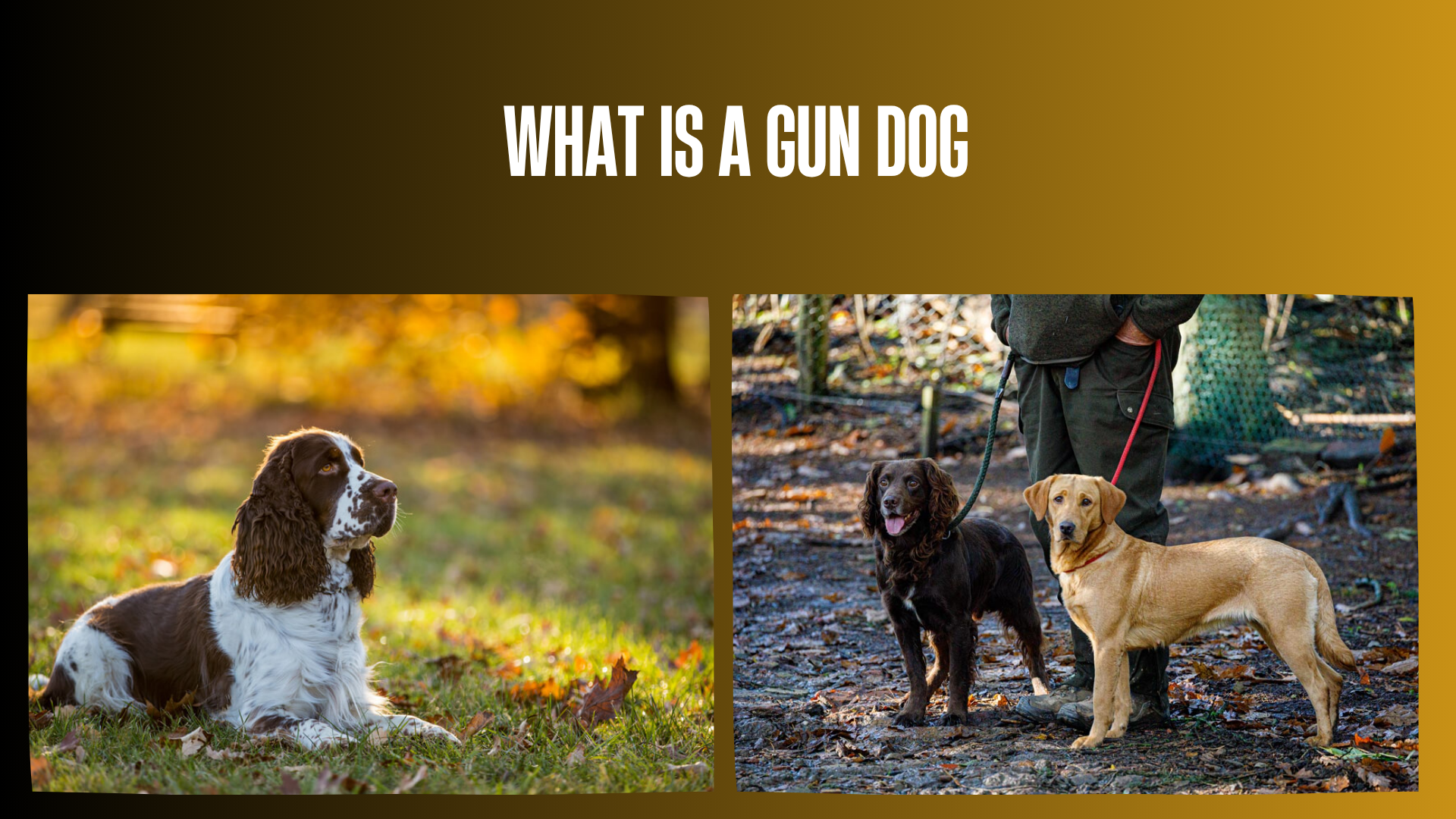

If you are getting interested in bird hunting, waterfowl hunting, or working dogs, you may wonder what is a gun dog and what separates one from other hunting dogs. A gun dog, also written as “gundog,” is a hunting dog developed and trained to work cooperatively with a hunter, especially when locating, pointing, flushing, or retrieving game birds.
Gun dogs are not all trained for the same job. Retrievers, pointing dogs, setters, spaniels, and versatile hunting dogs can perform different tasks in the field. Breed tendencies matter, but training, individual temperament, physical condition, hunting environment, and the handler-dog partnership are equally important.
Quick Answer: What Is a Gun Dog?
A gun dog is a hunting dog bred or trained to assist hunters in finding, pointing, flushing, or retrieving game, particularly birds. Retrievers commonly recover downed birds, pointing dogs locate game and indicate its position, while flushing dogs search cover and cause birds to leave concealment. Some versatile gun dogs can perform several of these roles. A responsible gun dog must also be trained for obedience, control around wildlife, safe behavior around hunting activity, and reliable cooperation with its handler.
What Does a Gun Dog Do?
The exact job depends on the type of dog and hunting method. Most gun-dog work falls into several broad tasks:
- Finding game: Using scent and systematic searching to locate birds or other legal game.
- Pointing: Stopping and indicating where hidden game is located.
- Flushing: Moving game from cover so it becomes visible to the hunter.
- Marking: Watching where downed game falls.
- Retrieving: Finding downed game and returning it to the handler.
- Tracking: Following scent or other sign when trained and legally appropriate.
A well-trained gun dog is expected to perform these jobs under handler control. Hunting instinct without obedience can create safety problems, disturb wildlife unnecessarily, or make game recovery more difficult.
Main Types of Gun Dogs
| Gun Dog Type | Primary Role | Common Hunting Situations | Typical Examples |
|---|---|---|---|
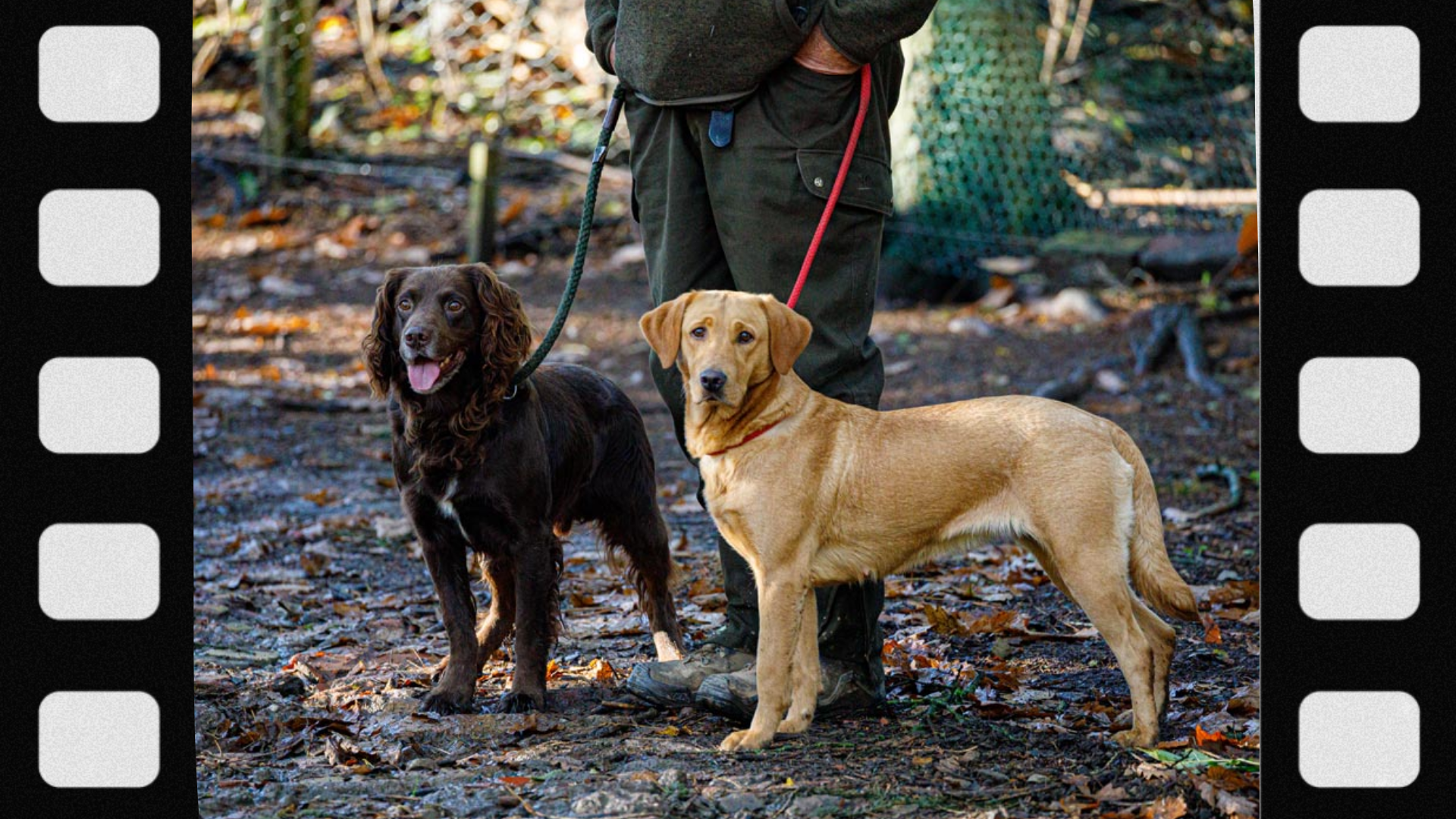
| Retrievers | Locate and return downed game | Waterfowl and upland hunting | Labrador Retriever, Golden Retriever, Chesapeake Bay Retriever |
| Pointing Dogs | Locate game and indicate its position | Upland bird hunting | Pointer, German Shorthaired Pointer, Vizsla |
| Setters | Locate birds and hold a pointing position | Upland bird hunting | English Setter, Gordon Setter, Irish Setter |
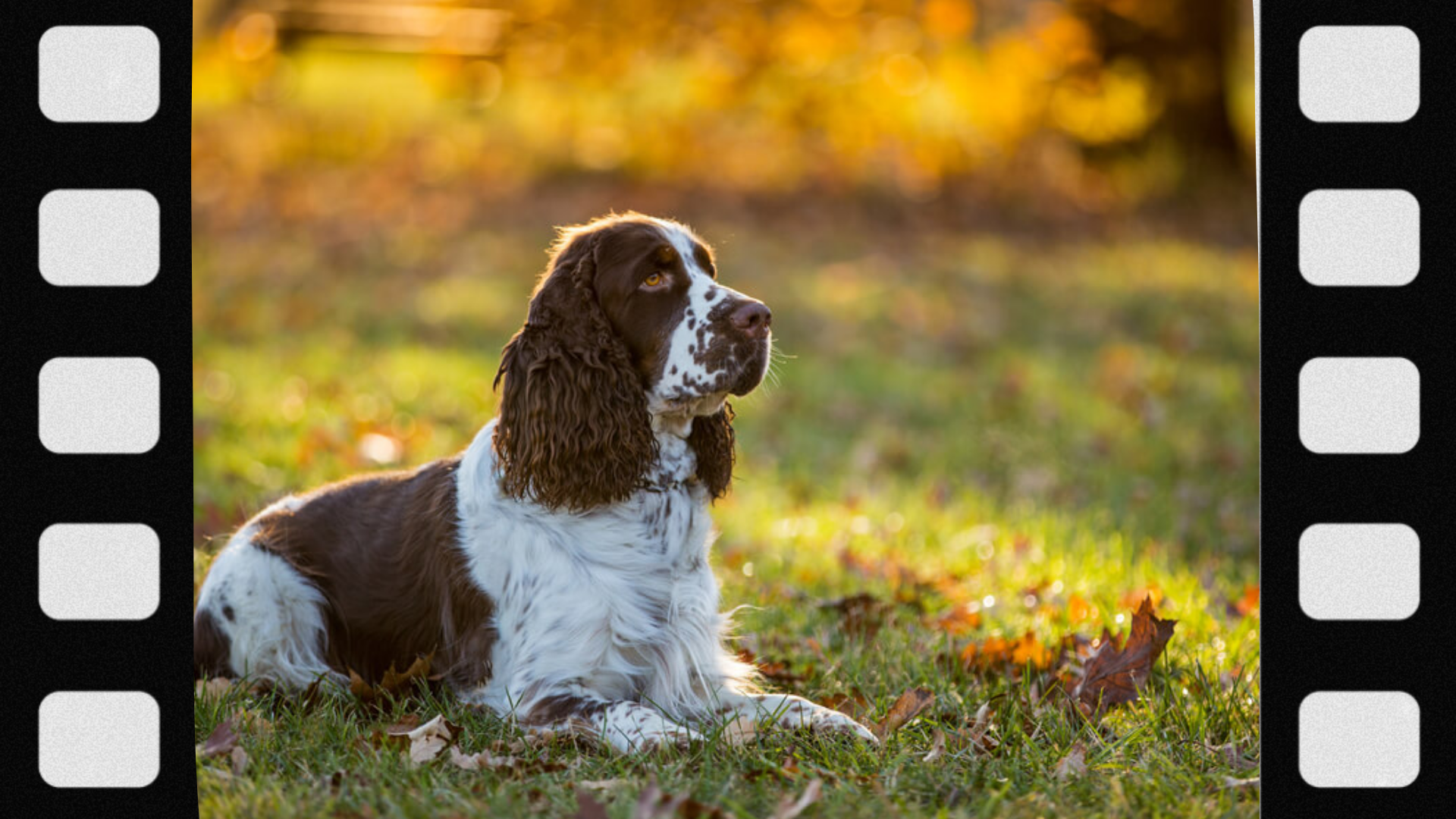
| Flushing Dogs | Search cover and flush game | Upland birds and dense cover | English Springer Spaniel, English Cocker Spaniel |
| Versatile/HPR Dogs | Hunt, point, and retrieve | Mixed upland and retrieving work | Various versatile pointing breeds |
These categories describe typical working roles rather than guarantees about every individual dog. Breeding lines, training, experience, health, and temperament can create substantial differences even among dogs of the same breed.
What Is a Retriever Gun Dog?
Retrievers specialize in recovering downed game and bringing it back to the handler. They are particularly associated with duck and goose hunting, although retrievers may also work in upland hunting situations.
A trained retriever may watch birds in flight, mark the approximate location where a bird falls, wait for the handler’s command, travel to the area, locate the bird, and return it.
Waterfowl retrievers may work in cold water, wetlands, boats, flooded timber, and shoreline environments. Conditioning, water safety, weather awareness, and appropriate protective equipment become especially important in these situations.
What Is a Pointing Gun Dog?
A pointing dog searches for game using scent. When it detects nearby game, the dog typically stops and holds a characteristic position that indicates the game’s location or direction.
The purpose is to alert the hunter without immediately forcing the bird to fly. The hunter can then approach while maintaining control of the dog and preparing for a legal, safe hunting opportunity.
Pointing does not mean every dog will naturally perform perfectly without training. Natural tendencies can provide a foundation, but steadiness, recall, cooperation, and field manners require consistent development.
What Is a Flushing Gun Dog?
A flushing dog actively searches vegetation and other cover for hidden game. Once game is located, the dog causes it to leave cover, usually within a practical working distance of the handler.
Spaniels are strongly associated with this type of work. A controlled flushing dog generally searches in cooperation with the hunter rather than ranging wherever it chooses.
Distance control is particularly important. A dog that consistently flushes birds far beyond a hunter’s appropriate range may reduce hunting opportunities and can complicate safe field management.
What Is a Hunt, Point, Retrieve Dog?
Hunt, Point, Retrieve dogs, often called HPR or versatile gun dogs in some hunting traditions, are developed to perform multiple field roles.
Depending on the breed, training, and hunting environment, a versatile dog may search for game, point it, and retrieve downed birds from land or water.
Versatility can be valuable for hunters who pursue different game birds or hunt varied terrain, but a versatile breed still requires structured training. A breed label does not automatically create a finished hunting dog.
Gun Dog vs. Hunting Dog: What Is the Difference?
“Hunting dog” is the broader term. Many types of dogs have historically been developed for hunting, but not all hunting dogs perform traditional gun-dog work.
Gun dogs generally work closely with hunters to locate, point, flush, or retrieve game, particularly birds. Other hunting dogs may specialize in different tasks, such as following scent trails or pursuing particular types of game.
Therefore, a gun dog is a type of hunting dog, but not every hunting dog is necessarily considered a gun dog.
Gun Dog vs. Bird Dog: Are They the Same?
The terms overlap substantially, especially in North American hunting language. “Bird dog” commonly describes a dog used for hunting game birds, particularly pointing and flushing breeds.
“Gun dog” can be used more broadly for dogs trained to work cooperatively with hunters in locating and retrieving game. Terminology also varies between countries and hunting traditions.
Rather than focusing only on the label, it is more useful to understand the specific work a particular dog has been bred and trained to perform.
Common Gun Dog Breeds
Many breeds have been developed for gun-dog work. Familiar examples include:
- Labrador Retriever
- Golden Retriever
- Chesapeake Bay Retriever
- English Springer Spaniel
- English Cocker Spaniel
- Pointer
- English Setter
- Gordon Setter
- German Shorthaired Pointer
- German Wirehaired Pointer
- Vizsla
- Weimaraner
- Brittany
- Wirehaired Pointing Griffon
Breed tendencies should be treated as tendencies rather than guarantees. Individual dogs differ in drive, confidence, trainability, energy, retrieving instinct, pointing instinct, water confidence, coat characteristics, and physical ability.
What Makes a Good Gun Dog?
A useful working gun dog needs more than hunting instinct. Important qualities may include:
- Trainability: Willingness and ability to learn commands and routines.
- Cooperation: A tendency to work with the handler rather than independently disappearing across the landscape.
- Recall: Reliable return when called.
- Scenting ability: The ability to use scent effectively when searching for game.
- Physical fitness: Appropriate stamina and conditioning for the hunting environment.
- Temperament: Stability around people, other dogs, wildlife, travel, and unfamiliar environments.
- Steadiness: The ability to remain controlled despite excitement.
- Retrieving or pointing instinct: Natural tendencies appropriate to the dog’s intended work.
No single trait makes a complete gun dog. The relationship between natural ability, training, experience, health, and handler consistency is what develops a reliable field companion.
Are Gun Dogs Born Trained?
No. Selective breeding can strengthen tendencies such as retrieving, searching, pointing, or working cooperatively, but puppies are not born knowing every behavior required in a modern hunting environment.
A dog still needs age-appropriate socialization, obedience, recall, field experience, conditioning, and task-specific training.
Training should progress gradually. Rushing a young dog into difficult field situations can create confusion, fear, or unwanted behavior.
How Are Gun Dogs Trained?
Training programs vary according to the breed and intended hunting role, but foundation work generally begins with everyday behavior rather than hunting.
Basic Obedience
The dog learns reliable responses to basic cues, including recall and controlled movement with the handler.
Retrieving Foundations
Dogs intended to retrieve can learn to pick up appropriate training objects, return to the handler, and release on cue.
Search and Scent Work
Field exercises can develop controlled searching and appropriate use of the dog’s natural scenting ability.
Steadiness and Impulse Control
A working dog needs to remain responsive when excited by birds, other animals, water, people, or activity.
Field Exposure
Training gradually introduces realistic vegetation, water, weather, transportation, other dogs, and hunting environments.
Positive reinforcement and clear, consistent communication can help build a cooperative working relationship. Owners who are inexperienced with working dogs may benefit from an experienced, ethical gun-dog trainer or training club.
Gun Dogs and Firearm Noise
A gun dog should never be assumed to tolerate gunfire simply because it belongs to a hunting breed. Sudden exposure to loud noise can frighten a dog and may contribute to long-lasting noise sensitivity.
Firearm-related exposure should be approached carefully and progressively as part of an appropriate training program. The dog’s behavior should be observed throughout the process, and training should not continue simply because a handler wants to advance faster.
If a dog displays significant fear, panic, or persistent noise sensitivity, an experienced trainer or veterinary behavior professional can help determine an appropriate next step.
Gun Dog Safety Around Firearms
Dogs add another moving participant to a hunting environment, making disciplined firearm handling especially important.
- Treat every firearm as if it is loaded.
- Keep the muzzle pointed in a safe direction.
- Keep your finger outside the trigger guard until ready to shoot.
- Be certain of the target and what is beyond it.
Never fire in the direction of a dog. Know where your dog and other hunters are before considering any shot.
Dogs may move unexpectedly, particularly when birds flush or game falls. Positive target identification and awareness of the entire shooting area must take priority over taking a shot.
Water Safety for Retrieving Dogs
Waterfowl hunting can expose a retriever to cold water, waves, currents, ice, submerged obstacles, boats, and rapidly changing weather.
A dog’s swimming ability does not make every water condition safe. Evaluate water temperature, weather, current, ice, distance, and the dog’s physical condition before sending a dog into the water.
Hunters using boats should also consider safe entry and exit procedures for the dog, boat capacity, and the risk of a wet or excited dog affecting stability.
Stop working the dog when conditions become unsafe or when the animal shows signs of excessive fatigue, cold stress, overheating, injury, or distress.
Physical Conditioning and Health
A hunting season should not be the beginning of a dog’s exercise program. Field work can involve hours of running, swimming, climbing, and searching through difficult cover.
Gradual conditioning before the season can help prepare the dog’s cardiovascular system, muscles, joints, and feet for field activity.
Veterinary guidance is particularly useful when preparing dogs with previous injuries, health concerns, unusual exercise demands, or challenging environmental conditions.
Field Hazards Gun Dog Owners Should Consider
Working dogs may encounter hazards that household pets rarely face, including:
- Heat and dehydration
- Cold water and hypothermia
- Ice
- Barbed wire and fencing
- Thorns and dense vegetation
- Sharp rocks and debris
- Ticks and other parasites
- Venomous wildlife in some regions
- Roads and vehicles
- Contaminated or stagnant water
- Wildlife encounters
- Lost-dog situations
Risks vary substantially by region. Hunters should learn the hazards of the specific area where they plan to work their dogs.
Essential Care for a Working Gun Dog
Responsible gun-dog ownership continues long after the hunt ends.
Hydration
Carry adequate clean water and offer it regularly. Do not assume natural water sources are safe or available.
Nutrition
Working dogs may have different energy needs during periods of heavy activity. Discuss significant dietary changes or intensive conditioning programs with a veterinarian.
Foot and Paw Checks
Inspect paws for cuts, thorns, abrasions, ice accumulation, or other injuries after field work.
Coat and Skin Checks
Check the dog for ticks, burrs, cuts, seeds, and other debris after hunting.
Identification
Use appropriate identification and keep ownership information current. Additional tracking or visibility equipment may be useful where legal and appropriate.
Veterinary Care
Routine veterinary care, vaccination decisions, parasite prevention, and injury treatment should be discussed with a veterinarian familiar with the dog’s lifestyle and local disease risks.
Can a Gun Dog Also Be a Family Pet?
Many gun-dog breeds live successfully as family companions, including dogs that also work during hunting seasons.
However, many were developed for demanding physical work and may have substantial exercise and mental-stimulation needs. A dog that receives insufficient activity, training, or interaction may develop unwanted behaviors.
Prospective owners should consider the needs of the individual dog rather than selecting a breed solely because of appearance or reputation.
Do You Have to Hunt to Own a Gun Dog?
No. Many breeds historically developed for gun-dog work are now kept as companions and participate in activities such as obedience, scent work, retrieving games, field trials, hunt tests, and other dog sports.
Owners should still provide appropriate physical exercise, mental stimulation, and structured outlets for the dog’s natural tendencies.
How to Choose a Gun Dog
There is no single gun-dog breed that is ideal for every hunter. Consider how you actually plan to hunt and what kind of dog fits your lifestyle.
| Factor | Questions to Consider |
|---|---|
| Game | Do you mainly hunt waterfowl, upland birds, or several types of game? |
| Primary job | Do you need a retriever, pointer, flusher, or versatile dog? |
| Terrain | Will the dog work in wetlands, open country, woods, mountains, or dense cover? |
| Climate | Will the dog regularly work in heat, cold, or cold water? |
| Exercise needs | Can you provide adequate activity throughout the year? |
| Training | Do you have the time and experience to train the dog or access to qualified help? |
| Household | Does the individual dog’s temperament fit your family and living situation? |
| Health | What health screening and veterinary considerations apply to the breed and breeding line? |
Research both breed characteristics and individual breeding lines. A dog bred primarily for the show ring may differ in working traits from one produced from established field lines, even when both belong to the same breed.
Common Beginner Mistakes With Gun Dogs
Choosing Only by Appearance
Appearance tells you little about whether a dog’s working tendencies, energy level, temperament, and training needs fit your lifestyle.
Expecting Breed Instinct to Replace Training
Natural retrieving or pointing ability is valuable, but obedience and field control still require work.
Rushing Training
Training should progress at a pace appropriate for the individual dog rather than according to an arbitrary deadline.
Ignoring Fitness Until Hunting Season
An unconditioned dog can fatigue quickly when suddenly asked to perform hours of strenuous field work.
Using Excessive Punishment
Harsh or confusing training can damage trust and create unwanted behavior. Clear, consistent, humane training is preferable.
Ignoring Heat or Cold Stress
Drive and excitement can cause working dogs to continue despite fatigue. The handler is responsible for deciding when conditions require rest or ending the hunt.
Ethical Hunting With a Gun Dog
A trained dog can support responsible hunting by helping locate game and recover legally harvested birds. However, hunters remain responsible for their own decisions.
Use the dog within applicable hunting and land-access rules. Respect property boundaries, wildlife regulations, bag limits, protected species, and other hunters.
A dog should not be used as an excuse to trespass or pursue game in a manner prohibited by local regulations. Rules governing dogs, training seasons, public land, particular species, and wildlife areas can differ substantially between jurisdictions.
What Should You Do Before Hunting With a Gun Dog?
- Verify current hunting regulations for the species and location.
- Check whether special rules apply to dogs or dog training.
- Make sure required licenses, permits, and tags are valid.
- Evaluate the dog’s health and conditioning.
- Carry clean drinking water.
- Carry appropriate canine first-aid supplies.
- Confirm identification information is current.
- Review obedience and recall before entering the field.
- Check weather and terrain hazards.
- Know where nearby roads, property boundaries, people, livestock, and buildings are located.
- Follow safe firearm handling at all times.
FAQs
1. What is a gun dog?
A gun dog is a hunting dog bred or trained to help hunters locate, point, flush, or retrieve game, especially game birds.
2. Why are they called gun dogs?
The term reflects their historical role working cooperatively with hunters during shooting sports and game-bird hunting. The term “gundog” is also commonly used.
3. Is a gun dog the same as a hunting dog?
A gun dog is a type of hunting dog. “Hunting dog” is a broader category that includes dogs performing hunting roles outside traditional pointing, flushing, and retrieving work.
4. Is a gun dog the same as a bird dog?
The terms often overlap. “Bird dog” usually refers specifically to dogs used for game-bird hunting, while terminology varies between hunting traditions and regions.
5. What are the main types of gun dogs?
Common working categories include retrievers, pointing dogs and setters, flushing dogs, and versatile hunt-point-retrieve dogs.
6. What does a retriever do?
A retriever locates downed game and returns it to the handler. Retrievers are particularly common in waterfowl hunting.
7. What does a pointing dog do?
A pointing dog searches for game and holds a characteristic position when it detects nearby game, indicating its location to the hunter.
8. What does a flushing dog do?
A flushing dog searches cover and causes hidden game to leave that cover while working under the handler’s control.
9. What does HPR mean?
HPR commonly means Hunt, Point, Retrieve and describes versatile gun dogs developed to perform several hunting tasks.
10. Are Labrador Retrievers gun dogs?
Yes. Labrador Retrievers have a long history as working retrievers and are widely associated with waterfowl and other retrieving work.
11. Are Golden Retrievers gun dogs?
Yes. Golden Retrievers were developed as retrieving dogs, although many modern Goldens live primarily as companions.
12. Are spaniels gun dogs?
Many spaniel breeds have historically been developed for gun-dog work, particularly searching cover, flushing game, and retrieving.
13. Are pointers gun dogs?
Yes. Pointing breeds are a major gun-dog category and are used to locate and indicate the presence of game.
14. Can any dog become a gun dog?
Individual dogs can learn many useful behaviors, but breeds and breeding lines developed for field work often possess natural tendencies suited to specific hunting tasks. Not every individual dog will have the same aptitude.
15. Are gun dogs naturally good at hunting?
Some inherit strong hunting-related tendencies, but natural ability is not the same as finished training. Reliable field work requires development and experience.
16. When should gun-dog training begin?
Age-appropriate socialization and basic training can begin while a dog is young. More demanding field training should progress according to the dog’s physical and behavioral development.
17. Do gun dogs need professional training?
Not necessarily, but inexperienced owners can benefit greatly from reputable trainers, working-dog clubs, or structured classes.
18. How long does it take to train a gun dog?
There is no universal timeline. Breed tendencies, individual temperament, training goals, handler experience, and training consistency all influence progress.
19. Do gun dogs need to be trained around gunfire?
Dogs used around hunting firearms need appropriate preparation for field noise. Exposure should be introduced carefully rather than suddenly assuming the dog will tolerate loud sounds.
20. What is gun shyness in dogs?
Gun shyness generally describes fear or distress associated with gunfire or other loud noises. Significant noise sensitivity should be addressed carefully rather than forcing additional exposure.
21. Can a gun dog be a house dog?
Yes. Many working gun dogs live indoors with their families, provided their exercise, training, mental stimulation, and general welfare needs are met.
22. Are gun dogs good family pets?
Many can be excellent companions, but suitability depends on the individual dog’s temperament and the household’s ability to meet its needs.
23. Do gun dogs need a lot of exercise?
Many working breeds have high energy and stamina, but exercise requirements vary by breed, age, health, and individual dog.
24. Can gun dogs retrieve from water?
Many retrievers and versatile hunting breeds are capable water workers. The dog still needs appropriate training, conditioning, and safe water conditions.
25. Do gun dogs need special food?
Not necessarily. Nutritional requirements depend on the dog’s age, health, body condition, and workload. A veterinarian can advise on appropriate nutrition for heavily worked dogs.
26. Should a gun dog wear a GPS collar?
Tracking equipment can be useful in some hunting environments, but it does not replace obedience, recall, identification, or responsible supervision. Electronic-device regulations may also vary on some lands or during certain hunts.
27. Do gun dogs need protective gear?
Protective equipment may be useful depending on terrain, vegetation, water temperature, weather, and hunting conditions. Equipment should fit correctly and should not interfere with movement or safety.
28. How do you choose the right gun dog breed?
Match the dog’s typical working role, energy level, climate suitability, size, coat, temperament, and training requirements to your hunting style and everyday lifestyle.
29. Are gun dogs used only for bird hunting?
Gun dogs are most strongly associated with game-bird hunting, but some versatile working dogs may perform other legal hunting or recovery roles depending on breed, training, and local regulations.
30. Do laws regulate hunting with dogs?
Yes, regulations can vary by jurisdiction, species, season, and property. Hunters should check the current wildlife regulations for the exact area before training or hunting with a dog.
Final Answer
So, what is a gun dog? A gun dog is a working hunting dog developed and trained to cooperate with a hunter by finding, pointing, flushing, or retrieving game, particularly birds. The major working types include retrievers, pointing dogs and setters, flushing dogs, and versatile hunt-point-retrieve dogs.
Breed instincts can provide a useful foundation, but they do not replace training. A dependable gun dog needs obedience, recall, physical conditioning, appropriate field experience, and a strong working relationship with its handler.
Responsible owners should also protect the dog’s welfare through humane training, hydration, conditioning, veterinary care, parasite prevention, identification, and careful management of heat, cold, water, terrain, and other field hazards. When firearms are present, hunters must maintain safe muzzle control, positively identify every target, know what lies beyond it, and know the location of dogs and other hunters before considering a shot.
Finally, verify current wildlife, dog-use, hunting, and land-access regulations for the specific jurisdiction before training or hunting in the field. Responsible gun-dog work should support safe hunting, ethical game recovery, wildlife conservation, and humane treatment of the dog.
Read more: