

Learning how to get a deer tag is one of the first steps toward a legal, safe, and successful deer hunt. A tag usually authorizes the harvest of a specific game species, sex, season, hunt area, or weapon opportunity, but the exact system varies widely by state, province, and hunting unit. This guide explains how to research requirements, apply correctly, confirm your award, and prepare responsibly for the hunt.
To get a deer tag, first identify the wildlife agency that regulates hunting where you plan to hunt. Check whether you need a hunting license before applying, review application deadlines and hunt choices, submit the application or purchase process correctly, and confirm your tag before entering the field. Always verify current rules for eligibility, season dates, weapon restrictions, harvest reporting, and land access. Getting a tag does not guarantee seeing or harvesting a deer; it gives you legal authorization to hunt under specific conditions.
Important Legal and Safety Notice Before You Hunt
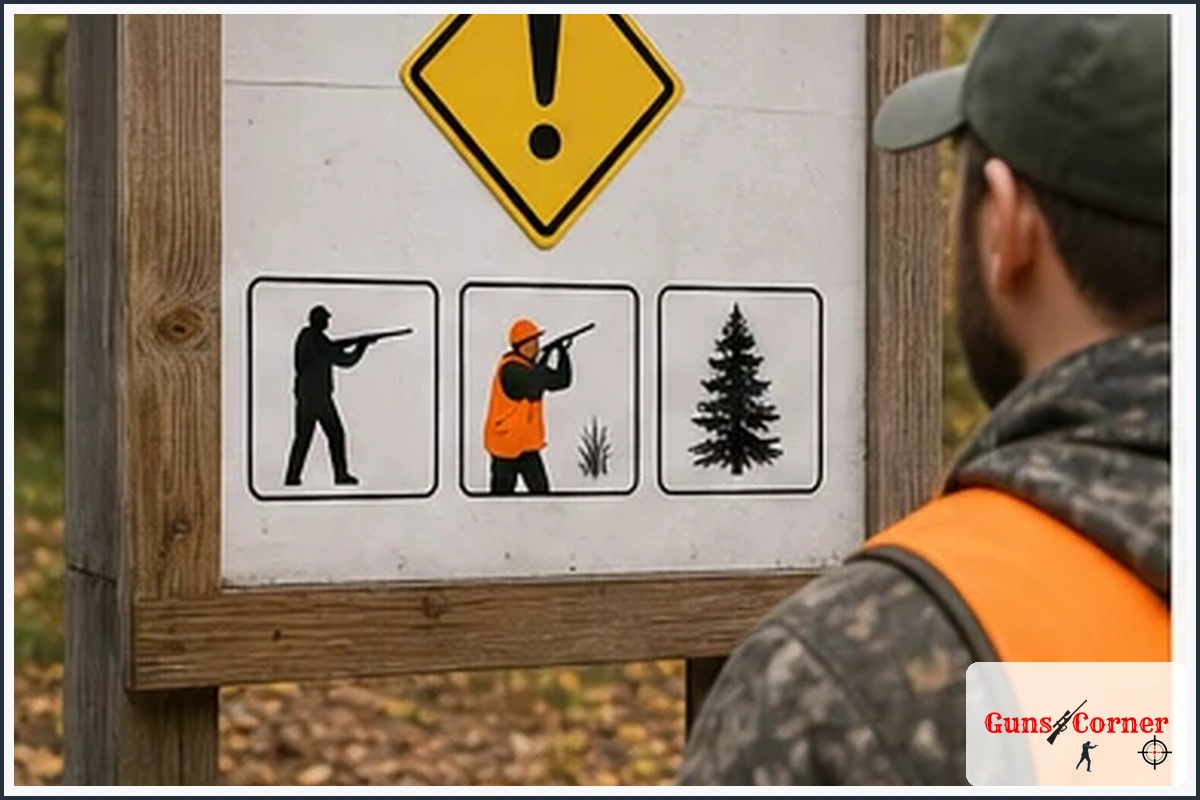
Deer-tag systems differ by location. Some areas use a draw or lottery, while others offer over-the-counter tags, limited permits, bonus points, or a combination of these systems. Confirm all current requirements with your official wildlife agency before applying or hunting.
- Valid hunting license and required deer permit
- Application deadlines, fees, and payment requirements
- Tag type, hunt unit, season dates, and legal hunting hours
- Legal weapon, ammunition, and equipment rules
- Bag limits, antler restrictions, and deer classifications
- Public-land boundaries or private-land permission
- Required hunter education or visibility clothing
- Harvest validation, reporting, and transportation rules
- Firearm, bow, navigation, weather, and emergency safety
What Is a Deer Tag?
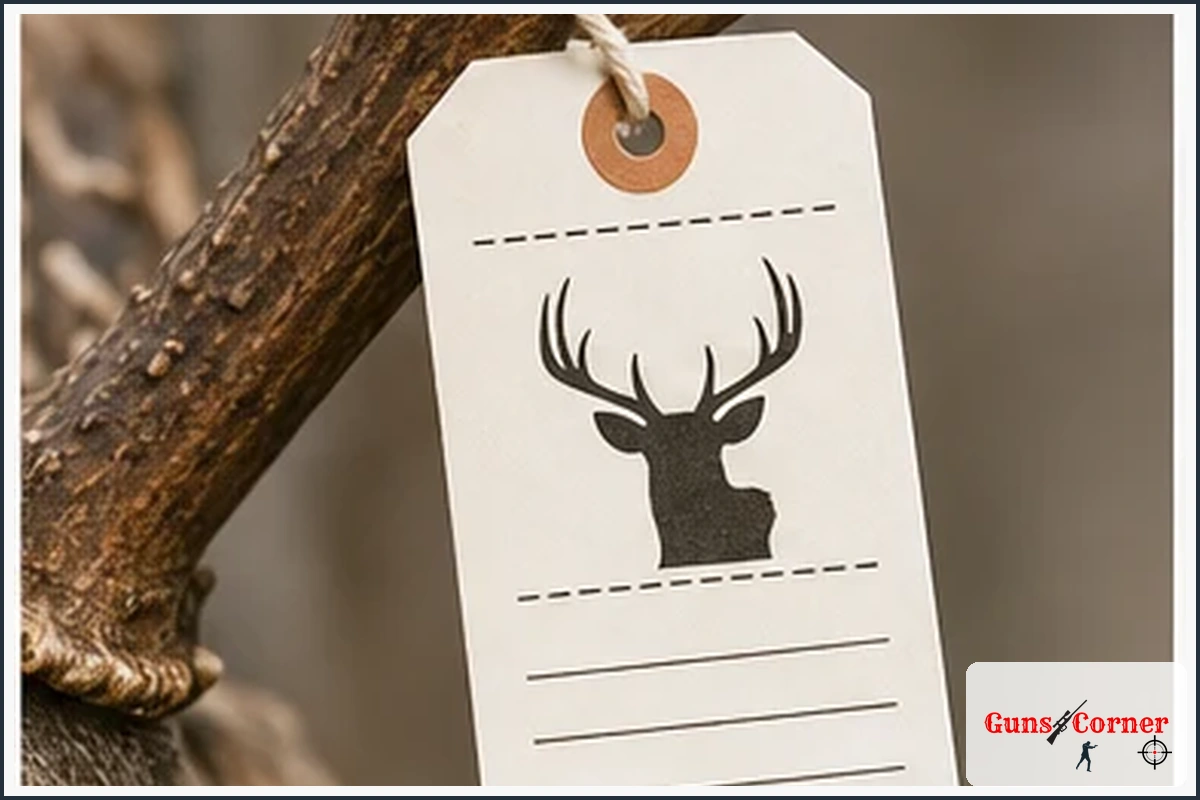
A deer tag is an official authorization connected to a hunting license or permit system. It may identify the deer species, geographic unit, season, legal weapon, sex, or number of animals a hunter may harvest.
In some jurisdictions, a deer tag is issued through a limited-entry draw. In others, hunters may buy an available tag after obtaining a license. A tag may be physical, electronic, or part of a digital licensing account.
Because terminology differs, read the regulations carefully. A license, permit, tag, harvest authorization, and application may be separate items rather than interchangeable terms.
How to Get a Deer Tag Step by Step

Step 1: Identify the Correct Wildlife Agency

Find the official wildlife or natural resources agency for the state, province, or territory where you intend to hunt. Use that agency’s current regulations, licensing portal, application guide, and hunt-unit maps.
Do not rely only on old articles, social media posts, or advice from another hunter. Regulations and application procedures can change between seasons.
Step 2: Determine Whether You Are Eligible
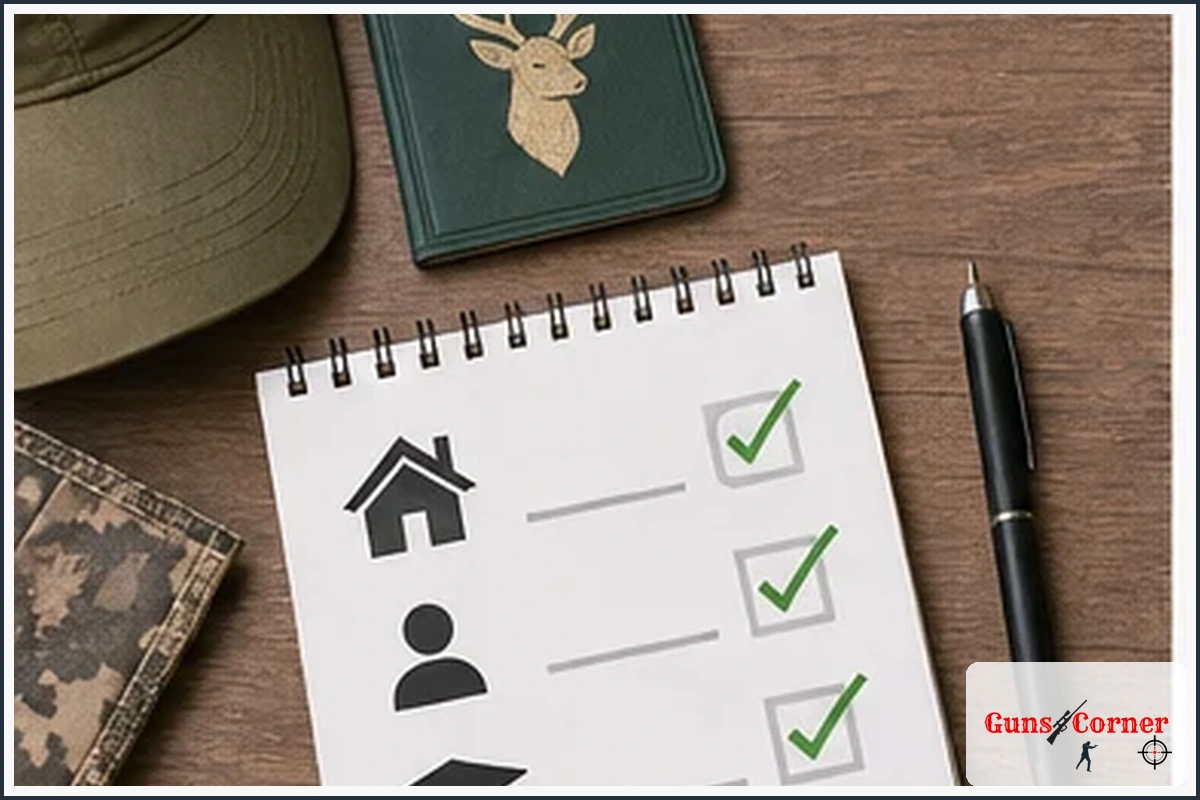
Review residency, age, hunter education, identification, and license requirements. Some systems distinguish between resident and nonresident applicants and may have different application periods or available hunt choices.
Beginners should check whether a hunter education certificate is required before purchasing a license or applying for a tag. If you have not completed a course, enroll in an approved hunter education program well before the application deadline.
Step 3: Create or Update Your Licensing Account

Many wildlife agencies require an online account. Enter your legal name, date of birth, address, identification details, and hunter education information accurately.
Check that your email address, mailing address, and phone number are current. Save your customer identification number and use only the official agency website or an authorized license vendor.
Step 4: Buy the Required Hunting License

Some jurisdictions require a valid hunting license before you can apply for a deer tag. Others allow applications first but require the license before the tag is issued or used.
Read the instructions for the exact hunt year. Keep receipts and confirmation numbers, and verify that the purchase appears correctly in your account.
Step 5: Study Hunt Units and Season Choices
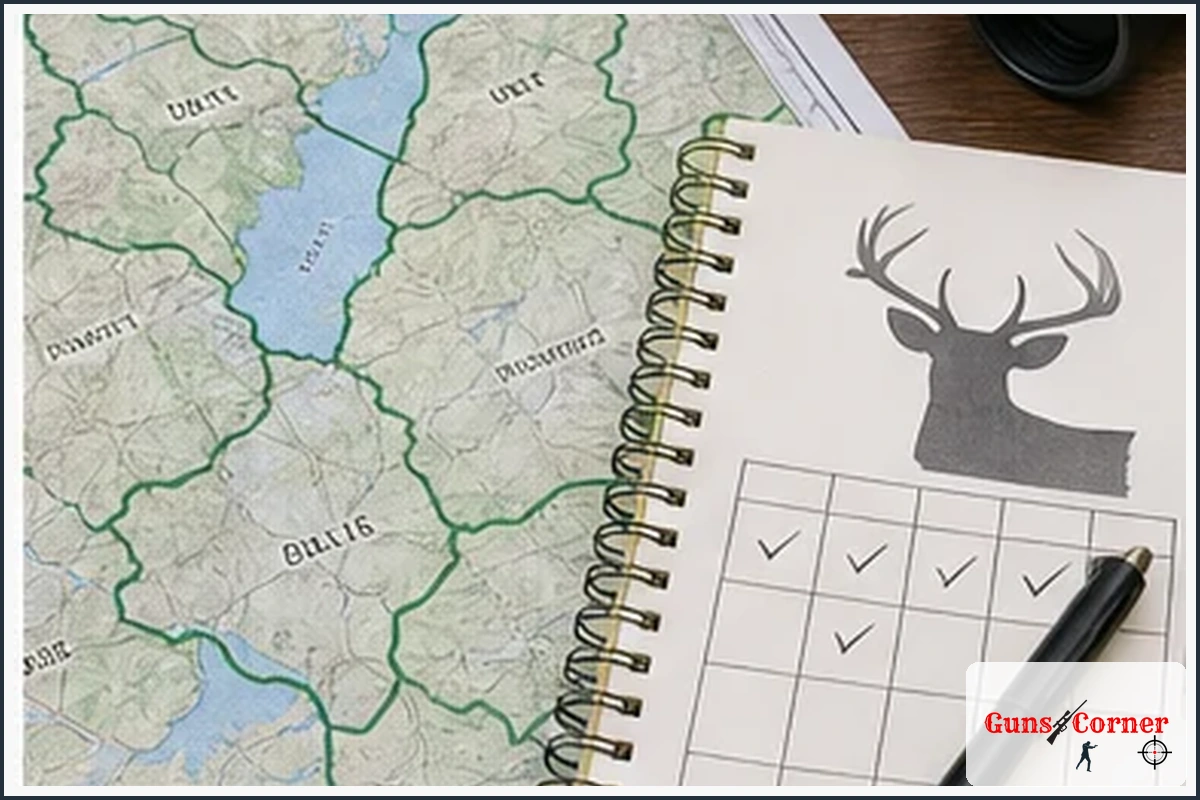
Before applying, study the available deer units, season dates, access conditions, and weapon categories. A unit is a defined geographic area used to manage wildlife and hunting pressure.
Compare the unit with your realistic ability to hunt it. Consider travel distance, terrain, public access, private-land boundaries, physical demands, weather, and nearby lodging or emergency services.
Step 6: Choose the Correct Tag or Application
Select the deer species, hunt type, unit, season, and weapon category that match your plan. Some applications allow multiple choices, while others require one specific selection.
Read every choice carefully before submitting. A tag for one unit or season may not be valid in another, and a firearm hunt may not authorize bowhunting outside the dates or methods listed in the regulations.
Step 7: Submit the Application Before the Deadline
Submit the application early enough to resolve payment or account problems. Record the confirmation number and save a copy of the submitted choices.
Do not assume that beginning an application completes it. Look for a final confirmation screen, receipt, or agency email.
Step 8: Understand Draws, Points, or First-Come Sales
If tags are limited, the agency may use a random draw, preference points, bonus points, or another allocation system. Learn whether your choices are ranked and how unsuccessful applications affect future opportunities.
If tags are sold on a first-come basis, learn the exact sale date and time. Use the agency’s published instructions rather than relying on unofficial estimates.
Step 9: Check Your Result or Tag Status
After the drawing or purchase period, log in to your official account and confirm whether you were successful. Check the species, unit, season, weapon, tag number, and any additional conditions.
If you were not selected, review whether you can apply for another hunt, purchase an available tag, use a point system, or hunt a different legal opportunity.
Step 10: Print, Download, or Obtain the Tag Correctly
Follow the agency’s instructions for receiving the tag. Some tags must be printed, while others may be electronic or issued by an authorized vendor.
Make sure the tag is legible and available during the hunt. Do not alter it, share it, or use it outside the conditions listed by the wildlife agency.
Step 11: Read the Regulations Again Before Hunting
Once you have a tag, review the current regulations for your exact hunt. Confirm legal dates, hours, weapons, ammunition, deer identification rules, antler requirements, tagging instructions, reporting deadlines, and transportation requirements.
A tag does not override other laws. You still need legal land access and must follow firearm, bow, trespass, safety, and conservation regulations.
Step 12: Plan the Hunt Responsibly
Scout legal hunting areas before the season when permitted. Study maps, identify access points, learn property boundaries, and look for deer sign such as tracks, trails, bedding cover, food sources, and water.
Prepare your clothing, navigation tools, first aid supplies, communication equipment, weapon, and game-care supplies. Practice with your firearm or bow and establish a realistic effective range before hunting.
What to Check Before Applying for a Deer Tag
| Item | Why It Matters |
|---|---|
| Residency status | Resident and nonresident licenses, fees, and opportunities may differ. |
| Hunter education | A certificate may be required before licensing or hunting. |
| Application deadline | Late applications may not be accepted for limited hunts. |
| Hunt unit | Your tag may be valid only within a specified geographic area. |
| Season and weapon | The tag may apply only during specific dates and legal methods. |
| Fees and payment | Applications, licenses, tags, and processing charges may be separate. |
| Reporting rules | Harvest validation or reporting may be required after a successful hunt. |
Choosing a Deer Hunt You Can Actually Manage
The most attractive hunt is not always the best choice for a beginner. Select an opportunity that matches your fitness, experience, equipment, available time, and access to legal land.
- Choose terrain you can navigate safely.
- Confirm that you can legally access enough hunting ground.
- Study expected weather and road conditions.
- Consider whether you have time for scouting and recovery planning.
- Choose a weapon category you have practiced with responsibly.
- Learn whether the hunt is limited to a particular deer type or sex.
Scouting After You Get a Deer Tag
A tag is only one part of a successful hunt. Scouting helps you understand where deer may move and how to approach without creating unnecessary disturbance.
Look for Reliable Deer Sign
Search for tracks, trails, droppings, bedding cover, feeding areas, rubs, scrapes, and travel corridors. Interpret several signs together rather than relying on one isolated observation.
Study Wind Direction
Wind affects scent movement and can quickly reveal your presence. Plan an entry and setup location that keeps your scent from blowing toward likely deer travel areas.
Use Maps and Confirm Boundaries
Review topographic maps, satellite imagery, public-land maps, and posted property boundaries. Never cross private land without permission, and remember that map layers can contain errors or outdated information.
Avoid Over-Scouting
Too much walking through bedding or feeding areas can disturb deer and reduce the value of your observations. Scout efficiently, respect closures, and leave sensitive areas undisturbed when possible.
Gear and Preparation Checklist
You do not need the most expensive equipment to hunt responsibly. You do need reliable, legal, and appropriate gear.
- Valid license, deer tag, and required identification
- Regulations and proof of required permits
- Legal firearm or bow in safe working condition
- Practice ammunition or arrows used according to local rules
- Weather-appropriate clothing and sturdy boots
- Required blaze orange or other visibility clothing
- Map, compass, GPS, or approved navigation application
- Charged phone, emergency communication, and backup power
- Water, food, flashlight, and first aid kit
- Gloves, game bags, knife, and cooling supplies where appropriate
- Full-body harness for any legal tree-stand hunt
Firearm and Bow Safety
Treat every firearm as loaded until you personally confirm otherwise. Keep the muzzle pointed in a safe direction, keep your finger outside the trigger guard until ready to fire, and identify both the target and what lies beyond it.
With a bow, use broadheads safely, transport arrows in a protective container, practice from realistic positions, and shoot only within the range you have consistently practiced. Never take a shot through uncertain cover or toward people, homes, roads, livestock, vehicles, or trails.
If using a tree stand, inspect the stand, use a full-body safety harness, maintain three points of contact while climbing, and follow the manufacturer’s instructions.
Best Time, Place, and Conditions for a Deer Hunt
Deer activity can change with season, weather, food availability, hunting pressure, and local habitat. Rather than relying on a universal “best” time, use current observations from your hunting area.
- Plan around legal hunting hours.
- Watch wind direction before entering or setting up.
- Use weather forecasts to plan safe travel and clothing.
- Consider how pressure may shift deer movement.
- Focus on legal travel corridors between cover, food, and water.
- Leave an area if conditions make navigation or shooting unsafe.
Helpful Tips for Better Results
- Apply early and save every confirmation number.
- Read the regulations for your exact unit and weapon season.
- Scout with maps before visiting unfamiliar ground.
- Practice from field positions rather than only from a bench or range.
- Keep your setup downwind of likely deer movement.
- Use quiet entry routes and avoid unnecessary movement.
- Tell a trusted person where you are hunting and when you expect to return.
- Carry a backup navigation method instead of relying on one electronic device.
- Pass on any shot that is unsafe, uncertain, or beyond your skill level.
- Plan meat cooling, transportation, and reporting before opening day.
Common Mistakes to Avoid
- Using an unofficial or outdated application deadline
- Choosing the wrong hunt unit or weapon category
- Assuming a hunting license automatically includes a deer tag
- Failing to confirm the tag after a draw or purchase
- Hunting private land without permission
- Ignoring property boundaries or access restrictions
- Forgetting required hunter education or visibility clothing
- Not practicing enough before the season
- Taking a shot when the target or background is unclear
- Failing to plan for recovery, cooling, reporting, or transport
Troubleshooting Common Problems
| Problem | Possible Cause | What to Do |
|---|---|---|
| You cannot find the application | You are using an outdated page or the wrong agency portal. | Start from the official wildlife agency website and locate the current deer regulations. |
| Your application will not submit | Missing information, payment issue, or account problem. | Review every field, confirm payment details, and contact the agency before the deadline. |
| You are unsure whether you drew a tag | The result may not be sent by email or may require account login. | Check your official account and retain the result confirmation. |
| You received the wrong hunt choice | A selection was entered incorrectly or the system processed a different choice. | Review your receipt and contact the wildlife agency promptly for clarification. |
| You cannot find legal access | The selected unit has limited public land or unclear boundaries. | Study public maps, obtain written private-land permission, and never cross unpermitted property. |
| You are not seeing deer | Poor scouting, changing conditions, pressure, or unsuitable wind. | Review fresh sign, adjust legally, and avoid disturbing bedding areas. |
| Weather becomes unsafe | Storms, extreme temperatures, poor visibility, or difficult travel. | End the hunt if necessary, communicate your plans, and prioritize safe return over success. |
Ethical Hunting and Conservation
Ethical deer hunting means following the law, respecting wildlife, and making careful decisions even when an opportunity is exciting. Hunters should practice before the season, take only shots within their ability, and make every reasonable effort to recover legally harvested game.
Use the harvest responsibly, follow reporting requirements, respect landowners and other outdoor users, and leave hunting areas cleaner than you found them. License and tag purchases often support wildlife management, habitat work, research, and conservation programs, making responsible participation important beyond a single hunt.
After the Hunt: Reporting, Meat Care, and Learning
Follow the exact instructions for validating or reporting your harvest. Keep the tag attached or recorded as required, and obey transport and processing rules.
Cool and handle meat promptly using clean equipment and appropriate temperatures. If you are inexperienced, seek help from a knowledgeable mentor, processor, or hunter education instructor.
After the season, review your notes. Record weather, deer sign, access routes, wind, equipment performance, and decisions that worked or failed. This information can improve future applications and hunting preparation.
When to Get More Training or Professional Guidance
Seek additional instruction if you have never handled a firearm or bow, are unfamiliar with local regulations, do not understand property boundaries, or are not confident in navigation, shot placement, recovery, or meat care.
Useful resources include official hunter education courses, certified instructors, state or provincial wildlife agencies, conservation organizations, and experienced ethical hunting mentors.
Recommended Hunting Gear and Tools to Consider
You do not need expensive gear to hunt responsibly. Choose equipment based on local rules, terrain, weather, hunting method, safety needs, skill level, and budget.
- Legal firearm or bow and appropriate safety equipment
- Durable boots suited to local terrain
- Weather-appropriate clothing and required visibility gear
- Binoculars for observation
- Map, compass, GPS, or approved hunting application
- First aid kit and emergency communication device
- Gloves, game bags, cooler, and clean meat-care supplies
Final Thoughts
Knowing how to get a deer tag starts with finding the correct wildlife agency, checking eligibility, applying accurately, and confirming the exact conditions of your authorization. From there, careful scouting, legal land access, practice, wind awareness, and safe shot decisions matter far more than expensive equipment. Hunt patiently, respect wildlife and other people, follow current regulations, and plan responsible reporting and meat care before entering the field.
Frequently Asked Questions
Do I need a hunting license to get a deer tag?
Often, but not always in the same sequence. Some jurisdictions require a hunting license before applying, while others require it before the tag can be issued or used. Check the current official regulations.
Where do I get a deer tag?
Usually through the official wildlife agency website, an authorized license vendor, or an approved licensing application. Use only current official information.
Is a deer tag the same as a hunting license?
No. A hunting license generally authorizes participation in hunting, while a deer tag or permit authorizes a specific deer opportunity. Some areas combine them differently, so read local definitions.
How early should I apply for a deer tag?
Apply as early as practical after reviewing the current regulations. Limited draws have firm deadlines, and first-come opportunities may sell out or close quickly.
Can I get a deer tag without hunter education?
Requirements vary. Some jurisdictions require hunter education before licensing or hunting, while others have limited exceptions. Confirm the rule with the official wildlife agency.
What information do I need to apply?
Depending on the location, you may need identification, residency information, a customer account, hunter education details, hunt choices, payment, and a valid hunting license.
What happens if I miss the application deadline?
You may lose access to that limited application period. Some areas offer later over-the-counter or leftover opportunities, but availability and rules vary.
How do deer-tag drawings work?
A drawing allocates limited hunting opportunities among eligible applicants. The agency may use random selection, preference points, bonus points, or another published system.
What are preference or bonus points?
They are systems some agencies use to influence future drawing chances. The details differ, so read the agency’s current point guide before applying.
Can I apply for more than one deer hunt?
Some systems allow multiple choices or applications, while others restrict participation. Check the current application instructions carefully.
Can I transfer my deer tag to another person?
Do not assume a tag is transferable. Many tags are assigned to one hunter and cannot be shared or transferred except under specific legal provisions.
Can I hunt public land with a deer tag?
A valid tag does not automatically provide access. Confirm that the land is open to hunting, identify legal boundaries, and follow public-land rules.
Can I use a deer tag on private land?
Only if the tag is valid for that area and you have permission to hunt the property. A tag never replaces landowner permission.
What should I do if property boundaries are unclear?
Do not enter or hunt across the uncertain boundary. Confirm ownership using official maps, posted signs, landowner communication, or local authorities.
Can I use my deer tag during any deer season?
No. A tag may be limited by season, unit, weapon, deer type, sex, or legal hours. Follow the exact conditions printed or listed with the tag.
Does a deer tag guarantee I can harvest a deer?
No. It provides legal authorization under specified conditions, but hunting success depends on preparation, weather, animal behavior, access, skill, and ethical decisions.
What should I study before applying?
Review units, season dates, access, terrain, weapon rules, tag availability, fees, application deadlines, and reporting requirements.
How do I choose a deer unit?
Choose a unit you can access legally and hunt safely. Consider terrain, public land, travel distance, scouting time, weather, and your experience.
Should I scout before receiving a tag?
When legal, general scouting can help you understand terrain and access. Avoid disturbing wildlife or entering closed areas, and confirm that your final hunt matches your tag conditions.
What deer signs should beginners learn?
Learn to recognize tracks, trails, droppings, bedding areas, feeding areas, rubs, scrapes, and travel corridors. Confirm several signs rather than relying on one.
Why is wind direction important?
Wind carries scent and can reveal your presence. Plan your approach and setup so your scent is less likely to reach areas where deer are expected.
What firearm safety rules apply during deer hunting?
Keep the muzzle pointed safely, keep your finger outside the trigger guard until ready, treat every firearm as loaded, and identify the target and background before firing.
What bowhunting safety rules apply?
Practice within your effective range, handle broadheads carefully, use safe transport, and take only a clear, ethical shot that you can make consistently.
Do I need blaze orange?
Some jurisdictions require blaze orange or another visibility garment during certain hunts. Check the current clothing rules for your season and weapon.
Can I hunt from a tree stand with a deer tag?
You may be able to if tree stands are legal and permitted in the area. Use a full-body harness, inspect equipment, and follow safe climbing practices.
What should I do if I make an uncertain shot?
Stop, remain calm, follow local recovery guidance, and make a careful effort to locate the animal. Contact an experienced mentor or wildlife authority if you need help.
Do I have to report a harvested deer?
Many jurisdictions require harvest reporting or validation, but deadlines and methods differ. Follow the instructions for your exact tag.
When should I attach or validate the tag?
Timing and method vary by location. Follow the tag instructions and current regulations exactly.
What happens if I lose my deer tag?
Contact the issuing wildlife agency or authorized vendor immediately. Do not create or alter a replacement yourself.
Can I hunt without carrying proof of my tag?
Requirements vary, but you should carry or maintain the required physical or electronic proof during the hunt. Confirm what enforcement officers accept.
What should I bring on the hunt?
Carry your license and tag, legal weapon, required clothing, navigation tools, water, food, first aid, communication equipment, and basic game-care supplies.
How should I prepare for remote deer hunting?
Share your route, check weather, carry navigation backups, plan communication, bring sufficient water and emergency supplies, and know when to turn back.
What if I do not draw a deer tag?
Review legal leftover, over-the-counter, alternate-unit, or future application opportunities if available. Never hunt outside the authorization you receive.
Can I get a deer tag after the season starts?
Some areas offer tags during the season, while others do not. Check official availability and do not assume a late purchase is legal for your intended hunt.
Are nonresident deer tags available?
Many jurisdictions offer nonresident opportunities, but availability, fees, and application systems differ. Review the current nonresident regulations.
How much does a deer tag cost?
Costs vary by location, residency, license type, application, tag, and processing fees. Check the official fee schedule for the current season.
Can I use an electronic deer tag?
Some jurisdictions allow electronic tags or digital licenses, while others require printed documents. Follow the system authorized by your wildlife agency.
What should I do after a successful hunt?
Follow legal tagging and reporting procedures, recover the game responsibly, cool and transport meat properly, and comply with inspection or movement rules.
Why should I take a hunter education course?
Hunter education teaches firearm or bow safety, wildlife identification, regulations, ethics, conservation, and field responsibility. It is especially valuable for beginners.
When should I ask an experienced hunter for help?
Ask for help if you are unsure about laws, access, navigation, weapon handling, shot decisions, recovery, or meat care. A qualified mentor can help prevent avoidable mistakes.
How does buying a deer tag support conservation?
License and tag revenue commonly supports wildlife management, habitat conservation, research, and enforcement, although funding systems differ by jurisdiction.
Read more: