
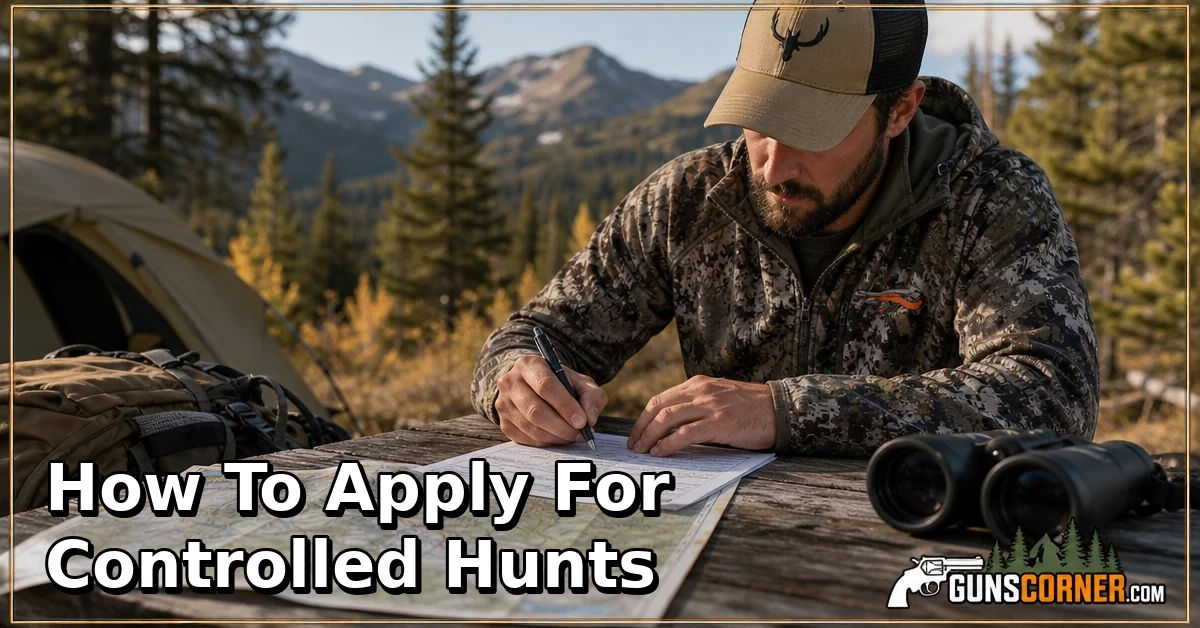

Controlled hunts can provide access to limited-opportunity hunting areas, carefully managed wildlife populations, and hunt experiences that may not be available through general seasons. However, the application process can be confusing, especially when rules, deadlines, hunt categories, preference points, group applications, and licensing requirements vary by jurisdiction.
This guide explains how to apply for controlled hunts responsibly, how to research opportunities, how to avoid application mistakes, and what to do if you are selected. Always use your official wildlife agency’s current regulations and application instructions as the final authority.
To apply for controlled hunts, create or access an account with your official wildlife agency, confirm that you meet the eligibility requirements, review available hunt choices, and submit a complete application before the deadline. Check whether licenses, permits, fees, preference points, group applications, and hunt-specific qualifications apply. Save your confirmation, monitor the drawing results, and prepare carefully if selected. A controlled-hunt application does not guarantee a permit or a successful hunt.
Important Legal and Safety Notice Before You Apply
Controlled-hunt rules vary by state, province, country, wildlife management area, species, season, weapon type, and permit category. Before applying or hunting, verify the current rules with the official wildlife agency responsible for the area.
- Confirm application deadlines and submission times.
- Check license, permit, tag, residency, age, and eligibility requirements.
- Review application fees, refund policies, and preference-point rules.
- Verify whether group applications are allowed and how group eligibility works.
- Check legal species, hunt areas, dates, weapons, ammunition, and hunting hours.
- Confirm public-land access, private-land permission, and boundary requirements.
- Review hunter education, blaze orange, firearm, bow, and transportation rules.
- Complete required harvest reporting after a successful hunt.
What Is a Controlled Hunt?
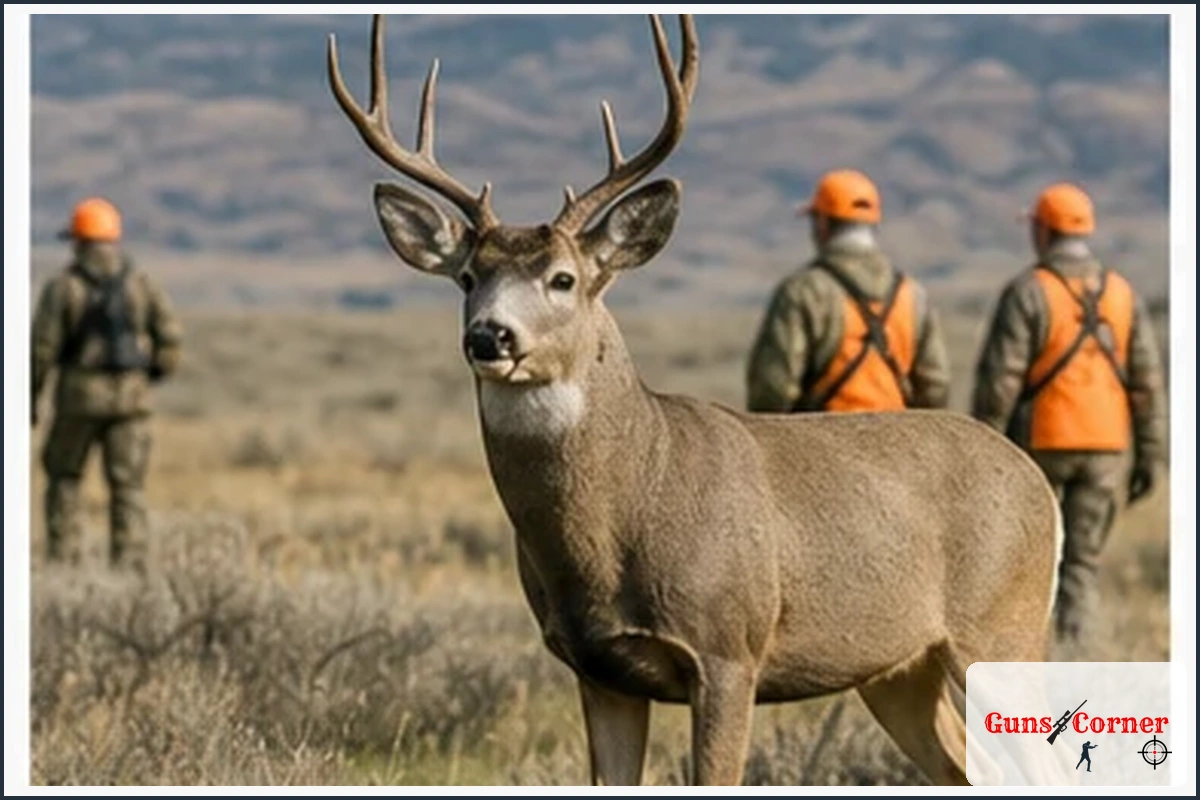
A controlled hunt is a regulated hunt with a limited number of available permits or hunting opportunities. Hunters usually apply in advance and are selected through a drawing, ranking system, preference-point system, or another allocation process.
Wildlife agencies may use controlled hunts to manage harvest, reduce conflicts, protect sensitive areas, improve hunter distribution, or provide access where unrestricted hunting would create safety or conservation concerns.
The term may have different names depending on the jurisdiction, including limited-entry hunt, special draw hunt, lottery hunt, permit hunt, or quota hunt. Read the official regulations carefully because these terms are not always interchangeable.
Who Can Apply?
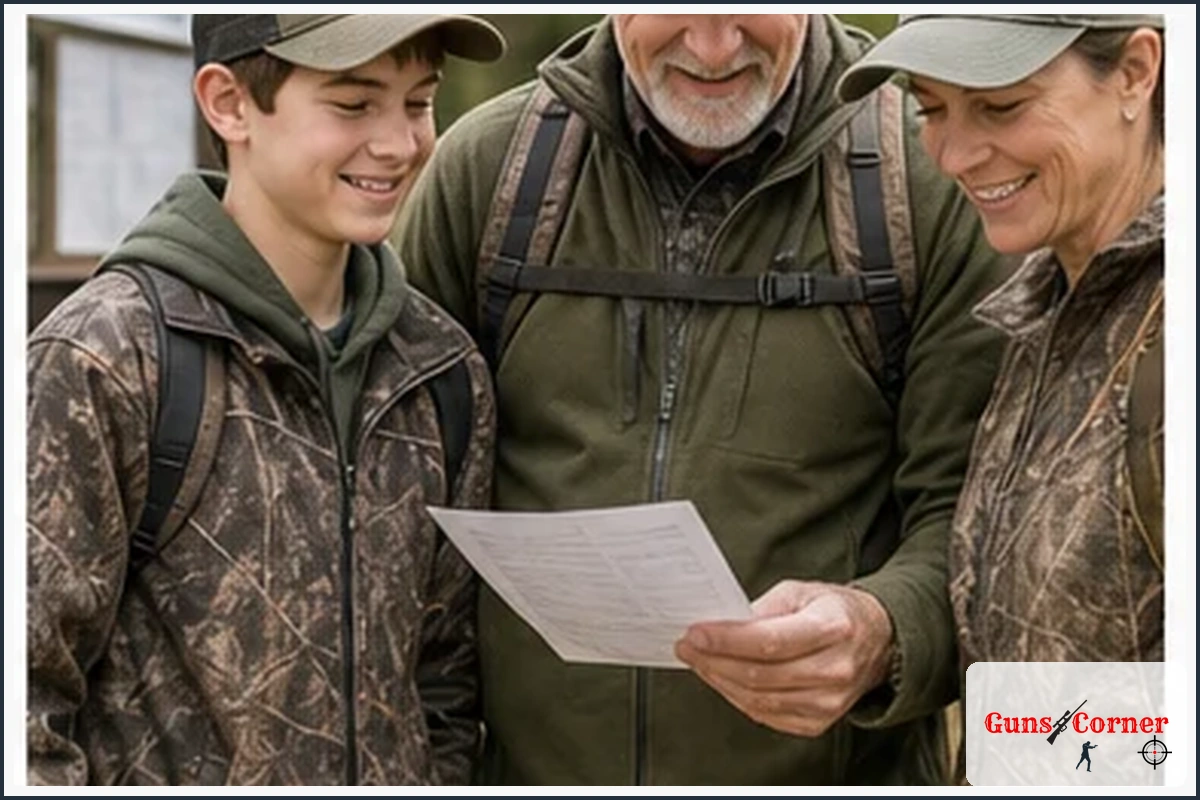
Eligibility depends on the specific agency and hunt. Some controlled hunts are open to many licensed hunters, while others may be limited by residency, age, mobility status, species, weapon type, hunter education, or previous permit history.
Before beginning an application, check whether you need:
- A valid hunting license or customer account
- A species license, permit, or tag
- Proof of residency or age
- Hunter education certification
- A qualifying disability or special permit for designated hunts
- A minimum or maximum number of applicants in a group
- Preference points or a previous application history
How to Apply for Controlled Hunts Step by Step

Step 1: Find the Official Controlled-Hunt Information
Start with the website of the wildlife agency that manages the hunt. Search for the current controlled-hunt guide, application instructions, regulations, hunt catalog, or permit-drawing page.
Use official sources rather than relying on old articles, social media posts, forums, or previous-year guides. Application dates, fees, hunt numbers, eligibility rules, and point systems can change.
Step 2: Confirm the Application Deadline

Write down the opening date, closing date, time zone, and final submission time. Do not wait until the last day if you can avoid it. Website traffic, forgotten account information, payment problems, or missing documents can prevent a successful submission.
Some agencies use separate deadlines for different species or hunt types. Make sure you are reviewing the correct application period.
Step 3: Create or Check Your Online Account

Most controlled-hunt systems require an online customer account. Before applying, verify your name, date of birth, address, phone number, email address, residency status, license information, and hunter education record when applicable.
Correct errors before submitting. A misspelled name, incorrect identification number, outdated address, or missing certification may delay processing or disqualify an application under the agency’s rules.
Step 4: Read the Hunt Regulations and Application Guide
Do not choose a hunt based only on the location name or species. Read the detailed description for each option you are considering.
Look for information about:
- Hunt dates and legal hunting hours
- Species, sex, age class, or harvest restrictions
- Legal weapons and ammunition
- Number of permits available
- Access limitations and land boundaries
- Required check-in or orientation procedures
- Group application rules
- Point or preference consequences
- Application fees and refund policies
- Harvest reporting requirements
Step 5: Choose a Hunt You Can Actually Complete
Consider distance, terrain, physical demands, access, weather, lodging, transportation, and available hunting time. A highly desirable hunt is not necessarily the best choice if you cannot safely reach or complete it.
Research maps, access roads, elevation, water availability, private-property boundaries, and likely hunting pressure. If the hunt requires backcountry travel, prepare for navigation, changing weather, communication limitations, and emergency planning.
Step 6: Understand Hunt Codes and Choice Order
Controlled-hunt applications often use hunt codes, numbers, or selection choices. Enter these details carefully and compare them with the current official guide before submitting.
Some systems ask for choices in preference order. Others allow multiple applications, hunt categories, or location selections. Understand whether each choice affects your points, fees, eligibility, or drawing chances.
Step 7: Decide Whether to Apply Alone or as a Group
Group applications can allow friends or family members to hunt together when permitted. However, group rules vary widely. The group may need a designated leader, every member may need to meet the same eligibility requirements, and the entire group may be treated as one application during the drawing.
Confirm the maximum group size, required information for each member, payment responsibility, and whether group applications affect drawing odds or preference points.
Step 8: Review Preference Points and Drawing Rules
Some controlled-hunt systems award preference points or bonus points to applicants who are not selected. Other systems use random drawings without points, weighted drawings, or different rules by species and hunt category.
Before applying, determine:
- Whether points are earned automatically or must be purchased
- Whether applying and failing to draw preserves your points
- Whether accepting a permit uses or reduces your points
- Whether group applications use the lowest, highest, or combined point level
- Whether points are species-specific or valid across categories
Never assume that a point system works the same way in another state or for another species.
Step 9: Pay the Correct Application Fees
Review all charges before completing payment. Some agencies separate application fees from license costs, permit costs, processing fees, or required hunting licenses.
Use an approved payment method and keep the receipt or transaction number. A payment attempt is not always proof that an application was successfully submitted.
Step 10: Review and Submit the Application
Before clicking submit, carefully check your personal information, hunt codes, choice order, group members, payment details, license information, and email address.
Look for a confirmation screen, confirmation email, receipt, or application number. Save a copy or take a screenshot for your records.
Step 11: Monitor Drawing Results
Mark the expected drawing-result date on your calendar and check the official account or agency notification system. Do not rely only on an email because messages can be delayed, filtered, or sent to an outdated address.
If selected, read the permit instructions immediately. You may need to purchase a license, confirm a permit, complete orientation, select a weapon type, or meet a payment deadline.
Step 12: Prepare for the Hunt If Selected
Study the hunt area before arriving. Review maps, access points, terrain, regulations, parking restrictions, weather, and emergency routes. Scout legally and avoid disturbing wildlife or entering closed areas.
Practice with your firearm or bow before the season. Confirm that your equipment is legal, functional, and appropriate for the terrain. Plan safe shot opportunities and decide in advance when you will pass on a shot.
Step 13: Follow Recovery, Reporting, and Meat-Care Rules
If you harvest an animal, follow all tagging, check-in, reporting, transportation, and evidence-of-sex or species-identification requirements that apply in your area.
Cool and handle the meat responsibly, use clean equipment, and follow local transportation and processing rules. If the animal is not recovered immediately, follow ethical tracking practices and contact the appropriate authority or an experienced mentor when needed.
How to Research a Controlled-Hunt Area
Good research can make a controlled hunt safer and more productive. Start with official maps and hunt descriptions, then build a practical field plan.
Study Boundaries and Access
Identify the exact hunt boundary and compare agency maps with current land-ownership information. Public access may be limited by closed roads, private parcels, seasonal gates, military areas, refuges, or special restrictions.
Never cross private property without permission. If the boundary is unclear, stop and verify it before proceeding.
Learn the Habitat
Look for food sources, water, cover, travel corridors, bedding areas, feeding areas, and terrain features relevant to the species. Satellite imagery and topographic maps can help you identify likely areas before an in-person scouting trip.
Scout Without Overpressuring Wildlife
When legal, scout for tracks, droppings, trails, bedding areas, rubs, scrapes, feeding sign, wallows, roosting areas, or other species-specific clues. Limit unnecessary disturbance, especially close to the season or in sensitive habitats.
Plan for Other Hunters
Controlled hunts may reduce hunting pressure, but they do not always eliminate it. Identify several legal setup areas and maintain courteous communication with other hunters. Never move into another hunter’s position or cross a line of fire.
Controlled-Hunt Application Checklist
- Official agency website located
- Current application guide downloaded or reviewed
- Deadline and time zone recorded
- Online account created or updated
- License and hunter education information verified
- Eligibility requirements confirmed
- Hunt areas compared for access and difficulty
- Hunt codes entered carefully
- Group members confirmed, if applicable
- Preference-point rules understood
- Application fees reviewed
- Confirmation number saved
- Drawing-result date recorded
- Backup plan prepared if not selected
Safety Considerations for Controlled Hunts
Being selected for a controlled hunt does not reduce the need for careful field safety. Follow official hunter education principles and the manufacturer’s instructions for your equipment.
- Always identify the target and what lies beyond it.
- Never shoot toward roads, homes, livestock, vehicles, people, trails, or unclear movement.
- Keep firearms unloaded until you are in a legal, safe position to hunt.
- Use a safe direction and follow the four basic firearm safety rules.
- For bowhunting, carry broadheads safely and shoot only within your practiced ability.
- Wear required blaze orange or other visibility clothing.
- Use a full-body harness whenever hunting from a tree stand.
- Carry water, first aid, navigation tools, weather gear, and emergency communication.
- Tell someone where you are going and when you expect to return.
- Do not hunt beyond your physical ability or ignore changing weather.
Common Application Mistakes to Avoid
- Using an outdated guide: Always use the current application instructions.
- Missing the deadline: Submit early and account for time zones.
- Entering the wrong hunt code: Compare every code with the official list before submission.
- Ignoring eligibility rules: Confirm residency, age, license, and certification requirements.
- Assuming payment completed the application: Save the official confirmation number.
- Choosing a hunt without researching access: Study boundaries, terrain, roads, and private parcels.
- Misunderstanding group applications: Read the rules for group size and point treatment.
- Failing to monitor results: Check your account even if you do not receive an email.
- Applying for a hunt you cannot safely complete: Consider physical demands and travel requirements.
- Waiting until selection to practice: Prepare with your legal weapon before the hunt.
Troubleshooting Common Problems
| Problem | Possible Cause | What to Do |
|---|---|---|
| The application will not submit | Missing information, account error, browser issue, or payment problem | Review every field, try the agency’s recommended browser, and contact official support before the deadline. |
| You did not receive confirmation | Submission was incomplete or the message went to spam | Check your account, email folders, payment record, and application history. |
| You entered the wrong hunt code | Codes were copied from an old guide or entered incorrectly | Contact the agency promptly and follow its correction policy. Do not assume changes are allowed. |
| Your group application is incomplete | A member missed a step or failed an eligibility requirement | Review the group instructions and contact the official licensing office. |
| You were selected but cannot access the area | Limited roads, private property, weather, or physical difficulty | Research legal access early and never trespass. Consider professional or local agency guidance. |
| You are unsure whether your equipment is legal | Weapon and ammunition rules differ by hunt and location | Read the current regulations and ask the wildlife agency before hunting. |
| You cannot safely take a shot | Unclear target, poor background, distance, movement, or unsafe angle | Pass on the shot. Ethical hunting requires patience and certainty. |
Ethical Hunting and Conservation
Controlled hunts exist partly because wildlife agencies are balancing opportunity, safety, habitat, and sustainable populations. Respecting the permit system supports that work.
- Apply honestly and use only permitted methods.
- Follow seasons, harvest limits, boundaries, and reporting requirements.
- Pass on shots that are unsafe, uncertain, or beyond your ability.
- Make every reasonable effort to recover legally harvested game.
- Use the meat responsibly and avoid waste.
- Respect landowners, other hunters, hikers, and wildlife watchers.
- Leave gates, roads, campsites, and habitat in good condition.
- Support conservation through legal licenses and responsible participation.
When to Get More Training or Professional Guidance
Seek additional help if you are unfamiliar with the application system, local terrain, weapon safety, land boundaries, or game recovery.
Useful sources of guidance include official hunter education courses, certified firearm or archery instructors, wildlife agency staff, experienced ethical mentors, conservation organizations, and reputable hunting clubs.
Beginners should especially consider a mentor if they have never hunted independently, are entering remote terrain, are unsure about local regulations, or need help planning safe access and meat care.
After the Hunt: Learn and Prepare for the Next Application
Record the hunt area, weather, access conditions, animal sign, equipment performance, and lessons learned. Review the official reporting requirements and complete them on time.
Clean and store equipment safely, inspect boots and navigation gear, replace damaged safety items, and update your emergency plan. If you were not selected, review future application opportunities and understand how your points or application history are treated.
Recommended Hunting Gear and Tools to Consider
You do not need expensive equipment to apply for or complete a controlled hunt. Choose gear based on the species, terrain, weather, legal method, physical demands, and your experience.
- Current regulations and a saved application confirmation
- Legal firearm, bow, ammunition, or archery equipment
- Weather-appropriate clothing and required visibility gear
- Durable boots suited to the terrain
- Map, compass, GPS, or reliable navigation app
- Binoculars or other appropriate optics
- First aid kit, water, food, and emergency communication
- Headlamp with spare batteries
- Game bags, gloves, cooler, and meat-care supplies when applicable
- Full-body tree-stand harness if hunting from an elevated stand
Final Thoughts
Learning how to apply for controlled hunts begins with using current official information, understanding eligibility and drawing rules, choosing a realistic hunt, and submitting a complete application before the deadline. If selected, careful scouting, safe equipment handling, legal access, ethical shot decisions, and responsible game care are just as important as the application itself.
Controlled hunts do not guarantee success, but thoughtful preparation improves your safety, confidence, and ability to make responsible decisions in the field.
Frequently Asked Questions
What is a controlled hunt?
A controlled hunt is a limited hunting opportunity managed through permits, drawings, quotas, or restricted access. Hunters usually apply before the season and are selected according to the agency’s rules.
How do I apply for controlled hunts?
Use the official wildlife agency’s application system, confirm eligibility, select legal hunt choices, pay required fees, submit before the deadline, and save your confirmation.
Do I need a hunting license to apply?
Some systems require a valid hunting license before applying, while others allow an application first but require licensing before the hunt. Check the current official instructions.
Do I need a separate permit or tag?
Often, yes. Controlled-hunt applications, licenses, permits, and harvest tags may be separate requirements. Verify which documents apply to your hunt.
Are controlled hunts selected randomly?
Many use random drawings, but some use preference points, weighted drawings, rankings, or other systems. Read the current rules for the specific hunt.
What are preference points?
Preference points are credits that may improve future drawing chances or affect selection priority. Their use varies by agency, species, and hunt category.
Can I apply for more than one controlled hunt?
Some agencies allow multiple choices or categories, while others restrict applications. Confirm the rules and fees before submitting more than one choice.
Can I apply with other hunters?
Group applications may be allowed for certain hunts. Check group size, member eligibility, point treatment, and payment requirements.
Does applying with a group improve my odds?
Not necessarily. Group applications may be processed differently and can be affected by the least-eligible member or the group’s point status.
What happens if I am not selected?
You may receive a preference or bonus point, depending on the system. Some applications provide no points, so verify the specific rules.
What happens if I am selected?
Follow the permit instructions immediately. You may need to confirm the permit, buy a license or tag, complete an orientation, or meet a payment deadline.
Can I transfer my controlled-hunt permit?
Do not assume permits are transferable. Transfer rules vary and may be prohibited except under specific official procedures.
Can I change my application after submitting it?
Some systems allow changes before the deadline, while others do not. Contact the official agency rather than relying on informal advice.
What if I entered the wrong hunt code?
Contact the licensing or wildlife agency promptly. Corrections may be limited, and submitting a new application could create additional issues.
How early should I apply?
Apply as soon as you have confirmed your choices and eligibility. Early submission gives you time to fix account, payment, or documentation problems.
Where can I find the official application deadline?
Find it in the current controlled-hunt guide or on the official wildlife agency website. Confirm the exact date, time, and time zone.
How do I choose the best controlled hunt?
Compare access, terrain, hunt dates, physical demands, weapon rules, travel distance, lodging, weather, and your experience rather than choosing only by popularity.
Should beginners apply for controlled hunts?
Yes, if they understand the requirements and prepare properly. Beginners should consider a hunter education course and an experienced mentor.
Is public access guaranteed with a controlled-hunt permit?
No. A permit does not automatically grant access across private property or closed land. Verify legal entry routes and boundaries.
Can I scout before the controlled hunt?
Often, yes, but scouting access and timing may be restricted. Follow area rules and avoid disturbing wildlife or entering closed zones.
What should I look for while scouting?
Look for habitat, food, water, cover, travel corridors, tracks, droppings, bedding areas, feeding sign, and safe legal access points appropriate to the species.
Should I use a hunting blind or tree stand?
Only if allowed and suitable for the area. Use a safe setup, follow equipment instructions, and wear a full-body harness in a tree stand.
How important is wind direction?
Wind affects scent and visibility. Plan your entry and setup so the wind does not carry your scent toward likely animal movement, while remaining safe and legal.
What weather is best for a controlled hunt?
There is no universal best weather. Weather influences animal movement, visibility, access, and safety. Prepare for changing conditions and avoid dangerous weather.
What firearm safety rules apply?
Keep the firearm pointed in a safe direction, treat it as loaded, keep your finger off the trigger until ready, and identify the target and background before firing.
What bowhunting safety rules apply?
Practice regularly, use legal equipment, transport broadheads safely, know your effective range, and take only shots within your practiced ability.
Should I wear blaze orange?
Wear blaze orange or other required visibility clothing whenever regulations require it. Even when not required, high visibility can improve safety in areas with multiple hunters.
What if I cannot identify the animal clearly?
Do not shoot. A legal and ethical harvest requires positive identification, a safe background, and confidence that the animal meets the permit requirements.
What if the animal is outside my effective range?
Pass on the shot and wait for a better opportunity. Your effective range should be based on honest practice, not ideal conditions.
What should I do after a harvest?
Follow the current tagging, reporting, check-in, transportation, and meat-care requirements for the area. Handle the harvest respectfully and avoid unnecessary waste.
Do controlled hunts require harvest reporting?
Many do, but the method and deadline vary. Review the permit instructions and complete all required reports.
What if I cannot recover the animal immediately?
Follow ethical recovery practices, avoid rushing into unsafe terrain, and seek help from an experienced mentor or appropriate wildlife authority when necessary.
Can I hunt private property during a controlled hunt?
Only with valid landowner permission and when the permit allows it. A controlled-hunt permit does not replace private-land permission.
Can I hunt from a vehicle?
Only if specifically legal under the applicable rules, which is uncommon for ordinary hunting situations. Never shoot from or across a vehicle unless the law expressly allows it.
What if I cannot safely reach the hunt area?
Do not take unnecessary risks. Research access beforehand and consider a different legal route, an experienced guide, or another hunt opportunity.
Do I need a mentor?
A mentor is strongly recommended for beginners, especially those unfamiliar with firearms, bows, navigation, game recovery, or local regulations.
Where can I get official help?
Contact the wildlife agency’s licensing office, hunter education program, conservation staff, or official customer-support channel.
How can I improve my chances of being selected?
Follow the application rules exactly, maintain eligible preference points when applicable, research all realistic choices, and apply consistently. No strategy guarantees selection.
How can I improve my chances after being selected?
Scout legally, study maps, understand animal behavior, practice with your legal weapon, monitor wind and weather, and plan safe access and recovery.
Is expensive gear necessary?
No. Reliable safety equipment, legal equipment, navigation tools, weather protection, and practical field preparation matter more than premium branding.
What should I do if regulations are unclear?
Pause the application or hunt and contact the official wildlife agency for clarification. Do not rely on assumptions or outdated information.
How does applying support conservation?
Controlled-hunt systems help agencies manage wildlife populations, distribute opportunity, protect habitat, and fund conservation through lawful participation and licensing.
Read more: