

Learning how to get an elk tag starts with understanding the license system in the state or province where you want to hunt. Elk tags may be available through over-the-counter sales, limited-license applications, preference or bonus points, leftover tags, landowner programs, or special draw hunts. This guide explains how to research the rules, choose realistic hunt options, submit an accurate application, prepare for the field, and remain legal and ethical throughout the process.
To get an elk tag, first choose a legal hunting jurisdiction and hunt type, then review the current regulations from that official wildlife agency. Confirm license, application, tag, deadline, weapon, residency, and reporting requirements before applying. Submit the application accurately and on time, then prepare for the hunt by scouting legal access, practicing with your chosen weapon, and planning for safety and meat care. Tag availability and draw success are never guaranteed, so keep backup options and respect all regulations.
Important Legal and Safety Notice Before You Hunt
Elk regulations vary widely by state, province, species designation, residency, hunting unit, season, weapon, and license type. Before applying or hunting, verify current information with the official wildlife agency responsible for the area.
- Confirm the required hunting license, application license, permits, and elk tag.
- Check application deadlines, draw dates, payment rules, and refund policies.
- Review season dates, legal hunting hours, weapon restrictions, and bag limits.
- Understand preference points, bonus points, point banking, and point-sharing rules if applicable.
- Verify public land access, private land permission, boundaries, and vehicle restrictions.
- Check hunter education, hunter orange, harvest reporting, and carcass transport requirements.
- Follow firearm or bow safety rules and identify the target and what lies beyond it.
- Plan for weather, navigation, hydration, communication, first aid, and remote terrain.
What Is an Elk Tag?
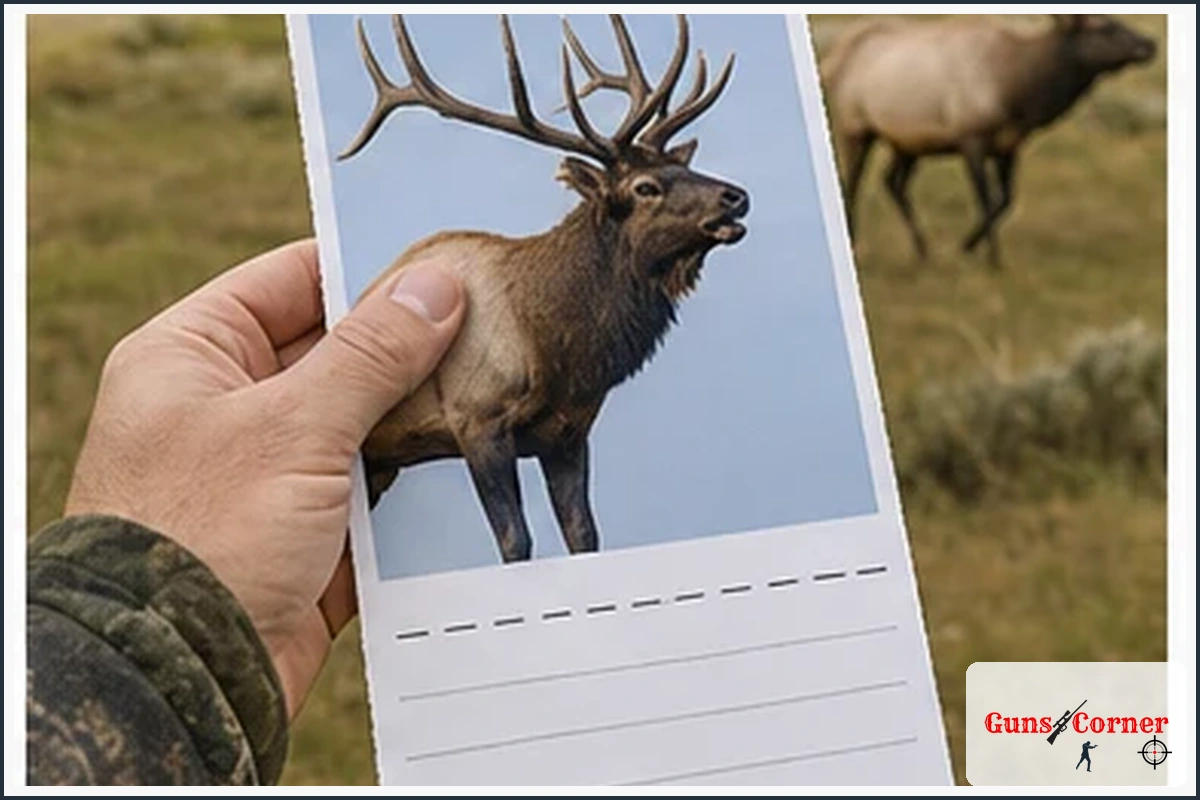
An elk tag is a legal authorization to harvest an elk during a specific season, in a defined area, using an approved hunting method. Some jurisdictions use the term license, permit, tag, or permit number differently, so read the official terminology carefully.
A tag may be issued through several systems:
- Over-the-counter sales: Eligible hunters purchase an available tag without entering a draw.
- Limited-entry or controlled hunts: Hunters apply and are selected through a draw.
- Preference-point or bonus-point draws: Previous unsuccessful applications may affect future drawing opportunities, depending on local rules.
- Leftover tags: Remaining permits may be offered after a primary draw.
- Special opportunity hunts: These may have separate eligibility, application, or access requirements.
How to Get an Elk Tag Step by Step

Step 1: Choose Where You Want to Hunt
Start by identifying the state or province, game management unit, hunting zone, or wildlife area where you hope to hunt elk. Do not choose only by reputation. Consider travel distance, terrain, public access, hunting pressure, season dates, weather, available tags, and your physical ability.
Use official maps and regulations to determine whether the area includes public land, private land, tribal land, military property, or other areas with separate access rules.
Step 2: Find the Official Elk Regulations
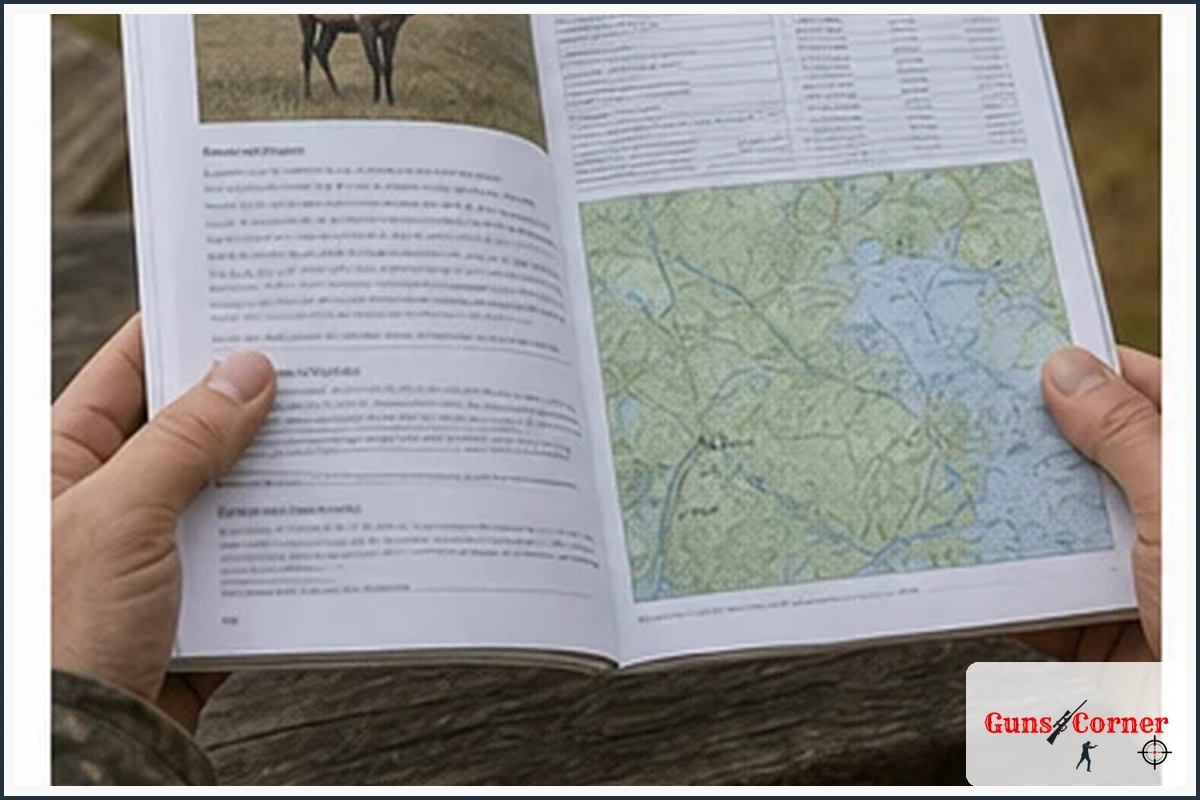
Locate the current elk regulations published by the official wildlife agency. Regulations may be available online, through an agency application portal, or in a printed hunting regulations guide.
Look specifically for:
- Elk license and tag categories
- Resident and nonresident requirements
- Application opening and closing dates
- Hunt codes or hunt numbers
- Weapon and season choices
- Antler or sex restrictions, if applicable
- Tag quotas and drawing procedures
- Point-system rules
- Harvest reporting deadlines
- Private-land or special-access requirements
Step 3: Determine Whether You Need a License Before Applying
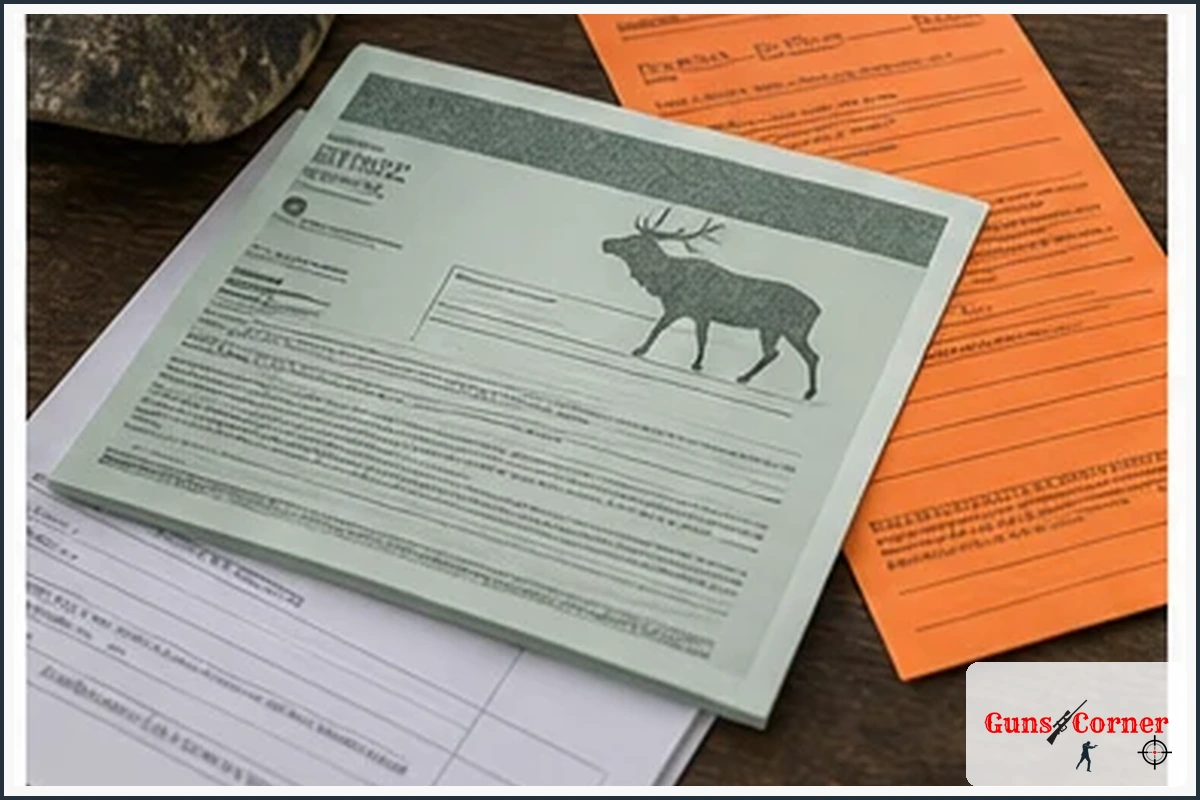
Some jurisdictions require a base hunting license before you can apply for an elk tag. Others may require an application fee, habitat stamp, conservation certification, or separate eligibility document.
Do not assume that buying an application automatically gives you permission to hunt. An application may only enter you into a draw, while a successful applicant must later purchase or validate the actual elk tag.
Step 4: Choose a Realistic Hunt Type
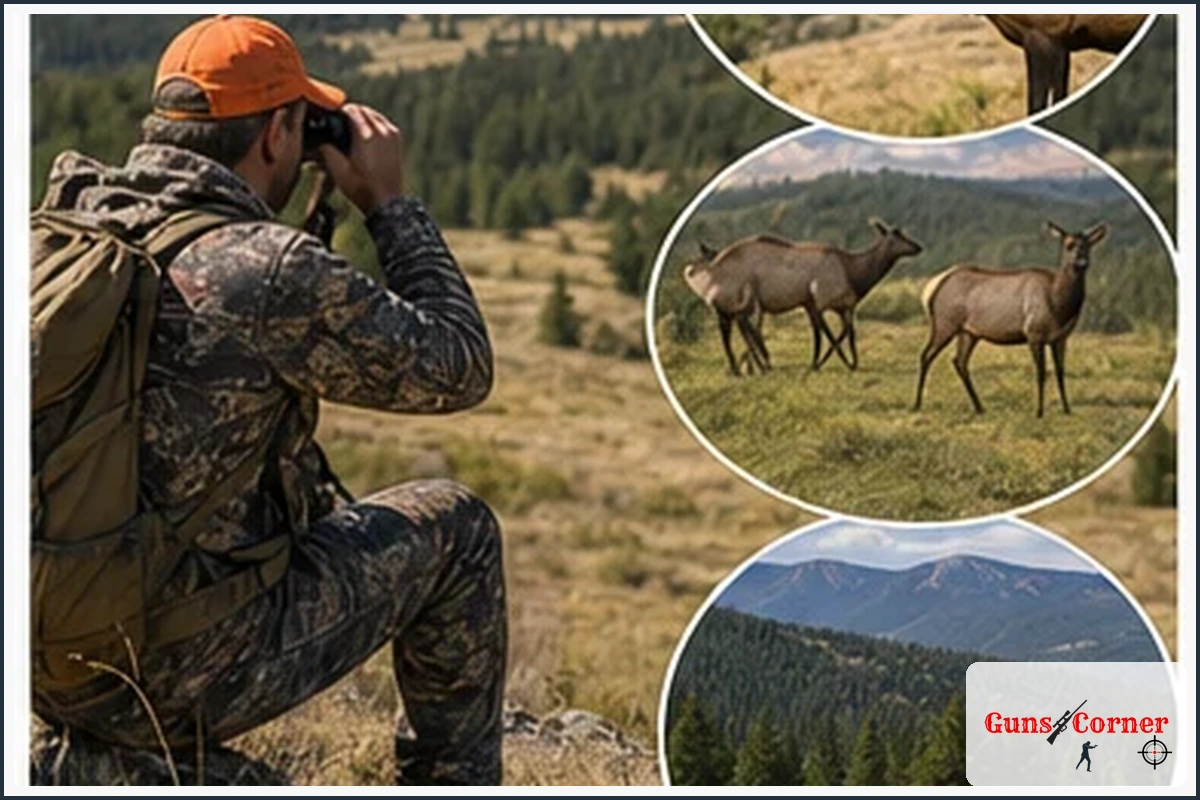
Compare available hunt choices honestly. A premium bull elk hunt may require more points, difficult terrain, private access, or extensive preparation. A general-season, cow, archery, muzzleloader, or leftover opportunity may be more realistic for a beginner, depending on local rules.
Evaluate each option by asking:
- Can I legally use my preferred weapon during this season?
- Do I have the fitness and experience for the terrain?
- Can I reach the unit safely and legally?
- Will I have enough time for scouting and recovery?
- Do I understand the animal, antler, and sex restrictions?
- Can I arrange legal access if much of the unit is private land?
Step 5: Understand the Draw and Point System

If elk tags are distributed through a draw, learn exactly how the system works before submitting an application. Some systems prioritize the applicants with the most points, while others use random selection, hybrid systems, or separate pools.
Important questions include:
- Are points earned by applying, by failing to draw, or by purchasing them separately?
- Do points apply to all hunt choices or only specific categories?
- Can selecting a second choice affect your points?
- Are points lost after drawing a tag?
- Can you apply as a group?
- Does a group application use the lowest, highest, or averaged point level?
- Are points species-specific or shared across several hunts?
These rules are not universal. Read the current official application instructions rather than relying on advice from a previous year.
Step 6: Research Draw Odds and Access
Official draw reports can help you compare hunt choices, but past odds do not guarantee future results. Tag numbers, applicant demand, weather, access, and regulations may change.
Also study the practical side of the hunt:
- Public land acreage and access points
- Road closures and seasonal restrictions
- Elevation and terrain difficulty
- Private-land concentration
- Elk distribution and seasonal movement
- Availability of camping, water, and emergency services
Step 7: Create and Review Your Account
Most modern applications require an online account. Enter your legal name, birth date, identification information, residency details, and contact information exactly as requested.
Before applying, check:
- Correct residency classification
- Correct hunter education status
- Current mailing address
- Valid payment method
- Accurate customer or identification number
- Correct party-hunt information if applying with others
Step 8: Submit the Elk Application Before the Deadline
Do not wait until the final day. Websites can experience heavy traffic, payment problems, or account issues near a deadline. Save the confirmation number, application receipt, selected hunt codes, and payment record.
Review every choice before final submission. A mistake in a unit, season, weapon, residency category, or party application may affect your eligibility or result.
Step 9: Monitor the Drawing and Purchase Instructions
After the draw, check your official account and email rather than assuming you will receive a mailed notice. If successful, follow the agency’s instructions for purchasing, printing, downloading, validating, or carrying the tag.
Some systems require action by a separate deadline. Missing that deadline may result in the loss of the opportunity.
Step 10: Confirm the Tag Before Making Major Plans
Once you receive an elk tag, verify the species, season, unit, legal weapon, animal designation, and expiration date. Do not rely only on memory or an old regulation booklet.
Then confirm that your planned hunting area is legally accessible. A valid tag does not give permission to cross private land or enter closed property.
How to Choose a Good Elk Hunt as a Beginner
The best first elk tag is usually one that matches your skill, fitness, equipment, time, and access—not necessarily the most prestigious unit. A legal opportunity you can prepare for responsibly is more valuable than a difficult tag you cannot use safely.
Consider Terrain and Physical Demands
Elk hunting may involve steep slopes, high elevation, cold weather, heavy packs, and long distances from roads. Study contour maps and elevation changes before applying. If you are unsure about your fitness, choose an accessible hunt and begin conditioning well before the season.
Consider Weapon Experience
Select a season that matches your practiced ability. Bowhunters should know their personal effective range and be comfortable with broadhead safety. Firearm hunters should practice from realistic field positions and understand safe handling, transportation, and backstop awareness.
Consider Access Before Applying
Public land can provide legal opportunity, but access may be limited by private parcels, locked gates, rugged terrain, or high hunting pressure. For private land, obtain clear permission before entering and respect gates, livestock, buildings, roads, and property boundaries.
Preparing for an Elk Hunt After You Get a Tag
Study Elk Habitat and Seasonal Movement
Learn how elk use feeding areas, cover, water, benches, drainages, ridgelines, and travel corridors. Seasonal movement can change with weather, hunting pressure, forage, elevation, and migration patterns.
Scout Legal Areas
Use agency maps, topographic maps, satellite imagery, trail cameras where legal, and careful in-person scouting. Look for tracks, droppings, rubbed vegetation, wallows, beds, feeding areas, trails, and fresh disturbance.
Do not trespass while scouting. Verify boundaries before entering and avoid placing cameras or equipment where local rules prohibit them.
Plan Wind and Entry Routes
Elk have strong senses and can detect careless movement, noise, or scent. Plan approaches that keep the wind from carrying your scent toward likely elk locations. A good setup is less useful if your entry route alerts animals before legal shooting hours.
Practice Before the Season
Practice with the exact weapon, ammunition, arrows, broadheads, clothing, and pack you expect to use. Learn your ethical range under realistic conditions and pass on any shot that exceeds your ability or has an unsafe background.
Prepare for Recovery and Meat Care
Elk are large animals, and recovering one can require multiple people, careful planning, and substantial physical effort. Carry appropriate game bags, gloves, lighting, navigation tools, water, and communication equipment. Know how you will cool, transport, and process the meat before hunting.
Elk Hunting Gear Checklist
- Valid license, elk tag, and required identification
- Legal firearm, bow, or other approved equipment
- Appropriate ammunition, arrows, and safe transport case or cover
- Weather-appropriate layered clothing and durable boots
- Required hunter-orange or visibility clothing
- Binoculars and, when useful, a spotting scope
- Map, compass, GPS, spare batteries, and offline mapping
- Water, food, headlamp, first aid kit, and emergency communication
- Knife, gloves, game bags, and meat-cooling supplies
- Pack capable of carrying necessary equipment safely
- Full-body tree-stand harness if hunting from an elevated stand
Best Time, Place, and Conditions for Elk Hunting
The best conditions depend on the legal season, local elk behavior, weather, terrain, and hunting pressure. Cooler conditions may improve daytime movement, while sudden weather changes can alter elk distribution. Wind direction remains important regardless of the season.
Study the specific unit rather than applying broad assumptions. Elk may shift elevation or habitat as temperatures, snow, forage, and pressure change. Ask the official wildlife agency about general habitat information, but do not expect agency staff to provide private-land permission or guarantee a successful location.
Common Mistakes to Avoid
- Applying without reading the current regulations
- Missing the application or payment deadline
- Choosing a hunt based only on reputation or draw odds
- Ignoring private-land access issues
- Failing to understand the tag’s animal or weapon restrictions
- Waiting until the season to begin physical preparation
- Practicing only from a bench instead of realistic field positions
- Carrying too much unnecessary gear while neglecting water and navigation tools
- Ignoring wind direction and entry noise
- Taking a shot beyond your practiced ability
- Failing to plan how an elk will be recovered and cooled
- Forgetting harvest reporting or transportation requirements
Troubleshooting Common Elk Tag Problems
| Problem | Possible Cause | What to Do |
|---|---|---|
| You cannot find the application deadline | You are viewing an old regulation guide or the wrong agency page. | Use the current official wildlife agency website and confirm the year and hunt category. |
| Your application will not submit | Missing information, payment issues, account problems, or heavy website traffic. | Review every field, contact the agency if needed, and avoid waiting until the final hours. |
| You drew a tag but cannot find access | The unit contains private land, closed areas, or difficult public access. | Study ownership maps, contact landowners respectfully, and confirm legal access before hunting. |
| You are unsure whether your tag is valid | Confusion about season, unit, weapon, animal designation, or validation rules. | Compare the tag with the current regulations and contact the issuing agency before hunting. |
| You are not seeing elk while scouting | Seasonal movement, weather, pressure, elevation, or limited scouting. | Recheck fresh sign, glass from legal vantage points, and adjust your plan without violating access rules. |
| You are not physically ready | Insufficient conditioning or unrealistic expectations about terrain. | Improve fitness gradually, use a lighter legal plan if possible, and avoid unsafe exertion. |
| You are uncertain about a shot | Unclear target, poor background, excessive distance, or limited practice. | Do not shoot. Wait for a safe, legal, ethical opportunity within your ability. |
Ethical Hunting and Conservation
Elk hunting is a privilege supported by wildlife management, license revenue, habitat work, research, and responsible hunters. Follow the law even when enforcement is not nearby, and treat wildlife, landowners, other hunters, and public lands with respect.
- Apply only for hunts you can realistically and safely complete.
- Respect seasons, tag restrictions, quotas, and reporting requirements.
- Pass on unsafe, uncertain, or poorly positioned shots.
- Recover and use the edible portions of the animal responsibly.
- Leave gates, campsites, roads, and public lands in good condition.
- Support conservation through lawful license purchases and responsible participation.
When to Get More Training or Professional Guidance
Seek additional instruction before hunting if you are unfamiliar with firearms, bows, navigation, high-elevation terrain, animal recovery, or local regulations.
Useful sources of guidance include official hunter education courses, certified firearms or archery instructors, experienced ethical mentors, conservation organizations, and reputable local hunting clubs. Contact the wildlife agency when you are unsure about an application rule, tag condition, access regulation, or harvest-reporting requirement.
After the Hunt: Follow-Up, Gear Care, and Learning
After the season, review your application records, scouting notes, weather observations, routes, elk sign, and gear performance. Clean and store equipment safely, update your emergency supplies, and record lessons for the next application or hunt.
If you harvest an elk, complete all required tagging, reporting, transport, and meat-handling steps. Follow local rules for evidence of sex, carcass movement, processing, and chronic disease sampling when applicable.
Recommended Hunting Gear and Tools to Consider
You do not need the most expensive equipment to hunt elk responsibly. Choose gear based on local regulations, terrain, weather, access, physical ability, and your experience level.
- Reliable legal weapon and properly matched ammunition or arrows
- Durable boots suited to steep or uneven terrain
- Layered clothing and required visibility gear
- Binoculars for identifying elk and evaluating terrain
- Offline maps, compass, GPS, and backup batteries
- First aid kit, water system, food, and emergency communication
- Game bags, gloves, knife, and cooling supplies
- Full-body safety harness for any elevated stand setup
Final Thoughts
Knowing how to get an elk tag means more than submitting an application. It requires careful regulation research, an honest assessment of your experience and fitness, legal access planning, safe weapon practice, and preparation for responsible recovery and meat care. Apply accurately, verify current rules, and choose a hunt you can approach safely and ethically. Success is never guaranteed, but preparation and respect for wildlife improve every elk hunting experience.
Frequently Asked Questions
How do I get an elk tag?
Check the official wildlife agency for the area where you want to hunt, determine whether tags are sold over the counter or through a draw, and submit the required application or purchase before the deadline.
Do I need a hunting license to apply for an elk tag?
Many jurisdictions require a base hunting license or another eligibility document, but requirements vary. Confirm the current application instructions before applying.
Can beginners get an elk tag?
Yes, beginners may be eligible, although some hunts require a draw or limited tags. A beginner should choose an opportunity that matches their fitness, weapon skill, access, and experience.
Are elk tags available over the counter?
Some jurisdictions offer certain elk tags over the counter, while others use limited draws or a combination of systems. Availability depends on the location and hunt type.
What is an elk tag draw?
A draw is a system that selects eligible applicants for a limited number of elk tags. The selection method and point rules vary by jurisdiction.
What are preference points?
Preference points are credits that may improve an applicant’s position in some future draws. The way points are earned, used, or lost is different in each system.
What are bonus points?
Bonus points may increase an applicant’s chances in a random drawing, but they do not guarantee selection. Read the official rules for how they are calculated.
Can I apply for more than one elk hunt?
Some application systems allow multiple choices or separate applications, while others limit selections. Follow the current instructions carefully.
Can I apply with friends?
Some jurisdictions permit party applications. Group rules may affect drawing odds, point use, or eligibility, so review the current regulations before creating a party.
When should I apply for an elk tag?
Apply during the official application period listed by the relevant wildlife agency. Deadlines differ and may change from year to year.
What happens if I miss the application deadline?
You may need to wait for a leftover-tag sale, over-the-counter opportunity, or the next application cycle. Contact the wildlife agency for current alternatives.
Can I buy an elk tag after the draw?
Successful applicants may be required to purchase or validate their tag after results are released. Other tags may become available through leftover or over-the-counter sales.
Do nonresidents have different elk tag rules?
Nonresident requirements, fees, quotas, and application categories may differ substantially. Confirm the current rules for the jurisdiction you plan to hunt.
Do I need hunter education before getting an elk tag?
Some jurisdictions require proof of hunter education for certain hunters or licenses. Completing a recognized hunter education course is strongly recommended for all beginners.
How do I choose an elk hunt unit?
Compare tag availability, public access, private-land concentration, terrain, elevation, weather, hunting pressure, and your own fitness and weapon experience.
Should beginners choose a premium elk unit?
Not necessarily. A more accessible hunt that matches your skills may be a better first opportunity than a difficult or remote premium hunt.
Can an elk tag be used on private land?
A tag may be valid in a unit that contains private land, but it does not grant permission to enter. Obtain landowner permission before crossing or hunting private property.
Can I hunt elk on public land with an elk tag?
Only where the land is legally open to the specific hunt and you can access it lawfully. Check ownership maps, closures, and local access rules.
How do I find public land for elk hunting?
Use official land maps, public-access programs, agency maps, and reliable ownership information. Confirm boundaries in the field and avoid crossing private property without permission.
What should I scout before an elk hunt?
Scout legal access, roads, trails, water, feeding areas, cover, bedding areas, elevation changes, travel corridors, tracks, droppings, and fresh disturbance.
When should I scout for elk?
Scout before the season when possible and continue monitoring conditions legally. Seasonal movement, weather, forage, and hunting pressure can change elk locations.
How important is wind direction when elk hunting?
Wind is very important because elk can detect human scent. Plan your approach and setup so the wind does not carry your scent toward likely animals.
What weather is best for elk hunting?
There is no universal best weather. Temperature, precipitation, wind, snow, and pressure can influence movement differently by area and season. Prepare for changing conditions.
What firearm safety rules apply to elk hunting?
Keep the muzzle pointed in a safe direction, treat every firearm as loaded, keep your finger outside the trigger guard until ready, identify the target and background, and follow official hunter education guidance.
What bowhunting safety rules apply to elk hunting?
Practice with your equipment, transport arrows safely, use legal broadheads, know your effective range, and take only shots within your practiced ability and a safe background.
Should I use a tree stand for elk hunting?
A tree stand may be useful where legal and practical, but always use a full-body harness, inspect the stand, maintain three points of contact, and follow manufacturer instructions.
How far should I shoot at an elk?
There is no universal ethical distance. Shoot only within the range you have practiced accurately under realistic field conditions, with a clear target and safe background.
What should I do if I am unsure about a shot?
Do not shoot. Wait for a clearer, safer opportunity or pass on it. Ethical hunting requires restraint when conditions are uncertain.
How do I prepare physically for elk hunting?
Build walking, climbing, balance, and pack-carrying fitness gradually. Consider elevation and terrain, and consult a medical professional if you have health concerns.
What gear is essential for an elk hunt?
Carry your legal tag and license, appropriate weapon, clothing, boots, navigation tools, water, food, first aid, communication equipment, lighting, and supplies for responsible recovery.
How do I plan for recovering an elk?
Plan transportation, help, game bags, cooling, lighting, navigation, and legal carcass handling before the hunt. Elk recovery can be physically demanding and time-sensitive.
What should I do after harvesting an elk?
Follow local requirements for tagging, reporting, evidence, transport, and meat handling. Cool and protect the meat responsibly and comply with all current regulations.
Do I have to report an elk harvest?
Many jurisdictions require harvest reporting, but deadlines and procedures vary. Check the current regulations and complete reporting on time.
Can I transfer my elk tag to someone else?
Tag-transfer rules vary and may be restricted or prohibited. Never allow another person to use your tag without confirming that the transfer is legal.
Can I return an elk tag?
Some agencies allow limited refunds, returns, or reinstatement under specific conditions. Review the current policy before purchasing or applying.
What happens if I do not draw an elk tag?
You may retain or earn points, depending on the system, and may be able to pursue leftover or over-the-counter opportunities. Check the official results and rules.
Are elk tag draw odds guaranteed by past results?
No. Past draw odds are useful for comparison but cannot guarantee future selection because quotas, applicants, regulations, and demand can change.
How much does it cost to get an elk tag?
Costs vary by jurisdiction, residency, license type, application, tag, and fees. Use the current official fee schedule rather than relying on old information.
Can I hunt elk without a guide?
In many places, hunters may hunt without a guide if they meet the legal requirements, but remote terrain and recovery challenges make experience and preparation important.
Should I hire an elk hunting guide?
A reputable, properly licensed guide may help with access, terrain, safety, and recovery. Verify licensing, references, costs, and what the service includes.
Where can I learn more about elk tags?
Start with the official wildlife agency for the jurisdiction where you want to hunt. Its regulations, application portal, draw reports, and maps are the most authoritative sources.
What is the biggest beginner mistake when applying for an elk tag?
The biggest mistake is applying without understanding the hunt code, access, weapon rules, deadlines, and tag conditions. Read the current regulations before submitting an application.