
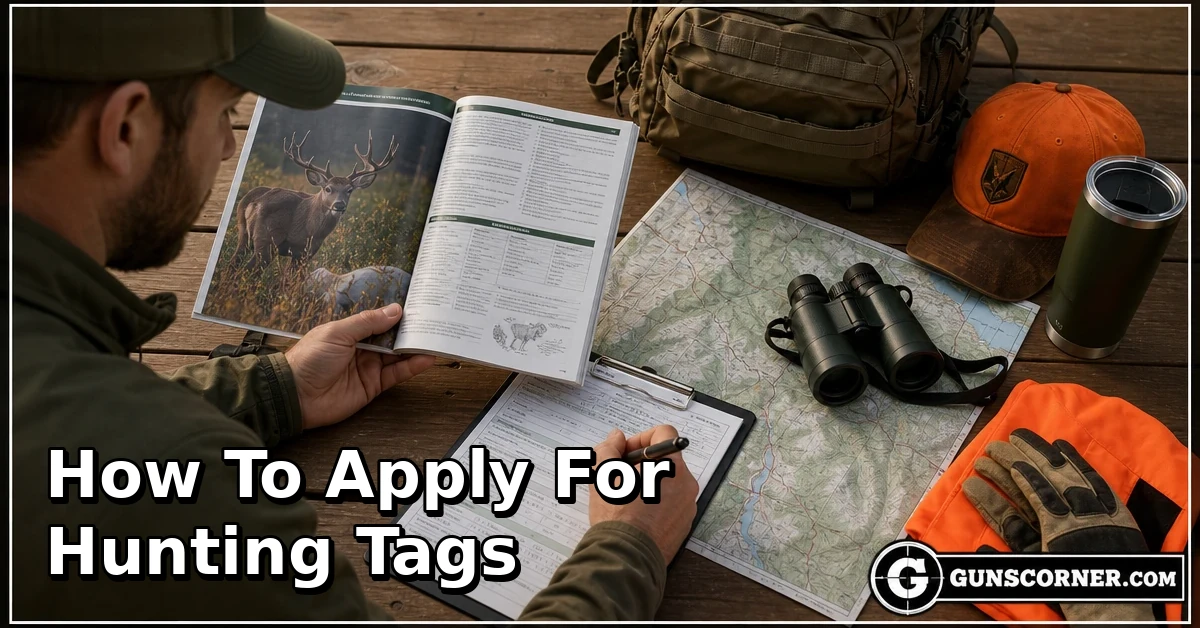

Learning how to apply for hunting tags is an important step before pursuing many types of big game and limited-entry hunting opportunities. A tag may authorize you to hunt a specific species, unit, season, weapon type, or permit area, and applying incorrectly can cost you time, money, or a valuable opportunity.
This guide explains how to research requirements, complete an application, choose hunt options, avoid common mistakes, and prepare responsibly after receiving a tag. Always confirm current rules with the official wildlife agency in the jurisdiction where you plan to hunt.
To apply for hunting tags, first identify the official wildlife agency that manages the hunt, then review license, tag, deadline, eligibility, species, unit, season, and weapon requirements. Create an official account, gather required identification and payment information, select your preferred hunt choices carefully, and save your confirmation number. A successful application does not replace required hunter education, land permission, or other licenses, so verify every rule before entering the field.
Important Legal and Safety Notice Before You Hunt
Hunting tag systems vary by country, state, province, species, land type, and season. Do not rely on an old application guide, social media post, or another hunter’s advice as your only source. Check the current regulations published by the official wildlife agency before applying and again before hunting.
- Confirm whether you need a hunting license before purchasing or applying for a tag.
- Check application deadlines, drawing dates, purchase periods, and refund rules.
- Verify species, hunting unit, season dates, legal hours, weapon restrictions, and bag limits.
- Understand whether the opportunity is a general tag, limited-entry tag, lottery permit, or special hunt.
- Review land access rules for public property, private property, and restricted areas.
- Complete required hunter education before hunting if applicable.
- Learn firearm or bow safety and identify the target and what lies beyond it.
- Plan navigation, weather protection, communication, first aid, and emergency procedures.
What Is a Hunting Tag?
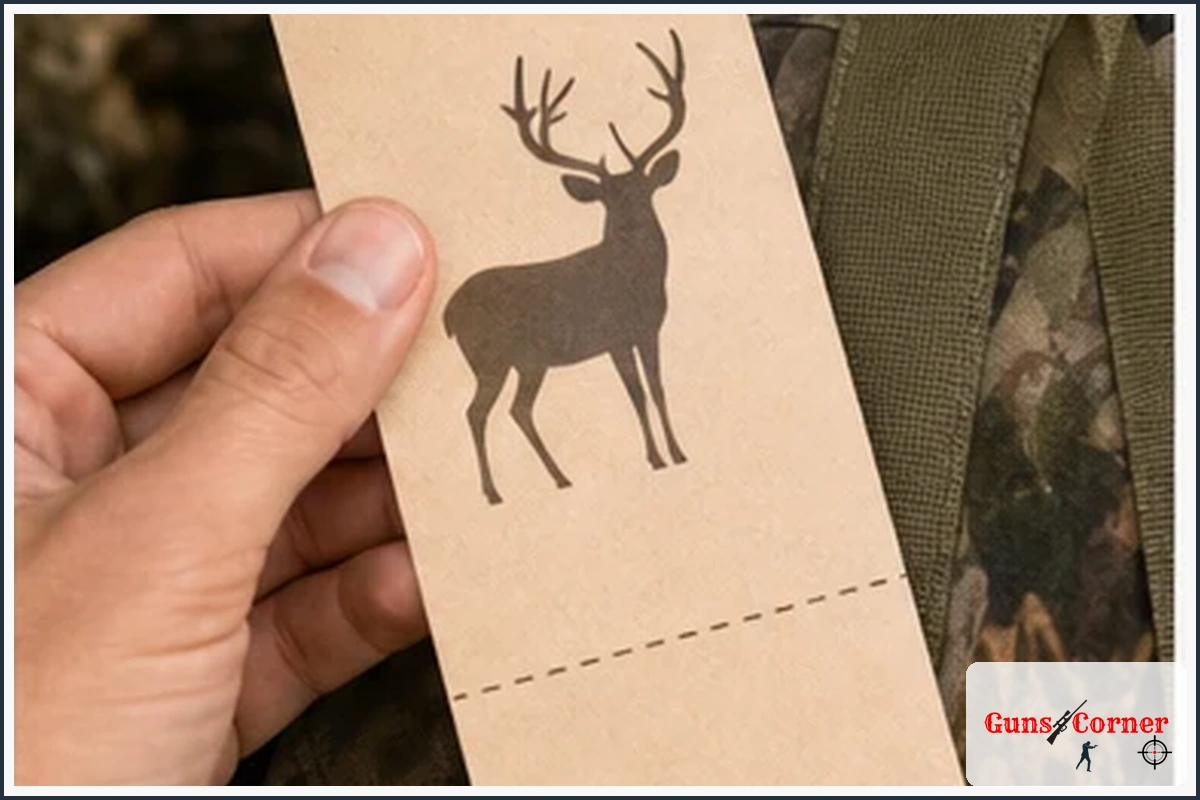
A hunting tag is an authorization connected to a legal harvest opportunity. Depending on the jurisdiction, it may identify the species, sex, season, hunting unit, weapon, or number of animals a hunter may legally take.
Some tags are available over the counter, while others are issued through a random drawing, preference-point system, lottery, or special permit process. The word “tag” does not have the same meaning everywhere, so read the official instructions carefully.
Types of Hunting Tag Opportunities

General or Over-the-Counter Tags
These tags may be available for purchase during a specified period without entering a limited drawing. Availability can still depend on species, unit, season, residency, and quotas.
Limited-Entry or Lottery Tags

These opportunities have fewer permits than applicants or are restricted to certain areas or dates. Applicants may be selected randomly, ranked by points, or chosen through another official process.
Special Hunt Permits
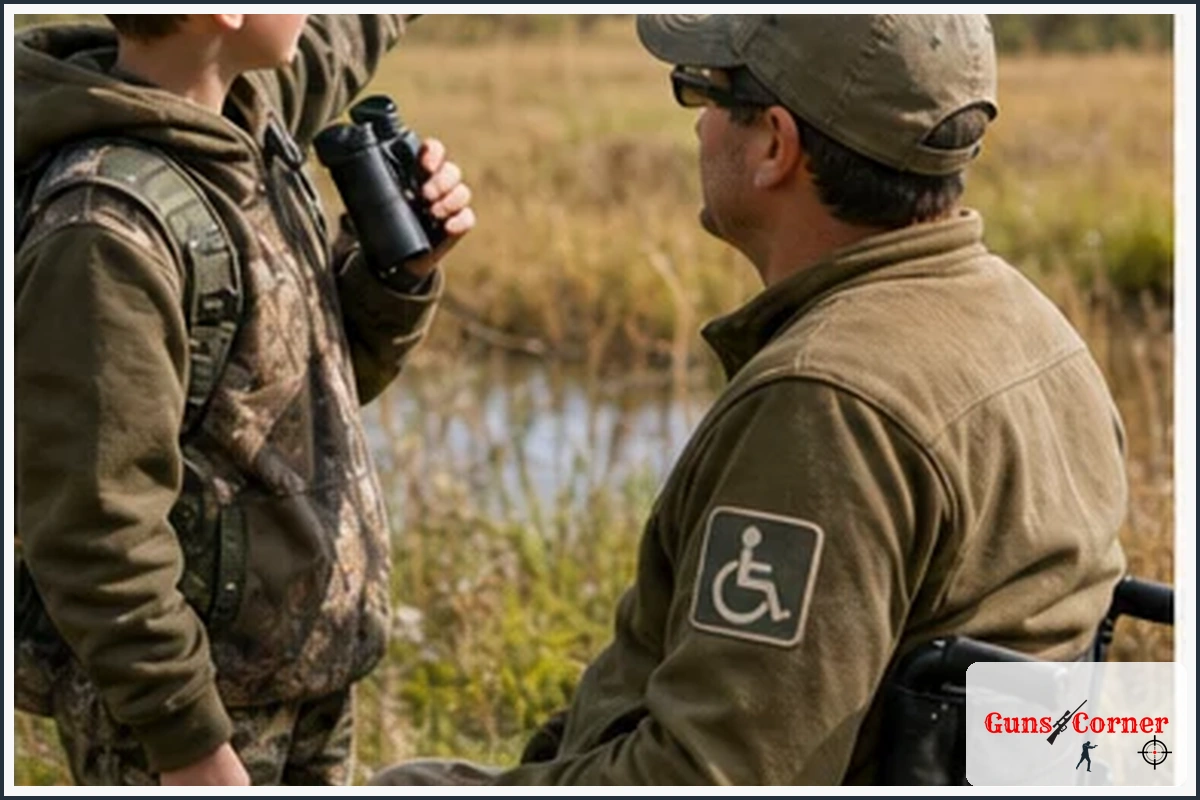
Special permits may cover controlled-access properties, refuge hunts, youth opportunities, disability accommodations, conservation hunts, or other regulated events.
Bonus or Preference Point Applications

Some systems award points to unsuccessful applicants or use points to improve future drawing chances. Point rules differ widely, including expiration, application requirements, and whether points are used or retained after selection.
How to Apply for Hunting Tags Step by Step

Step 1: Identify the Official Wildlife Agency
Start with the government wildlife agency responsible for the area where you want to hunt. Use its official website, licensing portal, office, or published regulations rather than an unofficial application service.
Search for the current hunting regulations, application booklet, tag information, species guide, and hunt-unit maps. Save the official pages or download the current documents for reference.
Step 2: Decide What You Want to Hunt
Define the species, general region, likely season, hunting method, and type of opportunity you are seeking. A tag application may require you to choose a unit, hunt code, weapon season, dates, or animal category.
Do not select an option simply because it appears popular. Consider terrain, access, physical difficulty, travel distance, available public land, private-land permission, and your experience level.
Step 3: Check Eligibility Requirements
Read the eligibility section before paying an application fee. Requirements may include residency status, age, hunter education, license ownership, identification, disability documentation, or restrictions related to previous tag selections.
If you are applying with other hunters, check whether party applications are allowed and whether all members must meet the same conditions.
Step 4: Confirm the Application Deadline
Write down the exact deadline, including the time zone. Some systems close applications at a specific hour rather than at midnight, and late applications may not be accepted.
Do not wait until the final hour. Website traffic, password problems, payment failures, or missing documents can prevent a successful submission.
Step 5: Create or Update Your Account
Use the official licensing portal to create an account or confirm that your existing information is accurate. Check your legal name, address, date of birth, email address, identification number, residency status, and hunter education record if applicable.
Keep your login details secure. Avoid creating duplicate accounts unless the wildlife agency specifically instructs you to do so.
Step 6: Gather the Information You Need
- Government-issued identification or customer identification number
- Residency information
- Hunter education details when required
- Species and hunt-unit choices
- Preferred season or hunt dates
- Party identification number if applying with a group
- Payment method accepted by the official system
- Emergency or contact information if requested
Step 7: Study the Hunt Choices Before Applying
Review the application instructions and hunt-unit descriptions before making selections. Compare season timing, terrain, access, regulations, likely weather, and the level of competition without assuming that any option guarantees success.
If the system awards choices in preference order, place your selections in the order you genuinely want them. Understand whether receiving a higher choice prevents consideration for lower choices.
Step 8: Decide Whether to Apply Individually or as a Party
Some drawings allow hunters to apply as a group. A party application may cause all members to be selected or rejected together, but party rules vary.
If joining a party, use the correct party identification number supplied by the organizer. If creating a party, follow the official instructions and share the party number only with the intended applicants.
Step 9: Review Restrictions and Conflicts
Check whether you may apply for multiple hunt areas, species, or dates. Some systems restrict duplicate applications or prevent a hunter from receiving multiple permits for overlapping dates.
Make sure your choices do not create travel, equipment, or scheduling conflicts. A tag is only useful if you can legally and safely reach the hunting area during the authorized period.
Step 10: Submit the Application and Pay the Required Fee
Review every field before submitting. Confirm the species, unit, season, weapon category, party status, mailing address, and payment information.
After submission, save or print the confirmation page, application number, receipt, and any party identification number. A payment receipt may not always prove that every application choice was entered correctly, so retain the complete confirmation.
Step 11: Monitor the Drawing or Purchase Status
Check the official account, email, or published results page for updates. Do not assume that a missing email means you were not selected.
If selected, follow the instructions for purchasing, validating, printing, downloading, or collecting the tag. There may be a second deadline after the drawing, and missing it can cause the opportunity to be forfeited.
Step 12: Read the Tag Instructions Carefully
Once you receive a tag, verify the species, season, unit, weapon, animal category, legal dates, validation instructions, reporting requirements, and transportation rules.
Do not alter, laminate, copy, or attach the tag in a way that violates agency instructions. Keep it protected from weather while ensuring required information remains visible.
How to Choose a Hunting Unit
A hunting unit is a defined geographic area where specific regulations apply. Choosing a unit should involve more than looking at harvest statistics.
- Study official maps and property boundaries.
- Check whether access is public, private, restricted, or seasonal.
- Identify roads, trails, water sources, elevation changes, and difficult terrain.
- Research whether land access requires a separate permit or reservation.
- Consider travel time, physical fitness, weather, and emergency access.
- Contact landowners respectfully if private-land permission is needed.
- Confirm that your weapon and intended season are legal in that unit.
Harvest statistics may reflect access, hunter effort, weather, reporting rates, and animal density. They should be treated as one planning tool rather than a promise of success.
Preparing to Hunt After Receiving a Tag
Study the Regulations Again
Read the current regulations for your specific tag, not just the general season summary. Pay attention to legal hours, animal restrictions, tagging procedures, reporting deadlines, weapon rules, bait regulations, vehicle restrictions, and land access requirements.
Scout the Area Legally
Use maps and lawful in-person scouting to identify access points, game trails, tracks, feeding areas, water, bedding cover, terrain funnels, and safe observation locations. Respect seasonal closures, posted boundaries, private property, livestock, and other recreational users.
Practice With Your Weapon
Firearm hunters should practice safe handling, loading and unloading, transportation, and accurate shooting from realistic field positions. Bowhunters should practice with their hunting setup, broadheads where appropriate, and distances within their proven ability.
Only consider a shot when the target is clearly identified, the background is safe, the animal is legal, and the shot is within your practiced range.
Plan Your Gear
- Valid license, tag, and required identification
- Legal firearm, bow, ammunition, or other approved equipment
- Weather-appropriate clothing and required visibility clothing
- Durable boots suited to the terrain
- Map, compass, GPS, or reliable navigation device
- Water, food, headlamp, and extra batteries
- First aid kit and emergency communication
- Binoculars or optics for safe identification
- Gloves, game bags, and meat-care supplies when applicable
Make a Communication Plan
Tell a trusted person where you will hunt, when you expect to return, what vehicle you are using, and how to contact you. In remote areas, plan for limited cell service and consider an appropriate emergency communication device.
Best Time, Place, and Conditions for a Tagged Hunt
The best conditions depend on the species, season, habitat, weather, hunting pressure, and local regulations. Begin with the legal hunting hours and season dates printed in the official rules.
- Use wind direction to prevent your scent from moving toward likely animal travel routes.
- Plan entry and exit routes that reduce noise and disturbance.
- Watch weather changes that affect visibility, footing, temperature, and animal movement.
- Adjust expectations when hunting pressure changes animal behavior.
- Choose locations where a safe shot and responsible recovery are possible.
Do not enter dangerous terrain or remain in the field when weather creates unreasonable risk. A valid tag never justifies unsafe decisions.
Common Mistakes to Avoid
- Applying through an unofficial or outdated website
- Missing the deadline or confusing local time zones
- Choosing a hunt code without reading its restrictions
- Entering incorrect identification or residency information
- Failing to save the confirmation number
- Assuming selection automatically includes a hunting license
- Ignoring a required tag-purchase deadline after selection
- Applying for a unit without researching legal access
- Assuming a party application works the same as an individual application
- Failing to check the tag for species, dates, unit, or weapon restrictions
- Waiting until the hunt to learn firearm, bow, navigation, or recovery skills
- Taking an unsafe or uncertain shot because the tag is difficult to obtain
Troubleshooting Common Application Problems
| Problem | Possible Cause | What to Do |
|---|---|---|
| The application will not submit | Missing information, payment error, or website traffic | Review every required field, try an approved payment method, and contact the official agency if the problem continues. |
| You did not receive a confirmation email | Spam filtering, incorrect email, or incomplete submission | Check your account and payment record, then contact the wildlife agency using its official contact information. |
| You are unsure which hunt code to choose | Similar units, seasons, or weapon categories | Read the current regulations and hunt descriptions or ask the agency before submitting. |
| Your party application is not working | Incorrect party number or wrong create/join option | Confirm the party number and follow the official party instructions exactly. |
| You were selected but cannot find the tag | A separate purchase or printing step may be required | Review the award notice and account instructions before the stated deadline. |
| You received a tag but cannot access the area | Private ownership, closure, distance, or seasonal access limits | Verify boundaries and legal access immediately; do not trespass or cross closed land. |
| You are unsure whether a shot is legal | Unclear animal category, distance, background, or weapon rule | Do not shoot. Review the regulations and ask an official agency or qualified mentor. |
Ethical Hunting and Conservation
A hunting tag is a privilege tied to wildlife management, not a guarantee that an animal must be harvested. Respect the animal, the land, other hunters, landowners, and the purpose of the regulations.
- Follow seasons, quotas, weapon restrictions, and reporting requirements.
- Pass on shots that are unsafe, uncertain, or beyond your practiced ability.
- Make a reasonable effort to recover legally harvested game.
- Use the harvest responsibly and avoid unnecessary waste.
- Leave gates, fences, campsites, and access areas as you found them.
- Remove litter and avoid disturbing wildlife unnecessarily.
- Support conservation through lawful licenses, tags, and responsible participation.
When to Get More Training or Professional Guidance
Seek additional help before applying or hunting if you are unsure about the licensing system, land boundaries, weapon safety, local regulations, navigation, animal identification, or game recovery.
Useful resources include official hunter education courses, wildlife agency staff, certified instructors, experienced ethical mentors, conservation organizations, and reputable local hunting clubs.
After the Hunt: Reporting, Gear Care, and Learning
Follow the official instructions for validating the tag, reporting the harvest, transporting game, and meeting any check-in deadlines. Requirements may vary by species and jurisdiction.
- Complete required harvest reporting promptly.
- Care for meat responsibly and follow local transport rules.
- Clean and dry firearms, bows, optics, boots, and clothing safely.
- Record weather, animal sign, access conditions, and lessons learned.
- Review whether your gear, physical preparation, and scouting plan were adequate.
Recommended Hunting Tools to Consider
You do not need expensive equipment to apply for hunting tags or prepare for a responsible hunt. Choose tools based on local law, terrain, weather, hunting method, skill level, and safety needs.
- Official regulation booklet or saved agency instructions
- Map, compass, GPS, or approved hunting app
- Binoculars for animal identification
- Weather-appropriate clothing and required visibility gear
- First aid kit, water, food, and emergency communication
- Legal firearm or bow with safe storage and transport equipment
- Gloves, game bags, cooler, and meat-care supplies when relevant
Final Thoughts
Knowing how to apply for hunting tags starts with using the official wildlife agency, understanding the current rules, choosing realistic hunt options, and saving proof of submission. After receiving a tag, confirm every restriction, scout legal access, practice with your equipment, and prepare for safe recovery and reporting.
Apply carefully, hunt patiently, and pass on any opportunity that is unsafe or unethical. Good preparation improves your experience while supporting wildlife conservation and responsible hunting.
Frequently Asked Questions
Do I need a hunting license before applying for a tag?
Some jurisdictions require a license before applying, while others allow an application first and require the license later. Check the current official instructions.
Is a hunting tag the same as a hunting license?
No. A license generally authorizes participation in hunting, while a tag or permit may authorize a specific species, unit, season, or harvest opportunity.
Where should I apply for hunting tags?
Apply through the official wildlife agency or its authorized licensing portal for the jurisdiction where you plan to hunt.
When should I apply for hunting tags?
Apply during the published application period. Deadlines vary by species, hunt type, residency, and location.
Can I apply after the deadline?
Usually not for a limited drawing, although some jurisdictions may offer later over-the-counter opportunities. Check the official rules.
Can a beginner apply for hunting tags?
Yes, if the applicant meets the legal requirements. Beginners should complete hunter education and learn safe hunting practices before entering the field.
Can I apply for more than one species?
Some systems allow multiple applications, while others limit the number or require separate fees. Read the current application rules.
Can I apply for several hunt units?
Some applications allow ranked choices, while others limit choices to one unit or hunt area. Follow the official instructions.
What is a hunt code?
A hunt code is an agency identifier for a particular species, unit, season, weapon type, or permit opportunity.
How do I choose a hunt unit?
Compare legal access, terrain, season timing, travel distance, weather, physical difficulty, and available scouting information rather than relying only on popularity.
What is a party application?
A party application allows multiple hunters to apply together when the system permits it. Party members may be selected or rejected together depending on the rules.
How do I join a hunting party application?
Use the official “join party” process and enter the correct party identification number supplied by the organizer.
How do I create a hunting party?
Select the official party-creation option, complete the application, and share the resulting party number only with the intended members.
Can a party application improve my odds?
Do not assume it does. Party drawing rules and odds vary, and some systems treat a party as one application.
What information do I need to apply?
Common requirements include identification, residency details, hunter education information, hunt choices, party information, and payment, but exact requirements vary.
How much does it cost to apply?
Application fees vary by jurisdiction, species, residency, and hunt type. Check the current official fee schedule.
Are application fees refundable?
Refund rules differ. Read the official instructions before submitting payment.
How do I know whether I was selected?
Check your official account, email, and published results page. Do not rely only on an email notification.
What should I do after drawing a tag?
Follow the agency’s instructions to purchase, print, download, validate, or collect the tag before the required deadline.
Can I transfer my hunting tag?
Transfer rules vary widely and may be prohibited or limited to specific circumstances. Never transfer a tag without official approval.
Can I return or surrender a tag?
Some agencies allow surrender under limited conditions, while others do not. Check the current rules before taking action.
Does a tag guarantee hunting success?
No. Success depends on scouting, habitat, weather, animal behavior, access, skill, patience, and ethical decision-making.
Can I hunt private land with a public tag?
A tag does not grant permission to enter private property. Obtain landowner permission and respect posted boundaries.
Can I use my tag on public land?
Only if the tag is valid for that public area and the land is legally open to the hunt. Verify boundaries, closures, and access rules.
What should I scout before the season?
Study access routes, boundaries, terrain, water, food sources, bedding cover, game trails, tracks, and safe observation locations.
How important is wind direction?
Wind can carry human scent and affect animal behavior. Plan your approach and hunting position so the wind supports a safe, ethical setup.
What gear should I bring on a tagged hunt?
Bring your license and tag, legal weapon, weather-appropriate clothing, navigation tools, water, first aid, communication equipment, and species-appropriate recovery supplies.
Do I need hunter education?
Many jurisdictions require it for certain hunters, and it is strongly recommended for every beginner. Confirm the current requirement before applying or hunting.
What firearm safety rules apply during a tagged hunt?
Keep the firearm pointed in a safe direction, treat it as loaded, keep your finger off the trigger until ready, identify the target and background, and follow manufacturer and hunter education guidance.
What bowhunting safety rules should I follow?
Practice with your hunting setup, use safe broadhead handling, follow legal equipment requirements, and take only shots within your proven ability.
Can I hunt immediately after receiving a tag?
Only if the season is open, the tag is valid and properly issued, you have all required licenses, and you meet land access and equipment rules.
What happens if I lose my tag?
Replacement procedures vary. Contact the issuing wildlife agency and follow its official instructions.
What should I do if I am unsure whether an animal is legal?
Do not shoot. Review the regulations, confirm the species and animal category, and ask the wildlife agency or a qualified mentor.
What should I do after harvesting an animal?
Follow the required tagging, validation, reporting, transport, and meat-care procedures without delay.
Do all harvested animals need to be reported?
Reporting requirements vary by species and jurisdiction. Check the current regulations for your tag.
How can I avoid wasting a tag?
Research access before applying, select realistic hunt choices, practice beforehand, scout legally, and plan your time, transportation, recovery, and meat care.
What if the application website is unavailable?
Take a screenshot if appropriate, record the time and error, retry through the official portal, and contact the agency before the deadline.
Should I use a third-party application service?
Use the official wildlife agency whenever possible. If a third party is authorized, confirm its status and fees before sharing information or payment.
How can I improve my chances in future drawings?
Learn the point system, apply correctly every required year, research realistic hunt choices, and follow the agency’s current instructions.
Can I apply with an experienced hunter?
Yes, when party applications are allowed. An experienced mentor can also help you understand regulations, scouting, safety, and ethical field decisions.
What should I do if I cannot safely reach my hunt area?
Do not trespass or take unnecessary risks. Recheck legal access, adjust your plan if allowed, or contact the agency for clarification.
How do hunting tags support conservation?
Tag systems help wildlife agencies manage harvest, regulate participation, fund conservation, and collect information used in wildlife management.
Read more: