
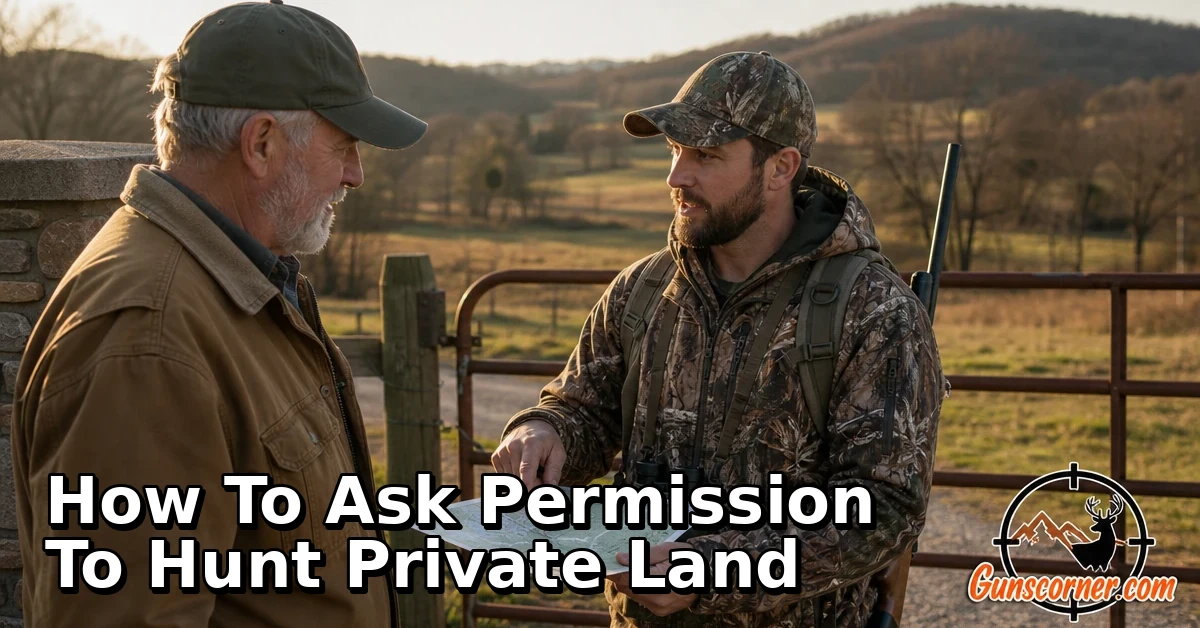

Learning how to ask permission to hunt private land is mainly about building trust before discussing hunting. Landowners may be concerned about safety, property damage, livestock, liability, gates, and unwanted visitors. A respectful introduction, clear communication, and dependable behavior can make your request more successful while protecting the relationship for future seasons.
To ask permission to hunt private land, identify the landowner, introduce yourself politely, explain exactly what you are requesting, and show that you understand the landowner’s concerns. Ask well before the season, accept “no” graciously, and follow every condition if permission is granted. Confirm boundaries, dates, allowed hunters, hunting methods, and contact expectations before entering the property.
Important Legal and Safety Notice Before You Hunt
Private-land permission does not replace legal hunting requirements. Before hunting, check your official wildlife agency for current license, permit, tag, season, legal-hours, weapon, bag-limit, harvest-reporting, transport, and hunter-education rules.
- Carry the required hunting license, permits, and tags.
- Confirm the legal season, hunting hours, species, and method.
- Obtain clear permission from the landowner or authorized manager.
- Understand property boundaries and access routes.
- Ask about livestock, buildings, roads, workers, and other hunters.
- Follow firearm or bow safety rules and identify the target and background.
- Plan for weather, navigation, communication, first aid, and emergencies.
- Complete a hunter education course and hunt with an experienced mentor when possible.
Why Private-Land Permission Depends on Trust
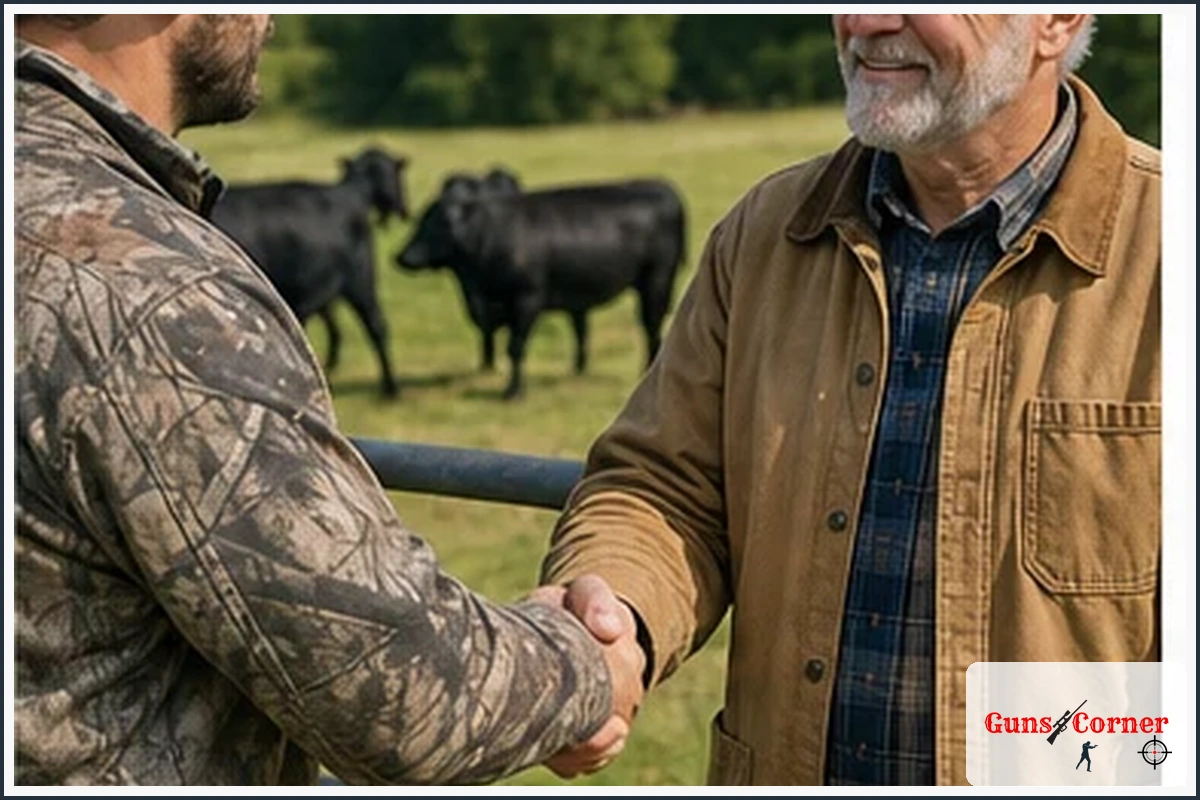
When a landowner allows hunting, they are giving someone access to their property, equipment, livestock, roads, fences, and personal space. They may also worry about liability, litter, trespassing beyond agreed areas, unsafe shooting, or damage to gates and crops.
Your goal is not simply to obtain access once. It is to demonstrate that you are safe, honest, considerate, and easy to work with. A respectful hunter who follows instructions is more likely to receive future permission and a positive recommendation.
How to Prepare Before Asking
Research the Property and Landowner
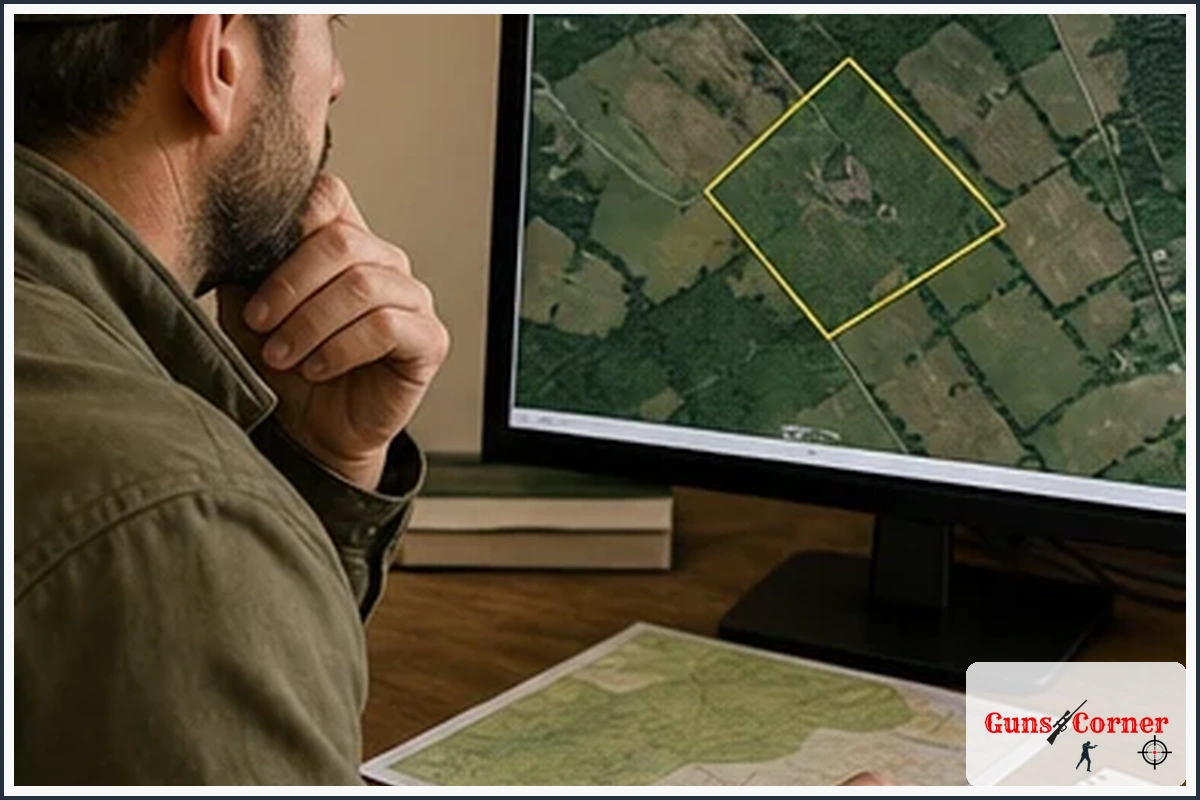
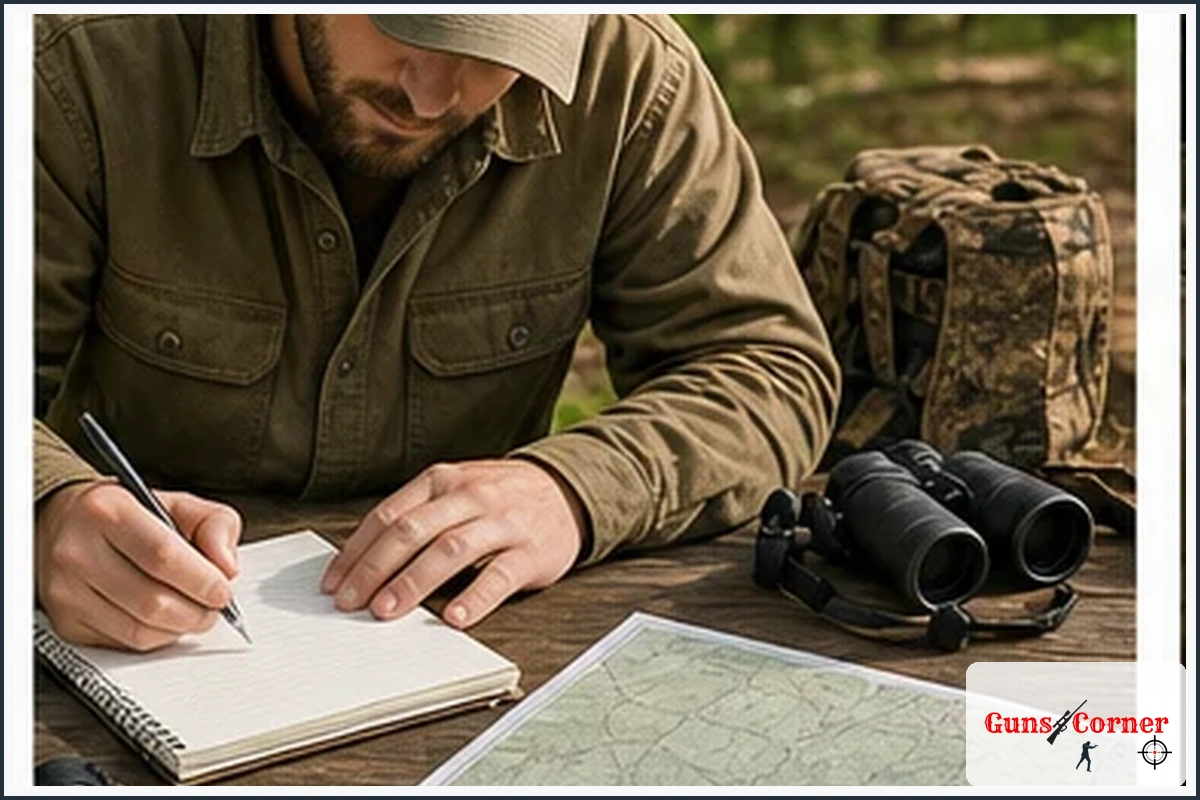
Use public property records, local knowledge, maps, or community contacts to identify the correct owner. Do not assume the person living on the property owns it, and do not enter the land to search for someone.
Learn enough about the property to ask a specific question. Know the general location, likely access point, nearby roads, and whether the area appears suitable for the species you want to hunt.
Know What You Are Asking For
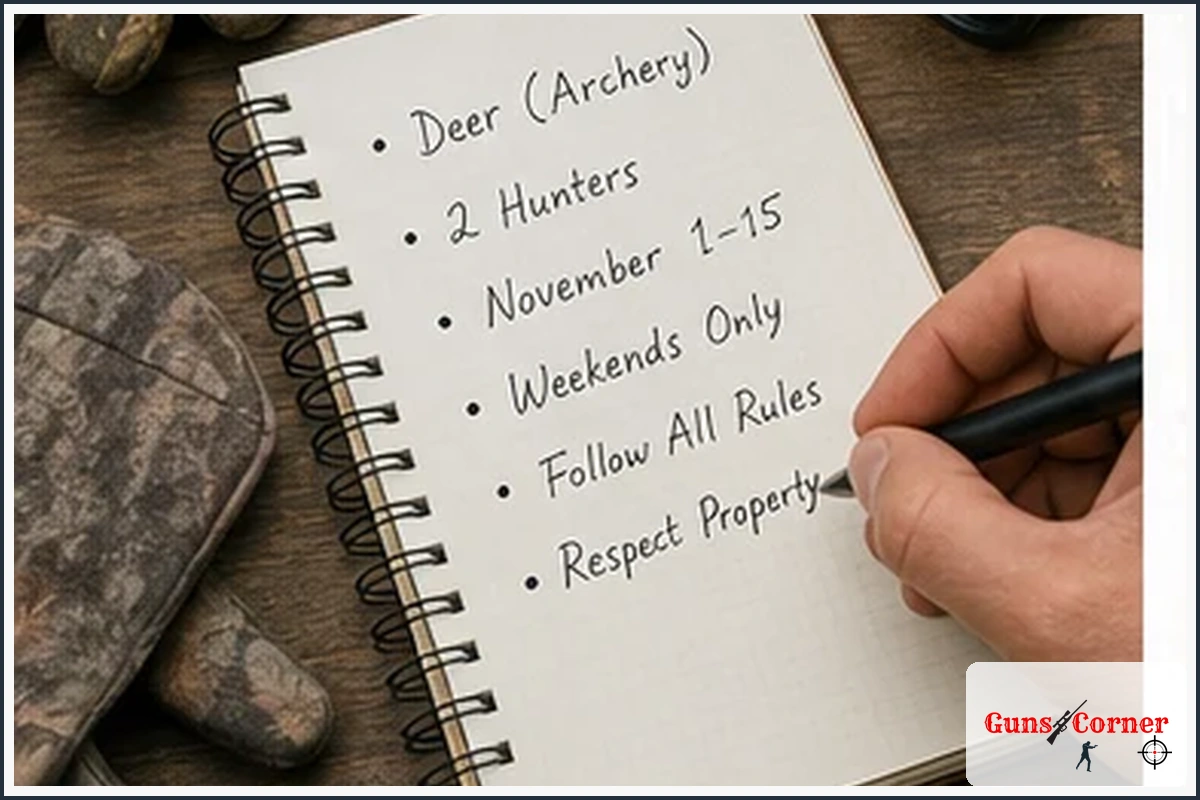
Be ready to explain:
- The species and season you are interested in.
- Your hunting method, such as archery or a legal firearm.
- The number of hunters involved.
- The dates or time period you hope to hunt.
- Where you would park and enter.
- Whether you need to scout, use a blind, or place a tree stand.
- How you will handle harvest reporting and game recovery.
A specific request is easier to evaluate than a vague question such as, “Can I hunt your place whenever I want?”
Prepare Your Introduction
Keep your first conversation brief. State your name, explain how you found the property contact, describe your request, and offer to follow the landowner’s conditions. Avoid beginning with a long story or pressuring the person for an immediate answer.
Example:
“Hello, my name is Jordan. I live nearby and am looking for a legal place to hunt during the upcoming season. I wanted to ask whether you allow carefully managed hunting on your property. I would follow your rules, avoid livestock and buildings, and provide my contact information. I completely understand if the answer is no.”
Best Ways to Contact a Landowner

In-Person Requests
A polite visit can be effective when it is appropriate and safe. Visit during reasonable daytime hours, park without blocking access, and remain outside gates or posted boundaries unless invited farther in.
Wear clean, ordinary outdoor clothing rather than arriving visibly armed or appearing ready to begin hunting. Leave firearms and bows secured and out of sight. Your appearance and behavior should communicate respect, not urgency.
Phone Calls
A phone call may be better when the landowner is busy, elderly, or difficult to approach in person. Introduce yourself clearly and ask whether it is a convenient time to talk. If the person declines, thank them and end the call politely.
Written Notes or Letters
A short letter can work when you cannot make contact directly. Include your name, phone number, the species and season, the number of hunters, and a brief statement about safety and property respect. Do not treat a note as permission. Wait for a clear response before entering.
Referrals and Local Connections
Introductions through neighbors, conservation groups, farm suppliers, sports clubs, or mutual acquaintances may help establish credibility. A referral is not a guarantee, however. The landowner still decides whether access is appropriate.
Step-by-Step Guide: How to Ask Permission to Hunt Private Land
Step 1: Check the Law Before Making Plans
Review the current regulations for the species, season, hunting method, licensing, tagging, reporting, and private-land requirements in your area. This helps you answer basic questions accurately and prevents you from asking for an activity that is not currently legal.
Step 2: Identify the Correct Decision-Maker
Ask for the owner, farm manager, or person responsible for hunting access. Do not rely on an informal statement from a neighbor or worker unless that person has authority to grant permission.
Step 3: Choose a Respectful Time and Method
Approach at a reasonable time, make a phone call, or send a concise letter. Avoid visiting during busy work periods, bad weather, nighttime, or times when livestock or machinery create safety concerns.
Step 4: Introduce Yourself and State Your Purpose
Explain who you are, what you would like to hunt, when you would hunt, and how many people would be involved. Be honest about your experience level and hunting method.
Step 5: Address Safety and Property Concerns
Offer practical reassurance without making unrealistic promises. Explain that you will follow legal shooting practices, keep away from homes and livestock, respect posted areas, close gates as instructed, remove trash, and contact the landowner when required.
Step 6: Ask About the Landowner’s Conditions
Important questions include:
- Which areas are open or closed to hunting?
- Where may hunters park and enter?
- Are there livestock, pets, workers, or equipment to avoid?
- Are blinds, tree stands, cameras, or feeders allowed?
- May guests accompany you?
- Are there dates or times when hunting is not allowed?
- How should you handle gates, fences, and locked access points?
- Who should be contacted before and after each visit?
Step 7: Confirm Permission Clearly
Do not interpret silence, a friendly conversation, or an old invitation as current permission. Confirm that permission applies to the specific property, species, dates, hunters, and methods discussed.
Written permission is helpful when practical. A simple message can record the agreed dates, names, contact information, access point, and conditions. Written permission does not override local law, but it can prevent misunderstandings.
Step 8: Scout Only After Permission
Once access is granted, ask when and where scouting is acceptable. Use maps and observation from legal access points before walking the property. Avoid crossing crops, disturbing livestock, opening gates without instructions, or entering sensitive areas.
Step 9: Hunt According to the Agreement
Stay within the authorized area and time. Do not bring additional hunters, leave equipment, drive off established routes, or change hunting methods without asking first.
Step 10: Communicate and Leave the Property Better Than You Found It
Notify the landowner as agreed, especially after a harvest or unusual incident. Remove temporary equipment and trash, close gates properly, avoid unnecessary vehicle tracks, and report any damaged fence or concern immediately.
What to Offer a Landowner
Many landowners value respectful behavior more than a large gift. Depending on the situation, you may offer help with a lawful property task, such as repairing a small section of fence, collecting litter, or assisting with another reasonable chore. Ask first rather than assuming what is needed.
Other appropriate gestures may include a thank-you note, sharing legally permitted processed game meat, or making a modest seasonal gift. Never make access feel like a transaction unless the landowner clearly discusses a formal lease or fee arrangement.
Private-Land Access Agreements to Clarify
| Topic | What to Confirm |
|---|---|
| People | Names of all approved hunters and whether guests are allowed. |
| Dates | Approved hunting dates, times, and any blackout periods. |
| Areas | Open fields, closed zones, boundaries, parking, and entry routes. |
| Methods | Allowed legal weapons, blinds, stands, calls, bait, or other equipment. |
| Property care | Rules for gates, fences, crops, livestock, vehicles, and trash. |
| Communication | Whether you must call or text before entering and after leaving. |
| Harvest | Recovery routes, reporting expectations, and meat or carcass handling rules. |
How to Build a Long-Term Relationship
- Ask before changing any part of the original agreement.
- Arrive and leave at the times you promised.
- Keep your group small and accountable.
- Never share the property location without permission.
- Do not invite friends to hunt unless they are approved.
- Report broken fences, gates, or unusual activity promptly.
- Respect livestock, crops, buildings, vehicles, and equipment.
- Send a genuine thank-you after the season.
- Accept a change or cancellation without arguing.
Public Land as an Alternative
If private-land permission is unavailable, legal public land may provide another option. Use official maps to verify boundaries, access points, regulations, parking rules, and permitted hunting methods. Public-land hunting requires courtesy toward other hunters, hikers, landowners, and nearby residents.
Never use public access as a reason to cross private property. If a boundary or access route is unclear, stop and verify it before proceeding.
Common Mistakes to Avoid
- Showing up during inconvenient hours or entering without permission.
- Arriving with an unapproved group, firearm, or bow in hand.
- Being vague about the species, dates, or hunting method.
- Assuming one person’s permission covers an entire property.
- Ignoring livestock, crops, buildings, roads, or posted areas.
- Failing to verify current hunting regulations.
- Leaving blinds, stands, cameras, shells, or trash behind.
- Sharing the landowner’s information or location without approval.
- Arguing after a refusal or repeatedly contacting someone who said no.
- Taking an unsafe shot because access was difficult to obtain.
Troubleshooting Common Problems
| Problem | Possible Cause | What to Do |
|---|---|---|
| The landowner says no | Safety concerns, previous bad experiences, livestock, or no available access. | Thank them, do not argue, and consider asking whether they know of another legal opportunity. |
| You cannot identify the owner | Unclear property records or multiple parcels. | Use official local records or ask an appropriate public office; never enter to investigate. |
| Permission is vague | Details were discussed casually or by multiple people. | Request clarification about dates, areas, hunters, methods, and access points before hunting. |
| Another hunter is on the property | Overlapping permission or poor communication. | Leave or remain in a safe location and contact the landowner. Do not confront the other hunter. |
| Weather changes your plans | Unsafe travel, poor visibility, or changed property conditions. | Contact the landowner, postpone the hunt, and follow the latest safety and legal guidance. |
| A gate or boundary is unclear | Unmarked access or changing property lines. | Stop and ask for direction. Do not cross or open anything without confirmation. |
| You harvest game on the property | Recovery, reporting, or access expectations were not discussed. | Follow local law, contact the landowner as agreed, and recover and handle the game responsibly. |
Ethical Hunting and Conservation
Responsible private-land hunting protects both wildlife and future access. Follow seasons, limits, tags, reporting rules, and landowner conditions. Pass on any shot that is unsafe, uncertain, or beyond your practiced ability.
Use the harvest responsibly, avoid waste, respect other users, and leave the property clean. Hunting licenses and lawful participation often support conservation programs, habitat work, and wildlife management. Your conduct helps determine how landowners and communities view hunters.
When to Get More Training or Professional Guidance
Seek additional help if you are unfamiliar with firearms, bows, navigation, property boundaries, game recovery, or local regulations. Useful resources include official hunter education courses, wildlife agencies, certified instructors, ethical hunting mentors, conservation organizations, and reputable hunting clubs.
After the Hunt: Follow-Up and Learning
- Complete any required harvest reporting promptly.
- Follow legal tagging, transport, and meat-handling rules.
- Tell the landowner how the hunt went if that was agreed.
- Report damage, lost equipment, or unusual incidents honestly.
- Clean and store footwear, clothing, optics, and hunting equipment.
- Record weather, animal sign, access conditions, and lessons learned.
- Send a thank-you message, whether or not you harvested game.
Recommended Tools to Consider
You do not need expensive equipment to request or maintain private-land access. Practical tools can help you communicate clearly and hunt responsibly.
- Printed property maps or a reliable mapping application.
- Notebook for permission details, contacts, dates, and boundaries.
- Phone for communication and emergency use.
- Hunter education materials and current regulation information.
- Weather-appropriate clothing and required visibility gear.
- First aid kit, water, food, and navigation tools.
- Legal hunting equipment suited to your training and local rules.
Final Thoughts
Knowing how to ask permission to hunt private land means approaching landowners with honesty, patience, and respect. Make a specific request, discuss safety and property rules, confirm permission clearly, and follow every condition. Even when the answer is no, a courteous approach protects your reputation and may create better opportunities later.
Frequently Asked Questions
What is the best way to ask permission to hunt private land?
Use a polite in-person request, phone call, or short letter. Explain who you are, what species and season you are interested in, how many hunters are involved, and how you will respect the property.
Should I ask for hunting permission in person?
In-person requests can work well when made during reasonable daytime hours and from a safe, respectful location. Phone or written contact may be better if the landowner is busy or unavailable.
What should I say when asking to hunt?
Introduce yourself, state the exact request, mention your hunting method and dates, and offer to follow the landowner’s rules. Make it clear that you will accept a refusal respectfully.
When should I ask for permission?
Ask well before the hunting season. Early requests give the landowner time to consider your proposal and allow you to clarify boundaries, access, and safety conditions.
Should I bring my firearm or bow when asking?
No. Leave hunting equipment secured and out of sight during the initial request. Your goal is to appear respectful and trustworthy, not ready to enter the property.
Do I need written permission?
Requirements vary by location and property type, so check local rules. Even when not required, written confirmation can reduce misunderstandings about dates, hunters, areas, and methods.
Does a verbal invitation count as permission?
It may or may not satisfy local requirements. Confirm the current legal standard with your wildlife agency and obtain clear permission for the specific hunt.
Can a tenant give hunting permission?
Only if the tenant has authority to grant access. Ask who controls hunting rights and verify the agreement before entering.
Can I hunt private land if it is not posted?
Do not assume that unposted land is open to hunting. Property access laws differ, and you should obtain permission or verify legal access before entering.
Can I ask a neighbor to introduce me to the landowner?
Yes, a respectful introduction may help. However, the landowner must make the final decision, and you should not treat a referral as automatic permission.
What if the landowner asks for payment?
Ask for the terms in writing and verify that the arrangement complies with local law. Do not pay anyone who cannot demonstrate authority to grant hunting access.
Should I offer to help with chores?
You may offer reasonable help, but do not pressure the landowner or treat assistance as a guaranteed exchange. Ask what is appropriate and follow through if an agreement is made.
Should I offer to share meat?
You may offer legally processed game meat when allowed by local law and appropriate for the landowner. Never promise meat before understanding transport, processing, and sharing rules.
How many hunters should I bring?
Bring only the people specifically approved by the landowner. A small, accountable group is usually easier to manage safely than a large group.
Can I invite friends after receiving permission?
No. Ask the landowner first. Permission given to you does not automatically extend to other people.
Can I put up a tree stand or blind?
Only with explicit approval and in compliance with local regulations. Confirm placement, dates, equipment removal, and tree or ground restrictions.
Can I use trail cameras on private land?
Ask first and follow local rules. Discuss where cameras may be placed, who owns the equipment, and when it must be removed.
What should I ask about livestock?
Ask where livestock, pets, feed, barns, and equipment are located and which areas are closed. Follow all instructions and never take a shot when the background is uncertain.
What should I ask about gates?
Ask which gates may be used, whether they should remain open or closed, and whether you may drive through them. Follow the landowner’s instructions exactly.
How do I confirm property boundaries?
Use official maps, posted markers, and the landowner’s instructions. If the boundary is unclear, stop and ask rather than guessing.
What if I cross onto another property by mistake?
Stop, leave safely if possible, and notify the appropriate landowner or authority. Do not continue hunting or attempt to hide the mistake.
Can I scout before receiving permission?
No. Scout only from legal public areas or after obtaining permission. Do not walk, place cameras, or inspect sign on private property without authorization.
What should I do if another hunter is already there?
Do not confront the person. Leave the area if safe and contact the landowner or appropriate authority to clarify the situation.
Do I still need a hunting license on private land?
Usually, private ownership does not remove general licensing requirements, but rules vary. Verify licenses, tags, permits, seasons, and reporting requirements with your official wildlife agency.
Can a landowner ignore hunting seasons?
No. Landowner permission does not generally override wildlife laws. Everyone must follow applicable seasons, limits, methods, and reporting rules.
What safety information should I share with the landowner?
Explain that you will identify the target and background, avoid homes, roads, livestock, and people, use legal equipment, follow agreed access routes, and carry communication and emergency supplies.
Should I wear blaze orange on private land?
Wear any visibility clothing required by local law and consider additional visibility when appropriate. Private property does not automatically remove hunter-visibility requirements.
What if the landowner changes their mind?
Leave the property and accept the decision. Do not argue or continue hunting under old permission.
How should I respond to a refusal?
Thank the landowner for considering your request. A respectful response preserves your reputation and avoids turning a refusal into a conflict.
Should I ask why the answer is no?
You may politely ask whether there is a general concern you could address, but do not pressure the person to explain or reconsider.
How often should I contact a landowner?
Contact them only as needed and according to their preference. Excessive messages can damage trust.
Should I contact the landowner before every hunt?
Follow the communication arrangement you agreed upon. Some landowners require notice before every visit, while others may provide specific dates or access instructions.
What should I do after harvesting game on private land?
Follow local tagging and reporting requirements, recover the game through approved routes, handle it responsibly, and notify the landowner if that was part of the agreement.
Can I drive onto private land to recover game?
Only if the landowner has approved vehicle access and local law permits it. Confirm the route before driving across fields or near livestock.
How can I keep private-land permission for future seasons?
Be reliable, follow every rule, communicate clearly, remove trash and equipment, avoid unnecessary damage, and thank the landowner after the hunt.
Is public land easier than private land?
Public land does not require private permission, but it may involve more hunting pressure, competition, boundary research, and user conflicts. Both options require preparation and legal compliance.
What should I do if I am inexperienced?
Complete hunter education, practice with your legal equipment, and hunt with a qualified mentor when possible. Be honest with the landowner about your experience.
How can I prove I am a responsible hunter?
Be prepared, communicate clearly, provide references when appropriate, explain your safety plan, and demonstrate respect for wildlife, property, livestock, and other people.
What is the biggest mistake when asking for permission?
Approaching the landowner as though access is owed to you. Private-land hunting depends on voluntary trust, so entitlement, vagueness, and poor follow-through can quickly end the conversation.
Where can I learn more about local private-land hunting rules?
Start with your official state, provincial, or territorial wildlife agency and its hunter education resources. Local conservation organizations may also provide general access guidance.
Read more: