
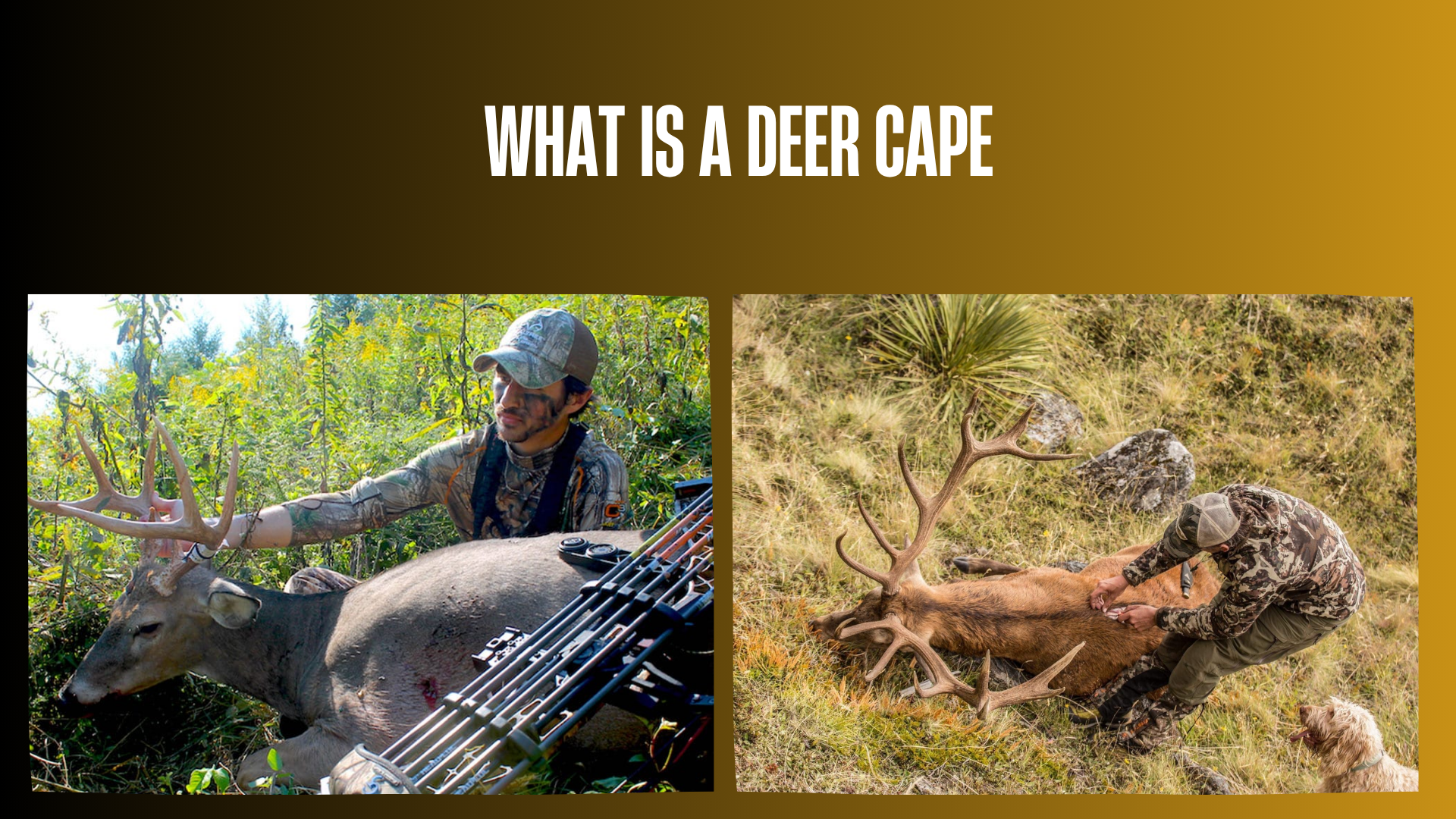

Quick Answer: What Is a Deer Cape?
A deer cape is the hide from the head, neck, shoulders, and upper chest that a taxidermist prepares and fits over a sculpted form to create a shoulder mount. Unlike a general deer hide, a usable cape must retain the facial details and enough skin behind and below the shoulders to cover the chosen form. The safest beginner approach is to leave more skin than seems necessary, cool it promptly, and ask the intended taxidermist where to make every cut. Tagging, evidence-of-sex, carcass-transport, and chronic wasting disease rules vary, so check the current regulations before separating or moving any part of a deer.
Deer Cape at a Glance
| Term or Part | What It Means | Why It Matters |
|---|---|---|
| Deer cape | Skin and hair from the head, neck, shoulders, and upper chest | Provides the natural exterior of a shoulder or pedestal mount |
| Hide | A broad term for an animal skin, often meaning most or all of the body skin | May be tanned as leather or a hair-on hide but may lack the details needed for a mount |
| Pelt | A skin with hair or fur attached | Common fur-industry and trapping term; it does not automatically mean mount-ready |
| Shoulder mount | A display showing the head, neck, shoulders, and part of the chest | The most common use of a deer cape |
| Caping | Removing the mount skin without sacrificing important features or usable length | A careful skinning job, not ordinary hide removal |
| Hair slip | Hair loosening from the skin as the tissue deteriorates | Often cannot be hidden or repaired satisfactorily |
What Parts Are Included in a Deer Cape?
A standard cape for a shoulder mount extends from the face back across the neck and shoulders, with enough lower skin to reproduce the brisket and the areas around the front legs. It is not simply a strip of neck skin. The precise amount depends on the pose, form, deer size, taxidermist’s method, and whether the hunter wants a standard shoulder mount or a deeper pedestal-style mount.
The most delicate areas are around the eyes, tear ducts or preorbital glands, ear bases, lips, nose, antler burrs, armpits, and brisket. Small mistakes in hidden areas may be repairable, but damage to the face or a cape cut too short can restrict the available pose or make the original cape unusable.
For that reason, many taxidermists prefer that hunters skin only to the base of the skull, detach the head at the neck joint, keep the head and attached cape cold, and let the shop perform the detailed facial work. That choice requires more freezer space, but it reduces the chance of cutting an eyelid, lip, ear, tear duct, or nose.
Deer Cape vs. Hide vs. Pelt
The three words overlap in everyday speech, but their practical uses differ. A hide is a general term for skin removed from an animal. It might be tanned into leather, displayed hair-on, or used for another project. A pelt generally means a skin with its hair or fur intact. A cape is selected and removed specifically to preserve the features and dimensions a taxidermist needs for a mount.
A deer hide can be perfectly good for tanning yet useless for a shoulder mount if the face was not retained. Conversely, a cape does not need most of the back, belly, or hindquarter skin because those areas will not appear on a standard shoulder form. What makes it a cape is not just its location; it is the preservation of the correct anatomy and enough material for the intended display.
How a Deer Cape Becomes a Shoulder Mount
A modern shoulder mount is not usually a whole deer head filled with stuffing. The taxidermist records measurements, finishes skinning delicate areas, removes tissue, preserves and tans the skin, prepares the antlers and skull plate, and selects or modifies a shaped form. The tanned cape is fitted and carefully aligned over that form. Artificial eyes and other sculpted components help recreate the animal’s anatomy, while the deer’s own hair and skin provide its individual color, markings, scars, and character.
Fit matters. A cape from a small-necked early-season deer may not stretch naturally over a form sized for a swollen rutting buck. Taxidermists therefore use measurements and reference photos rather than choosing a form by antler size alone. The finished result also depends on the cape’s condition, the accuracy of anatomical details, and the craftsperson’s skill.
Why Leaving Extra Cape Is So Important
Skin can be trimmed later; missing skin cannot be put back. One of the most common beginner errors is making the body cut directly behind the front legs. That may remove valuable shoulder, armpit, and brisket material. A cut up the center of the chest or throat can also create a long seam in a highly visible area.
If there is any possibility that the deer will be mounted, do not make a trophy decision with a knife already in hand. Take clear photographs, protect the animal from dirt and heat, and call the taxidermist. Ask where the rear body cut should begin, how the front legs should be opened or tubed, what neck incision the shop prefers, and whether the shop wants the head left inside the cape.
Different mount forms need different lengths. A wall pedestal or offset pose can require more skin on one side or farther back than a conventional upright shoulder mount. Saving generously keeps those choices open.
Basic Field-Care Priorities
The goal is simple: keep the cape clean, keep it intact, and remove heat quickly. These priorities apply whether a processor, taxidermist, or experienced hunter performs the actual caping.
- Decide early. If a mount is even a possibility, treat the deer as a taxidermy specimen from the start.
- Contact the taxidermist. Get shop-specific cutting, salting, packaging, and delivery instructions before making irreversible cuts.
- Protect the hair side. Avoid dragging the shoulders and face over rocks, pavement, mud, or coarse vegetation.
- Keep blood and digestive material controlled. Work cleanly and do not wash the cape in a creek, pond, or other untreated water source.
- Leave ample skin. Make the rear cut farther back than the front legs unless the taxidermist has given different instructions.
- Remove heat. Do not leave the cape rolled tightly, in direct sun, on a warm vehicle, or sealed hot in plastic.
- Deliver or freeze promptly. Follow the taxidermist’s advice for folding, bagging, freezing, or salting based on the condition and travel plan.
Science-based wild-game handling guidance also stresses prompt cooling and clean handling. Oregon State University Extension’s Big Game from Hunt to Home explains field-care methods compatible with saving a cape, while Penn State Extension cautions against rinsing deer in ponds or streams because excess moisture can encourage bacterial growth. These food-care sources do not replace a taxidermist’s instructions for the skin.
A Beginner-Safe Caping Plan
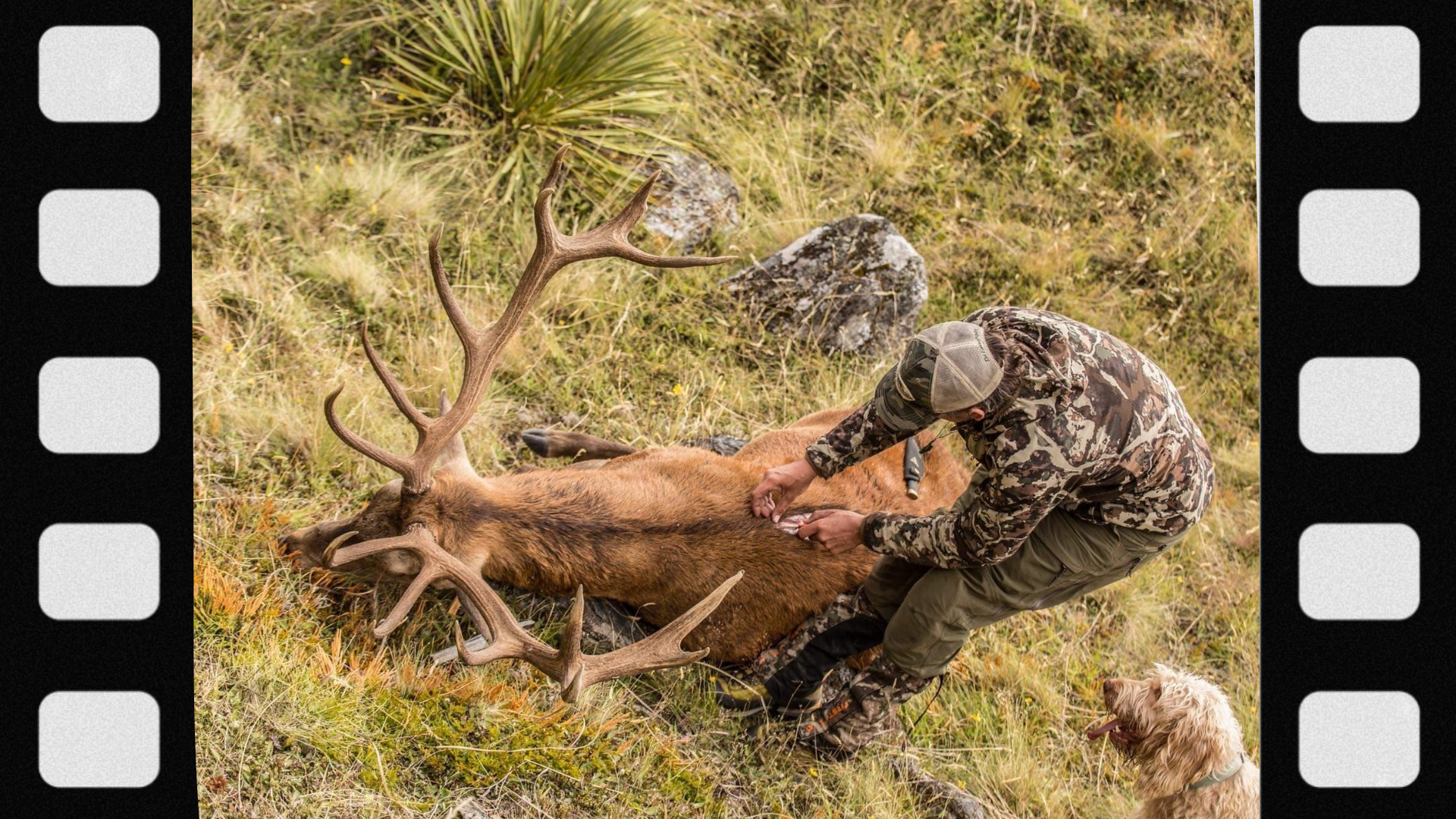
Caping around a skull is precision knife work. A beginner does not have to complete every step in the field. The following plan protects options without attempting to replace hands-on instruction:
1. Photograph and document the deer
Before skinning, take reference photographs from the front and both sides. Include close views of the eyes, nose, ears, facial markings, antler angles, and any scars. These images can help the taxidermist reproduce the deer’s appearance.
2. Confirm tagging and evidence requirements
Complete any required harvest tag or electronic reporting action. Determine what proof of sex, species, or harvest location must remain naturally attached during transport. Do this before separating the head, antlers, cape, or meat.
3. Keep the trophy portion out of contamination
Position the deer so the head and shoulders stay away from body-cavity contents, dirt, fuel, and standing water. Wear cut-resistant or protective gloves where appropriate, use a clean sharp knife, and keep your free hand out of the blade’s path.
4. Save more skin than the mount appears to need
The rear circumference cut is commonly placed well behind the shoulders rather than tight behind the front legs. The front-leg skin must be handled so the armpits and brisket remain usable. Exact incision placement varies, so use the diagram or instructions supplied by the taxidermist who will mount the deer.
5. Stop before delicate facial work if uncertain
Skin the neck only as far as you can control confidently. If you reach the skull and have not been trained to turn ears, split lips, and free eyelids and tear ducts, leave the head attached to the cape. Separate the neck at a joint rather than sawing through antlers or damaging the skull plate, then cool the whole assembly.
6. Cool, package, and transport correctly
Do not wad a warm cape into an airtight bundle. Allow heat to escape in a clean, shaded place without letting the skin dry hard or attract insects. Once properly chilled and prepared according to the taxidermist, arrange it skin-to-skin with the hair outward, package it securely, and freeze if it cannot be delivered promptly. Never place an unfrozen cape against warm meat and assume a cooler alone will chill the center quickly.
Should You Salt or Freeze a Deer Cape?
Ask your taxidermist. Freezing and salting are not interchangeable shortcuts, and the correct choice depends on whether the cape has been fully fleshed, whether ears and lips have been turned, humidity, travel time, available equipment, and the shop’s workflow.
For many hunters who can deliver locally or have freezer access, prompt chilling and freezing is the simpler route. Salting a thick, unfleshed skin can create false confidence while heat and tissue remain trapped underneath. Iodized table salt, rock salt, used salt, and a light sprinkle are not substitutes for professional instructions. Do not salt a cape simply because an online checklist says to do so.
If air travel or a long backcountry trip makes freezing impossible, obtain a written field-care plan from the taxidermist before the hunt. Consider using an outfitter, meat processor, or local taxidermist who routinely prepares capes for shipment.
Signs a Deer Cape May Be Damaged
| What You Notice | Possible Concern | Best Next Step |
|---|---|---|
| Hair pulls out with very light handling | Hair slip or tissue breakdown | Stop handling and contact a taxidermist immediately |
| Sour or rotten odor | Bacterial deterioration | Keep it isolated and request a professional assessment |
| Greenish skin, unusual warmth, or sliminess | Spoilage may be progressing | Cool safely and call the shop; do not conceal the condition |
| Body skin ends near the front legs | Cape may be too short for the desired form | Let the taxidermist evaluate pose options or a replacement cape |
| Cut eyelid, nose, lip, or ear | Visible anatomical damage | Save every piece and avoid further trimming |
| Freezer burn or dried edges | Long or poorly sealed freezer storage | Do not thaw repeatedly; ask the taxidermist to inspect it |
Not every cut ruins a cape. Skilled taxidermists can sew some holes and hide certain seams. The honest approach is to disclose all damage rather than trim it away. Early professional assessment preserves more options.
Legal and CWD Considerations
A deer cape is still a wildlife part. Possession, tagging, proof-of-sex, transport, export, import, sale, and transfer rules may apply even when the hunter intends to use it for taxidermy. Chronic wasting disease rules can also restrict which cervid parts may leave a county, zone, state, province, or country. A cleaned cape may be allowed where an intact head is prohibited, but that is not universal.
Before moving the cape, check the current regulation booklet for both the harvest location and the destination. Look specifically for “carcass movement,” “CWD transport,” “taxidermy,” “evidence of sex,” and “importation of cervid parts.” The Chronic Wasting Disease Alliance provides general information and links, but the controlling source is the wildlife agency for the relevant jurisdiction.
If testing is required or recommended, learn which tissues the sampling station needs before removing the head or cleaning the skull plate. Keep identification associated with the correct animal, and do not mix capes, heads, or samples from multiple deer.
Ethical and Practical Considerations
Saving a cape does not reduce the hunter’s responsibility to care for the meat. Plan enough time, ice, clean containers, help, and vehicle space for both jobs. In warm weather, preserving a trophy should never delay cooling edible meat.
Taxidermy can preserve a personal memory, but it is optional. A hunter who does not want a mount can still take photographs, save antlers where legal, tan the hide, or simply process the animal responsibly. Avoid waste, follow reporting requirements, and treat the animal with respect.
Common Deer Cape Mistakes
- Cutting the cape too short: Save skin well behind the shoulders and let the taxidermist trim the excess.
- Slitting the throat: This creates avoidable damage in a visible part of many mounts.
- Cutting through the brisket: A centerline cut can remove or scar skin needed on the front of the form.
- Dragging by the antlers: This can grind hair from the shoulders and face against rough ground.
- Leaving the cape in a vehicle: A cool outside temperature does not make a closed vehicle or pile of warm hide safe.
- Sealing it while hot: Plastic contains blood and moisture but also traps heat when used too early.
- Guessing at facial cuts: Eyes, lips, nose, ears, and tear ducts require precision and anatomical understanding.
- Using unverified salting advice: Salt cannot correct incomplete fleshing, trapped heat, or decomposition.
- Repeated thawing: Freeze-thaw cycles increase handling and deterioration risk.
- Ignoring carcass rules: A well-preserved cape can still be illegal to transport if tagging or CWD requirements are not met.
Simple Cape-Care Checklist
- Choose and contact a taxidermist before the hunt when possible.
- Save the taxidermist’s after-hours number and field-care diagram.
- Carry a sharp clean knife, protective gloves, clean bags, labels, and cooling supplies.
- Take reference photos before moving or skinning the deer.
- Complete harvest tagging and reporting requirements.
- Keep the head and shoulders off abrasive or contaminated surfaces.
- Do not cut the throat, chest centerline, or body skin too close to the shoulders.
- Leave facial caping to a professional unless trained.
- Cool the cape promptly without sealing heat inside it.
- Label it with hunter, date, species, and harvest information.
- Verify CWD and carcass-transport restrictions before crossing boundaries.
- Deliver or freeze it according to the receiving taxidermist’s instructions.
Final Answer: What Is a Deer Cape?
A deer cape is the carefully preserved skin from the deer’s head, neck, shoulders, and upper chest used to make a shoulder or pedestal mount. It differs from an ordinary hide because it must include intact facial features and enough correctly cut skin to fit a taxidermy form.
The best way to protect a cape is to plan before the hunt, ask the chosen taxidermist for exact instructions, leave extra skin, prevent contamination, and cool it promptly. Beginners should leave delicate facial work to a professional. Always complete required tagging and reporting, preserve any required evidence, and check current CWD and carcass-transport rules before moving the head or cape.
FAQs
1. Is a deer cape the same as a deer hide?
No. “Hide” is a general word for the removed skin, while a cape is specifically preserved with the head, neck, shoulder, chest, and facial skin needed for a taxidermy mount.
2. Why is it called a cape?
The retained skin lies around the animal’s neck and shoulders, roughly where a garment cape would sit. In taxidermy, the word describes this mount-ready section of skin.
3. What is a deer cape used for?
Its most common use is a shoulder mount. A longer cape may also support wall-pedestal, floor-pedestal, or other extended display poses.
4. Does a deer cape include the antlers?
The cape itself is skin, not antlers. For an antlered-deer mount, the taxidermist also needs the antlers attached to an appropriate portion of the skull plate, subject to local transport and possession rules.
5. Does the cape include the skull?
Not once final skinning is complete, but a hunter may deliver the cape still attached to the head so the taxidermist can perform detailed facial skinning. Ask the shop which form it prefers.
6. How much skin should I leave for a deer shoulder mount?
Leave substantially more than the visible finished mount appears to need—generally well behind the shoulders, with the brisket and front-leg areas intact. Use the receiving taxidermist’s diagram because poses and methods vary.
7. Can a deer cape be too short?
Yes. A short cape can limit form size and pose or make the original skin unusable. Excess can be trimmed, which is why leaving extra is the safer error.
8. Can a cut deer cape be repaired?
Some holes and seams can be sewn and hidden, depending on their size and location. Cuts around the eyes, nose, lips, ears, or a missing brisket are more difficult. Save all pieces and let a taxidermist assess the damage.
9. What is hair slip on a deer cape?
Hair slip is the loosening and loss of hair when the skin tissue deteriorates, commonly after delayed cooling or poor handling. It may appear as hair pulling free with minimal contact.
10. How quickly should a deer cape be cooled?
As soon as practical after the legal harvest. Warm, folded skin holds heat, especially around the head and neck. Exact handling depends on conditions, so contact the taxidermist immediately.
11. Can I put a warm deer cape straight into a plastic bag?
Do not seal a hot cape in plastic. The bag can trap body heat and moisture. First follow a clean cooling plan, then package the properly chilled or frozen cape as the taxidermist directs.
12. Should I wash blood off a deer cape?
Do not soak it or rinse it in a pond or stream. Blot minor blood with clean material and ask the taxidermist how to handle heavy contamination. Extra water can complicate cooling and storage.
13. Should I salt a deer cape?
Only according to a taxidermist’s complete instructions. Effective salting requires correct preparation and is not simply scattering salt over a warm, fleshy skin.
14. Can I freeze a deer cape?
Yes, freezing is commonly used when prompt delivery is impossible. Cool and arrange the cape correctly first, package it securely, label it, and avoid repeated thawing. Confirm the shop’s preferred method.
15. How long can a deer cape stay frozen?
There is no reliable universal limit because freezer temperature, packaging, air exposure, prior handling, and cape condition differ. Deliver it as soon as practical rather than treating freezing as indefinite storage.
16. Can I cape a deer myself?
You can learn to do so, but work around eyelids, tear ducts, lips, ears, nose, and antler burrs is easy to damage. Practice under experienced supervision or leave the head attached for a taxidermist.
17. What knife is used for caping a deer?
A small, sharp, controllable blade is commonly preferred for detailed work, while other skinning may use a conventional hunting knife. Control and technique matter more than buying an expensive specialty knife.
18. Should I cut a deer’s throat if I want a mount?
No. A throat cut is unnecessary after a legally harvested deer is dead and can damage a highly visible part of the cape.
19. Can I drag a deer that I plan to mount?
Avoid dragging the head and shoulders over rough ground. Use a sled, cart, adequate help, or another legal recovery method that protects the hair and also keeps the meat clean.
20. What photographs should I take for the taxidermist?
Take well-lit images from both sides and the front, plus close views of the eyes, ears, nose, antlers, markings, and unusual features. Photograph the deer before the skin and hair change position.
21. Can an early-season deer cape be used on a rutting-buck form?
Not automatically. Neck size, hair length, and skin dimensions differ by animal and season. The taxidermist will measure the cape and choose a compatible form rather than forcing an unnatural fit.
22. What happens if my original cape is unusable?
A taxidermist may be able to source a legal replacement cape with similar size, hair, and coloring. Ownership, sale, transfer, and documentation rules vary, so use a reputable professional.
23. Can a processor cape my deer?
Some processors offer caping, but skill and cut preferences vary. Tell the processor before unloading, provide the taxidermist’s instructions, label everything, and confirm who is responsible for chilling and transfer.
24. Do CWD rules apply to deer capes?
They can. Some jurisdictions allow cleaned capes while restricting whole heads or spinal tissue; others impose different documentation or destination requirements. Check both origin and destination rules before transport.
25. Does a deer cape prove the animal’s sex?
Not necessarily under local law. A jurisdiction may require a particular naturally attached part or another form of evidence. Read the current regulation rather than assuming a cape or antlers satisfy the rule.
26. Can I ship a frozen deer cape?
Shipping may be possible, but carrier rules, wildlife documentation, CWD restrictions, packaging, timing, and leakage prevention all matter. Coordinate with the receiving taxidermist and carrier before shipment.
27. Is caping the same as field dressing?
No. Field dressing removes internal organs to aid meat cooling. Caping removes the skin needed for taxidermy. Both jobs require clean technique, but they serve different purposes.
28. Should preserving the cape delay meat care?
No. Edible meat must be cooled and protected promptly. Plan enough people and supplies to handle the trophy and meat at the same time, especially in warm weather.
Read more: