
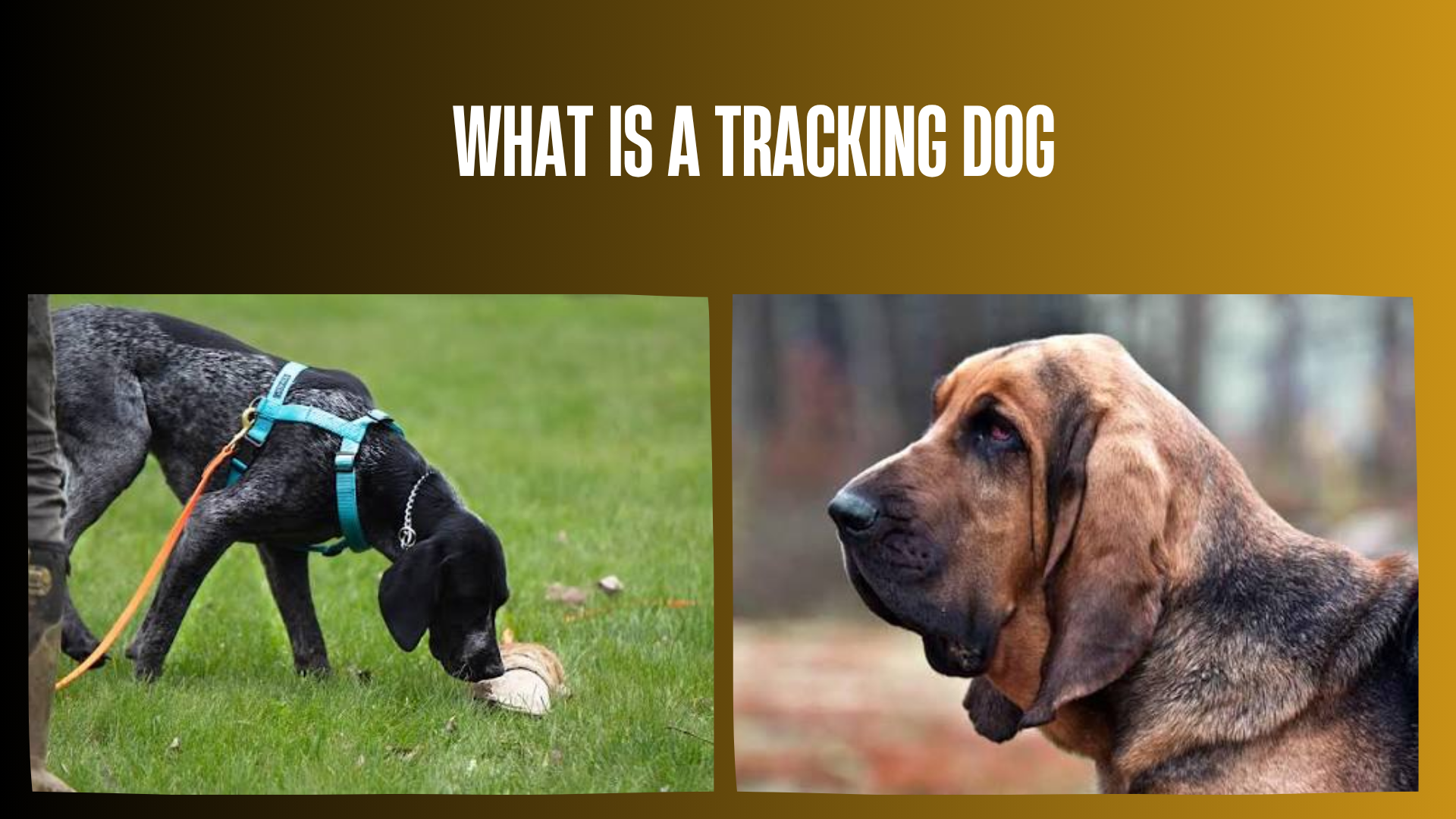

A tracking dog is a specially trained dog that uses its powerful sense of smell to follow the scent trail left by a person, animal, or object. In hunting, tracking dogs are commonly used to help locate and recover wounded game animals by following scent evidence after a shot.
For hunters, a tracking dog can be an important tool for responsible game recovery. A successful recovery effort helps reduce unnecessary waste and supports ethical hunting practices. However, tracking dogs are not a guarantee that every animal will be recovered. Weather conditions, terrain, scent conditions, the quality of the trail, and the dog-handler team’s experience can all influence results.
This guide explains what tracking dogs are, how they work, how they are trained, how hunters use them, important legal considerations, and what beginners should understand before working with a tracking dog.
Quick Answer: What Is a Tracking Dog?
A tracking dog is a trained dog that follows scent trails to locate a specific target. In hunting, tracking dogs are often used to follow the scent of wounded game after a shot and help hunters recover animals more efficiently.
Tracking dogs rely on their natural sense of smell, training, and communication with their handler. Their effectiveness depends on many factors, including scent conditions, terrain, time since the animal passed, and local laws regarding the use of dogs for hunting and recovery.
Key Takeaways
- Tracking dogs use scent to follow trails and locate specific targets.
- Hunters commonly use tracking dogs for wounded game recovery.
- A well-trained dog works together with an experienced handler.
- Tracking success depends on conditions and does not guarantee recovery.
- Rules regarding hunting dogs vary by location and species.
What Does a Tracking Dog Mean in Hunting?
In hunting, a tracking dog is a dog trained to locate game animals by following scent information left behind in the environment.
After a legal shot, a hunter may find signs such as:
- Blood drops.
- Hair or other evidence.
- Tracks.
- Disturbed vegetation.
- An observed direction of travel.
A trained tracking dog may help follow the scent trail beyond the point where human observation becomes difficult.
The purpose of using a tracking dog is not to replace ethical shot placement or responsible hunting decisions. Instead, it can support a hunter’s reasonable effort to recover game that has already been legally harvested or wounded.
How Does a Tracking Dog Work?
Dogs have an extremely developed sense of smell and can detect scent information that humans cannot easily perceive. A tracking dog uses scent cues from the animal and the environment to follow a trail.
Following an individual scent trail
Many tracking dogs are trained to focus on the scent of a specific animal rather than simply following any animal movement in the area.
The dog may use:
- Scent particles left on vegetation.
- Ground scent.
- Airborne scent.
- Biological material from the animal.
Working with a handler
A tracking dog does not work independently. The handler plays an important role by:
- Reading the dog’s behavior.
- Understanding tracking conditions.
- Interpreting available evidence.
- Making safe and ethical decisions.
The relationship between the dog and handler is one of the most important parts of successful tracking.
Why Are Tracking Dogs Used in Hunting?
Tracking dogs are mainly used because recovering game can sometimes be difficult. Even experienced hunters may face challenging situations caused by:
- Dense vegetation.
- Rain or changing weather.
- Long tracking distances.
- Limited visibility.
- Complex terrain.
Supporting ethical game recovery
Responsible hunters make reasonable efforts to recover animals after a shot. A tracking dog may improve the chances of finding an animal that would otherwise be difficult to locate.
Reducing unnecessary waste
Recovering harvested game helps ensure that the animal is not wasted. Wildlife conservation and ethical hunting principles emphasize respect for the animal and responsible use of the resource.
Helping hunters in difficult conditions
A dog’s ability to process scent can be useful when human tracking skills alone are not enough.
Tracking Dog vs Regular Hunting Dog
| Dog Type | Main Purpose | Typical Skills |
|---|---|---|
| Tracking Dog | Following scent trails | Scent discrimination, trail following, recovery work |
| Retrieving Dog | Finding and bringing back game | Retrieving, water work, obedience |
| Pointing Dog | Locating and indicating birds | Searching, pointing, field awareness |
| Flushing Dog | Moving birds into flight | Searching, flushing, retrieving |
What Breeds Are Used as Tracking Dogs?
Many breeds can develop tracking ability with proper training. Performance depends on the individual dog, training quality, motivation, health, and the handler’s skills.
Some breeds commonly associated with scent work include:
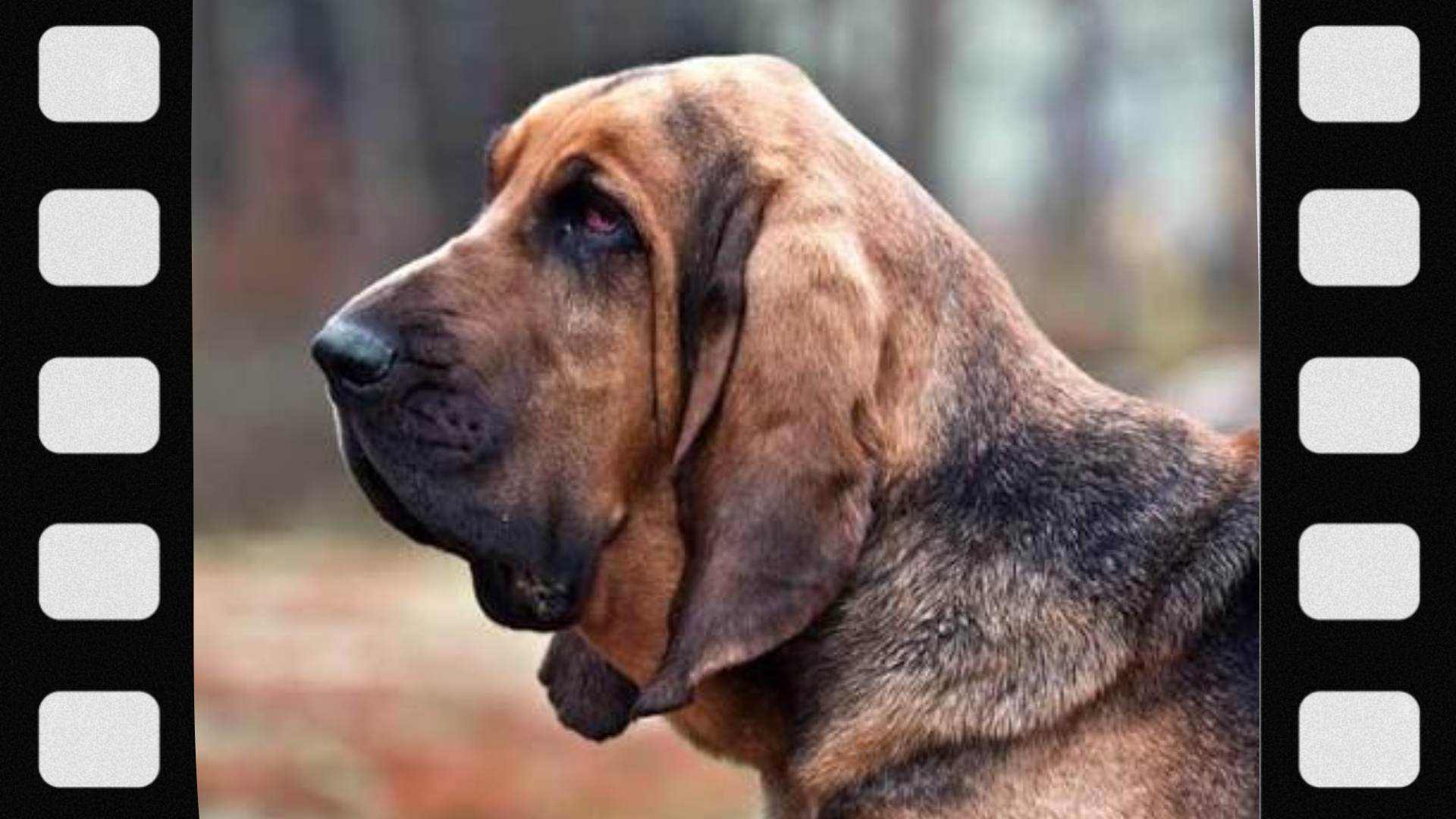
- Bloodhounds.
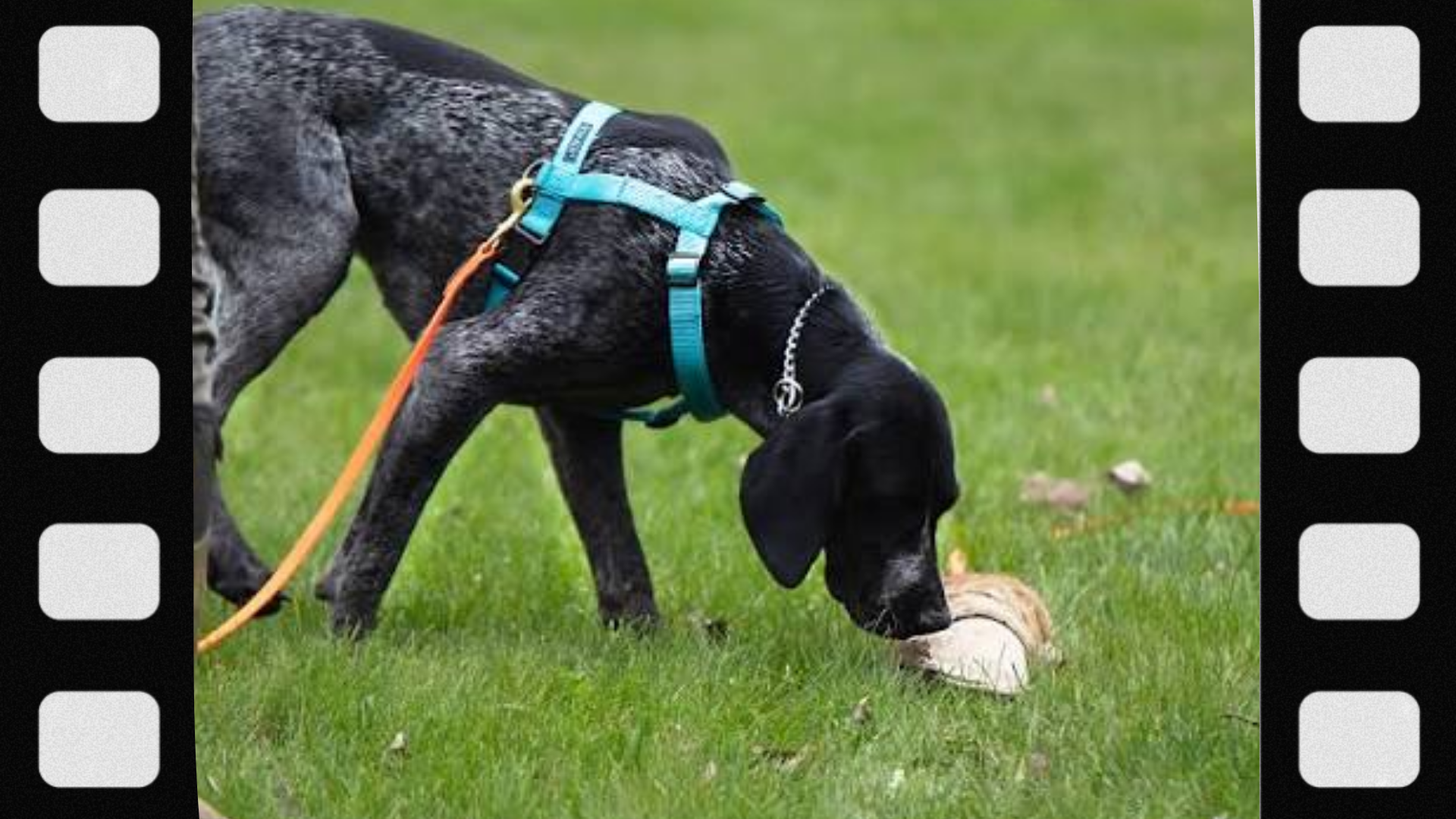
- German Shorthaired Pointers.
- Hanoverian Hounds.
- Bavarian Mountain Hounds.
- Labrador Retrievers.
- Other scent-oriented working breeds.
A dog’s breed alone does not determine tracking ability. A well-trained dog from a suitable background may perform better than an untrained dog from a breed traditionally associated with scent work.
How Are Tracking Dogs Trained?
Training a tracking dog requires patience, consistency, and positive reinforcement. Professional handlers often build skills gradually from basic scent games to more advanced tracking situations.
Basic training stages
- Building motivation:The dog learns that following scent leads to a reward.
- Learning scent discrimination:The dog learns to focus on the desired scent rather than random smells.
- Following controlled trails:The dog practices following prepared scent trails under different conditions.
- Field training:The dog learns to work in realistic outdoor environments.
- Handler communication:The handler learns how to interpret and guide the dog.
How Hunters Use Tracking Dogs in the Field
In hunting situations, tracking dogs are most commonly used after a hunter believes an animal has been hit and wants assistance locating it. The process usually begins with careful observation and evidence collection before the dog starts tracking.
A responsible recovery process may include:
- Remembering the location where the animal was standing when the shot occurred.
- Observing the animal’s reaction after the shot.
- Waiting an appropriate amount of time when necessary.
- Examining available sign without disturbing the area unnecessarily.
- Working with a trained tracking dog and handler when appropriate.
Finding the start of the trail
The beginning of a track is important because scent conditions are usually strongest near the point where the animal was located. A handler may carefully examine available evidence before allowing the dog to begin work.
Too much human activity in the area can make tracking more difficult by adding additional scents and disturbing the original trail.
Following the dog’s behavior
Experienced handlers learn to read changes in their dog’s behavior, including:
- Changes in searching intensity.
- Interest in specific areas.
- Direction changes.
- Loss or recovery of scent.
The dog and handler work as a team. The handler must understand when to continue, reassess conditions, or stop when safety or legal concerns require it.
Can Any Dog Become a Tracking Dog?
Many dogs have a natural ability to use scent, but successful tracking requires more than a good nose.
A capable tracking dog usually needs:
- Motivation to follow scent.
- Good focus and concentration.
- Confidence in different environments.
- Physical fitness.
- Reliable training.
- A strong working relationship with its handler.
Some dogs may naturally enjoy scent work, while others may not have the temperament or interest needed for long tracking tasks.
Tracking Dogs and Blood Tracking
Blood tracking refers to following evidence left by a wounded animal after a shot. A tracking dog may be trained specifically for this type of recovery work.
Blood is only one piece of information. Hunters and handlers may also consider:
- Hair evidence.
- Tracks.
- Animal behavior.
- Vegetation disturbance.
- Terrain features.
- Weather conditions.
The presence, amount, or appearance of blood does not always provide a complete picture of what happened. Tracking decisions should be based on all available evidence.
Important Legal Considerations for Tracking Dogs
The use of tracking dogs for hunting and game recovery varies by location. Regulations may differ depending on:
- State or province.
- Species being hunted.
- Public or private land.
- Season regulations.
- Whether the dog is used for recovery or active hunting.
Before using a tracking dog, hunters should verify current rules with the appropriate wildlife agency or land-management authority.
Online advice should not replace official regulations because hunting laws can change and may differ significantly between locations.
Safety Considerations When Using a Tracking Dog
Tracking work often takes place outdoors in conditions that may include thick vegetation, darkness, steep terrain, water, or changing weather. Safety should always remain a priority.
Protect the dog
Hunters and handlers should consider:
- Weather conditions.
- Heat and cold exposure.
- Water availability.
- Ticks and parasites.
- Wildlife encounters.
- Terrain hazards.
Protect people involved
Everyone involved in tracking should maintain safe hunting practices:
- Identify the target and surroundings before using a firearm.
- Follow firearm safety rules at all times.
- Communicate clearly with everyone in the area.
- Avoid unsafe terrain or conditions.
- Respect property boundaries.
The Four Rules of Firearm Safety During Game Recovery
When firearms are involved in tracking or recovery situations, hunters should continue following the four universal firearm safety principles:
- Treat every firearm as if it is loaded.
- Keep the muzzle pointed in a safe direction.
- Keep your finger outside the trigger guard until ready to shoot.
- Be certain of your target and what is beyond it.
A tracking dog does not change the responsibility of safe firearm handling.
Common Tracking Dog Mistakes
1. Expecting the dog to solve every recovery situation
A tracking dog is a valuable tool, but recovery depends on many variables. Difficult scent conditions, long delays, weather, and terrain can affect results.
2. Starting without preserving evidence
Walking repeatedly through the area before tracking begins may disturb important scent information and physical signs.
3. Ignoring the handler’s experience
The dog’s ability and the handler’s knowledge work together. A trained dog without an experienced handler may not perform effectively.
4. Using any dog without proper training
A household pet may have a strong sense of smell but may not have the discipline required for hunting recovery work.
5. Forgetting local regulations
Rules regarding tracking dogs vary. Hunters should confirm what is legal before using a dog during hunting activities.
What Should Beginners Know About Tracking Dogs?
Beginners interested in tracking dogs should understand that successful tracking requires time, training, and experience.
A good starting point is:
- Learning basic hunting ethics.
- Understanding animal behavior.
- Completing hunter education requirements where applicable.
- Learning safe firearm or archery handling.
- Working with experienced handlers.
- Practicing scent-training skills consistently.
What Not to Do When Using a Tracking Dog
- Do not assume a dog guarantees recovery.
- Do not ignore hunting regulations.
- Do not trespass while tracking game.
- Do not enter unsafe terrain without preparation.
- Do not allow unsafe firearm handling around dogs or people.
- Do not pressure a dog beyond reasonable physical limits.
- Do not replace ethical shot decisions with tracking technology or equipment.
Final Answer: What Is a Tracking Dog?
A tracking dog is a trained dog that uses scent to follow trails and locate specific targets. In hunting, tracking dogs are especially valuable for helping recover wounded game and supporting ethical hunting practices.
The effectiveness of a tracking dog depends on training, handler experience, scent conditions, terrain, weather, and local regulations. A tracking dog is a recovery tool, not a guarantee of success.
Hunters who use tracking dogs responsibly should focus on proper training, safe field practices, legal compliance, and respect for wildlife.
FAQs
1. What is a tracking dog?
A tracking dog is a trained dog that follows scent trails to locate a specific person, animal, or object. In hunting, it is often used to recover game animals after a shot.
2. How does a tracking dog find an animal?
A tracking dog uses scent information left in the environment and follows the trail with guidance from its handler.
3. What makes a good tracking dog?
A good tracking dog usually combines natural scent ability, motivation, training, focus, and a strong relationship with its handler.
4. Are Bloodhounds the only tracking dogs?
No. Many breeds and individual dogs can perform tracking work with proper training.
5. Can any dog learn tracking?
Many dogs can learn basic scent work, but not every dog has the temperament or ability required for advanced tracking.
6. Are tracking dogs used for deer hunting?
Yes. Tracking dogs are commonly associated with deer recovery, although rules vary by location.
7. Do tracking dogs guarantee finding wounded game?
No. Tracking success depends on many factors, including scent conditions, terrain, timing, and training.
8. What is blood tracking?
Blood tracking is following evidence left by a wounded animal to assist with recovery.
9. Can tracking dogs follow old scent trails?
Dogs may be able to follow scent trails after time has passed, but conditions can affect how difficult the track becomes.
10. Are tracking dogs allowed everywhere?
No. Regulations regarding hunting dogs and recovery dogs vary by jurisdiction.
11. How long does it take to train a tracking dog?
Training time varies depending on the dog, goals, training methods, and handler experience.
12. What breeds are best for tracking?
No single breed is best for every situation. Individual ability, training, and temperament are important factors.
13. Can a tracking dog replace hunter skill?
No. Hunters still need knowledge of safety, regulations, wildlife behavior, and ethical decision-making.
14. How much exercise does a tracking dog need?
Exercise needs depend on the breed, age, health, and workload of the individual dog.
15. Do tracking dogs need special equipment?
Handlers may use equipment such as tracking leads, collars, identification gear, and safety equipment depending on the situation.
16. How much does a tracking dog cost?
The cost of a tracking dog varies widely depending on factors such as training level, breed, experience, and whether the dog is purchased, trained, or used through a professional handler. Hunters should focus on training quality and reliability rather than price alone.
17. Can tracking dogs work in rain?
Tracking conditions can change during rain. Moisture, wind, temperature, and terrain may influence scent behavior. Some conditions may make tracking easier, while others may make it more difficult.
18. Can tracking dogs work at night?
Some tracking teams work during low-light conditions, but safety considerations become especially important. Hunters should consider visibility, terrain hazards, local regulations, and safe firearm handling.
19. How far can a tracking dog follow a trail?
There is no universal distance limit. Tracking ability depends on the dog, training, scent conditions, terrain, weather, and the age of the trail.
20. Do tracking dogs only follow blood?
No. Tracking dogs use scent information from the animal and environment. Blood may be one source of evidence, but dogs can use other scent cues as well.
21. Can a tracking dog find a deer that was not recovered?
A tracking dog may help locate an animal, but success depends on many factors. There is no guarantee that every animal can be recovered.
22. How do I find a tracking dog handler?
Hunters can look for experienced tracking dog handlers through local hunting communities, conservation groups, hunter education networks, or recognized tracking organizations. Always verify experience and follow local regulations.
23. Are tracking dogs legal for deer recovery?
Rules vary by location. Some jurisdictions allow tracking dogs for recovery, while others may have specific requirements or restrictions. Hunters should check current regulations before using one.
24. What is the difference between a tracking dog and a search-and-rescue dog?
Both use scent skills, but they are trained for different purposes. Tracking dogs used in hunting focus on game recovery, while search-and-rescue dogs are trained for finding missing people or other emergency applications.
25. Can tracking dogs track multiple animals?
A trained dog may be capable of following different scent trails, but tracking performance depends on training, individual ability, and the specific task.
26. How do handlers train dogs not to chase other animals?
Training usually focuses on scent discrimination, obedience, and controlled practice so the dog learns to follow the intended trail rather than random wildlife movement.
27. Are tracking dogs useful for bow hunting?
Tracking dogs can be useful in some bow-hunting recovery situations where legal and appropriate. Hunters should still prioritize ethical shot selection and responsible recovery practices.
28. Do tracking dogs need special health care?
Like all working dogs, tracking dogs require appropriate nutrition, veterinary care, parasite prevention, conditioning, and protection from environmental hazards.
29. Can a beginner train their own tracking dog?
Beginners can learn scent-training basics, but advanced tracking work usually requires patience, education, practice, and guidance from experienced handlers.
30. Why are tracking dogs important for ethical hunting?
Tracking dogs can support responsible hunting by helping hunters make reasonable efforts to recover game and reduce unnecessary waste.
Read more: