
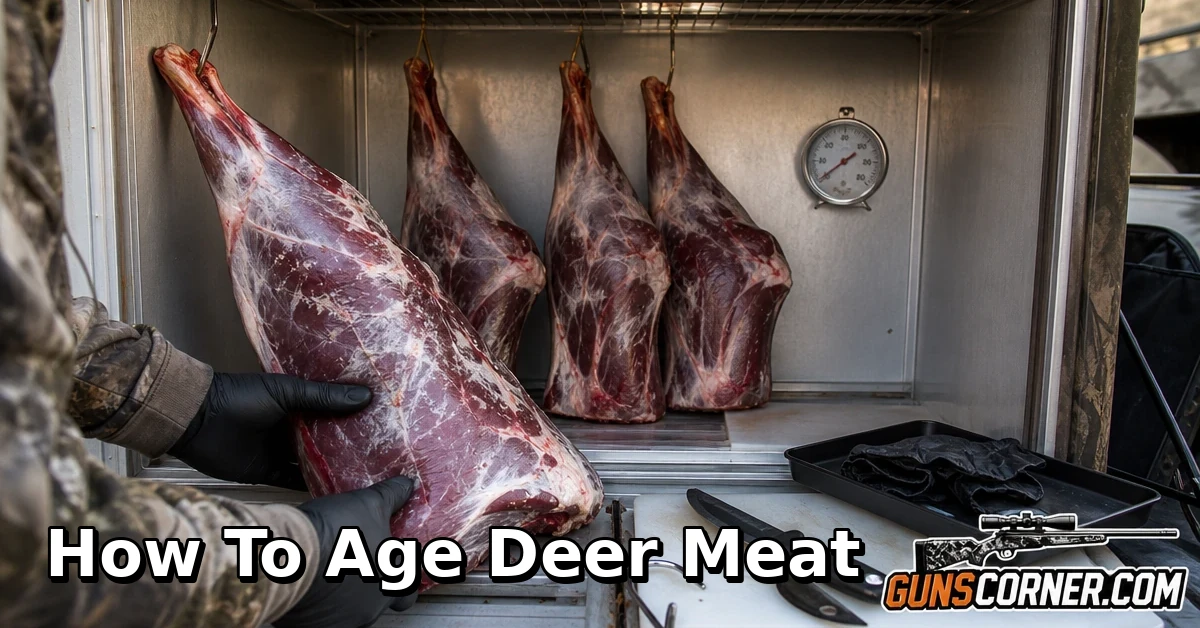

Aging deer meat can improve tenderness and flavor, but only when temperature, cleanliness, time, and meat handling are carefully controlled. This guide explains how to age deer meat safely after a legal harvest, how to prepare the carcass, when to stop aging, and how to recognize conditions that make aging unsafe.
To age deer meat safely, cool the carcass promptly and keep it clean in a controlled environment generally between 34°F and 40°F, without allowing it to freeze. Hang the meat for a suitable period based on temperature, cleanliness, animal condition, and available refrigeration—often a few days for beginners rather than an unnecessarily long period. Process the venison when it remains fresh-smelling, firm, and properly chilled, and always follow local game-handling and food-safety requirements.
Important Legal and Safety Notice Before You Hunt
Before hunting deer, verify current rules with your official wildlife agency. Regulations may cover hunting licenses, tags, season dates, legal hours, weapon restrictions, bag limits, carcass transport, tagging, harvest reporting, and public or private land access.
- Complete a hunter education course, especially if you are new to deer hunting.
- Handle firearms and bows safely, and identify the target and what lies beyond it.
- Wear required hunter orange or other visibility clothing where applicable.
- Use permission on private land and confirm boundaries on public land.
- Plan transportation, clean tools, gloves, refrigeration, and meat-processing space before the hunt.
- Never age meat if you cannot maintain a reliably cold, clean environment.
What Does Aging Deer Meat Mean?
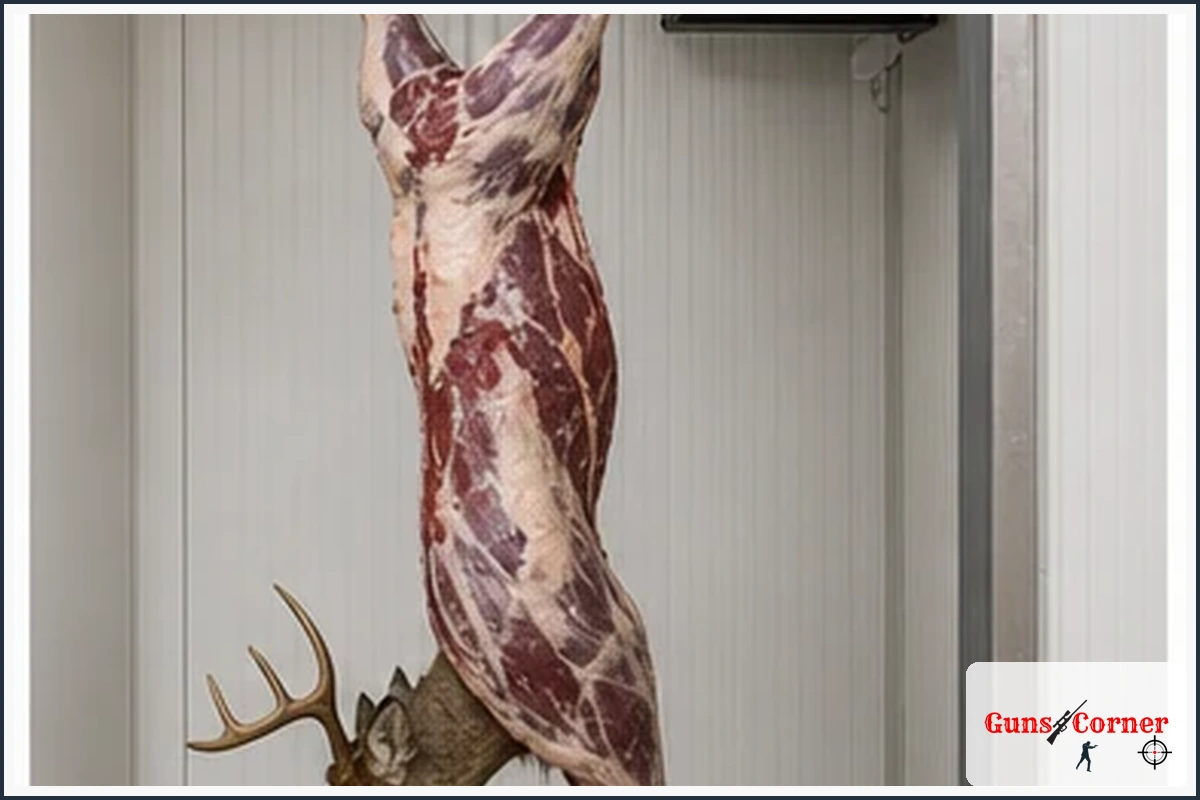
Aging means holding properly cooled venison under controlled conditions for a limited time before final butchering or cooking. During this period, natural enzymes can help soften muscle fibers and improve texture.
Aging is not the same as letting meat sit warm, soaking it in water, or allowing it to develop a strong odor. Good flavor begins with a clean, well-cooled carcass. Poor field dressing, delayed cooling, dirt, hair, stomach contents, or temperature abuse can spoil meat regardless of how long it hangs.
How Long Should You Age Deer Meat?
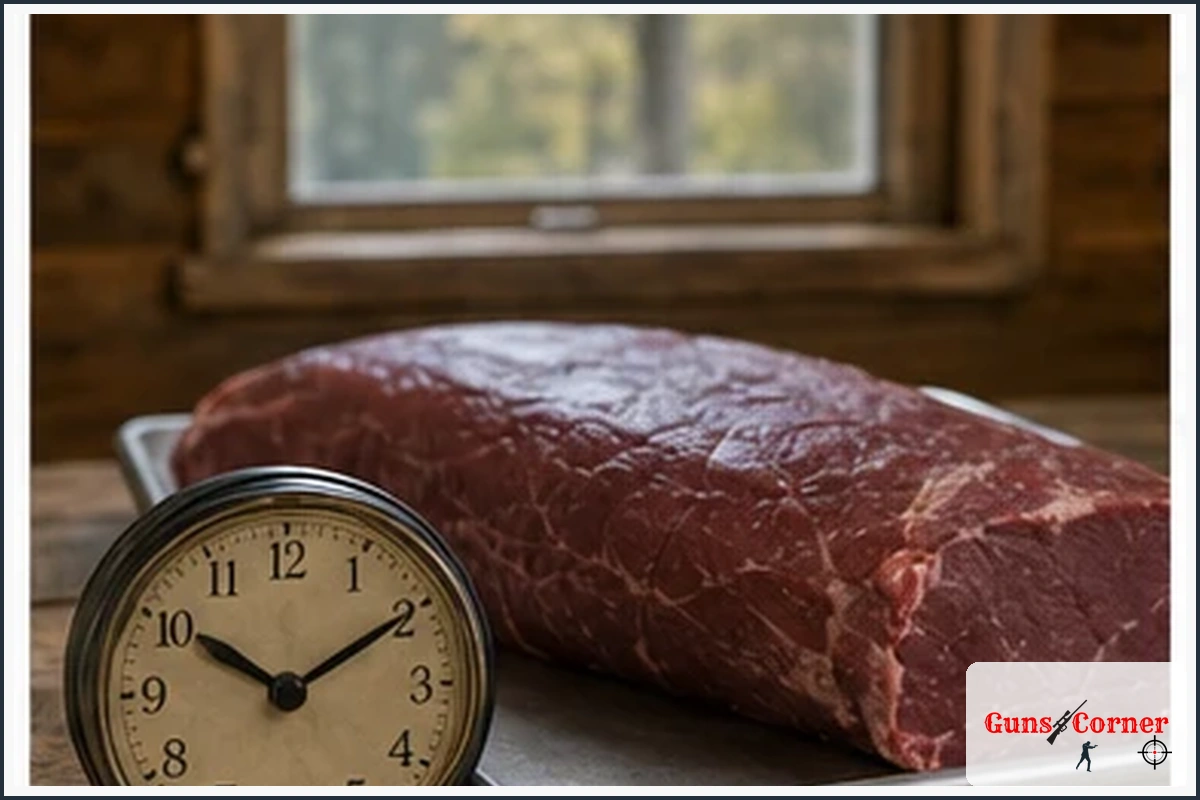
There is no single correct aging time for every deer. A short aging period of several days is a sensible starting point for many beginners when the carcass is clean and consistently chilled. Longer aging requires tighter temperature control, more monitoring, and better sanitation.
| Condition | Practical approach |
|---|---|
| Clean carcass and stable refrigerator temperatures | A few days may provide useful tenderizing without unnecessary risk. |
| Temperature near freezing | Follow the temperature carefully; aging slows, and partial freezing may occur. |
| Temperature above the safe chilled range | Do not continue aging. Move the meat to reliable refrigeration or seek professional guidance. |
| Contamination, questionable odor, slime, or discoloration | Do not taste-test or process questionable meat. Contact a food-safety professional or discard it safely. |
Preparing for a Successful Deer Hunt and Meat Aging
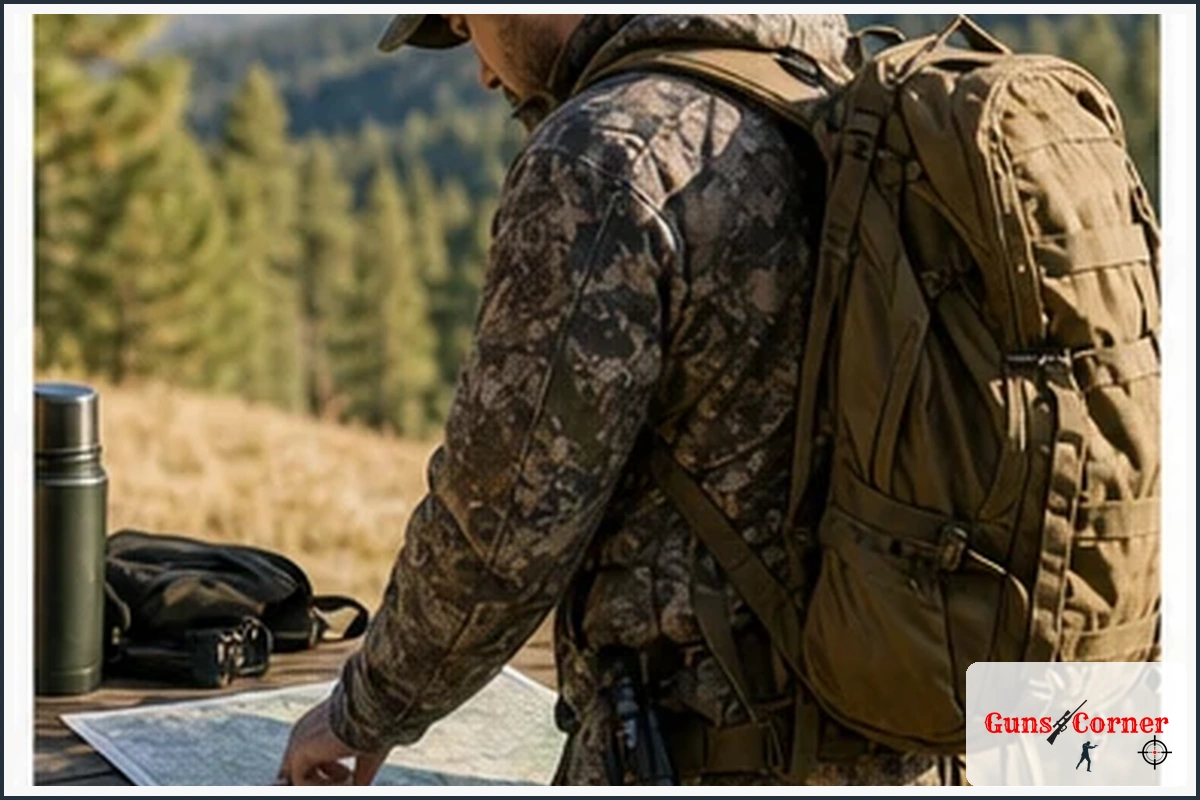
Safe aging starts before the shot. Choose a legal hunting area, understand access rules, and prepare a recovery and cooling plan before entering the field.
Learn the Deer’s Habitat and Movement
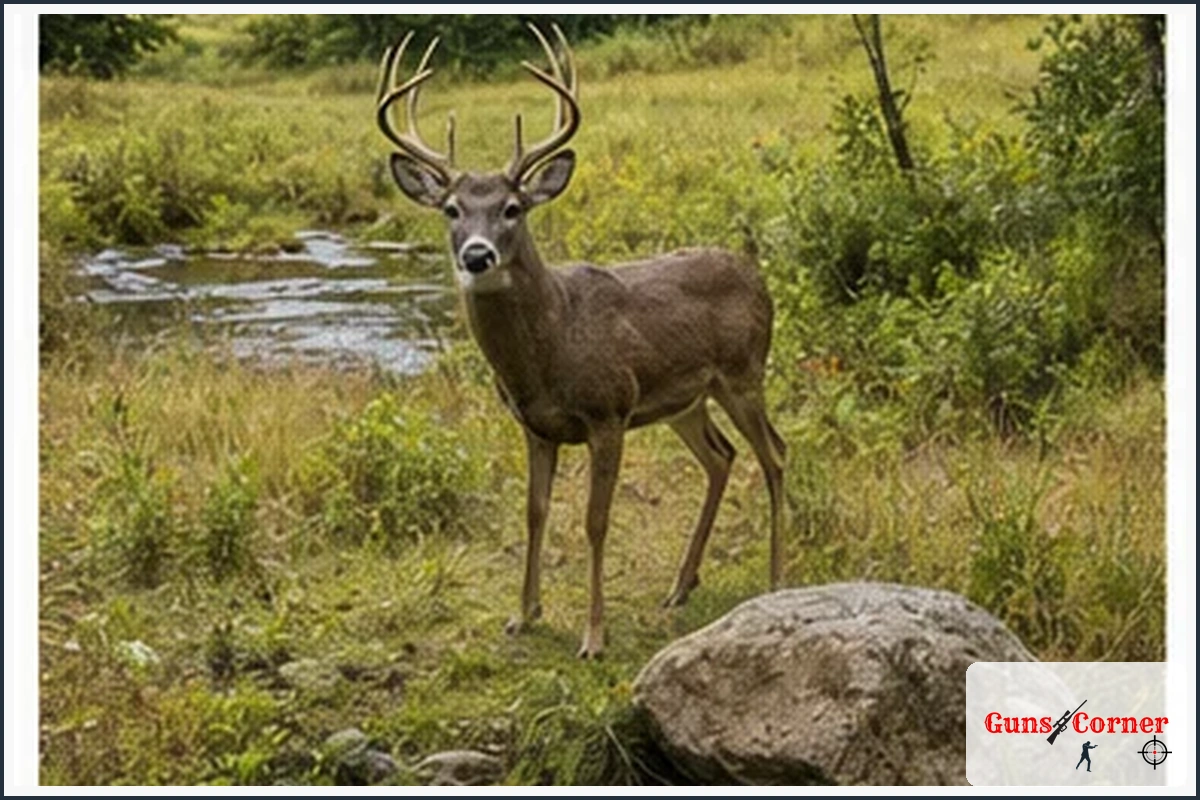
Scout for food sources, water, bedding cover, travel corridors, tracks, droppings, rubs, and other signs. Wind direction, weather, hunting pressure, and terrain can influence where deer move and how quietly you can reach a hunting setup.
Prepare Legal and Safe Gear
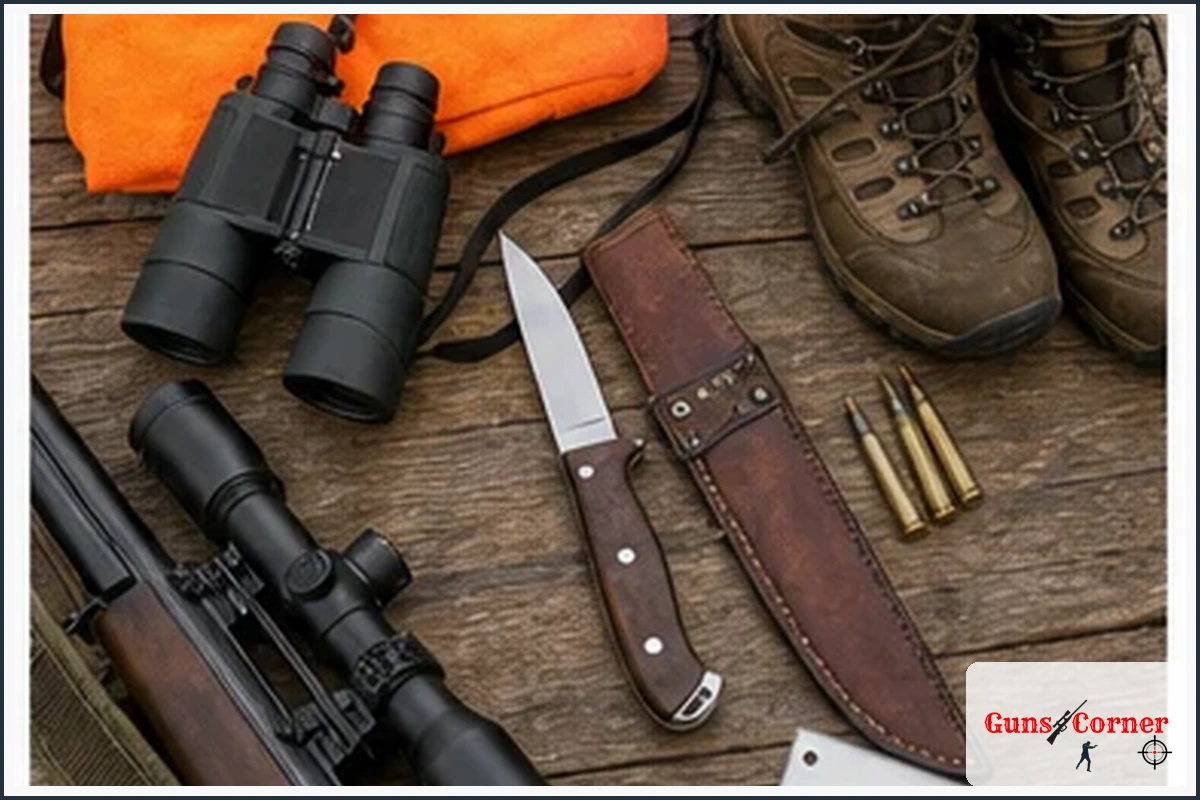
- Valid license, deer tag, and required permits
- Legal firearm or bow suited to your practiced ability
- Required visibility clothing
- Sharp field-dressing knife and backup cutting tool
- Disposable gloves and clean game bags
- Rope, pack frame, cart, or other legal recovery equipment
- Cooler, ice, or access to a dependable refrigerated space
- Map, compass or GPS, first aid kit, water, and communication device
How to Age Deer Meat Step by Step
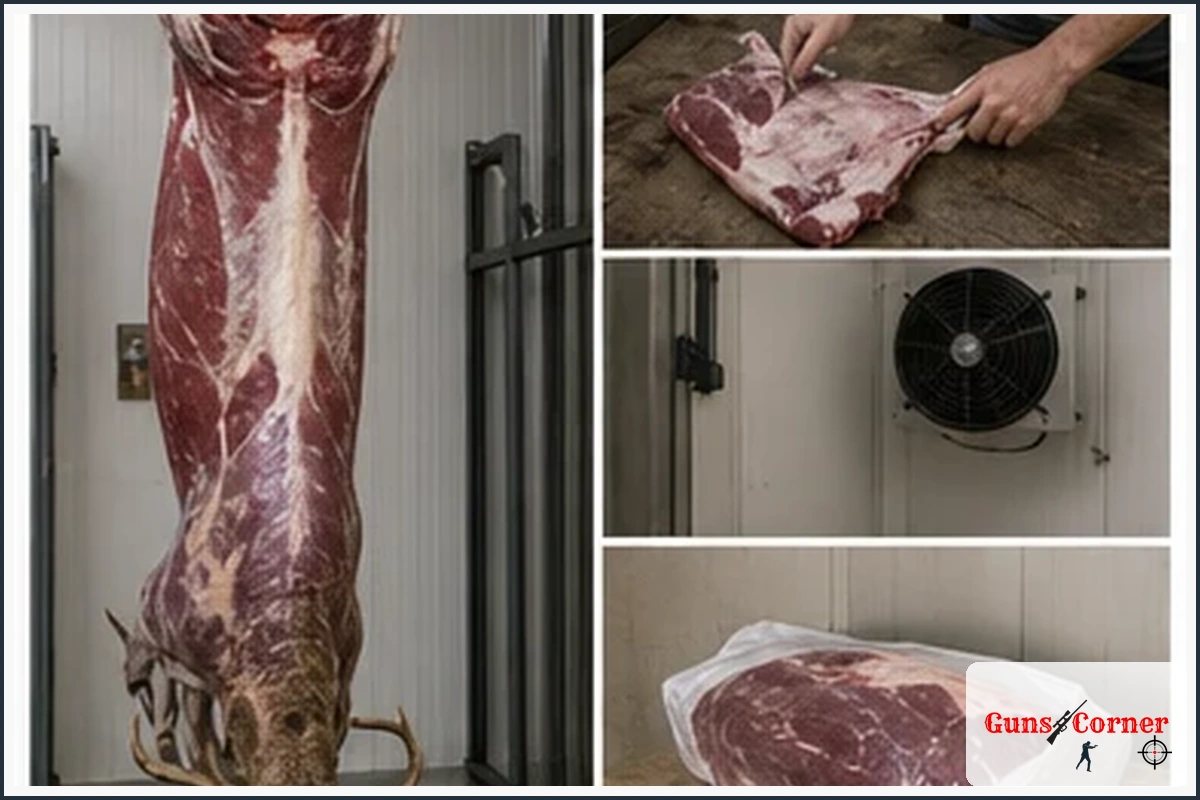
Step 1: Take Only a Safe, Legal, Ethical Shot
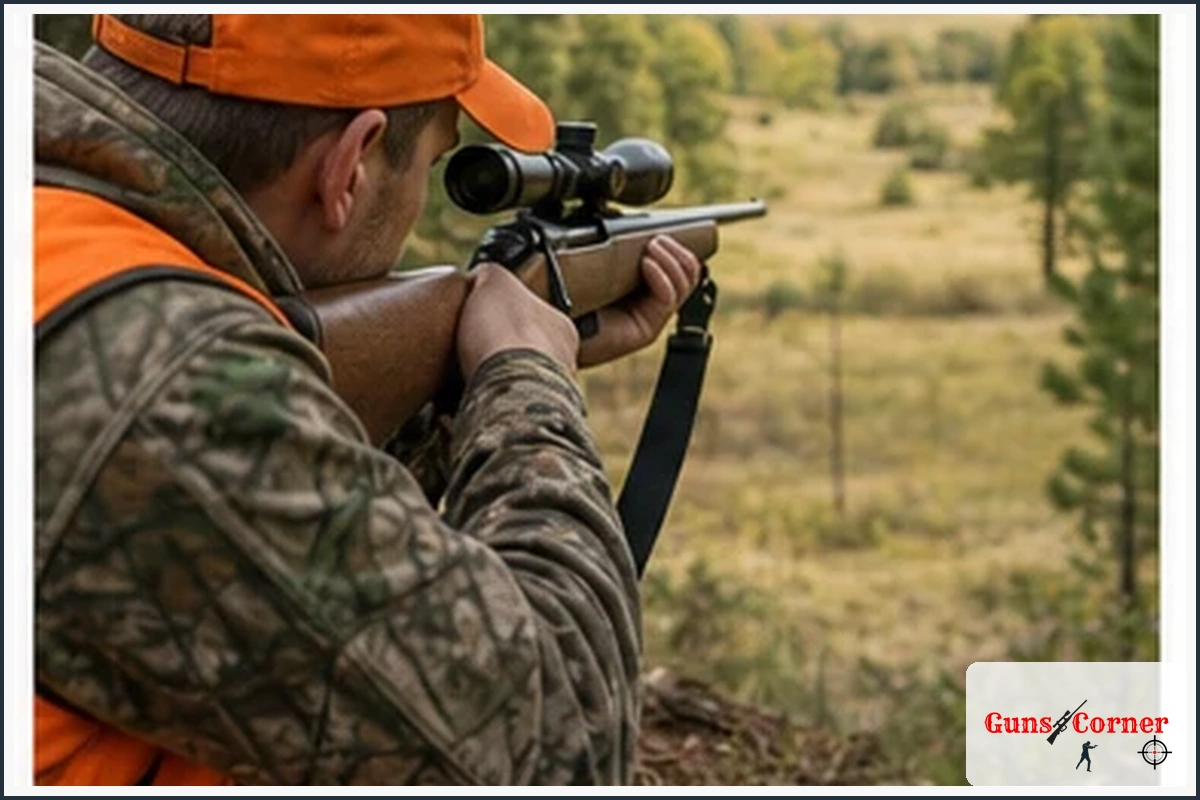
Identify the deer clearly, confirm that it is legal to harvest, and make sure the background is safe. Do not shoot toward roads, homes, livestock, vehicles, trails, people, or uncertain movement. Use only a shot within your practiced ability.
Step 2: Recover the Deer Promptly
Follow local requirements for tagging and reporting. Approach carefully, confirm the animal has expired, and begin recovery without unnecessary delay. If you are uncertain about the recovery process, seek help from an experienced mentor or qualified guide.
Step 3: Field Dress Carefully
Use clean gloves and a sharp knife. Avoid cutting the digestive tract, bladder, or other areas that could contaminate the meat. Keep hair, dirt, leaves, and external debris away from exposed muscle. If contamination occurs, trim it away with a clean knife rather than spreading it with water or dirty cloth.
Step 4: Cool the Carcass as Quickly as Possible
Heat is the main enemy of venison quality. Open the body cavity as appropriate, remove unnecessary insulating material, and place the deer in a clean, shaded, well-ventilated location while arranging transport. Do not leave the carcass in a warm vehicle, direct sun, or an enclosed space without cooling.
Step 5: Choose a Controlled Aging Location
The best option is a clean refrigerator or professional cooler that can maintain a stable chilled temperature. The meat should remain cold but not repeatedly warm and cool. Keep it away from household foods, pets, chemicals, and surfaces that could cause contamination.
Step 6: Hang or Position the Meat Properly
If the carcass is hung, use a clean, strong support and protect the meat from insects, dust, rain, and contact with dirty surfaces. If the deer has been quartered, place the quarters on clean racks or food-safe surfaces so air can circulate around them.
Step 7: Monitor Temperature and Condition Daily
Use a reliable thermometer rather than guessing from outdoor weather. Check that the meat remains cold, firm, and clean. A normal fresh-meat smell is different from a sour, rotten, or strongly unpleasant odor. When in doubt, do not taste the meat to test it.
Step 8: Stop Aging at the Appropriate Time
For beginners, shorter controlled aging is usually safer than pursuing an extended hang. Stop when the meat has had enough time to chill and rest, when temperatures become unreliable, or whenever its condition raises doubt.
Step 9: Trim and Process the Venison
Using clean equipment, remove dried outer tissue, hair, visible contamination, and unwanted connective tissue. Separate steaks, roasts, stew meat, and grinding trim according to your needs. Keep finished cuts cold while working.
Step 10: Package, Label, and Freeze or Refrigerate
Package venison to limit air exposure, label it with the cut and date, and refrigerate or freeze it promptly. Follow local food-handling guidance for storage times and thaw frozen meat safely in a refrigerator rather than at room temperature.
Best Conditions for Aging Deer Meat
- Temperature: Keep the meat consistently chilled and above freezing; a controlled range around 34°F to 40°F is commonly used for refrigerated aging.
- Cleanliness: Keep knives, hooks, racks, gloves, and work surfaces clean.
- Airflow: Allow air to circulate without exposing meat to dust, insects, or weather.
- Protection: Keep the carcass covered with clean game bags or stored in a protected cooler.
- Monitoring: Check temperature and appearance regularly.
When Not to Age Deer Meat
Do not attempt extended aging if you lack a dependable cold-storage space, if the carcass stayed warm for an unknown period, or if field contamination was severe. Aging is also a poor choice when the meat shows a questionable odor, slippery surface, unusual discoloration, insect exposure, or other signs of spoilage.
Common Mistakes to Avoid
- Waiting too long to cool the deer
- Assuming cold outdoor air will remain stable all day and night
- Hanging meat in direct sunlight, a vehicle, or an unclean shed
- Using dirty knives, racks, towels, or containers
- Soaking venison in water and spreading contamination across the meat
- Aging for a long period simply because someone else recommends it
- Ignoring unpleasant odors, slime, or uncertain temperature history
- Failing to plan transportation and refrigeration before hunting
- Leaving hair, dirt, digestive contents, or damaged tissue on exposed meat
- Forgetting tags, harvest reporting, or carcass transport requirements
Troubleshooting Common Problems
| Problem | Possible Cause | What to Do |
|---|---|---|
| The meat is not cooling | Large intact quarters, poor airflow, warm weather, or inadequate refrigeration | Improve airflow, separate large pieces when legally and safely appropriate, and move the meat to dependable cold storage. |
| The meat smells sour or unpleasant | Spoilage, contamination, or excessive temperature | Do not taste it. Seek professional food-safety advice or discard it safely. |
| The outside is drying out | Extended exposure to moving air or uncovered storage | Use clean protection and process the meat sooner; trim dry outer tissue if the interior remains safe. |
| The meat partially freezes | Storage temperature is too low | Adjust the refrigerator or cooler and avoid repeated thawing and refreezing. |
| There is hair or dirt on the meat | Careless skinning or uncovered storage | Remove contamination with a clean knife and improve protection; do not spread debris with dirty water. |
| You are unsure whether the deer was legal | Unclear tag, season, weapon, or land-access rules | Contact the official wildlife agency before transporting, processing, or keeping the harvest. |
Ethical Hunting and Conservation
Responsible deer hunting includes more than harvesting an animal. Obey seasons, tags, bag limits, weapon rules, and land-access requirements. Pass on shots that are unsafe or outside your practiced range, and make every reasonable effort to recover and use the harvest.
License and permit revenue often supports wildlife management, habitat work, research, and hunter education. Respect landowners, other hunters, hikers, and rural residents. Remove waste from processing areas and leave public land cleaner than you found it.
When to Get More Training or Professional Guidance
Ask for help if you have never field dressed a deer, do not understand local regulations, lack safe refrigeration, or are uncertain about meat condition. Hunter education instructors, experienced ethical mentors, professional processors, conservation organizations, and official wildlife agencies can provide valuable guidance.
After the Hunt: Gear Care and Learning
- Wash and sanitize knives, racks, coolers, and work surfaces.
- Dry and inspect hunting clothing, game bags, ropes, and recovery equipment.
- Record temperature, aging time, weather, and processing results.
- Complete required harvest reporting and preserve documentation.
- Review what worked and what should change before the next hunt.
- Store packaged venison with clear labels and dates.
Recommended Hunting and Meat-Handling Gear to Consider
You do not need expensive equipment to age deer meat responsibly. Choose tools based on local regulations, terrain, weather, hunting method, budget, and food-safety needs.
- Legal firearm or bow and appropriate safety equipment
- Sharp field-dressing and processing knives
- Disposable gloves and clean game bags
- Food-safe racks, hooks, or containers
- Reliable thermometer
- Large cooler and clean ice when appropriate
- Freezer paper, vacuum-seal bags, or other suitable packaging
- First aid kit, navigation tools, water, and emergency communication
Final Thoughts
Learning how to age deer meat safely begins with a legal harvest, careful field dressing, rapid cooling, clean handling, and reliable temperature control. A short, monitored aging period is often more practical for beginners than extended hanging. When conditions are uncertain, choose food safety over convenience and ask a qualified professional for advice.
Frequently Asked Questions
How long should you age deer meat?
A few days in consistently controlled refrigeration is a practical starting point for many hunters. The safe period depends on temperature, cleanliness, carcass condition, and professional guidance.
What temperature is best for aging deer meat?
Keep venison consistently chilled, commonly around 34°F to 40°F, while avoiding both warm storage and repeated freezing and thawing.
Can deer meat be aged in a regular refrigerator?
Yes, if the refrigerator is clean, large enough, and able to maintain a stable chilled temperature. Keep venison separated from household foods.
Can you age deer meat in a cooler?
A cooler can work if it maintains a safe, stable temperature and the melting ice does not contact or contaminate the meat. Monitor it with a thermometer.
Can you age deer meat outdoors?
Outdoor aging is risky because temperatures, insects, dust, rain, and animals are difficult to control. Use a clean, protected, refrigerated environment whenever possible.
Should deer meat be aged before or after quartering?
Either approach may be suitable depending on equipment, legal rules, space, and temperature control. Large quarters require careful cooling and airflow.
Does aging remove the gamey taste?
Proper aging may improve texture, but strong flavors usually relate to animal condition, contamination, fat, diet, field dressing, cooling, or storage. Aging cannot rescue spoiled meat.
Should you soak venison in water while aging?
No. Soaking can spread contamination and add unnecessary moisture. Keep the meat clean and chilled instead.
Can you age deer meat after it has been frozen?
Freezing stops the normal aging process. Thaw the meat safely in a refrigerator and process it according to its condition rather than assuming additional aging is necessary.
Can you age venison if it partially froze?
Partial freezing slows or stops aging. Adjust the storage temperature and avoid repeated thawing and refreezing.
What does properly aged venison smell like?
Fresh venison should not have a rotten, sour, or strongly unpleasant odor. If the smell seems wrong, do not taste the meat.
What does spoiled deer meat look like?
Warning signs can include slime, unusual discoloration, strong unpleasant odor, insect contamination, or a questionable temperature history. When uncertain, discard it safely or seek professional advice.
Can you age deer meat if the carcass stayed warm?
Do not intentionally age a carcass that remained warm for an unknown period. Food safety depends on time and temperature, not appearance alone.
How quickly should a deer be cooled?
Cool the carcass as soon as reasonably possible after recovery and field dressing. Avoid direct sun, warm vehicles, and enclosed spaces without refrigeration.
Should you wash deer meat with water?
Avoid routinely washing meat because water can spread contamination. Trim contaminated areas with clean equipment and keep the meat dry and cold.
Can you age deer meat in a garage?
Only if the garage functions as a clean, protected, temperature-controlled space. An ordinary garage can become too warm or expose meat to dust and insects.
Do you need to skin the deer before aging?
That depends on the cooling method, legal requirements, available equipment, and local practice. The priority is rapid cooling and protection from contamination.
Is hanging the whole deer better than quartering it?
Not always. Hanging can protect the meat, but quartering may improve cooling when space or refrigeration is limited. Follow local transport and tagging rules.
Can you age deer meat in a walk-in cooler?
Yes, when the cooler is clean, temperature-controlled, and suitable for food storage. Prevent contact with dirty floors, walls, or other carcasses.
What tools are needed to age deer meat?
You need clean supports or food-safe containers, a thermometer, gloves, protective game bags, reliable refrigeration, and clean processing equipment.
Should venison be covered while aging?
Yes. Use clean protection that keeps insects, dust, and debris away while allowing suitable air circulation.
Can you age deer meat too long?
Yes. Longer aging increases the need for precise temperature and sanitation control and can increase spoilage risk if conditions are poor.
Does aging make tough venison tender?
It can improve texture, but it cannot correct poor shot placement, excessive connective tissue, contamination, or improper cooking.
Should you age the tenderloin?
Tender cuts often need little or no extended aging. Keep them clean and chilled, then package or cook them appropriately.
How should you package aged deer meat?
Remove questionable or dried outer tissue, portion the meat, use clean packaging, limit air exposure, and label each package with the cut and date.
How long can aged venison stay refrigerated?
Storage time depends on temperature, packaging, freshness, and food-safety guidance. When in doubt, process or freeze it promptly rather than extending storage.
Can you age deer meat in a basement?
Only if the basement is clean, protected, and reliably temperature-controlled. Many basements are too warm or humid for safe meat aging.
What should you do if flies reach the meat?
Protect the carcass immediately and inspect it carefully. If insect contamination is extensive or the meat condition is uncertain, seek professional food-safety advice.
Can deer meat be aged in a vacuum-sealed bag?
Vacuum packaging is generally used after processing for storage rather than for aging an entire carcass. Follow safe packaging and refrigeration practices.
Should you age deer meat with the hide on?
The hide may protect the meat from dirt, but it can also slow cooling. Choose the method that allows the carcass to cool quickly while meeting local requirements.
How does weather affect deer meat aging?
Warm weather increases spoilage risk, while near-freezing temperatures slow aging. Weather should never replace a reliable thermometer and controlled storage.
What if the deer was recovered several hours after the shot?
Temperature history and carcass condition matter. Do not assume the meat is safe based only on appearance; consult a qualified processor or food-safety professional when uncertain.
Do local laws affect aging and transport?
Yes. Some jurisdictions regulate tagging, proof of sex, carcass transport, quartering, processing, and harvest reporting. Check your official wildlife agency before moving or processing the deer.
Can you age deer meat during hunting season?
Yes, if you have legal possession, adequate refrigeration, and a clean controlled environment. Do not let an aging project interfere with tagging or reporting deadlines.
What is the safest choice for a beginner?
Use a professional processor or a clean refrigerator with a short, closely monitored aging period. Avoid extended aging until you understand temperature and sanitation control.
Should you hunt alone if you plan to process a deer?
Beginners benefit from hunting with an experienced mentor, especially for recovery, field dressing, navigation, and safe transport planning.
How does ethical hunting relate to meat aging?
Ethical hunting includes making a responsible recovery, cooling the carcass promptly, preventing waste, and using the harvest carefully.
What should you do after processing the deer?
Clean and sanitize equipment, package and label the meat, complete required reporting, store the venison safely, and record lessons for future hunts.
Read more: