
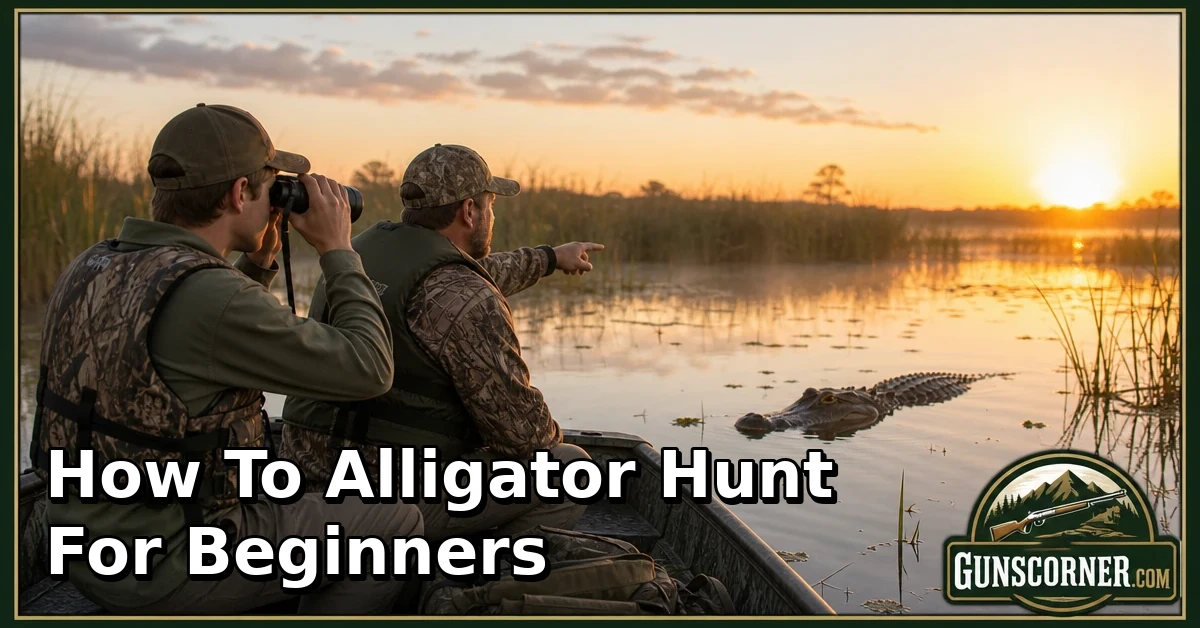
Learning how to alligator hunt for beginners requires more than finding an animal and choosing a weapon. Alligator hunting is highly regulated, physically demanding, and often conducted around water, boats, firearms, archery equipment, or specialized capture tools. This guide explains how to prepare, scout, choose legal access, stay safe, make ethical decisions, and handle the responsibilities that follow a successful hunt.
To learn how to alligator hunt for beginners, first complete any required hunter education, obtain the correct license, permit, and tag, and review current state or provincial regulations. Scout legal waterways during daylight, identify alligator activity, plan a safe approach, and hunt only with an approved method and an experienced mentor or licensed guide when possible. Never approach an alligator carelessly, shoot without a safe background, or attempt a risky capture. Success depends on preparation, patience, water safety, and strict compliance with local rules.
Important Legal and Safety Notice Before You Hunt
Alligator regulations vary substantially by location, season, land type, permit system, legal hunting hours, harvest method, and tagging requirements. Before hunting, check the official wildlife agency for current rules rather than relying on older articles, videos, or advice from another state.
- Confirm the required hunting license, alligator permit, tags, and hunter education requirements.
- Verify season dates, legal hunting hours, bag limits, size restrictions, and harvest reporting rules.
- Confirm which firearms, bows, hooks, lines, capture equipment, ammunition, and dispatch methods are legal.
- Obtain written permission for private property and verify boundaries before entering.
- For public water, confirm access, boating rules, navigation restrictions, and land boundaries.
- Follow required visibility clothing or other safety equipment rules.
- Wear a properly fitted personal flotation device when boating or working near deep or moving water.
- Never shoot toward people, homes, roads, boats, livestock, or an uncertain background.
- Use a full-body safety harness in any elevated hunting position and keep firearms unloaded until ready under lawful conditions.
- Carry navigation, communication, first aid, drinking water, and weather-appropriate equipment.
Understanding Alligator Behavior and Habitat
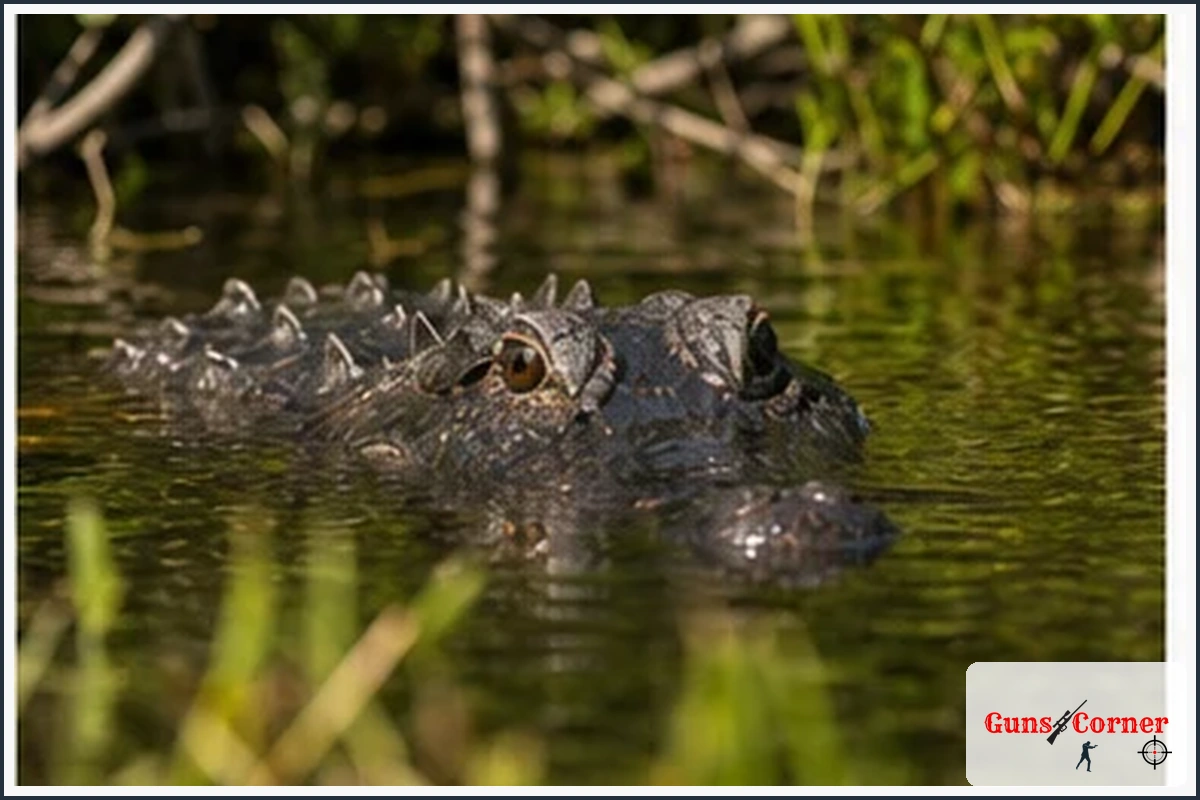
Alligators are ambush predators that use water bodies, marshes, swamps, canals, ponds, rivers, and wetlands. They often remain difficult to see because only the eyes and upper head may be exposed. Their activity can change with temperature, season, water level, food availability, human pressure, and time of day.
Useful signs may include slides into the water, tracks in soft mud, worn routes along banks, floating eyes after dark, basking locations, disturbed vegetation, and other fresh activity. Sign alone does not prove that an alligator is legal to harvest or that a location is safe to hunt.
Do not assume every visible alligator is a hunting opportunity. Some areas contain protected animals, restricted zones, nuisance animals managed under separate rules, or locations where hunting is prohibited.
What You Need Before You Start
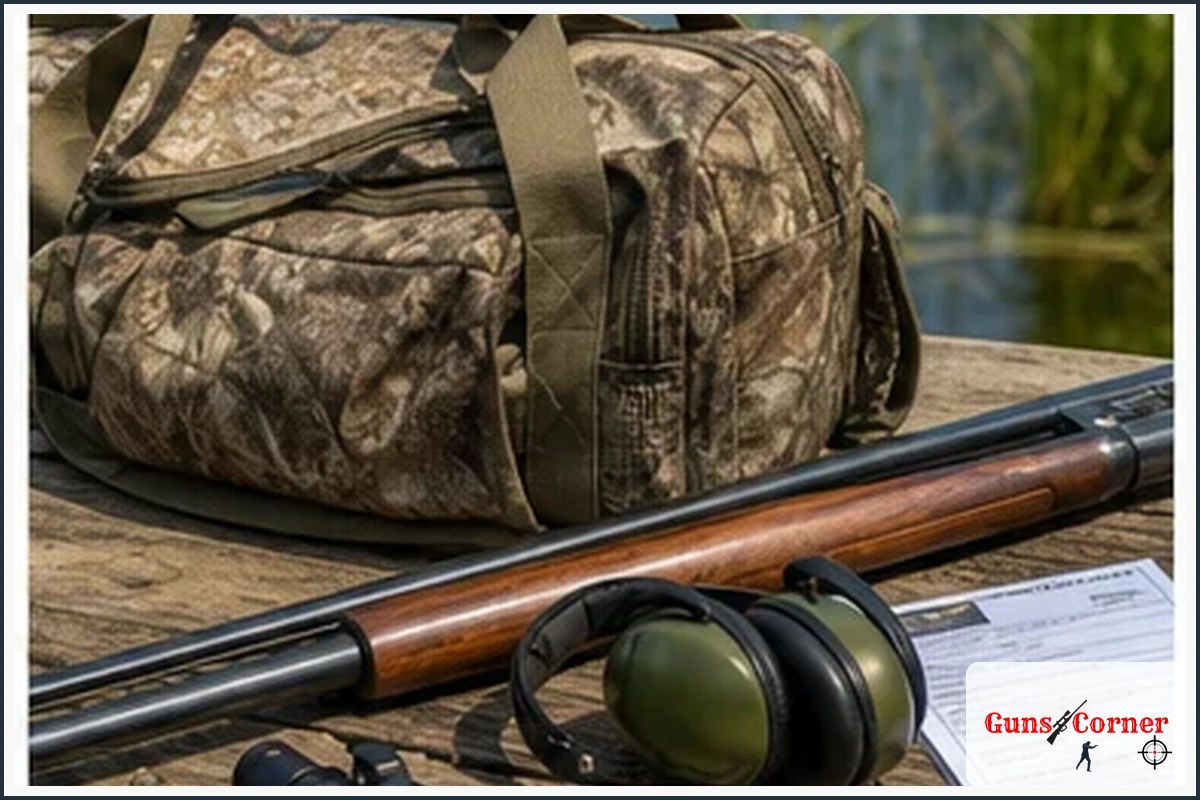
- Current hunting license, alligator permit, tag, and regulation information
- Legal weapon or capture method approved for your hunting area
- Eye and hearing protection when applicable
- Personal flotation device for every person aboard a boat
- Reliable boat, paddle, motor, anchor, and navigation equipment when water access is used
- Headlamp or flashlight for lawful low-light travel, with spare batteries
- First aid kit, drinking water, food, sunscreen, insect protection, and emergency communication
- Sturdy gloves and clothing suitable for wet vegetation, mud, heat, and insects
- Approved ropes, lines, hooks, poles, or other equipment only when legal and properly used
- Cooler, ice, clean containers, and meat-care supplies if required for the harvest
- Phone, map, GPS, compass, and a written emergency plan
How to Alligator Hunt for Beginners: Step-by-Step Guide
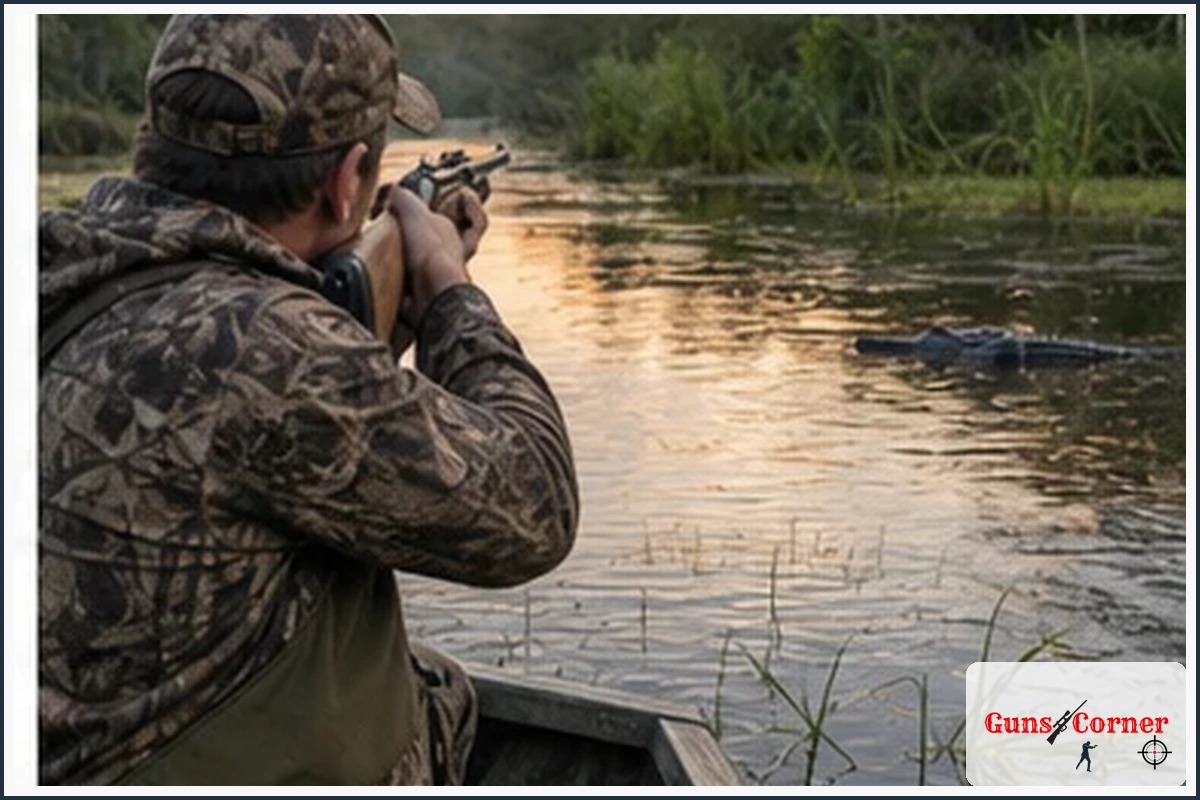
Step 1: Check Local Regulations First
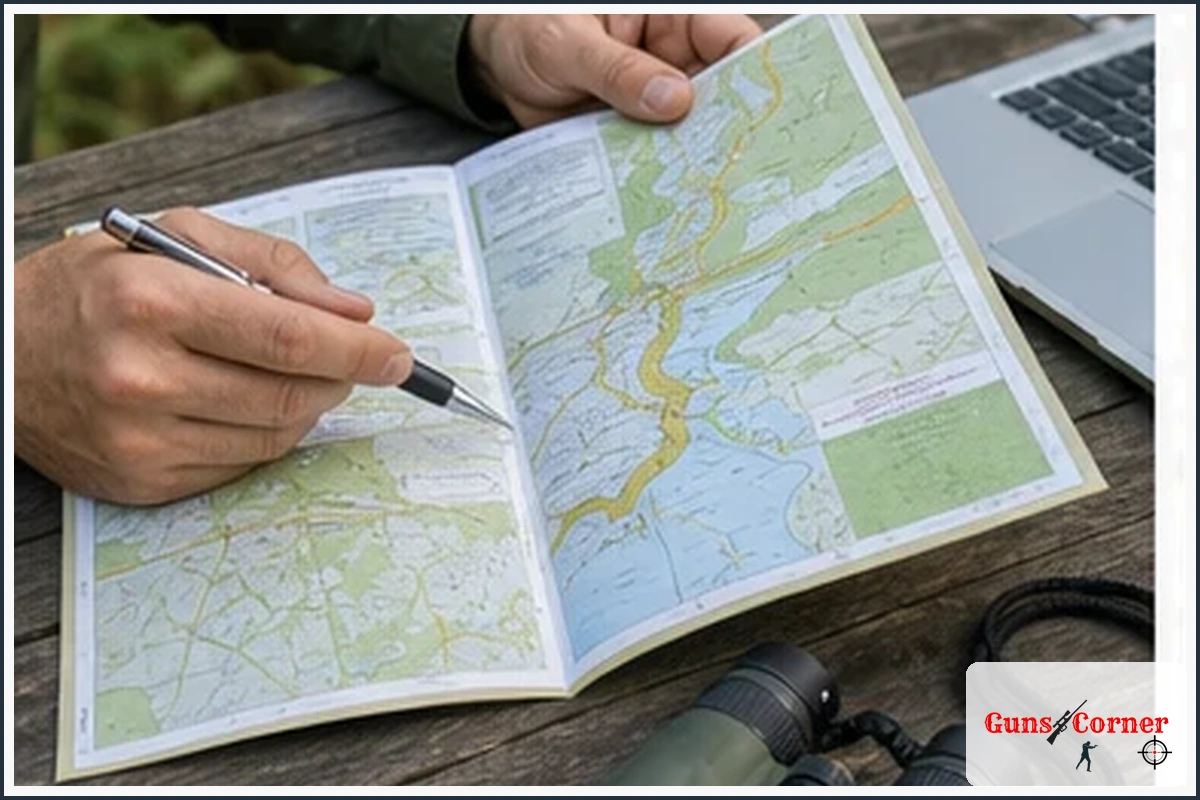
Begin with the official wildlife agency for the exact area where you plan to hunt. Read the current alligator regulations carefully and confirm whether the hunt is conducted through a public lottery, permit, private-land authorization, quota system, or another process.
Pay particular attention to legal hunting hours, approved equipment, tag use, size or length requirements, harvest limits, reporting deadlines, transport rules, and restrictions on dispatch or retrieval methods. If any rule is unclear, contact the wildlife agency before entering the field.
Step 2: Complete Training and Find an Experienced Mentor
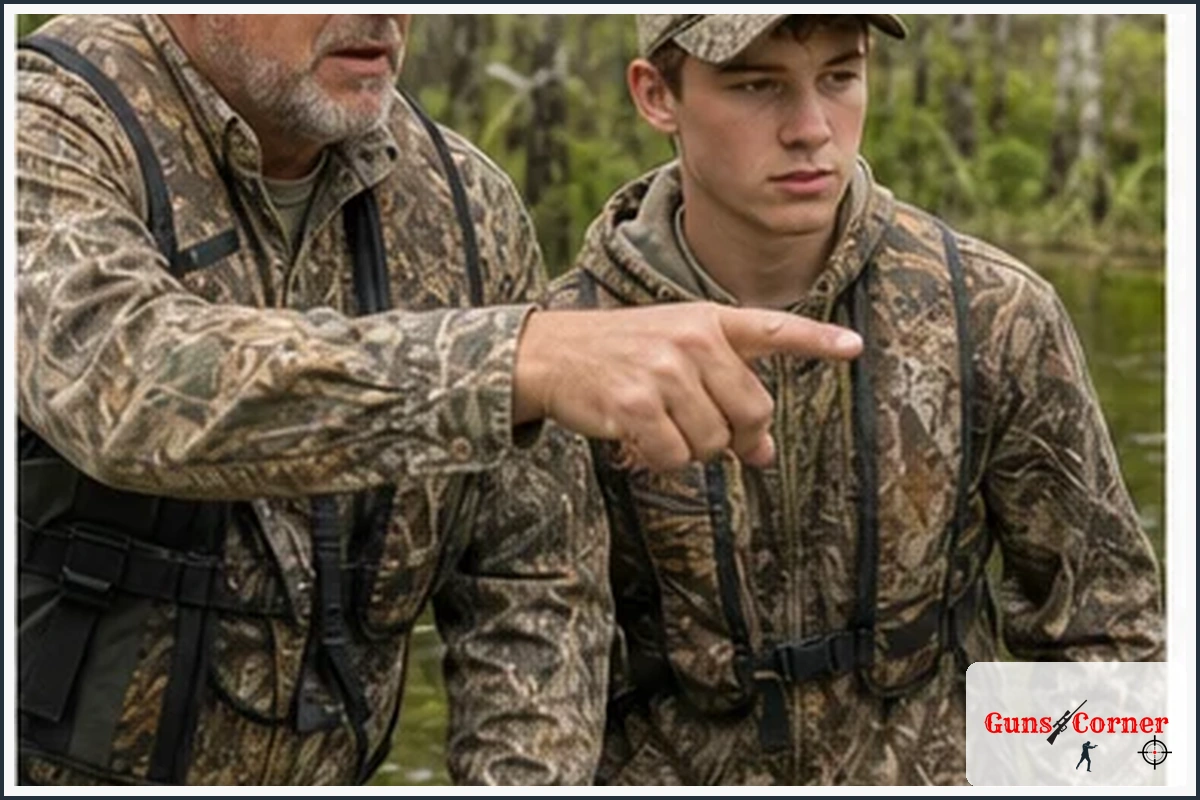
Alligator hunting is not an ideal activity for a completely untrained solo hunter. Complete the required hunter education course and seek instruction from a licensed guide, experienced mentor, or reputable conservation organization.
Training should cover firearm or bow safety, boating, water hazards, animal behavior, legal capture methods, tagging, recovery, and emergency procedures. Practice equipment handling on land before attempting a hunt.
Step 3: Choose Legal and Realistic Access
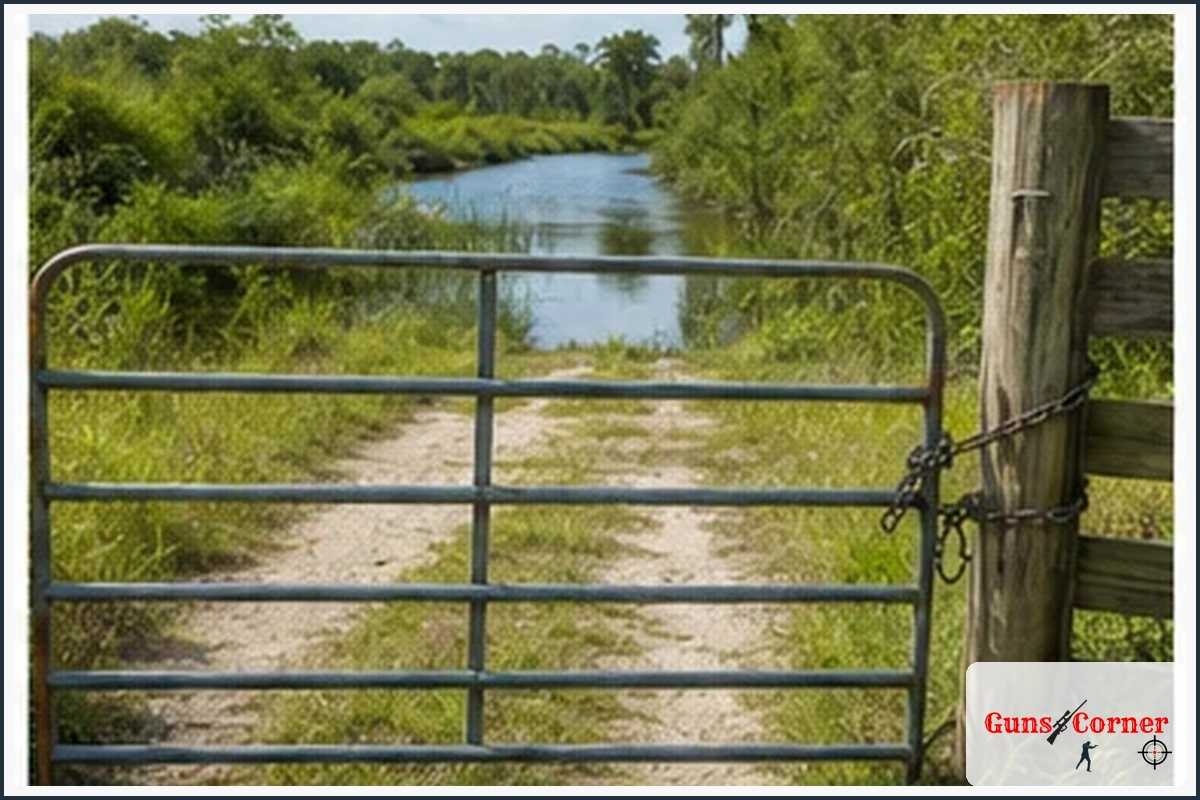
Identify waterways and shorelines where alligator hunting is explicitly allowed. For private ponds or lakes, obtain permission before scouting or hunting. Discuss gates, parking, boats, livestock, buildings, safety expectations, and cleanup with the landowner.
For public land or public water, study official maps and verify boundaries. Do not cross private property, launch from restricted areas, block access points, or assume that navigable water gives permission to hunt adjacent land.
Step 4: Scout During Daylight
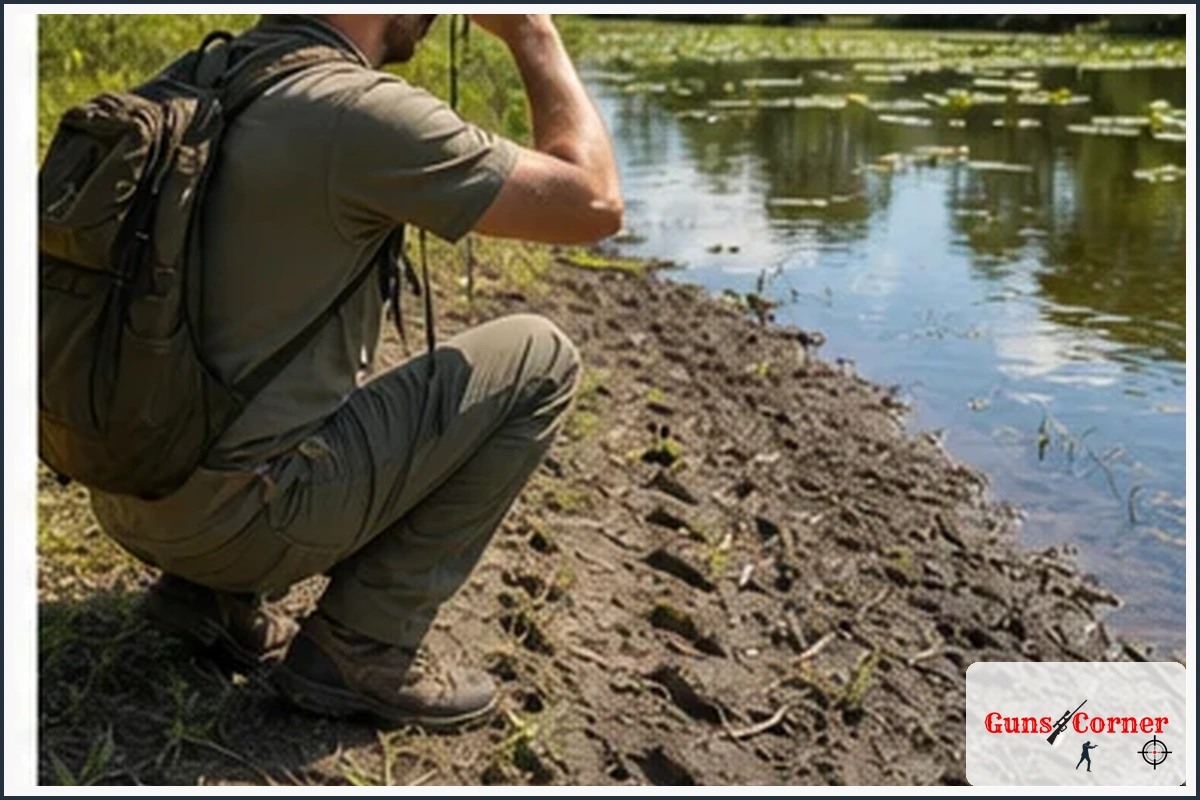
Daylight scouting helps you understand the shoreline, water depth, vegetation, boat routes, mud, hazards, and possible human activity before a hunt. Look for fresh tracks, slides, basking areas, trails, and repeated movement along the bank.
Use binoculars when helpful, but never approach closely just to obtain a better look. Mark safe access points, submerged obstacles, shallow areas, fallen trees, and locations where a boat could become unstable.
Step 5: Plan the Hunt Around Weather, Wind, and Water Conditions
Check the forecast, wind, thunderstorms, heat, water levels, current, visibility, and expected boat traffic. Water conditions can change quickly, and a location that appears manageable during daylight may become dangerous after dark.
Plan an entry route and an exit route. Tell a reliable person where you will be, who is with you, what vehicle or boat you are using, and when to expect your return.
Step 6: Prepare and Inspect Equipment
Inspect the boat, motor, lights, battery, anchor, lines, flotation devices, communication equipment, and legal hunting equipment before leaving home. Keep firearms secured and unloaded until they are needed under lawful hunting conditions.
If using a bow, inspect the string, cables, rest, arrows, and broadheads. Use only equipment that is legal for the hunt and within your practiced ability. Do not improvise capture systems or modify weapons.
Step 7: Set Up Without Creating Unnecessary Risk
Move slowly and quietly, but do not let stealth override safety. Keep your weight centered in the boat, avoid standing in unstable positions, and maintain clear communication with everyone aboard.
Choose a position that provides a safe shooting direction, a secure footing or boat stance, and a clear recovery plan. Never place a partner in front of a muzzle, line, hook, or potential path of movement.
Step 8: Identify the Animal and Confirm the Target
Before acting, positively identify the animal, confirm that it meets legal requirements, and ensure that the background and surrounding area are safe. Low light, glare, vegetation, and reflections can make identification difficult.
Do not shoot at floating eyes, movement, or an unclear silhouette. Make sure no person, boat, structure, road, livestock, or protected animal is beyond the target.
Step 9: Take Only a Legal and Ethical Opportunity
Use only a method allowed by local regulation and only from a stable, controlled position. The opportunity must be within your practiced range and skill level. If the animal is moving unpredictably, the background is unsafe, or the shot is uncertain, wait or pass.
Ethical hunting means avoiding rushed decisions and choosing a method that gives you a responsible chance of recovery. A guide or experienced mentor can help beginners recognize when conditions are unsuitable.
Step 10: Recover the Animal According to Local Rules
Follow the approved recovery procedure for your area. Do not enter the water casually, approach an alligator from the front, or assume that a motionless animal is harmless. Use the required equipment and follow the instructions of a qualified guide or wildlife official.
Keep people away from the animal until it has been safely controlled under the legal method. Do not attempt risky close contact, unnecessary handling, or unsafe photography.
Step 11: Tag, Report, Transport, and Handle the Harvest Responsibly
Attach tags as required and complete harvest reporting within the required time. Follow transport and possession rules, including requirements for moving the animal, hide, meat, or other parts.
Use clean tools, gloves, suitable containers, and adequate cooling. If you are not experienced with processing, arrange help from a qualified processor or follow an approved local service. Responsible hunting includes making reasonable use of the harvest and avoiding waste.
Best Time, Place, and Conditions for an Alligator Hunt
The best conditions depend on local regulations and the legal hunting method. Warm periods may increase visible activity in some locations, while changing weather, water temperature, disturbance, and seasonal behavior can affect sightings.
- Time of day: Follow the legal hunting hours exactly. Low-light hunting requires extra attention to identification, navigation, and boat safety.
- Weather: Avoid severe storms, lightning, unsafe wind, flooding, or conditions that reduce visibility.
- Water: Learn the depth, current, submerged debris, boat traffic, and safe exit points.
- Habitat: Focus scouting on legal shorelines, marsh edges, ponds, canals, and other areas showing fresh activity.
- Pressure: Alligators may alter their behavior after repeated disturbance, so quiet observation and careful access matter.
Helpful Tips for Better Results
- Scout in daylight before attempting any legal low-light hunt.
- Use a map and mark access points, hazards, property boundaries, and emergency exits.
- Keep the boat balanced and avoid unnecessary movement.
- Carry spare batteries, a backup communication method, and extra drinking water.
- Practice safe firearm or bow handling before the season.
- Use binoculars to observe from a safer distance.
- Never let excitement override target identification or background safety.
- Keep all permits, tags, identification, and regulations accessible in waterproof storage.
- Hunt with a mentor or licensed guide when you lack experience.
- Plan cooling, reporting, transport, and processing before the hunt begins.
Common Mistakes to Avoid
- Assuming rules from another state or previous season still apply
- Hunting without the correct permit, tag, or landowner permission
- Approaching an alligator too closely for a photograph or better view
- Using an unapproved weapon, hook, line, or capture method
- Standing unsafely in a small boat or ignoring flotation equipment
- Failing to identify what lies beyond the target
- Launching or entering water during unsafe weather
- Ignoring private property boundaries or restricted waterways
- Attempting to handle or recover an animal without proper training
- Forgetting tags, harvest reporting, transport, or cooling requirements
- Relying on expensive gear instead of preparation and practice
- Taking a rushed opportunity outside your effective range
Troubleshooting Common Problems
| Problem | Possible Cause | What to Do |
|---|---|---|
| You are not seeing alligators | Poor scouting, unsuitable conditions, heavy disturbance, or low visibility | Review legal access, scout more thoroughly, adjust timing within legal hours, and avoid assuming that one empty location represents the entire area. |
| The animal disappears before a safe opportunity | Noisy approach, poor route, wind, boat movement, or excessive pressure | Improve the approach route, reduce unnecessary movement, and prioritize patience over a rushed action. |
| You are unsure whether the area is legal | Unclear boundary, outdated map, or conflicting local information | Stop and verify with the official wildlife agency, landowner, or managing authority before hunting. |
| Weather becomes unsafe | Storms, lightning, strong wind, heat, flooding, or poor visibility | End the hunt early, return by the planned route, and do not allow a permit or desired opportunity to override personal safety. |
| Equipment fails | Weak batteries, poor inspection, water exposure, or inadequate preparation | Carry backups where practical, stop using damaged equipment, and never improvise an unsafe repair in the field. |
| You are uncertain about a shot or recovery | Limited experience, poor angle, unstable position, or unsafe background | Pass on the opportunity and ask an experienced guide or mentor for training before continuing. |
Ethical Hunting and Conservation
Responsible alligator hunting supports wildlife management when it follows science-based regulations and ethical standards. Obey seasons, permits, size limits, bag limits, reporting requirements, and access rules. These controls help maintain healthy populations and reduce conflicts between people and wildlife.
- Respect the animal by avoiding unnecessary risk and waste.
- Pass on any opportunity that is unsafe, illegal, or uncertain.
- Respect landowners, boaters, anglers, other hunters, and wildlife officers.
- Keep waterways and shorelines clean.
- Use the harvest responsibly and follow local processing requirements.
- Support conservation through legal license purchases and responsible participation.
When to Get More Training or Professional Guidance
Seek additional help before hunting if you have never handled a firearm or bow, have not completed hunter education, are unfamiliar with boating, or do not understand local alligator regulations.
Professional guidance is especially valuable when hunting at night, using a boat, working around large animals, or learning specialized capture equipment. Consider an official hunter education course, certified instructor, licensed guide, experienced ethical mentor, or local conservation organization.
After the Hunt: Follow-Up, Gear Care, and Learning
- Complete all required tag and harvest reports promptly.
- Clean and dry boats, lines, tools, boots, and safety equipment.
- Inspect firearms or bows according to manufacturer guidance.
- Record weather, water conditions, animal activity, and access details.
- Arrange legal cooling, transport, processing, and storage of the harvest.
- Review what worked and what created unnecessary risk.
- Replace damaged or missing emergency supplies before the next trip.
Recommended Hunting Gear and Tools to Consider
You do not need expensive equipment to hunt responsibly. Choose gear based on local laws, water conditions, hunting method, terrain, weather, safety needs, experience, and budget.
- Legal firearm, bow, or approved capture equipment
- Personal flotation device for every person on a boat
- Reliable boat, paddle or motor, anchor, and navigation lights when applicable
- Binoculars or other suitable optics
- Map, compass, GPS, and waterproof regulation documents
- Headlamp, spare batteries, first aid kit, and emergency communication
- Gloves, insect protection, sunscreen, water, and weather-appropriate clothing
- Cooler, ice, clean containers, and meat-care supplies
Frequently Asked Questions
Is alligator hunting legal everywhere?
No. Alligator hunting is restricted or prohibited in many places. Check the official wildlife agency for current seasons, permits, access rules, and approved methods.
Do beginners need a special alligator permit?
Often, a special permit, tag, lottery authorization, or land-specific approval may be required. Requirements vary, so verify them before hunting.
Is hunter education required?
It may be required depending on your location, age, license history, and hunting method. Even when not mandatory, hunter education is strongly recommended.
Can a beginner hunt alligators alone?
Solo hunting is not recommended for an inexperienced hunter, especially around water or during low-light conditions. Hunt with a qualified mentor or licensed guide whenever possible.
What is the safest way to learn?
Take hunter education, learn boating and firearm or bow safety, study current regulations, and accompany an experienced legal alligator hunter or guide.
Where do beginners look for alligators?
Begin with legal ponds, marshes, canals, rivers, and wetlands that show fresh activity and have safe access. Always verify permission and boundaries first.
What alligator signs should I look for?
Common signs include tracks, slides, worn bank routes, basking locations, disturbed vegetation, and visible eyes. Sign should be viewed from a safe distance.
Is daylight scouting important?
Yes. Daylight scouting reveals hazards, boat routes, property boundaries, access points, and safe exit options that may be difficult to see later.
Can I hunt alligators on private property?
Only with landowner permission and any required permit or authorization. Discuss parking, gates, livestock, buildings, and boundaries before entering.
Can I hunt alligators on public land?
Only where the managing authority allows it and where you have the required license, permit, and access. Verify both water and shoreline ownership.
What equipment is legal for alligator hunting?
Legal equipment varies by jurisdiction. Confirm approved firearms, bows, hooks, lines, harpoons, capture tools, ammunition, and dispatch methods in current regulations.
Can I use a rifle to hunt an alligator?
Only if rifles and the specific ammunition are legal in your hunting area. Confirm the rule with the official wildlife agency before carrying one into the field.
Can beginners use a bow?
Beginners may use a bow where legal, but they should practice extensively, understand local draw-weight and arrow requirements, and use only shots within their proven ability.
What should I do if I am unsure of the target?
Do not shoot or attempt a capture. Wait for clear identification or pass on the opportunity.
How important is background safety?
It is essential. Identify what lies beyond the alligator and never act toward people, boats, roads, homes, livestock, or unclear movement.
Is alligator hunting dangerous?
It can involve serious risks from water, boats, firearms, weather, unstable shorelines, and animal behavior. Training, legal methods, flotation equipment, and disciplined planning reduce risk.
Should I enter the water to approach an alligator?
No. Do not enter the water casually or approach an alligator without proper training, legal equipment, and an approved recovery plan.
Are alligators more active at night?
Activity and visibility may change after dark, but hunting hours and methods are location-specific. Low-light hunting creates additional identification and navigation risks.
How does weather affect an alligator hunt?
Heat, wind, storms, lightning, flooding, and poor visibility can affect animal behavior and human safety. Never continue simply because you have a permit or limited time.
Should I use scent control?
Scent may matter less than safe access, noise, visibility, and water conditions, but avoiding unnecessary disturbance is still sensible. Do not use products that contaminate waterways.
What should I carry in the boat?
Carry properly fitted flotation devices, navigation tools, lights, communication equipment, first aid, water, weather protection, legal documents, and only approved hunting equipment.
How do I avoid disturbing other hunters?
Review access points, communicate plans, follow local etiquette, and never assume an area is empty. Keep firearms pointed safely and respect established boating and hunting activity.
What if a private boundary is unclear?
Do not proceed. Check official maps, contact the landowner or managing authority, and obtain clear permission before entering or hunting.
What if my boat becomes disabled?
Remain calm, use flotation equipment, communicate your location, and follow your emergency plan. Avoid attempting a dangerous repair in rough or dark conditions.
What if an alligator moves unexpectedly?
Keep people separated from the animal and equipment, maintain a safe position, and follow the recovery procedure taught by your guide or wildlife authority.
What should I do after a successful hunt?
Follow the legal recovery process, tag the harvest, report it as required, transport it lawfully, and arrange safe cooling and processing.
Do alligator harvests need to be reported?
Many jurisdictions require reporting, but the deadline and process vary. Read your permit instructions and current regulations before hunting.
How should alligator meat be handled?
Keep it clean, cool, protected from contamination, and transported according to local rules. Use a qualified processor if you lack experience.
Can I keep the hide or other parts?
Possession and transport rules vary. Confirm requirements for tagging, documentation, processing, and movement of hides or other parts.
Should I use a guide?
A licensed guide can help with regulations, water safety, scouting, equipment, recovery, and processing. A guide is particularly valuable for first-time hunters.
How much does an alligator hunt cost?
Costs vary according to licenses, permits, access, boat use, guide services, equipment, travel, and processing. Confirm all inclusions and exclusions before booking.
Can I use bait?
Bait rules vary and may be prohibited or restricted. Never assume bait is legal without checking current local regulations.
Can I hunt from a vehicle?
Do not shoot from a vehicle or use a vehicle in a manner prohibited by local law. Follow all rules for boats, vehicles, roads, and public access.
What should I do if I see an alligator outside a hunting area?
Keep your distance, secure pets and people, and contact the appropriate wildlife or nuisance-animal authority if the animal creates a public safety concern.
What is the biggest beginner mistake?
The biggest mistake is treating alligator hunting like a simple observation activity. It combines strict regulation, water hazards, specialized equipment, and serious animal-safety concerns.
How can I improve before my next hunt?
Practice legal equipment handling, review regulations, improve navigation and boating skills, scout safely, keep field notes, and learn from an experienced ethical hunter.
How does alligator hunting support conservation?
Regulated hunting can contribute to wildlife management, monitoring, and conservation funding when hunters follow agency rules and use the harvest responsibly.
Final Thoughts
Learning how to alligator hunt for beginners starts with regulations, training, legal access, and water safety. Scout during daylight, use approved equipment, hunt with an experienced mentor when possible, and take only a clearly identified, safe, ethical opportunity. Careful recovery, tagging, reporting, meat care, and respect for wildlife complete the responsibility of the hunt.
Read more: