
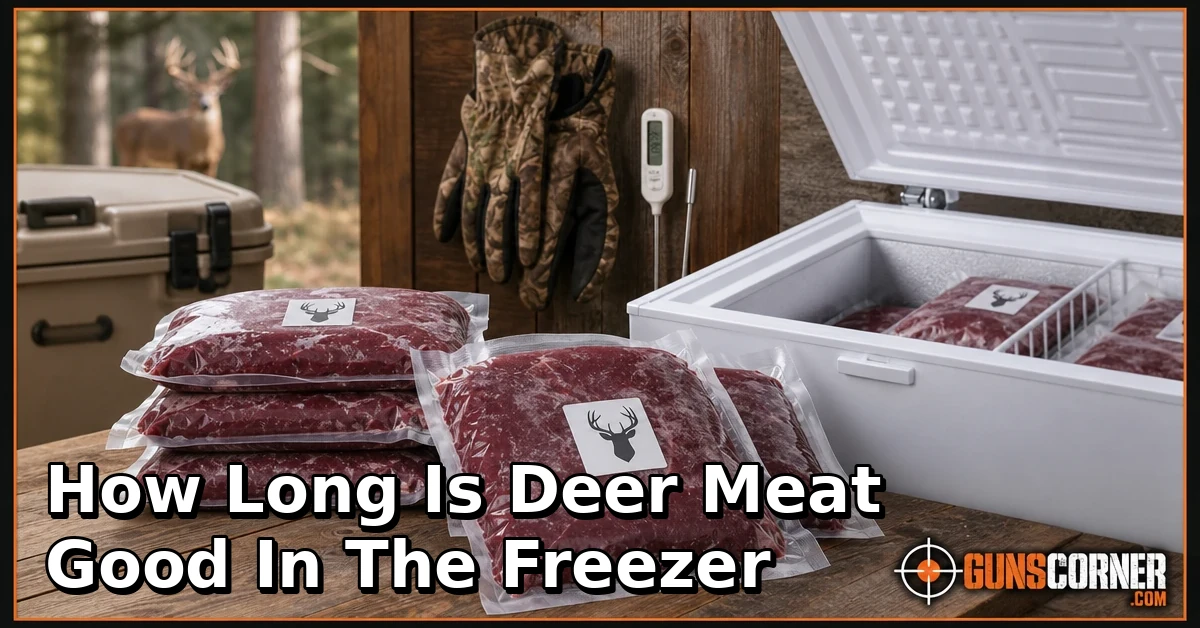

Knowing how long deer meat is good in the freezer helps hunters protect the quality of a valuable harvest and avoid unnecessary waste. Storage life depends on how quickly the meat was cooled, how cleanly it was processed, how well it was packaged, and whether the freezer maintains a consistently cold temperature.
Properly processed and tightly packaged deer meat is generally best used within about 6 to 12 months for quality, although it may remain safe longer when continuously frozen. Ground venison and small cuts usually lose quality sooner than larger roasts or steaks. Discard meat with an unusual odor, slimy texture, damaged packaging, or signs of thawing and refreezing. When in doubt, do not taste it to test safety.
Important Food Safety and Hunting Responsibility Notice
Always follow current food-safety guidance from your local health authority or food-safety agency. Freezing preserves meat but does not make poorly handled or contaminated meat safe. Hunters should cool, process, package, transport, and store venison responsibly, while also following all local harvest-reporting and wildlife regulations.
- Confirm the harvest was legal and complete any required tagging or reporting.
- Cool the carcass or meat promptly after harvest.
- Use clean knives, gloves, cutting surfaces, and containers.
- Keep raw venison separate from ready-to-eat foods.
- Maintain a freezer at a consistently safe temperature, commonly 0°F (-18°C) or colder.
- Label packages with the cut, quantity, and freezing date.
- Do not rely on smell alone when deciding whether questionable meat is safe.
How Long Is Deer Meat Good in the Freezer?
| Type of venison | Best-quality time frame | Storage guidance |
|---|---|---|
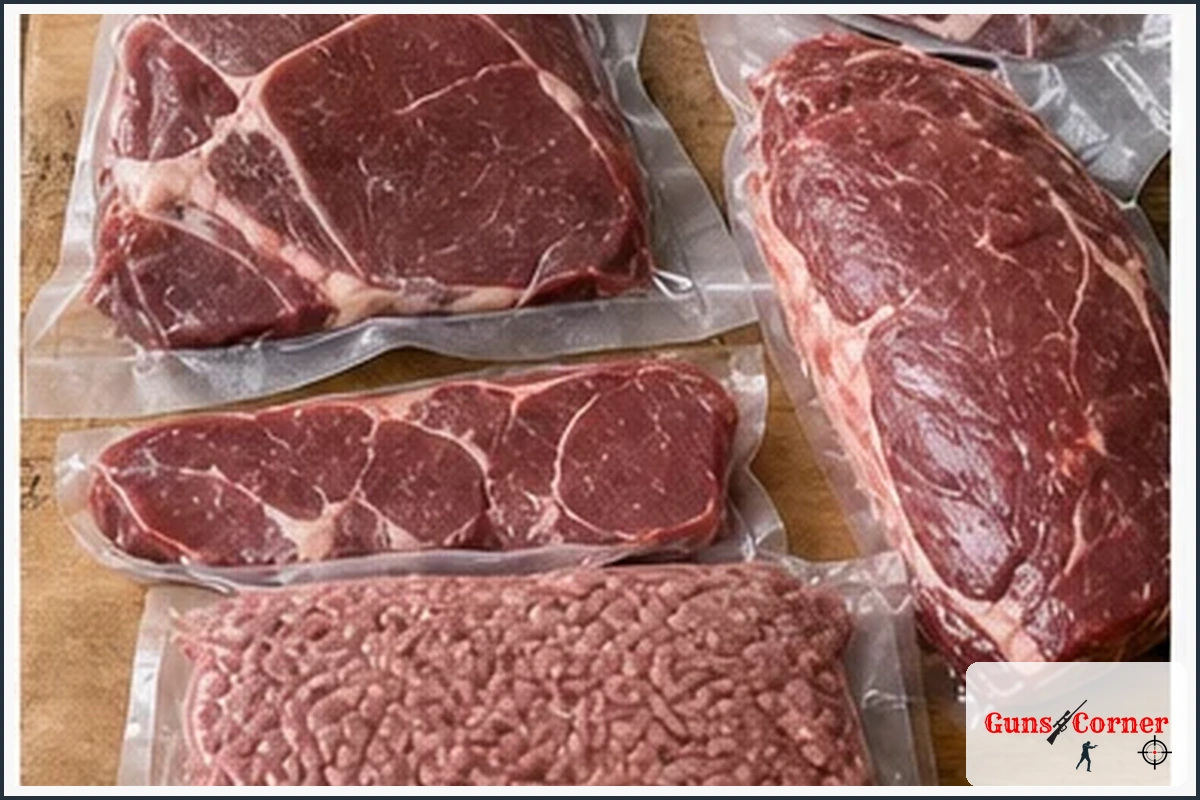
| Steaks and chops | Approximately 6–12 months | Protect tightly from air and freezer burn. |
| Roasts and larger cuts | Approximately 9–12 months | Use strong moisture-proof packaging and avoid temperature swings. |
| Ground venison | Approximately 3–6 months for best quality | Flatten into thin portions and remove as much air as possible. |
| Venison sausage | Follow the processor’s guidance; often several months | Consider the added ingredients and packaging when planning storage. |
These are quality guidelines, not universal guarantees. Continuously frozen food can remain safe for a long time, but flavor, texture, and moisture usually decline as storage time increases. Poor packaging, freezer burn, partial thawing, or meat that entered the freezer in questionable condition can shorten the useful storage period.
What Determines Deer Meat’s Freezer Life?
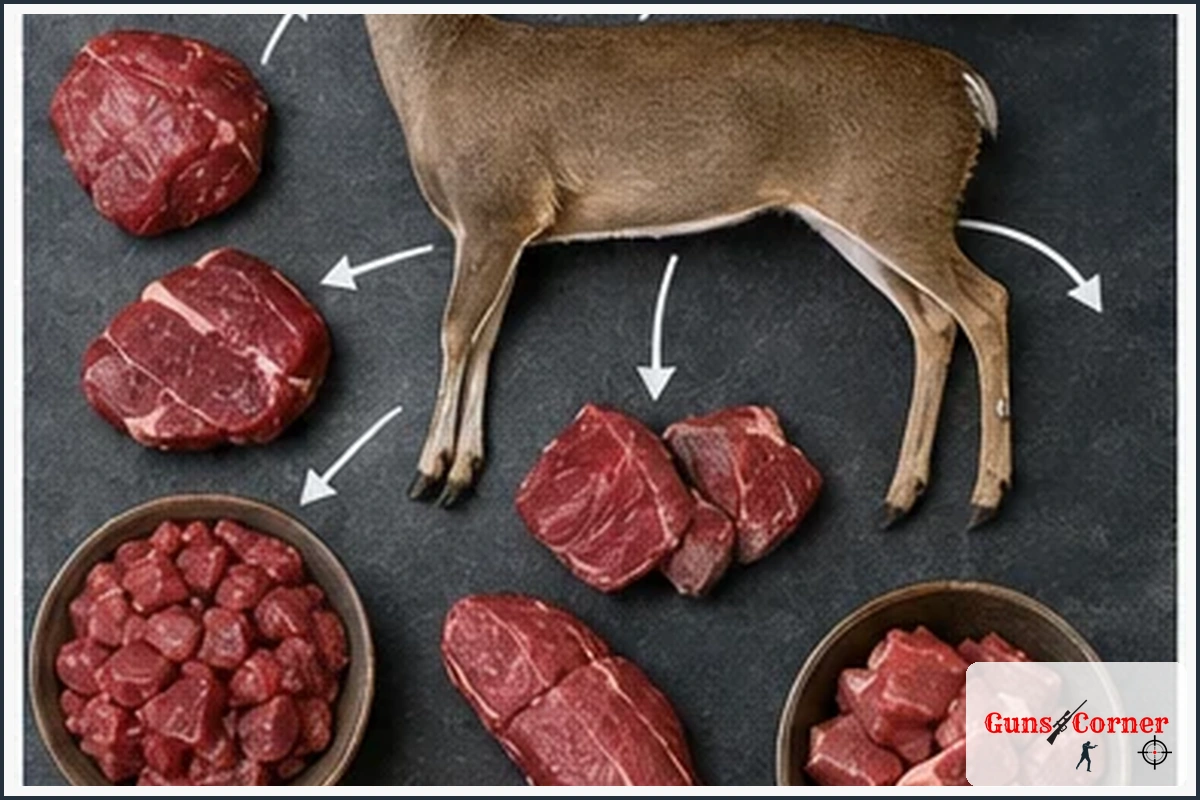
Initial Meat Quality
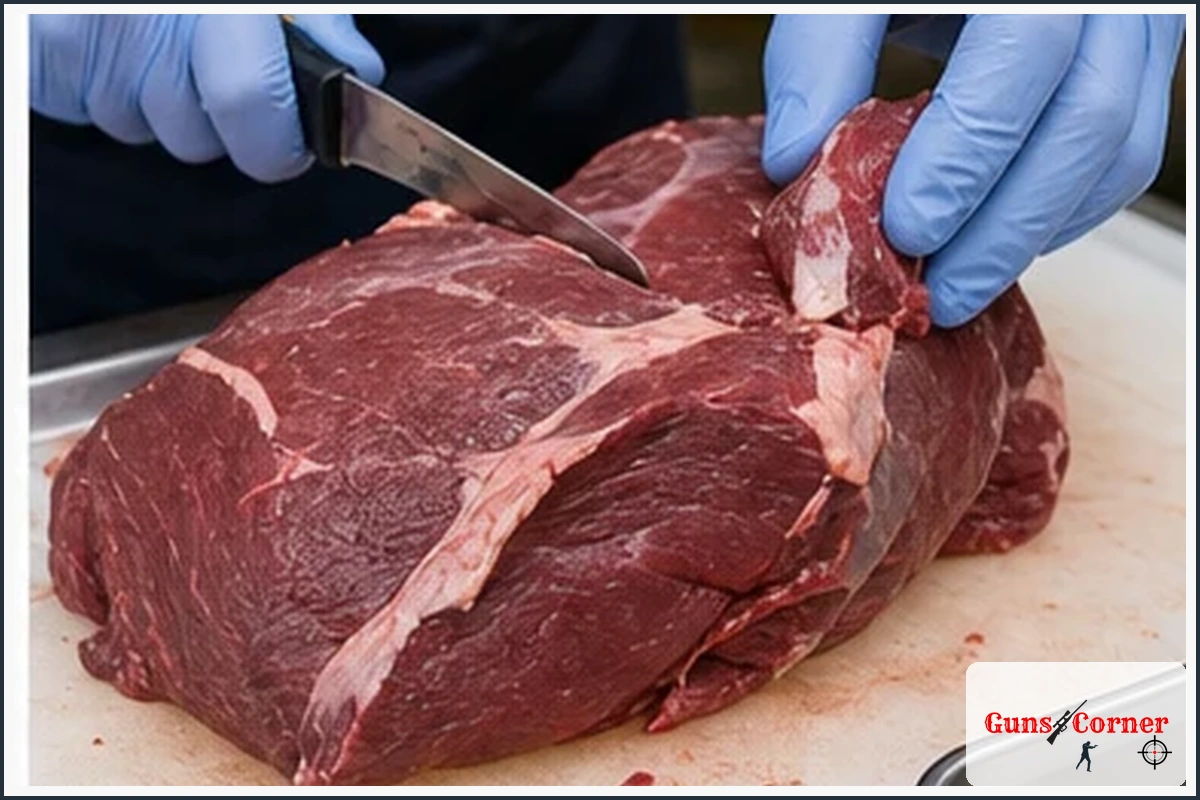
Freezing does not correct problems created before storage. Venison should be cleanly processed and chilled promptly. Meat exposed to dirt, digestive contents, excessive heat, or prolonged warm conditions deserves extra caution.
Packaging Quality
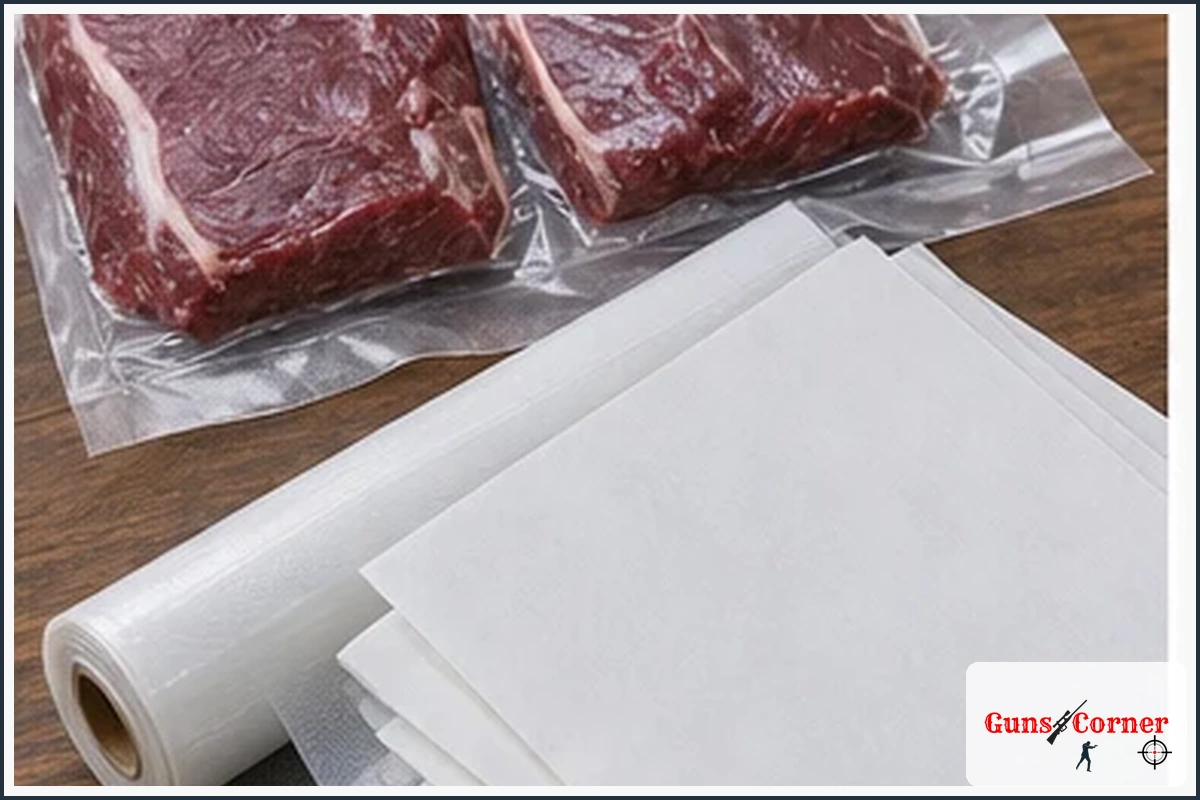
Air is one of the main causes of freezer burn and quality loss. Vacuum-sealed bags usually provide excellent protection when the seal is intact. Heavy freezer paper, freezer bags, or another moisture-resistant system can also work when wrapped tightly with minimal trapped air.
Freezer Temperature
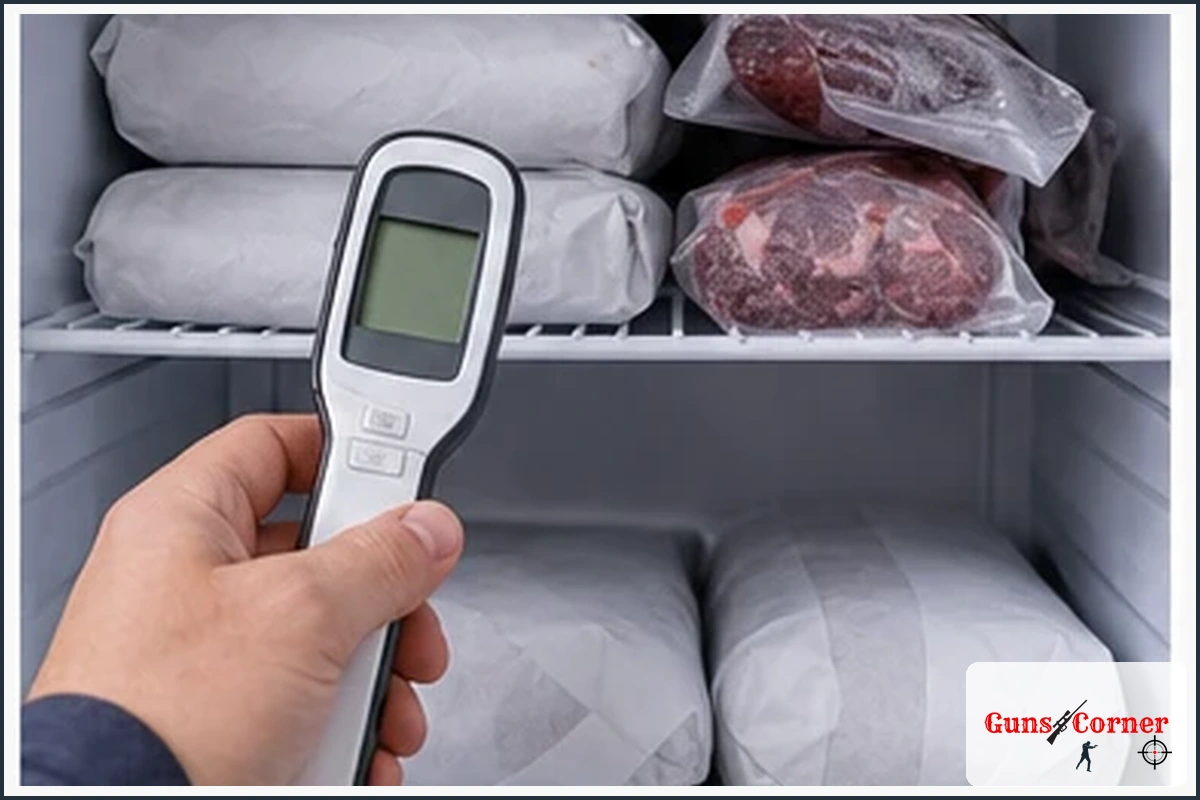
A freezer that stays consistently cold protects quality better than one that frequently warms during power interruptions, heavy loading, or repeated door opening. Use a freezer thermometer if possible and avoid storing meat where temperature fluctuates sharply.
Cut Size and Fat Content
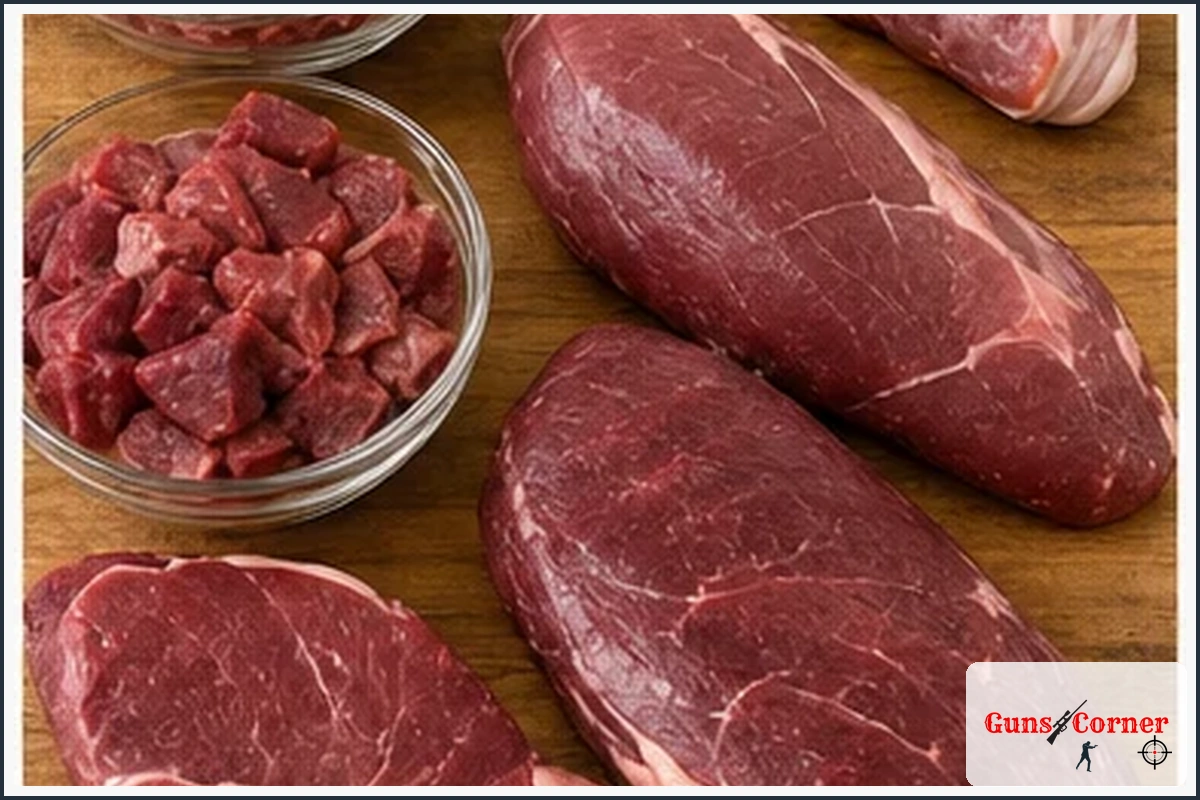
Ground meat has more exposed surface area, so it commonly loses quality faster than intact cuts. Venison is naturally lean, but added pork or other ingredients in sausage may affect storage recommendations.
Step-by-Step Guide to Freezing Deer Meat Properly
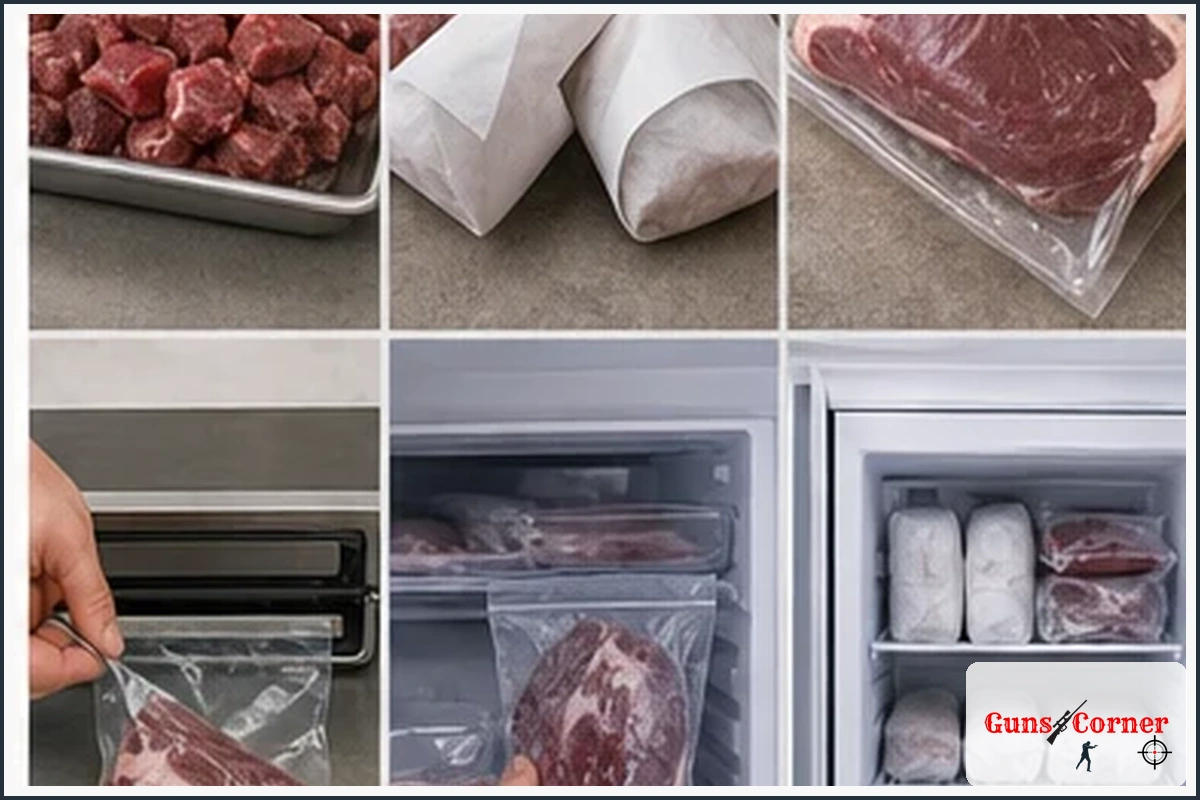
Step 1: Confirm the Harvest and Processing Requirements
Before handling the meat, complete any required tagging, harvest reporting, or transport steps. Regulations vary by location, so check your official wildlife agency before the hunt and follow all applicable rules.
Step 2: Cool the Meat Promptly
Remove unnecessary heat as soon as practical and keep the meat cold during transport and processing. Do not leave venison in a warm vehicle, direct sunlight, or an uncontrolled outdoor environment.
Step 3: Trim and Inspect the Cuts
Remove hair, dirt, damaged portions, heavy connective tissue, and unwanted fat as appropriate. If meat has an unusual odor, sticky surface, suspicious discoloration, or a history of unsafe temperature exposure, do not freeze it for later use.
Step 4: Portion the Venison
Divide meat into meal-sized portions. Smaller packages freeze faster, thaw more evenly, and reduce the time the rest of the supply spends outside the freezer.
Step 5: Remove as Much Air as Possible
Use a properly sealed vacuum bag or tightly wrapped freezer packaging. Press excess air from freezer bags before sealing, and double-wrap packages that may be exposed to punctures or freezer air.
Step 6: Label Every Package
Write the cut, quantity, processing date, and freezing date on each package. Use older packages first so meat does not remain forgotten in the bottom of the freezer.
Step 7: Freeze Packages Quickly
Arrange packages in a single layer when possible, leaving enough space for cold air to circulate. Once frozen solid, stack them efficiently. Avoid filling the freezer so tightly that air cannot move around the food.
Step 8: Maintain a Stable Freezer
Keep the freezer closed during power interruptions and monitor its temperature afterward. If meat has fully thawed and warmed, do not automatically refreeze it; evaluate its temperature history and follow official food-safety guidance.
How to Recognize Freezer Burn on Venison
Freezer burn appears as dry, pale, grayish, or leathery areas caused by moisture loss and air exposure. It is primarily a quality problem rather than proof that the entire package is unsafe. Small affected areas can often be trimmed away after thawing, but severely dried, discolored, or unpleasant-smelling meat may not be worth using.
Freezer burn usually indicates weak packaging, trapped air, a damaged seal, or excessive storage time. Improve future results by sealing packages more carefully and rotating older meat forward.
How to Thaw Deer Meat Safely
- Thaw venison in the refrigerator for the most controlled method.
- For faster thawing, use cold water and keep the package sealed, changing the water as needed.
- Cook meat immediately if using a microwave to thaw it.
- Do not thaw venison on the kitchen counter or in warm water.
- Place packages in a tray to prevent raw juices from contacting other foods.
- Use thawed meat promptly and follow current food-safety guidance for refreezing.
How to Tell If Frozen Deer Meat Should Be Discarded
Do not taste questionable venison to determine whether it is safe. Discard meat when you have serious concerns about its handling history or when it shows multiple warning signs.
- Strong, sour, rancid, or unusual odor after thawing
- Sticky, slimy, or unusually tacky surface
- Unexpected green, yellow, or abnormal discoloration
- Packaging that leaked, split, or lost its seal
- Evidence of repeated thawing and refreezing
- Unknown temperature history after a power failure
- Meat that was warm for an extended period before freezing
Color changes alone can sometimes result from oxidation or freezing, but when color changes occur with odor, texture, or handling concerns, the safest decision is disposal.
Responsible After-the-Hunt Meat Care
Responsible hunting continues after the shot. Plan meat care before the season by carrying clean gloves, suitable game bags, coolers, ice, labels, and transportation supplies. Follow local rules for salvage, transport, processing, and harvest reporting.
If you use a commercial processor, ask how packages are labeled, what storage recommendations apply, and how long the processor can safely hold your meat. Keep records so older packages are used first, and share or donate meat only through lawful, safe channels.
Helpful Tips for Better Venison Storage
- Freeze meat soon after processing rather than holding it unnecessarily in a refrigerator.
- Use meal-sized portions instead of one large package.
- Keep ground venison portions thin so they freeze and thaw efficiently.
- Inspect vacuum seals before placing packages in long-term storage.
- Store meat away from sharp objects that could puncture packaging.
- Keep an inventory and rotate older packages first.
- Use a freezer thermometer to identify temperature problems early.
- Do not mix questionable old packages with fresh meat.
- Record whether sausage contains added pork or other ingredients.
- When uncertain about safety, discard the meat rather than taking a chance.
Common Mistakes to Avoid
- Freezing venison before it has cooled properly
- Using thin household plastic wrap without a moisture barrier
- Leaving air pockets inside bags or wrapping
- Failing to label packages with dates
- Keeping ground meat as long as larger intact cuts
- Ignoring a broken vacuum seal
- Thawing meat on the counter
- Refreezing meat without considering its temperature history
- Assuming frozen meat is safe regardless of how it was handled
- Overloading a freezer so cold air cannot circulate
Troubleshooting Common Problems
| Problem | Possible cause | What to do |
|---|---|---|
| Large areas of freezer burn | Air exposure, weak wrapping, or a damaged seal | Trim affected areas if the meat otherwise appears sound, and improve packaging. |
| Vacuum bag has lost its seal | Puncture, moisture, or an incomplete seal | Repackage promptly if the meat has remained safely frozen; investigate any thawing. |
| Meat smells unusual after thawing | Spoilage, poor handling, or long storage | Do not taste it. When in doubt, discard it. |
| Packages are not dated | Storage records were overlooked | Separate clearly identifiable older packages and use caution with unknown meat. |
| Freezer temperature is fluctuating | Door problems, overloading, mechanical issues, or power interruptions | Check the seal, improve airflow, use a thermometer, and evaluate affected food carefully. |
| Ground venison tastes dry | Long storage, freezer burn, or very lean meat | Use fresher portions first and improve air removal and packaging. |
Ethical Hunting and Conservation
Using the harvest responsibly is part of ethical hunting. Follow legal seasons, bag limits, weapon rules, access requirements, and reporting obligations. Practice with your firearm or bow before hunting, identify the target and what lies beyond it, and take only a safe, ethical shot within your ability.
Good meat care reduces waste and honors the animal. Respect landowners, other hunters, public land users, and wildlife habitat. Leave access areas cleaner than you found them, and support conservation through lawful participation, licenses, education, and responsible stewardship.
When to Get More Training or Professional Guidance
Seek help from an official hunter education program, qualified instructor, experienced ethical mentor, wildlife agency, or reputable processor if you are unsure about safe harvesting, field care, local regulations, property boundaries, meat handling, or freezer storage.
Professional guidance is especially valuable when you are processing your first deer, handling a power outage, evaluating meat with an uncertain temperature history, or learning to use a firearm or bow safely.
Recommended Meat-Care Gear and Tools to Consider
You do not need expensive equipment to store venison responsibly. Choose supplies based on your processing method, freezer space, local conditions, and budget.
- Food-safe disposable gloves
- Sharp knives and a clean cutting surface
- Vacuum sealer and suitable bags
- Heavy-duty freezer bags or freezer paper
- Labels and a permanent marker
- Freezer thermometer
- Clean cooler and ice for transport
- Food-safe storage containers
- Game bags for clean field transport
Final Thoughts
For best quality, use properly processed deer meat within roughly 6 to 12 months, with ground venison often best used sooner. Prompt cooling, clean processing, airtight packaging, stable freezing, careful thawing, and good labeling make the biggest difference.
How long deer meat is good in the freezer ultimately depends on its handling history. When safety is uncertain, discard it. Responsible hunters protect the harvest by following regulations, practicing safe field care, and using as much wholesome meat as possible.
Frequently Asked Questions
How long is deer meat good in the freezer?
Properly processed venison is generally best used within 6 to 12 months for quality. It may remain safe longer when continuously frozen, but flavor and texture can decline.
Can deer meat last two years in the freezer?
It may remain usable after two years if it was handled correctly, sealed well, and kept continuously frozen. However, quality is less predictable, so inspect it carefully after thawing and do not use questionable meat.
How long does ground deer meat last in the freezer?
Ground venison is usually best within about 3 to 6 months because it has more exposed surface area. Airtight packaging can help preserve quality.
How long do venison steaks last frozen?
Venison steaks commonly maintain good quality for approximately 6 to 12 months when tightly packaged and consistently frozen.
How long does frozen venison sausage last?
Storage time depends on the ingredients, processing, packaging, and processor guidance. Label it clearly and follow the processor’s recommendations.
Does frozen deer meat expire?
Frozen meat does not have one universal expiration date. Continuous freezing slows deterioration, but quality declines and safety depends on the meat’s original handling and temperature history.
Can freezer-burned venison be eaten?
Freezer burn is mainly a quality issue. Small affected areas may be trimmed away if the meat otherwise appears normal, but severely damaged or questionable meat should be discarded.
What does spoiled deer meat smell like?
It may have a sour, rancid, rotten, or otherwise unusual odor. Do not taste meat to test it; discard it when odor or other warning signs raise concern.
Is dark venison automatically spoiled?
No. Deer meat is naturally dark and can change color through oxidation or freezing. Evaluate color together with smell, texture, packaging, and handling history.
Can I refreeze thawed deer meat?
That depends on how it thawed and how long it stayed at unsafe temperatures. Follow current food-safety guidance and avoid refreezing meat with an uncertain temperature history.
What is the safest way to thaw venison?
Thaw it in the refrigerator. Cold-water thawing is faster when the package remains sealed, while microwave-thawed meat should be cooked immediately.
Can I thaw deer meat on the counter?
No. Counter thawing can allow the outside of the meat to warm into an unsafe temperature range while the center remains frozen.
Should venison be washed before freezing?
Follow safe food-handling practices and avoid spreading contamination through splashing. Clean processing tools and surfaces are more important than rinsing meat unnecessarily.
How should I package venison for long-term freezing?
Use airtight, moisture-resistant packaging and remove as much air as possible. Vacuum sealing is useful, but strong freezer paper or freezer bags can also work when applied carefully.
Why does my frozen deer meat taste dry?
Dryness can result from freezer burn, long storage, very lean meat, or overcooking. Improve packaging and use older packages sooner.
Why is my venison gray after freezing?
Gray areas may result from oxidation, air exposure, or freezer burn. If the meat also smells unusual or has a slimy texture, discard it.
Should I freeze venison immediately after butchering?
Freeze it after it has been properly chilled, trimmed, and packaged. Meat should not enter the freezer warm or in poor condition.
How long can deer meat stay refrigerated before freezing?
That depends on refrigerator temperature, cut size, and handling. Keep it consistently cold and follow current food-safety guidance rather than relying on a fixed personal rule.
Can I freeze deer meat in regular sandwich bags?
Regular sandwich bags usually provide poor long-term protection because they allow more air exposure. Use freezer-rated, moisture-resistant packaging instead.
Is vacuum-sealed venison always safe?
No. Vacuum sealing protects quality but does not make contaminated or improperly handled meat safe. The meat must be clean, chilled, and stored correctly.
How do I organize a freezer full of venison?
Label every package, group similar cuts together, record dates, and place older packages where they will be used first.
What temperature should a venison freezer be?
A commonly recommended storage temperature is 0°F (-18°C) or colder. Check current food-safety guidance and monitor the freezer with a thermometer.
Can a power outage ruin frozen deer meat?
It can, depending on how long the freezer warmed and whether the meat thawed. Keep the door closed, determine the temperature history, and follow official guidance before refreezing or using it.
Should I discard venison with a broken package?
A broken package exposes meat to air and contamination. Repackage only if the meat has remained safely frozen and otherwise appears sound; discard it if its temperature history is uncertain.
How can I prevent freezer burn on deer meat?
Remove air, use moisture-proof packaging, protect bags from punctures, maintain a stable temperature, and rotate packages regularly.
Does adding pork extend frozen venison storage life?
Not necessarily. Added ingredients change the product, so follow the processor’s storage guidance and label sausage or burger mixtures accurately.
Can I eat venison that has been frozen for five years?
Long-term freezing may preserve safety under ideal conditions, but quality and packaging integrity become difficult to predict. Meat with uncertain handling, damage, odor, or texture should be discarded.
What should I do with meat that smells slightly strange?
Do not taste it or try to hide the odor with seasoning. When the smell is unusual and the handling history does not clearly establish safety, discard it.
Can I cook questionable venison to make it safe?
Cooking does not reliably correct every problem caused by spoilage or unsafe handling. Do not use cooking as a rescue method for questionable meat.
How should I transport deer meat home?
Keep it clean, shaded, and cold in a suitable cooler with ice or other safe cooling methods. Follow applicable transport and wildlife regulations.
Should I use game bags before freezing venison?
Clean game bags can help protect meat during field transport. They are not a substitute for rapid cooling, clean processing, and proper freezer packaging.
How do I know whether venison was handled safely before I received it?
Ask when it was processed, how it was packaged, and whether it remained frozen. If the history is unknown and the meat appears questionable, avoid using it.
Does aging venison affect freezer storage time?
Yes. Aging and storage should be controlled carefully, with clean handling and proper temperatures. Freeze meat only after it has been safely prepared.
Can I store venison in a chest freezer longer than in a kitchen freezer?
A chest freezer may provide more stable storage, but packaging, temperature, and handling remain the main factors. Use a thermometer and rotate meat.
What freezer packaging is best for ground venison?
Flat, airtight packages with minimal air are practical. Vacuum-sealed portions or well-sealed freezer bags can reduce freezer burn and simplify thawing.
Should I date homemade venison jerky or dried meat?
Yes. Processing changes storage requirements, so label it and follow reliable food-preservation guidance for the specific product.
What should hunters do before the season to prepare for meat storage?
Clean and sharpen processing tools, inspect coolers, buy packaging, check freezer space, verify the freezer temperature, and make a plan for prompt processing.
Why is planning meat care part of ethical hunting?
Planning helps prevent waste, supports responsible use of the harvest, and ensures the animal is treated with respect after the hunt.
Where can beginners learn more about venison safety?
Use guidance from your official wildlife agency, local health department, food-safety authority, hunter education program, or a reputable licensed processor.
Read more: