
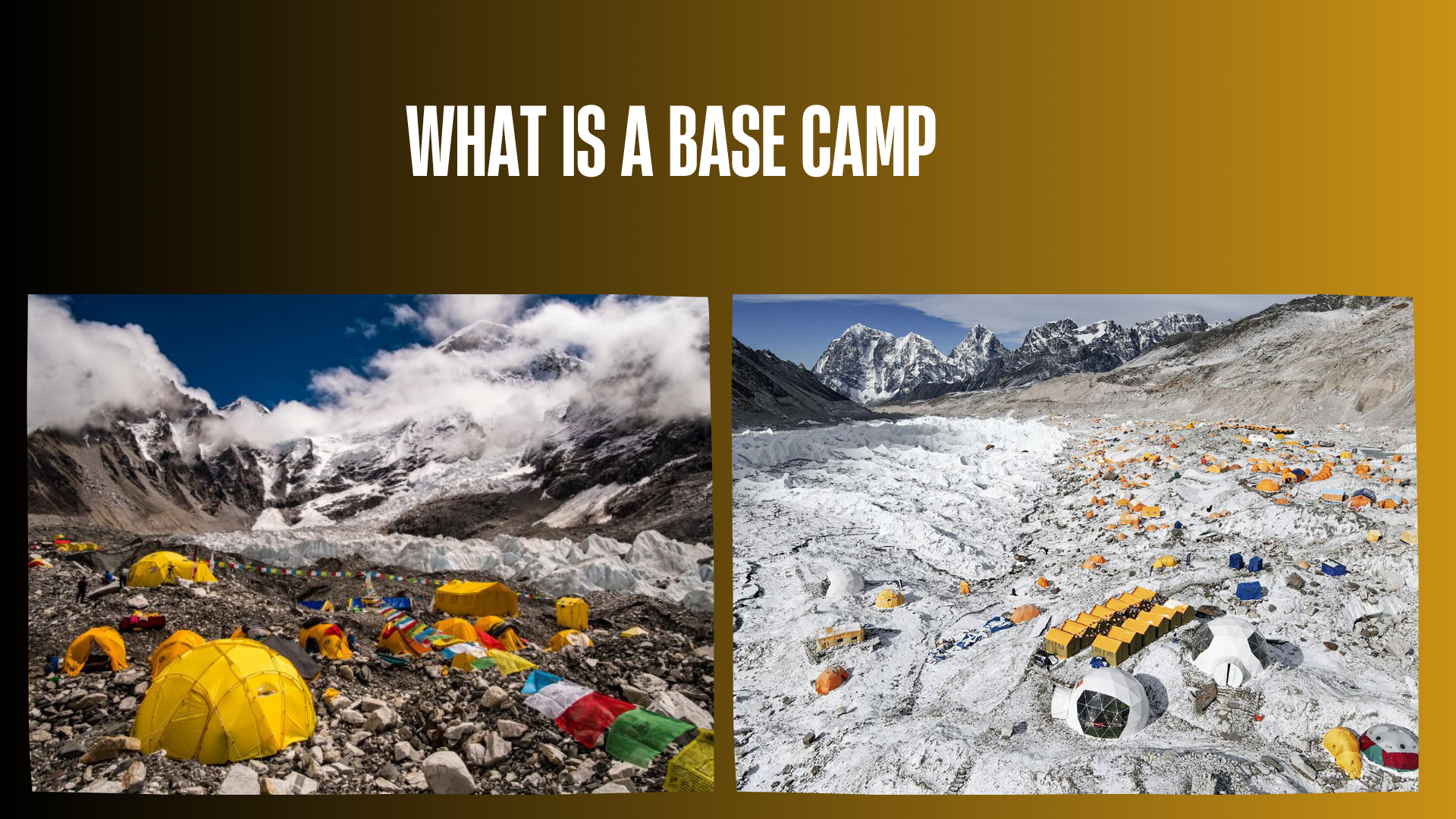

If you are planning a mountain trip, backcountry hunt, or multi-day outdoor project, you may ask, what is a base camp? A base camp is a main temporary camp that serves as the group’s operational hub. People sleep, store permitted supplies, communicate, recover, and begin shorter trips from that location before returning.
A base camp can be a simple tent beside a trailhead, a remote hunting camp reached on foot, or a large mountaineering camp supporting an expedition. Its size matters less than its role. The right location and setup depend on terrain, weather, wildlife, water, access, land rules, group size, and the activities conducted from camp.
Quick Answer: What Is a Base Camp?
A base camp is a primary camp used as a stable starting point and support center for trips into the surrounding area. It usually holds the group’s main shelter, food, water-treatment supplies, communication equipment, first aid, and gear not needed on each day’s route. Unlike a moving backpacking camp, it often remains in one place for several nights while members make day trips or establish smaller camps farther out. Before setting one up, confirm that overnight use is allowed and check permits, stay limits, fire restrictions, food-storage rules, sanitation requirements, and current hazards with the land manager.
Base Camp at a Glance
| Feature | Typical Base Camp | What to Verify |
|---|---|---|
| Main purpose | Support, shelter, recovery, storage, and coordination | Whether the site permits the planned activity |
| Length of use | Several nights or longer | Camping limits, permits, and reservation dates |
| Daily movement | Users leave with lighter loads and return to camp | Route conditions, turnaround times, and access closures |
| Location | Relatively safe, durable, and practical terrain | Flood, avalanche, rockfall, wildfire, tree, and wildlife hazards |
| Supplies | Shelter, sleep system, water, food, first aid, and communication | Food storage, water availability, sanitation, and pack-out rules |
| Environmental approach | Small footprint on durable or designated surfaces | Local Leave No Trace and resource-protection requirements |
Important Safety and Legal Notice
“Base camp” is a descriptive outdoor term, not a legal category that grants permission to occupy land. Rules differ among national parks, national forests, wilderness areas, wildlife areas, state lands, tribal lands, local parks, and private property. One location may require a reservation or backcountry permit, while another may prohibit dispersed camping or limit where, when, and how long a camp can remain.
Before departure, obtain current information from the agency or landowner responsible for the exact site. Check camping zones, group-size limits, stay limits, vehicle access, seasonal closures, fire orders, food-storage rules, water advisories, pet rules, human-waste requirements, hunting regulations, and emergency notices. Conditions and temporary restrictions can change quickly.
Leave a trip plan with a trusted person who is not going. Include the group, vehicles, route, camp area, planned return, communication methods, and the time at which that person should contact authorities. The National Park Service trip-planning guidance warns that a phone is not a substitute for the Ten Essentials because service and battery power may fail.
What Is a Base Camp Used For?
A base camp gives a group a known place to return to. That consistency can simplify logistics, reduce the load carried on daily routes, and create an organized location for rest and emergency coordination. A well-managed camp can perform several functions without becoming unnecessarily large.
Shelter and sleep
The camp provides protection from expected weather and a place to recover between outings. Shelter choice should match wind, precipitation, temperature, ground conditions, group needs, and manufacturer limitations. A tent that works in a protected summer campground may be unsuitable on exposed alpine terrain.
Food and water support
The main food supply, cooking system, water containers, and treatment equipment may be managed from base camp. Food, trash, scented items, and cooking practices must follow local wildlife rules. Water that appears clear can still contain microorganisms or contaminants, so use an approved treatment method suitable for the location and current advisories.
Equipment storage and repair
A base camp holds permitted equipment not needed on every day trip and provides an organized area for inspection, drying, and minor maintenance. Storage must protect gear from weather and wildlife without damaging trees, vegetation, or cultural resources. Valuable equipment left unattended may be vulnerable to theft.
Communication and coordination
Groups can use the camp as a check-in point, route-planning location, and emergency reference. A written board or notebook can record destinations, departure times, expected returns, and equipment carried. Communication devices should be tested before departure, and every member should know their limitations.
Rest, acclimatization, and recovery
On mountaineering trips, a base camp may support recovery and gradual acclimatization before movement higher. Sleeping at a base camp does not eliminate altitude illness. Ascend conservatively, recognize symptoms, and follow qualified medical and expedition guidance. Descent or evacuation may be required when symptoms worsen.
Where Is a Base Camp Commonly Used?
Mountaineering expeditions
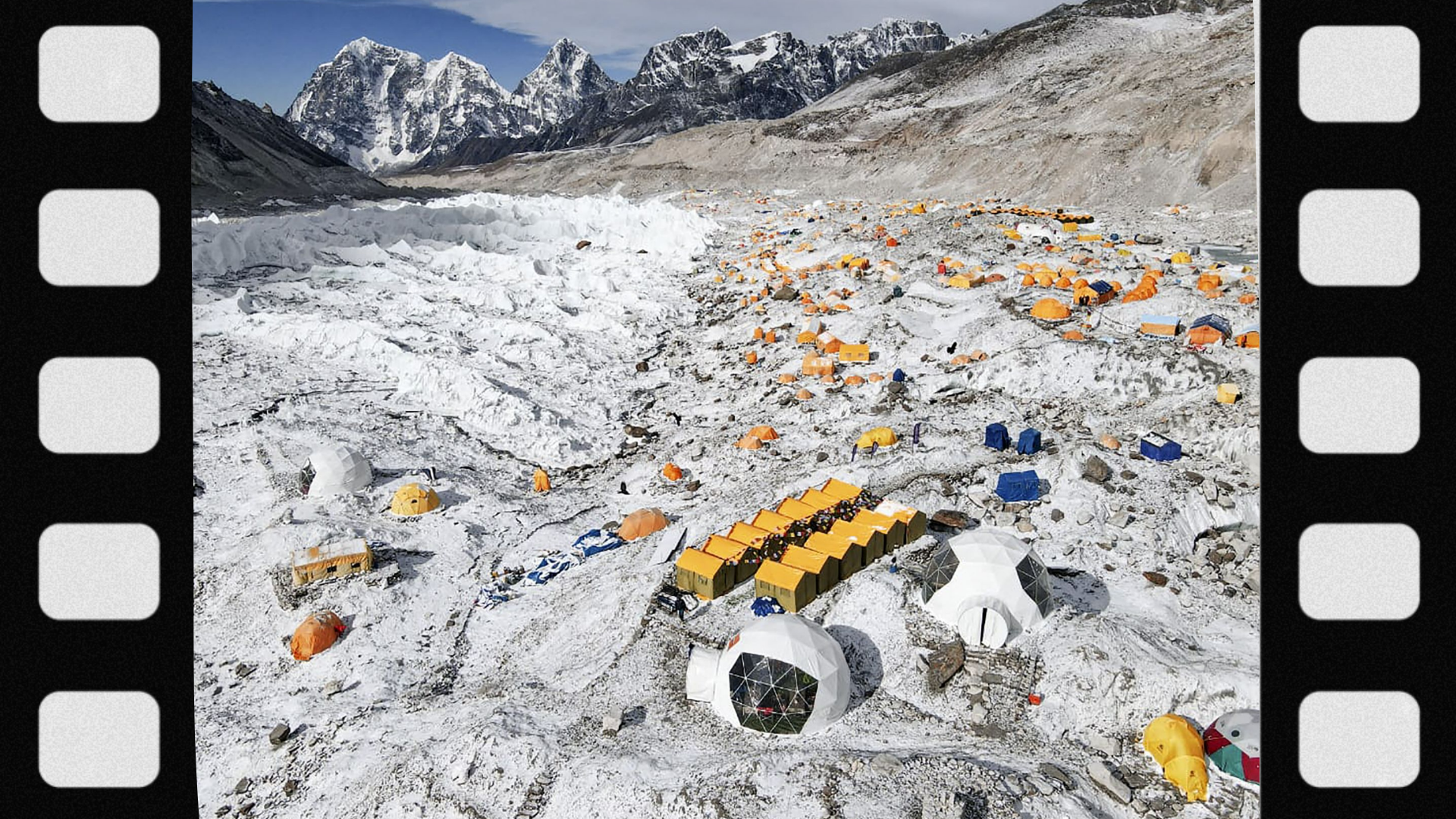
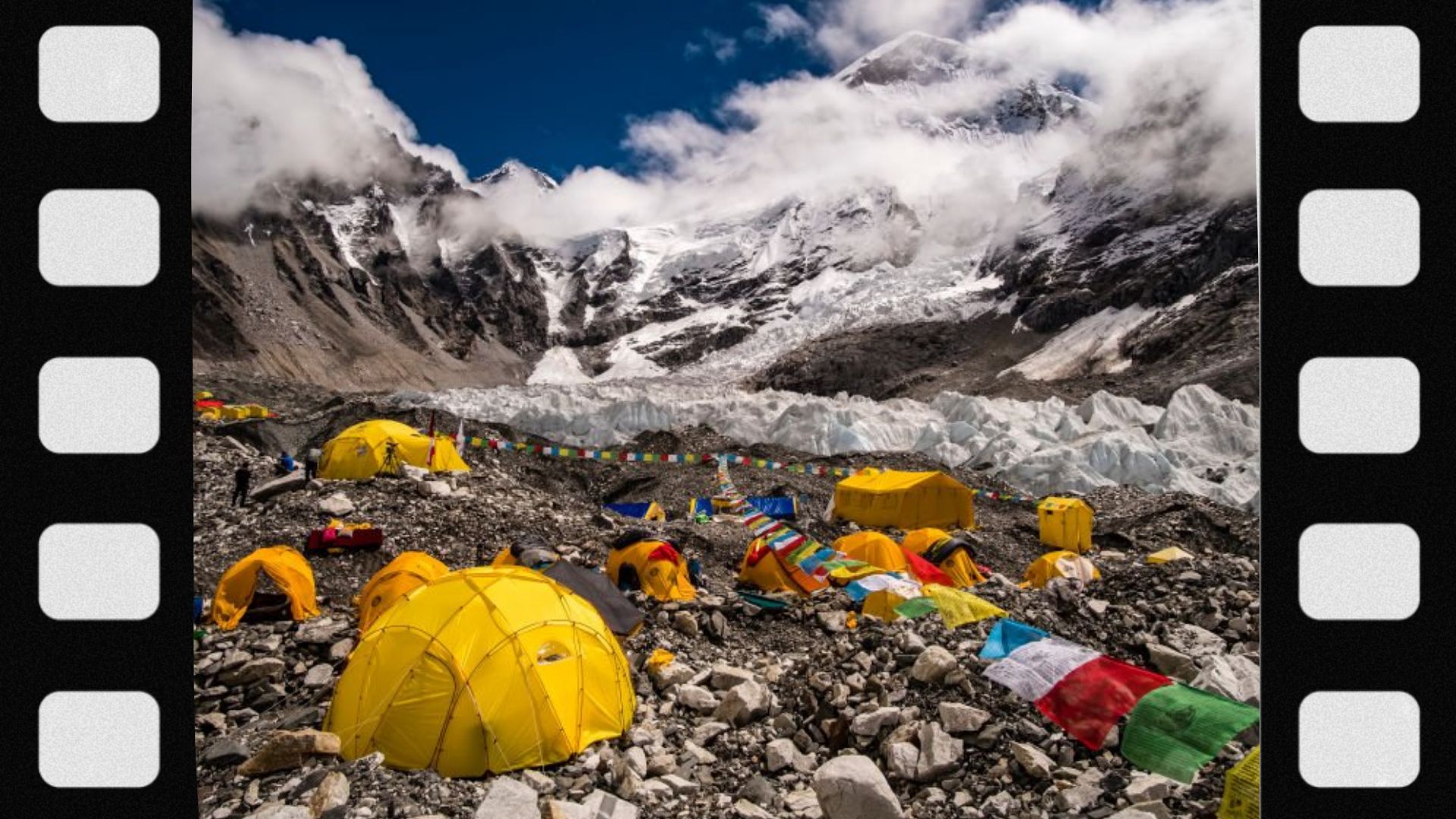
In mountaineering, base camp is the main support location near the lower part of a climbing route or mountain system. Climbers may return there between rotations or summit attempts. Large expeditions can have cooking, medical, communication, and supply tents, while small teams may use only a few lightweight shelters.
Backcountry hunting
A hunting base camp supports daily travel into legal hunting areas. It may hold sleep systems, food, water, weather gear, navigation equipment, and lawful game-care supplies. Hunters still need the licenses, tags, permits, access authorization, and equipment required for every location they enter. A camp does not establish ownership of surrounding public land or reserve a hunting area.
Hiking, fishing, and wildlife observation
Hikers, anglers, photographers, and researchers may remain at one camp while exploring nearby routes. This approach can make day packs lighter, but repeated travel can concentrate impacts. Use established trails and durable surfaces where directed, and avoid disturbing wildlife or sensitive habitat.
Fieldwork and organized expeditions
Search teams, conservation crews, researchers, and outdoor education groups may use a base camp as a controlled logistics point. Their camps can operate under permits and plans that do not apply to ordinary recreationists. Never copy a professional camp’s location or practices without knowing its authorization.
Base Camp vs. Campsite, Spike Camp, High Camp, and Bivouac
| Term | General Meaning | Typical Use | Main Difference |
|---|---|---|---|
| Base camp | Main support camp for repeated trips | Multi-day hunts, climbs, field projects, and exploration | Acts as the central hub |
| Campsite | Any place used for camping | One night or many nights | Describes a place, not necessarily a hub |
| Spike camp | Small secondary camp away from the base | Extending range during a hunt or expedition | Usually lighter and less comfortable |
| High camp | Camp established higher on a mountain route | Preparing for an upper route or summit attempt | More exposed and less supplied than base camp |
| Advanced base camp | Forward support camp beyond the primary base | Long approaches or large expeditions | Meaning varies by route and team |
| Bivouac or bivy | Minimal temporary shelter or overnight stop | Light travel or an unplanned night out | Not normally a stocked operating hub |
These are practical outdoor terms, not universal regulatory definitions. A land agency may refer only to “designated,” “backcountry,” or “dispersed” camping. Use the language in the permit and official rules when asking whether a particular setup is allowed.
How to Choose a Safe Base Camp Location
A good camp location is legal, relatively protected, environmentally durable, and practical for the group’s route. Convenience alone is not enough. Evaluate the wider terrain in daylight before placing shelters.
Confirm permission first
Identify the property boundary and responsible land manager. Check whether the area requires a specific designated site, reservation, backcountry permit, wilderness permit, parking pass, or landowner permission. Verify whether camping is seasonally closed or prohibited near roads, trailheads, lakes, streams, buildings, or developed facilities.
Look above, below, and around
A flat tent pad can still be unsafe. Look for dead or damaged trees and branches, unstable slopes, rockfall paths, avalanche terrain, tide zones, dry washes, flash-flood channels, rising rivers, eroding banks, lightning exposure, and evidence of recent wildfire. Avoid depressions where water or cold air may collect.
Use durable or designated surfaces
Prefer designated campsites where required. In popular backcountry areas, use existing durable sites rather than expanding into vegetation. Durable surfaces can include rock, gravel, sand, compacted ground, dry grass, or snow, depending on local guidance. The National Park Service Leave No Trace principles advise that good campsites are found, not made.
Protect water and riparian areas
Leave No Trace commonly recommends camping at least 200 feet from lakes and streams, but that distance is a general guideline rather than a universal rule. Local regulations may require a different setback or a designated site. Keep soap, food scraps, fuel, and human waste out of water sources.
Consider wind and weather
Use natural protection without camping directly beneath hazardous trees or against unstable features. Face entrances and anchors according to the shelter maker’s instructions and forecast conditions. In hot environments, consider shade and airflow; in cold conditions, consider wind exposure, drainage, and the way terrain collects cold air.
Assess wildlife evidence
Do not camp on animal trails, near carcasses, beside obvious feeding areas, or where fresh tracks and droppings show concentrated activity. Follow local separation and storage practices for food and scented items. Wildlife behavior and official requirements vary widely, so a technique suitable in one ecosystem may be wrong in another.
How to Plan a Base Camp
- Define the purpose. Identify the activity, trip length, group size, daily routes, and required level of support.
- Research the land. Confirm jurisdiction, permits, closures, maps, campsite rules, fire orders, water information, and wildlife guidance.
- Build a route plan. Include access, alternates, turnaround times, elevation, river crossings, vehicle limits, and evacuation options.
- Check forecasts and hazards. Review weather, wildfire smoke, flood, avalanche, heat, cold, and trail conditions using official sources.
- Assign group roles. Decide who carries first aid, navigation, communication, shelter, water treatment, and shared food systems.
- Create an equipment list. Separate essential survival and safety items from comfort items, then test everything before travel.
- Prepare a food and water plan. Calculate needs conservatively and include treatment, storage, spill control, and emergency reserve.
- Write an emergency plan. Record contacts, check-in times, communication procedures, escape routes, and thresholds for turning back.
- Leave the trip plan. Give a copy to a trusted contact and explain exactly when to alert authorities.
- Inspect the site on arrival. Conditions on the ground can invalidate the plan; relocate if hazards or rules require it.
How to Organize a Base Camp
Organization reduces lost gear, food contamination, unnecessary trampling, and emergency confusion. It does not require cutting vegetation or constructing permanent features. Adapt the layout to local rules and wildlife guidance.
Sleeping area
Keep shelters on approved durable surfaces with safe spacing and clear paths. Do not trench around tents or remove plants to create a platform. Secure shelters according to manufacturer instructions and inspect anchors after changing weather.
Cooking and food-storage area
Cook only where allowed and manage food away from sleeping gear as local guidance directs. Store food, trash, toiletries, and other scented items in the required bear-resistant container, locker, vehicle, or approved system. Never assume hanging food is accepted or effective everywhere.
Water area
Collect water with minimal bank damage, then carry it back for treatment. Avoid repeated paths through fragile vegetation. Do not wash dishes, clothing, or bodies directly in a lake or stream.
Equipment and repair area
Group tools and repair items so they are easy to find but protected from weather and unauthorized access. Keep fuel isolated from ignition sources and food. Follow labeling, ventilation, transport, and storage instructions for every fuel container.
Emergency information point
Keep first aid, route information, emergency contacts, and communication equipment accessible to the group. Every member should know where these items are and how to call for help. Do not make one person the only individual who can operate a critical device.
Essential Base Camp Gear
There is no universal equipment list. Duration, access, climate, altitude, season, group experience, wildlife, and regulations determine what is necessary. The National Park Service Ten Essentials provide a strong starting framework.
| Category | Purpose | What to Check |
|---|---|---|
| Navigation | Route finding and emergency relocation | Offline map, paper backup, compass, batteries, and user skill |
| Shelter | Protection from weather and exposure | Season rating, capacity, anchors, site surface, and repair kit |
| Sleep system | Warmth and recovery | Expected temperature, insulation from ground, and moisture protection |
| Water system | Collection, treatment, and storage | Source reliability, treatment limits, capacity, and backup method |
| Food system | Nutrition and wildlife-safe storage | Calorie needs, preparation method, storage rules, and emergency reserve |
| Clothing | Protection from cold, heat, rain, sun, and insects | Layering, spare dry items, forecast, and activity level |
| First aid | Initial response to illness and injury | Group needs, medications, training, expiration dates, and evacuation plan |
| Lighting | Safe movement and camp tasks after dark | Headlamp for each person and spare power |
| Communication | Check-ins and emergency contact | Coverage, subscriptions, batteries, device limitations, and user training |
| Sanitation | Waste and hygiene management | Toilet availability, pack-out rules, local disposal method, and hand cleaning |
You do not need the most expensive equipment to camp responsibly. Choose gear based on the terrain, weather, local regulations, fit, safety, reliability, maintenance requirements, and your actual experience. A familiar, tested item is usually more useful than an advanced product first opened at the trailhead.
Food, Water, and Wildlife Safety
Food planning involves more than meals. Crumbs, wrappers, cooking residue, toothpaste, soap, beverages, pet food, and trash can attract wildlife. Store every scented item as the land manager requires, and keep storage secured whenever it is unattended. Never feed wildlife, intentionally or accidentally.
Confirm whether the area requires a certified bear-resistant container, fixed locker, vehicle storage, or another approved method. Regulations can change after wildlife incidents. A bear hang is not legal or appropriate in every location, and poor hanging practices can endanger wildlife and visitors.
Do not depend on an unverified spring or stream. Drought, freezing, contamination, seasonal flow, or access restrictions can eliminate a planned source. Carry enough capacity and know how the treatment system handles sediment, freezing, chemicals, viruses, or other local concerns. Follow public-health and land-agency advisories.
Fire and Stove Safety
A base camp does not need a campfire. Before using any flame, check the current order for the exact area and date. Restrictions may distinguish between open fires, charcoal, liquid-fuel stoves, pressurized-gas appliances, and developed fire rings. A permit may be required, and extreme conditions can prohibit equipment that was allowed when the trip was planned.
Use appliances only as the manufacturer directs, on a stable surface with required clearance and ventilation. Never use a fuel-burning stove, grill, or heater in a tent or enclosed shelter unless the product and shelter are specifically designed and approved for that use; carbon monoxide can be fatal. Keep fuel containers closed, separated from ignition and heat, and protected from damage.
If a fire is legal, keep it small, attended, and within the approved facility. Have water and a tool immediately available. Extinguish it completely until the remains are cool to the touch, following agency directions. Do not burn trash, foil, plastic, glass, or food.
Sanitation and Waste at Base Camp
Human-waste rules vary by ecosystem and level of use. Some areas provide toilets, some permit catholes meeting precise location and depth rules, and others require all solid waste to be packed out in an approved system. High-use alpine, desert, river-corridor, and sensitive areas may have strict pack-out requirements.
Plan before the trip rather than improvising at camp. Pack out toilet paper and hygiene products where required, wash or sanitize hands, and keep waste away from water, trails, camps, and food areas. Dispose of dishwater and food scraps according to local rules; never pour them into surface water.
Communication and Emergency Planning
A base camp can support an emergency response only if the group has a realistic plan. Cell coverage may be absent, and batteries discharge faster in cold or when a phone searches constantly for signal. Satellite messengers and personal locator beacons can improve communication, but they have coverage, power, subscription, and operational limitations. Rescue may still take hours or days.
Before leaving camp each day, record the route, group members, departure time, turnaround time, expected return, and equipment carried. Establish what the remaining group will do if someone misses a check-in. Do not launch an unsafe, uncoordinated search that creates additional casualties; follow the emergency plan and contact authorities when the agreed threshold is reached.
Carry first aid on day trips instead of leaving all medical supplies at base. The same applies to navigation, insulation, water, food, light, and emergency shelter. The main camp may be unreachable after an injury, weather change, river rise, wildfire, or navigation error.
Base Camp Safety for Hunters
A hunting base camp requires all ordinary backcountry precautions plus firearm or archery safety, game-care planning, and current hunting regulations. Store firearms unloaded and secured from unauthorized access when not in use, consistent with law and manufacturer instructions. Keep ammunition correctly labeled and separated as required during transport and storage.
Apply the four fundamental firearm-safety principles:
- Treat every firearm as if it is loaded.
- Keep the muzzle pointed in a safe direction.
- Keep your finger outside the trigger guard until ready to shoot.
- Be certain of the target and what is beyond it.
Establish a safe, lawful procedure for arrival, storage, departure, and return. A tent wall is not a safe backstop, and a mechanical safety does not excuse poor handling. Do not fire from or toward camp. Wear eye and hearing protection for lawful practice at an authorized range, and never use camp as an improvised shooting area.
Plan for meat care before the hunt. Know how harvested game will be tagged, cooled, protected from contamination, transported, and processed under current rules. If weather, distance, or group capacity makes responsible recovery and cooling unrealistic, change the plan before hunting.
Leave No Trace at a Long-Term Camp
A base camp can cause more impact than a one-night stop because people repeatedly walk, cook, wash, and store gear in the same area. The seven Leave No Trace principles provide a practical framework: plan ahead, use durable surfaces, dispose of waste properly, leave what you find, minimize fire impacts, respect wildlife, and be considerate of others.
In established high-use sites, concentrate activity on durable areas instead of expanding the footprint. In remote pristine settings, agency guidance may call for dispersing use to avoid creating new trails and permanent-looking camps. These approaches sound opposite because they address different conditions. Follow the site-specific direction.
Do not cut branches, dig drainage trenches, build furniture, hammer nails into trees, move cultural objects, or create unnecessary rock structures. Keep noise and light from disturbing other visitors and wildlife. Before leaving, inspect the entire area for microtrash, food, cord, tape, stakes, and spilled material. Restore only what local guidance permits and leave natural objects where they belong.
Common Base Camp Mistakes
- Choosing convenience over safety: A flat place beside a wash, dead tree, tide zone, or rockfall path can become dangerous quickly.
- Assuming dispersed camping is allowed: Public ownership does not mean unrestricted overnight use.
- Depending on a phone: Service, battery power, and weather resistance can all fail.
- Keeping all emergency gear at camp: Day parties can become separated from the base by injury or changing conditions.
- Using an untested water source: Seasonal sources may be dry, frozen, contaminated, or inaccessible.
- Ignoring food-storage rules: Poor storage endangers people and conditions wildlife to seek human food.
- Building too large a camp: Extra shelters and paths increase weight, setup time, and environmental impact.
- Planning a fire instead of checking restrictions: Fire orders can change immediately before or during a trip.
- Arriving after dark: Hazards, boundaries, and durable surfaces are much harder to assess.
- Leaving no turnaround margin: Returning late increases navigation, weather, and injury risk.
What Not to Do at a Base Camp
- Do not camp without permission, the required permit, or a confirmed legal site.
- Do not place tents in flood channels, avalanche paths, rockfall zones, or beneath hazardous trees.
- Do not contaminate water with soap, food, fuel, trash, or human waste.
- Do not feed wildlife or keep scented items unsecured.
- Do not light a fire or stove without checking current restrictions.
- Do not use fuel-burning equipment in enclosed sleeping spaces contrary to manufacturer guidance.
- Do not leave a fire unattended or depart before it is fully extinguished.
- Do not create permanent structures, cut live vegetation, or expand established sites.
- Do not assume rescue will be immediate because a satellite device is present.
- Do not continue a trip when weather, wildfire, water, health, terrain, or group capability becomes unsafe.
When Should You Move or Abandon Base Camp?
Relocate or leave when the site becomes illegal, unstable, or unsafe. Warning signs include rising water, approaching wildfire or smoke, dangerous wind, flooding rain, avalanche conditions, unstable snow, falling limbs, rockfall, aggressive wildlife, illness, depleted water, damaged shelter, lost communication, or an official closure.
Do not wait for every risk to become certain. Use predetermined decision points, such as a river level, forecast threshold, medical symptom, fire alert, or supply reserve. A conservative retreat is a successful safety decision, not a failed trip.
Final Answer: What Is a Base Camp?
What is a base camp? It is the main temporary camp that supports an expedition, hunt, climb, field project, or series of day trips. It serves as a stable place for shelter, supplies, recovery, communication, and planning while people travel into the surrounding area and return.
A useful base camp is not simply comfortable. It must be legal, located away from foreseeable hazards, organized for food and water safety, supported by navigation and emergency plans, and managed with minimal environmental impact. Check the responsible land agency’s current permits, closures, fire rules, food-storage orders, sanitation requirements, and stay limits immediately before departure.
FAQs
1. What does base camp mean?
Base camp means the primary temporary camp that provides shelter, supplies, coordination, and a starting point for trips into a wider area.
2. Why is it called a base camp?
It acts as the operational base for an expedition or outdoor activity. People may travel away from it during the day or establish smaller camps, then return for support and recovery.
3. Is a base camp the same as a campsite?
Not always. Any place used for camping is a campsite, while a base camp specifically functions as the main hub for repeated outings or a larger objective.
4. What is base camping?
Base camping is staying at one primary camp for multiple nights while taking day trips or shorter overnight trips into the surrounding area.
5. What is the difference between base camp and backpacking?
Base campers commonly return to the same camp, while through-hikers and moving backpackers usually carry their camp to a new location. A backpacking trip can still include a base-camp segment.
6. What is a spike camp?
A spike camp is a smaller, lighter secondary camp established away from the main base. The exact term and permitted use vary among hunting and expedition groups.
7. What is a high camp?
A high camp is positioned higher on a mountain route to support an upper climb or summit attempt. It is usually more exposed and less supplied than base camp.
8. What is an advanced base camp?
It is a forward support camp located beyond the primary base on some expeditions. There is no single universal distance, elevation, or level of comfort that defines it.
9. Is Everest Base Camp the only base camp?
No. Everest has famous named base camps, but the term is used around the world for many mountains, hunts, research trips, and outdoor projects.
10. Does a base camp have to be at the bottom of a mountain?
No. It can be near a trailhead, in a valley, on a plateau, beside an approved road, or deep in the backcountry. Its function, not one exact elevation, defines it.
11. Can a vehicle campground be a base camp?
Yes. A developed campground can serve as a base for day hikes, hunts, fishing trips, or climbs if those activities and the length of stay are allowed.
12. How long can a base camp stay in one place?
The legal limit depends on the land manager, area, season, and permit. Some sites allow only a few nights, while others have longer limits or reservation-specific dates.
13. Do I need a permit for a base camp?
Possibly. Backcountry, wilderness, group, parking, fire, or activity-specific permits may apply. Verify with the agency or landowner responsible for the exact site.
14. Can I set up a base camp anywhere on public land?
No. Public land can include closed areas, designated-site zones, stay limits, setbacks, and seasonal restrictions. Confirm the boundary and current camping rules.
15. How far should base camp be from water?
Leave No Trace commonly suggests at least 200 feet from lakes and streams, but local rules may require a different distance or a designated site. The official requirement controls.
16. How do I choose a safe base camp site?
Choose a legal, durable, well-drained area away from flood channels, avalanche terrain, rockfall, hazardous trees, unstable slopes, tide zones, and concentrated wildlife activity.
17. What gear belongs at base camp?
Typical essentials include shelter, sleep systems, navigation, water treatment, food storage, first aid, lighting, communication, clothing, sanitation supplies, and repair items suited to the trip.
18. Should all emergency gear stay at base camp?
No. Each day party should carry appropriate navigation, first aid, water, food, insulation, light, communication, and emergency shelter because returning to camp may become impossible.
19. Can I rely on cell service at base camp?
No. Coverage can be absent or unreliable, and batteries can fail. Plan alternate communication and leave a detailed itinerary with a trusted contact.
20. Is a satellite messenger a guarantee of rescue?
No. It can improve communication, but terrain, weather, coverage, device condition, and responder distance affect results. Rescue may take hours or days.
21. How should food be stored at base camp?
Follow the exact land-manager rule, which may require a bear-resistant container, locker, vehicle, or another approved method. Include trash and all scented items.
22. Can I have a fire at base camp?
Only when the current rules allow it. Check fire orders immediately before use because restrictions may change with weather and wildfire danger.
23. How is human waste handled at base camp?
Use toilets where provided and follow the site’s disposal or pack-out rules. Some sensitive or high-use areas require all solid human waste to be carried out.
24. What makes a good hunting base camp?
It should be legal, safe, weather-resistant, organized, and practical for daily routes, game recovery, meat care, secure firearm storage, water, food, and emergency communication.
25. What is the most important base camp rule?
There is no single universal rule beyond responsible preparation. Verify local requirements, avoid objective hazards, protect food and water, maintain an emergency plan, and minimize impact.
Read more: