
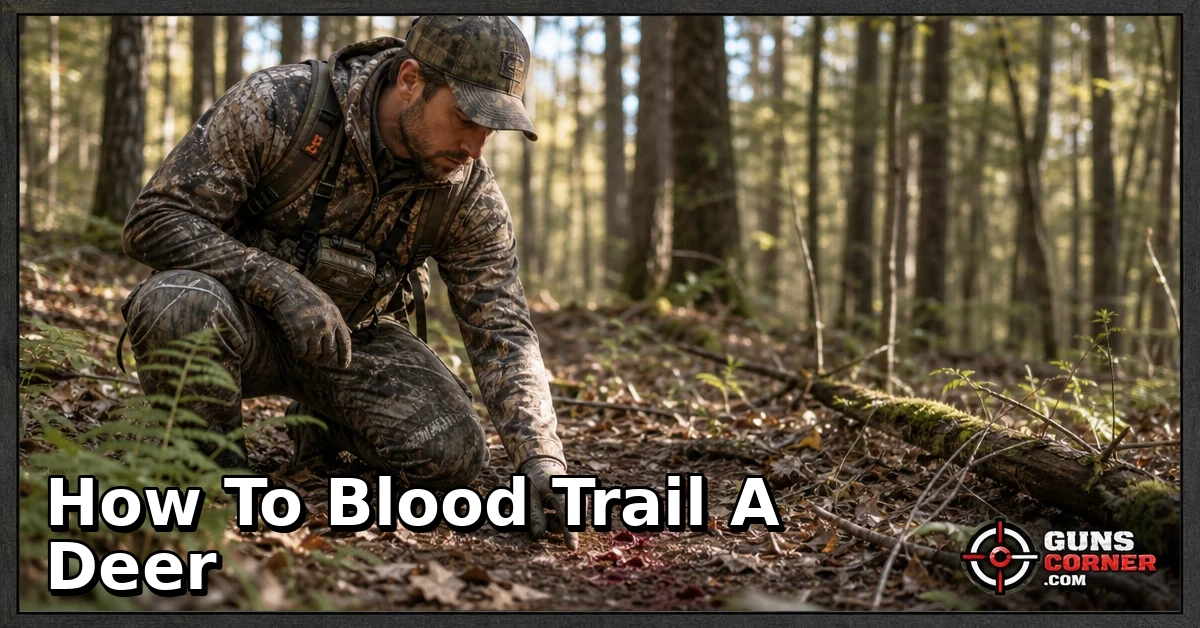

Learning how to blood trail a deer is an important responsibility for any ethical deer hunter. A careful recovery process can help you locate legally harvested game while reducing the risk of pushing a wounded animal farther away. This guide explains how to read blood sign, wait appropriately, follow a trail safely, and know when to ask for help.
To blood trail a deer, first mark the last place you saw the animal and carefully inspect the impact area for blood, hair, tracks, and disturbed vegetation. Follow the trail slowly, marking each confirmed sign and stopping whenever the evidence becomes uncertain. Wait when conditions and the type of sign suggest the deer may be bedded nearby, and avoid rushing forward. Always follow local recovery, tagging, reporting, trespass, and game-handling rules.
Important Legal and Safety Notice Before You Track
Hunting and game-recovery regulations vary by state, province, county, season, weapon type, and land classification. Before hunting, verify current rules with your official wildlife agency, including license and tag requirements, legal hunting hours, recovery permissions, reporting rules, transport requirements, and access boundaries.
- Carry the required hunting license, tag, permits, and identification.
- Know whether harvest reporting or tagging is required before moving the deer.
- Confirm that you have legal permission to enter every property involved.
- Wear required hunter orange or other visibility clothing.
- Unload or safely secure your firearm when climbing, crossing obstacles, or handling the deer.
- Use extreme caution with a bow, knife, or firearm near dense cover.
- Never approach an animal carelessly; observe from a safe distance and be prepared to follow local guidance.
- Carry a phone, navigation tools, water, first aid supplies, and a light.
What Blood Trailing a Deer Involves
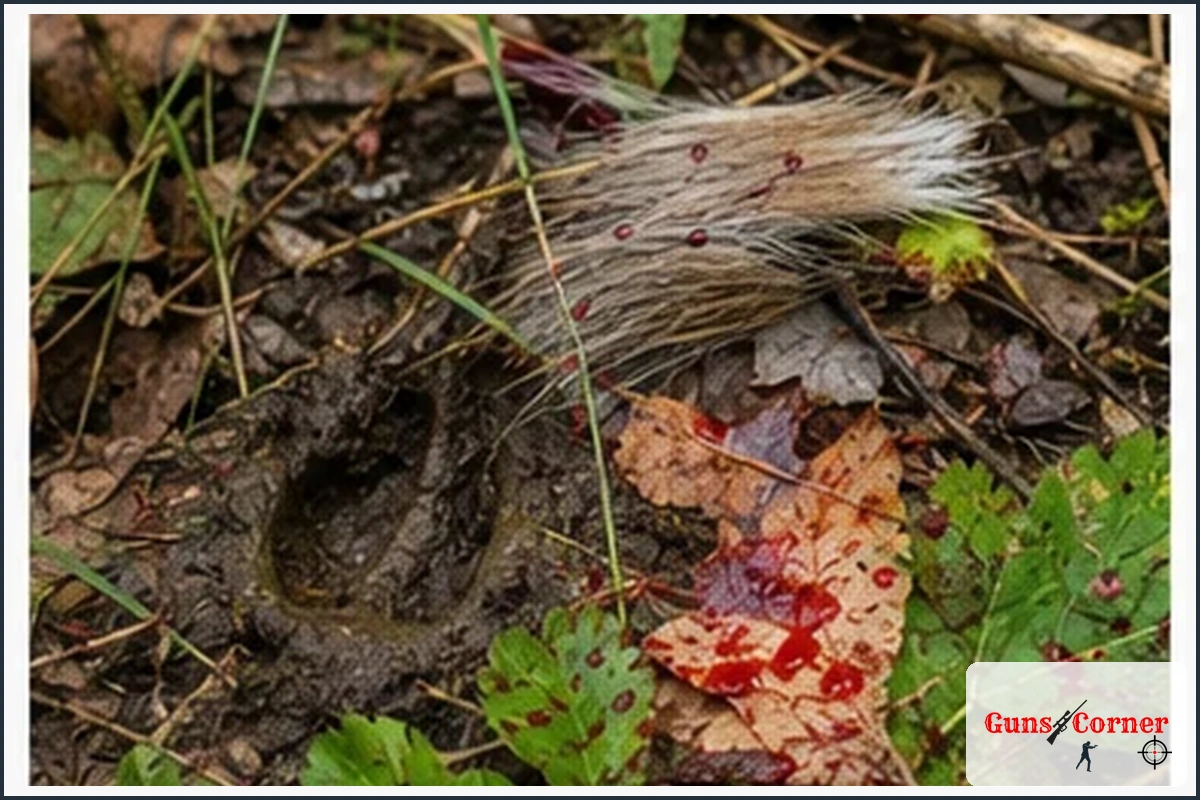
Blood trailing is the careful process of locating and following evidence after a legal shot. Blood is only one clue. Hair, tracks, broken branches, bent grass, disturbed leaves, scent, and the direction of travel can all help establish the route.
The goal is not to move quickly. The goal is to make good decisions that preserve evidence and improve the chance of a responsible recovery.
Before You Leave Your Hunting Position
Mark the Last Known Location
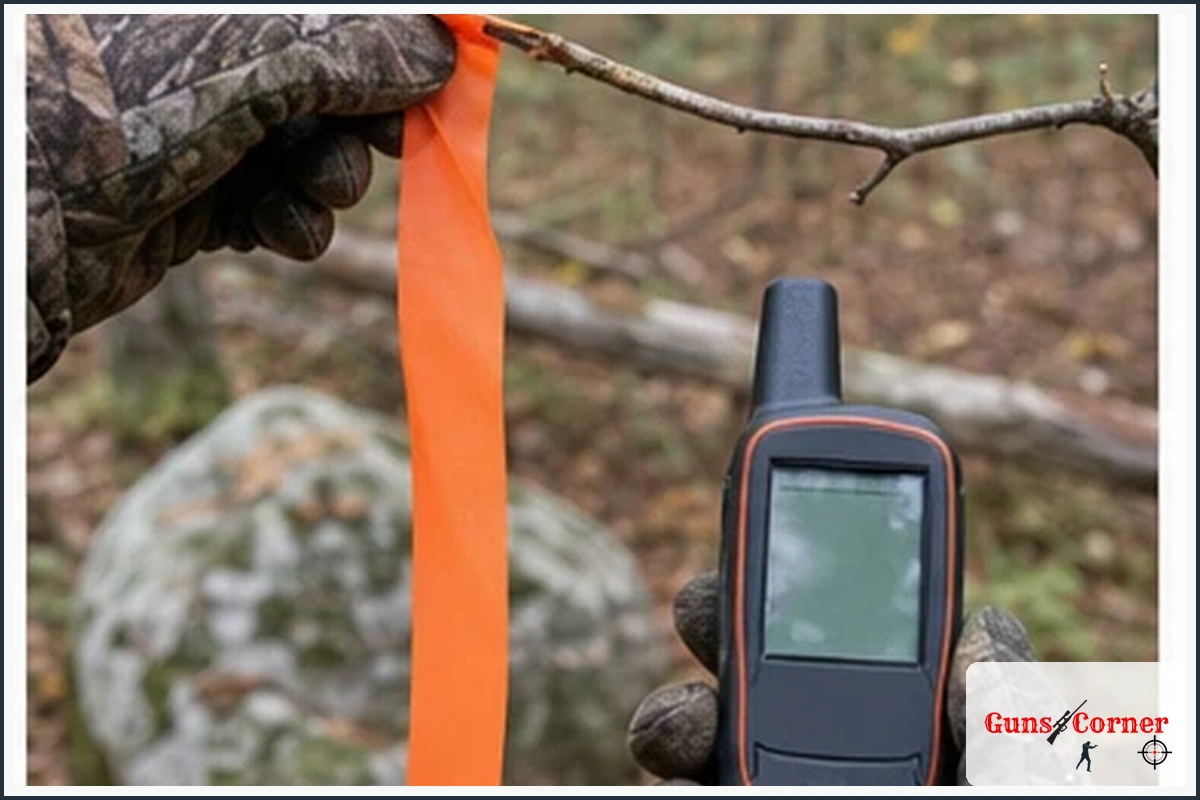
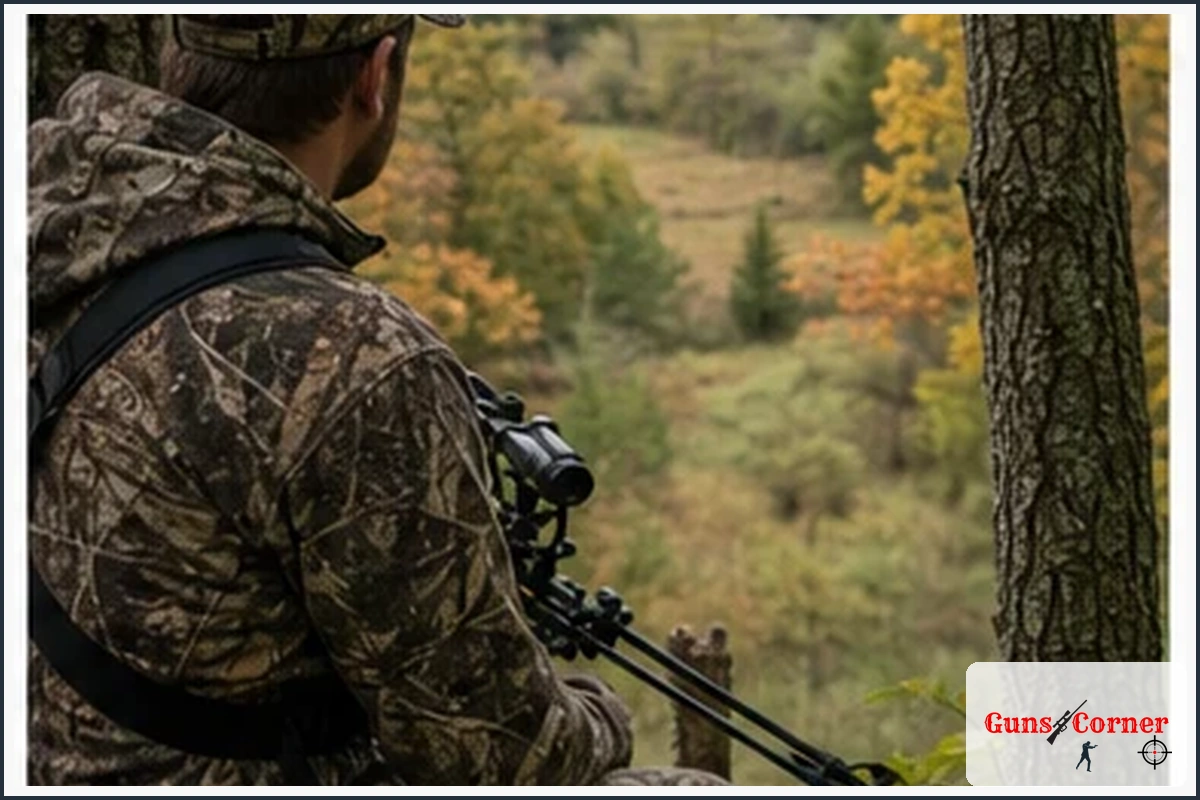
Use a mental landmark, tree, rock, fence line, or GPS waypoint to identify where the deer stood when you took the shot. Also mark the place where you last saw the deer. These two points can help you understand the direction of travel and locate the initial sign.
Wait and Observe
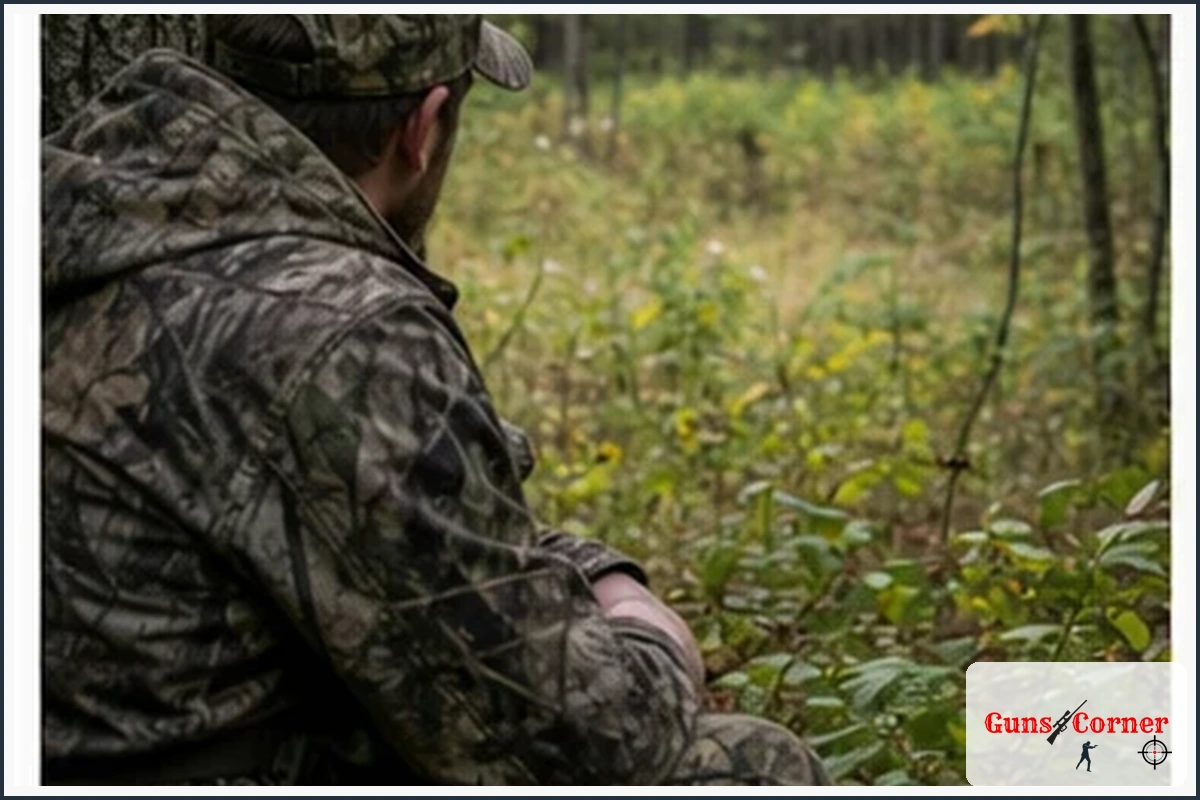
Do not immediately rush after the deer unless safety or legal circumstances require it. Listen carefully and watch the area for movement. The appropriate waiting time depends on the shot, the visible reaction, the type of blood sign, terrain, weather, and local recovery guidance.
If you are uncertain about the shot or the deer’s condition, contact an experienced mentor, tracking specialist, or local wildlife professional before proceeding.
How to Blood Trail a Deer Step by Step
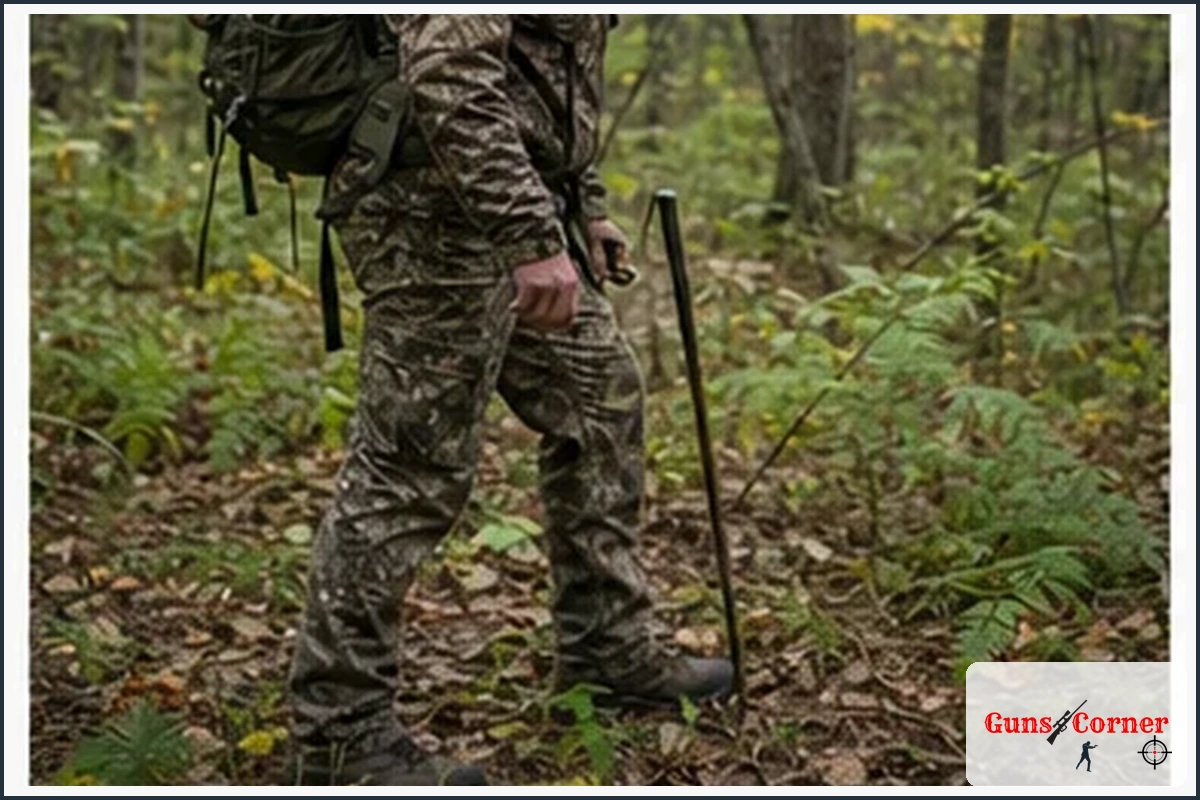
Step 1: Return to the Impact Area Carefully
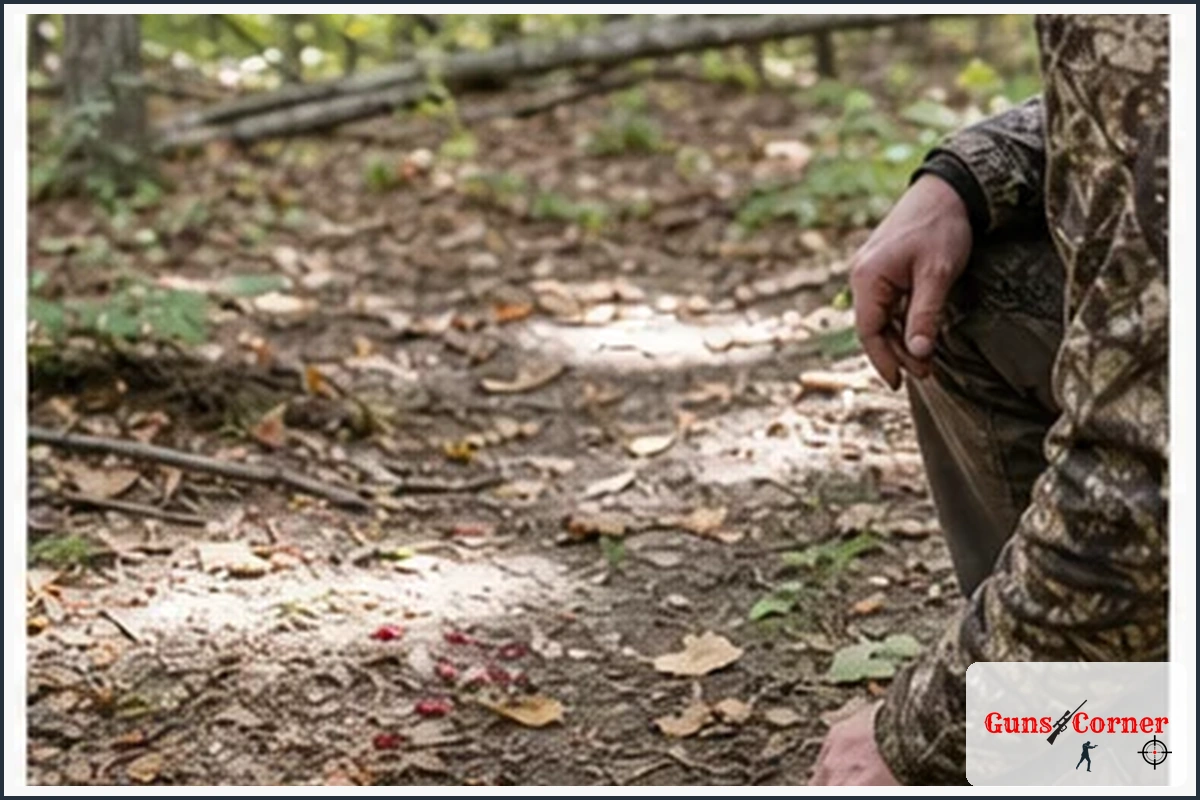
Approach the location where the deer stood without walking through possible blood sign. Stop at the edge of the area and examine it before moving farther.
Look for:
- Blood on leaves, grass, soil, or snow
- Hair color and texture
- Broken twigs or bent vegetation
- Tracks and hoof marks
- Disturbed soil or leaves
- A clear direction of travel
Step 2: Study the Blood Sign
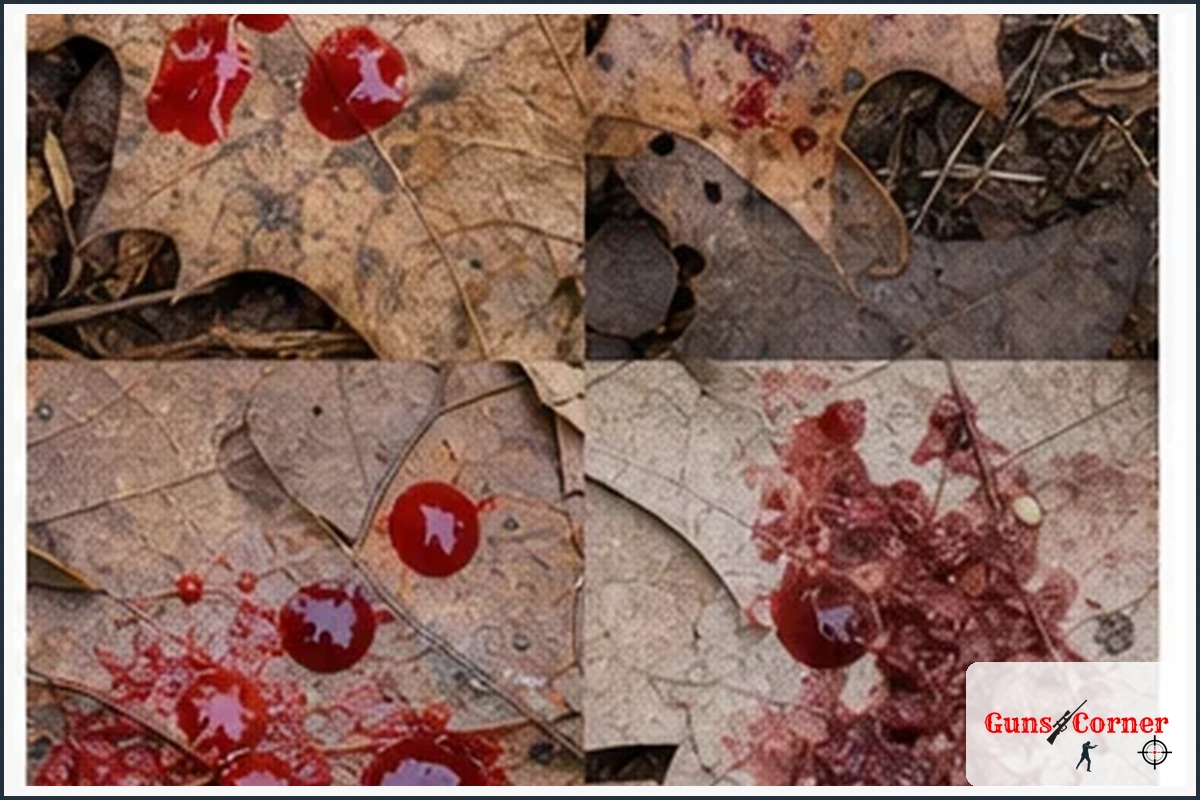
Blood patterns can provide clues, but they should never be treated as a guarantee. Bright red blood, darker blood, watery blood, blood with small tissue material, or sparse spots may each indicate different circumstances, yet field conditions can change how blood looks.
Consider the amount, color, location, and pattern of the sign together. Do not make a recovery decision based on one spot alone.
Step 3: Mark Every Confirmed Sign
Use biodegradable marking tape, small natural landmarks, or GPS points to mark confirmed blood. Place markers behind the trail rather than directly on the sign so the route remains visible.
Markers help you recognize the last confirmed point if the trail becomes difficult. Remove temporary markers afterward if they could create litter or confuse other hunters.
Step 4: Move Slowly Between Sign
Walk carefully from one confirmed clue to the next. Keep your eyes low and scan a broad area rather than staring only at the ground. Blood may appear on both sides of the trail, on vegetation, or several feet away from the animal’s exact path.
Use a flashlight held close to the ground when visibility is poor. Avoid trampling possible tracks, hair, or small blood spots.
Step 5: Confirm the Direction of Travel
Deer do not always travel in a straight line after a shot. Follow the strongest combination of evidence, including blood, tracks, bent vegetation, and the terrain. Pay attention to likely travel routes such as openings, thick cover, drainage lines, brush edges, and established trails.
Step 6: Pause at Beds, Cover, and Obstacles
Check carefully around likely resting places, thick cover, depressions, and terrain changes. A deer may stop, turn, or change direction in these areas. Inspect nearby vegetation without disturbing the location unnecessarily.
If you find a bedding area or the trail becomes very sparse, stop and reassess. Continuing too quickly can push the deer farther away.
Step 7: Reconstruct the Trail When Blood Disappears
When the blood trail ends, return to the last confirmed sign. Search in a small, organized pattern rather than wandering randomly. Look for:
- Tracks leaving the last blood location
- Flattened grass or leaves
- Freshly broken stems
- Blood on the underside of leaves
- Hair caught on branches
- Changes in the direction of travel
- Nearby cover, water, fences, or downhill routes
Change your viewing angle and use a flashlight when appropriate. Blood can be easier to see from a low angle or under artificial light.
Step 8: Use a Grid Search if Necessary
If the trail remains uncertain, mark the last known location and search outward in a deliberate grid. Keep searchers spaced apart and communicate clearly so evidence is not destroyed.
Before organizing other people or a tracking dog, confirm that local rules allow those methods. Follow any restrictions involving weapons, dogs, private property, and nighttime recovery.
Step 9: Stop When the Evidence Is Uncertain
If you can no longer determine the direction, stop moving forward. Mark your last confirmed sign and return later if conditions are suitable. Ask an experienced tracker for help instead of guessing.
Heavy rain, snow, heat, wind, other animals, and human activity can quickly reduce the quality of a trail, so seek help promptly when needed.
Step 10: Handle the Recovery Responsibly
Once the deer is located, confirm that it is safe to approach and follow your local regulations for tagging, reporting, transport, and field care. Use clean gloves and tools, cool the meat promptly when conditions require it, and plan the recovery before beginning the process.
How to Read Common Deer Blood Trail Clues
Blood on Both Sides of the Trail
Blood appearing on both sides may indicate that the animal’s body is contacting vegetation as it moves, but it does not identify a specific type of hit by itself. Use the entire trail and other sign to guide your decisions.
Small or Widely Spaced Spots
A sparse trail may result from limited bleeding, thick vegetation, changing terrain, or time passing. Slow down and search for secondary clues rather than assuming the animal traveled far.
Blood on Leaves and Branches
Blood above ground level can show that the deer brushed against vegetation or that the trail crossed a narrow passage. Examine the direction of disturbed plants and compare it with tracks.
Blood That Stops Suddenly
A trail may stop where the deer crossed open ground, entered thick cover, crossed water, or changed direction. Return to the last confirmed point and search methodically in all reasonable directions.
What Not to Do When Blood Trailing a Deer
- Do not sprint after the deer immediately.
- Do not walk through the impact area before examining it.
- Do not assume a lack of visible blood means there was no hit.
- Do not continue onto private property without permission.
- Do not use vehicles in prohibited areas.
- Do not bring an uncontrolled dog where dogs are not permitted.
- Do not carry a loaded firearm carelessly through dense cover.
- Do not take another shot unless the target is clearly identified and the background is safe.
- Do not let frustration replace careful observation.
Best Tools for Blood Trailing a Deer
Useful equipment should support observation, safety, navigation, and legal recovery rather than encourage careless tracking.
- Bright flashlight and spare batteries
- Phone with a charged battery and offline map
- Compass or GPS device
- Biodegradable marking tape, where allowed
- Disposable gloves
- First aid kit
- Water and weather-appropriate clothing
- Legal game bags and meat-care supplies
- Clean knife and other lawful field tools
A tracking dog can be valuable in some areas, but laws and local policies differ. Verify that the dog, handler, timing, and method are legal before using this option.
Troubleshooting Common Blood-Trailing Problems
| Problem | Possible Cause | What to Do |
|---|---|---|
| No blood at the impact site | The initial sign is hidden, the animal moved before bleeding externally, or the location is incorrect. | Recheck the last known location, inspect hair and tracks, and avoid spreading sign. |
| The blood trail becomes sparse | Vegetation, terrain, weather, or limited external sign is making the trail difficult. | Return to the last confirmed spot and search slowly for tracks, hair, and disturbed plants. |
| The trail disappears in thick cover | The deer changed direction or the sign is hidden below vegetation. | Use a low viewing angle, mark the last sign, and search a small organized area. |
| You are unsure whether sign is blood | Leaves, mud, berries, or other natural material may look similar. | Compare nearby sign, photograph it if useful, and ask an experienced tracker. |
| Rain or snow is approaching | Weather may erase or dilute evidence. | Mark the trail, contact help promptly, and follow local recovery and access rules. |
| You reach a property boundary | The trail crosses land you do not have permission to enter. | Stop and obtain permission or contact the appropriate landowner or authority. |
| You feel unsafe in the field | Darkness, terrain, weather, water, or equipment may create additional risk. | Stop, communicate your location, and leave or seek assistance safely. |
Ethical Hunting and Conservation
Recovering game is part of ethical hunting. Hunters should make every reasonable legal effort to locate harvested animals, but they must also protect their own safety, respect property boundaries, and avoid creating conflicts with other people or wildlife.
- Take only shots within your practiced ability.
- Pass on shots when the target, background, or animal position is unclear.
- Follow all seasons, tags, bag limits, and reporting requirements.
- Use as much of the legally harvested game as reasonably possible.
- Respect landowners, other hunters, hikers, and public-land users.
- Remove tape, packaging, and other waste from the field.
- Support conservation through lawful hunting participation and habitat stewardship.
When to Get More Training or Professional Guidance
Ask for help if you are unsure about the shot, cannot interpret the sign, are unfamiliar with the terrain, or are not confident about local law. An experienced mentor, hunter education instructor, certified tracker, conservation officer, wildlife agency, or reputable tracking organization may be able to provide appropriate guidance.
Always confirm the legal status of tracking dogs, nighttime searches, firearms during recovery, and access to neighboring property before using those methods.
After the Hunt: Gear Care and Learning
Clean and store lights, navigation devices, knives, clothing, and other equipment after the recovery. Recharge batteries, replace used first-aid supplies, and record weather, terrain, sign, and decisions while the experience is fresh.
Review what went well and what could improve. Better shot placement, stronger scouting, improved navigation, and more practice can make future hunts safer and recovery more efficient.
Final Thoughts
Knowing how to blood trail a deer requires patience, observation, and restraint. Mark the last known location, preserve the sign, follow confirmed evidence slowly, and stop when the trail becomes uncertain. Hunt legally, respect property boundaries, prioritize safety, and make every reasonable effort to recover and responsibly use the harvest.
Frequently Asked Questions
How long should I wait before blood trailing a deer?
There is no universal waiting time. Consider the shot, visible reaction, blood sign, terrain, weather, and local guidance. If uncertain, ask an experienced mentor before tracking.
Should I immediately follow a deer after the shot?
Usually, rushing can make recovery more difficult. Mark the location, observe, and allow an appropriate pause unless safety or legal circumstances require immediate action.
What should I do first when I find blood?
Stop, study the area, mark the sign, and determine the direction of travel before walking farther.
What if I cannot find blood?
Return to the last known location and inspect for hair, tracks, disturbed vegetation, and other clues. Avoid trampling the area.
Can I track a deer at night?
Night recovery rules vary. Verify local regulations, land access, visibility requirements, and weapon restrictions before proceeding.
Should I use a tracking dog?
A trained tracking dog may help in some areas, but dogs and tracking methods may be regulated. Confirm legality before arranging one.
What does bright red blood mean?
Blood color can offer clues, but it is not conclusive. Evaluate color, amount, pattern, terrain, hair, tracks, and other evidence together.
What does dark blood mean?
Dark blood may provide useful information, but field conditions can change its appearance. Do not rely on color alone to make recovery decisions.
What if there is only a small amount of blood?
Mark the last sign and search carefully for tracks, hair, broken vegetation, and additional spots. Sparse sign requires slower movement, not faster movement.
How do I follow a blood trail in leaves?
Use a low viewing angle, inspect both sides of the route, and compare blood with disturbed leaves and tracks. Mark confirmed sign as you go.
How do I blood trail a deer in snow?
Look for blood, tracks, body impressions, and disturbed snow. Move carefully so you do not cover or erase evidence.
How do I blood trail a deer in rain?
Rain can dilute or erase sign. Mark the last known location, search carefully, and seek qualified help promptly while obeying access and recovery rules.
What if the blood trail crosses a road?
Use extreme caution around roads and never create a traffic hazard. Follow local rules and do not pursue the trail if doing so would endanger people or violate access laws.
What if the trail crosses private property?
Stop at the boundary and obtain permission before entering. Never assume a harvest gives you automatic access.
Can I use a vehicle to follow a blood trail?
Vehicle use is often restricted and may damage habitat or violate land rules. Check local regulations and use vehicles only where clearly permitted.
What if I lose the trail?
Return to the last confirmed sign, mark it, and search methodically. If the direction remains uncertain, contact an experienced tracker.
Should I search in a straight line?
Not always. Deer may turn, circle, or follow terrain features. Use confirmed sign and likely cover to guide a careful search.
How far can a wounded deer travel?
Travel distance varies widely with the shot, terrain, animal behavior, weather, and pressure. Do not assume a short or long distance without evidence.
Should I follow tracks without blood?
Tracks can help reconstruct the route, but confirm them with other clues whenever possible. Mark the last reliable evidence before continuing.
Can other animals destroy a blood trail?
Yes. Weather, scavengers, livestock, and people can disturb sign. Protect the area from unnecessary traffic and seek help when conditions are changing.
What clothing should I wear while tracking?
Wear weather-appropriate clothing, sturdy footwear, required visibility gear, gloves, and protection suited to the terrain.
Should I carry a firearm while tracking?
Follow local rules and handle any firearm safely. Keep it under control, identify the target clearly, and never shoot at movement or toward an unsafe background.
Can I take another shot during recovery?
Only if the animal is clearly identified, the shot is legal, the background is safe, and the opportunity is within your practiced ability. Otherwise, stop and seek help.
What should I do if I find the deer alive?
Keep a safe distance, avoid reckless close contact, and follow lawful, humane recovery practices. Contact an experienced mentor or appropriate authority if you are unsure.
How do I avoid contaminating the trail?
Walk beside the evidence when possible, limit the number of people searching, and mark rather than step on confirmed sign.
Should I mark blood with tape?
Biodegradable marking tape can help in some areas, but check land rules and remove it afterward. Natural landmarks or GPS points may be better alternatives.
What should I bring on a blood-trailing search?
Carry a flashlight, spare batteries, phone, navigation tools, water, first aid supplies, gloves, weather gear, and any legally required tagging or game-care equipment.
When should I stop searching?
Stop when conditions become unsafe, access is uncertain, the trail cannot be interpreted, or continuing would create unnecessary disturbance. Record the last confirmed sign and seek guidance.
Do I need to report a recovered deer?
Many jurisdictions require tagging or harvest reporting, but the rules differ. Check your official wildlife agency before hunting and follow the current process.
When should I tag the deer?
Tagging timing and placement vary by jurisdiction. Follow the instructions printed with your tag and current wildlife regulations.
How should I care for the deer after recovery?
Follow local field-care and transport requirements, use clean equipment, protect the meat from contamination, and cool it appropriately for the conditions.
What is the biggest beginner mistake when blood trailing?
The most common mistake is moving too quickly and destroying the evidence. Patience and careful marking are usually more valuable than speed.
Can I blood trail a deer alone?
You can in some situations, but a partner improves communication and safety. Tell someone where you are going and carry reliable communication equipment.
Should I take photographs of the trail?
Photographs can help document sign and assist an experienced tracker. Avoid delaying necessary recovery when weather or access conditions are worsening.
Does scent matter while blood trailing?
Scent may influence deer behavior, but once a shot has occurred, preserving evidence and avoiding unnecessary pressure are usually more important than elaborate scent-control measures.
How can I improve my blood-trailing skills?
Complete hunter education, learn from an experienced mentor, practice reading tracks and vegetation, and study local terrain before the season.
What official source should I check before recovering game?
Consult your state, provincial, or territorial wildlife agency for current hunting, access, tagging, reporting, and recovery regulations.