
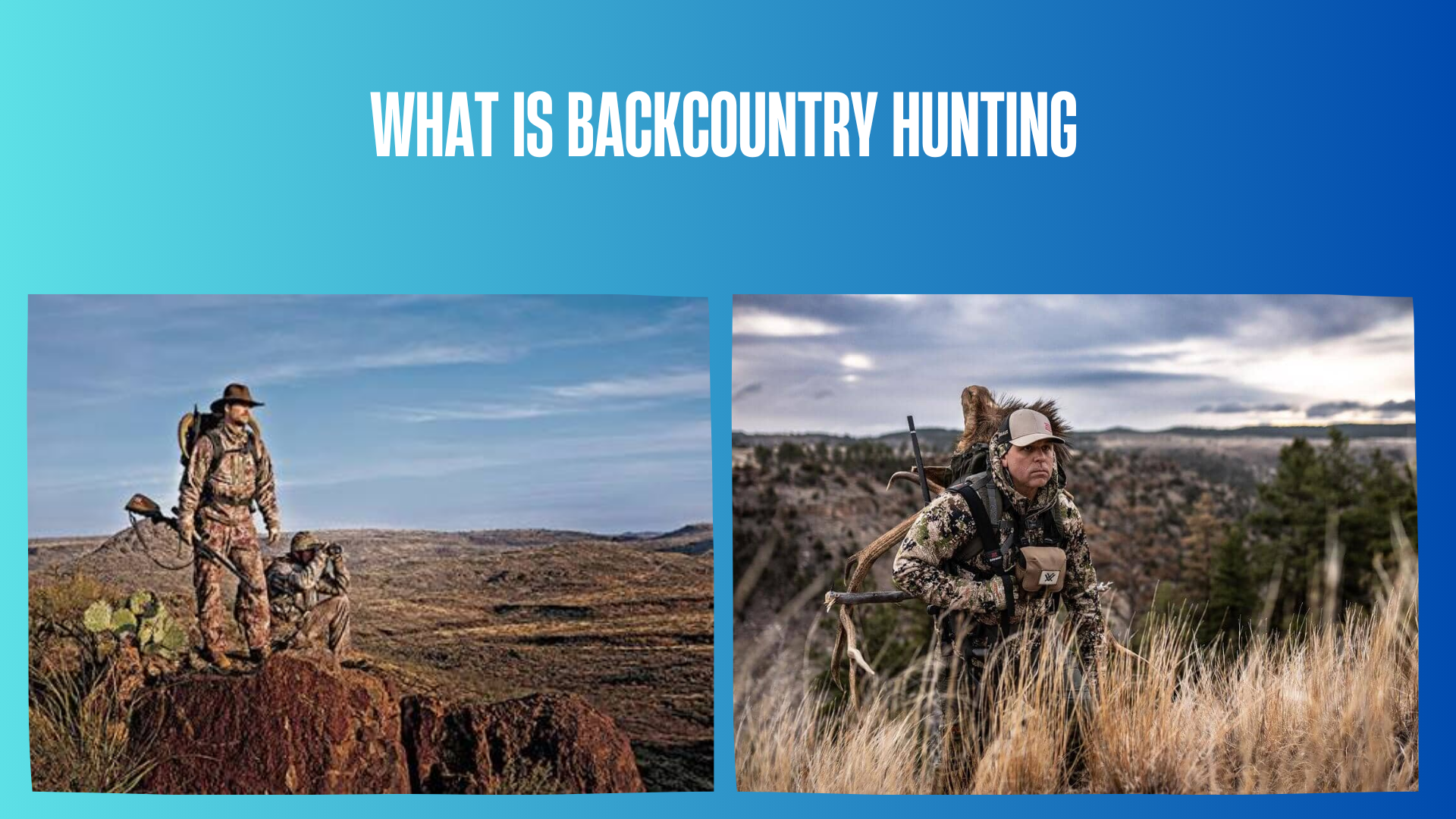

Ahunting area can look close on a map and feel very different once the road disappears. Beyond the last trailhead, you may have to navigate without cell service, carry enough supplies to handle changing weather, and bring any harvested game back out under your own power. That combination of remote access and self-reliance is what makes people ask: what is backcountry hunting?
This guide explains what the term means, how a backcountry hunt differs from a roadside outing, what equipment and skills matter most, and how a beginner can plan responsibly. The examples focus on hunting in the United States, where seasons, access rules, species and permits depend on the location.
Quick Answer
Backcountry hunting is hunting in relatively remote, often undeveloped country where reaching the hunting area, staying safe and recovering game require more self-sufficiency than a hunt close to roads or services. Hunters may hike in for a day, camp overnight, use a permitted base camp or travel with pack animals. There is no universal mileage, elevation or overnight-camping requirement that turns a hunt into a backcountry hunt. The defining factors are remoteness, access, terrain, weather exposure and the resources available if something goes wrong. Before going, verify that hunting is legal at the exact location and build a realistic navigation, emergency and game-recovery plan.
What Is Backcountry Hunting, and What Counts as Backcountry?
In outdoor use, backcountry generally describes places away from developed roads, facilities and easy access to help. A remote timber basin reached by a long foot trail could qualify; so could roadless desert canyons, high-elevation ridges or thick northern forest. The landscape does not have to be mountainous, and it does not have to be federally designated Wilderness.
The important distinction is practical rather than a fixed distance. A three-mile walk over steep, wet ground may be harder to exit than a longer walk on a maintained path. Heavy equipment, poor visibility, swollen crossings or a harvested animal can make an otherwise manageable route substantially more demanding.
Backcountry hunting vs. regular hunting
| Factor | Road-accessible or frontcountry hunt | Backcountry hunt |
|---|---|---|
| Access | Vehicle, nearby parking or developed trails may be available. | Often requires long travel on foot, permitted stock or other authorized access. |
| Emergency help | Reaching a road or contacting help may be easier. | Communication and evacuation may be delayed or difficult. |
| Supplies | Extra food, clothing and equipment may remain at a vehicle. | Critical supplies need to be carried or secured at a legal camp. |
| Game recovery | Vehicle access may shorten transport. | Meat may need to be carried out in multiple safe loads. |
| Weather exposure | Retreat to shelter may be relatively quick. | Wind, storms, heat and temperature swings may be harder to escape. |
| Planning priority | Regulations, access, safe equipment use and a return plan. | All of those, plus detailed navigation, contingency and pack-out planning. |
Remember: a trip being called “backcountry” does not make it legal to hunt there. Recreational remoteness and hunting authorization are separate questions.
How Does a Backcountry Hunt Actually Work?
Most backcountry trips follow the same general sequence: verify legal access, study the area, choose a conservative route, prepare equipment, travel in, hunt within safe conditions and return with all gear and any legally harvested game. The details change with the species and terrain.
1. Remote day hunts
A hunter starts at a trailhead, walks into less-accessible habitat and returns to the same vehicle before or after daylight. This can be a useful introduction because sleeping gear is not necessary, but it still demands adequate food, water, navigation and emergency supplies. Day hunts can become overnight emergencies if weather or injury delays the return.
2. Backpack or spike-camp hunts
Hunters carry a compact sleep system and establish a legal camp nearer the hunting area. This can reduce commuting time, but it adds camp selection, water treatment, food storage, cooking restrictions and extra pack weight. A spike camp usually means a smaller, temporary camp away from a main base.
3. Base-camp or outfitted hunts
A base camp may be reached by vehicle, horseback travel or another authorized method, with hunters making excursions into remote terrain. An outfitter or guide can help with logistics and local knowledge where lawful, but hiring one does not eliminate the hunter’s responsibility for safety or legal compliance.
What does a typical backcountry elk hunt look like?
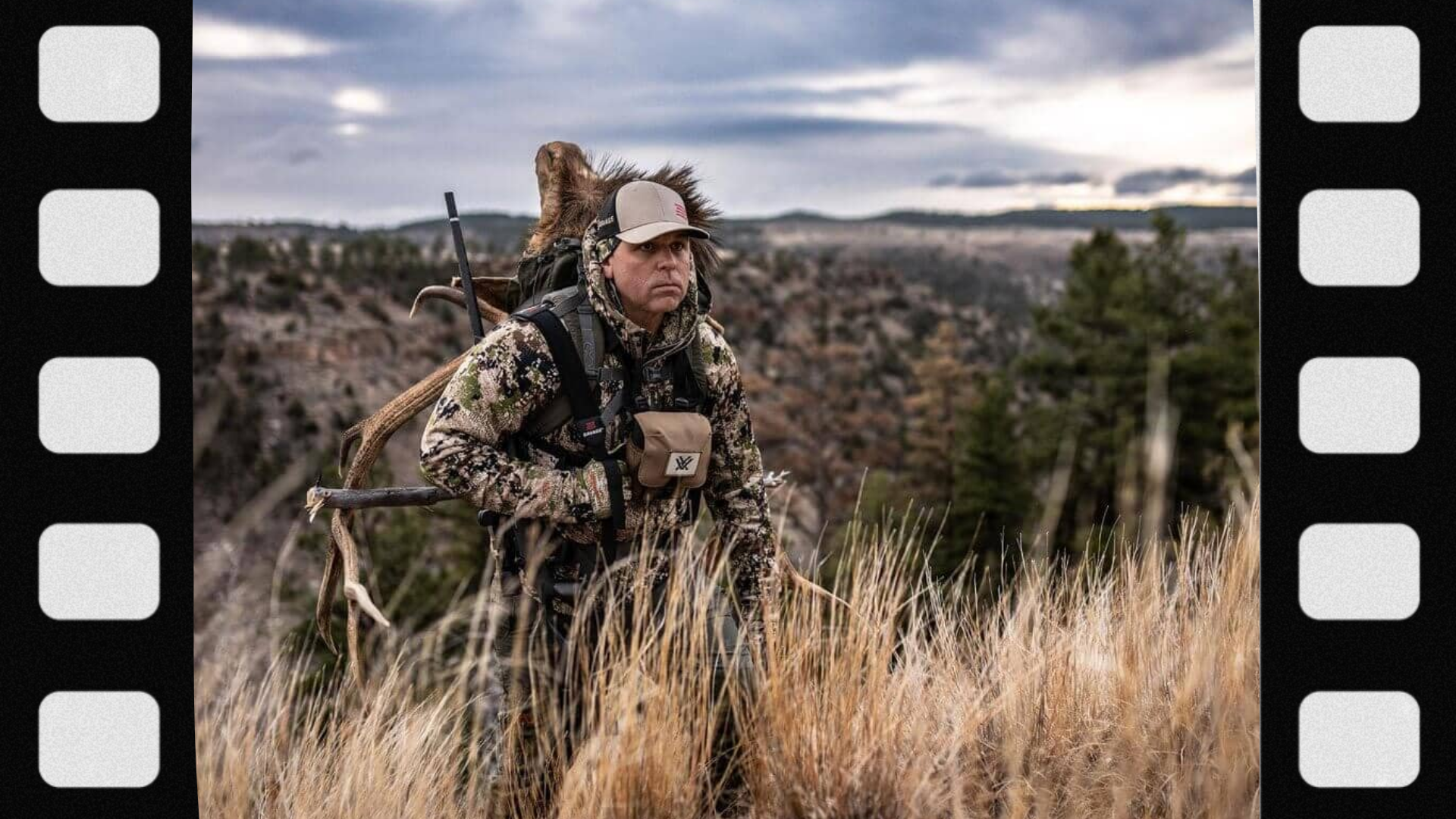
Consider a hypothetical elk hunter who parks at a legal access point, hikes into a forested drainage and establishes an authorized overnight camp. The hunter spends the following day observing habitat, checking conditions and moving within a planned return radius. If an elk is lawfully harvested, the trip changes from hunting to time-sensitive meat care and transport. Rather than attempting an unsafe load, the hunter must have a lawful, realistic method to cool, protect and retrieve the meat. The exit may be more physically demanding than the hike in.
Where Can You Go Backcountry Hunting Legally?
Backcountry hunts may take place on certain state-managed lands, national forests, Bureau of Land Management (BLM) lands, authorized private property or specific other areas where hunting is permitted. Not every public parcel is open to hunting. Boundaries, closed areas, weapon seasons, species rules and access routes can all differ.
- National forests and grasslands: The U.S. Forest Service hunting guidance explains that state hunting laws apply and that local forests may restrict hunting in particular locations. Ask the responsible ranger district about current closures and travel rules.
- BLM-managed lands: The BLM hunting and fishing guidance emphasizes state licenses and responsible use. Confirm regulations with the local field office.
- National Park Service units: Hunting is prohibited unless specifically authorized for the unit under applicable law; certain preserves and other designated units do allow it. Check the NPS hunting overview and the exact unit’s regulations rather than assuming a national park is open to hunting.
- Private property: Obtain the landowner’s permission and confirm the lawful access route. A public trail or road nearby does not automatically confer permission to cross privately owned land.
Before leaving home, verify the current license, species tag, season, wildlife-management unit, weapon restrictions, hunter-orange requirements, legal shooting hours, bag limits, campsite or wilderness permits, road closures and carcass-transport rules with the state wildlife agency and the relevant land manager. Some public-land areas contain private inholdings. Offline property maps can help, but official boundary information and posted restrictions take priority.
What Skills Matter More Than Expensive Gear?
Navigation without a phone signal
Learn to read a topographic map, understand elevation gain and use a compass. Download offline maps before leaving home, carry a power source and know how to identify safe return landmarks. A GPS-enabled device helps, but batteries, screens and reception are not infallible. The National Park Service’s Ten Essentials specifically recommends navigation tools, a physical backup and familiarity with the equipment.
Judging pace, terrain and conditions
Practice hiking with a comfortably loaded pack before hunting season. Assess climbing, footing, stream crossings and the time required to reverse the route. Avoid treating a map’s straight-line mileage as an accurate measure of effort, especially in steep country.
Managing water, weather and shelter
Know where you can obtain water and how to treat it. Carry enough to reach the next dependable source, plus a margin for delays. Learn to recognize approaching storms and choose clothing layers that manage sweat as well as cold. Know when your shelter and sleep system are not suitable for the forecast.
Making a conservative go/no-go decision
Decide in advance what ends the hunt: hazardous wind, lightning exposure, an impassable water crossing, injury, severe fatigue, unexpected illness, failed navigation or insufficient time for a safe return. Turning back early is a successful safety decision, not a failed hunt.
Backcountry Hunting Gear Checklist: Essentials vs. Extras
You do not need the most expensive equipment to hunt responsibly. Choose gear based on the species, terrain, weather, local regulations, fit, safety, reliability, maintenance requirements and your actual experience.
| Item or system | Why it matters | Priority | Check before the trip |
|---|---|---|---|
| Licenses, tags and identification | Documents needed for lawful participation. | Required as applicable | Correct season, unit, species and possession rules. |
| Map, compass and offline navigation | Route finding when cell service is unavailable. | Essential | Offline data, landmarks, compass skills and batteries. |
| Trip plan and emergency communication | Helps trusted contacts respond to delays. | Essential planning | Return time, check-in plan and device coverage limitations. |
| Water and treatment method | Supports hydration without relying on untreated sources. | Essential | Water source reliability and treatment capacity. |
| Food and additional emergency calories | Fuel for hiking and unexpected delays. | Essential | Enough for planned exertion and contingencies. |
| Layered clothing and rain protection | Helps manage sweat, wind and changing temperatures. | Essential | Forecast, fit and spare dry insulation. |
| Broken-in footwear and suitable socks | Support traction and foot comfort on the route. | Essential | Fit while descending with a pack; no developing hot spots. |
| Headlamp and spare power | Enables safe visibility during delays or low light. | Essential | Working light, backups and battery charge. |
| First-aid and emergency shelter | Supports immediate response while arranging help. | Essential | Training, supplies, weather suitability and medications. |
| Hunting equipment and protective gear | Allows a lawful hunt within the user’s skills. | Method-specific | Safe handling, fit, maintenance and local equipment rules. |
| Pack and game-care equipment | Supports transport and sanitary handling if successful. | Essential when harvesting | Safe load capacity, bags, gloves, tools and pack-out plan. |
| Shelter, sleeping system and cooking kit | Supports overnight stays. | Required for overnight plans | Temperature suitability, camp permits and fire restrictions. |
| Trekking poles, optics and optional accessories | May help with balance and observing the area. | Optional, situation-dependent | Whether benefits justify the weight. |
For a species-specific starting point, see Gunscorner’s elk hunting gear checklist. The right pack is the one you can use safely and comfortably, not simply the largest one available.
How to Plan Your First Backcountry Hunt in Eight Steps
- Choose manageable country. Select a legal hunting area with a clearly mapped trailhead and a route you have the fitness and skills to complete. A remote day hunt can be a better first goal than a multi-day mountain expedition.
- Confirm every relevant rule. Check state regulations, land-manager notices, wildfire closures, access rights, camping restrictions and whether your chosen method is lawful.
- Scout from maps and on foot. Identify trails, elevation changes, water sources, possible campsites, exit routes and landmarks. Do not rely solely on imagery or unverified app boundaries.
- Test the load and practice outdoors. Hike with your packed equipment, break in boots, practice using navigation tools and confirm that first-aid and communications equipment works.
- Study the forecast and local hazards. Account for weather changes, daylight, altitude, possible wildfire activity, stream levels and local wildlife risks. Carry equipment suitable for conditions, not just the expected daytime temperature.
- Set a return deadline and leave a trip plan. Give a trusted person your route, vehicle location, party information, expected check-in and instructions for escalating a missed return. The NPS trip-plan guidance offers a useful framework.
- Arrange game recovery before a harvest. Decide how meat will be cared for and moved, how many safe trips may be needed, and when you would decline a shot because recovery is unrealistic.
- Reassess in the field. Monitor pace, daylight, health and conditions. Change plans early or turn around when the safety margin is shrinking.
A useful beginner rule is to plan the return with the same attention given to reaching the hunting area. No route is worth crossing a dangerous river, continuing into severe weather or carrying a load that compromises balance.
What Happens After a Successful Harvest?
Backcountry game recovery is often the most overlooked part of trip preparation. The goal is to recover game promptly, handle meat cleanly, prevent spoilage and obey tagging, evidence-of-sex and transport rules wherever they apply.
Think about the pack-out before making a hunting decision
Ask yourself whether you can safely reach the animal, care for the meat and transport every required portion without risking injury or waste. Steep terrain, a long hike, darkness, heat or having no partner can make an otherwise lawful opportunity impractical. Multiple carefully planned trips may be needed for large game; do not attempt an uncontrolled load.
Protect meat quality
Follow species-specific hunter education and state wildlife guidance for field care. Use clean tools and gloves, avoid contact with soil and other contamination, and begin cooling as soon as practical. The USDA Food Safety and Inspection Service advises prompt field dressing and chilling wild game; handled meat should be kept below 40°F once properly chilled. Warm weather makes the timeline especially important.
Check local rules for carcass disposal and movement across unit or state boundaries. Chronic wasting disease management can involve restrictions on transporting certain deer or elk parts. When unsure, obtain guidance from the relevant wildlife agency rather than assuming the rules are identical everywhere.
Backcountry Hunting Safety: Risks You Should Plan Around
Lost route or failed communication
Remote terrain may have no reliable cell service. Carry practiced navigation backups, establish a trip plan and consider an appropriate satellite emergency device for areas without cellular coverage. Understand the device’s limitations and how rescue requests work where you will travel.
Hypothermia, heat illness and altitude
Cold exposure is not limited to winter. The CDC warns that hypothermia can occur at cool temperatures when someone becomes wet from rain, sweat or cold water. Shivering, unusual exhaustion, confusion and poor coordination require prompt attention; suspected hypothermia is an emergency. Hot-weather hikes can lead to dehydration or heat illness, so plan shade, rest and water conservatively. At elevation, allow appropriate acclimatization and seek medical advice for concerning symptoms.
Wildlife and food storage
Where bears are present, learn the area’s food-storage order and how it treats food, scented items, game meat and carcasses. Some forests have mandatory storage requirements. The Bridger-Teton National Forest explains why food-storage rules vary by location. Do not leave attractants around a sleeping area; follow local bear-safety guidance and carry bear spray where lawful and appropriate if trained to use it.
Firearm and archery safety
For any firearm hunt, treat every firearm as loaded, keep the muzzle pointed in a safe direction, keep your finger outside the trigger guard until ready to shoot, and be certain of the target and what lies beyond it. Follow the manufacturer’s instructions and obtain appropriate training. Never shoot at sound or movement you have not positively identified. Bowhunters should inspect equipment, practice within demonstrated ability and observe safe handling in camps and on trails.
Sharing land with other people
Hunters may encounter hikers, campers, equestrians, other hunters and land managers. Follow any applicable blaze-orange requirements, use extra visibility where appropriate and respect safety zones. Do not assume a remote basin is empty or that vegetation provides a safe backstop.
Common Backcountry Hunting Mistakes and Better Alternatives
- Going deeper just to get away from crowds. Instead, pick an area where you can navigate, hunt and recover game responsibly. More distance does not automatically mean better hunting.
- Counting on your phone alone. Download maps, learn a compass and carry a physical navigation backup.
- Overpacking for the hike in. Prioritize safety and weather essentials, then test the load before leaving. Do not remove crucial emergency supplies just to save weight.
- Underestimating the trip out. Include climbing, fatigue and possible game loads when calculating your turnaround time.
- Assuming public land equals open hunting land. Check the specific parcel, jurisdiction, access corridor and current closures.
- Leaving meat care until after the harvest. Prepare proper supplies and a realistic cooling and transport plan in advance.
- Ignoring early warning signs. Blisters, navigation uncertainty, worsening weather and exhaustion are signals to adjust the plan, not challenges to overcome at any cost.
- Camping without considering wildlife or land rules. Verify overnight permits, sanitation, food storage and fire restrictions before choosing a site.
Is Backcountry Hunting Right for a Beginner?
Yes, provided the trip matches the hunter’s skills and support. A beginner does not need to start in isolated alpine country or carry a week’s worth of gear. Build experience in stages:
- First stage: Complete hunter education, practice with your chosen lawful hunting method and take short scouting hikes with map-and-compass exercises.
- Second stage: Try a remote but manageable day hunt with a skilled partner, a conservative turnaround time and an established return route.
- Third stage: Consider a legal overnight hunt after practicing camping, water treatment, emergency communication and hiking with the full load.
A qualified local guide, outdoor instructor or experienced hunting mentor can be valuable when you are unfamiliar with terrain, navigation, game care or area regulations. Their help should complement, not replace, your own responsibility for preparation and judgment.
Final Answer: What Is Backcountry Hunting?
Backcountry hunting is the pursuit of legally huntable game in remote country where access, weather, navigation, emergency response and game recovery demand greater independence. It can be a single long day or a multi-day camp, and it is not defined by a particular mileage or mountain elevation. Its challenge is not simply getting farther from a road; it is being able to return safely, comply with local rules and handle any harvested animal responsibly.
For a first trip, favor a manageable route, check regulations with the state wildlife agency and land manager, practice with the gear you already have, share a trip plan and be willing to turn around. Preparation, sound judgment and ethical decisions matter more than how remote the hunt looks on a map.
FAQs
1. What does backcountry hunting mean in simple terms?
It means hunting away from convenient roads or developed services, where you need to carry more of your own supplies and solve navigation, weather and game-recovery problems independently.
2. How far from a road is considered backcountry hunting?
There is no universal distance. Remoteness depends on terrain, access, available help and how difficult it would be to return safely.
3. Does backcountry hunting always require camping?
No. A demanding remote day hunt can be a backcountry hunt even if you return to your vehicle that evening.
4. Is backcountry hunting the same as wilderness hunting?
Not exactly. “Backcountry” describes remoteness in everyday use, while federally designated Wilderness is a specific legal land designation with additional management rules.
5. Can you hunt in national forests?
Often, yes, subject to state regulations and forest-specific restrictions. Confirm the precise area, season and access rules with the responsible Forest Service district.
6. Is hunting allowed in national parks?
Not automatically. Hunting is permitted only in National Park Service units where applicable law authorizes it. Check the individual unit’s current regulations.
7. Can you backcountry hunt on BLM land?
Many BLM-managed areas allow hunting under applicable state law, but local closures and access restrictions can apply. Check with the relevant BLM field office.
8. Do I need a special backcountry hunting permit?
There is no universal permit by that name. You may need a hunting license, tag, area authorization, campsite permit or wilderness permit depending on the location and trip.
9. What animals are commonly hunted in the backcountry?
Depending on legal seasons and habitat, hunters may pursue elk, deer, sheep, goats, bear and small game. Species suitability varies greatly by region.
10. Is backcountry elk hunting harder than deer hunting?
It can be, particularly because large game may require extensive meat transport. Difficulty also depends on species, terrain, weather, access and the hunter’s experience.
11. Can beginners go backcountry hunting?
Yes. Start with hunter education, basic navigation practice, conservative routes and, ideally, an experienced partner or qualified guide.
12. Should I hunt alone in the backcountry?
Solo travel increases the consequences of injury, navigation errors and delayed assistance. New hunters should strongly consider going with an experienced partner.
13. Is a GPS enough for backcountry hunting?
No. It is useful, but batteries and devices can fail. Carry appropriate navigation backups and know how to use them.
14. Do I need a satellite communicator?
It is a sensible safety consideration in areas without cellular service, especially for longer or solo trips. It cannot guarantee rescue and does not replace an emergency plan.
15. How do I find legal access to a remote hunting area?
Review official land-management maps, state hunting maps, public routes and property boundaries. Ask the land manager about closures and obtain permission before crossing private property.
16. How do hunters carry game out of the backcountry?
Methods vary by terrain and law. Hunters often use properly fitted load-carrying packs, multiple trips or authorized assistance, while keeping meat clean and cooling it promptly.
17. What if the animal is too heavy to pack out safely?
Do not attempt a load that threatens your balance or health. Plan for assistance and safe trips before hunting, and avoid taking an opportunity when responsible recovery is unrealistic.
18. Is backcountry hunting more expensive than ordinary hunting?
It can be because of travel, camping, licensing, communications and pack requirements. Costs vary widely; reliable essential gear and proper training matter more than buying premium accessories.
19. What kind of boots are best for backcountry hunting?
Choose footwear that fits, supports the route, provides suitable traction and has already been tested with your pack. No single boot is ideal for every climate and terrain.
20. How do I avoid getting lost during a hunt?
Learn map-and-compass navigation, mark a sensible route, download offline maps, watch for landmarks and turn back before uncertainty becomes serious.
21. Can I drink water straight from a mountain stream?
Do not assume natural water is safe. Use a suitable treatment method and plan reliable water access before setting out.
22. How dangerous is bad weather in the backcountry?
Weather may reduce visibility, block routes, increase heat or cold exposure and delay rescue. Carry protection suited to the forecast and turn back when conditions exceed your preparation.
23. What is a spike camp in hunting?
A spike camp is a small temporary camp established away from a larger base or road access to support travel in a hunting area.
24. Do I need a guide for my first backcountry hunt?
Not universally, but an experienced, qualified guide or mentor can help you learn safe route selection, area regulations and game-care practices.
25. Is backcountry hunting only for rifle hunters?
No. Hunters may use lawful firearms, archery equipment or other authorized methods, depending on species, season and local regulations.
26. What is the biggest mistake first-time backcountry hunters make?
One of the most consequential is planning the hike in without planning how to return safely, especially after a harvest or a sudden weather change.
27. How should I store food in bear country?
Use the method required by the specific land manager, such as approved bear-resistant storage where mandated. Store other attractants and harvested game according to local instructions as well.
28. How can I reduce my environmental impact?
Stay on legal routes, pack out trash, avoid damaging vegetation, follow campsite and fire restrictions, protect water sources and handle game remains according to local regulations.