
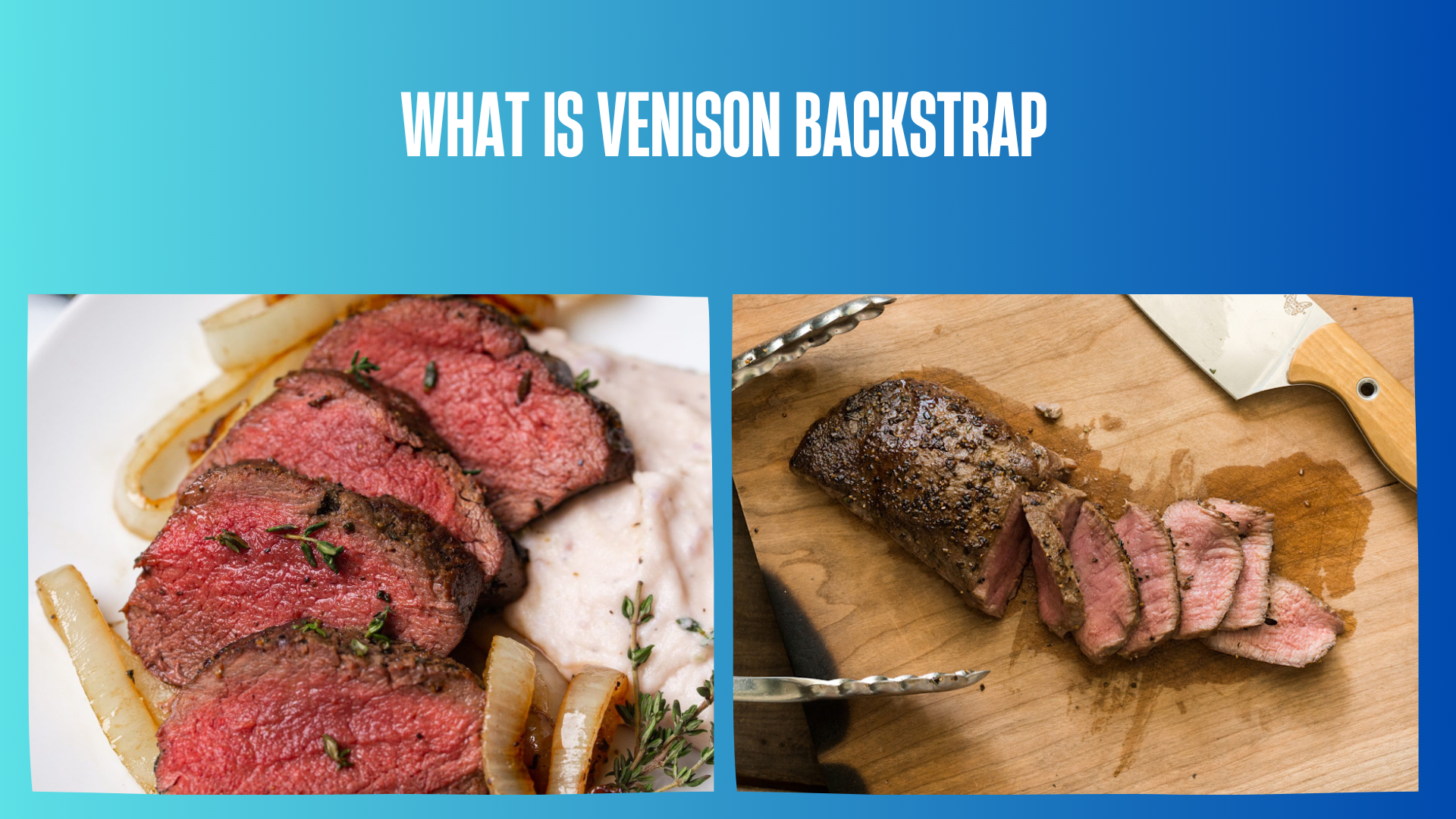

If you have heard deer hunters talk about saving the backstrap first, you may wonder what makes this cut so special. Knowing what is venison backstrap helps you recognize the meat, understand the difference between backstrap and tenderloin, and choose cooking methods that respect its naturally lean texture. It also helps new hunters and home cooks prevent waste when a deer is processed.
Quick Answer: What Is Venison Backstrap?
Venison backstrap is the long, tender loin muscle that runs along the outside of a deer’s backbone, above the rib cage. A deer has two backstraps, one on each side of the spine. They are prized for their fine texture, relatively low connective tissue content, and versatility as whole roasts, steaks, or medallions. Backstrap is not the same cut as the smaller tenderloin, which sits inside the body cavity beneath the spine. If you are preparing backstrap for a meal, start with clean, properly chilled meat and use a food thermometer; FoodSafety.gov lists 160°F (71°C) as the safe minimum internal temperature for venison.
Where Is the Backstrap on a Deer?
Picture a deer standing in profile. The spine follows the length of its back, and a long strip of muscle lies immediately alongside it on each side. Those exterior strips are the backstraps. In butchering language, this area is called the loin; anatomically, the primary muscle is the longissimus.
The loin extends through much of the back, from the area behind the shoulders toward the pelvis. Its precise length and size vary with the animal and how it is trimmed. Unlike the shoulder and lower leg muscles, it is not a heavily worked locomotive muscle. This helps explain why properly handled backstrap is generally more tender than many other venison cuts.
From a processed carcass, the backstraps appear as two relatively long, boneless pieces when separated from the spine and ribs. A processor may leave them whole, divide them into portions, or cut them into steaks. When the loin remains attached to the bone, its butchered presentation can differ.
For an official visual reference, the Indiana Department of Natural Resources deer-processing guide links to a venison cut diagram and separate processing demonstrations for backstraps and tenderloins.
Venison Backstrap vs. Tenderloin: What Is the Difference?
The most common confusion is calling backstrap a tenderloin. Hunters sometimes use the words interchangeably in casual conversation, but they describe two distinct muscles in different parts of the carcass.
| Feature | Venison backstrap (loin) | Venison tenderloin (inner loin) |
|---|---|---|
| Location | Outside the body cavity, alongside the top of the spine | Inside the body cavity, beneath the spine |
| Number per deer | Two | Two |
| Typical shape | Long, thicker strip of meat | Shorter, smaller, tapered muscle |
| Tenderness | Very tender compared with many deer cuts | Often the most tender cut on the animal |
| Typical preparation | Whole roast, steaks, medallions, strips | Small steaks or medallions |
| Useful memory aid | Backstrap is on the back | Tenderloin is on the inside |
Both cuts are desirable, but a processor or butcher needs to know which one you want. If you want both saved separately, say so when arranging processing. A menu may also call boneless backstrap venison loin or loin fillet, depending on regional naming conventions.
Why Is Venison Backstrap Considered a Premium Cut?
It is naturally tender
Backstrap has fewer of the tough connective tissues that make shoulder or shank meat better suited to long, moist cooking. That gives the loin an appealing steak-like bite without extensive tenderizing. Tenderness still depends on animal age, field care, processing, and cooking.
It is lean and adaptable
Venison loin typically contains little visible marbling. This makes it useful for hunters who prefer lean meat, but it also means the finished dish has less built-in fat to protect it from drying. You can leave a backstrap in one piece for a special meal or portion it for quick weeknight cooking.
There is relatively little of it
Each deer supplies just two long backstrap muscles. They represent only part of the usable meat, so careful trimming and portioning matter. That scarcity, combined with tenderness, helps explain why many families reserve backstrap for guests or favorite recipes.
What Does Venison Backstrap Taste Like?
Properly handled backstrap has a mild-to-rich, distinctly venison flavor and a fine-grained texture. Compared with a heavily marbled beef steak, it generally tastes leaner and may have an earthy or mineral note. It is not automatically strong or unpleasant.
Flavor varies for several reasons: what the deer has been eating, its species and age, how quickly the carcass was cooled, whether fat and outer connective tissue were removed, and how the meat was stored. Poor handling can create off-flavors that seasoning cannot reliably fix.
If you are new to venison, start with salt, black pepper, garlic, and a little olive oil or butter. A simple preparation lets you experience the cut before trying heavy marinades or highly seasoned sauces.
How to Identify and Prepare Backstrap Before Cooking
- Confirm the cut. Look for a long, lean loin muscle rather than the much smaller inner tenderloin or a collection of hindquarter steaks.
- Keep it cold. Move the meat to appropriate refrigeration as soon as possible and keep raw venison separate from ready-to-eat foods.
- Inspect it carefully. Discard meat that has been mishandled, appears spoiled, or came from an animal that authorities advise against eating. Do not rely on seasoning to make questionable meat safe.
- Trim surface membranes. The shiny, tough white membrane known as silverskin does not soften like fat during cooking. Carefully remove it with a clean, sharp knife on a stable cutting surface.
- Choose portions for your recipe. A whole piece is convenient for roasting; thick slices work for individual steaks; evenly cut medallions are easy to portion.
- Use a thermometer. Thickness, starting temperature, and cookware change cooking times. Color and a clock are not reliable food-safety tests.
For hunters handling a whole deer, processing should begin with lawful harvest and prompt, hygienic field care. Gloves, clean tools, protection from contamination, and rapid cooling make a larger difference than any later marinade. If you are learning carcass breakdown, follow a reputable wildlife-agency demonstration or an experienced processor rather than improvising with unfamiliar anatomy or unstable work surfaces.
How to Cook Venison Backstrap Without Making It Dry
The key challenge is its low fat content. Backstrap does not have the same margin for error as a highly marbled beef steak. Gentle heat management, some added moisture or fat, even portion sizes, and a reliable thermometer are all useful.
Pan-seared backstrap with a covered finish
Pat the trimmed backstrap dry and season lightly. Brown its exterior in a pan with a small amount of oil, then reduce the heat. Continue cooking gently with a lid or a small amount of broth until the thickest part reaches the recommended safe temperature. Add a little butter or a pan sauce after cooking to improve the eating experience.
Oven-roasted venison loin
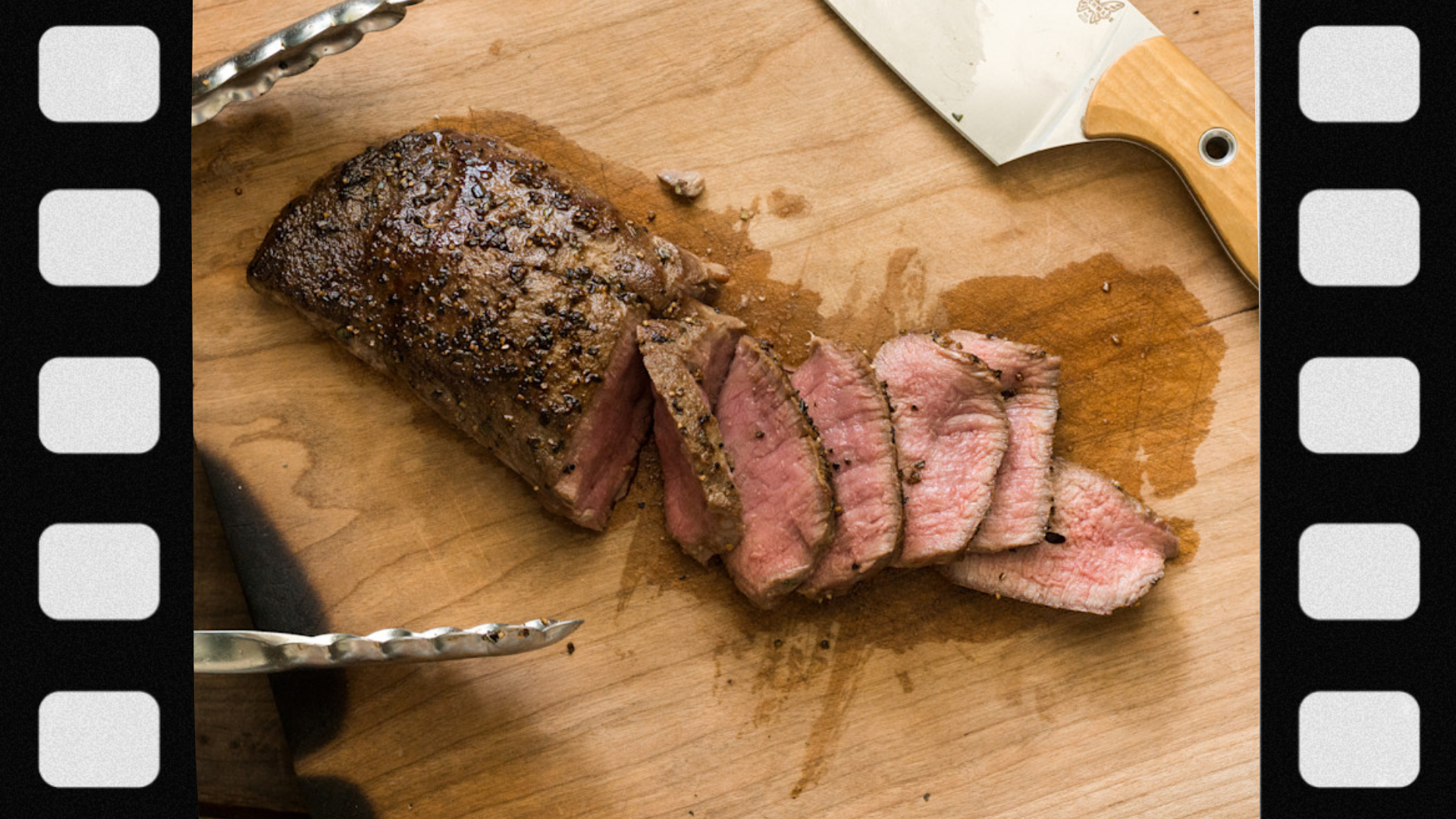
Leave the loin in a larger piece for more even portioning. Season it, place it in an oven-safe pan, and cook at a moderate oven temperature. Moisture from a sauce, stock, or covered cooking arrangement can help reduce surface drying. Check the center with a thermometer rather than relying on a fixed minutes-per-pound rule.
Grilled backstrap
Grilling contributes browned flavor but can quickly dry the lean surface. Use a clean grill, manage flare-ups, and avoid prolonged direct high heat. Move the meat to a gentler cooking zone to finish and check the internal temperature. A lightly oiled surface or accompanying sauce can help with palatability.
Backstrap medallions and strips
Uniform medallions are convenient for a quick skillet meal; thin strips work well in fajitas or stir-fries. Smaller pieces cook rapidly, so food-thermometer measurements can be more challenging. For a safer, more predictable result, use pieces thick enough to check and avoid serving undercooked portions.
What temperature should venison backstrap reach?
FoodSafety.gov recommends cooking venison, whether wild or farm-raised, to an internal temperature of 160°F (71°C). Insert a food thermometer into the thickest part. The official chart does not give venison the same 145°F-plus-rest category used for some domestic livestock cuts.
You may find deer-backstrap recipes recommending rare or medium-rare temperatures below this level for tenderness. Those are culinary preferences, not the FoodSafety.gov safe-minimum recommendation for venison. Heating meat to the recommended temperature reduces ordinary foodborne-bacteria risks, but it does not make spoiled or CWD-positive meat acceptable to eat. For readers prioritizing food safety, follow current official guidance even when a lower-temperature recipe promises a softer texture. See the FoodSafety.gov safe internal temperature chart.
Should You Marinate Venison Backstrap?
Marinating is optional. Backstrap is already a tender cut, so a marinade is usually more useful for flavor than for breaking down tough fibers. A short refrigerated marinade using oil, herbs, garlic, and a modest amount of acid can complement venison. Very acidic mixtures left for too long may make the outside mushy without improving the center.
Always marinate in the refrigerator. Discard marinade that has contacted raw meat unless it is brought to a safe boil before being used as a sauce. For a straightforward dinner, dry seasoning and a finishing sauce are often enough.
Field Care, Refrigeration, Freezing, and CWD Safety
Cool the deer promptly
Proper backstrap preparation begins long before a pan becomes hot. Penn State Extension recommends dressing deer promptly, avoiding soil and digestive-tract contamination, and rapidly cooling the carcass to approximately 35–40°F (2–4°C). Warm weather calls for special attention to clean ice, refrigeration, and timely transport. Do not leave a warm carcass enclosed without airflow or temperature control.
Store portions correctly
Keep unfrozen venison refrigerated at 40°F (4°C) or below. Penn State Extension advises using raw refrigerated venison within roughly two to three days. For longer storage, wrap meal-size portions tightly, exclude air, label each package with its date, and freeze promptly. Proper packaging helps reduce freezer burn; freezing preserves quality longer than refrigeration but does not fix contamination that occurred beforehand.
Understand chronic wasting disease precautions
Chronic wasting disease (CWD) is a prion disease affecting deer and related species. According to the CDC’s January 2026 CWD guidance, CWD has not been shown to infect people, but scientists continue to study potential risks from eating infected meat. Check your state wildlife agency for testing recommendations or requirements. The CDC advises strongly considering testing before eating meat from deer or elk, particularly in areas with CWD activity, and never eating meat from an animal that tests positive. Cooking is not a substitute for these precautions.
Wear gloves while field dressing, avoid unnecessary handling of the brain and spinal tissues, and keep equipment clean. If a processor handles your deer, ask whether your animal can be processed separately. Local regulations may also control carcass transport, tagging, testing, and disposal, so consult current state wildlife guidance.
For detailed handling and packaging instructions, see Penn State Extension’s field-to-table venison guidance.
Common Backstrap Mistakes and How to Avoid Them
- Confusing backstrap with tenderloin: Learn the outside-versus-inside spine distinction before processing.
- Failing to remove silverskin: Tough membrane may make otherwise tender meat seem chewy.
- Letting meat remain warm: Rapid cooling and clean handling protect safety and flavor.
- Using long cooking times without monitoring: Lean loin can become dry; check internal temperature rather than guessing.
- Assuming red or pink color proves safety: Appearance cannot replace a thermometer.
- Using a marinade as a fix for spoilage: Spoiled or unsafely handled meat must not be served.
- Ignoring CWD advisories: Confirm the local testing and disposal guidance before eating deer from affected areas.
- Forgetting to tell the processor what to save: Request backstraps and inner tenderloins separately, with the portion sizes you prefer.
FAQs
1. What is venison backstrap made of?
It is skeletal muscle from the loin region along the outside of a deer’s backbone. The principal muscle is part of the longissimus group.
2. Is backstrap the same as deer loin?
Usually, yes. Hunters commonly call the deboned venison loin the backstrap, although butchers may use more specific names depending on how the meat is cut.
3. Is venison backstrap the same as tenderloin?
No. Backstrap lies outside the rib cage near the top of the spine. Tenderloin is a smaller muscle inside the body cavity beneath the spine.
4. How many backstraps does a deer have?
Two: one running along each side of the backbone.
5. Is backstrap the most tender deer meat?
It is among the most tender cuts. The inner tenderloin is often considered even more tender.
6. What does backstrap taste like?
It is lean, savory, and distinctly venison-flavored, with intensity that varies by diet, species, and meat handling.
7. Is backstrap gamey?
It can have a noticeable wild-game flavor, but properly handled loin need not taste excessively strong. Age, diet, contamination, storage, and trimming all influence flavor.
8. What beef cut is most similar to backstrap?
Beef strip loin is a useful culinary comparison for the long loin muscle. These are not identical cuts in flavor or marbling.
9. Can you cut backstrap into steaks?
Yes. A boneless loin can be portioned into thicker steaks or medallions; uniform thickness makes cooking more predictable.
10. Can you cook a backstrap whole?
Yes. A larger section can be roasted or cooked in a covered pan, then sliced into portions after cooking.
11. Does backstrap need to be tenderized?
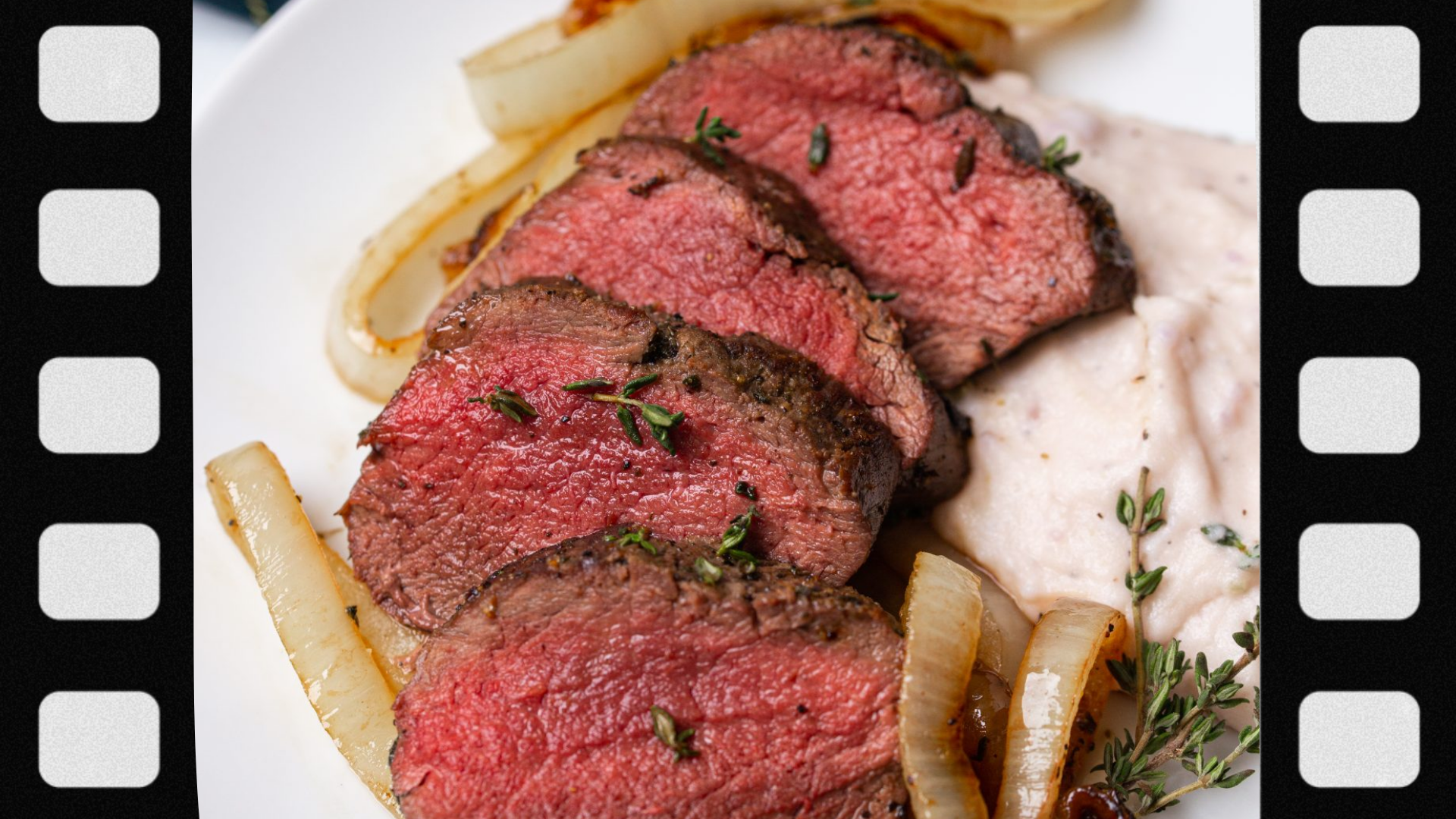
Usually not. It is naturally tender, though careful silverskin removal and slicing across the grain can improve the finished texture.
12. What is the white skin on venison backstrap?
The firm, shiny surface membrane is commonly called silverskin. It is connective tissue that remains chewy when cooked.
13. Should you remove silverskin?
Removing tough surface silverskin is generally worthwhile. Use clean equipment and trim carefully to avoid wasting meat.
14. Do you have to marinate backstrap?
No. Marinating can add flavor, but salt, pepper, and a sauce may be enough for a tender loin.
15. What is the safe cooking temperature for backstrap?
FoodSafety.gov lists 160°F (71°C) for both wild and farm-raised venison. Verify the thickest part with a food thermometer.
16. Why do some venison recipes suggest 130–135°F?
Those recipes aim for rare-to-medium-rare texture. Their temperatures are below FoodSafety.gov’s safe minimum for venison and should not be confused with official food-safety advice.
17. Can backstrap be pink in the middle?
Color alone cannot establish doneness or safety. Follow an accurate thermometer reading rather than interpreting how pink the meat looks.
18. How long should you cook a backstrap?
There is no reliable single time. Thickness, starting temperature, cookware, and heat level all matter; check the internal temperature instead.
19. Is backstrap better grilled or pan-seared?
Either works. Grilling contributes smoky flavors, while a covered pan may offer easier control of added moisture and heat.
20. Can you slow-cook venison backstrap?
You can, but lengthy cooking is more often used for tougher deer cuts. Lean backstrap may become dry unless a recipe provides enough moisture and carefully manages heat.
21. Can you use backstrap for jerky?
Technically yes, but many hunters reserve this tender cut for steaks. Jerky requires a validated safe drying process; USDA advises heating meat to 160°F before dehydrating.
22. Can you freeze a whole backstrap?
Yes. Wrap it tightly to reduce air exposure, label it, and freeze promptly. Divide large pieces into meal-size portions if that makes later thawing easier.
23. How long does raw backstrap keep in the fridge?
Penn State Extension advises using refrigerated raw venison within about two to three days when held at 40°F (4°C) or below.
24. Can you thaw backstrap on the counter?
No. Thaw it in the refrigerator, or use an approved cold-water method while keeping the meat at safe temperatures. Countertop thawing can allow unsafe surface warming.
25. Can you eat backstrap from a CWD-positive deer?
No. The CDC advises against eating meat from any deer that tests positive for chronic wasting disease.
26. Should I have a deer tested for CWD before eating its backstrap?
Check the current state wildlife guidance. The CDC strongly recommends considering testing, especially where CWD activity is known, and some jurisdictions have specific requirements.
27. Is backstrap safe if the deer looked healthy?
Appearance does not rule out every disease or food-handling risk. Follow current wildlife-agency guidance, use hygienic handling, and cook to the recommended safe temperature.
28. Can a butcher save backstrap separately?
Yes. Ask the processor to keep the two backstraps separate from the inner tenderloins and specify whether you want them whole or portioned.
29. Do elk and other deer species have backstraps?
Yes. Similar paired loin muscles are present in elk and related hoofed mammals, although size and culinary characteristics differ.
30. What is the best first recipe for venison backstrap?
A simply seasoned, gently cooked loin with a pan sauce is a practical starting point. Use proper handling, a food thermometer, and a safe final temperature instead of relying on exact cooking times.
Final Answer: What Is Venison Backstrap?
Venison backstrap is the paired loin muscle along the outside of a deer’s spine. It is a lean, tender, versatile cut that can be cooked whole or divided into steaks and medallions. It should not be confused with the smaller inner tenderloin. The best results begin with a lawful, responsible harvest; rapid cooling; clean trimming; correct refrigeration; and careful cooking. For safety, follow FoodSafety.gov’s 160°F (71°C) venison recommendation and your state wildlife agency’s current CWD and processing guidance.