
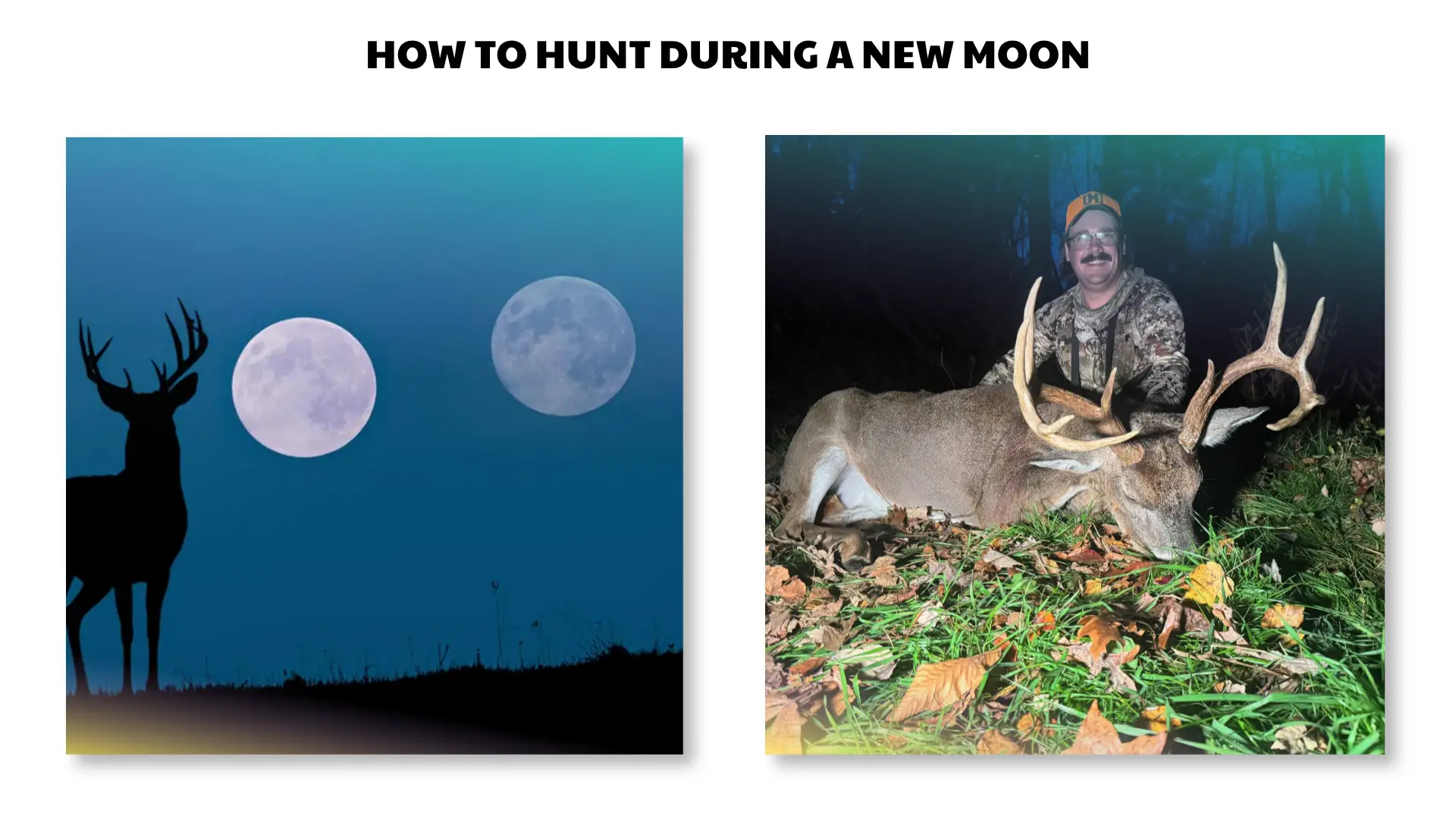

Quick Answer
To hunt during a new moon, scout before the hunt, focus on legal daylight movement, plan quiet entry and exit routes, and choose setups near food, water, cover, bedding areas, or travel corridors. Because nights are darker, some animals may shift movement closer to dawn, dusk, or protected cover, but results vary by species, pressure, weather, and local habitat. Check all license, tag, season, weapon, legal hour, and land access rules before hunting. Take only a safe, legal, and ethical shot opportunity when the target and background are clearly identified.
Important Legal and Safety Notice Before You Hunt
Hunting regulations are not universal. Before hunting during a new moon, confirm every rule that applies to your location, species, season, and hunting method through your official wildlife agency or hunter education authority.
- Carry the correct hunting license, permits, and tags.
- Confirm season dates, legal hunting hours, bag limits, and harvest reporting rules.
- Verify legal weapons, ammunition, archery equipment, and transport rules.
- Check public land maps, private land permission, boundaries, and access restrictions.
- Wear required visibility clothing, such as blaze orange, where applicable.
- Handle firearms and bows safely at all times.
- Identify the target and what is beyond it before any shot.
- Never shoot toward roads, homes, livestock, vehicles, trails, people, or unclear movement.
- Plan for weather, navigation, communication, hydration, and first aid.
What a New Moon Means for Hunters
A new moon is the phase when the moon is not visibly illuminated from Earth. In practical hunting terms, that usually means darker nights, less natural night light, and a greater need for careful navigation before sunrise or after sunset.
Some hunters believe moon phase can influence animal movement. Moon phase may be one factor, but it should never be treated as the only factor. Weather, temperature, wind direction, food availability, breeding season, hunting pressure, predator pressure, habitat quality, and legal hunting hours often matter more in the field.
For beginners, the best approach is to use the new moon as a planning clue, not a guarantee. Scout real sign, watch current conditions, and choose a setup that makes sense for the species and land you are hunting.
How Animal Movement Can Change During a New Moon
Many game animals reduce exposure when visibility, pressure, or weather makes them cautious. During darker nights, some animals may feed or travel differently than they would under bright moonlight. Others may follow the same food, water, bedding, and cover patterns regardless of moon phase.
Instead of assuming every animal will move at a certain time, look for fresh sign. Tracks, droppings, rubs, scrapes, feeding sign, trails, bedding cover, rooting, wallows, roosting areas, and water access can tell you more than a moon calendar alone.
During a new moon, pay close attention to dawn and dusk movement. These periods often matter because many hunting seasons restrict legal hunting to daylight or specific legal hours. Always confirm legal shooting times for your area.
Best Game Species to Consider During a New Moon
The keyword how to hunt during a new moon does not point to one species only. The strategy can apply to deer, wild hogs, elk, predators, small game, and other legal game animals depending on your location. However, each species has different rules, habits, habitats, and safety concerns.
- Deer: Focus on bedding cover, food sources, water, travel corridors, wind direction, and low-pressure entry routes.
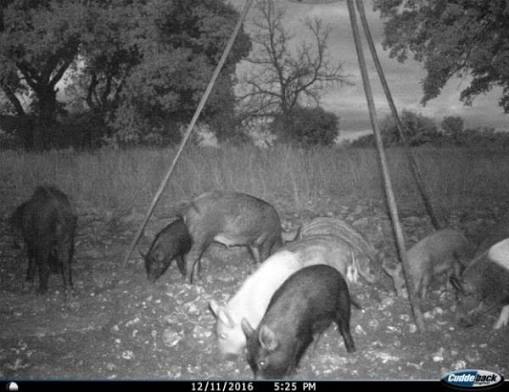
- Wild hogs: Look for rooting, wallows, tracks, water, feeding areas, and landowner rules. Laws vary widely by region.
- Elk: Consider terrain, elevation, feed, cover, wind, physical preparation, and meat care planning.
- Turkey: Moon phase is less important than roosting, calling, concealment, legal season, and safety around other hunters.
- Small game: Focus on habitat edges, food sources, cover, safe shooting lanes, and local regulations.
What You Need Before You Start
You do not need expensive gear to hunt responsibly, but you do need legal preparation, safe equipment, and a realistic field plan.
- Valid hunting license, permits, tags, and current regulation knowledge.
- Legal hunting method allowed for the species, season, and area.
- Hunter education training, especially if you are new.
- Required visibility clothing, such as blaze orange where required.
- Weather-appropriate clothing, quiet layers, gloves, and reliable boots.
- Navigation tools such as a paper map, compass, GPS, or hunting app.
- Headlamp or flashlight for legal navigation, plus extra batteries.
- First aid kit, water, snacks, emergency communication, and a trip plan shared with someone you trust.
- Binoculars or optics for safe observation.
- Game bags, gloves, cooler, clean tools, and meat care supplies when relevant.
How to Hunt During a New Moon: Step-by-Step Guide
Step 1: Check Local Hunting Laws First
Start with the official rules, not assumptions. Confirm license requirements, tags, season dates, bag limits, legal hunting hours, weapon restrictions, baiting rules, night hunting rules, public land access, private land permission, reporting rules, and transport requirements.
Step 2: Choose the Right Species and Legal Area
Decide what legal game species you are hunting and where you are allowed to hunt it. Use official maps, property boundaries, landowner permission, and posted regulations. Do not cross private land without permission, even if the hunting area beyond it is public.
Step 3: Scout Before the New Moon Period
Scout during daylight when possible. Look for fresh tracks, trails, droppings, feeding sign, bedding cover, water sources, rubs, scrapes, rooting, wallows, roosts, or other species-specific sign. Mark safe access routes and note wind direction for each possible setup.
Step 4: Identify Food, Water, Cover, and Travel Routes
Animals still need food, water, security cover, and travel corridors during a new moon. Your setup should connect those needs. A good location often sits near a trail between bedding cover and food, along a terrain funnel, near a water source, or beside a low-pressure edge.
Step 5: Plan a Quiet Entry and Exit
New moon hunts often involve moving in low light before or after legal hunting hours. Plan a route that avoids noisy leaves, loose rocks, livestock, homes, roads, and known bedding areas. Use a light only as needed for safe travel and follow local rules on artificial lights.
Step 6: Use Wind Direction Before You Choose a Setup
Wind direction can matter more than moon phase. Set up so your scent is carried away from the trail, feeding area, bedding cover, or approach route you expect animals to use. If the wind becomes unsafe or wrong for your setup, move or end the hunt.
Step 7: Set Up With Safety in Mind
Choose a hunting blind, tree stand, natural cover, or still-hunting route that gives you a clear view and safe shooting lanes. If using a tree stand, wear a full-body safety harness and stay connected from the ground up and back down. Keep firearms pointed in a safe direction and keep bows controlled during setup.
Step 8: Hunt the Legal Low-Light Windows Carefully
Dawn and dusk can be productive, but they also create visibility challenges. Do not rush. Use binoculars to confirm animals clearly. Never shoot at sound, shape, movement, or eyeshine. Only take action when the animal is legal, the target is clearly identified, the background is safe, and the shot is within your practiced ability.
Step 9: Stay Patient During Midday
If hunting pressure is high, some animals may move later, earlier, or in thicker cover. Midday can still be useful for scouting, adjusting, glassing, or sitting near secure travel cover. Keep movement slow and deliberate.
Step 10: Make Ethical Decisions
An ethical shot opportunity is one you can complete safely, legally, and within your skill level. Pass on uncertain shots, poor angles, excessive distance, unclear backgrounds, moving animals beyond your ability, or any situation that feels rushed.
Step 11: Follow Recovery, Tagging, and Reporting Rules
After a successful hunt, follow all tagging, validation, recovery, harvest reporting, and transport rules. Keep the process respectful and non-wasteful. If you are unsure what to do, contact your wildlife agency, mentor, processor, or hunter education resource.
Step 12: Handle Meat and Gear Responsibly
Use clean tools, gloves, cooling methods, game bags, and legal transport practices. Keep meat clean and cool as soon as practical. Clean, dry, and safely store your gear after the hunt.
Best Time, Place, and Conditions for a New Moon Hunt
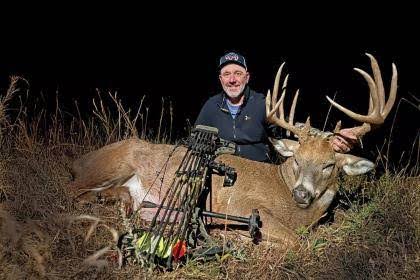
The best time to hunt during a new moon depends on legal hours, species behavior, weather, and local hunting pressure. In many areas, the most practical windows are early morning, late afternoon, and the first legal light around dawn or last legal light near dusk.
- Morning: Useful when animals return from feeding areas toward bedding cover.
- Evening: Useful near food sources, water, field edges, oak flats, crop edges, or travel corridors.
- Midday: Useful in pressured areas, during certain seasonal behavior, or when weather changes trigger movement.
- Cold fronts: May encourage feeding movement, depending on species and region.
- Wind shifts: Can ruin a setup, even when the moon phase seems ideal.
Public Land vs. Private Land During a New Moon
On public land, expect more pressure near easy access points, roads, parking areas, and obvious trails. Study maps, legal boundaries, terrain funnels, water, food sources, and escape cover. Park respectfully and avoid conflicts with other hunters or recreation users.
On private land, get clear permission before entering. Written permission is best where available. Respect gates, livestock, crops, equipment, roads, fences, and landowner instructions. Leave the property cleaner than you found it.
Helpful Tips for Better Results
- Use moon phase as one planning factor, not as a promise of animal movement.
- Scout fresh sign before relying on a calendar or app.
- Prepare low-light navigation routes in daylight.
- Check wind direction before and during the hunt.
- Arrive early enough to move slowly and safely.
- Keep gear organized so you are not noisy in the dark.
- Use binoculars to identify animals before making decisions.
- Hunt with a mentor if you are new to the area, species, or method.
- Stop hunting if weather, visibility, or safety conditions become poor.
Common Mistakes to Avoid
- Assuming a new moon automatically means better hunting.
- Ignoring legal hunting hours or artificial light rules.
- Walking through bedding areas before daylight.
- Choosing a setup without checking wind direction.
- Making too much noise while entering or leaving.
- Hunting without current license, tags, permits, or permission.
- Taking unsafe shots in low light.
- Using poor navigation planning in unfamiliar terrain.
- Failing to prepare for recovery, reporting, and meat care.
- Crossing unclear property lines.
Troubleshooting Common Problems
| Problem | Possible Cause | What to Do |
|---|---|---|
| You are not seeing any game | Poor location, heavy pressure, weak scouting, wrong wind, or limited food sign | Scout fresh sign, adjust closer to legal travel corridors, and avoid overhunting one setup. |
| Animals detect you before you see them | Wind, noise, movement, or poor entry route | Rework your approach, reduce noise, and set up with the wind in your favor. |
| Visibility is too poor | Low light, thick cover, fog, rain, or unsafe background | Do not take the shot. Wait for clear identification and safe conditions. |
| You are unsure about legal rules | Regulations are confusing or recently updated | Contact the official wildlife agency before hunting or choose not to hunt until rules are clear. |
| Other hunters are nearby | Public land pressure or popular access points | Communicate respectfully, avoid unsafe directions, and move to another legal area if needed. |
| Your gear is noisy in the dark | Poor packing, loose metal, untested clothing, or rushed setup | Pack the night before, tape or secure noisy items, and practice setting up quietly. |
Ethical Hunting and Conservation
Ethical hunting means following the law, respecting wildlife, respecting landowners, avoiding waste, and making careful decisions even when no one is watching. A new moon hunt should never be an excuse for unsafe shots, illegal night hunting, trespassing, or using prohibited methods.
- Obey seasons, limits, legal hours, and land access rules.
- Practice with your firearm or bow before the season.
- Pass on uncertain shots.
- Use as much of the harvested animal as practical and legal.
- Report harvests when required.
- Support conservation through licenses, habitat work, and responsible participation.
- Leave the land cleaner than you found it.
When to Get More Training or Professional Guidance
Get more training before hunting if you are unsure about firearm safety, bowhunting safety, tree stand use, land navigation, tracking, local laws, field recovery, or meat care. Beginners should strongly consider a hunter education course and a responsible mentor.
- Official hunter education courses
- State, provincial, or national wildlife agencies
- Certified firearms or archery instructors
- Experienced ethical mentors
- Local conservation organizations
- Reputable hunting clubs
After the Hunt: Follow-Up, Gear Care, and Learning
After every hunt, write down what you learned. Record moon phase, weather, wind direction, temperature, sign, sightings, pressure, setup location, access route, and what you would change next time. These notes will improve your future hunting more than guessing from moon phase alone.
Clean and store gear safely. Check optics, lights, batteries, clothing, boots, stands, blinds, and emergency supplies. If you harvested game, follow legal reporting and responsible meat care requirements.
Recommended Hunting Gear and Tools to Consider
You do not always need expensive gear to hunt responsibly. Choose gear based on your local laws, hunting method, species, terrain, weather, safety needs, skill level, and budget.
- Legal hunting weapon or method allowed in your area
- Required license, tags, permits, and regulation booklet or digital copy
- Quality boots for quiet, safe movement
- Weather-appropriate clothing and required visibility gear
- Headlamp or flashlight for safe travel, used only within legal limits
- Binoculars or optics for safe observation
- Navigation tools such as map, compass, GPS, or hunting app
- First aid kit and emergency communication
- Game bags, gloves, cooler, and meat care supplies if relevant
FAQ About How to Hunt During a New Moon
Q1. Is a new moon good for hunting?
A new moon can be good for hunting, but it is not a guarantee. It may affect night visibility and animal movement, but weather, wind, food, pressure, season, and local habitat usually matter more.
Q2. What does a new moon mean for hunters?
For hunters, a new moon usually means darker nights and less natural moonlight. This can change navigation, visibility, and sometimes animal movement patterns.
Q3. Do deer move more during a new moon?
Deer movement varies by region, season, weather, pressure, food, and breeding behavior. Some hunters see useful dawn or dusk movement during new moon periods, but scouting local sign is more reliable than assuming a fixed pattern.
Q4. Should I hunt mornings or evenings during a new moon?
Both can work. Morning setups may catch animals returning toward cover, while evening setups may work near food, water, or travel routes. Always follow legal hunting hours.
Q5. Can I hunt at night during a new moon?
Only if night hunting is legal for the species, method, land type, and location you are hunting. Many game animals have strict legal shooting hours, and artificial light rules vary widely.
Q6. Is it safe to enter the woods before daylight on a new moon?
It can be safe with planning, but darker conditions increase risk. Scout the route in daylight, carry legal lighting for navigation, move slowly, and tell someone where you will be.
Q7. What gear is most important for a new moon hunt?
Important gear includes legal hunting equipment, navigation tools, a headlamp or flashlight for safe travel, extra batteries, first aid, communication, weather-ready clothing, and required visibility gear.
Q8. Does wind direction matter during a new moon?
Yes. Wind direction is often more important than moon phase. Set up so your scent does not blow toward the animals or travel routes you expect them to use.
Q9. Should I use a tree stand during a new moon?
A tree stand can be useful where legal and appropriate, but safety is critical. Use a full-body harness and stay connected from the ground up and back down.
Q10. Are hunting blinds better during a new moon?
Blinds can help reduce movement and improve concealment, especially near food sources, water, or travel corridors. Set them up legally and safely with a clear shooting lane and safe background.
Q11. How early should I arrive for a new moon hunt?
Arrive early enough to move slowly, quietly, and safely. Do not rush in the dark. Follow legal access rules and avoid disturbing bedding areas.
Q12. What signs should I scout before a new moon?
Look for fresh tracks, droppings, trails, feeding sign, water use, bedding cover, rubs, scrapes, rooting, wallows, or species-specific sign that matches your legal target animal.
Q13. Does a new moon affect public land hunting?
It can affect hunter behavior and access patterns, but pressure often matters more. On public land, use maps, avoid crowded access points, and stay aware of other users.
Q14. Can I use a flashlight while hunting during a new moon?
Rules about lights vary by location, species, and method. A light may be legal for navigation but illegal for taking or locating certain animals. Check regulations before using any artificial light.
Q15. What is the biggest safety risk during a new moon hunt?
The biggest risks are poor visibility, navigation mistakes, misidentifying targets, and unsafe shots. Never shoot at sound, movement, shadows, or unclear shapes.
Q16. Should beginners hunt during a new moon?
Beginners can hunt during a new moon if they are properly licensed, trained, prepared, and following all laws. Hunting with an experienced mentor is strongly recommended.
Q17. Is scent control more important during a new moon?
Scent control can help, but wind direction and entry route are more important. Keep clothing clean, avoid walking through high-use areas, and set up with the wind in your favor.
Q18. Do moon phase apps guarantee hunting success?
No. Moon phase apps may help with planning, but they cannot account for every local factor. Use them alongside scouting, weather, wind, regulations, and field observations.
Q19. What should I do if I cannot clearly identify an animal?
Do not shoot. Wait until the animal is clearly identified, legal to harvest, and positioned with a safe background.
Q20. How does weather affect new moon hunting?
Weather can strongly affect movement. Temperature changes, fronts, wind, rain, snow, fog, and storms can all change animal behavior and hunter safety.
Q21. Should I hunt food sources during a new moon?
Food sources can be productive, especially in the evening, but use current sign and wind direction. Avoid overpressuring the area before the best legal hunting window.
Q22. Should I hunt bedding areas during a new moon?
Hunting near bedding cover can work, but entering too close can push animals out. Beginners should be cautious and avoid walking through bedding areas.
Q23. How should I plan my exit route after dark?
Plan the route in daylight, mark legal paths, carry navigation tools, and move slowly. Avoid crossing unsafe terrain, private property, or areas where other hunters may be active.
Q24. What if other hunters are using the same area?
Stay calm, communicate respectfully when appropriate, avoid unsafe shooting directions, and move to another legal setup if the area feels crowded or unsafe.
Q25. What should I do after a successful new moon hunt?
Follow tagging, harvest reporting, recovery, transport, and meat care rules. Keep the process respectful, legal, clean, and non-wasteful.
Q26. Does a new moon change hunting laws?
No. Moon phase does not change the law. Legal seasons, hours, methods, licenses, tags, bag limits, and land access rules still apply.
Q27. Is bowhunting during a new moon different from firearm hunting?
Bowhunting requires closer range, more practice, broadhead safety, and careful shot discipline. Firearm hunting requires strict muzzle control, safe loading and unloading, and target-background awareness.
Q28. What is the best beginner strategy for a new moon hunt?
Keep it simple: scout fresh sign, choose a legal area, hunt the wind, use a safe setup, focus on dawn or dusk legal movement, and pass on uncertain opportunities.
Q29. How can I learn from each new moon hunt?
Keep notes on wind, weather, moon phase, sign, sightings, pressure, routes, and setup choices. Over time, your own local records become more useful than general advice.
Q30. What official source should I check before hunting?
Check your state, provincial, national, or regional wildlife agency. You can also use official hunter education resources for safety guidance and lawful hunting principles.