
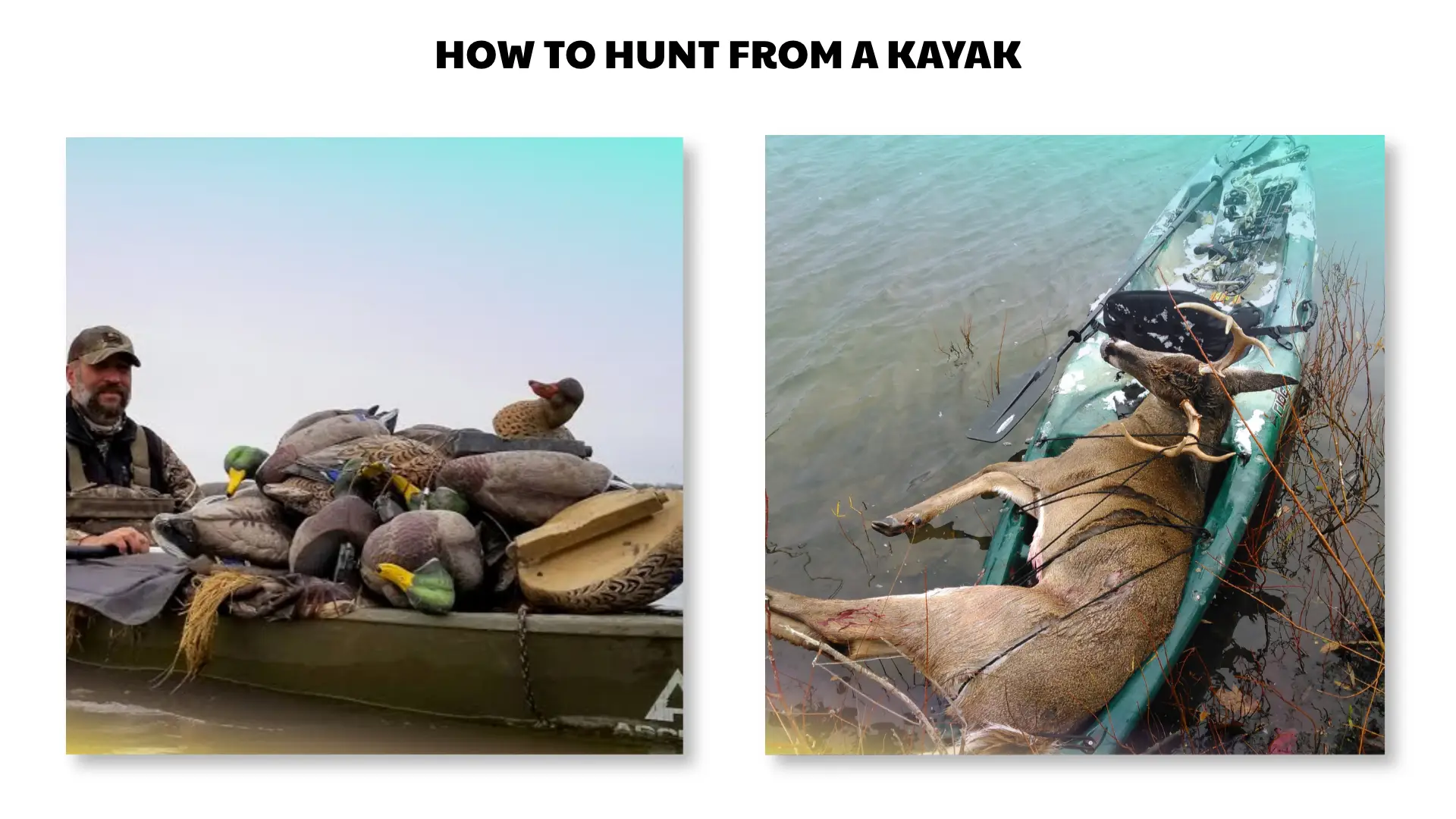

Quick Answer
To hunt from a kayak, first confirm that your hunting method, species, season, water access, boat use, and shooting rules are legal in your area. Choose a stable kayak, wear a properly fitted life jacket, pack essential safety gear, scout legal launch points, and plan your route around wind, current, weather, and daylight. Set up only where you can stay balanced, identify your target clearly, and maintain a safe background. Kayak hunting can be effective with careful preparation, but it requires patience, restraint, and strong safety habits.
Important Legal and Safety Notice Before You Hunt
Hunting and boating laws vary by country, state, province, county, waterbody, species, season, land ownership, and weapon type. Before hunting from a kayak, check your official wildlife agency, boating authority, and land manager for current rules.
- Valid hunting license, permits, stamps, and species tags if required
- Legal season dates, daily limits, possession limits, and reporting rules
- Legal hunting hours and any boating access restrictions
- Weapon, ammunition, archery, and waterfowl-specific regulations
- Rules for shooting from a boat, kayak, or floating blind
- Public land boundaries, private land permission, and refuge closures
- Required visibility clothing, life jacket rules, lights, whistles, and boat registration rules
- Safe firearm or bow handling, cold-water safety, weather planning, and emergency communication
What Kayak Hunting Usually Involves
Kayak hunting usually means using a paddle craft to reach hunting areas, transport gear, scout sign, set up near water, retrieve legally harvested game, or move quietly between access points. The exact method depends on the species and local laws.
Many beginners think the kayak is only a stealth tool. In reality, it is also a safety platform, transport system, weather-risk factor, and legal concern. A good kayak hunt begins long before launch day.
Common kayak hunting situations
- Waterfowl hunting in marshes, backwaters, and shallow wetlands
- Accessing remote public land by river or lake
- Scouting deer, turkey, small game, or waterfowl from legal waterways
- Retrieving birds or gear where safe and legal
- Using a kayak as transportation, then hunting from land or a legal blind
Best Game and Places for Kayak Hunting
The most suitable kayak hunting opportunities are usually found in calm, shallow, protected waters with legal access. Avoid fast current, heavy boat traffic, large open water, rough wind, cold-water exposure, and unfamiliar routes until you have strong paddling skills.
| Hunting Situation | Why a Kayak May Help | Key Safety Concern |
|---|---|---|
| Waterfowl marshes | Quiet access to shallow water and vegetation edges | Cold water, mud, wind, and low visibility |
| River access to public land | Reaches areas far from road pressure | Current, strainers, changing water levels, and private boundaries |
| Small lakes and backwaters | Allows stealthy scouting and flexible setup | Wind drift, motorboat wakes, and weather changes |
| Flooded timber or swamp edges | Can move through narrow openings | Obstacles, tipping risk, and limited escape routes |
Choosing the Right Kayak for Hunting
A hunting kayak should be stable, quiet, simple to manage, and appropriate for your water conditions. A fast narrow kayak may paddle well but feel unstable when you are wearing heavy clothing, carrying decoys, or handling gear.
Useful kayak features
- Stability: A wider hull can help when glassing, reaching for gear, or loading game.
- Capacity: Stay under the kayak manufacturer’s weight limit, including your body, clothing, weapon, decoys, blind material, water, and emergency gear.
- Low profile: A lower silhouette can help with concealment in marsh cover.
- Storage: Secure dry storage protects licenses, phone, first aid supplies, and extra clothing.
- Tie-down points: Gear should be leashed or secured so it does not shift or fall overboard.
- Color and finish: Earth-tone or matte finishes may reduce glare, but safety visibility still matters during travel.
Practice paddling, turning, stopping, re-entering, and loading the kayak before using it for hunting. Do this in warm, calm, shallow water with a partner before attempting a real hunt.
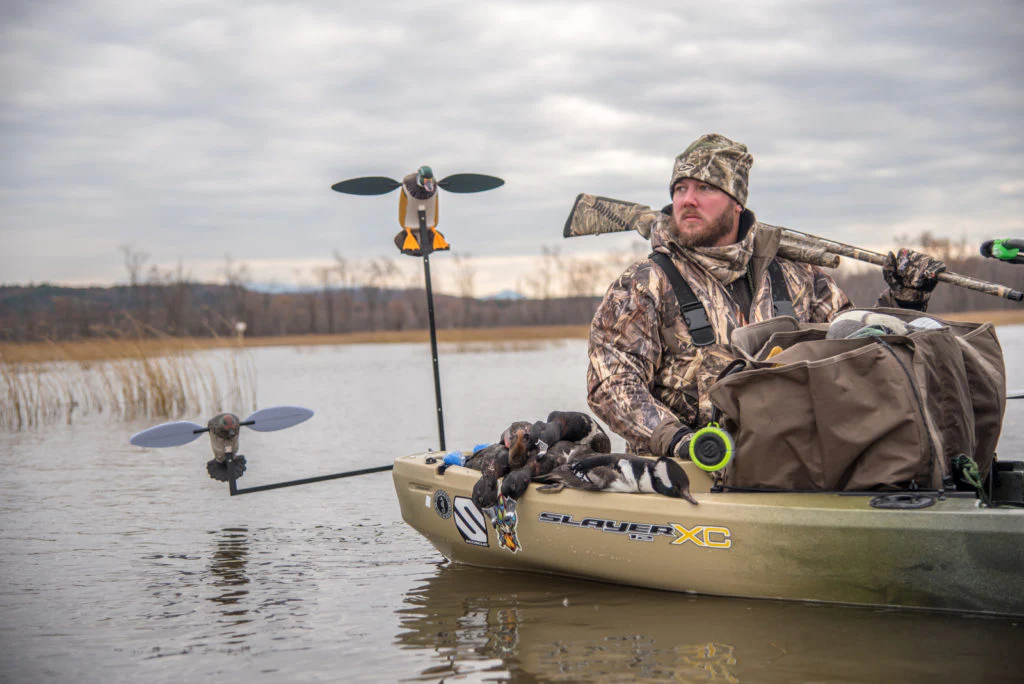
Hunting Gear Checklist for Kayak Hunters
You do not need the most expensive setup, but you do need reliable safety equipment and a simple system that keeps gear secure. Pack light enough that the kayak remains stable and controllable.
Safety and boating gear
- Properly fitted life jacket worn at all times
- Whistle or sound-signaling device
- Waterproof headlamp or legal navigation lights when required
- Dry bag with phone, license, permits, and emergency contacts
- First aid kit and emergency blanket
- Knife or line cutter for entanglement emergencies
- Bilge sponge, small pump, or bailer if appropriate
- Spare paddle or paddle leash
- Weather-appropriate clothing and dry backup layers
- Float plan shared with someone who is not on the hunt
Hunting and scouting gear
- Legal hunting weapon or method allowed in your area
- Waterproof case or secure storage for firearm or bow during travel
- Binoculars or compact optics for safe observation
- Map, compass, GPS, or offline hunting app
- Decoys, calls, or blind material if legal and relevant
- Game bags, gloves, cooler plan, and basic meat care supplies
- Small repair kit with cord, tape, and basic tools
How to Hunt from a Kayak: Step-by-Step Guide
Step 1: Check Hunting, Boating, and Land Access Laws
Start with the official rulebook for your location. Confirm licenses, permits, stamps, tags, seasons, bag limits, legal hours, weapon rules, boat rules, water access, and whether hunting or shooting from a kayak is allowed. Some places may allow kayak access but restrict where you can hunt, shoot, land, anchor, or retrieve.
Step 2: Choose a Safe Waterbody
Pick calm, familiar water for your first kayak hunt. Avoid strong current, big reservoirs, tidal swings, surf, ice, flood conditions, heavy motorboat traffic, and places where wind can push you far from shore. A short, controlled route is better than an ambitious trip.
Step 3: Scout Before the Hunt
Scout launch points, take-outs, legal boundaries, shallow areas, obstacles, current seams, vegetation, wind exposure, animal sign, game trails, feeding areas, roosting or loafing areas if relevant, and safe places to land. Mark hazards and backup exits on your map.
Step 4: Build a Float Plan
Tell a trusted person where you are launching, where you plan to hunt, your route, your vehicle location, who is with you, and when you expect to return. If your plan changes, update them before continuing.
Step 5: Practice with the Loaded Kayak
Before hunting day, load the kayak with similar gear weight and practice paddling. Learn how the kayak handles with decoys, clothing, blind material, and secured gear. If the kayak feels unstable during practice, reduce gear or choose a more stable platform.
Step 6: Secure Your Weapon During Travel
Follow all firearm, bow, transport, and boating laws. Keep your weapon controlled, protected from water, and pointed in a safe direction. Do not handle a loaded firearm or nocked arrow while paddling, launching, landing, or fighting wind and current.
Step 7: Use Wind and Current to Plan Your Approach
Wind direction affects scent, sound, boat control, decoy movement, and your ability to return safely. Current affects drift and recovery. Plan your approach so you can move quietly without being pushed into danger or across legal boundaries.
Step 8: Set Up Only Where You Can Stay Stable
Choose a setup with shallow water, cover, a safe background, and a clear exit route. Anchor only if it is safe for the water conditions. In current, anchoring can be dangerous if the kayak turns sideways or the anchor line catches. When in doubt, beach the kayak or hunt from land where legal.
Step 9: Prioritize Identification and Background
Take action only when the target is clearly identified, the species is legal, the season is open, the distance is within your practiced ability, and the background is safe. Never shoot toward homes, roads, livestock, boats, trails, people, dogs, or unclear movement.
Step 10: Retrieve Safely and Legally
Plan recovery before the hunt starts. Wind, current, deep mud, cold water, and vegetation can make retrieval difficult. Use legal retrieval methods, maintain balance, and do not risk capsizing to recover game or gear.
Step 11: Follow Tagging, Reporting, and Meat Care Rules
After a successful hunt, follow all tagging, harvest reporting, transport, and possession rules. Keep meat clean, cool, and protected. Handle game respectfully and avoid waste.
Kayak Hunting Safety: Rules That Matter Most
- Wear your life jacket from launch to landing.
- Dress for water temperature, not only air temperature.
- Avoid alcohol or anything that impairs judgment.
- Keep gear balanced and secured low in the kayak.
- Do not overload the kayak.
- Know how to self-rescue before hunting from a kayak.
- Carry communication in a waterproof case.
- Use lights or reflective markers where legally required and helpful.
- Do not stand, shoot, or reach suddenly unless your kayak and conditions safely allow it.
- Cancel the hunt when wind, current, fog, lightning, cold, or boat traffic creates unsafe conditions.
Best Time, Place, and Conditions for Kayak Hunting
The best conditions are usually calm, predictable, and legal. Early morning and late-day movement can be productive for some species, but low light also increases boating and target-identification risk. Safety must come first.
- Wind: Light wind is easier for beginners. Strong wind can push a kayak off course quickly.
- Current: Gentle current may help travel, but strong current can make recovery and anchoring dangerous.
- Water level: Floods, tides, drawdowns, and low water can change access and hazards.
- Temperature: Cold water increases the seriousness of a capsize.
- Visibility: Fog, darkness, and heavy vegetation can make identification and boating unsafe.
- Hunting pressure: Kayaks can reach overlooked areas, but you must respect other hunters and legal spacing rules.
Public Land and Private Land Access from a Kayak
Water access does not automatically make nearby land legal to hunt. Some shorelines are private. Some wetlands, refuges, islands, and public areas have special rules or closures. Use official maps and confirm boundaries before stepping out of the kayak.
- Use legal launches and parking areas.
- Confirm whether the waterbody, shoreline, islands, and adjacent land are open to hunting.
- Do not cross private land without permission.
- Respect gates, signs, livestock, cabins, docks, and other users.
- Avoid blocking ramps or crowding other hunters.
Helpful Tips for Better Results
- Start with short scouting paddles before attempting a full hunt.
- Use fewer decoys and less gear until your system is dialed in.
- Keep heavy items low and centered.
- Mark launch, take-out, hazards, and legal boundaries before daylight.
- Practice quiet paddle strokes and controlled landings.
- Carry dry gloves, socks, and a warm layer in a sealed bag.
- Build a checklist so licenses, lights, life jacket, and safety gear are never forgotten.
- Pass on risky shots, risky retrievals, and risky weather.
- Hunt with a skilled partner when learning.
Common Mistakes to Avoid
- Assuming kayak access means hunting access is legal
- Not checking current regulations, stamps, tags, and boating rules
- Overloading the kayak with decoys, blinds, and gear
- Not wearing a life jacket
- Launching in wind, current, or cold water beyond your skill level
- Handling a weapon while unstable or distracted
- Ignoring wind direction, current, and return route
- Failing to secure gear before paddling
- Not having a retrieval plan
- Not telling anyone your route and return time
Troubleshooting Common Problems
| Problem | Possible Cause | What to Do |
|---|---|---|
| The kayak feels unstable | Too much gear, poor weight balance, rough water, or narrow hull | Reduce gear, keep weight low and centered, practice in calm water, or use a more stable kayak. |
| You are drifting out of position | Wind, current, poor anchor choice, or no protected cover | Move to calmer water, use natural cover, beach the kayak where legal, or change setup. |
| You are not seeing game | Poor scouting, wrong timing, heavy pressure, or bad location | Scout more sign, adjust to food and travel routes, and try different legal access points. |
| Gear is getting wet | Splash, rain, condensation, or poor storage | Use dry bags, waterproof cases, and simple gear organization. |
| You are unsure if an area is legal | Boundary confusion or unclear access rules | Do not hunt until you verify the rule with the official agency or land manager. |
| Retrieval looks risky | Cold water, current, mud, wind, or poor visibility | Do not risk a capsize. Use a safer legal method, get help, or pass on unsafe opportunities. |
Ethical Hunting and Conservation
Ethical kayak hunting means more than reaching hard-to-access places. It means obeying regulations, respecting wildlife, avoiding waste, practicing before the season, and making conservative decisions around water safety and shot opportunities.
- Respect seasons, limits, closures, and sanctuary areas.
- Keep distance from other hunters, anglers, paddlers, homes, and livestock.
- Pass on unsafe or uncertain shots.
- Use harvested game responsibly and follow reporting rules.
- Pack out spent shells, line, trash, and broken gear.
- Support conservation through licenses, stamps, and responsible participation.
When to Get More Training or Guidance
Get more training before hunting from a kayak if you are new to paddling, new to firearms or bows, unsure about boating laws, unfamiliar with cold-water safety, or not confident in self-rescue.
- Complete hunter education and boating education where available.
- Practice paddling and rescue skills with qualified instruction.
- Learn from an experienced ethical mentor.
- Ask your wildlife agency or land manager about local rules.
- Use a guide or reputable club when hunting unfamiliar water.
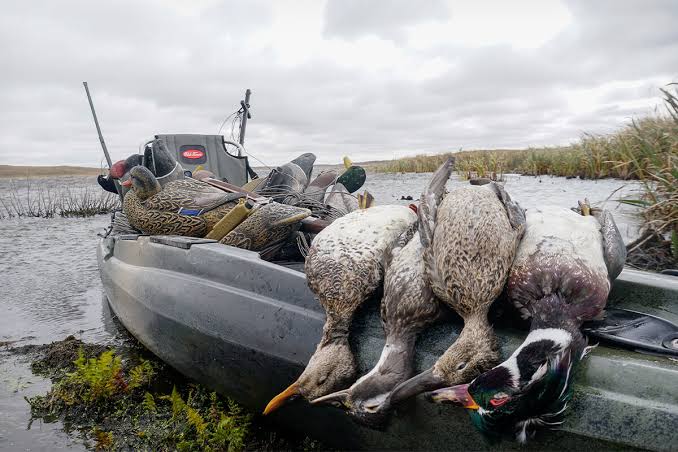
After the Hunt: Gear Care, Records, and Learning
After each hunt, clean and dry your kayak, paddle, life jacket, clothing, calls, cases, and hunting gear. Check for damage, missing safety items, and wet supplies.
Write notes about weather, wind, water level, animal movement, sign, hunting pressure, launch conditions, and what you would change. These notes make future hunts safer and more productive.
Recommended Hunting Gear and Tools to Consider
You do not always need expensive gear to hunt responsibly. Choose gear based on your local laws, hunting method, water conditions, species, weather, safety needs, skill level, and budget.
- Stable kayak with adequate capacity
- Properly fitted life jacket
- Legal hunting weapon or method allowed in your area
- Waterproof dry bags and phone case
- Map, compass, GPS, or offline hunting app
- Weather-appropriate clothing and dry backup layers
- Compact first aid kit and emergency blanket
- Whistle, light, and required boating safety equipment
- Game bags, gloves, cooler plan, and meat care supplies if relevant
FAQ About How to Hunt from a Kayak
Q1. Is it legal to hunt from a kayak?
It depends on your location, species, season, weapon, waterbody, and land access rules. Check your official wildlife agency and boating authority before hunting.
Q2. Can you shoot from a kayak?
Some places may allow certain hunting methods from a boat or kayak, while others restrict it. Even where legal, you should only act from a stable position with a clearly identified target and safe background.
Q3. What is the best kayak for hunting?
The best kayak is stable, has enough capacity for your body and gear, handles your water conditions well, and lets you keep equipment secure and balanced.
Q4. Do I need a hunting license to hunt from a kayak?
Yes, in most regulated hunting situations you need the proper hunting license and any required permits, tags, stamps, or harvest authorizations.
Q5. Do I need a life jacket for kayak hunting?
You should wear a properly fitted life jacket at all times. Some areas also have legal requirements for life jackets and other boating safety gear.
Q6. What species can you hunt from a kayak?
Common kayak hunting uses include waterfowl hunting, small-game access, and reaching legal public hunting areas. The legal species depend entirely on local regulations.
Q7. Is kayak hunting safe for beginners?
It can be safe only when beginners start in calm water, wear a life jacket, avoid bad weather, pack lightly, understand regulations, and practice paddling before hunting.
Q8. What should I practice before kayak hunting?
Practice paddling, turning, stopping, loading gear, landing quietly, re-entering the kayak, and managing balance in calm conditions.
Q9. Can I use a sit-on-top kayak for hunting?
Many hunters like sit-on-top kayaks for stability and easy entry, but suitability depends on water temperature, conditions, gear load, and personal skill.
Q10. Can I use a sit-inside kayak for hunting?
A sit-inside kayak may offer weather protection, but it can be harder to manage with bulky hunting gear. Practice rescue and gear access before relying on one.
Q11. How much gear should I bring?
Bring only what you can carry safely within the kayak’s capacity. Prioritize life jacket, communication, navigation, legal documents, safety gear, and essential hunting equipment.
Q12. Can I bring decoys in a kayak?
Yes, where legal, but keep the spread small enough that your kayak remains stable and manageable. Secure decoy bags so they do not shift or drag unexpectedly.
Q13. How do I keep my firearm or bow dry?
Use a suitable waterproof or water-resistant case during travel and follow all laws for transport and handling. Keep the weapon controlled and protected from mud, spray, and accidental movement.
Q14. Should I anchor a kayak while hunting?
Only anchor when conditions are safe. Anchoring in current, wind, deep water, or heavy vegetation can create tipping or entanglement hazards.
Q15. What should I do if the wind gets stronger?
End the hunt early, move to protected water, or return to the launch while you still have control. Do not wait until the wind exceeds your paddling ability.
Q16. Is cold water dangerous even on a warm day?
Yes. Cold water can quickly reduce strength, coordination, and decision-making. Dress for the water temperature and avoid conditions beyond your training.
Q17. Can I hunt alone from a kayak?
Beginners should avoid hunting alone. If you do go alone later, leave a float plan, carry communication, and stay within conservative limits.
Q18. How do I find legal kayak hunting spots?
Use official wildlife agency maps, public land maps, boating access maps, and land manager information. Confirm launches, boundaries, closures, and hunting rules.
Q19. Can I access private land from a river or lake?
Water access does not automatically grant permission to enter private land. Get clear permission before landing, crossing, or hunting private property.
Q20. What is a safe shooting background on water?
A safe background means no people, boats, homes, roads, livestock, trails, or unclear movement in or beyond the line of fire. Water can complicate visibility, so be conservative.
Q21. How do I stay hidden in a kayak?
Use legal natural cover, low movement, matte gear, and careful positioning. Do not add blind material that blocks vision, balance, paddling, or safe exit.
Q22. Can I use a kayak as a layout blind?
Only if legal and safe. Many beginners are better off using the kayak for access, then setting up from stable shoreline or shallow cover where allowed.
Q23. What should I do if my kayak capsizes?
Stay with the kayak if safe, signal for help, protect your airway, and use your practiced self-rescue method. This is why training and life jacket use are essential.
Q24. How do I handle harvested game in a kayak?
Follow tagging, reporting, possession, and transport rules. Keep game clean, secure, and cool, and avoid overloading the kayak on the return trip.
Q25. What are the biggest kayak hunting mistakes?
The biggest mistakes are overloading the kayak, not wearing a life jacket, ignoring weather, assuming access is legal, and taking unsafe or unstable shot opportunities.
Q26. Do I need lights on my kayak?
Many areas require lights or visibility equipment during low-light boating. Check boating laws before launching before sunrise or returning after sunset.
Q27. Can I use a motorized kayak for hunting?
Possibly, but motor use may trigger registration, boating, refuge, or hunting restrictions. Confirm all rules before adding or using a motor.
Q28. How do I avoid disturbing other hunters?
Launch quietly, give other hunters space, avoid paddling through active setups, respect decoy spreads, and follow local etiquette and spacing rules.
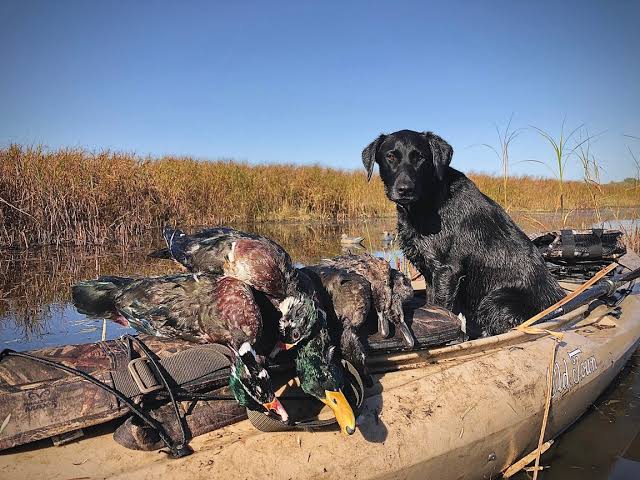
Q29. Should I take a dog kayak hunting?
Only if the dog is trained, legal to use, safe around firearms, able to wear flotation if appropriate, and does not make the kayak unstable.
Q30. What is the most important kayak hunting tip?
The most important tip is to treat the hunt as both a hunting trip and a boating trip. Legal preparation, water safety, and ethical restraint matter as much as finding game.