
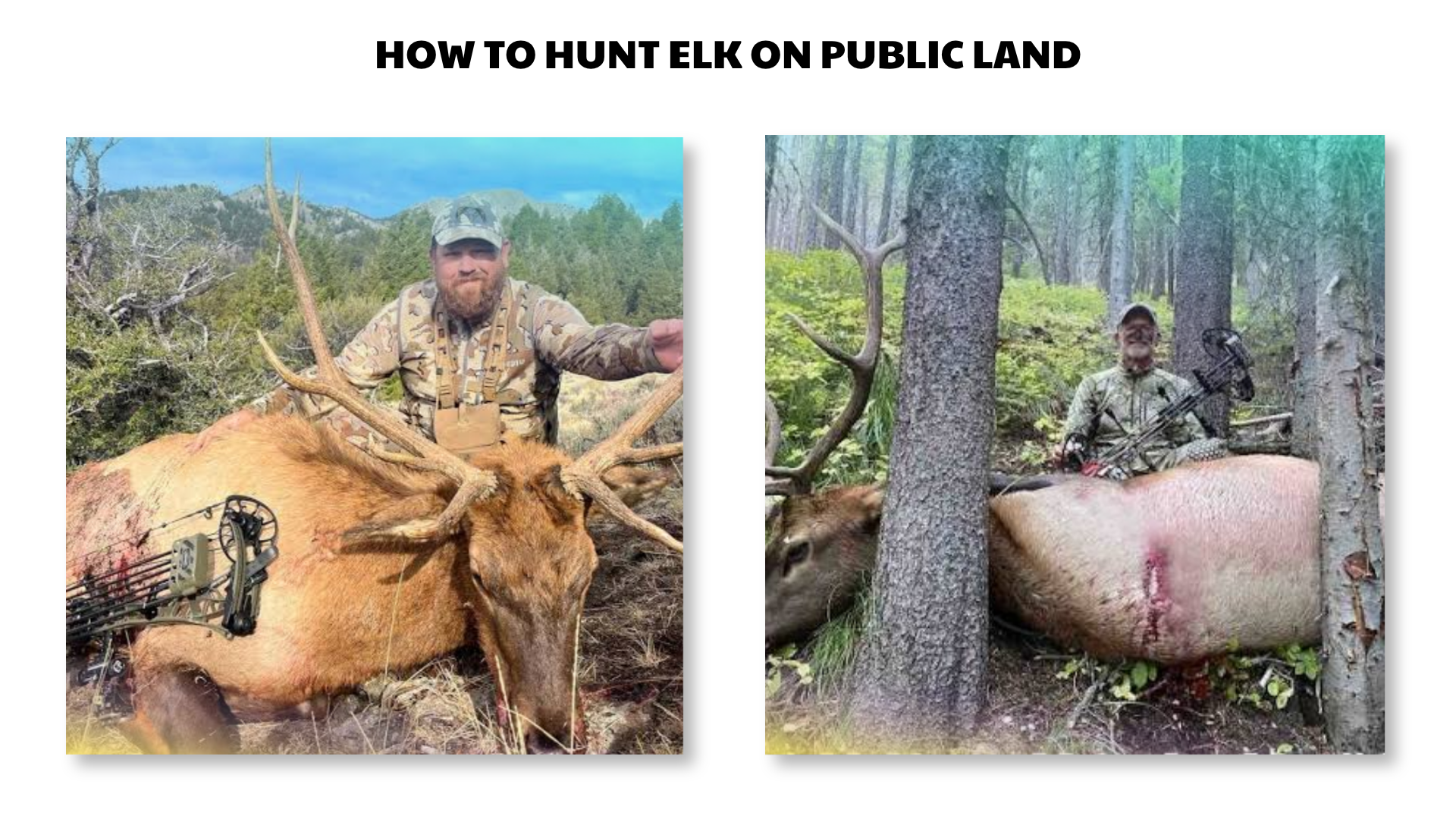

Learning how to hunt elk on public land can feel overwhelming because elk country is big, access can be confusing, and hunting pressure can change animal movement quickly. This guide explains the practical basics: how to check regulations, find legal access, scout elk habitat, plan a safe hunt, choose gear, and make ethical decisions in the field.
This article is written for beginner and developing hunters who want a calm, responsible, and realistic public land elk hunting plan. It does not promise success. Elk hunting depends on weather, terrain, pressure, regulations, physical preparation, patience, and ethical judgment.
Before any hunt, verify current rules with the official wildlife agency for the state, province, or country where you plan to hunt. Public land rules, licenses, tags, legal weapons, season dates, access boundaries, harvest reporting, and transport requirements can change.
Quick Answer
To learn how to hunt elk on public land, start by confirming the current license, tag, season, weapon, and access rules through the official wildlife agency. Then study maps, scout food sources, bedding cover, water, travel corridors, and signs such as tracks, droppings, rubs, wallows, and game trails. Plan your entry route with wind, terrain, other hunters, weather, navigation, and emergency communication in mind. Hunt patiently, identify the animal clearly, take only a safe and ethical shot opportunity within your practiced ability, and follow all tagging, reporting, recovery, and meat care rules.
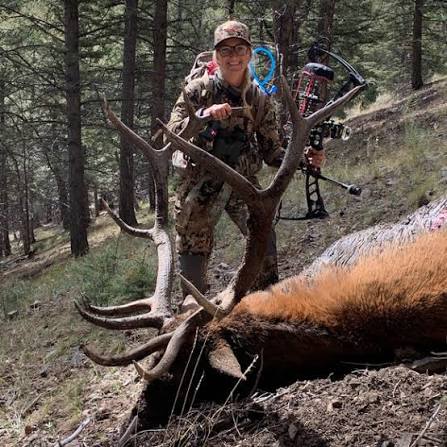
Important Legal and Safety Notice Before You Hunt
Hunting regulations vary by location, season, species, land type, and hunting method. Always check your official wildlife agency for current license, permit, tag, season, weapon, bag limit, legal hunting hours, land access, harvest reporting, and transport rules before hunting elk on public land.
- Hunting license and permits: Confirm hunter education, license, elk tag, draw status, over-the-counter rules, and any unit-specific permits.
- Tags or harvest reporting: Know how to tag, report, validate, or check in a harvest according to local rules.
- Legal season and legal hours: Verify the exact dates, unit boundaries, weapon season, and legal hunting times.
- Legal weapons and ammunition: Check rules for rifle, muzzleloader, bow, crossbow, broadheads, ammunition, and transport.
- Public land or private land access: Verify land ownership, trailheads, easements, road closures, wilderness boundaries, and private inholdings.
- Required clothing or visibility rules: Follow blaze orange, hunter pink, or other visibility requirements when applicable.
- Safe firearm or bow handling: Keep the muzzle or arrow pointed in a safe direction, know your target and beyond, and never shoot toward roads, homes, livestock, people, vehicles, trails, or unclear movement.
- Weather, navigation, and emergency planning: Carry navigation tools, water, first aid, layers, communication, and a trip plan shared with someone reliable.
Understanding the Game Species and Its Habitat
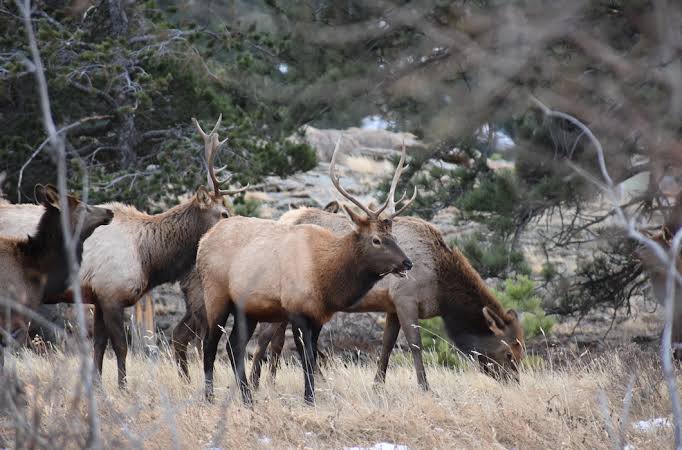
Elk are large herd animals that often use a mix of feeding areas, bedding cover, water sources, and travel routes. On public land, they may move away from easy access points when hunting pressure increases. Beginners should learn to read habitat instead of simply walking random trails.
Elk often feed in openings, burns, meadows, timber edges, high basins, benches, or other areas with suitable forage. They may bed in thicker cover, shaded timber, north-facing slopes, steep benches, or places where wind and visibility help them detect danger. Water can matter, especially during warm or dry conditions, but local habitat and season can change how elk use it.
Common elk sign includes tracks, droppings, rubs, wallows, game trails, beds, fresh feeding activity, and sometimes vocalizations during certain seasons. A beginner should focus on fresh sign, wind direction, terrain, and legal access more than any single trick.
What You Need Before You Start
- Valid hunting license, elk tag, permits, and current regulation knowledge
- Legal hunting weapon or method allowed in your elk unit and season
- Hunter orange or required visibility clothing if applicable
- Weather-appropriate layers, rain protection, gloves, hat, and durable boots
- Navigation tools such as paper map, compass, GPS, or hunting app with offline maps
- First aid kit, water, food, emergency shelter, headlamp, spare batteries, and communication device
- Binoculars or spotting optics if useful for your terrain
- Game bags, gloves, cooler plan, and basic meat care supplies if a harvest occurs
- Backpack suitable for water, layers, survival gear, and responsible meat packing
- Trip plan shared with a trusted person, including where you will park, hunt, and return
How to Hunt Elk on Public Land: Step-by-Step Guide
Step 1: Check Local Hunting Laws First
Start with the official wildlife agency website or regulation booklet for the exact elk unit you want to hunt. Check license requirements, tag type, season dates, legal weapons, antler restrictions if any, bag limits, legal hours, access rules, mandatory reporting, transport rules, and hunter education requirements.
Do not rely only on old videos, forums, or advice from another state. Public land elk rules can change by unit, season, road closure, land ownership, and weapon type.
Step 2: Learn the Animal’s Patterns
Elk need food, water, cover, and security. Public land elk often respond to pressure by using steeper terrain, thicker cover, darker timber, remote benches, or areas that require more effort to reach.
Study how elk move between feeding and bedding areas. Look for terrain features that naturally guide movement, such as saddles, ridgelines, benches, creek bottoms, timber edges, burns, and secluded openings.
Step 3: Choose a Legal Hunting Area
Use official maps, land agency maps, and reliable mapping tools to identify legal public land boundaries. Confirm roads, trails, seasonal closures, wilderness areas, motorized restrictions, private inholdings, and access points.
Plan more than one legal area. If the first trailhead is crowded or conditions are poor, having backup locations helps you stay flexible without trespassing or rushing unsafe decisions.
Step 4: Scout Before the Hunt
Scouting can happen online and in person. Online scouting helps you identify likely basins, ridges, water sources, meadows, burns, benches, and access routes. In-person scouting helps you confirm fresh sign, trail conditions, pressure, glassing points, and safe routes.
Look for tracks, droppings, rubs, beds, wallows, feeding sign, and repeated game trails. Fresh sign matters more than old sign. If an area has elk sign but heavy human pressure, consider nearby security cover, overlooked terrain, or harder-to-reach legal access.
Step 5: Prepare Your Gear Safely
Pack for the weather, distance, terrain, and emergency possibilities. Public land elk hunts often involve long walks, elevation changes, and unpredictable conditions. Carry layers, rain gear, water treatment or enough water, navigation, first aid, food, a headlamp, and communication.
If you use a firearm, follow basic firearm safety at all times and transport it according to the law. If you bowhunt, practice regularly, know your personal effective range, handle broadheads carefully, and do not take shots beyond your skill level.
Step 6: Plan for Wind, Weather, and Entry Route
Wind direction is one of the most important factors in elk hunting. Plan your approach so your scent is less likely to blow toward likely elk locations. Mountain wind can shift with thermals, weather, slope, and time of day, so keep checking conditions.
Choose an entry route that avoids walking directly through feeding areas, bedding cover, or obvious game trails when possible. A quiet, safe, legal approach is often better than the shortest path.
Step 7: Set Up Carefully
Choose a setup based on sign, wind, visibility, safe shooting lanes, and legal access. You might glass from a ridge, still-hunt slowly through timber, sit near a travel corridor, or use a natural cover position near fresh sign.
Stay aware of other public land users. Do not shoot toward trails, roads, camps, livestock, buildings, vehicles, or any area where the background is unclear. If you are unsure, do not take the shot.
Step 8: Stay Patient and Observe
Public land elk hunting often requires patience. Move slowly, stop often, listen, glass carefully, and avoid skylining yourself on ridges. Sudden movement and noise can alert elk and other hunters.
When hunting pressure is high, elk may move earlier, later, or deeper into cover. Adjust with careful scouting instead of wandering without a plan.
Step 9: Take Only a Safe, Legal, and Ethical Shot Opportunity
Only take a shot when the elk is clearly identified, legal to harvest, safely positioned, and within your practiced ability. Confirm what is beyond the animal and avoid any shot toward roads, homes, people, livestock, vehicles, trails, or unclear movement.
Ethical hunting means passing on uncertain, unsafe, rushed, or overly difficult opportunities. Skill, patience, and restraint matter more than forcing a shot.
Step 10: Follow Legal Recovery and Reporting Rules
After a legal harvest, follow your jurisdiction’s tagging, validation, evidence-of-sex, reporting, and transport rules. Keep the process calm, organized, and respectful.
If recovery becomes difficult, follow local rules and seek help from an experienced mentor, wildlife officer, or legal tracking resource when allowed. Do not cross private property without permission.
Step 11: Handle the Game Responsibly
Elk are large animals, so meat care planning is essential before the hunt. Bring clean tools, gloves, game bags, and a realistic pack-out plan. Cool meat as soon as practical, keep it clean, and follow local transport and evidence requirements.
Avoid waste. If you are new to elk meat care, learn from official hunter education resources, experienced mentors, or reputable game processing guidance before the season.
Best Time, Place, and Conditions for This Hunt
The best conditions for public land elk hunting depend on the region, season, weapon type, hunting pressure, weather, and local elk behavior. In general, early and late parts of the day can be productive because elk may move between feeding and bedding areas. However, pressured elk may move at different times or stay in security cover.
Seasonality matters. Early seasons may involve warmer weather, water needs, and different herd behavior. Later seasons may involve snow, migration patterns, colder temperatures, and access challenges. Always match your plan to legal season dates and current conditions.
Good places to start include legal public land with fresh elk sign, manageable access, escape cover, food, water, and terrain features that help you observe without disturbing animals. Avoid crowding other hunters and respect trail etiquette, parking rules, campsites, and land boundaries.
Helpful Tips for Better Results
- Start with official maps and regulations before choosing any hunting spot.
- Have at least two or three legal backup areas in case your first area is crowded.
- Scout access routes as carefully as you scout elk habitat.
- Pay attention to wind, thermals, and your approach route every time you move.
- Use binoculars to observe more and walk less when terrain allows.
- Train physically before the season because elk country can be steep and demanding.
- Keep your pack practical: carry safety essentials, but avoid unnecessary weight.
- Respect other hunters by giving space and avoiding unsafe setups.
- Practice with your hunting method before the season and know your limits.
- Record what you learn after each trip, including sign, pressure, weather, wind, and access notes.
Common Mistakes to Avoid
Many beginners struggle on public land because they focus only on where elk might be and not enough on regulations, access, pressure, wind, and safety. Avoid these common mistakes:
- Hunting without verifying current license, tag, unit, and access rules.
- Assuming all land shown as open-looking on a map is legal to enter.
- Crossing private land without permission to reach public land.
- Ignoring wind direction and walking directly into likely elk locations.
- Parking or camping in ways that block roads, gates, trails, or other users.
- Moving too fast through elk country without stopping to listen and glass.
- Underestimating the physical difficulty of packing gear or meat in steep terrain.
- Not carrying enough water, layers, navigation, or emergency gear.
- Taking unsafe, rushed, or uncertain shot opportunities.
- Forgetting harvest reporting, tagging, transport, or meat care requirements.
Troubleshooting Common Problems
| Problem | Possible Cause | What to Do |
|---|---|---|
| You are not seeing elk | Poor location, heavy pressure, wrong timing, old sign, or limited scouting | Look for fresher sign, adjust to pressure, glass more, and try legal backup areas. |
| Elk seem to detect you quickly | Wind, thermals, noise, movement, or poor approach route | Rework your entry route, check wind often, move slower, and use terrain to stay concealed. |
| Trailheads are crowded | Popular access, easy terrain, or opening-week pressure | Use backup access points, hunt overlooked legal areas, and avoid crowding other hunters. |
| Property boundaries are confusing | Mixed public and private land, inholdings, unclear roads, or outdated maps | Use official maps, confirm boundaries, and do not cross private land without permission. |
| Weather changes quickly | Mountain conditions, elevation, storms, snow, wind, or poor forecast planning | Carry layers, rain protection, navigation, and emergency gear; leave early if conditions become unsafe. |
| Your pack feels too heavy | Overpacking, poor fit, weak frame support, or lack of conditioning | Cut nonessential weight, fit the pack correctly, train before season, and plan realistic distances. |
| You are unsure whether an elk is legal | Unclear antler rules, poor visibility, rushed decision, or limited regulation knowledge | Do not shoot. Review rules, improve identification skills, and wait for a clear legal opportunity. |
| Recovery is difficult | Terrain, weather, poor marking, limited help, or unclear access | Follow legal recovery rules, mark locations carefully, seek experienced help when allowed, and never trespass. |
Ethical Hunting and Conservation
Ethical elk hunting is about more than filling a tag. It means respecting wildlife, following the law, making responsible decisions, and using the harvest carefully.
- Respect elk as a public wildlife resource.
- Obey seasons, tag rules, bag limits, weapon rules, and reporting requirements.
- Respect landowners, other hunters, hikers, campers, and land managers.
- Pass on unsafe, unclear, rushed, or unethical shot opportunities.
- Prepare for recovery and meat care before hunting.
- Avoid waste and use the harvest responsibly.
- Support conservation through legal licenses, habitat respect, and responsible participation.
- Leave campsites, trailheads, and public land cleaner than you found them.
When to Get More Training or Professional Guidance
Beginners should seek more training when they are unsure about weapon safety, regulations, land boundaries, navigation, meat care, or field decisions. A hunter education course and an experienced ethical mentor can prevent many beginner mistakes.
- You have never handled a firearm or bow.
- You have not completed hunter education.
- You are unsure about elk licenses, tags, units, or legal seasons.
- You do not understand public and private land boundaries.
- You are not confident in safe shooting or bowhunting discipline.
- You are hunting unfamiliar mountain terrain.
- You need help with legal recovery or meat care.
- You have questions about firearm storage, transport, or local laws.
Good learning sources include official hunter education courses, state or provincial wildlife agencies, certified instructors, experienced ethical mentors, local conservation groups, and reputable hunting clubs.
After the Hunt: Follow-Up, Gear Care, and Learning
After every elk hunt, successful or not, take time to review what happened. Clean and dry your gear, check boots and pack straps, inspect your weapon according to manufacturer instructions, restock first aid supplies, and save notes about weather, sign, pressure, wind, and animal movement.
If you harvested an elk, complete all required tagging, reporting, transport, and meat care steps. If you did not, record what you learned and adjust your scouting plan for the next legal hunt.
Public land elk hunting rewards preparation and learning over time. Each trip teaches access, terrain, elk behavior, pressure, and personal limits.
Recommended Hunting Gear and Tools to Consider
You do not always need expensive gear to hunt responsibly. Choose gear based on your local laws, hunting method, species, terrain, weather, safety needs, skill level, and budget.
- Legal hunting weapon or method allowed in your elk unit and season
- Quality boots suitable for mountain terrain and weather
- Weather-appropriate layers and required visibility gear
- Binoculars or spotting optics for safe observation
- Navigation tools such as paper map, compass, GPS, or offline hunting app
- First aid kit and emergency communication device
- Headlamp with backup batteries
- Water storage and water treatment if needed
- Backpack with enough support for gear and responsible packing
- Game bags, gloves, cooler plan, and clean meat care supplies if relevant
Final Thoughts
Learning how to hunt elk on public land starts with legal preparation, realistic scouting, safe access, wind awareness, physical readiness, and ethical judgment. Focus on fresh sign, legal boundaries, careful entry routes, safe shooting decisions, and responsible meat care rather than shortcuts or guaranteed-success promises.
Public land elk hunting can be challenging, but careful preparation helps beginners build skill over time. Always check current regulations, respect other land users, hunt within your ability, and treat wildlife and public land with respect.
Frequently Asked Questions
1. How long does it take to learn how to hunt elk on public land?
Most beginners need more than one season to become comfortable with public land elk hunting. You can learn the basics before your first hunt, but reading terrain, finding fresh sign, handling pressure, and planning pack-outs take practice.
2. Is public land elk hunting good for beginners?
It can be, but it is physically and mentally demanding. Beginners should start with official regulations, hunter education, mapping practice, realistic terrain, and mentorship when possible.
3. Do I need a license to hunt elk on public land?
Yes, a valid hunting license and elk tag or permit are generally required. Exact rules vary by location, so check the official wildlife agency before hunting.
4. Are elk tags easy to get?
It depends on the state, unit, season, and tag system. Some areas use draws, some may offer over-the-counter opportunities, and some have limited permits. Always verify current rules.
5. What is the best time of day to hunt elk on public land?
Early morning and late evening are often useful times to observe elk movement, but pressured elk may move differently. Legal hunting hours and local behavior matter most.
6. What is the best season for public land elk hunting?
The best season depends on your tag, weapon type, weather, terrain, and local elk behavior. Archery, rifle, and muzzleloader seasons may each require different strategies.
7. How do I find public land where elk live?
Use official wildlife agency information, public land maps, harvest data if available, habitat maps, and scouting. Look for legal access near food, cover, water, and travel routes.
8. How do I avoid trespassing while elk hunting?
Use current maps, confirm land ownership, respect posted signs, know boundaries, and get written permission before crossing private land. When in doubt, stay out.
9. What elk sign should beginners look for?
Look for tracks, droppings, rubs, beds, wallows, feeding sign, and game trails. Fresh sign is more useful than old sign.
10. How important is wind direction?
Wind is very important because elk can detect human scent. Plan your setup and approach so the wind is not carrying your scent toward likely elk locations.
11. What are thermals in elk hunting?
Thermals are air movements caused by temperature changes on slopes. They may move downhill when cool and uphill as the day warms, but local terrain and weather can change them.
12. Should I hunt near water?
Water can be useful, especially in dry or warm conditions, but it is not the only factor. Food, cover, pressure, and travel routes also matter.
13. Should I hunt meadows or timber?
Both can matter. Elk may feed in openings and bed in timber or cover. Public land pressure often pushes elk toward more secure areas.
14. How far should I hike from the road?
There is no universal distance. Some elk live close to roads, while others move into harder terrain. Focus on fresh sign, pressure, legal access, and safe pack-out distance.
15. Do I need to be in excellent shape?
You do not need to be an elite athlete, but elk hunting often requires hiking, climbing, carrying gear, and possibly packing meat. Train realistically before the season.
16. What boots are best for public land elk hunting?
Choose boots that fit well, match the terrain, provide traction, and are broken in before the hunt. Check waterproofing, ankle support, insulation, and sock pairing for your conditions.
17. What should I carry in my pack?
Carry license and tags, navigation, water, food, first aid, layers, rain gear, headlamp, emergency communication, game bags if relevant, and the gear required for your legal hunting method.
18. Do I need binoculars for elk hunting?
Binoculars are very useful in open or broken terrain because they help you observe safely from a distance. In thick timber, they may be less important but still helpful.
19. Can I hunt elk alone?
Some hunters do, but beginners are safer with a mentor or partner. If hunting alone, share a trip plan, carry communication, know your limits, and be conservative with terrain and distance.
20. Is a GPS or hunting app necessary?
It is not the only option, but it can help with boundaries and navigation. Carry a backup map and compass because batteries, phones, and signals can fail.
21. How do I handle other hunters nearby?
Give them space, avoid unsafe shooting directions, communicate calmly if needed, and consider moving to another legal area. Public land requires courtesy and safety.
22. Should I call elk on public land?
Calling can help in some seasons and situations, but it can also alert elk or other hunters. Learn basic calling carefully and avoid relying on it as your only strategy.
23. What if I hear another hunter calling?
Stay safe and avoid moving toward unclear sounds. Never assume a sound is an elk until you clearly identify the animal and the background.
24. Can I use a tree stand for elk?
Tree stands are less common for elk than for some other hunting styles, but may be legal in certain areas. If used, follow all regulations, use a full-body harness, and follow manufacturer instructions.
25. Is blaze orange required for elk hunting?
Visibility clothing requirements vary by location and season. Check the official rules for your hunt and wear required safety clothing when applicable.
26. What firearm safety rules matter most?
Keep the muzzle pointed in a safe direction, keep your finger off the trigger until ready to shoot, know your target and beyond, and treat every firearm as loaded. Follow official hunter education guidance.
27. What bowhunting safety rules matter most?
Practice before season, know your personal effective range, handle broadheads carefully, transport equipment safely, and take only ethical shots within your ability.
28. How do I know if an elk is legal to harvest?
Read your tag and unit rules carefully. If antler, sex, age, or unit restrictions are unclear in the field, do not shoot.
29. What should I do if I am unsure about a shot?
Pass on the shot. Ethical hunters do not take unsafe, unclear, rushed, or beyond-ability opportunities.
30. How do I plan a pack-out?
Before hunting, consider distance, terrain, weather, temperature, help, game bags, cooler space, and legal meat care requirements. Elk are large, so planning matters.
31. What should I do after harvesting an elk?
Follow tagging, reporting, evidence, transport, recovery, and meat care rules. Keep the process clean, legal, and respectful.
32. Do I need game bags?
Game bags are useful for keeping meat cleaner during transport. Choose durable bags and learn proper meat care from official or reputable sources before the hunt.
33. How do I keep meat from spoiling?
Cool it as soon as practical, keep it clean, use breathable game bags, and follow safe transport and processing practices. Seek experienced guidance before the season.
34. What if the weather turns bad?
Prioritize safety. Use your navigation tools, add layers, protect yourself from moisture, and leave early if conditions become unsafe.
35. What if I get lost?
Stop, stay calm, use your map, compass, GPS, or communication device, and avoid wandering deeper into unfamiliar terrain. Tell someone your trip plan before the hunt.
36. How much water should I carry?
Carry enough for your conditions and know whether safe water sources are available. In remote areas, consider water treatment and plan conservatively.
37. What first aid items should elk hunters carry?
Carry basic wound care, blister care, personal medications, emergency blanket, and items appropriate for your training. A kit does not replace medical training or emergency services.
38. Should beginners hunt deep wilderness first?
Not usually. Start with realistic terrain, legal access, and manageable distances before attempting remote hunts.
39. How do I scout elk before season?
Study maps, identify food, water, cover, glassing points, and travel routes, then confirm with in-person scouting when legal and practical.
40. What is hunting pressure?
Hunting pressure is the effect of human activity on animal movement. Elk may avoid busy roads, trails, calling, camps, and predictable hunter routes.
41. How do I hunt pressured elk?
Look for fresh sign near security cover, avoid obvious routes, use wind carefully, and consider legal areas overlooked by other hunters.
42. Can I camp on public land while elk hunting?
Camping rules vary by land agency and location. Check fire restrictions, campsite rules, road closures, and stay limits before camping.
43. Are e-bikes allowed for public land elk hunting?
Rules vary by land agency, road, trail, and season. Verify motorized and e-bike restrictions before using one.
44. Can I use a drone to scout elk?
Drone rules for hunting vary and may be restricted or illegal in many places. Check wildlife agency and land agency rules before using any drone.
45. What is the biggest beginner mistake?
One of the biggest mistakes is hunting without fully understanding regulations, access, wind, and terrain. Preparation prevents many problems.
46. How much does public land elk hunting cost?
Costs vary based on license, tag, travel, gear, fuel, food, lodging, and processing. Start with required legal costs and borrow or buy practical gear carefully.
47. Do I need expensive gear?
No. Expensive gear is not a substitute for regulations knowledge, safety, scouting, fitness, and judgment. Prioritize essential, reliable gear.
48. Should I hire a guide?
A guide can help in unfamiliar country, but it is not required everywhere. Make sure any guide is legal, reputable, and properly licensed if required.
49. How can I learn elk behavior?
Study official wildlife resources, reputable hunting education, maps, field sign, and your own notes. Time in elk country teaches valuable lessons.
50. What if I cannot find fresh sign?
Move to another legal area, check different elevations, look for food and cover transitions, and consider pressure, weather, and water conditions.
51. What should I do if I see illegal hunting activity?
Do not confront anyone in an unsafe situation. Record safe details if possible and report to the appropriate wildlife agency or local authority.
52. How do I respect other public land users?
Park responsibly, keep camps clean, give space, avoid shooting near trails or roads, and communicate calmly when needed.
53. Is public land elk hunting always crowded?
Not always, but popular areas can be crowded during certain seasons. Scouting backup areas and understanding pressure can help.
54. What should I study after each hunt?
Review where you saw sign, where pressure came from, how wind behaved, what gear worked, and what you would change next time.
55. What is the safest way to begin public land elk hunting?
Take hunter education, verify regulations, hunt with a mentor if possible, choose manageable terrain, carry safety gear, and make conservative decisions.
Read more: How to Hunt Deer With a Bow: A Beginner-Friendly Guide