
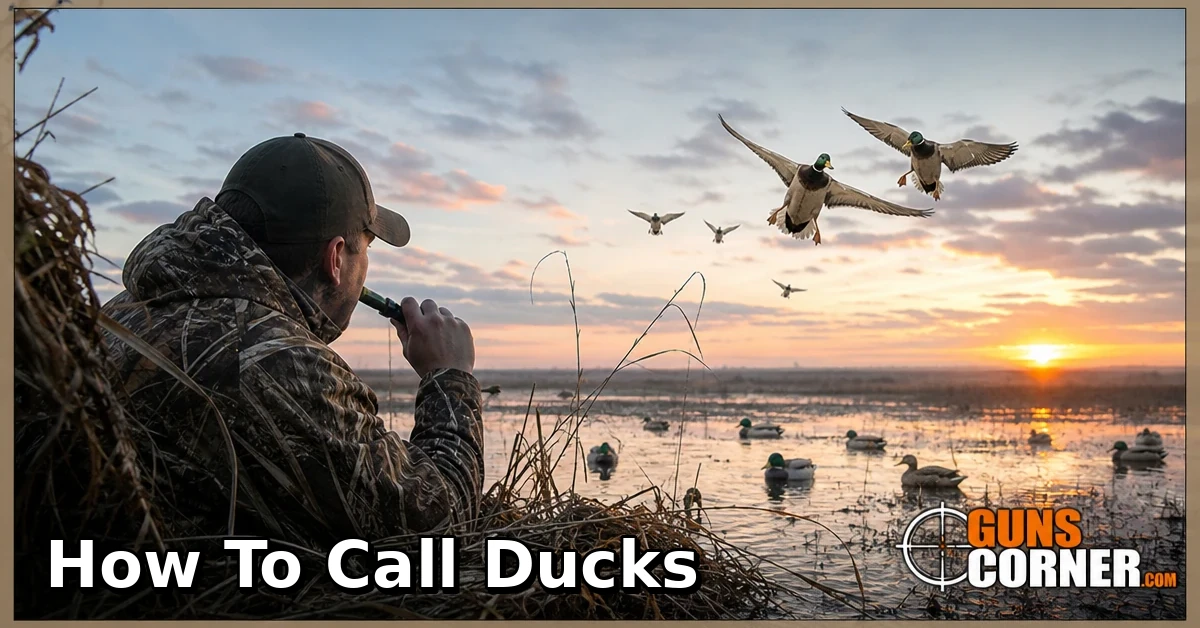

Learning how to call ducks is less about making the loudest noise and more about using the right sound, timing, volume, and cadence for the situation. A good duck call can attract attention, reassure approaching birds, and help guide them toward a legal, well-concealed setup. This guide explains the basics of duck calls, calling technique, scouting, safety, common mistakes, and ethical waterfowl hunting practices.
To learn how to call ducks, start with a quality call, practice producing a clean quack, and control the sound with your diaphragm rather than your throat. Use simple calls first, watch how ducks respond, and avoid calling continuously when birds are already committed. Before hunting, verify current waterfowl regulations, licenses, stamps, season dates, shooting hours, species limits, ammunition rules, and access requirements. Calling improves your chances, but scouting, concealment, patience, and safe shot selection matter just as much.
Important Legal and Safety Notice Before You Hunt
Waterfowl regulations can change by country, state, province, flyway, season, species, and hunting zone. Check your official wildlife agency before every hunt for current requirements.
- Carry the required hunting license, waterfowl permits, and conservation stamps.
- Know legal seasons, shooting hours, species identification rules, daily limits, possession limits, and reporting requirements.
- Use only legal firearms, non-toxic ammunition, and approved equipment.
- Confirm public access rules or obtain permission before hunting private property.
- Follow requirements for hunter orange or other visibility clothing when applicable.
- Keep the firearm unloaded until you are legally positioned and ready to hunt.
- Keep the muzzle pointed in a safe direction and identify the bird and background before shooting.
- Wear a properly fitted life jacket when hunting from a boat or in deep, cold, or moving water.
- Tell someone your plan, check the weather, carry navigation and communication equipment, and prepare for hypothermia.
How Duck Calls Work
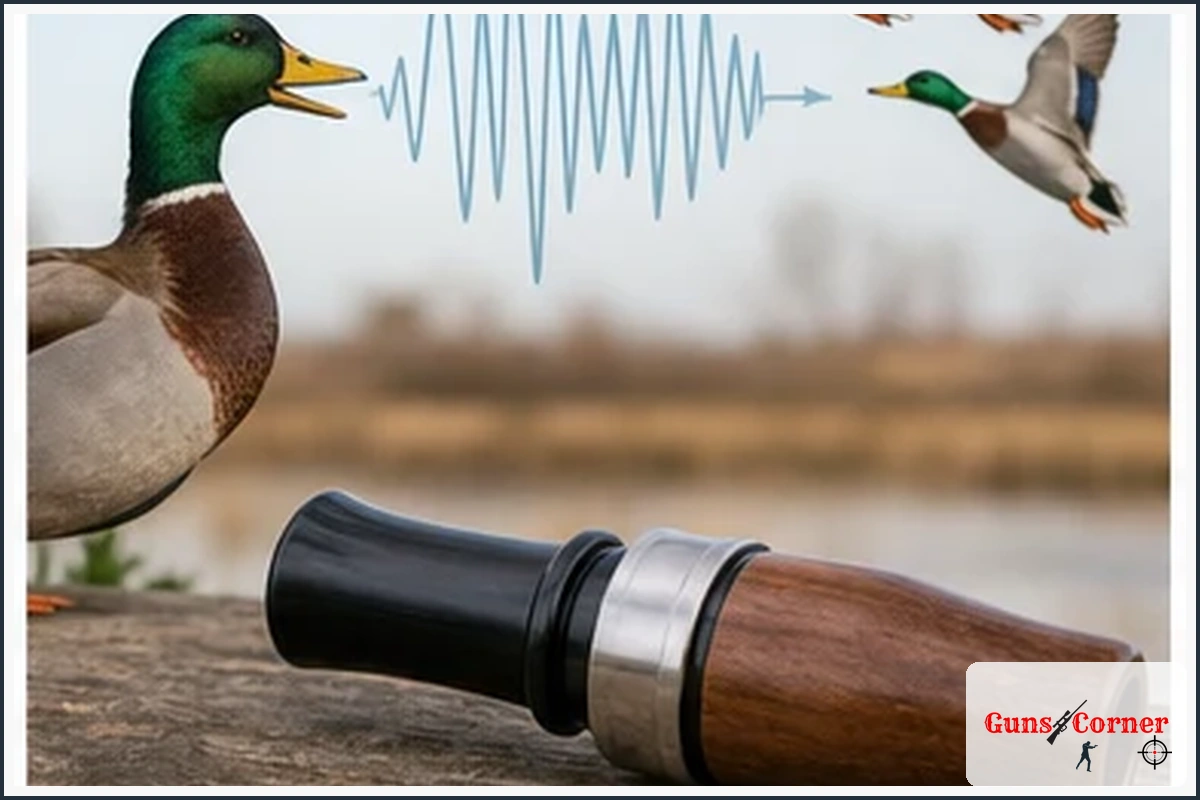
A duck call imitates sounds made by waterfowl. The goal is not to reproduce every sound perfectly. The goal is to communicate naturally enough that ducks notice the sound, feel comfortable, or adjust their flight path.
Most beginner duck callers start with a mallard-style call. These calls can produce a basic quack, greeting calls, feeding chatter, hail calls, comeback calls, and softer conversational sounds. Other species may respond better to specialized calls, including whistles for teal or pintails, so learn the regulations and identify birds carefully before hunting.
What You Need to Start Calling Ducks
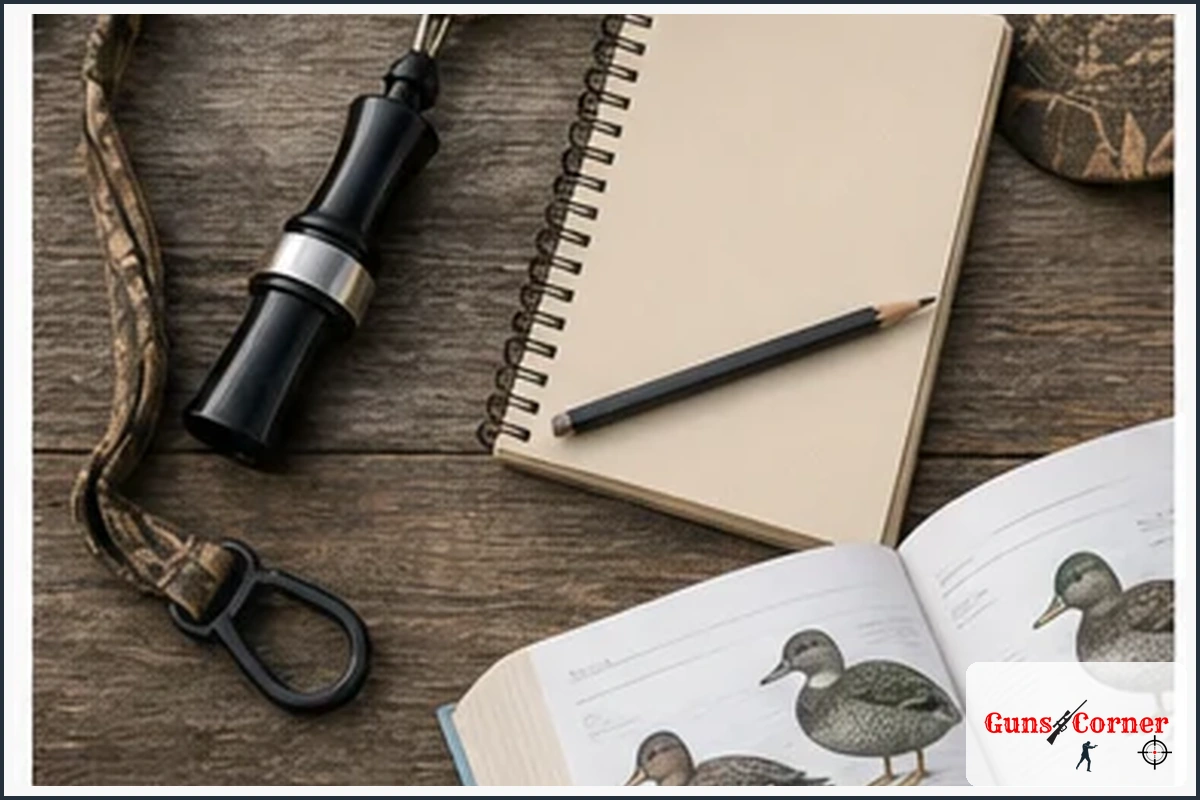
- A legal duck call suited to your experience level
- A lanyard or secure way to carry the call
- A calm place to practice without disturbing wildlife
- Waterfowl identification resources
- Legal camouflage or concealment appropriate for the hunting area
- Binoculars for observing ducks before calling or shooting
- Waders, flotation equipment, and weatherproof clothing when needed
- A legal shotgun and approved non-toxic ammunition, used only after proper training
- A navigation tool, first aid kit, water, snacks, and emergency communication
How to Call Ducks Step by Step
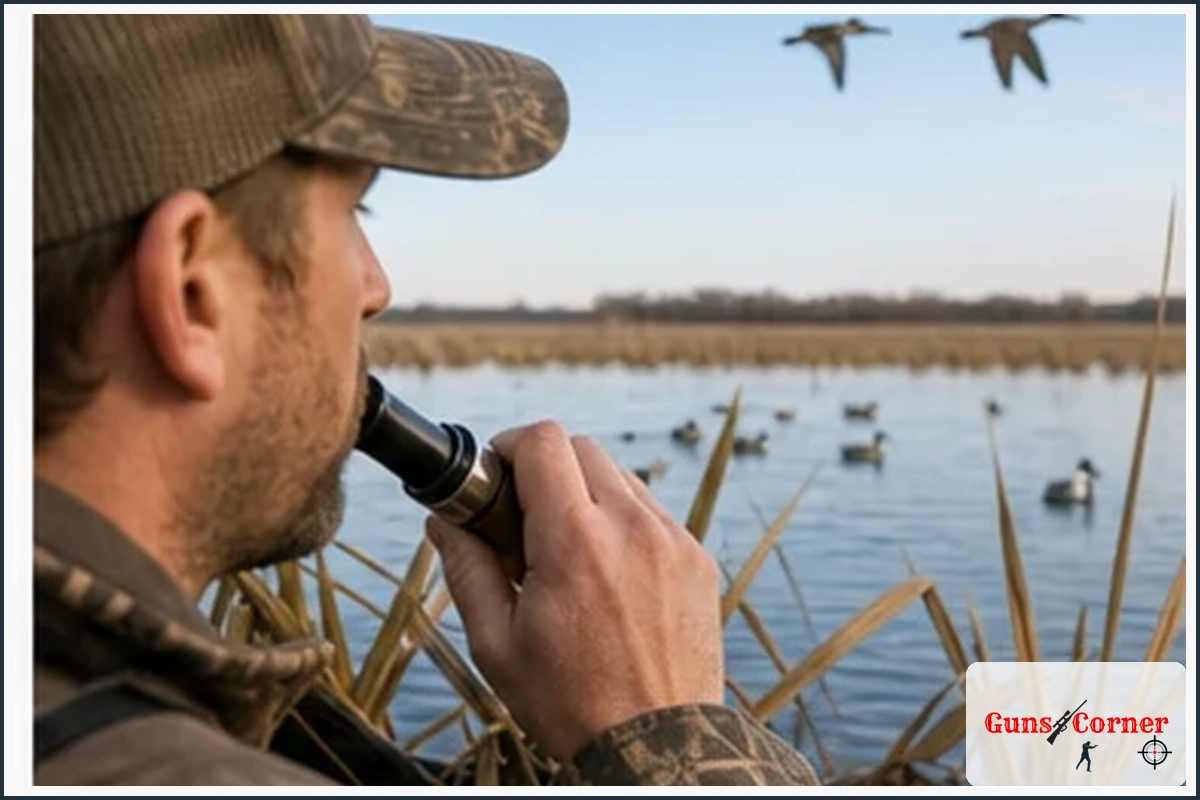
Step 1: Learn the Basic Parts of the Call
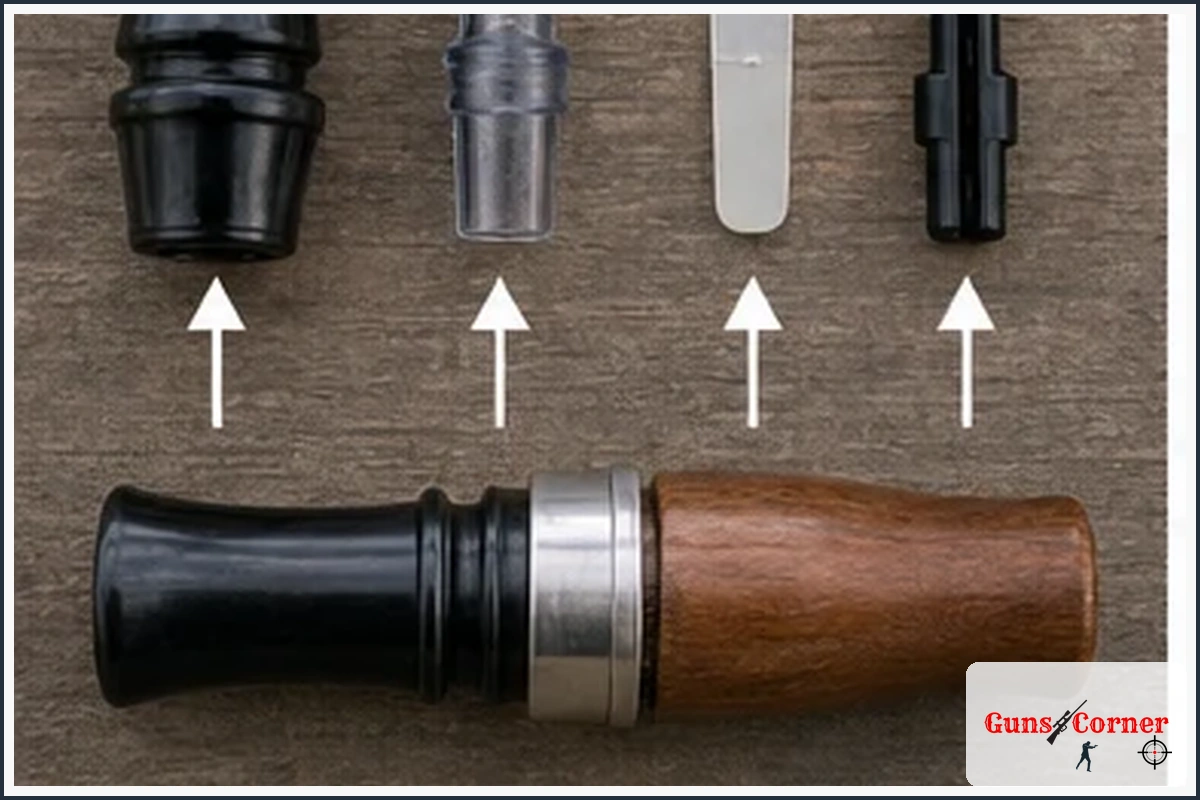
Most single-reed duck calls have a barrel, insert, reed, and tone channel. Follow the manufacturer’s instructions for assembly and cleaning. Do not modify the call in a way that creates an unreliable or unsafe result.
Hold the call comfortably between your thumb and fingers. Avoid squeezing it tightly, because excessive pressure can restrict airflow and make the sound inconsistent.
Step 2: Use Your Diaphragm Instead of Your Throat
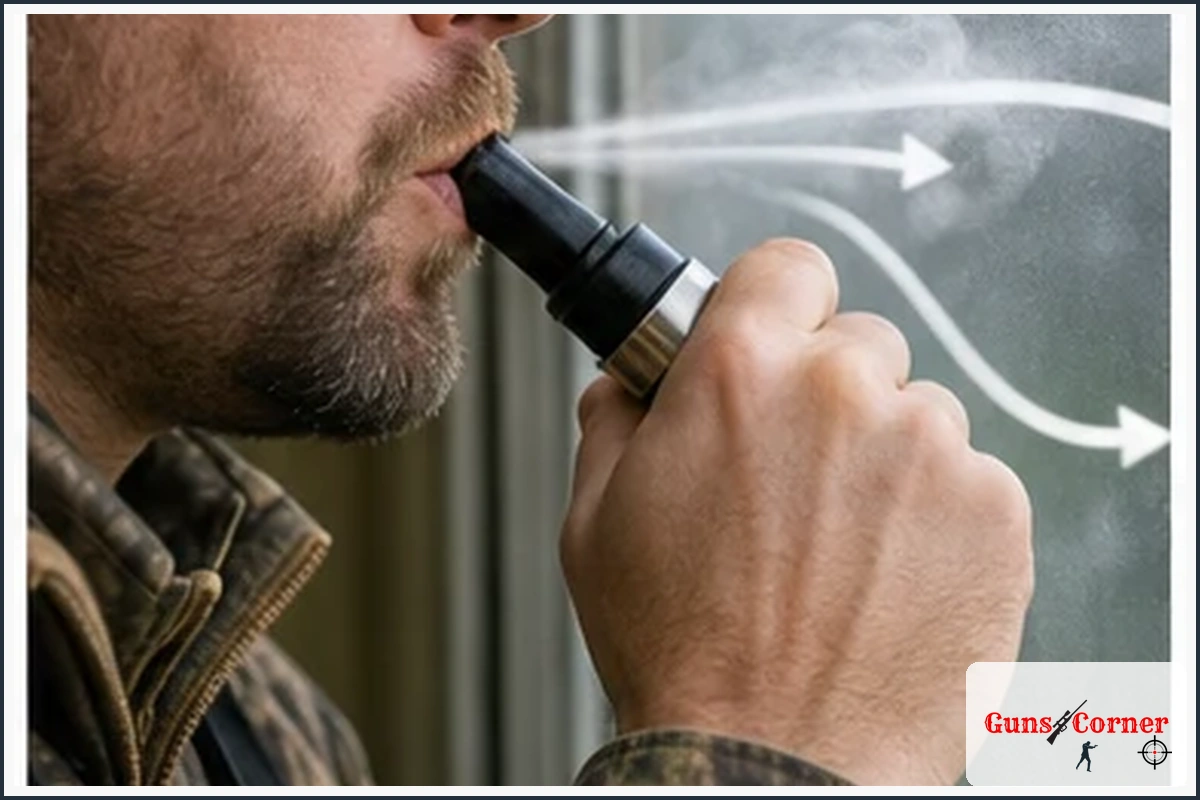
Place the call gently in your mouth and use controlled air from your diaphragm. A useful practice sensation is the short burst of air used to fog a window. Avoid simply blowing hard from your throat, which often produces a harsh, hollow sound.
Start with short air bursts and relaxed cheeks. The sound should come from controlled pressure rather than force.
Step 3: Practice a Clean Basic Quack
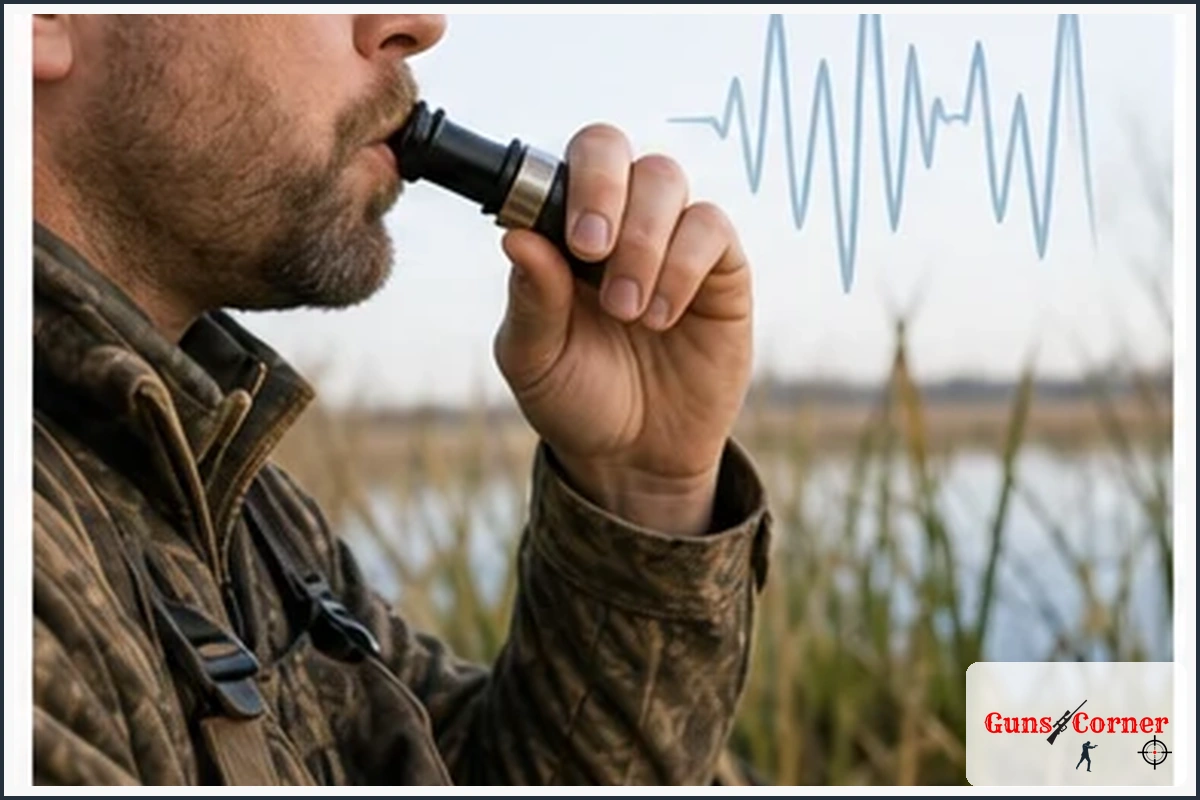
The basic quack is the foundation of most mallard calling. Begin with a short, distinct note. Many callers mentally use a simple syllable such as “quack,” “hut,” or “dut” to help create a clean beginning and ending.
Practice single notes first. Then connect two or three notes while keeping the rhythm natural. A clear, moderate-volume quack is more useful than a loud, strained sound.
Step 4: Build a Simple Hen Cadence
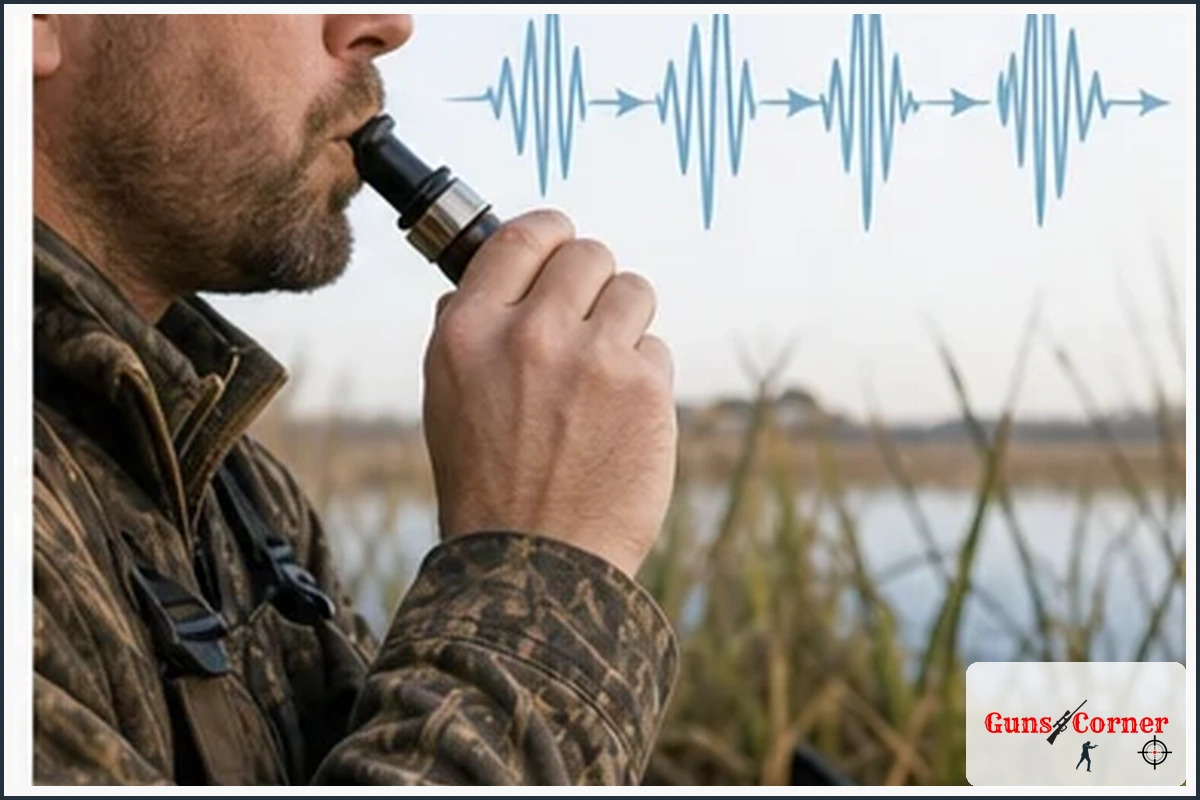
After learning the single quack, practice a short series of notes with a steady rhythm. Keep the first sequences simple rather than trying to imitate advanced contest calling.
A beginner-friendly exercise is to practice a few evenly spaced notes, pause, and then repeat. Once the cadence is consistent, vary the volume and spacing slightly so it sounds less mechanical.
Step 5: Learn the Main Duck Calls
Basic Quack
Use a basic quack as a general contact sound when ducks are nearby or passing within view.
Greeting Call
A greeting call is a short series of notes used when ducks are approaching or circling. Keep it moderate and conversational rather than aggressive.
Hail Call
A hail call is louder and is generally used to get the attention of distant birds. Once ducks notice you or begin working toward the decoys, reduce the volume and switch to softer calling.
Feed Call
A feed call imitates the soft, rapid sounds ducks make while feeding. It can help create the impression that birds are comfortable and actively using the area. Keep it quiet and rhythmic.
Comeback Call
A comeback call may be useful when ducks turn away or pass outside the desired approach. Use it briefly, then watch their response. Repeatedly calling after birds have committed can cause them to flare.
Whistle Calls
Whistles can imitate certain duck sounds, including calls associated with some diving ducks or teal. Use the correct call for the species and never rely on a sound alone for identification. Always identify the bird visually before shooting.
Step 6: Practice Volume Control
Practice three levels: soft, moderate, and loud. Loud calling is useful for gaining attention from distant birds, while soft calling is usually more appropriate when ducks are close or already responding.
Record yourself if possible and listen for rasping, excessive air, uneven rhythm, or notes that end abruptly. A simple call made cleanly is usually more effective than a complicated series made poorly.
Step 7: Scout Before You Call
Calling works best when ducks already have a reason to use the area. Scout wetlands, ponds, rivers, flooded timber, agricultural fields, and other legal habitat for birds, feeding activity, resting areas, flight paths, and fresh sign.
Observe where ducks enter and leave, where they land, and how weather or hunting pressure changes their movement. Avoid educating birds by repeatedly calling or disturbing them during scouting.
Step 8: Set Up Concealment and Decoys Carefully
Choose a legal location with safe shooting lanes and adequate concealment. Keep the sun, wind, background, and likely flight path in mind. Decoys should look natural and leave room for birds to approach without forcing hunters to shoot toward people, roads, homes, boats, or other hazards.
In a blind or natural hide, keep movement slow and controlled. Ducks often notice motion before they notice a small calling error.
Step 9: Match Your Calling to the Birds’ Behavior
Watch the birds before calling. If they are distant and ignoring the area, a louder hail call may attract attention. If they are circling, use shorter greeting calls or pause to let them work. If they are already descending, reduce calling and avoid unnecessary movement.
There is no universal calling sequence. Wind, visibility, flock size, hunting pressure, species, and the birds’ mood all affect the response.
Step 10: Take Only a Safe and Legal Shot Opportunity
Only shoot when you have positively identified the bird, confirmed that it is legal to harvest, and know what lies beyond it. The shot must be within your practiced ability, with a safe background and no people, homes, roads, livestock, boats, or other hazards behind the target.
Do not shoot at birds that are too far away, poorly identified, obscured, or outside a safe angle. Passing on an uncertain shot is part of ethical waterfowl hunting.
Step 11: Retrieve and Handle Birds Responsibly
Plan for retrieval before hunting. Use a trained retriever only when appropriate and legal, or carry equipment suited to the water and terrain. Do not enter cold or dangerous water without proper flotation, training, and a realistic recovery plan.
Follow all tagging, possession, transport, reporting, and game-handling requirements. Cool harvested birds promptly, keep them clean, and use the meat responsibly.
Best Conditions for Duck Calling
Ducks may respond differently depending on wind, visibility, temperature, water levels, food availability, and hunting pressure. Light to moderate wind can make decoy movement and calling easier to notice, but difficult weather can also create serious boating, navigation, and hypothermia risks.
Watch how ducks naturally communicate in the area. Calling should fit the conditions rather than overpower them. On calm days, subtle sounds and careful concealment may matter more than volume. In strong wind, a louder call may be needed to gain attention, but always reduce the volume as birds approach.
Helpful Duck Calling Tips for Better Results
- Master one clean quack before learning advanced sequences.
- Practice regularly in short sessions instead of blowing continuously.
- Use your diaphragm and controlled air pressure.
- Listen to live ducks whenever possible and observe their rhythm.
- Call more aggressively only when distant birds need to be attracted.
- Stop calling periodically and let the birds show you what they want.
- Keep the call clean and dry according to the manufacturer’s instructions.
- Use binoculars to identify species and study behavior.
- Scout flight paths before deciding where to place a blind or decoys.
- Practice firearm safety and water safety as seriously as calling technique.
Common Duck Calling Mistakes to Avoid
- Blowing too hard and producing a harsh, unnatural sound
- Calling constantly without watching the birds’ reaction
- Using loud hail calls when ducks are already close
- Trying advanced calls before mastering the basic quack
- Ignoring wind direction and allowing scent or movement to expose the setup
- Moving the call or body quickly while birds are watching
- Hunting without confirming current waterfowl regulations
- Failing to identify species before shooting
- Setting up where shooting lanes are unsafe
- Entering cold or deep water without a flotation and recovery plan
- Assuming a loud call can compensate for poor scouting or concealment
Troubleshooting Common Duck Calling Problems
| Problem | Possible Cause | What to Do |
|---|---|---|
| The call sounds weak or hollow | Too little air pressure, poor mouth position, or an improperly assembled call | Relax your grip, check the call, and practice short diaphragm-driven air bursts. |
| The call sounds harsh | Blowing too hard or using too much throat pressure | Reduce force, use softer air, and focus on a clean basic quack. |
| Ducks ignore the call | Poor location, wrong timing, excessive calling, or birds focused elsewhere | Stop calling briefly, observe their route, and reassess scouting, concealment, and setup location. |
| Ducks flare away | Movement, poor concealment, unnatural calling, or visible hunters | Freeze, improve concealment, reduce calling, and keep the setup natural. |
| The reed sticks or stops working | Moisture, debris, cold conditions, or improper storage | Follow the manufacturer’s cleaning instructions and carry a backup call when legal and practical. |
| You cannot tell which species is approaching | Poor visibility or insufficient identification practice | Do not shoot. Use binoculars, improve your identification skills, and wait for a clear legal opportunity. |
| Retrieval looks unsafe | Cold water, strong current, ice, distance, or unstable footing | Do not take unnecessary risks. Use proper flotation, a safe retrieval method, or leave the situation for trained assistance. |
Ethical Hunting and Conservation
Ethical duck hunting includes more than making a successful call. It means following seasons and limits, identifying birds accurately, using legal ammunition, taking only responsible shots, and making a serious effort to recover harvested birds.
Respect landowners, other hunters, boaters, anglers, hikers, and wildlife viewers. Avoid crowding other hunters, blocking access points, littering, or disturbing sensitive habitat. Hunting licenses, permits, and conservation funding help support habitat protection and wildlife management when hunters participate responsibly.
When to Get More Training or Professional Guidance
Seek additional instruction if you are new to firearms, waterfowl identification, boats, waders, navigation, or cold-weather hunting. A hunter education course, certified instructor, experienced ethical mentor, or local conservation organization can help you build safe habits.
Professional or experienced guidance is especially valuable when you are unsure about local regulations, public access boundaries, species identification, safe shooting zones, retrieval, or meat handling.
After the Hunt: Improve Your Calling and Field Skills
- Clean and dry your call and other equipment safely.
- Record weather, wind, water levels, bird movement, and calling results.
- Note which sounds attracted attention and which caused birds to leave.
- Review whether concealment, decoy placement, and setup location worked.
- Complete required harvest reporting and transport documentation.
- Care for harvested birds promptly and use the meat responsibly.
- Practice the basic quack before adding more advanced calls.
Recommended Duck Hunting Gear and Tools to Consider
You do not need expensive gear to learn how to call ducks. Choose equipment based on local regulations, terrain, weather, water conditions, hunting method, safety needs, and experience.
- A reliable duck call suited to your skill level
- A backup call and secure lanyard
- Binoculars and a waterfowl identification guide
- Weatherproof clothing and appropriate waders
- A properly fitted personal flotation device for boat or water hunting
- Legal firearm and approved non-toxic ammunition
- Navigation tools, first aid supplies, water, and emergency communication
- Decoys, blind materials, and retrieval equipment where legal and appropriate
- Cooler, gloves, game bags, and meat-care supplies
Final Thoughts
Learning how to call ducks begins with a clean basic quack, controlled diaphragm pressure, careful observation, and consistent practice. The best callers also scout carefully, stay concealed, adapt to bird behavior, and know when to stop calling. Always verify current regulations, hunt with safe equipment, identify every bird clearly, and take only ethical shot opportunities. Patience, preparation, and respect for wildlife matter more than complicated calling sequences.
Frequently Asked Questions About How to Call Ducks
What is the easiest duck call for a beginner?
A mallard-style single-reed call is a common starting point because it can produce several basic sounds. Choose a call that feels comfortable and follow its manufacturer’s instructions.
How do you make a basic duck quack?
Use controlled air from your diaphragm and create a short, distinct note with the call. Practice a simple “quack,” “hut,” or “dut” sound without forcing air through your throat.
Should beginners use a single-reed or double-reed call?
Either can work. Double-reed calls are often forgiving for beginners, while single-reed calls may offer greater range after practice. Comfort and control are more important than the label.
How often should I practice duck calling?
Short, regular practice sessions are usually better than long sessions that create fatigue. Practice clean notes, steady cadence, volume control, and stopping on command.
Can you learn to call ducks without a mentor?
Yes, but feedback from an experienced, ethical caller can speed up improvement. Hunter education courses and reputable instruction can also help with safety and regulations.
What is the most important duck call to learn first?
The basic quack is the best starting point. Once it is clean and consistent, add simple greeting, feeding, and comeback calls.
When should I use a loud hail call?
Use a hail call mainly to gain the attention of distant birds. Reduce the volume as birds approach and avoid continuing loudly when they are already responding.
What is a greeting call?
A greeting call is a moderate series of notes used to communicate with approaching or circling ducks. It should sound conversational rather than aggressive.
What is a feed call?
A feed call is a soft, rhythmic series intended to imitate ducks feeding. It is generally used at lower volume when birds are nearby or already interested.
What is a comeback call?
A comeback call is used when ducks turn away or pass outside the desired approach. Use it briefly and then watch the birds’ response.
Do ducks respond to calling in every situation?
No. Weather, food availability, hunting pressure, species, location, bird behavior, and concealment all affect how ducks respond.
Can too much calling scare ducks away?
Yes. Constant, overly loud, or unnatural calling can make birds suspicious. Call with purpose, pause often, and let the birds’ behavior guide you.
Should I call ducks that are already flying toward my decoys?
Use very little calling or remain quiet if birds are already committed. Excessive sound or movement can cause them to change direction.
How do I know whether my calling sounds natural?
Record your practice and compare the rhythm, volume, and tone with recordings or observations of live ducks. An experienced caller can also provide useful feedback.
How do I stop a duck call from sounding raspy?
Use less force, reduce throat pressure, and check the call for moisture or debris. Follow the manufacturer’s cleaning instructions.
What should I do if the reed sticks?
Stop and inspect the call safely. Remove moisture or debris according to the manufacturer’s directions, and carry a reliable backup when practical.
Do I need a special call for every duck species?
Not always, but some species respond to different sounds, including whistles. Learn local species identification and use only legal equipment.
Can I call ducks without decoys?
Calling can attract attention without decoys, but scouting, concealment, location, and natural flight paths remain important. Local laws may regulate equipment or methods.
How important is scouting when calling ducks?
Scouting is critical. Ducks must have a reason to use the area, and knowing their flight routes, feeding locations, and resting areas helps you choose a legal and effective setup.
Where should I set up when hunting ducks?
Choose a legal location near observed duck movement with safe shooting lanes, adequate concealment, and a practical retrieval plan. Never set up where shots could endanger people or property.
How does wind affect duck calling?
Wind influences flight paths, sound travel, decoy movement, concealment, and boat safety. Observe how ducks use the area and adjust your setup without compromising safety.
Is morning always the best time to call ducks?
Many hunters prefer early legal shooting hours because birds may be moving between resting and feeding areas, but local conditions and regulations determine the best opportunity.
Does rain improve duck calling?
Rain may change visibility and movement, but it does not guarantee better hunting. Consider wind, temperature, water safety, and legal conditions before going out.
Should I use scent control for duck hunting?
Concealment, movement, and setup location are usually major concerns, but minimizing unnecessary odors and handling equipment cleanly can still be sensible.
How important is camouflage?
Concealment is important because ducks can detect movement and exposed faces or equipment. Use natural cover or a blind that matches the environment and allows safe shooting.
How should I handle movement while calling?
Keep your movements slow and deliberate. Avoid reaching, turning, or lifting the call while ducks are watching the setup.
What firearm safety rules apply to duck hunting?
Keep the muzzle pointed safely, treat every firearm as loaded, keep your finger outside the trigger guard until ready, identify the target and background, and follow official hunter education guidance.
What ammunition is legal for duck hunting?
Waterfowl hunting commonly involves non-toxic ammunition requirements, but the exact rules vary by location. Check current regulations before purchasing or using ammunition.
How can I practice duck calling safely?
Practice at home or another lawful location where the sound will not disturb wildlife or nearby residents. Focus on technique and avoid handling a firearm during calling practice.
What should I do if I cannot identify an approaching duck?
Do not shoot. Wait for a clear view, use binoculars, and improve your waterfowl identification skills before hunting.
How do I retrieve a duck safely?
Plan retrieval before taking a shot. Use flotation equipment in water, avoid dangerous ice or current, and never take unnecessary risks for a bird.
Can a dog make duck hunting safer?
A properly trained retriever can assist with recovery, but a dog does not eliminate water hazards. Use flotation equipment and follow safe handling practices.
What should I do after harvesting a duck?
Follow local tagging, reporting, possession, transport, and handling rules. Cool the bird promptly and use the meat responsibly.
Do I need permission to call ducks on private property?
Yes. Obtain landowner permission before entering or hunting private property, and respect gates, livestock, boundaries, and cleanup requirements.
What should I know about public land duck hunting?
Check legal boundaries, access rules, parking requirements, shooting zones, water access, and hunter-use restrictions. Respect other hunters and public users.
Can calling overcome poor concealment?
Usually not. Calling cannot reliably compensate for visible movement, poor setup location, or an unnatural approach route.
How long should I call before taking a break?
There is no fixed time. Call briefly, observe the birds, and pause often. If ducks show no interest, reassess the location and conditions rather than simply calling louder.
Is duck calling difficult to learn?
The basic quack is accessible to beginners, but consistent tone and cadence require practice. Start simply and improve gradually.
What is the biggest beginner mistake in duck calling?
Many beginners call too loudly and too often. Learning to pause and observe is just as important as learning to produce sound.
Should I use recordings while practicing?
Recordings can help you understand cadence and sound, but live observation and instruction are also valuable. Do not rely on recordings alone for species identification.
How do conservation rules affect duck hunting?
Seasons, limits, permits, ammunition rules, and reporting requirements help manage migratory bird populations and habitat. Following them supports responsible conservation.
When should I ask for professional help?
Seek instruction if you are unfamiliar with firearm safety, cold-water conditions, waterfowl identification, local regulations, or safe retrieval. Hunter education and experienced mentors are valuable resources.